
1. አስፈፃሚ ማጠቃለያ
CE3MN የሱፐር-ዱፕሌክስ ውህዶችን ለመስራት የተዋጣለት አቻ ነው። (ለምሳሌ., የአሜሪካ S32750): ያዋህዳል በጣም ከፍተኛ ክሮሚየም (≈24–26 %), ጉልህ የሆነ ሞሊብዲነም (≈3–4 %), ከፍ ያለ ኒኬል (≈6–8 %), ቁጥጥር የሚደረግበት መዳብ እና ናይትሮጅን
ከፍተኛ የምርት ጥንካሬ ያለው ባለ ሁለት-ደረጃ ጥቃቅን መዋቅር ለማምረት, ከተለምዷዊ ኦስቲኒቲክስ አንጻር ሲታይ ለጉድጓድ/የክሪቪስ ዝገት በጣም ጥሩ የመቋቋም እና በክሎራይድ ምክንያት ለሚፈጠረው ጭንቀት-ዝገት መሰንጠቅ የመቋቋም ችሎታ በእጅጉ የተሻሻለ.
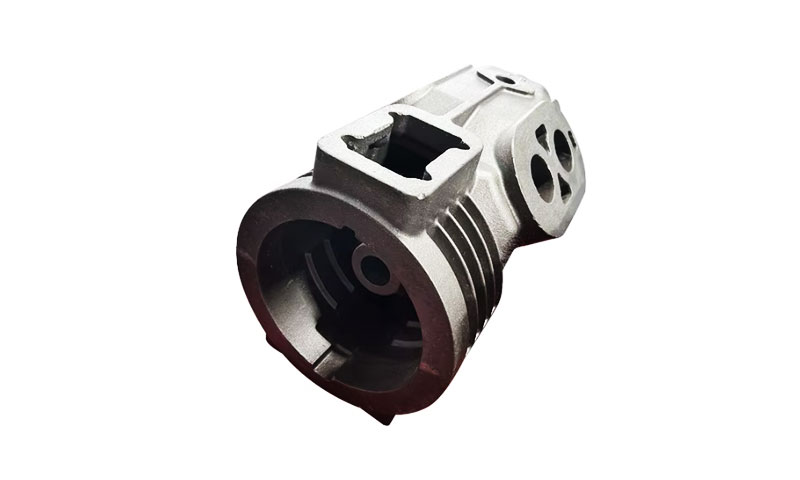
የእሱ ቀረጻ ቅርጽ ውስብስብ ለሆኑ አካባቢዎች ውስብስብ የጂኦሜትሪ ክፍሎችን ይፈቅዳል (የቫልቭ አካላት, ፓምፕ ሰፈር, ማኒፎልዶች), ነገር ግን ጥብቅ የሂደት ቁጥጥር ያስፈልገዋል (መቀልበስ, ጠንካራነት, መፍትሔ) የሚጠበቀውን አፈፃፀም ለማድረስ እና ኢንተርሜታልሊክ ደረጃዎችን ከማሳመር ለመቆጠብ.
2. CE3MN Cast Duplex የማይዝግ ብረት ምንድን ነው።?
CE3MN Cast duplex አይዝጌ ብረት ከፍተኛ አፈጻጸም ነው, ሁለት-ደረጃ (ፌሪቲክ-ኦስቲኒቲክ) አይዝጌ ቅይጥ በተለይ ለ የሚበላሹ እና ሜካኒካል ውጥረት ያለባቸው አካባቢዎች የተለመዱ ኦስቲኒቲክ ወይም ፌሪቲክ አይዝጌ አረብ ብረቶች በቂ ጥንካሬ የማይሰጡበት.
የ. ነው ሱፐር-duplex የማይዝግ ብረት ቤተሰብ, ከፍ ባለ ክሮሚየም ተለይቷል (Cr), ሞሊብዲነም (ሞ), ናይትሮጅን (ኤን) እና ኒኬል (ውስጥ) ልዩ ጥምረት የሚያቀርቡ ይዘቶች ጥንካሬ, አካባቢያዊ የዝገት መቋቋም እና ስንጥቅ መቋቋም.
በመደበኛ ስያሜ, CE3MN በመሳሰሉት የመውሰድ ዝርዝሮች ላይ በተለምዶ ተጠቅሷል ASTM A995 / ASME SA351 & SA995 ደረጃዎች (ለምሳሌ CD3MWCuN, እንዲሁም እንደ “6A” ለገበያ ቀርቧል). የእሱ የዩኤንኤስ ስያሜ J93404 ነው።.
እንደ ልዕለ-ዱፕሌክስ አይዝጌ አረብ ብረቶች ከተሰራው ጋር እኩል የሆነ ውሰድ ተብሎ በሰፊው ተቀባይነት አለው። የአሜሪካ S32750 / ASTM A F55, እና ክብደቱ ቀላል በሚሆንበት ጊዜ ጥቅም ላይ ይውላል, ውስብስብ ጂኦሜትሪ ወይም ነጠላ-ክፍል ክፍሎች ከፍተኛ ዝገት የመቋቋም ያስፈልጋል.
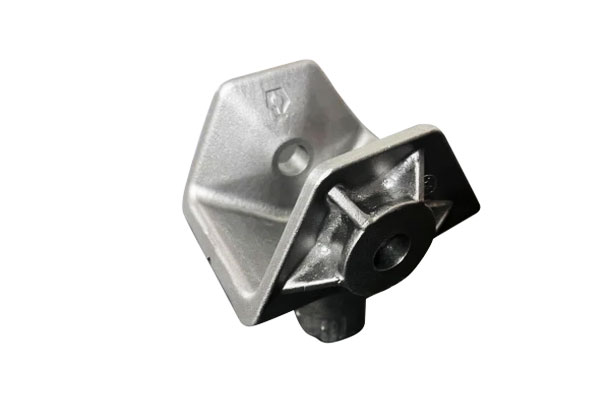
ከCE3MN በስተጀርባ ያለው ሃሳባዊ ግብ በመካከላቸው ያለውን ልዩነት ማጣጣም ነው። የተለመዱ ባለ ሁለትዮሽ አይዝጌ ብረቶች (ለምሳሌ., 2205) እና ኒኬል-ቤዝ ውህዶች
የዝገት መቋቋምን ከፍ በማድረግ (በተለይም በክሎራይድ አከባቢዎች ውስጥ የጉድጓድ እና የክሪቪስ ዝገት) ጥሩ የሜካኒካል አፈፃፀምን በመጠበቅ ላይ, ለትልቅ ወይም ውስብስብ የ cast ክፍሎች weldability እና ወጪ ቆጣቢነት.
በተደጋጋሚ የሚመረጠው ለ የቫልቭ አካላት, ፓምፕ ሰፈር, manifolds እና subsea ክፍሎች በውስጡ ዘይት & ጋዝ, ፔትሮኬሚካል, የባህር ውስጥ, የጨዋማነት እና የኃይል ኢንዱስትሪዎች.
3. የ CE3MN Cast Duplex የማይዝግ ብረት ኬሚካላዊ ቅንብር
| ንጥረ ነገር | የተለመደው ክልል (WT%) | ሚና / አስተያየት |
| Cr (Chromium) | 24.0 – 26.0 | የመተላለፊያ እና አጠቃላይ የዝገት መቋቋም ዋና አካል; ለ PREN ዋና አበርካች. |
| ውስጥ (ኒኬል) | 6.0 – 8.0 | Austenite stabilizer; ጥንካሬን ያሻሽላል እና የሁለትዮሽ ደረጃ ሚዛንን ለማሳካት ይረዳል. |
| ሞ (ሞሊብዲነም) | 3.0 – 4.0 | ጉድጓዶችን እና የዝገት መቋቋምን በከፍተኛ ሁኔታ ይጨምራል; ቁልፍ PREN አበርካች. |
| ኤን (ናይትሮጅን) | 0.14 – 0.30 | እምቅ ጉድጓድ-መቋቋም እና ጥንካሬ ማበልጸጊያ (በ PREN ቀመር ይባዛል); ለ duplex አፈጻጸም ወሳኝ. |
| ኩ (መዳብ) | 0.3 – 1.5 | በተወሰኑ የመቀነስ አካባቢዎች ላይ ተቃውሞን ለማሻሻል እና የማጠናከሪያ ባህሪን ለማሻሻል በአንዳንድ የ cast ደረጃዎች ያቅርቡ. |
ሲ (ካርቦን) |
≤ 0.03 | የካርቦዳይድ ዝናብን እና ኢንተርግራንላር embrittlementን ለመገደብ ዝቅተኛ ነው።. |
| Mn (ማንጋኒዝ) | ≤ 2.0 | Deoxidizer / ከፊል austenite የቀድሞ; ከመጠን በላይ የመካተት ምስረታ ወይም መለያየትን ለማስወገድ ቁጥጥር የሚደረግበት. |
| እና (ሲሊኮን) | ≤ 1.0 | Deoxidizer; ለቁጥጥር ኦክሳይድ እና ማካተት መፈጠር የተገደበ. |
| ፒ (ፎስፈረስ) | ≤ 0.03 | የንጽሕና ቁጥጥር - ጥንካሬን ለመጠበቅ ዝቅተኛ ነው. |
| ኤስ (ሰልፈር) | ≤ 0.01 | ንጽህና - ትኩስ ስንጥቆችን እና የቧንቧ እጥረትን ለማስወገድ የተቀነሰ. |
| ፌ (ብረት) | ሚዛን (≈ 40-50%) | ቅይጥ ቀሪ - ferrite + austenite ማትሪክስ. |
4. ጥቃቅን መዋቅር እና ደረጃ ሚዛን
- ባለሁለት-ደረጃ መዋቅር: CE3MN ሆን ተብሎ ባለ ሁለትዮሽ ነው - ፌሪት (መ) + ኦስቲኔት (ሐ).
የሜካኒካል እና የዝገት ባህሪያት ቀጥተኛ ተግባር ናቸው ደረጃ ክፍልፋይ, የኬሚስትሪ ክፍፍል እና የማይክሮ pation ት ሰራሽ. - የዒላማ ደረጃ ሚዛን: በተለምዶ ~40–60% ፌሪይትን ያነጣጥሩት; በጣም ብዙ ፌሪትት ጥንካሬን እና ጥንካሬን ይቀንሳል; በጣም ትንሽ ፌሪት የክሎራይድ ጭንቀትን - የዝገት ስንጥቅ ጥንካሬን እና የመቋቋም ችሎታን ይቀንሳል.
- ኢንተርሜታልስ አደጋ: ዘገምተኛ ማቀዝቀዝ, ተገቢ ያልሆነ የሙቀት ዑደቶች (ወይም የአካባቢ ዳግም ማሞቂያ) ማስተዋወቅ p (ሲግማ), ሸ, እና ሌሎች በክሮሚየም የበለጸጉ ኢንተርሜታሊኮች ናቸው። ተሰባሪ, Cr/Mo-ሀብታም እና ኒ-ድሃ; እነዚህ በከፍተኛ ሁኔታ ጥንካሬን እና የዝገት መቋቋምን ይቀንሳሉ.
5. የተለመደ አካላዊ & ሜካኒካል ንብረቶች - CE3MN (ልዕለ-ዱፕሌክስ አይዝጌ ብረት ውሰድ)
ወሰን & ማስጠንቀቂያዎች: ከታች ያሉት እሴቶች ናቸው የተለመደው የምህንድስና ክልሎች ለካስት CE3MN/J93404 በተገቢው መፍትሄ በተሸፈነ ሁኔታ.
ስርዓቶች (በተለይም ትልቅ / ወፍራም ክፍሎች) ከተሠሩት ምርቶች የበለጠ መበታተን ያሳዩ እና ለክፍል መጠን ስሜታዊ ናቸው።, የሙቀት ሕክምና, እና ትክክለኛው የደረጃ ሚዛን (ደ/ሲ).
ለንድፍ እና ለደህንነት-ወሳኝ ስራ ሁል ጊዜ በአቅራቢው የተረጋገጠ የሙከራ ውሂብ ለተወሰነ ሙቀት/ሎት ይጠቀሙ እና ከክፍል-ደረጃ ሙከራዎች ጋር ያረጋግጡ.
አካላዊ ባህሪያት (ዓይነተኛ)
| ንብረት | የተለመደ እሴት (CE3MN ውሰድ, መፍትሄ-የታሰረ) | አስተያየት |
| ጥግግት | ≈ 7.8 – 8.0 g·cm⁻³ | ከሌሎች አይዝጌ ውህዶች ጋር ተመሳሳይ; መጠቀም 7.85 g/cm³ ለጅምላ ስሌት. |
| ማቅለጥ / የማጠናከሪያ ክልል | ≈ 1,375 – 1,425 ° ሴ | በከፍተኛ ቅይጥ ምክንያት ሰፊ የማጠናከሪያ ክልል; በመመገብ እና በመቀነስ ላይ ተጽእኖ ያሳድራል. |
| የሙቀት መቆጣጠሪያ (20 ° ሴ) | ≈ 12 – 18 WAMMNY | ከካርቦን ብረቶች ያነሰ; በቆርቆሮ እና በመበየድ ጊዜ የሙቀት ምጥጥነቶችን ይነካል. |
| የተወሰነ ሙቀት (20 ° ሴ) | ≈ 420 – 500 ጃልጊጊክ | ለሙቀት ስሌት ~460 J·kg⁻¹·K⁻¹ ይጠቀሙ. |
የሙቀት መስፋፋት Coefficient (20-300 ° ሴ) |
≈ 12.5 – 14.5 ×10⁻ K⁻¹ | ከብዙ የኦስቲኒቲክ ደረጃዎች በታች; ከሌሎች ብረቶች ጋር ሲቀላቀሉ አስፈላጊ ነው. |
| የወጣቶች ሞጁሎች (የክፍል ሙቀት) | ≈ 190 – 210 ጂፒኤ | ለስላስቲክ ዲዛይን አጠቃቀም 200 ጂፒኤ ወግ አጥባቂ. |
| የኤሌክትሪክ መቋቋም (20 ° ሴ) | ≈ 0.6 – 0.9 μΩ·m | የማይዝግ አይዝጌ ክልል; በትክክለኛው ቅንብር ይለያያል. |
| መግነጢሳዊነት | ትንሽ ፈሪ; ደካማ መግነጢሳዊ ምላሽ ሊያሳይ ይችላል | ሙሉ በሙሉ ኦስቲኒቲክ ክልሎች መግነጢሳዊ ያልሆኑ; duplex በferrite ምክንያት መለስተኛ መግነጢሳዊነትን ያሳያል. |
ሜካኒካል ባህሪያት (ዓይነተኛ, የመፍትሄ-የታሰረ የ cast ቅጽ)
| ንብረት | የተለመደው ክልል | ማስታወሻዎች |
| ጥንካሬን ይስጡ (RP0.2) | ≈ 400 – 550 MPa | ከ300-ተከታታይ አይዝጌ ብረቶች በጣም ከፍ ያለ; እንደ ክፍል ይወሰናል, የሙቀት-ህክምና እና የፌሪት ክፍልፋይ. |
| የመለጠጥ ጥንካሬ (Rm) | ≈ 750 – 900 MPa | ለሚፈቀዱ ጭንቀቶች የተረጋገጠ የሎጥ ውሂብ ተጠቀም. |
| ማራዘም (ሀ, % ውስጥ 50 ሚ.ሜ) | ≈ 10 – 25 % | ክፍሎችን ውሰድ ወደ ታችኛው ጫፍ አቅጣጫ; ወፍራም ክፍሎች እና ቀሪ σ/χ ductility ይቀንሳል. |
ጥንካሬ (ኤች.ቢ) |
≈ 220 – 360 ኤች.ቢ | የውሰድ ልዕለ-ዱፕሌክስ ዋጋዎች በማይክሮ መዋቅር እና በማንኛውም ኢንተርሜታሊክስ ይለያያሉ።; ጠንካራነት ከጥንካሬ እና ብስጭት ጋር ይዛመዳል. |
| Charpy V-notch ተጽዕኖ | ≈ 30 – 120 ጄ (የክፍል ሙቀት) | ሰፊ ክልል: ውሰድ, የክፍል መጠን እና ዝናቦች ወደ መበታተን ይመራሉ - ወሳኝ ክፍሎችን ይለኩ. |
ስብራት ጥንካሬ (K_IC, ግምታዊ) |
≈ 50 – 120 MPABIN | በጥቃቅን መዋቅር ላይ በጣም ጥገኛ, የኖት መጠን እና የሙከራ ዘዴ; አስፈላጊ ሆኖ ሲገኝ ከፊል-ተኮር ስብራት መካኒኮችን ይጠቀሙ. |
| ድካም (የሚሽከረከር መታጠፍ / ጽናት) | አመላካች ጽናት ≈ 250 – 400 MPa | የገጽታ አጨራረስ, ቀሪ ውጥረት እና ፖሮሲስ የድካም ህይወትን ይቆጣጠራሉ - በሙከራ መጠን. |
| የሚረብሽ መቋቋም | መጠነኛ (ከፍተኛ ሙቀት አይደለም ክሬፕ ቅይጥ) | ለጊዜያዊ የሙቀት-ሙቀት መጋለጥ ተስማሚ; ያለብቃት ከ ~ 350–400 ዲግሪ ሴንቲግሬድ በላይ ለዘለቄታው ከፍተኛ ጭንቀት ላለው አገልግሎት አይመከርም. |
ከፍ ያለ የሙቀት ባህሪ & የአገልግሎት መመሪያ
- ተግባራዊ ቀጣይነት ያለው የአገልግሎት ሙቀት: በተለምዶ ≤ ~ 300 ° ሴ ለ corrosion-sensitive መተግበሪያዎች; የሜካኒካዊ ጥንካሬ በሙቀት መጠን ቀስ በቀስ ይቀንሳል.
- የአጭር ጊዜ መጋለጥ: ቁሳቁስ ምክንያታዊ ጥንካሬን እስከ 400-500 ዲግሪ ሴንቲ ግሬድ ይይዛል ፣ ግን ለረጅም ጊዜ ተጋላጭነት የ intermetallics ዝናብ አደጋን ያስከትላል። (ሀ, ሸ) ቅይጥ ያሸበረቀ.
- ዝለል & የጭንቀት መቋረጥ: CE3MN ከብዙ ኦስቲኒቲክስ የተሻለ የከፍተኛ ሙቀት ጥንካሬ ይሰጣል ግን ግን ነው። አይደለም የረጅም ጊዜ ክሬፕ በሚያስፈልግበት የኒኬል-ቤዝ ውህዶች ምትክ.
ከፍ ባለ የሙቀት መጠን ለዘለቄታው ጭነት ተገቢውን ሾልከው ደረጃ የተሰጠውን ነገር ይምረጡ እና አስፈሪ ሙከራን ያድርጉ.
6. የመውሰድ ባህሪ እና የማጠናከሪያ ተግዳሮቶች
የ CE3MN ንድፍ እንደ ሀ ቅይጥ ቅይጥ ውስብስብ የውስጥ ምንባቦች ያላቸው ባለ አንድ ክፍል ክፍሎችን ያስችላል, የተዋሃዱ ባህሪያት እና ጥቂት መገጣጠሚያዎች - በማምረት ውጤታማነት ውስጥ ጥቅሞች, ከበርካታ ፎርጂንግ ወይም ብየዳዎች ከተፈጠሩት ፈጠራዎች ጋር ሲወዳደር ልቅነትን መቀነስ እና ከፊል ታማኝነት.
በመውሰድ ላይ CE3MN ሂደት-ተኮር አደጋዎችን ያስተዋውቃል:
- ሚዛናዊ ያልሆነ ማጠናከሪያ እና መለያየት: interdendritic ቀሪ ፈሳሽ በክር, እኔ እና ኒ (ወይም በተገላቢጦሽ የተሟጠጠ በኤለመንት ክፍልፍል ቅንጅቶች ላይ በመመስረት),
ኢንተርሜታልሊክ ምስረታን ሊያሳድጉ የሚችሉ የአካባቢ ኬሚስትሪ ልዩነቶችን ማምረት (ሰ/ሰ) እንደ-ካስት ሁኔታ. - ሰፊ የማቀዝቀዝ ክልል: ከፍተኛ ቅይጥ ይዘት የማጠናከሪያ ክፍተት ያሰፋዋል, የመቀነስ ስጋት መጨመር እና የመመገብ ችግር - ጥንቃቄ የተሞላበት ንድፍ ያስፈልገዋል, ቅዝቃዜ እና የአመጋገብ ዘዴ.
- ትኩስ እንባ እና ትኩስ ስንጥቅ: የ duplex cast alloys እገዳዎች እና የሙቀት ደረጃዎች ካልተቆጣጠሩ ለሞቅ መቀደድ ሊጋለጡ ይችላሉ; የእህል ማጣሪያ እና የጌቲንግ ማመቻቸት እገዛ.
- ውጫዊ እና ውስጣዊ ጉድለቶች: porosity (ጋዝ እና መቀነስ), የማቅለጥ ቁጥጥር እና ማጣሪያ በቂ ካልሆኑ ኦክሳይድ መጨመር እና ማካተት የተለመዱ ናቸው.
ቅነሳ: ትክክለኛ የማቅለጥ ኬሚስትሪ ቁጥጥር, የሴራሚክ-አረፋ ማጣሪያ, ዲዳድ, በጠንካራነት ማስመሰል የሚመራ የተመቻቸ የጌቲንግ እና መጋቢ አቀማመጥ, እና የድህረ-መፍትሄ መፍትሄን ማስወገድ አስፈላጊ ነው.
7. የሙቀት ሕክምና, ብየዳ, እና የማምረት መቆጣጠሪያዎች
የመፍትሄ አፈላላጊ & Quachch
- ዓላማ: የሚፈለገውን የዱፕሌክስ ሚዛን ለማግኘት እንደ-cast intermetallics ሟሟ እና ኬሚስትሪን ተመሳሳይ ማድረግ.
- የተለመደ ልምምድ: ክልል ውስጥ መፍትሄ anneal 1,050-1,100 ° ሴ (ትክክለኛው ክልል በክፍሉ ክፍል ላይ ይወሰናል) በመካከላቸው ያለውን ድግግሞሽ ለማስወገድ በፍጥነት ማጥፋት.
- ማሳሰቢያዎች: ትላልቅ/ወፍራም ቀረጻዎች በክፍል መጠን የተበጁ የማቆያ ጊዜዎችን እና የማጥፋት ስልቶችን ይፈልጋሉ; በቂ ያልሆነ መፍትሄ ቀሪዎች σ/χ እና መለያየት.
ብየዳ & የሙቀት መቁረጥ
- ብየዳ ብረት: የፍጆታ ዕቃዎች ከቅይጥ ኬሚስትሪ ጋር የሚዛመዱ ወይም በትንሹ የሚጋጩ እና በ HAZ/weld metal ውስጥ የተመጣጠነ የደረጃ ጥምርታን ለማስተዋወቅ መመረጥ አለባቸው።.
- የሙቀት ግቤት ቁጥጥር: ከመጠን በላይ ወይም ተገቢ ያልሆነ ቅደም ተከተል ያለው የሙቀት ግቤት የደረጃ ሚዛንን ይለውጣል እና በአካባቢው σ/χ ሊዘንብ ይችላል.
- የድህረ-ዌልድ ህክምና: ወሳኝ ለሆኑ ስብሰባዎች, የድህረ-ዌልድ መፍትሄ አኒኤል ወይም የአካባቢ ሙቀት ሕክምና ማይክሮስትራክሽን ወደነበረበት መመለስ ሊያስፈልግ ይችላል።.
- የሙቀት መቁረጥ ጥንቃቄ: በተግባር እንደታየው, ቅድመ ሁኔታ + የአካባቢ ሙቅ መቁረጥ (ለምሳሌ., ኦክሲ-ነዳጅ) ቀስ ብሎ ማቀዝቀዝ ይከተላል በተቆረጠው ጠርዝ ላይ σ/χ ዝናብ እና ብስጭት መፍጠር ይችላል።;
ምርጥ ልምምድ ማድረግ ነው ከማንኛውም የሙቀት መቆረጥ በፊት መፍትሄ-ማከም ወይም ቀዝቃዛ-መቁረጥን ለመጠቀም (መጋዝ) የመፍትሄ አፈላላጊ ተከትሎ.
8. የተለመዱ ጉድለቶች እና ውድቀቶች ሁነታዎች (ተግባራዊ ትኩረት)
- ሀ / χ ኢንተርሜታልክ ዝናብ: በ interdendritic እና α/γ በይነገጾች በቀስታ በሚቀዘቅዝበት ጊዜ ወይም በድህረ-መለጠጥ የሙቀት መጋለጥ ጊዜ; የመበሳጨት እና የዝገት ተጋላጭነትን ያስከትላል.
- መለያየት (Ni/Cr/Mo ክፍልፍል): ወደ አካባቢያዊ የ PREN ድብርት እና ተመራጭ ጥቃት ይመራል.
- ጋዝ እና porosity shrinkage: የተሸከመውን ክፍል እና የድካም ህይወት ይቀንሱ.
- ትኩስ ማሸት: በወፍራም ክፍሎች ውስጥ ከተገደበ ማጠናከሪያ.
- በሙቀት-የተቆረጠ መጎሳቆል: ያለ ቅድመ መፍትሄ አኖአል በአስ-ካስት ክፍሎች ላይ መወጣጫዎችን መቁረጥ በተቆረጠው ስር σ/χ ሊሰነጠቅ እና መሰንጠቅን ሊጀምር ይችላል (ተግባራዊ መድሃኒት: የሙቀት መቆረጥ ወይም ቀዝቃዛ መጋዝ ከመድረሱ በፊት የመፍትሄ አኖል ከዚያም መፍትሄ ይስጡ).
9. የተለመዱ የ CE3MN Cast Duplex የማይዝግ ብረት መተግበሪያዎች
CE3MN Cast duplex አይዝጌ ብረት ለትግበራዎች ተመርጧል ከፍተኛ የሜካኒካዊ ጥንካሬ, ለአካባቢያዊ ዝገት በጣም ጥሩ የመቋቋም ችሎታ, እና በከባድ የአገልግሎት ሁኔታዎች ውስጥ መዋቅራዊ አስተማማኝነት በአንድ ጊዜ ያስፈልጋሉ.
እንደ ውሰድ ልዕለ-duplex ደረጃ, በተለይም ውስብስብ በሆነ ሁኔታ ተስማሚ ነው, ወፍራም ግድግዳ, ከተሠሩ ምርቶች ለማምረት አስቸጋሪ ወይም ኢኮኖሚያዊ ያልሆኑ ጫና ያላቸው አካላት.

ዘይት & ጋዝ እና ፔትሮኬሚካል ኢንዱስትሪ
- የቫልቭ አካላት እና የቫልቭ ክፍሎች (የኳስ ቫልቮች, የበር ቫልቮች, ቼኮች) ለጎምዛዛ አገልግሎት እና ለከፍተኛ-ክሎራይድ አከባቢዎች
- ፓምፕ ቦርሳዎች እና ግፊት የባህር ውሃ አያያዝ, የተመረተ ውሃ, ወይም ኃይለኛ የሃይድሮካርቦን ድብልቆች
- ማኒፎልዶች እና የፍሰት መቆጣጠሪያ አካላት ለከፍተኛ ግፊት መጋለጥ, የአፈር መሸርሸር, እና የሚበላሹ ፈሳሾች
የባህር እና የባህር ምህንድስና
- የባህር ውሃ አያያዝ ስርዓቶች (የፓምፕ መጎተት, ገለባዎች, የቫልቭ እገዳዎች)
- የባህር ማዶ መድረክ መዋቅራዊ ቀረጻዎች ለቀጣይ የባህር ውሃ ተጋላጭነት
- የጨዋማ እፅዋት አካላት ብሬን ፓምፖች እና የቫልቭ አካላትን ጨምሮ
የኬሚካል እና ሂደት ኢንዱስትሪዎች
- ሬአክተር የውስጥ እና casings ለተደባለቁ አሲዶች የተጋለጡ, ክሎራይቶች, እና ከፍ ያሉ የሙቀት መጠን
- የሙቀት መለዋወጫ አካላት እንደ ሰርጥ ራሶች እና የውሃ ሳጥኖች
- Agitator የቤቶች እና የፓምፕ ክፍሎች በከባድ የኬሚካል አገልግሎት ውስጥ
የኃይል ማመንጫ እና የኃይል ስርዓቶች
- የውሃ ማቀዝቀዝ ስርዓቶች በሙቀት እና በኑክሌር ኃይል ማመንጫዎች ውስጥ
- የጭስ ማውጫ ጋዝ ዲሰልፈርራይዜሽን (ኤፍ.ጂ.ዲ) የስርዓት አካላት
- ከፍተኛ-ግፊት ውሃ አያያዝ castings በታዳሽ የኃይል ተቋማት ውስጥ
PUPP, ወረቀት, እና የአካባቢ ምህንድስና
- የምግብ መፍጨት እና የነጣው ስርዓት አካላት
- ፓምፖች, ድብልቅዎች, እና ቫልቭ አካላት ለክሎራይድ-ሀብታም እና ለአልካላይን ሚዲያ የተጋለጡ
- የፍሳሽ እና የፍሳሽ ማስወገጃ መሳሪያዎች
ማዕድን ማውጣት, ማዕድን ማቀነባበሪያ, እና ዝቃጭ አያያዝ
- የፍሳሽ ማስወገጃ ፓምፖች እና ማቀፊያዎች
- መልበስ- እና ዝገት-ተከላካይ መኖሪያ ቤቶች ለማዕድን ማጓጓዣ ስርዓቶች
ከፍተኛ-አቋም-ግፊት-የያዙ ክፍሎች
- የግፊት መርከቦች አካላት
- ጥቅጥቅ ባለ ግድግዳ የተቀረጹ ቤቶች እና ሽፋኖች
- ብጁ-ምህንድስና Cast ክፍሎች ከተወሳሰቡ ውስጣዊ ምንባቦች ጋር
10. ከሌሎች ተለዋጭ እቃዎች ጋር ማወዳደር
CE3MN Cast duplex አይዝጌ ብረት ብዙውን ጊዜ በሌሎች አይዝጌ ብረቶች ላይ ይመረጣል, ሱፐር-ኦስቲኒቲክ ውህዶች, እና በኒኬል ላይ የተመሰረቱ ውህዶች በእሱ ምክንያት የዝገት መቋቋም ልዩ ጥምረት, የሜካኒካዊ ጥንካሬ, እና ወጪ ቆጣቢነት በ cast መልክ.
የሚከተለው ንጽጽር አንጻራዊ አፈጻጸሙን እና የመተግበሪያውን ተስማሚነት ያጎላል.
| ንብረት / መመዘኛ | CE3MN (Duplex ይውሰዱ, 25Cr-7Ni-Mo-N) | 316ኤል / 1.4404 (ኦስቲኒክ ኤስ.ኤስ) | 904ኤል / 1.4539 (ልዕለ-ኦስቲኒክ ኤስ.ኤስ) | በኒኬል ላይ የተመሰረቱ ቅይጥ (ለምሳሌ., ሃይዌይ ሲ-22) |
| የዝገት መቋቋም | ለማራገዝ እጅግ በጣም ጥሩ የመቋቋም ችሎታ, ክሪቪስ ዝገት, እና በክሎራይድ አካባቢዎች ውስጥ የጭንቀት ዝገት; እንጨት ≈ 40 | መጠነኛ; በከፍተኛ ክሎራይድ ሚዲያ ውስጥ ለጉድጓድ / ስንጥቅ የተጋለጠ | በጣም ከፍተኛ; ተመጣጣኝ PREN (≈ 40-42), ጠንካራ አሲድ መቋቋም | አሲዶችን በማጣራት እና በመቀነስ ረገድ የላቀ |
| መካኒካል ጥንካሬ | ከፍተኛ ጥንካሬ (Rp0.2 ≈ 450-550 MPa, አርም ≈ 750-900 MPa); ጥሩ ጥንካሬ | መጠነኛ (Rp0.2 ≈ 200-250 MPa, አርም ≈ 500-600 MPa) | ከመካከለኛ እስከ ከፍተኛ; በምርት ውስጥ ከ duplex ያነሰ | ከፍተኛ, ግን ብዙውን ጊዜ ለማምረት ውድ ነው። |
ደረጃ / ጥቃቅን መዋቅር |
Duplex (ferrite + ኦስቲኔት) ለተመቻቸ ጥንካሬ-ዝገት ሚዛን | ሙሉ በሙሉ ኦስቲኒቲክ | ሙሉ በሙሉ ኦስቲኒቲክ | ሙሉ በሙሉ ኦስቲኒቲክ ወይም ውስብስብ |
| መረጋጋት | ለ ውስብስብ በጣም ጥሩ, ወፍራም ግድግዳ ክፍሎችን; ከፍተኛ ቅይጥ austenitics ይልቅ ዝቅተኛ shrinkage | ጥሩ, ነገር ግን በወፍራም ክፍሎች ዝቅተኛ ጥንካሬ | ድሆች; ለትልቅ castings ውድ | አስቸጋሪ; ከፍተኛ ወጪ, ውስብስብ የማቅለጫ መቆጣጠሪያ |
ከፍ ያለ የሙቀት አፈፃፀም |
መጠነኛ; ተስማሚ ≤ 300-350 ° ሴ; የተገደበ መንሸራተት | መጠነኛ; austenite በከፍተኛ ቲ ይለሰልሳል | መጠነኛ; ከ 316 ሊ ትንሽ የተሻለ | በጣም ጥሩ; 400-600 ዲግሪ ሴንቲግሬድ በሆነ ኃይለኛ ሚዲያ ማስተናገድ ይችላል። |
| ወጪ & ተገኝነት | መጠነኛ; ከ 904L እና ከኒኬል ውህዶች የበለጠ ኢኮኖሚያዊ | ዝቅተኛ; በሰፊው ይገኛል | ከፍተኛ; የተወሰነ የመውሰድ አቅራቢዎች | በጣም ከፍተኛ; ልዩ ቅይጥ |
| የተለመዱ መተግበሪያዎች | ቫልቮች, ፓምፖች, በክሎራይድ የበለጸጉ የግፊት ቤቶች, ከፍተኛ ግፊት, ኬሚካዊ አገልግሎት | አጠቃላይ የኬሚካል መሳሪያዎች, ምግብ, የውሃ አያያዝ | አሲድ-ተከላካይ ታንኮች, የሙቀት መለዋወጫዎች | በጣም ኃይለኛ ኬሚካላዊ ሂደቶች, ከፍተኛ ሙቀት ወይም ዝገት |
ቁልፍ atways:
- CE3MN vs 316L: CE3MN በክሎራይድ እና ጠበኛ ኬሚካላዊ አካባቢዎች ውስጥ እጅግ የላቀ የዝገት መቋቋምን ይሰጣል, በከፍተኛ ጥንካሬ, ለከፍተኛ-ግፊት ወይም ጥቅጥቅ ያሉ ክፍሎች ተስማሚ ማድረግ.
- CE3MN vs 904L: CE3MN ከፍተኛ የሜካኒካል ጥንካሬን እና ጥንካሬን ይሰጣል, ብዙ ጊዜ በዝቅተኛ ወጪ, 904L በቀጭን ግድግዳ ላይ ይመረጣል, ከፍተኛ አሲድ-ተከላካይ ክፍሎች.
- CE3MN vs ኒኬል-ተኮር ቅይጥ: የኒኬል ውህዶች በጣም በሚበላሹ እና ከፍተኛ የሙቀት ሁኔታዎች ውስጥ የተሻሉ ናቸው።,
ግን CE3MN ያቀርባል ኢኮኖሚያዊ ሚዛን የጥንካሬ, የዝገት መቋቋም, እና ለአብዛኛዎቹ የኢንዱስትሪ መተግበሪያዎች የማምረት አቅም.
11. ማጠቃለያ
CE3MN Cast duplex አይዝጌ ብረት ውስብስብ Cast ጂኦሜትሪዎች የሚፈለጉባቸው ብስባሽ እና ሜካኒካል የተጫኑ አካባቢዎችን ለመፈለግ በዓላማ የተሰራ ቅይጥ ነው።.
የእሱ ሱፐር-duplex ኬሚስትሪ ከፍተኛ ጥንካሬ እና እጅግ በጣም ጥሩ የአካባቢ-ዝገት መቋቋም ማራኪ ጥምረት ያቀርባል - ነገር ግን እነዚህ ጥቅሞች የሚከናወኑት በሚቀልጥበት ጊዜ ብቻ ነው, መውሰድ, የመፍትሄ አፈላላጊ እና አፈጣጠር በዲሲፕሊን የሚፈጸሙት መለያየትን እና የሚሰባበር የኢንተርሜታል ዝናብን ለማስወገድ ነው።.
ወሳኝ ለሆኑ የኢንዱስትሪ ወይም የባህር ውስጥ ክፍሎች, የ CE3MN ከተመሰከረላቸው አቅራቢዎች ጥብቅ ብቃት እና ፈተና መግዛት ዘላቂነት ይኖረዋል, የቁሳቁስ እና የማስኬጃ ፕሪሚየም የሚያጸድቁ ከፍተኛ አፈጻጸም ያላቸው ቀረጻዎች.

