1. Вступ
Сталь є одним із найважливіших матеріалів у сучасному машинобудуванні, підтримка галузей, починаючи від будівництва та виробництва автомобілів до аерокосмічної та енергетичної інфраструктури.
Ще, не всі сталі працюють однаково. Depending on how much and which alloying elements they contain, steels split into low-alloy steel and high-alloy steel families.
Striking the right balance between performance and cost hinges on understanding these distinctions.
Отже, this article examines low-alloy steel (LAS) and high-alloy steel (МАЄ) from multiple angles—chemistry, механіка, Корозійна стійкість, обробка, економіка, and real-world applications—to guide your material selection.
2. Що таке низьколегована сталь (LAS)?
Low-alloy steel is a category of ferrous materials engineered to achieve superior mechanical performance and environmental resistance through the addition of carefully controlled alloying elements.
Defined by the American Iron and Steel Institute (Aisi) as steels containing a total alloy content not exceeding 5% за вагою,
low-alloy steels offer a refined balance between performance, виробництво, and cost—positioning them as workhorse materials across multiple industries.

Хімічний склад та мікроструктура
На відміну від вуглецевої сталі, який спирається виключно на систему залізо-вуглець,
низьколеговані сталі включають різноманітні металеві елементи, які синергетично покращують властивості матеріалу без принципової зміни фазової структури сталі.
Найпоширеніші легуючі елементи та їх типові ролі включають:
- Хром (Cr): Покращує загартовуваність, Окислювальна стійкість, і високотемпературна міцність.
- Нікель (У): Покращує міцність на злам, особливо при мінусовій температурі.
- Молібден (Mo): Підвищує міцність при підвищених температурах і підвищує стійкість до повзучості.
- Ванадій (V): Сприяє дрібному зерну і сприяє дисперсійному твердінню.
- Мідь (Куточок): Забезпечує помірну стійкість до атмосферної корозії.
- Титан (На): Стабілізує карбіди та підвищує стабільність мікроструктури.
Ці легуючі елементи впливають на фазову стабільність, зміцнення твердого розчину, і утворення диспергованих карбідів або нітридів.
Як результат, низьколеговані сталі зазвичай мають мікроструктури, що складаються з ферит, перліт, бейніт, або мартенсит, залежно від специфіки термічної обробки та вмісту сплаву.
Наприклад, хромомолібденові сталі (наприклад AISI 4130 або 4140 сталь) утворюють загартовані мартенситні структури після гарту та відпустки, забезпечує високу міцність і зносостійкість без шкоди для пластичності.
Класифікація та позначення
Низьколеговані сталі класифікують на основі їх механічних властивостей, реакція на термічну обробку, або передбачене службове середовище. Загальні категорії включають:
- Загартована та відпущена сталь: Відомий високою міцністю і міцністю.
- Високоміцний низьколегований (HSLA) сталі: Оптимізовано для конструкційних застосувань із покращеною формоздатністю та зварюваністю.
- Стійкі до повзучості сталі: Призначений для збереження міцності при підвищених температурах.
- Вивітрювання сталі (Напр., ASTM A588/Corten): Розроблено для підвищення стійкості до атмосферної корозії.
У системі позначення AISI-SAE, низьколеговані сталі часто ідентифікують за чотиризначні числа, що починаються з «41», «43», «86», або «87», із зазначенням конкретних комбінацій сплавів (Напр., 4140 = 0.40% C, Cr-Mo сталь).
3. Що таке високолегована сталь (МАЄ)?
Високолегована сталь відноситься до широкого класу сталей, що містять понад загальний вміст легуючих елементів 5% за вагою, часто досягаючи рівня 10% до 30% або більше, залежно від сорту та застосування.
На відміну від низьколегованої сталі, який покращує властивості зі скромними доповненнями, високолегована сталь покладається на значні концентрації елементів
наприклад хром (Cr), нікель (У), молібден (Mo), вольфрам (Ш), ванадій (V), і кобальт (Co) для досягнення вузькоспеціалізованих характеристик продуктивності.
Ці сталі розроблені для вимогливих умов, що вимагають виняткова стійкість до корозії, механічна міцність, стійкість до високих температур, або зносостійкість.
Загальні приклади включають Нержавіючі сталі, інструментальні сталі, мартенситно-стареючі сталі, і Суперплої.

Хімічний склад та мікроструктура
Високолеговані сталі мають складні хімічні властивості, призначені для контролю мікроструктури сталі як за кімнатної, так і за підвищеної температури.. Кожен легуючий елемент відіграє певну роль:
- Хром (≥12%): Сприяє пасивації, утворюючи тонкий, адгезивний оксидний шар, що має важливе значення для стійкості нержавіючої сталі до корозії.
- Нікель: Підвищує міцність, ударний опір, і корозійна стійкість, одночасно стабілізуючи аустенітну фазу.
- Молібден: Підвищує міцність при високих температурах і підвищує стійкість до точкової та щілинної корозії.
- Ванадій і вольфрам: Сприяти утворенню дрібного карбіду для зносостійкості та твердості при нагріванні.
- Кобальт і титан: Використовується в інструментальних і мартенситно-стареючих сталях для зміцнення твердим розчином і дисперсійного зміцнення.
Ці стратегії легування дозволяють точна фазова маніпуляція, включаючи збереження аустеніту, утворення мартенситу, або стабілізація інтерметалічних сполук і комплексних карбідів.
Наприклад:
- Аустенітні нержавіючі сталі (Напр., 304, 316): Високий вміст Cr і Ni стабілізує немагнітну гранецентровану кубіку (FCC) структура, збереження пластичності та стійкості до корозії навіть при кріогенних температурах.
- Мартенситні та дисперсійно зміцнені марки (Напр., 17-4РН, H13 Інструментальна сталь): Зображення чотирикутника з центром тіла (BCT) або мартенситна структура, яка може бути значно зміцнена термічною обробкою.
Класифікація високолегованих сталей
Високолеговані сталі зазвичай поділяють на такі основні типи:
| Категорія | Типові сплави | Основні особливості | Загальні програми |
|---|---|---|---|
| Нержавіюча сталь | 304, 316, 410, 17-4РН | Стійкість до корозії через Cr-пасивацію; деякі сорти пропонують міцність + пластичність | Хімічне обладнання, медичні інструменти, архітектура |
| Інструментальна сталь | H13, D2, M2, Т1 | Висока твердість, стійкість до стирання, Червона твердість | Вмирає, Руточні інструменти, форми |
| Мартензитно-старінні сталі | 18У(250), 18У(300) | Надвисока міцність, міцність; дисперсійне зміцнення мартенситу, багатого на Ni | Аерокосмічний, захист, високопродуктивні механічні частини |
| Суперсплави | Юнель 718, Хастеллой, Рен 41 | Виняткова міцність + стійкість до корозії/окислення при високих температурах | Турбіни, реактивні двигуни, ядерні реактори |
4. Експлуатаційні характеристики низьколегованої та високолегованої сталі
Розуміння того, чим низьколегована та високолегована сталь відрізняються в механічних і екологічних характеристиках, є важливим для інженерів і дизайнерів
при виборі матеріалів для конструктивної цілісності, довговічність служби, і економічна ефективність.
Ці характеристики продуктивності виникають не тільки через хімічний склад, але також через термомеханічні обробки та мікроструктурний контроль.
Для детального порівняння, ключові характеристики описані нижче:
| Майно | Низьколелойська сталь | Високолегована сталь |
|---|---|---|
| Сила на розрив | Зазвичай коливається від 450–850 МПа, в залежності від термообробки і сорту | Часто перевищує 900 MPA, особливо у загартованих інструментальних сталях або мартенситно-стартових марках |
| Похідна сила | Може досягти 350–700 МПа після гарту і відпустки | Може перевершити 800 MPA, особливо в дисперсійно-гартованих і мартенситних сталях |
| Пластичність (Подовження %) | Помірна або добра пластичність (10–25%), придатний для формування | Різноманітний; пропозиція аустенітних марок >30%, тоді як інструментальні сталі можуть бути <10% |
Твердість |
Досягає 200–350 HB; обмежений рівнями вуглецю та сплавів | Може перевищувати 600 HV (Напр., зі сталей M2 або D2); ідеально підходить для додатків, критичних до зносу |
| Опір зносу | Покращено карбідами марок Cr/Mo, але в цілому помірно | Чудово підходить для інструментальних та штампових сталей завдяки високій об’ємній частці карбіду |
| В'язкість до руйнування | Загалом добре при низьких і помірних рівнях міцності | Аустенітні сталі мають високу міцність; деякі високоміцні марки можуть бути чутливими до надрізів |
| Втома | Досить для динамічних навантажень; чутливий до обробки поверхні та навантажень | Кращий у легованих мартенситних і мартенситних сталях; підвищена стійкість до розтріскування |
Стійкість до повзучості |
Обмежена довгострокова міцність вище 450° C | Чудово підходить для високолегованих сталей, багатих нікелем; використовується в турбінах, котли |
| Термічна стабільність | Фазова стабільність і міцність погіршуються вище 500–600°C | Зберігає структурну цілісність до 1000° C в суперсплавах і марках з високим вмістом Cr |
| Корозійна стійкість | Від поганого до середнього; часто потребує покриттів або інгібіторів | Відмінний, особливо в нержавіючих сталях с >12% Cr І ви доповнення |
| Термообробка | Легко загартовується за допомогою циклів гарту та відпустки | Комплексне лікування: відпал розчину, дисперсійне зміцнення, кріогенні ступені |
Зварюваність |
Загалом добре; певний ризик розтріскування з варіантами з високим вмістом вуглецю | Різноманітно; аустенітні марки добре зварюються, інші можуть вимагати попереднього нагрівання або присадки |
| Обробка | Від справедливого до хорошого, особливо в свинцевих або ресульфурованих варіантах | Може бути складним через твердість і вміст карбіду (рекомендується використовувати інструменти з покриттям) |
| Формування | Придатний для згинання і прокатки в відпалених станах | Відмінно підходить для відпалених аустенітних сталей; обмежено у загартованих інструментальних сталях |
Ключові зауваження:
- Сила проти. Компроміс міцності: Високолеговані сталі часто забезпечують вищу міцність, але деякі сорти можуть втратити пластичність або міцність.
Низьколеговані сталі ефективно врівноважують ці властивості для конструкційного використання. - Температурні показники: Для високотемпературних операцій (Напр., електростанції, реактивні двигуни), високолеговані сталі значно перевершують низьколеговані аналоги.
- Захист від корозії: У той час як низьколеговані сталі часто покладаються на зовнішні покриття, високолеговані сталі, особливо нержавіючі та суперсплави, забезпечують власний захист від корозії за допомогою пасивних оксидних плівок.
- Вартість проти. Виконання: Низьколегована сталь пропонує сприятливе співвідношення ціни та продуктивності для загального застосування,
тоді як високолегована сталь зарезервована для сценаріїв, що вимагають спеціальних функцій.
5. Застосування в різних галузях
Низьколелойська сталь
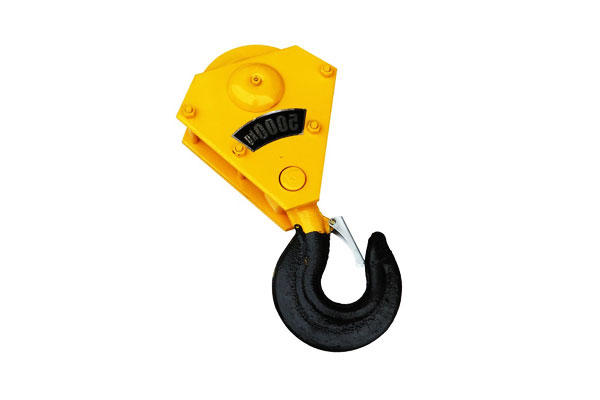
- Будівництво: Мости, крани, арматура, структурні промені
- Автомобільний: Осі, рамки, компоненти підвіски
- Нафта & Газовий: Трубопровідні сталі (API 5L X70, X80)
- Важка техніка: Гірничодобувне обладнання, Судна тиску
Високолегована сталь
- Аерокосмічний: Турбінні леза, компоненти реактивного двигуна, шасі
- Хімічна обробка: Реактори, Теплообмінники, насос
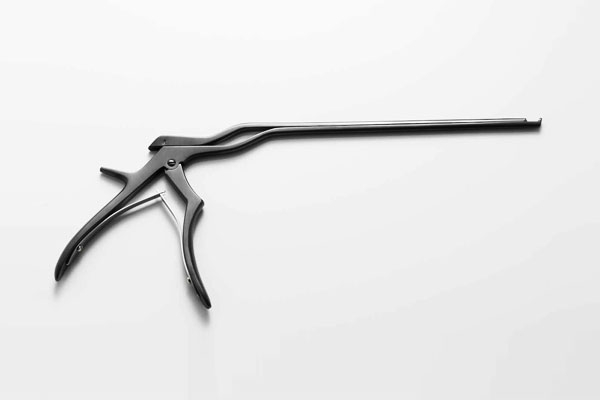
- Медичний: Хірургічні інструменти, ортопедичні імпланти (316L)
- Енергія: Внутрішні елементи ядерного реактора, надкритичні паропроводи
6. Висновок
Як низьколегована, так і високолегована сталь мають важливі переваги, залежно від потреб продуктивності та екологічних проблем певної програми.
Низьколеговані сталі забезпечують сприятливий баланс міцності, технологічність, і вартість, що робить їх ідеальними для загального інженерного використання.
Високолеговані сталі, З іншого боку, забезпечують неперевершені механічні та екологічні показники для галузей промисловості з високими ставками, таких як авіакосмічна промисловість, медичний, та виробництво електроенергії.
Розуміючи хім, механічний, та економічні відмінності між цими групами сталі,
особи, які приймають рішення, можуть оптимізувати матеріали для безпеки, міцність, і загальна вартість володіння — забезпечення успіху проектування від креслення до кінцевого продукту.
Це є ідеальним вибором для ваших виробничих потреб, якщо вам потрібна якісна легована сталь частини.
Поширені запитання
Чи вважається нержавіюча сталь високолегованою сталлю?
Так. Нержавіюча сталь є поширеним типом високолегованої сталі. Зазвичай він містить принаймні 10.5% хром, що забезпечує утворення пасивної оксидної плівки, яка протистоїть корозії.
Багато нержавіючих сталей також містять нікель, молібден, та інші легуючі елементи.
Чи можна використовувати низьколеговану сталь в корозійних середовищах?
Пропонуємо низьколеговані сталі Помірна корозійна стійкість, особливо при сплаві з такими елементами, як мідь або хром.
Однак, вони часто вимагають захисні покриття (Напр., гальванування, малювання) або катодний захист при використанні в агресивних або морських середовищах.
Як вміст сплаву впливає на зварюваність?
Вищий вміст сплаву може знизити зварюваність через підвищену здатність до гартування та ризик розтріскування.
Низьколеговані сталі, як правило, виявляють кращу зварюваність, хоча попередній нагрів і термообробка після зварювання може ще знадобитися.
Часто вимагають високолеговані сталі спеціальні процедури зварювання та присадки.
Чи існують міжнародні стандарти, які розрізняють низьколеговані та високолеговані сталі?
Так. Стандарти таких організацій, як ASTM, Asme, ISO, і SAE/AISI визначити межі хімічного складу та класифікувати сталі відповідно.
Ці стандарти також визначають механічні властивості, умови термічної обробки, та програми.
Який тип легованої сталі краще підходить для високотемпературних застосувань?
Високолеговані сталі, особливо Суперфурої на базі нікелю або нержавіючі сталі з високим вмістом хрому,
значно краще працюють у високотемпературних середовищах завдяки їх стійкості до повзучості, окислення, і теплова втома.
Низьколеговані сталі зазвичай руйнуються при температурах вище 500°C.
Високолеговані сталі складніше обробляти та виготовляти?
Так, загалом. Високолеговані сталі, особливо інструментальні сталі та загартовані нержавіючі марки, може бути важко обробляти завдяки високій твердості та вмісту карбіду.
Їх зварюваність також може бути обмежена в деяких класах. Навпаки, багато низьколегованих сталей легше зварювати, машина, і форма.
Який вид сталі економічно вигідніший?
Низьколеговані сталі зазвичай є більш економічно ефективними з точки зору початкова ціна покупки та виготовлення.
Однак, високолеговані сталі може запропонувати a нижча загальна вартість володіння у вимогливих програмах завдяки їх міцність, стійкість до відмови, і зменшені потреби в обслуговуванні.