1. Увођење
А Вентил за смањење притиска is a vital control device used to maintain a desired downstream pressure regardless of variations in upstream pressure or flow demand.
Its primary function is to protect equipment and systems from the harmful effects of excessive pressure and to ensure optimal operating conditions.
Pressure regulation is crucial in a wide array of applications, including municipal water supply systems, steam heating, gas transmission networks, fire protection systems, and industrial process plants.
У тим окружењима, maintaining the correct pressure ensures operational efficiency, prolongs equipment life, enhances safety, and reduces energy consumption.
2. What Is a Pressure Reducing Valve?
А Вентил за смањење притиска is a mechanical device designed to automatically reduce a higher inlet pressure to a lower, стабилан притисак, ensuring that downstream systems operate within safe and efficient pressure limits.

Ово вентили are self-regulating, meaning they operate without external power, relying on internal pressure feedback mechanisms to maintain control.
Working Principle of a Pressure Reducing Valve
The operation of a Pressure Reducing Valve is based on the balance of forces between the upstream pressure, downstream pressure, and a preset spring force.
These forces interact within the valve’s internal components to regulate and maintain a constant downstream pressure.
At the heart of the valve is a valve disc (или утикач), which controls flow through the valve. А spring-loaded diaphragm or piston senses downstream pressure and connects to the disc mechanism.
The spring is pre-set to a desired outlet pressure—this becomes the control setpoint.

- When downstream pressure is below the setpoint:
The upstream pressure pushes the valve disc open because the opposing force (from the downstream pressure and spring) is not enough to keep it closed.
As the valve opens, more fluid flows through, increasing the downstream pressure. - When downstream pressure exceeds the setpoint:
The increased downstream pressure pushes against the sensing element (diaphragm/piston), working with the spring to close the valve or reduce its opening.
This reduces flow and allows the downstream pressure to drop.
Ово self-regulating feedback loop continuously adjusts the valve position, ensuring a stable and accurate downstream pressure, regardless of fluctuations in upstream pressure or flow demand.
3. Types of Pressure Reducing Valves
Pressure-reducing valves come in several types, each engineered for specific operating conditions, system complexity, Карактеристике протока, and pressure control precision.
Direct-Acting Pressure Reducing Valve
Direct-acting valves are the simplest form of pressure-reducing valve. They operate without external sensing lines or pilot systems.
The valve’s internal spring opposes downstream pressure via a diaphragm or piston.
When the downstream pressure falls, the spring force opens the valve; when the pressure rises, it compresses the spring and closes the valve.

Кључне карактеристике:
- Compact and economical
- Fast response to pressure changes
- Minimal moving parts; ниско одржавање
- Suitable for small to medium flow rates
- Common in domestic water systems, линије за наводњавање, и системи компримованог ваздуха
Ограничења:
- Less accurate pressure control
- Not ideal for fluctuating or high-volume applications
Pilot-Operated Pressure Reducing Valve
Pilot-operated valves use a smaller pilot valve to control the main valve’s operation.
The pilot senses downstream pressure and modulates flow to a control chamber, which actuates the main valve via pressure differentials.

Кључне карактеристике:
- High flow capacity and excellent pressure stability
- Precise control under varying loads and inlet pressures
- Ideal for large-scale or critical systems like steam networks, industrial plants, and water distribution grids
Ограничења:
- Larger footprint and more complex installation
- Requires more maintenance than direct-acting types
Spring-Loaded Pressure Reducing Valve
Spring-loaded pressure reducing valves use a mechanical spring to apply force on a diaphragm or piston, setting the desired outlet pressure.
As downstream pressure changes, the spring’s compression level determines the valve opening, regulating flow accordingly.
These valves are available in both direct-acting and pilot-operated configurations.

Кључне карактеристике:
- Easy to install and adjust manually
- No need for an external pressure source
- Common in general-purpose applications (Нпр., водити воду, ваздушни, and steam)
- Widely available in many materials and pressure ratings
- Reliable and robust for most systems
Ограничења:
- Manual adjustment only; no remote control
- Less precise in systems with wide pressure fluctuations
- Spring fatigue over time may affect setpoint accuracy
Dome-Loaded Pressure Reducing Valve
Dome-loaded pressure reducing valve use an external gas or air pressure (applied to a dome above a diaphragm) to set and control the outlet pressure.
This allows for dynamic and remote adjustments without mechanical springs. Dome pressure can be controlled using regulators or integrated into automated systems.

Кључне карактеристике:
- Remote and automated pressure control
- Faster and smoother response than spring-loaded types
- High accuracy and consistency, especially in high-flow or high-pressure applications
- Ideal for systems requiring continuous setpoint changes or feedback control (Нпр., контрола процеса, ваздухопловство, фармацеутски)
Ограничења:
- Requires an external control system or gas source
- More complex and costly than spring-loaded valves
- May require specialized installation and maintenance expertise
Balanced Pressure Reducing Valve
Balanced valves are designed to eliminate or greatly reduce the effect of varying inlet pressure on the outlet pressure.
This is achieved by incorporating a balancing mechanism, such as a balanced plug or piston, which equalizes the forces acting on the valve.
The result is a more consistent outlet pressure, even when the upstream pressure fluctuates significantly.

Кључне карактеристике:
- Stable outlet pressure despite changes in inlet pressure
- Enhanced control accuracy
- Common in high-performance and critical applications (Нпр., процесне индустрије, Стеам Системс)
- Често се користи у pilot-operated valve designs
Unbalanced Pressure Reducing Valve
Unbalanced valves do not compensate for inlet pressure variations. The force from the upstream pressure acts directly on the valve plug or seat.
Као резултат, the outlet pressure may vary if the inlet pressure changes, especially in systems with high pressure differentials.
Кључне карактеристике:
- Simple and cost-effective design
- Suitable for systems with relatively stable inlet pressure
- Common in low-demand or non-critical applications
4. Core Components of a Pressure Reducing Valve
Тело вентила
- The main casing that houses internal components and connects to the pipeline.
- Typically made from месинга, бронза, cast steel, нехрђајући челик, или Пвц, depending on the fluid type, класа притиска, and corrosion resistance needs.
- Design considerations include port sizes, flow direction indicators, and mounting orientation.
Spring Assembly
- А compression spring applies a downward force on the diaphragm or piston, setting the desired outlet pressure.
- Adjusting the spring tension (usually via an adjustment screw or handle) allows for pressure setpoint changes.
- Different spring ranges are used for low, средњи, и апликације високог притиска.
Diaphragm or Piston
- Acts as a pressure-sensitive element that reacts to changes in outlet pressure.
- Diaphragms (rubber or elastomeric) are commonly used in water, ваздушни, and light-duty gas systems.
- Клипови (металик) are preferred in steam and high-pressure applications where durability is essential.
- Movement of the diaphragm or piston modulates the valve plug position to regulate flow.
Valve Seat and Plug (or Disc)
- Тхе седиште is a machined surface that interfaces with the прикључак или диск to control flow.
- As the diaphragm or piston moves, it lifts or lowers the plug, adjusting the flow rate and maintaining outlet pressure.
- Seat materials vary by fluid type: metal-to-metal for steam, soft seals for water or gases.
Internal Feedback Channel (Pilot-Operated Valves Only)
- In pilot-operated designs, this passage transmits outlet pressure to the pilot chamber, омогућавање self-regulating feedback.
- Maintains outlet pressure by modulating the main valve through pilot action.
Pilot Valve (for Pilot-Operated Systems)
- A smaller, separate valve that senses downstream pressure and controls the main valve opening.
- Offers higher precision, бржи одговор, and greater flow capacity compared to direct-acting types.
5. Material Selection for Pressure Reducing Valves
Перформансе, издржљивост, and safety of a pressure reducing valve depend significantly on selecting the right materials for its components.
Materials must be compatible with the media, withstand temperature and pressure ranges, and resist corrosion or erosion over time.
Proper material selection also ensures compliance with industry standards and prolongs the valve’s operational life.

Материјали тела вентила
The valve body is the main pressure-containing part and must offer mechanical strength and corrosion resistance. Заједнички материјали укључују:
| Материјал | Кључна својства | Типичне апликације |
| Месинга | Добра отпорност на корозију, обрадив, економичан | Пијаста вода, ХВАЦ, air systems |
| Бронза | Stronger and more corrosion-resistant than brass | Маринац, паром, and industrial water systems |
| Нехрђајући челик | Одлична отпорност на корозију, high pressure/temperature capability | Хемијски, прерада хране, фармацеутски |
| Ливено гвожђе / Дуктилни гвожђе | Економичан, висока механичка чврстоћа | Дистрибуција воде, fire protection systems |
| Пвц / ЦПВЦ | Лаган, отпоран на корозију, неметални | Вода ниског притиска, chemical handling systems |
Trim Components (Седиште, Прикључак, Диск)
These parts directly control flow and are subject to wear, ерозија, и хемијски напад.
| Компонента | Заједнички материјали | Сврха |
| Валве Сеат | Нехрђајући челик, месинга, бронза, ПТФЕ | Provides the sealing surface; must resist wear and erosion |
| Valve Plug / Диск | Нехрђајући челик, elastomer-coated metals | Moves to open/close the valve; must ensure tight shutoff |
| Печат / О-прстенови | ЕПДМ, НБР, ФКМ (Постројење), ПТФЕ | Provide sealing integrity; material depends on media |
Diaphragm or Piston Materials
These internal moving components respond to pressure changes and must be flexible and durable.
| Материјал | Кључне карактеристике | Примена |
| ЕПДМ | Good for hot water, паром, благе хемикалије | ХВАЦ, Водени системи |
| НБР (Здраво) | Oil and fuel resistance | Ваздух, уље, low-temp liquids |
| Постројење (ФКМ) | High temperature and chemical resistance | Aggressive chemical environments |
| ПТФЕ (Тефлон) | Хемијски инертни, нон-стицк, high-temperature resistant | Corrosive or high-purity applications |
| Нехрђајући челик (for pistons) | Дурабле, suitable for high-pressure systems | Паром, апликације високог притиска |
Spring Material
The spring determines the valve’s set pressure range and must retain its elasticity over time.
| Материјал | Својства | Окружење |
| Нехрђајући челик | Отпоран на корозију, fatigue-resistant | Most general applications |
| Уносилац / Хастеллои | Висока чврстоћа, corrosion-resistant alloys for harsh service | Висока температура, корозивни |
6. Technical Specifications of Pressure Reducing Valves
Pressure-reducing valves are engineered to meet a wide range of technical demands across industries such as water treatment, ХВАЦ, хемијска обрада, and steam systems.
Understanding the technical specifications is crucial for selecting the right valve for performance, безбедност, и компатибилност.
Оцене притиска
| Параметар | Типичне вредности | Белешке |
| Inlet Pressure | До 300 пси (≈ 20.7 бара) или више | Some industrial valves exceed 600 psi with reinforced design |
| Outlet Pressure Range | Adjustable between 5–150 psi (0.3–10 bar) | Depends on spring size and design; may vary by application |
| Setpoint Tolerance | ±5–10% of outlet pressure | Pilot-operated types typically have better stability and accuracy |
Савет: Always ensure the valve’s maximum pressure rating exceeds the system’s peak pressure to avoid damage or malfunction.
Капацитет протока (Cv Value)
- Цв (Коефицијент протока) defines how much flow (in gallons per minute) passes through the valve with a 1 пси пад притиска.
- Higher Cv = larger flow rate capability.
| Величина вентила (центиметар) | Typical Cv Range |
| ½” to 1” | Cv = 0.5 - 10 |
| 1½” to 2” | Cv = 10 - 30 |
| 2½” to 6” | Cv = 30 - 150+ |
Температурни опсег
| Материјал | Температурни опсег | Апликације |
| Brass/Bronze | -20°C to 180°C (-4°F to 356°F) | Водити воду, ваздушни, light steam |
| Нехрђајући челик | -50°Ц до 400°Ц (-58°F to 752°F) | Паром, хемикалије, high-temp gas |
| PVC/Plastic | 0°C to 60°C (32°F to 140°F) | Low-temp water, корозивне хемикалије |
Accuracy and Response Time
- Тачност: Refers to how closely the valve maintains the set outlet pressure under varying flow rates.
-
- Direct-Acting PRVs: ±10–15%
- Pilot-Operated PRVs: ±2–5%
- Време одзива: Time taken to react to changes in demand or upstream pressure.
-
- Брз одговор is critical in systems with pressure-sensitive components or variable loads.
Компатибилност медија
Pressure reducing valves are designed for specific fluids:
| Медиа Типе | Захтеви |
| Вода за пиће | НСФ/АНСИ 61, lead-free materials |
| Паром | High-temp metals, vented bonnet, condensate handling |
| Compressed Air | Отпорност на корозију, oil compatibility |
| Corrosive Fluids | ПТФЕ облога, PVC body, special elastomers (Нпр., ФКМ) |
| Gas or Oxygen | Чисто, lubricants-free components |
Sizes and Connection Types
| Nominal Valve Size | ½” to 12” or larger (DN15–DN300) |
| Завршите везе | Тхреадед (Изрезати, Бсп), Флангед, Socket Weld, Compression Fittings |
7. Applications of Pressure Reducing Valves
Pressure reducing valves are critical components across a wide range of industries, ensuring that downstream systems operate within safe, ефикасан, and optimal pressure ranges.
By automatically regulating high inlet pressures to lower, consistent outlet pressures, штите опрему, смањити потрошњу енергије, and enhance system performance.
ХВАЦ Системс (Грејање, Вентилација, и климатизација)
- Функција: Maintain stable water or steam pressure in closed-loop heating and cooling circuits.
- Типичне употребе:
-
- Hydronic heating systems to prevent overpressure.
- Chilled water systems for building climate control.
- Steam pressure control in radiators and air handling units.
- Бенефиције: Improved comfort, protection of heat exchangers, енергетска ефикасност.
Boiler and Steam Systems
- Функција: Reduce high-pressure steam to usable levels for industrial processes or heating.
- Типичне употребе:
-
- In power plants and industrial facilities to supply process steam.
- In sterilization systems, laundry operations, and steam turbines.
- Valves Used: Pilot-operated steam PRVs, often with condensate drains and safety interlocks.
- Бенефиције: Prevents piping damage, хабање опреме, and steam hammer.
Municipal Water Distribution Systems
- Функција: Manage pressure in water mains and domestic supply networks.
- Типичне употребе:
-
- Zone pressure control in municipal water grids.
- Entry-point pressure control in residential and commercial buildings.
- Fire hydrant protection and irrigation systems.
- Valves Used: Large-size PRVs with pilot controls for modulating flow.
- Бенефиције: Prevents water hammer, pipe bursts, and excessive pressure at fixtures.
Индустрија нафте и гаса
- Функција: Control fluid or gas pressure in upstream, средњи ток, and downstream operations.
- Типичне употребе:
-
- Natural gas pipelines and distribution networks.
- Offshore platforms and petrochemical processing.
- Downstream refineries and flare gas systems.
- Материјалирати: High-alloy stainless steel, corrosion-resistant coatings.
- Бенефиције: Safe pressure management in high-risk, high-pressure environments.
Прерада хране и пића
- Функција: Maintain hygienic pressure control in clean-in-place (ЦИП) система, mixing, and bottling lines.
- Типичне употребе:
-
- Carbonated beverage filling machines.
- Pressure control in cooking and pasteurization equipment.
- Steam jacket pressure reduction for kettles.
- Стандарди: НСФ/АНСИ 61, FDA-compliant materials.
- Бенефиције: Clean operation, product consistency, safe equipment operation.
Системи за заштиту од пожара
- Функција: Control and stabilize pressure within sprinkler and deluge systems to prevent over-pressurization.
- Типичне употребе:
-
- High-rise buildings and warehouses with varying static head pressures.
- Foam and water mist systems.
- Цертификати: UL/FM listed PRVs for fire protection.
- Бенефиције: Regulatory compliance, reduced risk of valve damage or system failure.
Pharmaceutical and Biotech Facilities
- Функција: Ensure stable water and steam pressure in sterile environments.
- Типичне употребе:
-
- Pure steam systems.
- ВФИ (Water for Injection) and purified water lines.
- Бенефиције: Maintains system integrity, reduces contamination risk.
Residential Plumbing Systems
- Функција: Lower municipal water pressure to safe household levels.
- Типичне употребе:
-
- At water meter entries in homes.
- In apartments and residential complexes.
- Бенефиције: Prevents pipe bursts, fixture damage, и бука.
Индустријска производња
- Функција: Regulate pressure in compressed air systems, chemical lines, and process utilities.
- Типичне употребе:
-
- Paint spraying systems.
- Pneumatic automation equipment.
- Acid or gas supply lines.
- Материјалирати: PVC or PTFE-lined PRVs for aggressive media.
Поморство и бродоградња
- Функција: Control seawater, воде за пиће, or steam pressures onboard vessels.
- Апликације:
-
- Desalination systems.
- Engine room utilities.
- Бенефиције: Ensures crew safety, дуговечност опреме.
8. Advantages and Limitations of Pressure Reducing Valve
Advantages of Pressure Reducing Valve
Pressure Control and System Protection
- Maintain a constant, reduced outlet pressure regardless of upstream fluctuations.
- Protect downstream equipment (Нпр., пумпе, филтри, цевовод) from damage due to overpressure.
Побољшана безбедност
- Prevents potential hazards caused by pipe bursts, joint leaks, and component failure.
- Essential in high-pressure steam, гас, or water systems to ensure operational safety.
Енергетска ефикасност
- Reducing pressure in distribution systems minimizes energy losses, particularly in steam and compressed air systems.
- Helps avoid over-pressurization that leads to unnecessary energy consumption and wear.
Extended Equipment Lifespan
- Lowers mechanical stress on components like valves, печат, meters, и регулатори.
- Results in fewer maintenance requirements and reduced downtime.
Компактан и свестран дизајн
- Available in a variety of sizes, материјалирати, and pressure ratings to suit different media and conditions.
- Can be installed in residential, комерцијалан, и индустријске поставке.
Self-Actuating (in many designs)
- Direct-acting PRVs require no external power or control signal—ideal for remote or unpowered locations.
Enhanced Process Control
- Improves product quality and system consistency, especially in food, фармацеутски, и хемијске прерађивачке индустрије.
Limitations of Pressure Reducing Valve
Limited Flow Regulation
- PRVs control pressure, not flow rate. In systems where both must be precisely managed, additional valves or regulators may be needed.
Sensitivity to Contamination
- Valves can malfunction if solid particles (Нпр., хрђа, скала) clog internal components.
- Strainers or filters are often required upstream, especially in dirty water or steam systems.
Performance Degradation Over Time
- Опруга, дијафрагме, and seals wear out with prolonged use, especially under high cycling or extreme temperatures.
- Requires periodic maintenance and calibration to ensure continued accuracy.
Pressure Drop Dependency
- Performance is dependent on a sufficient differential between inlet and outlet pressures.
- In low differential systems, PRVs may become unstable or fail to regulate properly.
Chattering and Hunting
- Под одређеним условима (Нпр., oversized valve, low demand), the valve may oscillate, leading to noise, вибрација, and premature wear.
Installation Orientation Sensitivity
- Some models must be installed horizontally or vertically as specified—incorrect orientation can affect performance.
Cost for Complex Systems
- High-capacity or pilot-operated PRVs are more expensive and may require additional components (Нпр., pilot valves, системи повратних информација).
9. Pressure Reducing Valve vs Pressure Relief Valve
Though similar in appearance and often used in the same systems, Вентил за смањење притиска и Вентил за смањење притиска serve fundamentally different functions.

Functionality and Operating Principle
| Аспект | Вентил за смањење притиска | Вентил за смањење притиска |
| Примарна функција | Regulates and maintains downstream pressure at a constant set value | Protects system from overpressure by releasing excess fluid |
| Control Direction | Контроле downstream притисак | Reacts to excessive upstream притисак |
| Рад | Reduces inlet pressure to a set outlet pressure | Opens when pressure exceeds a preset limit; closes when safe |
| Normal State | Typically open | Normally closed |
| Response Type | Proactive and self-regulating | Reactive and safety-oriented |
System Role and Use Cases
- Вентил за смањење притиска (ПРВ):
-
- Installed upstream of sensitive components to maintain a stable working pressure.
- Заједнички у Општински водоводни системи, steam heating systems, ХВАЦ, и compressed air networks.
- Вентил за смањење притиска:
-
- Acts as a safety device, typically installed on boilers, пумпе, or pressure vessels.
- Opens only when system pressure exceeds the safe limit, preventing damage or explosions.
10. Maintenance and Troubleshooting of Pressure Reducing Valve
Proper maintenance and timely troubleshooting of Pressure Reducing Valves are essential for ensuring long-term operational reliability, maintaining system efficiency, and preventing costly equipment failure or downtime.
Common Maintenance Practices
Routine Inspection
- Visual checks for leaks, корозија, or physical damage to valve components.
- Listen for abnormal sounds such as hissing, which may indicate internal leakage or seat wear.
- Check pressure gauges upstream and downstream to confirm the valve is regulating pressure as set.
Функционално тестирање
- Periodically verify outlet pressure under normal load conditions.
- Confirm that the valve opens and closes smoothly without hunting or chattering.
Cleaning and Internal Component Checks
- Раставити and clean the internal parts if performance deteriorates.
- Inspect and replace worn-out components such as:
-
- Valve seat
- Пролећни
- Diaphragm or piston
- Заптивке и О-прстенови
Подмазивање
- Some mechanical parts may require occasional lubrication with compatible, non-contaminating grease—especially in high-cycle applications.
Калибрација
- Reset outlet pressure to the required setpoint after maintenance or part replacement.
- Use a pressure gauge or calibrator to verify accuracy.
Common Issues and Troubleshooting Tips
| Иссуе | Possible Cause | Troubleshooting Tip |
| Valve Not Regulating Pressure | Clogged strainer, damaged diaphragm, or spring fatigue | Clean inlet strainer, inspect and replace damaged internal parts |
| Pressure Too High Downstream | Setpoint improperly adjusted or seat worn | Readjust setpoint; inspect and replace the valve seat |
| Chattering or Vibrating | Valve oversized, flow fluctuations, or unstable inlet pressure | Check valve sizing; stabilize flow; consider adding a damping loop |
| Leaking Around Valve Body | Damaged seals, loose connections, или корозије | Tighten fittings; replace gaskets or seals |
| Hunting (oscillating pressure) | Poor system feedback or incorrect installation | Install damping devices; verify correct installation orientation |
| Valve Sticking | Debris in internals, корозија, or dry sealing surfaces | Disassemble and clean valve; inspect material compatibility |
| No Flow Despite Inlet Pressure | Blockage, closed isolation valve, or diaphragm rupture | Inspect isolation valves; test diaphragm integrity |
11. Standards and Certifications for Pressure Reducing Valves
| Стандардни / Сертификација | Issuing Organization | Обим / Примена |
| АСМЕ Б31.1 / Б31.3 | АСМЕ (Америчко друштво машинских инжењера) | Design and construction of pressure piping systems in power plants and process industries |
| ASME Section VIII | АСМЕ | Pressure vessel codes; applicable when PRVs are installed on or near pressure vessels |
| АПИ 520 / 526 / 527 | АПИ (Амерички институт за нафту) | Одређивање величине, изградња, and testing of pressure-relief systems in oil & гас |
| ИСО 4126 | ИСО (Међународна организација за стандардизацију) | Безбедносни уређаји за заштиту од прекомерног притиска |
| У 12516 | CEN (European Committee for Standardization) | Pressure and temperature ratings for valve components |
| CE Marking | Европска унија (ЕУ) | Conformity with EU directives (Нпр., Pressure Equipment Directive – PED) |
| UL / FM Approved | UL (Underwriters Laboratories), FM Global | Safety and performance certifications for fire protection systems |
| НСФ/АНСИ 61 & 372 | NSF International / АНСИ | Safety of valves in contact with drinking water; lead content limitations |
| WRAS Approval (УК) | Water Regulations Advisory Scheme | Compliance for potable water use in the UK |
| ИСО 9001 | ИСО | Quality management system certification for manufacturing and inspection processes |
13. Поређење са другим типовима вентила
Вентил за смањење притиска (ПРВ) play a crucial role in controlling downstream pressure, but they are part of a broader family of valves, each designed for specific functions.
| Врста вентила | Примарна функција | Operation Characteristics | Типичне апликације |
| Вентил за смањење притиска | Regulates and maintains set downstream pressure | Self-actuated, continuous pressure control | Дистрибуција воде, Стеам Системс, ХВАЦ |
| Вентил за смањење притиска | Protects system by releasing excess pressure | Activates only during overpressure conditions | Котлови, под притиском, цевоводи |
| Контролни вентил | Modulates flow or pressure based on control signals | Externally controlled, dynamic adjustment | Complex process control in chemical, петрохемијски |
| Провјери вентил | Спречава повратни ток | Passive operation, allows flow in one direction | Пумпе, компресори, pipelines to prevent reverse flow |
| Shut-off Valve | Starts or stops fluid flow | Binary open/closed control | System isolation, одржавање, искључење у случају нужде |
15. Закључак
Pressure reducing valves play a vital role in ensuring the safety, ефикасност, and longevity of fluid systems across numerous industries.
By precisely controlling downstream pressure, these valves protect equipment from damage caused by excessive pressure, смањити потрошњу енергије, and maintain stable system operation.
Разумевање различитих типова, карактеристике дизајна, technical specifications, and proper installation practices is essential for selecting the most suitable valve for any application.
Ово: Високо прецизно решење вентила за захтевне апликације
Ово је специјализовани пружалац услуга прецизног ливења вентила, испоруку компоненти високих перформанси за индустрије које захтевају поузданост, интегритет притиска, и димензионална тачност.
Од сирових одливака до потпуно обрађених тела вентила и склопова, Ово нуди енд-то-енд решења пројектована да задовоље строге глобалне стандарде.
Наша стручност за ливење вентила укључује:
Инвестициони ливење за тела вентила & Подрезати
Коришћење изгубљене технологије ливења воска за производњу сложених унутрашњих геометрија и компоненти вентила са чврстом толеранцијом са изузетним завршним обрадама површине.
Ливење песка & Ливење калупа за шкољке
Идеално за средња и велика тела вентила, прирубница, и поклопци мотора — нудећи исплативо решење за робусне индустријске примене, укључујући нафту & производња гаса и електричне енергије.
Прецизна обрада за фит вентила & Интегритет за бртвљење
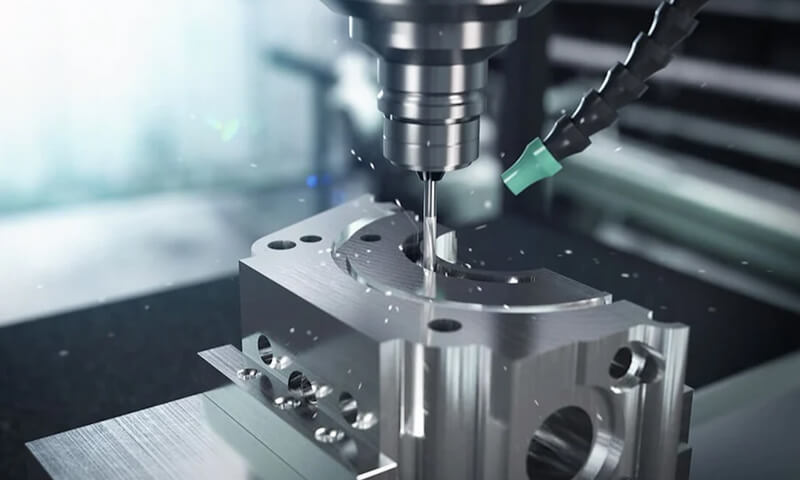
ЦНЦ обрада од седишта, нити, и заптивне површине осигуравају да сваки ливени део испуњава захтеве у погледу димензија и перформанси заптивања.
Опсег материјала за критичне апликације
Од нерђајућег челика (ЦФ8М, ЦФ3М), месинга, дуктилни гвожђе, на дуплекс и високолегиране материјале, Ово снабдева одливке вентила направљене да раде у корозивним, високог притиска, или окружења са високом температуром.
Било да су вам потребни регулациони вентили пројектовани по мери, вентили за смањење притиска, Вентили врата, неповратни вентили, или масовну производњу индустријских одливака вентила, Ово је ваш партнер од поверења за прецизност, издржљивост, и осигурање квалитета.