
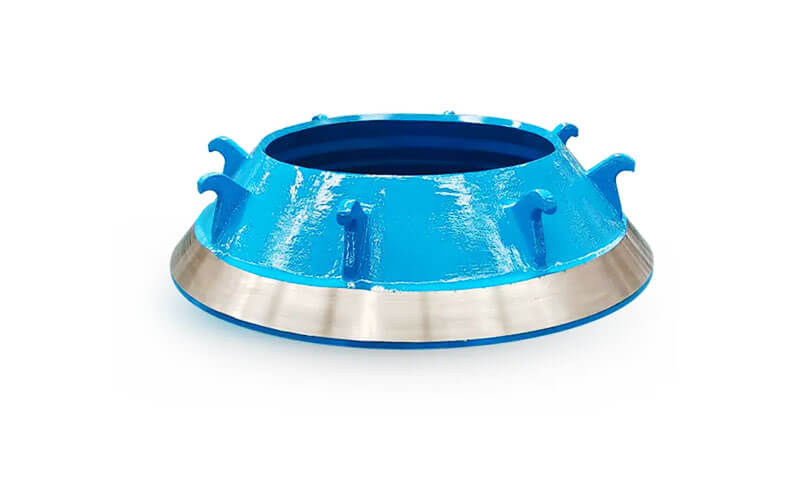
В добыче, строительство, Автомобильное производство, сельское хозяйство, энергия, и тяжелая техника, сталь редко просят выполнить только одну работу.
Он должен нести нагрузку, поглощать удары, пережить повторный контакт, противостоять эрозии частиц, и поддерживать стабильность размеров в течение длительных циклов обслуживания.
В этих средах, износостойкость это не второстепенная функция. Это основное экономическое и инженерное требование..
Стальной компонент, который изнашивается слишком быстро, не только рано выходит из строя.
Это увеличивает стоимость обслуживания, сокращает время безотказной работы оборудования, повышает спрос на запасные части, и часто становится скрытой причиной потери прибыльности производственной линии или машины..
Именно поэтому износостойкая сталь стала одной из наиболее стратегически важных категорий материалов в промышленном машиностроении..
Износостойкость – это не расплывчатый маркетинговый термин.. Это измеримое свойство материала, определяемое химией., твердость, Микроструктура, прочность, термическая обработка, и поверхностная инженерия.
1. Что на самом деле означает износостойкость стали
Износостойкость стали — это способность стали противостоять потере материала., повреждение поверхности, или функциональная деградация, вызванная трением, истирание, влияние, скользящий контакт, эрозия частиц, или химико-механическое воздействие
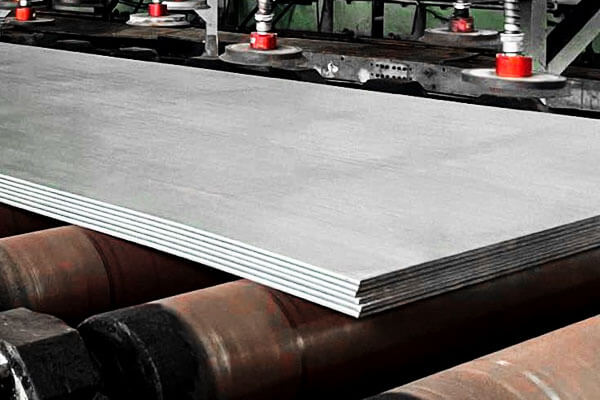
Материал с высокой износостойкостью может:
- терять массу медленнее,
- дольше сохраняют геометрию поверхности,
- противостоять царапинам и канавкам,
- задержка начала взлома,
- и сохранить форму, уплотнение, или несущую функцию с течением времени.
Таким образом, износостойкость является системным свойством., не просто число твердости. Сталь может быть очень твердой, но работать плохо, если она слишком хрупкая..
Другая сталь может быть очень прочной, но изнашиваться слишком быстро, если поверхность слишком мягкая..
Наилучшие характеристики износа достигаются за счет правильного баланса твердость, прочность, трудолюбивое поведение, и микроструктурная стабильность
Основные факторы, контролирующие износостойкость
| Фактор | Влияние на износостойкость |
| Содержание углерода | Более высокое содержание углерода может повысить твердость и износостойкость. |
| Легирующие элементы | Хром, молибден, ванадий, марганец, никель, и бор могут улучшить прокаливаемость и износостойкость. |
| Твердость поверхности | Более высокая твердость поверхности обычно повышает устойчивость к царапинам и проникновению. |
| Основная прочность | Предотвращает хрупкое разрушение при ударной или циклической нагрузке. |
| Термическая обработка | Улучшает микроструктуру и может значительно увеличить срок службы |
| Поверхностная защита | Покрытия, Карбинизирует, азотирование, и накладки могут продлить срок службы |
| Контактный механизм | Износостойкость зависит от того, подвергается ли деталь истиранию., влияние, адгезия, эрозия, или коррозионный износ |
2. Шесть типичных видов промышленного износа стали и механизмы разрушения
Износ промышленной стали — это не единый процесс потерь на трение..
По разным формам стресса, действующие СМИ, и характеристики отказов, он разделен на шесть классических режимов классификации.
Точная идентификация типов износа является предпосылкой целенаправленного выбора износостойкой стали и контроля отказов..
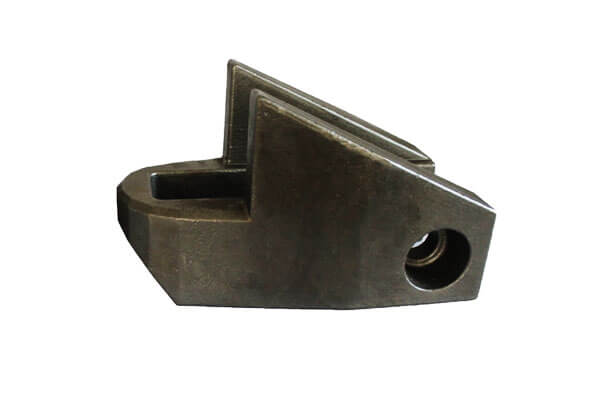
Абразивный износ
Абразивный износ является наиболее распространенным видом промышленного износа. (учет более 60% отказов, связанных с износом, в горнодобывающей промышленности и строительстве), вызвано сдавливанием твердых твердых частиц, царапая, и резка стальной поверхности.
Твердые частицы, такие как рудный гравий, песок, и металлический мусор оказывают непрерывное микрорежущее воздействие на стальные детали., приводит к постепенному отслаиванию поверхностного материала и потере толщины.
Это широко встречается в футеровках дробилок., режущие инструменты, горное шлифовальное оборудование, и инженерные машины изнашиваемые детали.
Два подтипа:
- Истирание с низким напряжением: Частицы катятся или скользят с низким сжимающим напряжением. (например, конвейерные ленты).
- Истирание при высоких нагрузках: Частицы дробятся между поверхностями, вызывая сильные выбоины (например, футеровки шаровых мельниц).
Клейкий износ (раздражение)
Адгезионный износ возникает, когда две скользящие поверхности под высоким давлением производят локальное сваривание и перенос материала из-за чрезмерного тепла трения и поверхностного сцепления..
Точки микросварки рвутся при непрерывном относительном движении., что приводит к царапинам на поверхности, расслоение материала, и ошибка сопоставления компонентов.
Этот режим распространен в цилиндропоршневых системах двигателей., зубчатые передачи, и сильно нагруженные опорные поверхности.
Стратегии профилактики: Используйте разные материалы (например, сталь против чугуна), применять твердые смазки (Мос, графит), и поддерживайте правильную смазку, чтобы предотвратить нарушение граничной смазки..
Эрозионный износ
Эрозионный износ вызван воздействием высокоскоростных частиц или жидкости..
Высокоскоростной газ, жидкость, или твердая смесь непрерывно бомбардирует стальную поверхность, вызывая усталостное растрескивание и микроабляцию.
Это особенно заметно в компонентах аэрокосмических турбин., горнодобывающие трубопроводы, лопасти вентилятора, и оборудование для подачи жидкости, работающее в условиях высоких скоростей.
Ключевые параметры:
- Скорость частиц: Скорость эрозии ∝ (скорость)^ н, где n = 2‑3 для пластичных металлов.
- Угол удара: Пик эрозии возникает при угле 20‑40° для пластичных материалов. (стали) и около 90° для хрупких материалов (керамика).
Усталостный износ
При длительных знакопеременных нагрузках, циклическая вибрация, и повторяющиеся стрессовые воздействия, микротрещины постепенно образуются внутри и на поверхности стали.
С непрерывным распространением трещин, происходит отслоение поверхностного материала и разрушение конструкции..
Этот вид изнашивания преобладает в мостовых металлоконструкциях., механические трансмиссионные валы, несущие компоненты, и оборудование, подвергающееся циклическим нагрузкам.
Критический инженерный параметр: The предел усталости (предел выносливости) представляет собой максимальную амплитуду напряжения, ниже которой сталь теоретически может выдерживать бесконечные циклы без усталостного разрушения..
Для большинства износостойких сталей, это примерно 40‑60% от предела прочности на разрыв..
Фрикционный усталостный износ
Отличается от чистого усталостного износа., этот режим возникает из-за периодического сухого трения и возвратно-поступательного движения..
Длительное циклическое трение вызывает концентрированное поверхностное напряжение., вызывая плотные микротрещины и прогрессирующую потерю материала.
Очень часто встречается в лопастях сельскохозяйственной техники., промышленные трансмиссионные шестерни, и механические пары трения с частыми возвратно-поступательными движениями.
Коррозионный износ
Это совмещенный вид отказа, сочетающий в себе химическую коррозию и механический износ..
Стальные поверхности подвергаются окислению, кислотно-щелочная коррозия, и электрохимическая эрозия в агрессивных средах, образование рыхлых коррозионных слоев.
Эти хрупкие коррозионные слои быстро стираются в результате механического трения., подвергание свежей стальной матрицы постоянной коррозии и циркуляции износа.
Типичные сценарии включают резервуары для хранения химикатов., трубопроводы с агрессивными жидкостями, и сталелитейные предприятия для морской среды.
Эффект синергии: Сочетанное повреждение от коррозии и износа часто больше, чем сумма отдельных эффектов.
Коррозионное воздействие ослабляет поверхностный слой., ускоряющийся износ, пока износ обнажает свежесть, незащищенный металл, ускорение коррозии.
Этот коэффициент синергии может достигать 3‑10× в агрессивных средах..
3. Шесть основных преимуществ износостойкой стали
Качественная износостойкая сталь стала незаменимым универсальным материалом для современного промышленного производства., с комплексными преимуществами в производительности, которые точно решают различные проблемы, связанные с износом промышленного оборудования:
| Преимущество | Техническая база | Промышленная выгода |
| 1. Сверхвысокая твердость поверхности | 400-750 вес.; матрица из сплава и карбида | Снижает скорость линейного износа на 50‑80 %.; продлевает срок службы компонентов. |
| 2. Превосходная комплексная сила | Высокая прочность на растяжение + структурная жесткость | Обеспечивает облегченную конструкцию (более тонкие секции); снижает расход сырья и собственный вес оборудования. |
| 3. Отличная ударная вязкость | Способность воспринимать динамическую нагрузку (20-50 Дж Шарпи) | Устойчивость к хрупкому разрушению при ударах и вибрации; подходит для условий смешанного ударного износа. |
| 4. Равномерное структурное исполнение | Однородная металлографическая структура по всему сечению. | Нет локальных слабых зон; обеспечивает предсказуемость, стабильный срок службы партии. |
| 5. Хорошая обрабатываемость & свариваемость | Поддерживает традиционную резку, бурение, сварка | Совместимость со стандартной промышленной обработкой.; не требуется специальный инструмент. |
| 6. Двойная устойчивость к высоким температурам & коррозия | Модификация сплава Cr, В, Мо | Сохраняет работоспособность при высоких температурах, влажный, и коррозионные СМИ. |
4. Три систематических технических пути повышения износостойкости стали
Для дальнейшей оптимизации износостойкости обычной стали и удовлетворения требований экстремальных промышленных условий труда., промышленное производство использует три зрелые и эффективные системы технической оптимизации из источника сырья, внутренняя структура, и защита поверхности.
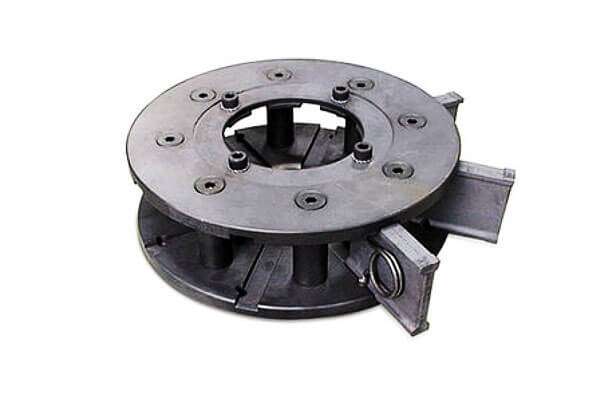
Оптимизация химического состава сплава
Оптимизируйте базовое содержание углерода, чтобы сбалансировать твердость и ударную вязкость.; добавить количественный хром, молибден, ванадий и другие микроэлементы для образования высокостабильных карбидов сплавов.,
улучшить структуру зерен стали, устранить внутренние загрязнения, и настроить специальную износостойкую легированную сталь для абразивных материалов, сценарии ударного или коррозионного износа.
| Стратегия | Механизм | Примеры оценок | Улучшение износа |
| Регулировка углерода | Увеличение цементита (Fe₃c) дробь | 0.45% С → 0.60% С | +30-50% абразивная стойкость |
| Добавление хрома | Образует карбиды Cr; увеличивает прокаливаемость | 1-2% Кр | +40-60% износ (высокий стресс) |
| Добавка молибдена | Очищает зерно; образует карбиды Mo₂C | 0.2-0,5% Мо | +20-30% баланс прочности и износа |
| добавление ванадия | Формы V₄C₃ (чрезвычайно тяжело, ~2800 ВН) | 0.05-0,15% В | +50-100% в высокоабразивных средах |
| Добавление бора | Повышает прокаливаемость без потери ударной вязкости. | 0.001-0,005% Б | Позволяет делать более тонкие секции, более низкая стоимость сплава |
Усиление прецизионной термической обработки
Внедрить научные процессы термообработки, включая закалку., закалка, Карбинизирование и ниотливый.
Градиент повышает твердость поверхности стальных деталей, сохраняя при этом высокую прочность внутренней матрицы.,
реализация идеального сочетания твердой поверхности для износостойкости и жесткого сердечника для ударопрочности, и фундаментальное улучшение комплексных противоизносных и усталостных характеристик..
| Процесс | Параметр | Микроструктура | Твердость (СПЧ) | Прирост износостойкости |
| закалка + закалка (вопрос&Т) | 850°С + 200-600°C температура | Закаленный мартенсит | 35-55 | Базовый уровень (1×) |
| Цементация + утомить | 930°С, 2‑4 часа | Случай: мартенсит + карбиды; основной: Феррит/Жемчуг | 58-63 (случай) | 3-5× улучшение |
| Азотирование | 520°С, 40‑100 ч. | Случай: нитриды железа + нитриды сплавов | 65-75 | 5-8× улучшение |
| Закалка | 850°С + 200°С закалка | Мелкий мартенсит (снижение внутреннего напряжения) | 50-60 | 1.5-2× улучшение |
Технология поверхностной барьерной защиты
Применять технологии физической и химической модификации поверхности, такие как нанесение сплавов., тепловое распыление, гальванизация и пассивация.
На поверхности стали образуется плотный защитный слой для изоляции внешних частиц трения., агрессивные среды и окислительная среда,
избежание прямого контакта между стальной матрицей и источниками истирания, и значительно продлевают срок службы компонентов.
| Технология | Материал покрытия | Толщина (мкм) | Твердость (ВН) | Прирост износостойкости |
| Термическое напыление (HVOF) | WC‑Co, Cr₃C₂‑NiCr | 50-300 | 1,000-1400 | До 20× (абразивный) |
| Pvd / CVD-покрытие | ТиН, ТиАлН, КрН | 2-10 | 2,000-3500 | До 10× (клей) |
| Лазерная наплавка | Инструментальная сталь, карбидная смесь | 500-2000 | 600-1200 | До 15× (ударно-абразивный) |
| Гальваника | Твердый хром | 50-250 | 800-1000 | До 8× (износ с низким уровнем стресса) |
5. Типы износостойких сталей и стратегии использования материалов
В зависимости от условий эксплуатации используются различные семейства сталей..
| Сталь типа / Стратегия | Логика основного материала | Типичная твердость / Профиль силы | Основные сильные стороны износа | Наиболее подходящие приложения |
| Закаленный и закаленный Легированная сталь | Прочность достигается за счет легирования, а также закалки и отпуска.; цель сложная, высокопрочный основной металл | Высокая прочность на растяжение, от средней до высокой твердости, сильная прочность | Хорошо подходит для комбинированного воздействия + носить сервис | Валы, оси, детали машин для тяжелых условий эксплуатации, конструкционные изнашиваемые компоненты |
| Цементированная сталь | Твердый внешний слой с прочной сердцевиной, обычно достигается путем цементации или аналогичных методов обогащения поверхности. | Очень тяжелый случай, жесткое ядро | Отлично подходит для скользящего контакта и контактной усталости. | Шестерни, камеры, части трансмиссии, прецизионные компоненты привода |
| Азотированная сталь | Азот диффундирует в поверхность, создавая твердую, стабильный слой износа с минимальными искажениями | Очень твердая поверхность, умеренная прочность корпуса | Высокая устойчивость к адгезионному износу, наносит беспокойство, и умеренная истираемость | Прецизионные валы, умирает, формы, Гидравлические части, высокоточные компоненты |
Высокоуглеродистая износостойкая сталь |
Повышенное содержание углерода повышает потенциал твердости и износостойкости. | Высокий потенциал твердости, более низкая вязкость, чем у низкоуглеродистых сталей | Хорошая стойкость к истиранию и порезам поверхности. | Лайнеры, тарелки, падает, части дробилки, инструменты для контакта с почвой |
| Высоколегированная износостойкая сталь | Пакет сплавов разработан специально для защиты от износа., Закаленность, и микроструктурная стабильность | Высокая твердость, спроектированная прочность, отличная прокаливаемость | Прочность в условиях сильного истирания и смешанного износа | Горнодобывающее оборудование, сверхпрочные вкладыши, промышленные изнашиваемые детали |
| Инструментальная сталь | Разработан для очень высокой твердости, стабильность размеров, и износостойкость | Очень высокая твердость, от средней до высокой прочности в зависимости от марки | Отлично режется, формирование, и высокий контактный износ | Умирает, удары руками, формы, формовочные инструменты, режущие компоненты |
| бейнитовый / Микролегированная износостойкая сталь | Контролируемая микроструктура обеспечивает баланс износостойкости и прочности. | От умеренной до высокой твердости, хорошая прочность | Хорошая усталостная и ударная износостойкость. | Автомобильные компоненты, техника, конструкционные изнашиваемые детали |
Система из твердосплавной стали |
Базовая сталь покрыта высокоизносостойкой наплавленной поверхностью. | Зависит от базовой стали и состава наплавки | Отлично подходит для экстремального износа поверхности | Ведра, дробилки, клапаны, падает, наложения |
| с покрытием / Поверхностная сталь | Износостойкость повышается за счет покрытий., тепловой спрей, Карбинизирует, азотирование, или композитные слои | Зависит от лечения | Может быть адаптирован к конкретным механизмам износа | Прецизионные детали, обслуживание коррозионного износа, дорогостоящие компоненты |
| Нержавеющая сталь | Коррозионная стойкость сохраняется, а износостойкость повышается за счет выбора марки или обработки. | От умеренной до высокой прочности; износостойкость зависит от класса | Полезно во влажную погоду, химический, или гигиенические условия | Продовольственное оборудование, Морские части, химическая обработка, насосы, клапаны |
6. Полносегментные сценарии промышленного применения износостойкой стали
Благодаря превосходной комплексной производительности, Износостойкая сталь стала предпочтительным материалом для основных несущих и износостойких компонентов практически во всех областях тяжелой промышленности.:
Обработка добычи и минералов
- футеровки дробилки,
- опоры для мелющих тел,
- желобные пластины,
- вкладыши бункера,
- ковши экскаватора,
- и скрининговое оборудование.
Строительство и земляные работы
- погрузочные ведра,
- бульдозерные отвалы,
- края износа,
- режущие компоненты,
- и детали конструкции, подверженные воздействию мусора.
Автомобилестроение и транспорт
- шестерни,
- Драйв компонентов,
- детали, связанные с тормозами,
- полы кузова грузовика,
- и высоконагруженные механические детали.
Сельское хозяйство
- лезвия плуга,
- компоненты комбайна,
- инструменты для обработки почвы,
- семенное оборудование,
- и изнашиваемые детали, контактирующие с почвой.
Энергетическая и химическая обработка
- трубопроводы,
- клапаны,
- насосы,
- системы обработки шлама,
- и высокотемпературные компоненты, где одновременно сосуществуют износ и коррозия..
Тяжелое производство
- гиды,
- ролики,
- умирает,
- светильники,
- и компоненты машин в непрерывной работе.
7. Износостойкость против. Сила: Критическое различие
Одна из наиболее частых ошибок при выборе материала — предположение, что прочная сталь автоматически становится износостойкой сталью..
В инженерной практике, эти два свойства связаны, но они не одинаковы.
Прочность и износ — это разные проблемы отказа.
Сила это способность стали сопротивляться остаточной деформации или разрушению под действием приложенной нагрузки..
Это объемное механическое свойство. Когда инженеры говорят о прочности на разрыв, предел текучести, прочность на сжатие, или усталостная прочность, они описывают, как материал ведет себя как элемент конструкции..
Износостойкость, напротив, это свойство поверхности. Он описывает, насколько хорошо материал сопротивляется постепенной потере поверхности, вызванной трением., истирание, адгезия, влияние, или эрозия.
Деталь может иметь превосходную прочность и при этом быстро изнашиваться, если ее поверхность слишком мягкая., слишком реактивный, или слишком плохо соответствует контактной среде.
Это различие имеет значение, поскольку многие промышленные компоненты выходят из строя сначала на поверхности., не через объемный коллапс.
Высокая прочность не гарантирует длительный срок службы.
Высокопрочная сталь не всегда является лучшим выбором для защиты от износа..
Если сталь прочная, но недостаточно твердая на поверхности, он может локально деформироваться, желчь, царапать, или быстро потерять материал при повторяющемся контакте.
Другими словами, деталь может быть структурно прочной, но при этом терять функциональность из-за повреждения поверхности.
Это особенно важно в:
- скользящие контактные системы,
- абразивные среды,
- приложения для контактной усталости,
- и подверженное эрозии оборудование.
Сталь с высокой прочностью на разрыв может отлично подходить для несущих конструкций., но если поверхность не рассчитана на износ, деталь все равно может выйти из строя на ранних этапах эксплуатации.
Износостойкость часто требует твердости, но одной твердости недостаточно
Твердость является одним из самых важных факторов, влияющих на износостойкость., особенно в абразивных условиях и условиях с преобладанием вмятин.
Более твердая поверхность сопротивляется резанию, царапая, и проникновение более эффективно.
Однако, если твердость зашла слишком далеко без достаточной прочности, сталь может стать хрупкой и выйти из строя из-за растрескивания, сколы, или раскол.
Вот почему лучшие износостойкие стали часто сочетают в себе:
- твердая поверхность,
- более жесткий интерьер,
- и стабильная микроструктура.
Целью не является максимальная твердость в отдельности.. Целью является контролируемая долговечность поверхности без ущерба для структурной целостности..
8. Будущие тенденции в технологии износостойкости стали
Наноупрочненные износостойкие стали
Наноразмерные осадки (например, Тик, ВК, НБК) уточненный до 2‑5 нм, обеспечивает сверхвысокая твердость без потери пластичности.
Эти стали достигают твердости >600 HV при сохранении значений ударной вязкости по Шарпи >30 Дж, представляет собой значительный прорыв в компромиссе между твердостью и вязкостью.
Легкие износостойкие стали
Усовершенствованные высокопрочные износостойкие стали пониженной плотности. (за счет добавления алюминия) обеспечивают экономию веса на 10‑20 %, повышение топливной эффективности и эксплуатационной гибкости мобильного оборудования.
Самосмазывающиеся износостойкие стали
Стали с текстурированной поверхностью и добавлением твердых смазочных материалов (Мос, графит) снизить коэффициенты трения с 0,6‑0,8 (несмазанная сталь-сталь) до 0,1‑0,2, существенное снижение адгезионного и фрикционного износа.
Интеллектуальный мониторинг состояния
Встроенные датчики, встроенные в износостойкие компоненты, позволяют отслеживание износа в режиме реального времени, прогнозирование оставшегося срока службы и упреждающее планирование технического обслуживания, что позволяет сократить время незапланированных простоев до 50%.
9. Заключение
Износостойкость стали является основным показателем производительности, определяющим срок службы., эксплуатационная стабильность, и комплексная экономическая выгода от промышленного оборудования.
Различные режимы промышленного износа выдвигают дифференцированные требования к твердости стали., прочность, сила, и коррозионная стойкость.
Высококачественная износостойкая сталь обеспечивает точную устойчивость к различным механическим и химическим повреждениям благодаря оптимизированному составу сплава., стандартизированная термическая обработка, и технология защиты поверхности.
В промышленном производстве, научный отбор и целенаправленная оптимизация износостойкости стали позволяют эффективно снизить частоту технического обслуживания оборудования., избежать потерь при остановке производства, вызванных выходом из строя компонентов, и добиться долгосрочного снижения затрат и повышения эффективности.
Благодаря постоянной модернизации промышленного производства в сторону высокой точности, высокая нагрузка, и длительный срок эксплуатации, износостойкая сталь станет более широко популяризироваться и применяться, обеспечение прочной материальной основы для качественного развития современных промышленных систем.
Часто задаваемые вопросы
Что такое износостойкость стали?
Это способность стали противостоять потере материала и повреждению поверхности, вызванному трением., истирание, эрозия, влияние, или коррозионное воздействие.
Является ли нержавеющая сталь износостойкой сталью??
Некоторые марки нержавеющей стали хорошо изнашиваются., но нержавеющая сталь в основном выбирается из-за коррозионной стойкости.
Почему износостойкость важна с экономической точки зрения?
Потому что это снижает частоту замены, сокращает время простоя, и увеличивает время безотказной работы оборудования.
Какая сталь лучше для шестерен?
Цементируемая легированная сталь часто является хорошим выбором, поскольку она сочетает в себе износостойкую поверхность с прочным сердечником..
Могут ли покрытия улучшить износостойкость стали??
Да. Хардфакция, азотирование, Карбинизирует, и другие виды обработки поверхности могут значительно улучшить срок службы.

