1. Introduzzjoni
Ħadid Griż, jew Ħadid fondut griż—distingwi mill-mikrostruttura tal-grafita flaky tagħha—tgħaqqad kost-effettività, Damping tal-vibrazzjoni, u magni eċċellenti.
Oriġinaw fil-bidu tas-seklu 19 għaċ-ċilindri tal-magni tal-fwar, ħadid fondut griż minn dakinhar iħaddem applikazzjonijiet minn tnabar tal-brejk tal-karozzi għal bażijiet ta 'magni industrijali.
Illum, jibqa 'materjal fundamentali madwar karozzi, makkinarju tqil, pajpijiet, u domestiku setturi grazzi għat-taħlita unika tagħha ta 'proprjetajiet.
2. X'inhu Ħadid Cast Griż?
Ħadid fondut griż huwa tip ta 'ħadid fondut li huwa faċilment rikonoxxibbli mill-kulur griż tal-wiċċ miksur tiegħu, li jirriżulta mill-preżenza ta 'qxur tal-grafita fil-mikrostruttura tiegħu.
Dawn il-qxur tal-grafita jagħtu lill-ħadid griż il-proprjetajiet karatteristiċi tiegħu, inkluża kapaċità ta 'damping eċċellenti, Makkinabilità tajba, u spiża relattivament baxxa.
Hija l-aktar forma komunement użata ta 'ħadid fondut u għandha rwol fundamentali kemm fl-industriji tal-manifattura tradizzjonali kif ukoll moderni.

Klassifikazzjoni u Gradi ta 'Ħadid fondut Griż
Klassifikazzjoni ASTM A48 (U.S. Standard)
L-istandard ASTM A48 jikklassifika l-ħadid fondut griż fi gradi skont is-saħħa minima tat-tensjoni, imkejla f'ksi (1 ksi = 6.89 MPA).
| Grad ASTM | Qawwa Tensili Minima (MPA) | Mikrostruttura Tipika | Applikazzjonijiet Komuni |
|---|---|---|---|
| Klassi 20 | 138 MPA | Predominantment ferritiku | Kontrapiżijiet, kkastjar dekorattiv |
| Klassi 30 | 207 MPA | Ferritiku-perlitiku | Blokki tal-magna, housings tal-pompa |
| Klassi 40 | 276 MPA | L-aktar perlitiku | Tnabar tal-brejk, flywheels, Sodod tal-magni |
| Klassi 50 | 345 MPA | perlitiku multa, ferrite baxx | Inforor taċ-ċilindri, parentesi ta 'tagħbija għolja |
Fi 1561 Klassifikazzjoni (Standard Ewropew)
L-istandard Ewropew EN 1561 juża l-prefiss “EN-GJL”. (GJL = ħadid fondut tal-grafita bi struttura lamellari, jew "ħadid fondut tal-grafita lamellari") segwit mis-saħħa tat-tensjoni f'MPa.
| Grad | Min. Qawwa tat-tensjoni (MPA) | Ebusija (BHN) | Applikazzjoni Tipika |
|---|---|---|---|
| EN-GJL-150 | 150 | ~150 | Partijiet ornamentali, għata tad-dawl |
| EN-GJL-200 | 200 | ~160–170 | Housings tal-irkaptu, każijiet ta' trażmissjoni |
| EN-GJL-250 | 250 | ~180–200 | Blokki taċ-ċilindri, kkastjar kbar |
| EN-GJL-300 | 300 | ~220–240 | Rotors tal-brejk, housings heavy-duty |
Firxa ta' Kompożizzjoni Kimika Tipika (% bil-piż)
| Element | Firxa tipika (%) | Funzjoni fil-Ħadid Griż |
|---|---|---|
| Karbonju (Ċ) | 2.5 - 4.0 | Tippromwovi l-formazzjoni ta 'saffi tal-grafita; iżid il-kkastabilità |
| Silikon (U) | 1.8 - 3.0 | Graphitizer; jgħin fil-preċipitazzjoni tal-karbonju u jtejjeb il-fluwidità |
| Manganiż (Mn) | 0.2 - 1.0 | Issaħħaħ il-matriċi; jippromwovi l-formazzjoni tal-perlit |
| Fosfru (P) | ≤ 0.12 (massimu 0.5) | Ittejjeb il-fluwidità; ammonti eċċessivi jikkawżaw fraġilità (sod) |
| Kubrit (S) | ≤ 0.12 | Ġeneralment mhux mixtieqa; jifforma inklużjonijiet ta' sulfid tal-ħadid |
| Ħadid (Fe) | Bilanċ | Matriċi tal-metall bażiku |
4. Fiżiku & Propjetajiet mekkaniċi
Il-ħadid fondut griż juri kombinazzjoni distintiva ta' proprjetajiet fiżiċi u mekkaniċi minħabba l-mikrostruttura tagħha tal-flake tal-grafita inkorporata f'matriċi tal-ħadid.
Dawn il-proprjetajiet jagħmluha adattata ħafna għal firxa wiesgħa ta 'applikazzjonijiet strutturali u termali, partikolarment fejn damping tal-vibrazzjoni, Konduttività termali, u castability huma essenzjali.

Propjetajiet mekkaniċi
L-imġieba mekkanika tal-ħadid fondut griż hija influwenzata ħafna mill-morfoloġija tal-qxur tal-grafita, tip ta' matriċi (ferritiku, perlitiku, jew imħallat), u ħxuna tas-sezzjoni.
| Proprjetà | Firxa ta' Valur Tipiku | Noti |
|---|---|---|
| Qawwa tat-tensjoni | 150–350 MPa | Tvarja skond il-grad (E.g., Klassi ASTM A48 20 għall-Klassi 50) |
| Qawwa Kompressiva | 3–4× saħħa tat-tensjoni | Għoli minħabba l-orjentazzjoni tal-qxur tal-grafita |
| Ebusija | 130-250 BHN | Żidiet bil-kontenut tal-perlit |
| Titwil | ~0.5–1% | Baxxa ħafna minħabba konċentrazzjonijiet ta 'stress fil-ponot tal-flake |
| Modulu ta 'elastiċità | 70–100 GPa | Inferjuri mill-azzar minħabba qxur tal-grafita li jfixklu t-trasferiment tal-istress |
Nota: B'differenza mill-azzar, ħadid griż ma juri prattikament l-ebda duttilità u jonqos b'mod fraġli taħt tagħbija tat-tensjoni.
Propjetajiet fiżiċi
| Proprjetà | Valur tipiku | Sinifikat |
|---|---|---|
| Densità | 6.9–7.2 g/ċm³ | Ftit inqas mill-azzar (~ 7.85 g/ċm³) |
| Konduttività termali | 35–55 W/m·K | Ħafna ogħla minn ħadid duttili jew malleabbli; ideali għad-dissipazzjoni tas-sħana |
| Kapaċità speċifika tas-sħana | ~ 460 J/kg·K | Komparabbli ma' metalli tal-ħadid oħra |
| Koeffiċjent ta 'Espansjoni | ~10.5–11.5 × 10⁻⁶ /K | Moderat; importanti għal applikazzjonijiet termali kritiċi tad-dimensjoni |
| Kapaċità ta 'damping | 10× dak tal-azzar | Vibrazzjoni eċċellenti u assorbiment tal-istorbju |
| Punt ta 'tidwib | 1140–1200°C | Inferjuri mill-azzar; ittejjeb castability |
Vantaġġi Funzjonali Uniċi
- Kapaċità Superjuri ta' Damping: Grazzi għall-frizzjoni interna maħluqa mill-qxur tal-grafita, ħadid griż jassorbi vibrazzjoni ferm aħjar mill-azzar jew ħadid duttili.
Dan jagħmilha ideali għall-blokki tal-magni, Sodod tal-għodda tal-magni, u komponenti tal-brejk. - Konduttività Termali Tajba: Il-kapaċità tagħha li tittrasferixxi s-sħana b'mod effiċjenti tagħmel il-ħadid fondut griż materjal preferut għall-oġġetti tal-kċina, komponenti tar-radjatur, u diski tal-brejk.
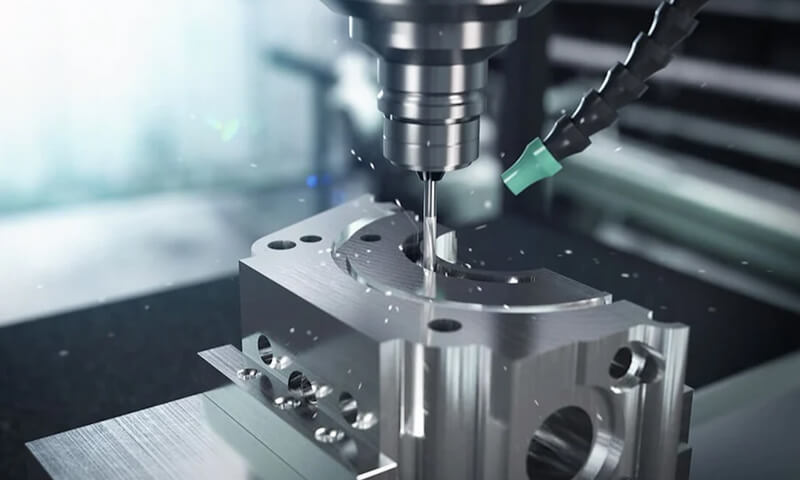
- Makkinabilità eċċellenti: Il-preżenza tal-grafita taġixxi bħala lubrikant integrat, tnaqqas l-użu tal-għodda u tippermetti veloċitajiet ta 'qtugħ ogħla.
Il-gradi Pearlitic huma aktar diffiċli iżda għadhom aktar magni minn ħafna azzar.
5. Ikkastjar Adattat għall-Ħadid Griż
Il-ħadid fondut griż huwa wieħed mill-aktar metalli fondut fl-industrija tal-funderija, magħrufa għall-fluwidità eċċellenti tagħha, temperatura baxxa tat-tidwib, u tnaqqis minimu.
Dawn il-karatteristiċi jagħmluha ideali għall-produzzjoni ta 'ġeometriji kumplessi, kkastjar kbar, u partijiet ta 'volum għoli bi preċiżjoni dimensjonali affidabbli u finitura tal-wiċċ.

Fluwidità Eċċellenti
Il-ħadid fondut griż juri karatteristiċi ta 'fluss imdewweb eċċezzjonali minħabba t-temperatura tat-tferrigħ relattivament baxxa tiegħu (tipikament bejn 1,150–1,250°C) u kontenut tal-grafita.
Din il-fluwidità tippermettilha timla faċilment forom kumplessi u sezzjonijiet b'ħitan irqaq (irqiq daqs 3–5 mm), it-tnaqqis tar-riskju ta' għeluq tal-kesħa jew ġiri ħażin.
Rata Baxxa ta' Tinxtorob
B'jinxtorob ta 'solidifikazzjoni lineari tipikament fil-medda ta' 0.8-1.0%, ħadid fondut griż iżomm stabbiltà dimensjonali superjuri.
Dan it-tnaqqis prevedibbli jista 'jiġi kkumpensat b'mod preċiż fid-disinn tal-mudell, jimminimizzaw id-difetti u l-konċessjonijiet tal-magni.
L-Istruttura tal-Fake tal-Graphite Ittejjeb il-Kastibbiltà
Il-grafita flake fil-ħadid griż mhux biss tikkontribwixxi għad-damping mekkaniku u l-makkinarju tagħha iżda tgħin ukoll fl-għalf waqt is-solidifikazzjoni, titnaqqas il-probabbiltà ta 'porożità li tinxtorob intern.
Jaġixxi bħala mikro-riser naturali, ittejjeb is-saħħa ġenerali tal-ikkastjar.
Konduttività termali għolja
Il-konduttività termali għolja (tipikament 50-60 W/m·K) jippromwovi dissipazzjoni rapida tas-sħana waqt is-solidifikazzjoni, tgħin biex tikkontrolla l-mikrostruttura u tnaqqas ir-riskju ta 'qsim termali.
Dan huwa partikolarment vantaġġuż f'ikkastjar kbar jew ambjenti ta 'produzzjoni b'veloċità għolja.
Machinability Eċċellenti wara l-ikkastjar
Minħabba l-effett lubrikanti tal-qxur tal-grafita u ebusija relattivament baxxa (Brinell 150–250 HB), jista 'jiġi maħdum faċilment mingħajr ma jeħtieġ proċessi estensivi ta' finitura.
Dan inaqqas l-ispejjeż ta 'wara l-ipproċessar u jtejjeb il-produzzjoni.
Metodi tal-Ikkastjar Adattati għall-Ħadid Griż
| Metodu tal-ikkastjar | Applikazzjonijiet | Vantaġġi | Kunsiderazzjonijiet |
|---|---|---|---|
| Tidwib tar-ramel aħdar | Blokki tal-magna, housings, parentesi | Kosteffikaċi, ramel li jista’ jerġa’ jintuża, adattabbli għal volum għoli | Jeħtieġ kontroll tal-umdità u uniformità tal-moffa |
| Casting tar-ramel magħqud bir-reżina | Sodod tal-magni, Kisi tal-pompa, Korpi tal-valv | Preċiżjoni dimensjonali għolja u finitura tal-wiċċ | Spiża ogħla tal-għodda, addattat għal volumi baxxi għal medji |
| Tidwir tal-moffa tal-qoxra | Komponenti industrijali ta 'preċiżjoni | Tolleranza dimensjonali eċċellenti u kwalità tal-wiċċ | Aktar għaljin, iżda tnaqqas il-ħtiġijiet tal-magni |
| Ikkastjar permanenti tal-moffa | Ġeometriji ripetittivi bħal flywheels jew taljoli | Tajjeb għal produzzjoni moderata b'finituri tal-wiċċ fini | Limitat għal forom aktar sempliċi minħabba restrizzjonijiet tal-moffa tal-metall solidu |
| Tidwib ċentrifugali | Pajpijiet, kmiem, rotors | Jipproduċi dens, Partijiet ċilindriċi ħielsa mid-difetti | Jeħtieġ tagħmir speċjalizzat u ġeometrija bilanċjata |
6. Trattament tas-sħana & Magni
Il-ħadid griż rari jgħaddi minn ċikli ta' quench-and-temper; minflok, funderiji japplikaw:
- Ittremprar/Ħelsien mill-istress: 650–700 °C għal 1–2 sigħat inaqqas l-istress residwu u jtejjeb il-makkinarju.
- Normalizzazzjoni: Irfinar matriċi (ferrite vs. perlita) għal ebusija mmirata.
Matul il-magni, inġiniera favur:
- Għodda tal-karbur b'veloċitajiet moderati (50–80 m/li).
- Żamma tax-xogħol riġida biex tikkumpensa saħħa tensili baxxa.
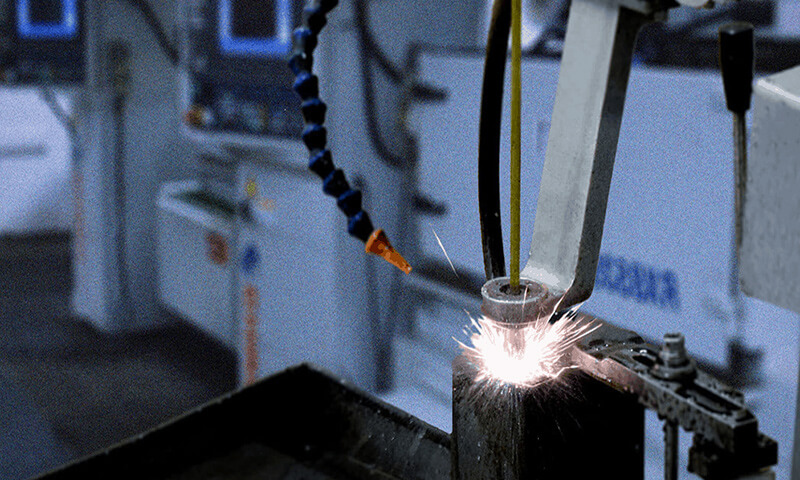
- Użu tal-likwidu li jkessaħ biex tevita tarf mibni; qxur tal-grafita jiffaċilitaw it-tkissir taċ-ċippa.
Wara l-magni, ħadid fondut griż jikseb finituri tal-wiċċ baxx daqs Ra 1.6 µm b'operazzjonijiet sekondarji minimi.
7. Vantaġġi u Żvantaġġi
Vantaġġi:
- Damping tal-Vibrazzjoni: Sa 90 % aħjar mill-azzar, it-tnaqqis tal-istorbju u l-għeja.
- Makkinabilità: Qxur tal-grafita jaġixxu bħala chip breakers, tbaxxi l-ilbies tal-għodda.
- Effiċjenza fl-ispiża: > 80 % kontenut riċiklat u inqas enerġija tat-tidwib mill-azzar.
Żvantaġġi:
- Duttilità Tensili Baxxa: < 2 % it-titwil jillimita l-użu ta' xokk.
- Anisotropija: L-orjentazzjoni tal-flake toħloq varjazzjonijiet tas-saħħa direzzjonali (~ 20 %).
- Fraġilità: Reżistenza għall-impatt aktar baxxa meta mqabbla mal-ħadid duttili.
8. Applikazzjonijiet & Prestazzjoni
Is-sinerġija tal-proprjetà tal-ħadid fondut griż tmexxi l-użu tagħha:

- Karozzi: Blokki tal-magna, irjus taċ-ċilindri, tnabar tal-brejkijiet—lieva konduttività termali (~ 45 W / m · k) għad-dissipazzjoni tas-sħana.
- Makkinarju Tqil: Housings tal-irkaptu, bażijiet tal-għodda tal-magni—jutilizzaw id-damping tal-vibrazzjoni biex jestendu l-ħajja tal-bearing.
- Kostruzzjoni & Pajpijiet: Għatti tat-tappieri, korpi tal-valv — li jibbenefikaw minn reżistenza għall-korrużjoni f'ilmijiet newtrali u prezz baxx.
- Oġġetti Domestiċi: Cookware, radjaturi — li jiżguraw distribuzzjoni uniformi tas-sħana u durabilità.
9. Tqabbil ma 'Materjali Alternattivi
Il-ħadid fondut griż ilu jservi bħala materjal fundamentali fl-inġinerija u l-manifattura, iżda ħafna drabi jikkompeti ma 'alternattivi bħall-ħadid duttili, azzar, ligi tal-aluminju, u komposti.
Kull wieħed minn dawn il-materjali jġib benefiċċji distinti u kompromessi, tagħmel l-għażla tal-materjal dipendenti ħafna mill-applikazzjoni.
Hawn taħt hawn ħarsa ġenerali komparattiva li tenfasizza fejn jinsab il-ħadid griż dwar is-sostituti komuni tiegħu.
Tabella Komparattiva: Ħadid fondut griż vs. Materjali Alternattivi
| Proprjetà / Materjal | Ħadid fondut griż | Ħadid duttili | Azzar tal-karbonju | Ligi tal-aluminju | Komposti |
|---|---|---|---|---|---|
| Densità (g / cm³) | 7.1 - 7.3 | 7.0 - 7.2 | 7.8 - 7.9 | 2.6 - 2.8 | 1.5 - 2.0 (tvarja) |
| Qawwa tat-tensjoni (MPA) | 150 - 400 | 400 - 700 | 400 - 900 | 100 - 400 | 50 - 500+ (skond il-fibra) |
| Titwil (%) | <1% (fraġli) | 5 - 18% | 10 - 25% | 2 - 12% | 1 - 10% |
| Konduttività termali | Għoli (50 - 60 W / m · k) | Moderat (35 - 50 W / m · k) | Baxx–Moderat (20 - 40 W / m · k) | Għoli (120 - 180 W / m · k) | Baxx–Moderat (0.2 - 30 W / m · k) |
| Kapaċità ta 'damping | Eċċellenti | Tajjeb | Fqir | Fqira ħafna | Varjabbli |
| Kastabbiltà | Eċċellenti (forom kumplessi, prezz baxx) | Tajjeb | Moderat (teħtieġ aktar sforz) | Moderat–Tajjeb (dipendenti fuq liga) | Fqir (tipikament iffurmat, mhux mitfugħa) |
| Makkinabilità | Eċċellenti (minħabba qxur tal-grafita) | Tajjeb | Moderat–Tajjeb | Eċċellenti | Fqir–Moderat |
| Reżistenza għall-korrużjoni | Fqir mingħajr kisi | Fqir–Moderat | Moderat–Tajjeb (bil-liga) | Tajjeb (speċjalment 6xxx u 5xxx serje) | Eċċellenti (bid-disinn) |
| Spiża | Baxx | Moderat | Moderat–Għoli | Moderat–Għoli | Għoli (speċjalment għal komposti avvanzati) |
Ħadid duttili vs. Ħadid fondut griż
- Ħadid duttili joffri duttilità u saħħa ferm ogħla, jagħmilha adattata għal applikazzjonijiet ta 'tagħbija li fihom il-pressjoni jew dinamika.
Madankollu, ħadid fondut griż għadu jaqbeżha fid-damping u l-kosteffiċjenza, speċjalment f'partijiet strutturali statiċi.
Azzar tal-karbonju vs. Ħadid fondut griż
- L-azzar jipprovdi proprjetajiet tensili superjuri u duttilità, iżda huwa aktar għali u aktar diffiċli għall-magni.
Il-ħadid griż huwa preferut għal partijiet li jeħtieġu kontroll tal-vibrazzjoni (E.g., Bażijiet tal-magni, housings).
Ligi tal-Aluminju vs. Ħadid fondut griż
- Aluminju huwa eħfef b'mod sinifikanti u joffri reżistenza eċċellenti għall-korrużjoni, jagħmilha ideali għat-trasport u komponenti sensittivi għas-sħana.
Ħadid griż, Min-naħa l-oħra, jeċċella f'applikazzjonijiet li jeħtieġu riġidità u assorbiment tal-vibrazzjoni.
Komposti vs. Ħadid fondut griż
- Filwaqt li l-komposti avvanzati jistgħu jaqbżu l-ħadid griż fil-proporzjon tas-saħħa għall-piż u r-reżistenza għall-korrużjoni, huma ferm aktar għaljin u diffiċli biex jiġu manifatturati fuq skala.
10. Konklużjoni
Ħadid griż idum bħala a materjal tal-pedament minħabba tagħha produzzjoni ekonomika, damping integrat, u faċilità tal-magni.
Billi nikkontrollaw tagħha formazzjoni tal-grafita ewtektika, prattiċi tal-ikkastjar, u linji gwida tad-disinn, inġiniera jistgħu jkomplu lieva ħadid fondut griż għal affidabbli, soluzzjonijiet kost-effettivi madwar l-industriji—mill-qalba ta 'magna sal-bażi ta' makkinarju tqil.
Hekk kif jevolvu modifiki tal-liga emerġenti u tekniki ta 'manifattura ibrida, ħadid fondut griż se jżomm ir-rwol tiegħu fit-tiswir tal-komponenti ta 'inġinerija ta' għada.
Dan hija l-għażla perfetta għall-bżonnijiet tal-manifattura tiegħek jekk għandek bżonn ta 'kwalità għolja Ikkastjar tal-Ħadid Griż.