1. Introduzzjoni
Us C83600 (komunement imsejħa ram aħmar biċ-ċomb, “85-5-5-5”) u UNS C85800 (ram isfar biċ-ċomb) huma żewġ ligi standard tal-ikkastjar tar-ram użati b'mod estensiv għall-valvi, pompi, fittings u kkastjar ġenerali tal-inġinerija.
Huma jippreżentaw kompromessi kuntrastanti li jmexxu l-għażla tal-liga:
- C83600: kontenut għoli ta 'ram u landa, ċomb sinifikanti (~4–6%) għal magni eċċezzjonali u reżistenza għall-korrużjoni ġenerali tajba; storikament iffavorit għal korpi tal-valvi u kkastjar bil-makna ħafna.
- C85800: żingu ogħla (kimika isfar-ram), ċomb aktar baxx (≤1.5%), rendiment ogħla tal-ikkastjar u kontroll dimensjonali aħjar għal kkastjar irqiq jew ta 'preċiżjoni (moffa permanenti / die cast użi).
Joffri saħħa tajba kif mitfugħa iżda jeħtieġ attenzjoni għar-riskju ta 'diżinċifikazzjoni f'ilmijiet aggressivi.
Dan l-artikolu jispjega ż-żewġ ligi fil-fond (kompożizzjoni, metallurġija, imġieba tal-ikkastjar u tal-magni, profil tal-korrużjoni, applikazzjonijiet), jipprovdi data komparattiva, u tagħti gwida prattika tal-għażla.
2. X'inhu UNS C83600?
US C83600, storikament rikonoxxut bħala Aħmar biċ-ċomb Brass u b'mod kolokwali msejjaħ 85-5-5-5, iservi bħala l-liga bażika għall-industrija tal-ikkastjar tar-ram.
Id-denominazzjoni tagħha hija derivata mill-kompożizzjoni nominali tagħha: 85% ram, 5% landa, 5% ċomb, u 5% Żingu.
Pożizzjonat fi ħdan il-familja tar-ram aħmar, C83600 huwa distint mill-lewn tal-bronż ħamrani skur u l-versatilità notevoli tiegħu.
Hija l-għażla primarja għall-inġiniera li jeħtieġu profil bilanċjat ta 'saħħa moderata, duttilità għolja, u issikkar tal-pressjoni eċċezzjonali, jagħmilha "standard tad-deheb" għall-komponenti tal-immaniġġjar tal-fluwidu.
Karatteristiċi
Il-karatteristika ta 'UNS C83600 hija tagħha castability superjuri u affidabilità. B'differenza ħafna ligi oħra tar-ram, juri firxa dejqa ta' ffriżar, li jimminimizza r-riskju ta 'difetti jinxtorob.
Il-preżenza ta 5% iċ-ċomb mhuwiex biss għal magni; jaġixxi bħala “siġillant” mikro-strutturali,” timla vojt mikroskopiċi waqt is-solidifikazzjoni biex tiżgura li l-materjal jibqa’ ssikkat għall-pressjoni taħt kundizzjonijiet ta’ stress għoli.
Barra minn hekk, jippossjedi konduttività termali eċċellenti u jżomm l-integrità mekkanika tiegħu f'temperaturi sa 450 ° F (232° C.), li jippermettilha taħdem b'mod affidabbli f'ambjenti tal-fwar u tal-ilma sħun.
Kompożizzjoni kimika
Biex iżżomm l-istandards ta' prestazzjoni awtorevoli tagħha, UNS C83600 għandu jaderixxi mal-limiti elementali stretti kif definiti mill-ispeċifikazzjonijiet ASTM B505 u B62.
| Element | Perċentwal tal-Piż (%) | Rwol fil-Metallurġija |
| Ram (Cu) | 84.0 - 86.0 | Metall bażiku; jipprovdi reżistenza għall-korrużjoni u kulur. |
| Landa (Sn) | 4.0 - 6.0 | Iżżid l-ebusija, saħħa, u reżistenza għall-ilma baħar. |
| Ċomb (Pb) | 4.0 - 6.0 | Ittejjeb il-makkinarju u tiżgura l-issikkar tal-pressjoni. |
Żingu (Zn) |
4.0 - 6.0 | Jaġixxi bħala deoxidizer u jtejjeb il-fluss tal-fluwidu waqt l-ikkastjar. |
| Nickel (Fi) | 1.0 massimu | Jirfina l-istruttura tal-qamħ u jtejjeb ir-reżistenza għall-korrużjoni. |
| Ħadid (Fe) | 0.30 massimu | Ikkontrollat biex jipprevjeni fraġilità u proprjetajiet manjetiċi. |
| Antimonju (Sb) | 0.25 massimu | Limitati biex iżommu duttilità għolja. |
Fiżiku & Propjetajiet mekkaniċi
Il-valuri hawn taħt huma rappreżentattivi kif mitfugħa firxiet. Il-valuri attwali jiddependu fuq il-proċess tal-ikkastjar, ħxuna tas-sezzjoni u trattament bis-sħana (jekk ikun hemm). Ivvalida b'kampjuni tal-funderija għad-disinn.
Proprjetajiet fiżiċi (tipiku)
| Proprjetà | Valur tipiku |
| Densità | ≈ 8.83 g / cm³ (0.318 lb/in³). |
| Solidus / likwidu | ≈ 854 ° C. (solidus) / 1010 ° C. (likwidu) (gwida għat-tferrigħ). |
| Konduttività termali | ~ 72 W/m·K (≈ 41.6 Btu/ft·h·°F at 20 ° C.). |
| Konduttività elettrika | ~15 % IACS (moderat). |
| Koeffiċjent ta 'espansjoni termali | ~17.3 ×10⁻⁶ /°C (20–200 °C). |
Proprjetajiet mekkaniċi (tipiku, kif mitfugħa)
| Proprjetà | Valur tipiku / firxa |
| Saħħa tat-tensjoni aħħarija (Uts) | ~205–255 MPa (≈ 30–37 ksi) skond il-proċess u temper |
| Saħħa ta 'rendiment (0.5% offset) | ~97–117 MPa (≈ 14–17 ksi) |
| Titwil (50 mm) | ~20–30% (duttilità tajba għal liga fonduta) |
| Ebusija Brinell (HB) | ~60 HB (tipiku) |
| Modulu ta 'elastiċità | ~83–110 GPa (irrapporta ~ 83 GPa f'xi sorsi) |
Ikkastjar & Prestazzjoni tal-Maċinazzjoni
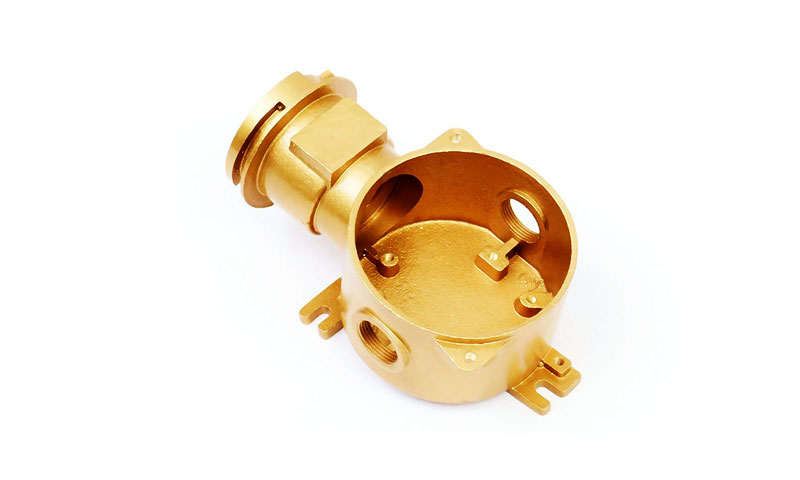
- Casting Eċċellenza: C83600 hija l-aktar liga "li taħfer" għall-funderiji. Huwa kompatibbli ma ' ramel, ċentrifugali, u ikkastjar kontinwu proċessi.
Il-fluwidità għolja tagħha tippermetti l-produzzjoni ta 'kumpless, ġeometriji b'ħitan irqaq li jkunu suxxettibbli għal falliment f'ligi oħra. - Magni ta 'preċiżjoni: Bi klassifikazzjoni tal-magni ta ' 84, huwa ottimizzat għal operazzjonijiet CNC b'veloċità għolja.
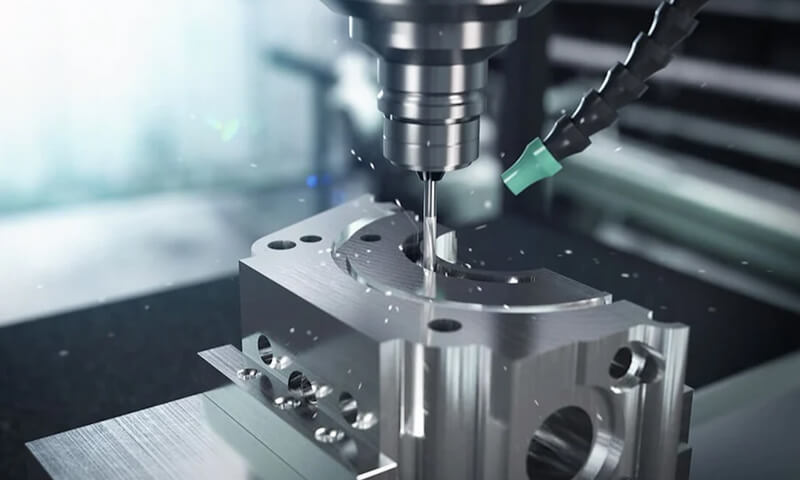
Il-kontenut taċ-ċomb jippromwovi l-formazzjoni ta 'żgħar, ċipep faċilment evakwati, tnaqqas il-frizzjoni tal-għodda u l-ġenerazzjoni tas-sħana, li testendi l-ħajja tal-għodda u tiżgura finitura tal-wiċċ superjuri.
Reżistenza għall-korrużjoni
- Reżistenza tajba għall-korrużjoni milwiema u atmosferika. C83600 jaħdem tajjeb fl-ilma tax-xorb, ilma baħar (f'ħafna każijiet) u ambjenti industrijali ġenerali.
Il-matriċi tar-ram/landa toffri reżistenza għal korrużjoni uniformi; madankollu, ram biċ-ċomb jista 'jkun suxxettibbli għal dezincification f'xi kimiċi aggressivi-landa C83600 tgħin biex itaffi ċerti modi ta' korrużjoni lokalizzati. - Konsiderazzjonijiet galvaniċi: Bħal kull ligi tar-ram, jevitaw koppji differenti tal-metall li jistgħu jipproduċu korrużjoni galvanika fis-servizz; ikkunsidra l-insulazzjoni/iżolament fejn il-kuntatt ma 'l-azzar jew l-aluminju huwa inevitabbli.
Applikazzjonijiet tipiċi
C83600 huwa speċifikat fejn castability, makkinarju u reżistenza għall-korrużjoni huma meħtieġa fl-istess pakkett. Użi rappreżentattivi jinkludu:
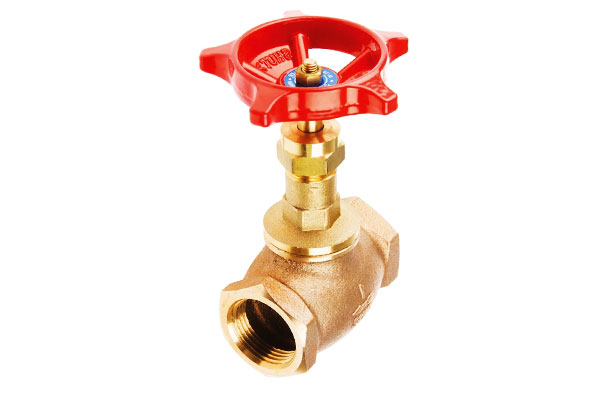
- Korpi tal-valvi, fittings u flanġijiet (plaming, fwar, immaniġġjar tal-fluwidu).
- Komponenti tal-pompa (impellers, housings, jilbsu ċrieki) — speċjalment fis-servizz tal-ilma.
- Gerijiet, roti tad-dudu u ħardwer mekkaniku żgħir fejn forom fonduti huma ekonomiċi.
- Fittings marittimi u ħardwer ġenerali espost għal ambjenti mxarrba.
- Ikkastjar ornamentali fejn il-finitura u r-reżistenza għall-korrużjoni huma mixtieqa iżda s-saħħa għolja mhix kritika.
3. X'inhu UNS C85800?
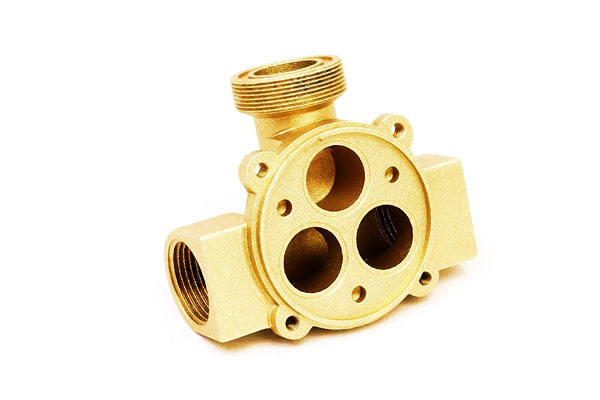
US C85800, kategorizzati bħala a Brass Isfar biċ-ċomb, hija liga tar-ram ta 'żingu għoli speċifikament inġinerija għat-talbiet rigorużi ta' Die Casting.
B'differenza mir-ram aħmar, C85800 huwa kkaratterizzat minn qawwi tiegħu, dehra isfar dehbi u kontenut ogħla ta 'żingu, li tipikament tvarja minn 31% to 41%.
Din il-liga hija l-għażla primarja għall-manifatturi li jfittxu taħlita ta 'saħħa mekkanika għolja, preċiżjoni dimensjonali, u kost-effiċjenza f'ambjenti ta 'produzzjoni ta' volum għoli.
Tgħaqqad id-distakk bejn ligi tradizzjonali tar-ramel fondut u materjali ta 'inġinerija ta' prestazzjoni għolja.
Karatteristiċi
Il-karatteristika li tiddefinixxi UNS C85800 hija tagħha adattabilità eċċezzjonali għal die casting bi pressjoni għolja.
Il-kompożizzjoni kimika tagħha hija ottimizzata biex tipprovdi fluwidità għolja u punt ta 'tidwib baxx, li jippermettilu li jiġi injettat f'kumpless, forom b'ħitan irqaq bi preċiżjoni estrema.
Din il-kapaċità tnaqqas b'mod sinifikanti l-ħtieġa għal makkinar sekondarju estensiv, peress li l-partijiet jistgħu jiġu mitfugħa għal "forma kważi netta".
Barra minn hekk, il-kontenut għoli taż-żingu jipprovdi proporzjon superjuri saħħa-piż meta mqabbel ma 'ram aħmar, filwaqt li l-inklużjoni taċ-ċomb tiżgura li kwalunkwe makkinar ta 'wara fondut meħtieġ huwa effiċjenti u preċiż.
Kompożizzjoni kimika
Il-prestazzjoni ta 'UNS C85800 hija rregolata minn bilanċ preċiż ta' ram u żingu, supplimentat minn elementi ta 'liga li jtejbu l-ikkastjar u l-karatteristiċi mekkaniċi tiegħu, skond l-istandards ASTM B176.
| Element | Perċentwal tal-Piż (%) | Rwol fil-Metallurġija |
| Ram (Cu) | 57.0 min | Metall bażiku; jipprovdi duttilità u reżistenza għall-korrużjoni bażika. |
| Żingu (Zn) | 31.0 - 41.0 | Element primarju tal-liga; iżid is-saħħa u jnaqqas l-ispiża tal-materja prima. |
| Ċomb (Pb) | 0.8 - 2.0 | Ittejjeb il-makkinarju u tgħin fl-issikkar tal-pressjoni għal partijiet die-cast. |
| Landa (Sn) | 1.5 massimu | Miżjud biex ittejjeb l-ebusija u r-reżistenza għall-korrużjoni atmosferika. |
Aluminju (Al) |
0.8 massimu | Jaġixxi bħala raffinatur tal-qamħ u jtejjeb il-finitura tal-wiċċ tal-ikkastjar. |
| Ħadid (Fe) | 0.50 massimu | Ikkontrollat biex jipprevjeni ebusija eċċessiva u xedd tal-għodda waqt il-magni. |
| Manganiż (Mn) | 0.25 massimu | Ittejjeb ir-rispons tal-liga għas-sħana u l-istress mekkaniku. |
Fiżiku & Propjetajiet mekkaniċi
Hawn taħt hemm tnejn ċari, tabelli professjonali li juru Fiżiku u Mekkaniku proprjetajiet għal US C85800 (ram isfar biċ-ċomb).
Il-valuri huma mogħtija bħala firxiet rappreżentattivi kif mitfugħa flimkien ma' noti qosra u valuri minimi ta' speċifikazzjoni tipiċi fejn xieraq.
Dejjem ikkonferma n-numri finali biċ-ċertifikati tal-materjal tal-funderija tiegħek u l-kupuni tal-produzzjoni qabel id-disinn jew l-aċċettazzjoni.
Proprjetajiet fiżiċi — UNS C85800
| Proprjetà | Tipiku / rappreżentant (kif mitfugħa) | Noti / spec tipiku |
| Densità | 8.40 - 8.83 g·cm⁻³ | Jiddependi fuq il-kimika eżatta u l-porożità. |
| Tidwib / Firxa tat-tferrigħ | ~900 - 1020 ° C. (likwidu madwar. tarf ta 'fuq) | Segwi r-rakkomandazzjonijiet tal-funderija għall-proċess (die vs ramel). |
| Konduttività termali | ~90 – 120 W · m⁻¹ · k⁻¹ | Konduttività tal-klassi tar-ram; jonqos modestament maż-żidiet tal-liga. |
Konduttività elettrika |
~12 – 18 % IACS | Konduzzjoni elettrika moderata tipika tar-ram biċ-ċomb. |
| Koeffiċjent ta 'espansjoni termali (20–200 °C) | ~17 – 20 × 10⁻⁶ /°C | Utli għall-kalkoli ta 'twaħħil termali u interferenza. |
| Modulu ta 'elastiċità | ~90 – 110 GPA | Firxa tipika ta 'modulu elastiku għal ram kummerċjali. |
| Sħana speċifika (madwar.) | ~ 0.38 - 0.39 kJ·kg⁻¹·K⁻¹ | Gwida tad-disinn għall-kalkoli termali. |
Proprjetajiet mekkaniċi — UNS C85800 (kif mitfugħa / rappreżentant)
| Proprjetà | Firxa tipika tal-funderija (kif mitfugħa) | Speċifikazzjoni minimi tipiċi / noti |
| Saħħa tat-tensjoni aħħarija (Uts) | ≈ 300 - 420 MPA (firxa komuni; dipendenti fuq il-proċess) | Xi lista ta 'tabelli ASTM/produtturi ~379 MPa bħala minimu rappreżentattiv għal ċerti kundizzjonijiet fonduti — ivverifika għal kull spec. |
| Saħħa ta 'rendiment (0.2% jew 0.5% offset) | ≈ 180 - 260 MPA | Ħafna datasheets jirrappurtaw rendiment ~ 200 MPa + għal varjanti die-cast. |
Titwil (A, %; 50 mm gauge) |
≈ 10 - 25% | Minimi tipiċi għal partijiet mitfugħa spiss ≥15% (sezzjonijiet irqaq vs ħoxnin ivarjaw). |
| Brinell / Ebusija Rockwell | ≈ HB 60 - 100 (jew HRB ~ 50-80) | L-ebusija togħla b'kontenut ta 'liga u tkessiħ aktar mgħaġġel. |
| Għeja & impatt | Varjabbli — moderat | Il-prestazzjoni tal-għeja influwenzata b'mod qawwi mill-porożità u l-finitura tal-wiċċ; speċifika l-ittestjar għall-partijiet tat-tagħbija ċiklika. |
Ikkastjar & Prestazzjoni tal-Maċinazzjoni
- Die Casting Ottimizzazzjoni: C85800 huwa fformulat unikament għal die casting bi pressjoni għolja.
Ir-rata ta 'solidifikazzjoni mgħaġġla u l-fluwidità għolja tagħha jippermettu l-produzzjoni ta' dettalji kkomplikati u uċuħ lixxi li huma diffiċli biex jinkisbu bil-ligi ta 'l-ikkastjar tar-ramel.
Madankollu, huwa ġeneralment evitat fl-ikkastjar tar-ramel minħabba s-suxxettibilità tiegħu għal "tiċrit sħun" u l-formazzjoni ta 'ħmieġ. - Makkinar b'Veloċità Għolja: Bi klassifikazzjoni tal-magni ta ' 80, C85800 huwa effiċjenti ħafna għal operazzjonijiet sekondarji.
Il-kontenut taċ-ċomb jaġixxi bħala lubrikant intern, jiffaċilitaw il-ħolqien ta 'żgħar, ċipep maniġġabbli waqt it-tħaffir, Tapping, jew tħin, li huwa essenzjali biex jinżamm throughput għoli f'linji ta 'produzzjoni awtomatizzati.
Reżistenza għall-korrużjoni
Filwaqt li UNS C85800 joffri reżistenza tajba għall-korrużjoni atmosferika u ambjenti industrijali ħfief, il-kontenut għoli ta 'żingu tiegħu jagħmilha aktar suxxettibbli għal diżinfezzjoni minn ram aħmar.
Iwettaq b'mod eċċellenti f'applikazzjonijiet "niexfa" jew fejn l-espożizzjoni għal fluwidi aggressivi hija limitata.
Għal komponenti f'kuntatt ma 'ilma artab jew soluzzjonijiet aċidużi, kisjiet speċjalizzati jew l-għażla ta 'ram aħmar bħal C83600 jistgħu jkunu meħtieġa biex jiżguraw durabilità fit-tul.
Applikazzjonijiet tipiċi
- Sistemi tal-Karozzi: Parentesi, housings, komponenti ta 'trasmissjoni, u trim dekorattiv ta 'ġewwa.
- Ħardwer Industrijali: Korpi ta 'valvi ta' pressjoni baxxa, komponenti tal-pompa, u partijiet ta 'inġinerija ġenerali.
- Oġġetti tal-Konsumatur: Locksets ta 'livell għoli, ċappetti, Mankijiet tal-bibien, u ħardwer ornamentali li jeħtieġ finitura isfar illustrat.
- Inġinerija Elettrika: Konnetturi, komponenti ta' switchgear, u terminali fejn huma meħtieġa saħħa u konduttività għolja.
- Plumbing (Mhux Kritika): Mankijiet dekorattivi tal-faucet u attrezzaturi esterni tal-plaming.
4. Tqabbil komprensiv: US C83600 vs US C85800
Hawn taħt hawn konċiż, tabella ta 'tqabbil professjonali.
In-numri huma firxiet rappreżentattivi kif mitfugħa; valuri attwali jiddependu fuq il-metodu tal-ikkastjar, id-daqs tas-sezzjoni u l-prattika tas-sħana/tidwib — dejjem ikkonferma biċ-ċertifikat tal-mitħna tal-funderija u kupuni tal-produzzjoni għad-disinn/aċċettazzjoni.
| Fattur ta' paragun | US C83600 (Ċomb Aħmar-Ram / Gunmetal) | US C85800 (Brass Isfar biċ-ċomb) |
| Familja tal-liga / isem kummerċjali | Ċomb aħmar-ram / metall tan-nar; liga fonduta għal skopijiet ġenerali tajba | Ram isfar biċ-ċomb; qtugħ ħieles, liga tal-ikkastjar għal skopijiet ġenerali |
| Kompożizzjoni tipika (wt%) | Cu ≈ 84–86%; Sn ≈ 4–6%; Pb ≈ 4–6%; Zn ≈ 4–6%; minuri Ni/Fe/Sb | Cu ≈ 57–58%; Zn ≈ 31–41%; Pb ≤ 1.5%; Sn ≤ 1.5%; minuri Fe/Ni/Al |
| Densità | ≈ 8.80–8.90 g/ċm³ | ≈ 8.40–8.83 g/ċm³ |
| Tidwib / gwida għat-tferrigħ | Solidu/likwidu ~~ 854–1010 °C (dipendenti mill-funderija) | Ram tipiku pour firxa ~~ 900–1020 °C (kull gwida tal-funderija) |
UTS tipiċi kif mitfugħa (rappreżentant) |
~205–255 MPa | ~300–420 MPa (dipendenti fuq il-proċess; xi specs jiċċitaw ~ 379 MPa) |
| Saħħa ta 'rendiment tipiku (rappreżentant) | ~97–117 MPa | ~180–260 MPa |
| Titwil (tipiku) | ~20–30% (duttilità tajba) | ~10–25% (tvarja skont it-taqsima & proċess) |
| Ebusija (tipiku) | ~~60 HB (kif mitfugħa) | ~HB 60–100 (dipendenti fuq il-proċess) |
| Makkinabilità | Tajjeb — iċ-ċomb jgħin fil-kontroll taċ-ċippa; veloċitajiet ta 'produzzjoni raġonevoli | Eċċellenti / qtugħ ħieles — ram isfar biċ-ċomb huwa ottimizzat għal produttività għolja tal-magni |
| Kastabbiltà (imġieba tal-funderija) | Tajjeb ħafna fir-ramel, qoxra, ċentrifugali u investiment; landa ttejjeb il-prestazzjoni tal-korrużjoni / xedd | Tajjeb ħafna speċjalment fid-die-casting u sand casting; ifformulat għal fluwidità u ċiklu mgħaġġel |
Ilbies / imġieba tal-ġarr |
Tajjeb — il-landa ttejjeb l-inkorporabilità; użat għall-boxxli u l-partijiet tal-bearing | Moderat — jistgħu jintużaw għal ħafna partijiet mekkaniċi, iżda mhux speċjalizzat li jġorr il-bronż |
| Reżistenza għall-korrużjoni (imxarrab/baħar) | Tajjeb għal tajjeb ħafna — il-landa ttejjeb il-prestazzjoni tal-ilma baħar; preferut għall-partijiet tal-pompa/valv tal-baħar | Tajjeb għal ambjenti milwiema ġenerali; riskju ta 'diżinċifikazzjoni jeżisti fil-kimiċi aggressivi |
| Suxxettibilità tad-diżinċifikazzjoni | Baxx (landa u Cu ogħla jtaffu r-riskju DZ) | Potenzjal ogħla (familja tar-ram) — tikkunsidra l-ambjent u l-liga jew inibituri possibbli kontra d-DZ |
| Tgħaqqad / tiswija | Brazing preferut; iwweldjar diffiċli u jeħtieġ teknika speċjalizzata | Brazing preferut; iwweldjar ġeneralment mhux rakkomandat għall-produzzjoni |
Regolatorju / nota tas-saħħa |
Kontenut taċ-ċomb (~4–6%) - le addattat għal ħafna applikazzjonijiet għall-ilma tax-xorb; iċċekkja r-regolamenti lokali | Kontenut taċ-ċomb (≤1.5%) — xorta jista' jkun ristrett għall-ilma tax-xorb; jivverifika l-limiti reġjonali |
| Applikazzjonijiet tipiċi | Boxxli, kmiem, pompa & partijiet tal-valv, Fittings tal-baħar, gerijiet żgħar, kkastjar dekorattiv | Valvoli, fittings, Partijiet tal-pompa, housings die cast, gerijiet, partijiet bil-makna ta’ volum għoli |
| Spiża relattiva & disponibbiltà | Moderat (landa żżid l-ispiża) | Ġeneralment ekonomiku u disponibbli b'mod wiesa 'għall-ikkastjar tad-die u tar-ramel |
Gwida tal-għażla (meta tagħżel) |
Agħżel meta r-reżistenza għall-korrużjoni fis-servizz imxarrab/marin u l-prestazzjoni tal-bearing/triboloġika huma prijoritajiet. | Agħżel meta l-produttività għolja tal-magni u l-effiċjenza fl-ispiża huma prijoritajiet għal komponenti għal skopijiet ġenerali. |
| Parir dwar l-ispeċifikazzjoni | Speċifika UNS C83600 plus ikkastjar proċess, minimi mekkaniċi, NDT u traċċabilità. | Speċifika UNS C85800 plus ikkastjar proċess, minimi mekkaniċi, NDT u regolatorju (ċomb) restrizzjonijiet. |
5. Konklużjonijiet
UNS C83600 u C85800 jindirizzaw prijoritajiet ta' inġinerija differenti:
C83600 huwa ram aħmar b'ħafna ram ottimizzat għal magni ta 'wara mitfugħa eċċellenti, reżistenza għall-korrużjoni ġenerali qawwija u riskju baxx ta 'dezincification, jagħmilha l-għażla prammatika għal korpi tal-valvi bil-makna ħafna u housings tal-pompi fejn il-kontenut taċ-ċomb huwa permess;
C85800 huwa ram isfar taż-żingu għoli ottimizzat għal die casting permanenti-moffa/pressjoni, forom qrib ix-xibka b'ħitan irqaq u saħħa ogħla kif fondut b'ċomb aktar baxx iżda suxxettibilità akbar għad-diżinċifikazzjoni.
L-għażla finali bejn iż-żewġ ligi għandha tkun ibbażata fuq tliet fatturi ewlenin: ambjent tas-servizz (korrużiv vs. niexef ġewwa), rekwiżiti ta' prestazzjoni mekkanika (duttilità/reżistenza għall-impatt vs. saħħa statika bażika), u l-volum tal-produzzjoni u r-restrizzjonijiet tal-baġit.
FAQs
Huma UNS C83600 u C85800 interkambjabbli?
LE. Huma jvarjaw materjalment fil-kompożizzjoni, imġieba tal-korrużjoni, karatteristiċi tal-ikkastjar u profil regolatorju.
Is-sostituzzjoni teħtieġ kwalifika mill-ġdid (testijiet mekkaniċi, testijiet tal-korrużjoni, provi tal-magni u verifika regolatorja).
Liema magni tal-liga aħjar?
Magni C83600 superjuri minħabba l-kontenut ta 'ċomb ta' 4-6% tiegħu, jipproduċu kontroll aħjar taċ-ċippa, inqas xedd tal-għodda u produttività ogħla tal-magni.
Magni C85800 raġonevolment tajjeb iżda ġeneralment jeħtieġu għodda u għalf ottimizzati.
Xi ngħidu dwar ir-riskju tad-diżinċifikazzjoni?
C85800 (Zn għoli) huwa aktar suxxettibbli għal dezincification fil-kimiċi aggressivi tal-ilma (pH baxx, klorur għoli, ossiġnu għoli). C83600 (Zn baxx, ogħla Cu/Sn) hija intrinsikament aktar reżistenti.
Jekk jeżisti riskju ta’ żżinċifikazzjoni, agħżel liga reżistenti għad-diżinċifikazzjoni jew miżuri protettivi/kisi u ttestja skont l-istandards rilevanti.
Kemm il-metodu tal-ikkastjar jaffettwa l-għażla?
B'mod sinifikanti. C85800 jiddi f'moffa permanenti u die-casting għal ħitan irqaq u forom qrib ix-xibka, iwasslu rendimenti ogħla u kontroll dimensjonali aħjar.
C83600 jaħdem l-aħjar għar-ramel, investiment jew kkastjar ċentrifugali flimkien ma 'magni tqil.