1. Sommarju eżekuttiv
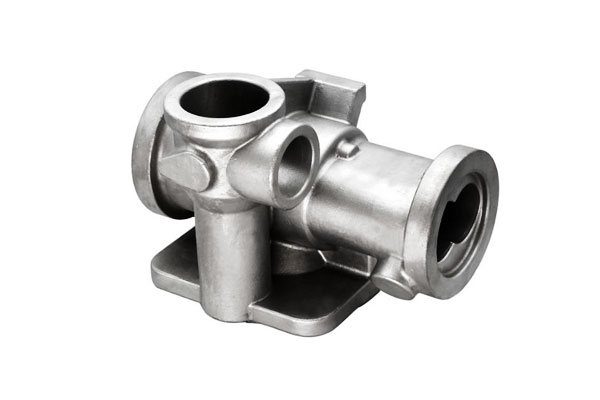
Ikkastjar ta 'investiment (ikkastjar tax-xama' mitlufa) huwa apprezzat għall-eżattezza tal-forma, sezzjonijiet irqaq u ġeometrija kumplessa.
L-għażla tal-liga hija d-deċiżjoni tad-disinn l-aktar importanti għaliex tiddetermina: liema materjali u prattiċi tat-tidwib/degassing għandha tuża l-funderija; il-kimika tal-qoxra u ċ-ċikli tal-isparar;
għalf u l-istrateġija jinxtorob; proprjetajiet mekkaniċi li jistgħu jinkisbu u trattamenti tas-sħana meħtieġa wara l-ikkastjar; testijiet ta' spezzjoni u aċċettazzjoni; u fl-aħħar mill-aħħar parti l-ispiża u l-ħin taċ-ċomb.
Dan l-artikolu jeżamina l-familji prinċipali ta 'ligi komunement mitfugħa mill-proċess ta' investiment, iqabbel l-imgieba metallurġiċi tagħhom u l-implikazzjonijiet tal-ipproċessar, u jipprovdi gwida ta 'għażla prammatika marbuta ma' applikazzjonijiet tipiċi.
2. Għaliex l-għażla tal-materjal hija importanti fl-ikkastjar tal-investiment
L-għażla tal-materjal hija d-deċiżjoni tal-inġinerija l-aktar konsegwenzjali waħda ikkastjar ta 'investiment. Jiddetermina mhux biss il-prestazzjoni waqt is-servizz tal-parti lesta (saħħa, Reżistenza għall-korrużjoni, stabbiltà f'temperatura għolja, Bijokompatibilità, piż),
iżda wkoll il-katina kollha tal-manifattura upstream u downstream: metodu ta 'tidwib u tferra, kimika tal-qoxra u sparar, strateāija gating/riser, modi ta 'difett li għandek tara, trattamenti tas-sħana meħtieġa, metodi ta' spezzjoni, ħin taċ-ċiklu, riskju ta' ruttam u spiża totali.
3. Familji materjali użati fl-ikkastjar ta 'investiment
| Familja | Gradi komuni / eżempji | Densità tipika (g·cm⁻³) | Tidwib / likwidu (° C.) | Saħħa & niċċa |
| Azzar li ma jissaddadx awstenitiku | 304, 316L, CF3, Cf3m | 7.9 | ~1,400–1,450 | Reżistenza għall-korrużjoni, faċilità ta 'ikkastjar |
| Preċipitazzjoni-twebbis stainless | 17-4 PH (Aisi 630) | 7.8 | ~1,350–1,420 | Saħħa għolja wara t-tixjiħ |
| Duplex / Super-duplex | 2205, 2507 | ~7.8 | ~1,350–1,450 | Saħħa għolja + reżistenza għall-pitting |
| Martensitic stainless / Azzar tal-għodda | 410/420, H13, 440Ċ | 7.7–7.9 | 1,300–1,450 (tvarja) | Ilbies, reżistenza tas-sħana (għodda) |
| Karbonju / azzar b'liga baxxa | 1020–4140, WCB | 7.8 | ~1,420–1,540 | Strutturali, spiża aktar baxxa |
Superligi b'bażi tan-nikil |
Inconel 718, 625, 738 | 8.2–8.4 | 1,350–1,400 (718), likwidu sa ~1,400–1,450+ | Qawwa ta 'temperatura għolja, creep |
| Ligi tal-bażi tal-kobalt | Ko-Cr-Mo (ASTM F75) | ~8.3–8.9 | ~1,260–1,350 | Ilbies, impjanti bijomediċi |
| Ligi b'bażi tar-ram (bronż/ram) | Bronż tal-aluminju, Bil-Sn, Magħna | 8.4–8.9 | 900–1,080 | Konduttività, uċuħ li jġorru |
| Ligi tat-titanju | Ti-6al-4v | 4.4 | tidwib ~ 1,650 | Qawwa għolja għal piż, bijokompatibbli |
| Ligi tal-aluminju | A356 (limitati) | 2.7 | ~580–660 | Ħafifa, saħħa baxxa vs oħrajn |
| Metalli prezzjużi | 18K deheb, fidda sterlina, Pt-ligi | Au 19.3, Ag 10.5 | Fil-tidwib 1,064 | Ġojjelli, kuntatti elettriċi |
4. Materjali tal-Liegi tal-Ikkastjar — Id-Determinazzjoni tal-Prestazzjoni Finali tal-Ikkastjar
Meta tagħżel liga għal ikkastjar trid tikkunsidra sett ta 'fatturi interdipendenti: proprjetajiet mekkaniċi meħtieġa (saħħa, ebusija, għeja), ambjent operattiv (temperatura, midja korrużiva),
Ġeometrija (ħitan irqaq vs sezzjonijiet massivi), manifattura (fluwidità, firxa tal-iffriżar, reattività), ipproċessar ta' wara l-fond (trattament tas-sħana, Ġenbejn), ħtiġijiet ta 'spezzjoni u l-ispiża.
Ikkastjar ta' liga tal-ħadid
1) Azzar tal-karbonju ikkastjar
X'inhuma: azzar b'liga baxxa fejn il-karbonju huwa l-element ta 'tisħiħ primarju (E.g., AISI 1020–1045, ASTM A216 WCB, ekwivalenti).
Proprjetajiet & prestazzjoni: saħħa moderata, toughness tajba meta normalizzat, makkinarju eċċellenti u prezz baxx. Densità ~ 7.85 g/cm³.
Konsiderazzjonijiet tal-ikkastjar: punt ta 'tidwib modest (~ 1,420–1,540 °C), fluwidità tajba għal ħafna ġeometriji iżda suxxettibbli għal porożità li tinxtorob f'sezzjonijiet tqal.
Id-disinn tal-qoxra u tal-gating għandu jipprovdi għalf adegwat. Il-formazzjoni tal-idroġenu u tal-grafita tista 'tkun ta' tħassib għal xi gradi.
Wara l-ipproċessar: normalizzazzjoni, quench & temper (skond il-grad) biex tinkiseb ebusija/saħħa mixtieqa.
Applikazzjonijiet: komponenti strutturali, housings, kkastjar ġenerali tal-inġinerija fejn ir-reżistenza għall-korrużjoni mhix kritika.
2) Azzar liga ikkastjar
X'inhuma: azzar illigat bi Cr, Mo, Fi, V, eċċ., biex ittejjeb is-saħħa, ebusija u proprjetajiet ta 'temperatura elevata (E.g., 4140, 4340 analogi tal-familja).
Proprjetajiet & prestazzjoni: saħħa tat-tensjoni ogħla, reżistenza għall-għeja u toughness minn azzar tal-karbonju sempliċi; jistgħu jiġu ttrattati bis-sħana għal qawwiet għoljin.
Konsiderazzjonijiet tal-ikkastjar: sensittività ogħla għas-segregazzjoni u l-qsim sħun hekk kif il-kontenut tal-liga jogħla; gating bir-reqqa u risering meħtieġa; xi ligi jeħtieġu vakwu jew deossidizzat tidwib għal solidità.
Wara l-ipproċessar: ċikli kritiċi ta' quench/temper, kontroll tad-distorsjoni waqt it-trattament bis-sħana. Jistgħu jeħtieġu serħan mill-istress u ttemprar biex jibbilanċjaw il-proprjetajiet.
Applikazzjonijiet: gerijiet, Xaftijiet, partijiet strutturali b'tensjoni għolja, komponenti taż-żejt.
3) Stainless-azzar ikkastjar
X'inhuma: Ligi bbażati fuq il-ħadid b'≥10.5% Cr; familji jinkludu austenitic (304/316/CF8/CF8M), martensitiku (410/420), duplex (2205) u t-twebbis tal-preċipitazzjoni (17-4 PH).
Proprjetajiet & prestazzjoni: reżistenza għall-korrużjoni tvarja minn ġenerali (awstenitiċi) għal reżistenza għolja tal-klorur (duplex/superduplex);
proprjetajiet mekkaniċi jvarjaw ħafna - duplex joffri saħħa għolja + Reżistenza tajba għall-korrużjoni; 17-4 PH joffri saħħa għolja wara x-xjuħija.

Konsiderazzjonijiet tal-ikkastjar: stainless tidwib jiffurmaw ossidu/gagazza; kontroll tal-kimika tat-tidwib, id-deossidazzjoni u t-tneħħija tal-inklużjoni huma importanti għall-finitura tal-wiċċ u l-proprjetajiet mekkaniċi.
It-tnaqqis tas-solidifikazzjoni u s-suxxettibilità tad-dmugħ sħun ivarjaw bejn il-gradi.
Wara l-ipproċessar: ittemprar soluzzjoni, quench u tixjiħ (għall-gradi PH); duplex jista 'jeħtieġ trattament bis-sħana bir-reqqa biex jinżamm bilanċ tal-fażi. Il-passivazzjoni u l-pickling spiss isegwu l-magni.
Applikazzjonijiet: komponenti tal-pjanti kimiċi, valvi, ħardwer tal-baħar, partijiet sanitarji, Ipproċessar tal-ikel, Apparat mediku.
Ikkastjar ta 'liga mhux tal-ħadid
4) Aluminju-liga ikkastjar
X'inhuma: Al-Iva, Familji Al-Cu u Al-Mg (E.g., A356, A357, ADC12, 6061-tip) għal komponenti fonduti.
Proprjetajiet & prestazzjoni: Densità baxxa (~ 2.7 g/ċm³), saħħa speċifika tajba (wara trattament bis-sħana għal xi ligi), reżistenza għall-korrużjoni eċċellenti meta liga sew; konduttività termali/elettrika eċċellenti.
Konsiderazzjonijiet tal-ikkastjar: fluwidità tajba ħafna tippermetti ħitan irqaq u dettall fin, iżda porożità idroġenu, films ta 'ossidu u tiċrit sħun f'ċerti konformazzjonijiet huma riskji ewlenin.
It-temperaturi tal-isparar tal-qoxra u l-iskedi dewax huma differenti minn xogħol tal-ħadid. Kontroll tal-idroġenu, l-indafa tad-dewweb u l-gting xieraq huma essenzjali.
Wara l-ipproċessar: trattament tas-sħana soluzzjoni u tixjiħ artifiċjali (T6) għas-saħħa; kultant HIP għal partijiet aerospazjali kritiċi.
Applikazzjonijiet: Housings aerospazjali, komponenti ħfief tal-karozzi, partijiet li jxerrdu s-sħana.
5) Ram-ligi bażi (bronż, Brass, bronż tal-aluminju)
X'inhuma: Bil-Sn (bronż), Cu-Zn (Brass), Bil- (bronż tal-aluminju), Magħna, u varjanti.
Proprjetajiet & prestazzjoni: Reżistenza eċċellenti għall-korrużjoni (speċjalment Cu-Ni/Al-bronż), proprjetajiet tajba tal-ġarr u konduttività termali/elettrika. Densità ~ 8.4–8.9 g/cm³.

Konsiderazzjonijiet tal-ikkastjar: punti ta 'tidwib aktar baxxi minn azzar; konduttività termali għolja taffettwa l-imġieba tas-solidifikazzjoni (tkessiħ mgħaġġel).
Fluwidità tajba tagħmel dettall fini fattibbli. Ir-riskju ta 'jinxtorob u ta' qsim sħun jiddependu fuq il-kompożizzjoni tal-liga.
Wara l-ipproċessar: ittemprar għad-duttilità, makkinar huwa spiss diffiċli (Aħdem twebbis); tħassib tal-irfinar tal-wiċċ u tad-diżinċifikazzjoni għal ram espost għal ċerti ambjenti.
Applikazzjonijiet: ħardwer tal-baħar, komponenti tal-pompa, bearings, partijiet dekorattivi u elettriċi.
6) Titanju-kkastjar tal-liga
X'inhuma: prinċipalment Ti-6Al-4V u ligi Ti oħra li joffru saħħa speċifika għolja u bijokompatibilità.
Proprjetajiet & prestazzjoni: saħħa għall-piż eċċellenti, reżistenza għall-korrużjoni u bijokompatibilità; Densità baxxa (~ 4.4 g/cm³).

Konsiderazzjonijiet tal-ikkastjar: tidwib reattiv ħafna (ossiġnu, pickup tan-nitroġenu) — it-tidwib bil-vakwu/argon u t-ferragħ meħtieġa biex jiġu evitati l-fraġilità u l-inklużjonijiet.
It-tnaqqis tas-solidifikazzjoni u l-formazzjoni tal-ossidu jitolbu materjali tal-qoxra speċjalizzati u prattiki tat-tidwib. L-ispejjeż tal-produzzjoni u r-rekwiżiti tat-tagħmir huma għoljin.
Wara l-ipproċessar: trattament bis-sħana bil-vakwu, serħan mill-istress, HIP komuni biex tagħlaq il-porożità għal komponenti kritiċi. L-irfinar tal-wiċċ huwa importanti għal partijiet sensittivi għall-għeja.
Applikazzjonijiet: komponenti strutturali aerospazjali, Impjanti mediċi, oġġetti sportivi ta' prestazzjoni għolja.
Ikkastjar ta 'liga b'temperatura għolja
7) Superligi b'bażi tan-nikil
X'inhuma: Ligi bbażati fuq Ni-Cr-Co-Al-Ti (Inconel, Rene, Familji nimoniċi) iddisinjat għal saħħa u reżistenza għat-tkaxkir f'temperaturi elevati (sa ~ 1,000 °C u lil hinn għal xi ligi).
Proprjetajiet & prestazzjoni: saħħa ta 'creep eċċellenti, ossidazzjoni u reżistenza għall-korrużjoni f'temperatura għolja; densità madwar 8.2–8.5 g/cm³.

Konsiderazzjonijiet tal-ikkastjar: firxiet twal ta 'solidifikazzjoni jippromwovu difetti ta' segregazzjoni u jinxtorob; tidwib tal-induzzjoni bil-vakwu, id-degassing strett u l-kontroll tal-inklużjoni huma kritiċi.
Is-solidifikazzjoni direzzjonali u l-ikkastjar ta 'kristall wieħed huma varjanti speċjalizzati għal xfafar tat-turbini (katina ta 'proċess differenti).
Wara l-ipproċessar: soluzzjoni kumplessa u trattamenti tas-sħana li qed tixjieħ biex jiżviluppaw γ′ preċipitati; HIP u makkinar huma komuni. Iċ-ċertifikazzjoni għas-setturi aerospazjali teħtieġ NDT strett.
Applikazzjonijiet: partijiet hot-section tat-turbini tal-gass, aerospazjali, Ġenerazzjoni tal-Enerġija, ipproċessar kimiku f'temperatura għolja.
8) Ligi tal-bażi tal-kobalt
X'inhuma: Co-Cr-Mo u kompożizzjonijiet relatati użati fejn huma meħtieġa xedd u saħħa f'temperatura elevata (E.g., familja stellite).
Proprjetajiet & prestazzjoni: ebusija sħuna tajba, reżistenza għall-ilbies u reżistenza għall-korrużjoni. Ħafna drabi jintuża fejn ikun preżenti xedd li jiżżerżaq f'temperatura elevata.
Konsiderazzjonijiet tal-ikkastjar: punti ta 'tidwib għoljin u sensittività għas-segregazzjoni; makkinar huwa ta 'sfida minħabba ebusija għolja.
Wara l-ipproċessar: soluzzjoni/tixjiħ (fejn applikabbli), tħin u illustrar għal uċuħ triboloġiċi.
Applikazzjonijiet: siġilli tat-turbini, siġġijiet tal-valv, Ligi dentali bijomediċi (Ko-cr), Ilbes komponenti.
9) Ligi ta 'temperatura għolja bbażati fuq il-ħadid
X'inhuma: ħdejjed tal-mogħdija li jirreżistu s-sħana (E.g., Fe-Cr-Al, azzar li ma jissaddadx ifformulat għal temperatura elevata).
Proprjetajiet & prestazzjoni: kost-effettiv f'temperaturi għoljin moderati, reżistenza tajba għall-ossidazzjoni b'liga adattata.
Konsiderazzjonijiet tal-ikkastjar & applikazzjonijiet: użat fejn it-temperaturi huma għoljin iżda reżistenza estrema ta 'creep ta' ligi tan-nikil mhix meħtieġa (E.g., Partijiet tal-forn, xi berners industrijali).
Ikkastjar ta 'liga għal skopijiet speċjali
Ligi tal-metall prezzjuż (deheb, fidda, platinu)
X'inhuma: Au, Ligi Ag u Pt għal ġojjellerija, kuntatti ta 'preċiżjoni u użi katalitiċi.
Proprjetajiet & prestazzjoni: reżistenza għall-korrużjoni eċċellenti u proprjetajiet estetiċi; saħħa mekkanika varjabbli skond il-karat u l-liga.
Konsiderazzjonijiet tal-ikkastjar: punti ta 'tidwib baxxi (deheb ~ 1,064 °C), fluwidità eċċellenti; ikkastjar bil-vakwu jew b'atmosfera kkontrollata jtejjeb il-finitura tal-wiċċ.
Ikkastjar ta 'investiment (xama 'mitlufa) hija r-rotta tal-manifattura dominanti għall-ġojjellerija.
Applikazzjonijiet: ġojjelli, kuntatti elettroniċi, użi dekorattivi u kimiċi ta' speċjalità.
Ligi manjetiċi (Al-Ni-Co, Varjanti Nd-Fe-B)
X'inhuma: materjali b'kalamita permanenti u ligi manjetiċi rotob; nota: ħafna kalamiti ta 'enerġija għolja (Nd-Fe-B) mhumiex komunement magħmula mill-ikkastjar ta 'investiment minħabba li t-trab u l-proċessi ta' konsolidazzjoni huma tipiċi. Al-Ni-Co jista 'jiġi mitfugħ.
Proprjetajiet & prestazzjoni: koerċività manjetika, id-densità tal-fluss u l-istabbiltà tat-temperatura jiddeterminaw l-adegwatezza.
Konsiderazzjonijiet tal-ikkastjar: ligi manjetiċi jeħtieġu solidifikazzjoni kkontrollata biex jiġu evitati fażijiet mhux mixtieqa; ipproċessar ta' wara l-manjetizzazzjoni meħtieġ.
Applikazzjonijiet: sensuri, muturi, strumentazzjoni.
Ligi tal-memorja tal-forma (Ni-Ti / Nitinol)
X'inhuma: ligi tan-nikil-titanju kważi ekwiatomiċi b'memorja tal-forma u mġiba superelastika.
Proprjetajiet & prestazzjoni: trasformazzjonijiet martensitiċi riversibbli jipproduċu razez kbar li jistgħu jiġu rkuprati; użati fl-attwaturi u apparat mediku.
Konsiderazzjonijiet tal-ikkastjar: Ni-Ti huwa reattiv u sensittiv għall-kompożizzjoni; it-tidwib bil-vakwu u l-kontroll ta 'preċiżjoni tal-proporzjon Ni/Ti huma kritiċi;
ħafna drabi prodott permezz ta' kkastjar ta' investiment għal ġeometriji kumplessi iżda l-metallurġija tat-trab u l-komponenti tal-forma C huma komuni. It-trattament tas-sħana ta 'wara mitfugħa jfassal it-temperaturi tat-trasformazzjoni.
Applikazzjonijiet: Apparat mediku (stents, stejpils), attwaturi u strutturi adattivi.
5. Konklużjonijiet
L-għażla tal-materjal hija d-deċiżjoni l-aktar influwenti fl-ikkastjar tal-investiment.
Tirregola mhux biss il-prestazzjoni waqt is-servizz ta 'parti (saħħa, għeja, korrużjoni, kapaċità tat-temperatura, Bijokompatibilità, massa)
iżda wkoll kull aspett prattiku tal-manifattura: metodu tat-tidwib, kimika tal-qoxra u sparar, strateāija ta' gating u għalf, modi ta 'difett probabbli, meħtieġa trattament tas-sħana u NDT, l-ispiża u l-ħin taċ-ċomb.
Ewlenin, konklużjonijiet azzjonabbli:
- Ibda bil-funzjoni, mhux drawwa. Iddefinixxi s-sewwieqa tas-servizz dominanti (temperatura, korrużjoni, ilbies, Ħajja ta 'għeja, piż, restrizzjonijiet regolatorji)
u ħalli dawk il-mappa inti għal familja materjali (E.g., ligi tan-nikil għal creep f'temperatura għolja, titanju għal saħħa għall-piż u bijokompatibilità, duplex stainless għas-servizz tal-klorur, Bronż għall-ilbies tal-baħar, Metalli prezzjużi għal ġojjellerija/kuntatti elettriċi). - Qabbel il-kapaċità tal-funderija mad-domanda tal-liga. Ħafna ligi (titanju, superligi, ligi tal-kobalt) jeħtieġu vakwu jew tidwib inert, Ġenbejn, u NDT avvanzat.
Tispeċifikax liga speċjali sakemm fornitur kwalifikat ma jistax iwassalha u jiċċertifikaha. - Id-disinn u l-proċess huma ko-dipendenti. Attributi tal-liga (firxa tat-tidwib, fluwidità, jinxtorob, reattività, tendenza ta’ segregazzjoni, Konduttività termali) għandu jintuża biex jiġi stabbilit il-kumpens tal-għodda, disinn ta' gating/riser, sistema tal-qoxra u skedi dewax/sparar.
Simulazzjoni bikrija u castings pilota jnaqqsu materjalment ir-riskju. - Ippjana passi ta 'wara l-ikkastjar bil-quddiem. Trattament tas-sħana, Ġenbejn, irfinar tal-wiċċ u makkinar jaffettwaw il-kontroll tad-dimensjoni u l-ispiża.
Għal komponenti kritiċi, speċifika dawn il-passi fl-RFQ (u jinkludu testijiet ta' aċċettazzjoni u traċċabilità). - Kontroll tal-kwalità bl-ispeċifikazzjoni. Jeħtieġu MTRs, rekords tat-trattament tas-sħana, reġimi NDT definiti (radjografija/CT għall-porożità interna, ultrasoniku għal sezzjonijiet tal-ħadid ħoxnin, penetrant taż-żebgħa għall-uċuħ), u standard ta 'aċċettazzjoni ddikjarat b'mod ċar.
Iddefinixxi limiti għall-porożità, inklużjonijiet u proprjetajiet mekkaniċi. - Spiża tal-bilanċ, skeda u riskju. Ligi speċjali u protokolli ta 'aċċettazzjoni stretti jżidu l-ħin u l-ispiża.
Uża l-aktar liga sempliċi li tissodisfa r-rekwiżiti funzjonali u tikkwalifika alternattivi fejn ikun fattibbli.
FAQs
Jista 'kwalunkwe metall jiġi mitfugħ b'investiment?
Ħafna metalli u ligi huma adattati (azzar, stainless, superligi tan-nikil u tal-kobalt, ligi tar-ram, aluminju, titanju, metalli prezzjużi).
Madankollu, l-adegwatezza tiddependi fuq il-kapaċità tal-funderija: metalli reattivi (titanju, manjesju) u superligi b'tidwib għoli jeħtieġu vakwu/tidwib inert u sistemi ta 'qoxra speċjali.
Xi kalamita u ligi tal-metallurġija tat-trab mhumiex prattiċi mill-ikkastjar ta 'investiment konvenzjonali.
Kif nagħżel bejn ligi meta diversi jissodisfaw il-ħtiġijiet tal-prestazzjoni?
Rekwiżiti Rank (għandu jkollu vs mixtieq), imbagħad tevalwa l-manifattura (kapaċità tal-funderija, ħtieġa għal HIP jew tidwib bil-vakwu), spiża, ħin taċ-ċomb u piż tal-ispezzjoni.
L-ikkastjar pilota u l-analiżi tal-ispiża taċ-ċiklu tal-ħajja jgħinu biex tagħżel l-aħjar kompromess.
Il-ligi kollha jeħtieġu materjali tal-qoxra jew kisi speċjali?
Xi wħud jagħmlu. Idub reattiv jew f'temperatura għolja (E.g., titanju, ċerti superligi) jistgħu jeħtieġu kowtijiet tal-wiċċ inerti (żirkon, alumina) u sparar ikkontrollat biex jipprevjenu reazzjonijiet tal-qoxra tal-metall.
Iddiskuti l-formulazzjoni tal-qoxra mal-funderija tiegħek waqt id-disinn.
Kif l-għażla tal-liga taffettwa l-finitura tal-wiċċ u l-makkinarju?
Metalli bħall-ligi tar-ram u l-aluminju tipikament jipprovdu finitura tal-wiċċ eċċellenti u makkinarju; ligi tan-nikil u tal-kobalt huma aktar diffiċli biex jiġu mgħoddija bil-magni u jistgħu jeħtieġu għodda speċjalizzata.
Azzar li ma jsaddadx ivarjaw — duplex u PH gradi magna differenti minn awstenitiċi. Inkludi allowance tal-magni u kunsiderazzjonijiet tal-għodda fid-disinn.
Xi ngħidu dwar il-korrużjoni u l-kompatibilità ambjentali?
Il-prestazzjoni tal-korrużjoni hija primarjament funzjoni tal-kimika tal-liga u t-trattament ta 'wara l-ikkastjar (kura tas-sħana, passivazzjoni, Kisi).
Għal midja aggressiva (kloruri, aċidi), agħżel ligi reżistenti għall-korrużjoni (duplex stainless, ligi tan-nikil) u jeħtieġu testijiet ta' kwalifika rilevanti (pitting, SCC).
Regolamenti ambjentali (E.g., RoHS, elementi ristretti) jista 'wkoll jaffettwa l-għażla tal-liga.
Kemm aktar jiswa ikkastjar superliga vs ikkastjar tal-azzar?
L-ispejjeż ivarjaw ħafna skond il-liga, kumplessità u post-ipproċessar.
Superligi u metalli reattivi komunement jiswew bosta drabi aktar minn azzar komuni minħabba materja prima għalja, fran tal-vakwu, Ġenbejn, u NDT estiż.
Uża l-ispiża totali tas-sjieda (materjal + proċessar + spezzjoni + rendiment) aktar milli prezz tat-tidwib mhux maħdum biss.