1. Introduzzjoni
Bushing tat-transformer huwa apparat iżolat li jippermetti li konduttur jgħaddi b'mod sikur minn barriera ertjata bħal tank tat-transformer,
u l-IEC 60137 jiddefinixxi l-karatteristiċi u t-testijiet għall-boxxli iżolati użati fit-trasformaturi u apparat ieħor ta' vultaġġ għoli hawn fuq 1000 V.
F'assemblaġġi ta 'transformer reali, in-naħa li ġġorr il-kurrent tal-bronżina ħafna drabi tinkludi ram jew komponenti ta 'liga tar-ram bħal terminali, tubi kondutturi, piki, blokki ta' kuntatt, u ħardwer tal-konnettur, u huwa għalhekk li l-ikkastjar tal-investiment sar rilevanti għal din in-niċċa.
Dan l-artikolu juża t-terminu "Bushing tat-transformer tar-ram tal-ikkastjar tal-investiment" biex tfisser il- ħardwer konduttiv tar-ram jew tal-liga tar-ram użat f'assemblaġġ ta' bushing tat-transformer, mhux il-porċellana, raża, jew korp iżolanti kompost innifsu.
Dik id-distinzjoni hija importanti, minħabba li l-partijiet konduttivi u l-partijiet iżolanti jsolvu problemi ta 'inġinerija differenti u huma magħmula minn proċessi differenti.
2. X'inhu Investment Casting Copper Transformer Bushing?
Komponent ta 'boxxla konduttiva, mhux il-korp iżolanti
L-ikkastjar ta ' l-investiment transformer tar-ram bushing huwa aħjar mifhum bħala l- ħardwer konduttiv tar-ram jew tal-liga tar-ram ġewwa assemblaġġ bushing tat-transformer, mhux il-porċellana, raża, jew korp iżolanti kompost innifsu.
IEC 60137 jiddefinixxi l-boxxli bħala apparat iżolat użat f'apparat elettriku u transformers hawn fuq 1000 V,
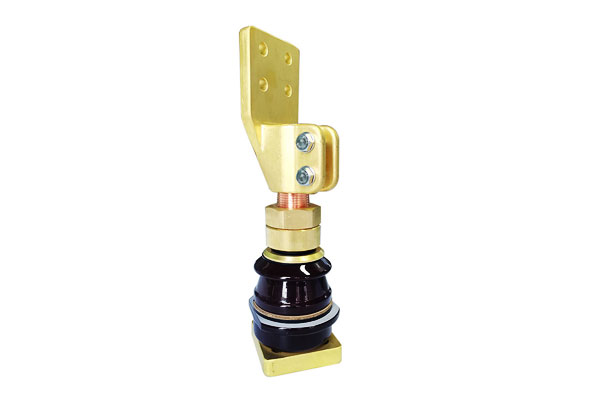
filwaqt li l-gwidi tal-manifattur juru li l-assemblaġġi tal-bronżina reali ħafna drabi jinkludu tubi taċ-ċentru tar-ram, vireg tal-kondutturi tar-ram li jistgħu jitneħħew, u terminali tar-ram jew tal-aluminju.
Għaliex huwa involut l-ikkastjar ta 'investiment
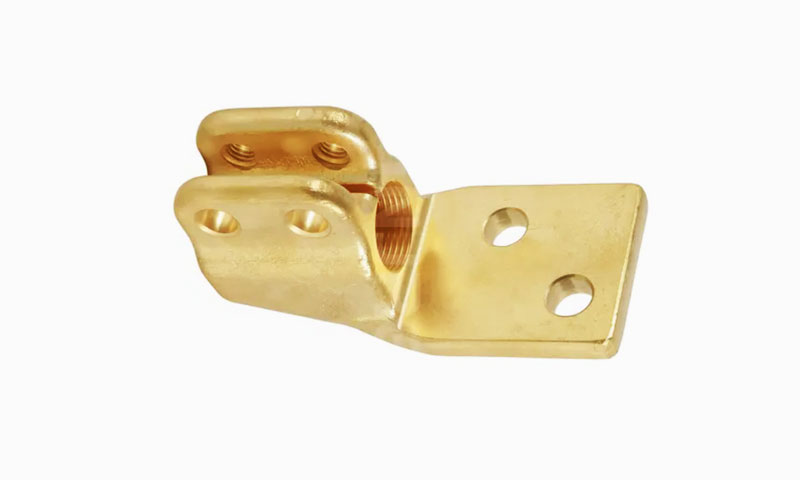
Ikkastjar ta 'investiment tintuża biex tipproduċi l- partijiet konduttivi ffurmati li għandhom jgħaqqdu l-prestazzjoni elettrika ma 'twaħħil preċiż, interfaces bil-kamin, ġeometrija terminali, u l-kwalità tal-wiċċ.
Fil-prattika tal-ikkastjar tal-liga tar-ram, ikkastjar ta 'investiment huwa vvalutat speċifikament meta preċiżjoni, finitura tal-wiċċ, u ġeometriji kumplessi huma meħtieġa, u ligi bbażati fuq ir-ram huma użati ħafna għal komponenti elettriċi u ta 'inġinerija.
3. Għaliex Agħżel Ram u Ligi tar-Ram?
Il-konduttività elettrika hija r-raġuni primarja
Ir-ram jibqa 'l-materjal ta' referenza għall-ħardwer tat-transformer-bushing li jġorr il-kurrent minħabba li jgħaqqad konduttività elettrika għolja b'manifattura prattika.
Ir-referenzi tal-ikkastjar tal-liga tar-ram jiddeskrivu r-ram bħala materjal tal-qalba għall-applikazzjonijiet elettriċi,
u kkastjar ta 'investiment ibbażat fuq ir-ram huma espliċitament użati għall-komponenti elettriċi, partijiet tal-kondutturi tal-karozzi tal-linja, u ħardwer relatat.
L-imġiba termali hija importanti daqs il-konduttività
Il-boxxli tat-trasformaturi joperaw f'ambjent mgħobbi b'mod termali, għalhekk il-ħardwer konduttiv għandu jittollera t-tisħin mill-fluss tal-kurrent u xorta jżomm ġeometrija stabbli u prestazzjoni ta 'kuntatt.
Ram u ligi tar-ram huma wżati ħafna f'applikazzjonijiet elettriċi u termali minħabba li jgħaqqdu l-konduttività ma 'mġieba utli ta' trasferiment tas-sħana u servizz tajjeb wara l-ikkastjar..
Ligi tar-ram ħalli l-inġiniera tixgħel il-bilanċ tal-proprjetà
Mhux kull parti tal-bronżina għandha tkun magħmula mill-istess grad tar-ram.
Ram ta 'konduttività għolja huwa ideali għall-mogħdija kurrenti prinċipali, filwaqt li ram u bronż isiru attraenti meta l-parti teħtieġ aktar saħħa, Reżistenza għall-ilbies, jew reżistenza għall-korrużjoni.
Sorsi tal-ikkastjar tal-liga tar-ram jiddeskrivu l-bronż, Brass, bronż tal-aluminju, u bronż tas-silikon bħala għażliet komuni madwar l-elettriku, Marine, plaming, u l-użi tal-inġinerija.
Irfinar tal-wiċċ u kisi jaħdmu tajjeb bir-ram
Il-partijiet tal-bażi tar-ram huma adattati b'mod speċjali għall-magni ta 'wara mitfugħa, illustrar, ibbrejżjar, issaldjar, u kisi.
Dan huwa importanti fil-boxxli tat-trasformaturi minħabba li l-prestazzjoni elettrika ħafna drabi tiddependi fuq il-kwalità tal-wiċċ tat-tgħammir,
u l-gwidi tal-manifattur juru terminali tar-ram jew tal-aluminju li jistgħu jkunu vojta jew fidda, b'xi speċifikazzjonijiet ta 'utilità li jitolbu zkuk tar-ram solidu miksi bil-fidda.
Ir-ram huwa l-għażla t-tajba għall-affidabilità tal-kuntatt
L-interface tal-bronżina għandu jġorr kurrent b'reżistenza baxxa u tisħin baxx fil-ġonta.
In-natura konduttiva tar-ram, flimkien ma' kisi bil-fidda fejn meħtieġ, jagħti lill-inġiniera triq prattika għal prestazzjoni ta 'kuntatt stabbli.
Din hija raġuni waħda r-ram jibqa 'dominanti fil-ħardwer konduttiv tat-transformer-bushing anki meta metalli strutturali oħra huma disponibbli.
4. Għażliet Rappreżentattivi tal-Liegi u Rwoli Funzjonali
Għal ħardwer konduttiv tat-transformer-bushing, l-għażla tal-liga hija ġeneralment bilanċ bejn konduttività elettrika, Qawwa mekkanika, Reżistenza għall-ilbies, makkinabilità, u kompatibilità tal-wiċċ tal-finitura.
Ir-ram ta 'konduttività għolja huwa preferut għall-mogħdija prinċipali tal-kurrent, filwaqt li ligi tar-ram u tal-bronż spiss jintużaw fejn il-ġeometrija, żamma tal-ħajt, Reżistenza għall-ilbies, jew is-saħħa ssir aktar importanti mill-konduttività massima biss.
Il-valuri tipiċi tal-konduttività elettrika hawn taħt huma espressi bħala %IACS f'68°F / 20°C u għandhom jinqraw bħala valuri ta' datasheet rappreżentattivi għall-kundizzjoni tal-liga ċċitata.
| Familja tal-liga | Gradi komuni | Konduttività elettrika | Rwol funzjonali fil-ħardwer tat-transformer-bushing |
| Ram ta 'konduttività għolja | C10100, C10200, C11000 | 100–101% IACS għal C10100/C11000; | Zkuk prinċipali li jġorru l-kurrent, tubi kondutturi, korpi terminali, u partijiet oħra ta 'kuntatt b'reżistenza baxxa. Din hija l-għażla preferuta meta l-konduttività hija r-rekwiżit dominanti. |
| Brass | C26000 | 28% IACS. | Korpi tal-konnetturi, ħardwer bil-kamin, elementi tal-morsa, u komponenti terminali fejn il-konduttività għandha tkun ibbilanċjata bil-magni u l-istabbiltà dimensjonali. |
| Bronż fosforu / bronż tal-landa | C51000, C93200 | 15% IACS għal C51000; 12% IACS għal C93200. | Partijiet tal-konnettur suxxettibbli għall-ilbies, terminali robusti, ħardwer tal-kuntatt bħal molla, u bushings jew kmiem fejn id-durabilità mekkanika hija importanti aktar minn konduttività għolja. |
Aluminju bronż |
C95200, C95400 | 11% IACS għal C95200; 13% IACS għal C95400. | Blokki tal-konnetturi heavy-duty, ħardwer ta 'saħħa għolja, fittings strutturali reżistenti għall-korrużjoni, u partijiet esposti għal tagħbijiet mekkaniċi ogħla. |
| Bronż tal-manganiż | C86300 | 8% IACS. | Komponenti bil-kamin u tal-ikklampjar ta 'saħħa għolja, speċjalment fejn is-saħħa, Reżistenza għall-ilbies, u r-reżistenza għall-korrużjoni huma aktar importanti mill-konduttività. |
5. Fluss tax-Xogħol tal-Manifattura Sħiħ għall-Partijiet tal-Bushing tar-Ram Investiment-Cast
DFM u disinn ta' interface
Il-proċess jibda b'reviżjoni tad-disinn għall-manifattura.
Għall-ħardwer tal-bushing tat-transformer, l-aktar karatteristiċi importanti tad-disinn huma l-mogħdija li ġġorr il-kurrent, interfaces bil-kamin jew bil-bolt, ġeometrija tal-wiċċ tal-kuntatt, u t-tranżizzjoni bejn forma fonduta u makkinar sussegwenti.
Disinn fqir tal-interface hawn jista 'jgħolli r-reżistenza tal-kuntatt jew joħloq problemi ta' assemblaġġ aktar tard.
Għażla tal-liga u rotta tal-ikkastjar
Il-pass li jmiss huwa l-għażla tal-liga.
Jekk il-parti hija konduttur ta 'kurrent għoli jew zokk terminali, ram ta 'konduttività għolja ħafna drabi huwa preferut; jekk il-parti teħtieġ aktar robustezza mekkanika jew karatteristiċi bil-kamin, ram jew bronż jistgħu jintgħażlu.
L-ikkastjar ta 'investiment b'bażi tar-ram huwa użat ħafna minħabba li jista' jwassal komponenti ta 'preċiżjoni bil-konduttività u l-integrità mekkanika li dawn l-applikazzjonijiet jitolbu.
Mudell tax-xama u formazzjoni tal-qoxra
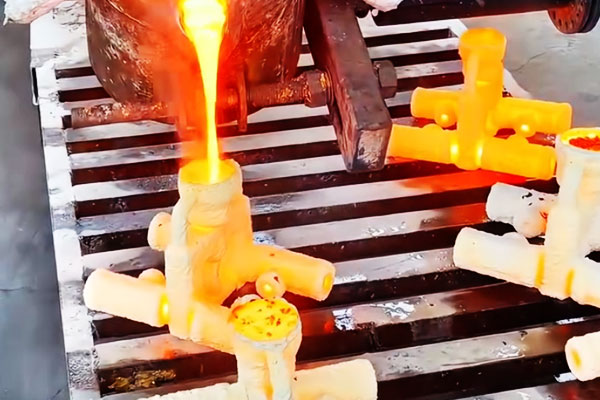
Ir-rotta tax-xama' mitlufa tintuża biex tirriproduċi l-ġeometrija kważi netta tal-ħardwer tal-boxxla.
Dan huwa speċjalment utli għat-terminals, bnadar, piki, u korpi ta 'konnettur fejn uċuħ multipli għandhom jallinjaw b'mod korrett wara l-magni u l-kisi.
L-ikkastjar b'investiment huwa vvalutat fl-applikazzjonijiet tar-ram preċiżament minħabba li jista 'jipproduċi forom ta' komponenti kkomplikati mingħajr ma jibda minn stokk ta 'bar solidu.
Tidwib u tferra
Il-liga hija mdewba, imnaddaf, u jitferra fil-qoxra.
Għal kkastjar b'bażi tar-ram, il-kontroll tal-ossidazzjoni u l-indafa tat-tidwib huwa importanti minħabba li l-parti finali għandha tappoġġja reżistenza baxxa ta 'kuntatt u kwalità tajba tal-wiċċ.
Fil-ħardwer elettriku, anke difetti żgħar jistgħu jimpurtaw minħabba li l-parti tista 'topera taħt tagħbija kurrenti ripetuta u ċikliżmu termali.
Magni, kisi, u assemblaġġ
Wara l-ikkastjar, il-parti hija tipikament bil-makna sa dimensjonijiet finali f'karatteristiċi kritiċi.
L-ispeċifikazzjonijiet tal-utilità u l-gwidi tal-manifattur juru li l-uċuħ ta 'kuntatt jistgħu jkunu vojta, fidda, jew miksija bil-fidda,
u xi zkuk terminali huma speċifikati bħala ram solidu bil-kisi tal-fidda għal reżistenza minima ta 'kuntatt u reżistenza għall-ossidazzjoni.
Dan ifisser li l-ikkastjar huwa biss l-ewwel stadju; il-prestazzjoni elettrika finali ħafna drabi titlesta permezz ta 'trattament tal-wiċċ u rfinar ta' preċiżjoni.
Spezzjoni u kwalifika
L-ispezzjoni finali għandha tkopri l-eżattezza dimensjonali, Integrità tal-wiċċ, kundizzjoni tal-kisi, u twaħħil mal-bushing tat-tgħammir jew il-komponenti tal-busbar.
IEC 60137 jiddefinixxi l-karatteristiċi u t-testijiet għall-boxxli iżolati, u l-ħardwer konduttiv immuntat għandu jaqbel ma 'dik l-aspettattiva ta' affidabbiltà fil-livell tas-sistema.
6. Vantaġġi ewlenin ta 'l-Ikkastjar ta' Investiment għall-Ħardwer tal-Bushing tat-Transformer
Ġeometrija ta' forma ta' qrib nett għal partijiet elettrikament funzjonali
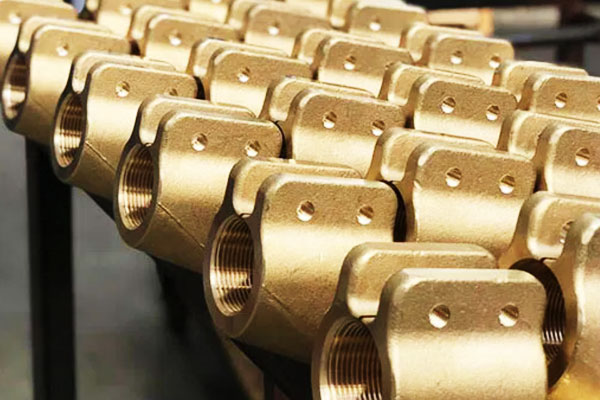
L-ikkastjar ta 'investiment huwa speċjalment ta' valur għall-ħardwer tat-transformer-bushing minħabba li jista 'jipproduċi terminal kumpless, konnettur, u ġeometriji tal-konduttur-interface f'forma kważi netta.
Li jnaqqas l-ammont ta 'makkinar meħtieġ fuq karatteristiċi bħall-ispallejn, lugs, reġjuni bil-kamin, u korpi ta' kuntatt, li huwa importanti meta l-parti għandha tidħol preċiżament f'assemblaġġ ta 'vultaġġ għoli.
L-ikkastjar ta 'investiment ta' liga tar-ram huwa użat ħafna għal partijiet li jeħtieġu konduttività flimkien ma 'makkinarju tajjeb u konsistenza dimensjonali.
Allinjament qawwi mal-qawwiet funzjonali tar-ram
Ikkastjar b'bażi tar-ram iġib il-kombinazzjoni t-tajba ta ' konduttività elettrika, Konduttività termali, Reżistenza għall-korrużjoni, u l-imġieba prattika tal-fabbrikazzjoni.
Dak huwa eżattament il-ħtiġijiet tal-ħardwer tat-transformer-bushing tal-kombinazzjoni, minħabba li l-partijiet li jġorru l-kurrent għandhom jibqgħu elettrikament effiċjenti filwaqt li jsalvaw ukoll iċ-ċikliżmu termali u l-espożizzjoni għal servizz fit-tul.
Ir-referenzi tal-ikkastjar tar-ram b'mod konsistenti jiddeskrivu ligi tar-ram bħala għażliet b'saħħithom għal applikazzjonijiet elettriċi u termali, u gwidi tat-transformer-bushing juru terminali tar-ram jew tar-ram bil-fidda, zkuk, u tubi kondutturi f'disinji reali.
Integrazzjoni aħjar tal-parti u inqas ġonot
Benefiċċju ewlieni tal-ikkastjar tal-investiment huwa l-abbiltà li tintegra karatteristiċi funzjonali multipli f'parti waħda.
Fil-ħardwer tat-transformer-bushing, li jista 'jfisser li tgħaqqad ġeometrija konduttiva, karatteristiċi ta' allinjament, karatteristiċi tal-immuntar, u l-uċuħ ta 'kuntatt f'ikkastjar wieħed aktar milli assemblaġġ b'ħafna biċċiet.
Li jnaqqas in-numru ta 'ġonot u interfaces, li huwa importanti għaliex kull interface addizzjonali jista 'jżid reżistenza, telf termali, jew il-kumplessità tal-assemblaġġ.
Kompatibilità tajba wara l-ikkastjar
Ram u ligi tar-ram huma faċli biex magna, braze, istann, lustrar, u pjanċa wara l-ikkastjar,
li huwa vantaġġ kbir fil-partijiet tat-transformer-bushing fejn il-kwalità tal-kuntatt finali hija importanti daqs il-vojt mitfugħ innifsu.
Dan jippermetti lill-funderija li titfa' l-korp qrib ix-xibka u mbagħad tlesti l-funzjoni elettrika permezz ta 'operazzjonijiet ta' tlestija bħal kisi bil-fidda jew kisi tal-landa fejn meħtieġ.
Affidabbiltà tas-servizz taħt tagħbija elettrika u termali
Ligi tar-ram fondut b'investiment jistgħu jintgħażlu u jiġu ttrattati bis-sħana biex jibbilanċjaw il-konduttività, ebusija, u reżistenza għall-korrużjoni.
Li jagħtihom affidabilità tas-servizz b'saħħitha f'komponenti esposti għal tagħbija ta 'kurrent alternanti, ċikliżmu termali, u ambjenti atmosferiċi jew tas-sistema taż-żejt.
Ir-referenzi tal-ikkastjar tal-liga tar-ram jinnotaw ukoll li l-istruttura tal-ikkastjar integrali tevita xi wħud mid-dgħufijiet relatati mal-ħjata assoċjati ma 'alternattivi f'ħafna biċċiet iffabbrikati.
7. Limitazzjonijiet Inerenti u Strateġiji ta' Mitigazzjoni
Ir-ram jossidizza faċilment waqt l-ipproċessar f'temperatura għolja
Waħda mill-isfidi ewlenin fl-ikkastjar tar-ram hija l-kontroll tal-ossidazzjoni.
Ir-referenzi tal-ikkastjar tal-liga tar-ram jenfasizzaw li l-ligi tar-ram huma versatili, iżda l-proċess tal-ikkastjar għadu jeħtieġ kontroll dixxiplinat tat-tidwib, speċjalment meta l-parti lesta trid tappoġġja uċuħ ta 'kuntatt elettriku b'reżistenza baxxa.
Jekk l-ossidazzjoni ma tiġix ġestita, il-parti tista 'teħtieġ aktar tindif u finitura aktar aggressiva biex tilħaq il-kwalità elettrika meħtieġa.
Mitigazzjoni: żomm il-prattika tat-tidwib nadifa, uċuħ kritiċi tal-magni wara l-ikkastjar, u uża fidda, landa, jew kisi tan-nikil fejn l-applikazzjoni teħtieġ imġieba ta 'kuntatt protett.
Dokumenti ta 'utilità u manifattur juru terminali tar-ram indurati bħala soluzzjoni standard fil-ħardwer tal-bronżina.
Interfaces tal-metall differenti jistgħu joħolqu tħassib galvaniku
Il-boxxli tat-trasformaturi jistgħu jgħaqqdu r-ram mal-aluminju, azzar, jew metalli oħra.
Dawk l-interfaces ta’ metall imħallat jistgħu jsiru riskju ta’ affidabbiltà jekk il-materjali ta’ kuntatt u l-kisi ma jintgħażlux bir-reqqa.
Gwidi tal-industrija jinnotaw b'mod espliċitu li t-terminals tal-bronżina jistgħu jeħtieġu trattamenti tal-wiċċ kompatibbli bħal kisi bil-fidda jew tal-landa biex jimmaniġġjaw ir-riskju tal-korrużjoni galvanika u jippreservaw l-integrità tal-kuntatt.
Mitigazzjoni: uża pari terminali-materjal kompatibbli, applika kisi tal-fidda jew tal-landa meta meħtieġ, u ddisinja l-interface sabiex il-pressjoni tal-kuntatt u l-ġeometrija jibqgħu stabbli maż-żmien.
Il-letteratura tal-manifattur turi terminali tar-ram jew tal-aluminju bi kisi bil-fidda bħala prattika normali skont il-klassifikazzjoni u d-disinn attwali.
Is-sensittività dimensjonali hija għolja
Il-ħardwer tal-bushing tat-trasformaturi ma jistax jiġi ttrattat bħal ikkastjar tar-ram ġeneriku.
Il-parti għandha taqbel mal-boxxla, mogħdija tal-konduttur, u l-ġeometrija tal-konnettur b'mod korrett, minħabba li kontroll dimensjonali fqir jista 'jwassal għal assemblaġġ ħażin, stress tal-kuntatt, jew sħana żejda.
IEC 60137 jiddefinixxi l-boxxla bħala komponent ta' apparat iżolat ittestjat, li jagħmel il-ħardwer konduttiv parti minn sistema elettrika ristretta sewwa aktar milli twaħħil mekkaniku maħlul.
Mitigazzjoni: riżerva konċessjoni tal-magni fuq uċuħ ta 'kuntatt u immuntar, spezzjona dimensjonijiet kritiċi sewwa, u tittratta l-ikkastjar bħala vojt qrib nett għall-karatteristiċi ta 'l-interface ewlenin aktar milli parti finali tajbin.
L-ispiża tal-materjal hija ogħla minn metalli strutturali sempliċi
Ligi b'bażi tar-ram huma aktar għaljin minn azzar strutturali ordinarju, għalhekk l-ikkastjar ta 'investiment għandu jintuża biss meta l-vantaġġi elettriċi u termali jiġġustifikaw l-ispiża tal-materjal.
Huwa għalhekk li l-ħardwer tal-bushing tar-ram jintgħażel għal funzjonijiet li jġorru l-kurrent u kritiċi tal-kuntatt, mhux għall-parentesi strutturali ġeneriċi.
Mitigazzjoni: uża ram ta 'konduttività għolja biss fejn il-konduttività hija tassew essenzjali,
u r-riżerva tar-ram jew tal-bronż għal konnettur sekondarju u karatteristiċi mekkaniċi fejn is-saħħa jew il-makkinarju huma importanti aktar mill-konduttività massima.
Forom sempliċi jistgħu jkunu irħas biex isiru b'rotot oħra
L-ikkastjar ta 'investiment huwa l-aktar siewi meta jissostitwixxi makkinar diffiċli jew jippermetti l-integrazzjoni tal-ġeometrija.
Għal tubu sempliċi ħafna, bar, jew parti bħal pjanċa, makkinar sottrattiv xorta jista 'jkun aktar ekonomiku.
Ir-referenzi tal-ikkastjar tar-ram ripetutament jinkwadraw l-għażla tal-proċess madwar il-kumplessità tal-ġeometrija, ħtiġijiet tal-konduttività, u rekwiżiti ta 'proċessar ta' wara l-fond.
Mitigazzjoni: uża kkastjar ta 'investiment fejn il-parti għandha terminali integrati, lugs, u ġeometrija tal-kuntatt; uża makkinar jew forġa għal forom aktar sempliċi.
Li jżomm l-ikkastjar ta 'investiment fiż-żona fejn iżid l-aktar valur.
8. Applikazzjonijiet Tipiċi tal-Ħardwer tal-Bushing tat-Transformer tar-Ram Cast
Zkuk terminali ta 'kurrent għoli u tubi kondutturi
L-aktar applikazzjoni ovvja hija l- triq kurrenti innifsu.
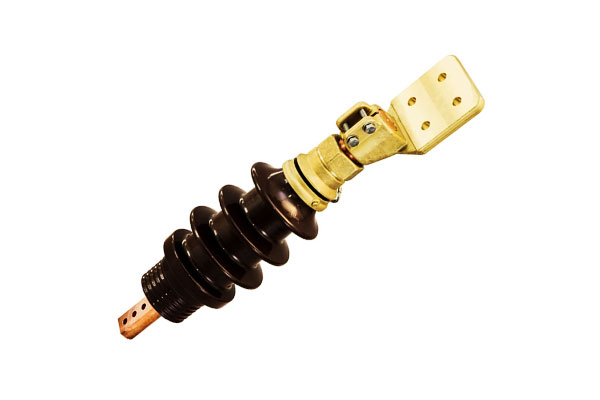
Id-dokumentazzjoni tal-bushing tat-trasformaturi turi tubi tar-ram, vireg tal-kondutturi tar-ram, u partijiet terminali bbażati fuq ir-ram bħala elementi standard tad-disinn f'boxxli ta 'kurrent għoli.
Dawn il-partijiet iġorru kurrent permezz tal-bronżina filwaqt li jippreservaw reżistenza baxxa u prestazzjoni ta 'kuntatt stabbli.
Terminali ta 'fuq u kapijiet ta' kuntatt
It-terminali ta 'fuq huma komunement magħmula minn ram jew aluminju skont il-kurrent nominali, u verżjonijiet tar-ram ħafna drabi huma fil-landa jew fidda biex itejbu l-prestazzjoni tal-kuntatt.
Dan jagħmel ir-ram fondut għażla xierqa għall-irjus tat-terminali u l-korpi tal-konnettur li joqogħdu fl-interface elettrika u għandhom iżommu pressjoni u konduttività affidabbli..
Uċuħ ta 'kuntatt miksija bil-fidda
Xi sistemi ta 'bronżina jispeċifikaw b'mod espliċitu zkuk terminali tar-ram miksi bil-fidda biex tikseb stabbli, kuntatt ta 'reżistenza baxxa u reżistenza aħjar għall-ossidazzjoni fit-tul.
L-ikkastjar ta 'investiment jappoġġja dawn il-partijiet sew minħabba li l-korp fondut jista' jiġi mmaxinjat u miksi wara l-ikkastjar biex jintemm il-wiċċ funzjonali.
Blokki tal-konnetturi u interfaces mekkaniċi
Ikkastjar ta 'liga tar-ram huma wkoll utli għall-blokki tal-konnetturi, biċċiet tal-ikklampjar, u ħardwer tal-interface fejn il-parti trid tgħaqqad il-konduttività ma 'ġeometrija robusta mekkanikament.
F'dawk il-postijiet, ram jew bronż jistgħu jintgħażlu meta saħħa, ilbies, jew ir-reżistenza għall-korrużjoni ssir aktar importanti mill-konduttività massima.
Każijiet ta 'użu ta' bushing tat-transformer fil-livell tas-sistema
Fil-livell tas-sistema, dawn il-partijiet jidhru fi transformers tal-enerġija, bushings ta 'kurrent għoli, bushings tar-reattur, interfaces ta' switchgear, u assemblaġġi tat-terminazzjoni tal-kejbil.
IEC 60137 jiddefinixxi bushings għal transformers u apparat elettriku ieħor hawn fuq 1000 V,
u l-gwidi tal-prodott tal-bronżina juru tubi kondutturi tar-ram u punti terminali tar-ram jew miksija bil-fidda bħala karatteristiċi tad-disinn normali.
9. Modi Komuni ta' Falliment tas-Servizzi fuq il-Qasam u Strateġiji ta' Ottimizzazzjoni tal-Proċess
Ladarba bushing tat-transformer tar-ram ikun daħal fis-servizz fuq il-post, in-nuqqas m'għadux biss kwistjoni tal-manifattura.
Isir a problema ta' affidabbiltà fil-livell tas-sistema li jinvolvi tajbin mekkaniċi, ċikliżmu termali, espożizzjoni ambjentali, u kwalità interna moħbija.
Ħoll tal-Kuntatt tal-Fanġ u Sħana Żejjed Lokali
Mod wieħed ta 'falliment rikorrenti huwa tillaxkar tal-ħanek, spiss akkumpanjat minn sħana żejda lokalizzata fl-interface tal-kuntatt.
Fis-servizz tat-transformer, dan normalment jindika telf ta 'flatness jew stabbiltà tal-ikklampjar maż-żmien.
Il-kawża ewlenija ħafna drabi mhix it-torque tal-bolt tal-kamp waħdu, iżda r-rilaxx ta 'stress residwu li jitħalla fil-parti mitfugħa wara t-tkessiħ u l-espożizzjoni termali.
Peress li l-parti tesperjenza ċikli termali ripetuti, li l-istress intern jista 'jirrilassa, tipproduċi distorsjoni sottili fil-wiċċ tal-ħanek u tnaqqas il-pressjoni tal-kuntatt.
Interpretazzjoni tal-inġinerija
Dan huwa eżempju klassiku ta' parti li hija dimensjonali aċċettabbli fil-kunsinna iżda mhux stabilizzata biżżejjed għal servizz fit-tul.
F'ħardwer fondut ibbażat fuq ir-ram, l-istorja termali hija importanti għaliex il-parti tista 'timxi bil-mod taħt tagħbija termali u mekkanika magħquda.
Ladarba l-pressjoni tal-kuntatt tonqos, ir-reżistenza togħla, il-ġenerazzjoni tas-sħana tiżdied, u l-problema tista 'taċċellera f'ħsara termali lokalizzata.
Ottimizzazzjoni tal-proċess
Il-funderija għandha tintroduċi a pass ta 'ttemprar aktar dixxiplinat b'temperatura baxxa wara l-ikkastjar, speċjalment għal partijiet tat-tip tal-flanġ jew ta 'restrizzjoni għolja.
Ir-rata tat-tkessiħ għandha wkoll tiġi kkontrollata b'aktar attenzjoni waqt is-solidifikazzjoni u l-immaniġġjar ta 'wara l-ikkastjar biex jitnaqqas il-livell ta' stress residwu qabel il-makkinar u l-irfinar.
Għal uċuħ kritiċi tal-flanġ, makkinar finali għandu jsir biss wara li l-parti tkun ġiet stabbilizzata termalment.
Pitting tal-Korrużjoni tal-wiċċ u Reżistenza tal-Kuntatt li Togħla
It-tieni modalità ta 'falliment komuni hija pitting tal-korrużjoni tal-wiċċ, li gradwalment iżid ir-reżistenza tal-kuntatt.
Dan huwa speċjalment importanti f'installazzjonijiet ta' barra jew kostali, fejn l-umdità, espożizzjoni tal-melħ, u kontaminanti atmosferiċi jistgħu jattakkaw uċuħ esposti bbażati fuq ir-ram.
Jekk it-trattament tal-wiċċ ma jkunx robust biżżejjed, il-parti tista 'tiżviluppa ċelluli ta' korrużjoni lokalizzati li jiddegradaw l-interface elettrika maż-żmien.
Interpretazzjoni tal-inġinerija
Din mhix sempliċement kwistjoni kożmetika. Fil-boxxli tat-trasformaturi, korrużjoni tal-wiċċ fl-interface attwali tista 'żżid direttament ir-reżistenza, joħolqu hot spots, u tnaqqas l-istabbiltà tas-servizz fit-tul.
F'ambjenti severi, ram ordinarju jew uċuħ tar-ram protetti ħafif jistgħu jkunu insuffiċjenti.
Ottimizzazzjoni tal-proċess
Għal servizz fil-beraħ, speċjalment f'ambjenti kostali jew b'umdità għolja, l-istrateġija tal-protezzjoni tal-wiċċ għandha tiġi aġġornata.
A sistema ta 'passivazzjoni eħxen jew saff irqiq tal-kisi tal-fidda spiss ikun aktar xieraq minn trattament minimu.
Fejn l-ambjent tas-servizz huwa aktar aggressiv, bronż tal-aluminju tista 'tkun għażla ta' materjal aħjar minn ram konvenzjonali għal ċerti funzjonijiet ta 'konnettur jew ħardwer awżiljarju minħabba li joffri reżistenza għall-korrużjoni aktar b'saħħitha u durabilità aħjar taħt espożizzjoni.
Il-punt ewlieni huwa li l-protezzjoni tal-wiċċ għandha tkun imqabbla mal-ambjent, mhux applikat bħala finitura universali.
Bushing tat-transformer li se jgħix qrib sprej tal-melħ m'għandux jiġi ttrattat bħal assemblaġġ ta 'ġewwa.
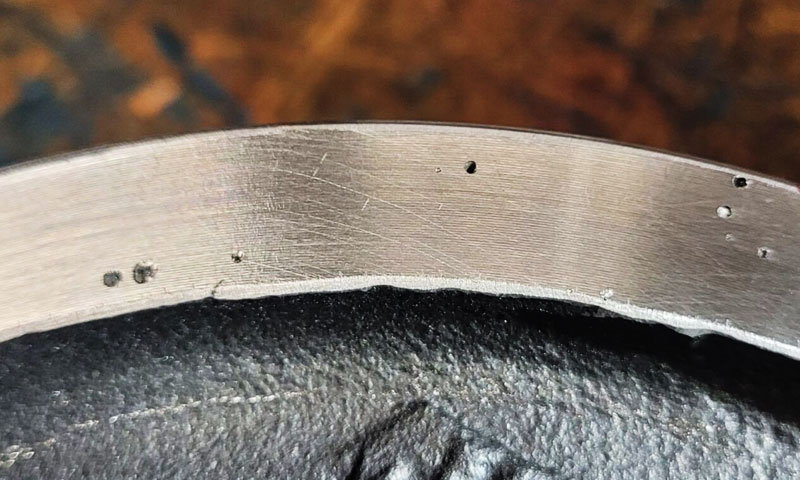
Tkissir Intern ta 'Kwittanza Parzjali minn Porożità Moħbija
L-aktar mod serju ta 'falliment moħbi huwa tqassim intern ta' skarigu parzjali ikkawżat minn porożità moħbija jew vojt interni interkonnessi.
Dan huwa perikoluż minħabba li l-parti tista 'tgħaddi mill-ispezzjoni viżwali ta' rutina u xorta jkun fiha netwerks ta 'difetti interni li jsiru kritiċi biss taħt stress għoli ta' kamp elettriku..
Fl-applikazzjonijiet tat-trasformaturi, parti tal-boxxla tar-ram b'porożità interna tista 'ssir riskju ta' affidabbiltà fit-tul anke jekk l-uċuħ esterni jidhru sodi.
Interpretazzjoni tal-inġinerija
Din hija problema ta 'assigurazzjoni ta' kwalità b'konsegwenzi elettriċi. Il-porożità interna tista 'taġixxi bħala konċentratur tal-istress, nassa tal-umdità, jew sit ta’ difett termali lokali.
F'ambjent ta 'vultaġġ għoli, dak it-tip ta 'difett jista' jappoġġja l-bidu tal-iskarigu u d-degradazzjoni progressiva.
Ottimizzazzjoni tal-proċess
L-ewwel miżura korrettiva hija li tnaqqas ir-rata tal-pori interni fl-istadju tal-ikkastjar billi ttejjeb id-disinn tal-għalf, Dewweb indafa, u kontroll tas-solidifikazzjoni.
It-tieni huwa li tissaħħaħ l-evalwazzjoni mhux distruttiva. Għal ħardwer tal-bushing ta 'vultaġġ għoli, spezzjoni radjografika m'għandhiex tistrieħ fuq filosofija ta' kampjunar minimu.
Proporzjon ta' spezzjoni ogħla huwa ġġustifikat għal partijiet kritiċi, speċjalment fejn is-saħħa interna taffettwa direttament l-affidabbiltà dielettrika.
Għal familji ta' prodotti kritiċi għas-sikurezza, spezzjoni għandha tiġi ttrattata bħala parti mill-pakkett tad-disinn, mhux bħala kontroll finali biss.
Meta l-konsegwenzi tal-falliment ikunu severi, l-istrateġija ta' spezzjoni trid issir aktar stretta b'mod korrispondenti.
10. Konklużjoni
Bħala soluzzjoni ta 'formazzjoni ta' preċiżjoni ta 'affidabbiltà għolja għall-komponent tal-qalba tal-enerġija, investiment ikkastjar tar-ram transformer bushing tintegra liga tar-ram proprjetà metallurġika tqabbil,
parametru tal-funderija b'ħafna links kontroll preċiż u sistema standardizzata ta 'spezzjoni ta' kwalità ta 'grad ta' enerġija,
issolvi b'mod effettiv id-difetti inerenti tal-forġa tradizzjonali u r-rotot tal-ikkastjar tar-ramel fuq produzzjoni ta 'bronżina integrata kumplessa,
ibbilanċjar preċiżjoni dimensjonali, kumpattezza metallurġika interna u stabbiltà elettrika fit-tul meħtieġa mill-kondizzjoni attwali tax-xogħol tat-transformer.
Mill-perspettiva tat-tqassim tal-materjal, għażla iggradata liga tar-ram jirrealizza tqabbil immirat minn bushing tar-ram ta 'distribuzzjoni ta' vultaġġ baxx bi prezz baxx
għal bronż tal-bronż tal-aluminju tal-enerġija ġdida kontra l-korrużjoni ta 'prestazzjoni għolja u bushing tal-qalba tar-ram ta' vultaġġ għoli mingħajr ossiġnu ta 'konduttività ultra-għolja;
mid-dimensjoni tal-proċess, sistema ta 'qoxra doppja (ħġieġ tal-ilma + sol tas-silika) tikkontrolla b'mod flessibbli l-ispiża tal-produzzjoni skont l-ispeċifikazzjoni tal-prodott u l-grad ta 'kwalità;
mill-katina industrijali kollha, ikkastjar ta 'investiment jenfasizza vantaġġ ekonomiku komprensiv taċ-ċiklu tal-ħajja prominenti fil-qasam tal-bronżina tal-qawwa ta' lottijiet żgħar personalizzati b'ħafna varjetà
li tokkupa mainstream tal-kostruzzjoni moderna tal-grilja tal-enerġija u s-suq tal-ispare parts wara l-bejgħ.
FAQs
Għaliex il-bronż tal-fosforu huwa aktar adattat għall-bronżina tat-trasformaturi żarmati ta 'spiss fil-beraħ milli ram pur?
Il-bronż tal-fosforu jippossjedi saħħa tat-tensjoni ferm ogħla, reżistenza għall-ilbies u proprjetà anti-creep minn ram pur,
jirreżistu d-deformazzjoni ripetuta tal-ikklampjar tal-bolt u l-korrużjoni tal-isprej tal-melħ kostali; il-waqgħa żgħira tal-konduttività tagħha hija aċċettabbli għal bushing terminali tat-transformer tad-distribuzzjoni konvenzjonali.
Kif telimina d-difett tal-idroġenu pinhole li huwa l-aktar ta 'ħsara għall-bronżina tar-ram ta' vultaġġ għoli?
Tliet miżuri ewlenin: inkaljar sħiħ tal-qoxra f'temperatura għolja segmentat li jneħħi l-ilma residwu, pre-bake materja prima tar-ram qabel l-għalf tal-forn,
żid deoxidizer tar-ram fosfru kwantitattiv flimkien ma 'degassing ta' gass inert qabel it-tferrigħ tar-ram imdewweb.
Il-kisi tal-fidda huwa obbligatorju għall-boxxla tat-transformer tar-ram fondut ta 'investiment kollu?
Mhux obbligatorju; Il-wiċċ ta 'kuntatt tal-qalba ta' vultaġġ għoli ta 'kurrent għoli biss jeħtieġ kisi tal-fidda biex titnaqqas ir-reżistenza tal-kuntatt;
Il-bronżina tar-ram ta 'vultaġġ baxx ta' ġewwa tista 'tadotta trattament ta' passivazzjoni kimika ekonomika biex tikkontrolla l-ispiża tal-produzzjoni.
Meta mqabbel ma 'boxxla maqtugħa bl-estrużjoni, meta l-ikkastjar ta 'investiment ikollu vantaġġ ovvju fl-ispiża?
Għal bushing bi flanġ irregolari, xaft b'dijametru varjabbli asimmetriku u struttura kumplessa ta 'kanal taż-żejt ta' ġewwa mibnija, u spare parts tat-trasformaturi personalizzati mhux standard ta 'lott żgħir,
ikkastjar ta ' l-investiment qatgħat l-ispiża totali ta ' l-ipproċessar b'mod prominenti; bushing dritta cross-section uniformi sempliċi xorta jippreferi estrużjoni kontinwa + Proċess tat-tqattigħ CNC.