
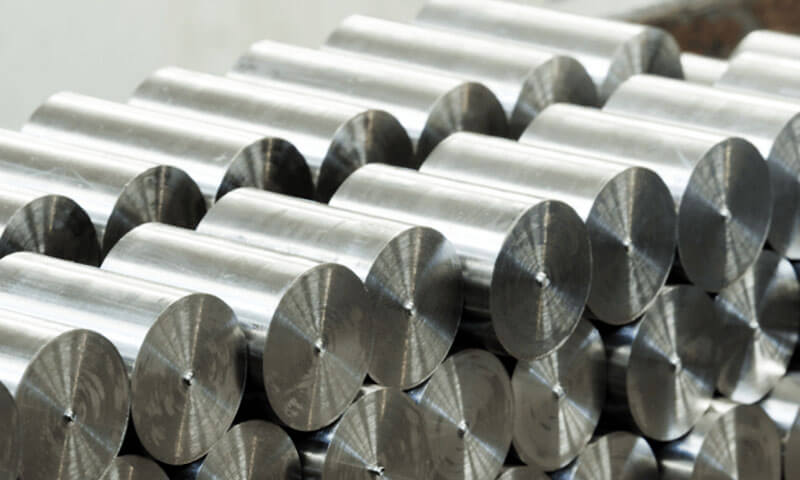
1. Introduzzjoni
L-azzar huwa wieħed mill-materjali ta 'inġinerija l-aktar użati fid-dinja, u d-densità tagħha hija waħda mill-aktar proprjetajiet fiżiċi importanti li jirregolaw kif tintgħażel, iddisinjat, ipproċessat, u applikati.
Id-densità taffettwa l-massa, inerzja, spiża tat-trasport, tagħbija strutturali, immaniġġjar tal-imġieba, u anke l-konsum tal-enerġija matul iċ-ċiklu tal-ħajja ta’ prodott.
Għal din ir-raġuni, id-densità tal-azzar mhix valur katalgu trivjali. Huwa parametru tad-disinn fundamentali.
2. Xi tfisser Densità fl-Inġinerija tal-Materjali
Fl-inġinerija tal-materjali, densità jiddeskrivi kemm hemm massa f'volum partikolari ta' materjal.
Hija waħda mill-aktar proprjetajiet fiżiċi fundamentali għaliex tgħid lill-inġiniera kemm materjal huwa "kompatt" fil-livell atomiku u makroskopiku..
Materjal bħall-azzar iħossu tqil u solidu minħabba li ammont relattivament kbir ta 'materja huwa ppakkjat fi spazju relattivament żgħir, u huwa għalhekk li għandu densità komparattivament għolja.
Ir-relazzjoni hija espressa mill-ekwazzjoni bażika:
Densità = Massa / Volum
jew, f'forma simbolika:
ρ = m / V
fejn:
- r = densità
- m = massa
- V = volum
Id-densità hija komunement imkejla f'unitajiet bħal g / cm³ jew kg / m³ fis-sistema metrika, u lb/in³ jew lb/ft³ f'unitajiet imperjali.
Mil-lat ta' inġinerija, densità hija an proprjetà intensiva. Dan ifisser li l-valur tiegħu ma jinbidelx sempliċement minħabba li l-ammont ta 'materjali jinbidel.
Biċċa żgħira ta 'l-azzar u pjanċa ta' l-azzar kbira għandhom l-istess densità, minkejja li l-massa tagħhom hija differenti ħafna. Dak li jinbidel huwa l-ammont totali ta 'materjal, mhux id-densità nnifisha.
Dan huwa għaliex id-densità hija tant importanti fid-disinn u l-għażla tal-materjal.
Taffettwa l-piż, inerzja, spiża tat-trasport, tagħbija strutturali, u l-effiċjenza ġenerali, iżda tibqa 'karatteristika materjali stabbli irrispettivament mid-daqs tal-parti.
3. Firxa ta' Densità Tipika ta' l-Azzar
Il-biċċa l-kbira ta 'l-azzar sempliċi tal-karbonju u b'liga baxxa għandhom densità fil-medda ta' 7.75 to 8.05 g / cm³, ma ' 7.85 g / cm³ spiss jintuża bħala valur ta' referenza konvenzjonali. F'termini SI, dan huwa bejn wieħed u ieħor 7,850 kg / m³.
Dak il-valur mhuwiex universali. Gradi differenti ta 'azzar ivarjaw kemmxejn minħabba elementi tal-liga, kompożizzjoni tal-fażi, u l-istorja tal-ipproċessar kollha jinfluwenzaw id-densità.
Azzar li ma jsaddadx, per eżempju, jista 'jaqa' kemmxejn 'il fuq jew taħt ir-referenza komuni tal-azzar tal-karbonju skont il-kompożizzjoni.

4. Għaliex id-densità tal-azzar tvarja
L-azzar mhuwiex materjal wieħed. Hija familja ta 'ligi bbażati fuq il-ħadid, u d-densità tinbidel skont il-kompożizzjoni u l-istruttura.
Kontenut tal-karbonju
Il-kontenut tal-karbonju jaffettwa d-densità biss ftit minħabba li l-karbonju huwa preżenti f'ammonti żgħar. Madankollu, għadu jikkontribwixxi għad-differenzi fost il-gradi.
Fil-biċċa l-kbira tal-każijiet prattiċi, il-kontenut tal-karbonju mhuwiex il-mutur ewlieni tal-varjazzjoni tad-densità, iżda hija parti mill-bilanċ tal-kompożizzjoni ġenerali.
Elementi tal-liga
L-elementi tal-liga jistgħu jgħollu jew ibaxxu d-densità skont il-massa atomika u l-konċentrazzjoni tagħhom.
Elementi bħall-kromju, Nickel, manganiż, molibdenu, vanadju, u tungstenu jibdlu d-densità tal-liga finali.
Fl-istainless steel, per eżempju, nikil u kromju jistgħu jaqilbu d-densità kemmxejn 'il fuq jew 'l isfel meta mqabbla mal-azzar tal-karbonju sempliċi.
Mikrostruttura
Id-densità tal-azzar tista 'wkoll tvarja b'mod sottili mal-istruttura tal-fażi. Ferrite, Austenite, Martensite, u bainite ma kollha jippakkjaw l-atomi eżattament bl-istess mod.
Id-differenzi huma ġeneralment żgħar, iżda fl-inġinerija ta 'preċiżjoni jistgħu jimpurtaw.
It-temperatura u l-istat tal-fażi
Id-densità tinbidel mat-temperatura. Hekk kif l-azzar jisħon, tespandi, u d-densità tagħha tonqos.
Dan huwa rilevanti fl-ikkastjar, Forġa, trattament tas-sħana, u servizz ta 'temperatura għolja. F'temperatura elevata, l-azzar jokkupa ftit aktar volum għall-istess massa.
5. Densità tal-Familji tal-Azzar Komuni
Għall-konsistenza, Il gradi tipiċi huma espressi fi U.S. isem ta' stil bħal AISI/SAE, ASTM, u ekwivalenti kummerċjali użati komunement.
Il-valuri hawn taħt huma densitajiet nominali tat-temperatura tal-kamra użati għat-tqabbil tal-inġinerija u l-għażla tal-materjal.
Densità tal-Azzar tal-Karbonju
Azzar tal-karbonju hija familja ta 'liga tal-ħadid-karbonju b'kontenut ta' liga totali relattivament baxx.
Id-densità tiegħu tvarja biss ftit fuq, medju-, u gradi ta' karbonju għoli, iżda t-tendenza għadha utli fix-xogħol tad-disinn: hekk kif il-kontenut tal-karbonju jogħla, id-densità tonqos ftit ħafna.
| Kategorija tal-Azzar | Gradi Tipiċi | Densità (g / cm³) | Densità (kg / m³) | Densità (lb/in³) |
| Azzar b'karbonju baxx | Aisi 1010, Aisi 1018, Aisi 1020 | 7.85 | 7850 | 0.2836 |
| Azzar tal-Karbonju Medju | Aisi 1045, Aisi 1050, Aisi 1055 | 7.84 | 7840 | 0.2832 |
| Azzar b'ħafna karbonju | Aisi 1080, Aisi 1090, Aisi 1095 | 7.83 | 7830 | 0.2828 |
Azzar Strutturali ta 'Liga Baxxa ta' Qawwa Għolja (HSLA) Densità
Azzar HSLA huma msaħħa b'żidiet żgħar ta 'manganiż, kromju, molibdenu, Niobium, vanadju, jew elementi relatati.
Id-densità tagħhom tibqa 'qrib ħafna tal-azzar tal-karbonju ordinarju, għalhekk id-differenza fid-disinn ġejja minn saħħa u toughness aktar milli piż.
| Kategorija tal-Azzar | Gradi Tipiċi | Densità (g / cm³) | Densità (kg / m³) | Densità (lb/in³) |
| Ġenerali HSLA Azzar | ASTM A572 Gr 50, ASTM A992, ASTM A588 | 7.85 | 7850 | 0.2836 |
| Azzar HSLA reżistenti għall-ilbies | AR400, AR450, AR500 | 7.82 | 7820 | 0.2825 |
| Pressjoni Cr-Mo/Azzar Strutturali | Aisi 4130, Aisi 4140, Aisi 8640 | 7.86 | 7860 | 0.2839 |
| Azzar Strutturali tat-temp | ASTM A588, ASTM A242 | 7.84 | 7840 | 0.2832 |
Densità tal-Azzar Stainless
Azzar li ma jsaddadx huma kklassifikati skond l-istruttura metallografika. Id-densità tagħhom hija influwenzata mill-kromju, Nickel, molibdenu, u elementi oħra tal-liga.
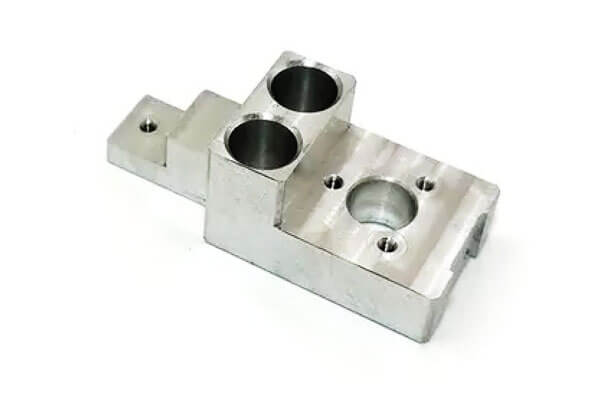
Fost il-familji li ma jissaddadx, L-istainless steel awstenitiku ġeneralment għandu l-ogħla densità.
| Kategorija tal-Azzar | Gradi Tipiċi | Densità (g / cm³) | Densità (kg / m³) | Densità (lb/in³) |
| Azzar Stainless Awstenitiku | Aisi 304, AISI 304L | 7.93 | 7930 | 0.2865 |
| Azzar Stainless Awstenitiku | Aisi 316, AISI 316L | 7.98 | 7980 | 0.2883 |
| SS Awstenitiku b'Temperatura Għolja | AISI 310s | 7.98 | 7980 | 0.2883 |
| Azzar li ma jsaddadx ferritiku | Aisi 430, Aisi 409 | 7.75 | 7750 | 0.2799 |
| Azzar li ma jsaddadx martensitiku | Aisi 410, Aisi 420, Aisi 431 | 7.80 | 7800 | 0.2817 |
| Azzar Stainless Duplex | US S32205 (2205), US S32750 (2507) | 7.81 | 7810 | 0.2820 |
Azzar tal-Għodda u Densità tal-Azzar b'Veloċità Għolja
Azzar tal-għodda u azzar b'veloċità għolja ħafna drabi jkun fihom ammonti kbar ta 'tungstenu, kromju, vanadju, u kobalt.
Dawn l-elementi tal-liga iżidu d-densità relattiva għall-azzar ordinarju, speċjalment fi gradi ta 'veloċità għolja u li jġorru l-kobalt.
| Kategorija tal-Azzar | Gradi Tipiċi | Densità (g / cm³) | Densità (kg / m³) | Densità (lb/in³) |
| Azzar tal-Għodda tal-Karbonju | AISI T7, AISI T8, AISI T12 | 7.83 | 7830 | 0.2828 |
| Azzar Die b'Liga Baxxa | AISI P20, AISI H13, AISI D2 | 7.85 | 7850 | 0.2836 |
| Azzar b'Veloċità Għolja | AISI M2, AISI M35, AISI M42 | 8.15 | 8150 | 0.2942 |
| Kobalt-Bearing HSS | AISI T15, HS18-1-2-10 | 8.20 | 8200 | 0.2960 |
Densità Speċjali tal-Azzar Funzjonali
Azzar funzjonali speċjali huma mfassla għal kundizzjonijiet speċifiċi ta 'servizz bħal makkinar ħieles, reżistenza tas-sħana, Densità għolja, jew densità baxxa.
Id-densità tagħhom tista 'tvarja b'mod aktar notevoli minn azzar standard minħabba li d-disinn tal-liga huwa ottimizzat għal funzjoni aktar milli għal użu strutturali għal skopijiet ġenerali.
| Kategorija tal-Azzar | Gradi Tipiċi | Densità (g / cm³) | Densità (kg / m³) | Densità (lb/in³) |
| Azzar tal-Qtugħ Ħieles biċ-ċomb | AISI 12L14, Aisi 1215 | 7.97 | 7970 | 0.2879 |
| Azzar Reżistenti għas-Sħana b'Kromju Għoli | Aisi 309, AISI 310s, Aisi 446 | 7.90 | 7900 | 0.2854 |
| Azzar tal-Liga Reżistenti għas-Sħana tal-Bażi tan-Nikil | Incoloy 800, Incoloy 800H | 8.06 | 8060 | 0.2910 |
| Azzar Strutturali Dawl ta 'Densità Baxxa | Gradi speċjali ta 'azzar liga ta' densità baxxa | 7.70 | 7700 | 0.2781 |
| Azzar tal-Kontropiż ta' Densità Għolja | Gradi ta 'l-azzar kontrapiż ta' liga tat-tungstenu | 8.30 | 8300 | 0.2996 |
6. Kif id-densità taffettwa d-disinn u l-manifattura
Id-densità mhix biss kejl tal-laboratorju. Dan jifforma direttament id-deċiżjonijiet tal-inġinerija.

Piż u tagħbija strutturali
L-aktar impatt ovvju tad-densità huwa l-piż. Travu tal-azzar, frejm, jew egħluq normalment jiżnu ħafna aktar minn disinn ekwivalenti tal-aluminju.
Dan jista 'jkun ta' żvantaġġ fit-trasport, aerospazjali, robotika, jew sistemi portabbli. Madankollu, il-massa ogħla tista 'wkoll tkun vantaġġ fejn l-istabbiltà, damping, jew inerzja hija mixtieqa.
Bilanċ bejn l-ebusija u l-piż
L-azzar huwa dens, iżda huwa wkoll iebes. F'ħafna applikazzjonijiet, inġiniera jaċċettaw piż ogħla minħabba li l-azzar jippermetti cross-sections iżgħar għall-istess prestazzjoni strutturali.
Fi kliem ieħor, id-densità waħedha ma tiddeterminax jekk l-azzar huwiex effiċjenti. L-azzar jista' jkun itqal bil-volum, iżda xorta jista 'jkun effiċjenti mill-prestazzjoni għal kull spiża ta' unità.
Trasport u effiċjenza fl-enerġija
Fil-vetturi, makkinarju, u tagħmir li jiċċaqlaq, id-densità taffettwa l-ekonomija tal-fjuwil, aċċelerazzjoni, ibbrejkjar, u l-kapaċità tat-tagħbija.
Materjali ta 'densità aktar baxxa ħafna drabi huma preferuti meta t-tnaqqis tal-massa jagħti benefiċċji operattivi diretti. Xorta, l-azzar jibqa 'komuni minħabba li huwa ekonomiku u strutturalment affidabbli.
Konsiderazzjonijiet tal-magni u l-fabbrikazzjoni
Id-densità tal-azzar tinfluwenza wkoll l-immaniġġjar tal-manifattura, disinn tal-apparat, tagħbija tal-għodda, u parti manipulazzjoni.
Partijiet itqal huma aktar diffiċli biex jiċċaqilqu u jpoġġu, iżda r-riġidità tagħhom ħafna drabi tgħin waqt il-magni jew l-iwweldjar. Il-massa tista 'wkoll ittejjeb id-damping tal-vibrazzjoni f'xi strutturi tal-magni.
Inerzja u mġieba dinamika
F'sistemi li jduru, id-densità taffettwa l-mument ta 'inerzja. Rotor tal-azzar aktar dens, irkaptu, jew disk jaħżen aktar enerġija kinetika u jirreżisti bidliet fil-veloċità b'mod aktar qawwi minn materjal eħfef.
Dan jista 'jkun utli jew problematiku skond l-applikazzjoni.
7. Nuqqas ta' ftehim Universali
L-ewwel, trattament 7.85 g/cm³ bħala densità fissa għall-gradi kollha tal-azzar tirriżulta f'stima żejda tal-piż tal-azzar b'karbonju għoli, filwaqt li jissottovalutaw il-piż tal-istainless steel.
it-tieni, densità teoretika konfużjoni mad-densità tal-massa, jinjora d-difett tal-porożità tal-azzar fondut u jwassal għal disinn ta 'tagħbija mhux preċiż;
it-tielet, jittraskuraw il-bidliet fid-densità kkaġunati mit-temperatura għall-partijiet tal-azzar tal-bojler b'temperatura għolja.
8. Limitazzjonijiet Inerenti ta' Densità bħala Indikatur ta' Sentenza
Għalkemm id-densità hija referenza importanti għall-evalwazzjoni tal-prestazzjoni tal-azzar, ma jistax jintuża bħala standard wieħed ta' screening: Densità għolja ma tkunx ugwali għall-azzar ta 'kwalità għolja.
Densità għolja eċċessivament ikkawżata minn elementi ta 'liga tqal eċċessivi tista' tnaqqas l-ebusija u r-reżistenza għall-kesħa ta 'l-azzar; azzar liga ħafifa ta 'densità baxxa jista' jissagrifikaw riġidità parzjali biex jiġu realizzati miri ħfief.
Fil-prattika tal-inġinerija, id-densità għandha tkun imqabbla mal-ebusija, ebusija, reżistenza għall-korrużjoni u reżistenza għat-temperatura biex tlesti l-għażla komprensiva tal-materjal.
9. Tqabbil tad-densità ma 'Materjali oħra tal-Inġinerija
L-azzar isir aktar faċli biex jinftiehem meta jitqabbel ma 'materjali oħra ta' inġinerija komuni.
| Materjal | Densità tipika (g / cm³) | Densità tipika (kg / m³) | Densità tipika (lb/in³) | Interpretazzjoni tal-Inġinerija |
| Liga tal-manjeżju | 1.70–1.85 | 1700–1850 | 0.061–0.067 | Ħfief estremament, iżda inqas saħħa u ebusija |
| Liga tal-aluminju | 2.65–2.80 | 2650–2800 | 0.096–0.101 | Ħfief ħafna, użat ħafna għal disinji sensittivi għall-piż |
| Liga tat-titanju | 4.40–4.60 | 4400–4600 | 0.159–0.166 | Eħfef mill-azzar, iżda ħafna aktar b'saħħitha għal kull unità ta 'piż |
| Ħadid fondut | 6.90–7.30 | 6900–7300 | 0.249–0.264 | Ftit inqas dens mill-azzar, iżda aktar fraġli |
| Azzar tal-karbonju | 7.75–7.85 | 7750–7850 | 0.280–0.284 | Materjal strutturali standard dens |
Azzar li ma jissaddadx |
7.70–8.00 | 7700–8000 | 0.278–0.289 | Simili għal jew kemmxejn aktar dens mill-azzar tal-karbonju |
| Ram | 8.85–8.95 | 8850–8950 | 0.320–0.323 | Itqal mill-azzar, Konduttività eċċellenti |
| Brass | 8.40–8.75 | 8400–8750 | 0.304–0.316 | Tqil iżda versatili, dehra tajba u makkinarju |
| Ligi tan-nikil | 8.20–8.90 | 8200–8900 | 0.296–0.321 | Dens, użat meta t-temperatura għolja jew il-prestazzjoni tal-korrużjoni tkun importanti |
| Tungstenu | 19.0–19.3 | 19000–19300 | 0.686–0.697 | Estremament dens, użati fil-kontrapiżijiet, ilqugħ, u applikazzjonijiet ta 'densità għolja |
10. Konklużjoni
Id-densità tal-azzar hija tipikament madwar 7.85 g / cm³, iżda l-valur eżatt ivarja skond il-familja tal-liga, mikrostruttura, u t-temperatura.
Aktar importanti minn hekk, id-densità mhix proprjetà iżolata. Tinteraġixxi mas-saħħa, ebusija, spiża, Reżistenza għall-korrużjoni, manifattura, u l-prestazzjoni tas-servizz.
L-azzar jibqa 'wieħed mill-materjali ta' inġinerija l-aktar importanti preċiżament minħabba li d-densità tiegħu tinsab f'triq tan-nofs produttiva: tqil biżżejjed biex jipprovdi riġidità, stabbiltà, u qawwa tal-massa, iżda ekonomiku u versatili biżżejjed biex jiddominaw il-kostruzzjoni u l-industrija.
Għad-disinjaturi, li tifhem id-densità tal-azzar tfisser li tifhem kif il-massa tinfluwenza s-sistema kollha, mill-fabbrikazzjoni u t-trasport għall-operazzjoni u l-ispiża taċ-ċiklu tal-ħajja.
FAQs
Għaliex l-azzar huwa daqshekk dens?
Minħabba li hija liga bbażata fuq il-ħadid bi struttura atomika ppakkjata sewwa u elementi ta 'liga relattivament tqal meta mqabbla ma' metalli ħfief.
Id-densità taffettwa s-saħħa tal-azzar?
Mhux direttament. Id-densità u s-saħħa huma proprjetajiet differenti, għalkemm it-tnejn jinfluwenzaw id-deċiżjonijiet tad-disinn.
Huwa azzar b'densità aktar baxxa dejjem aħjar?
LE. Densità aktar baxxa tista 'tgħin biex tnaqqas il-piż, iżda l-aħjar materjal jiddependi fuq is-saħħa, ebusija, spiża, Reżistenza għall-korrużjoni, u l-ħtiġijiet tal-applikazzjoni.
Kif iqabbel l-azzar mal-aluminju?
L-azzar huwa ħafna aktar dens u ġeneralment aktar b'saħħtu fl-użu bl-ingrossa, filwaqt li l-aluminju huwa ħafna eħfef u aħjar għal disinji sensittivi għall-piż.
It-temperatura tbiddel id-densità tal-azzar?
IVA. Hekk kif togħla t-temperatura, l-azzar jespandi u d-densità tonqos ftit.

