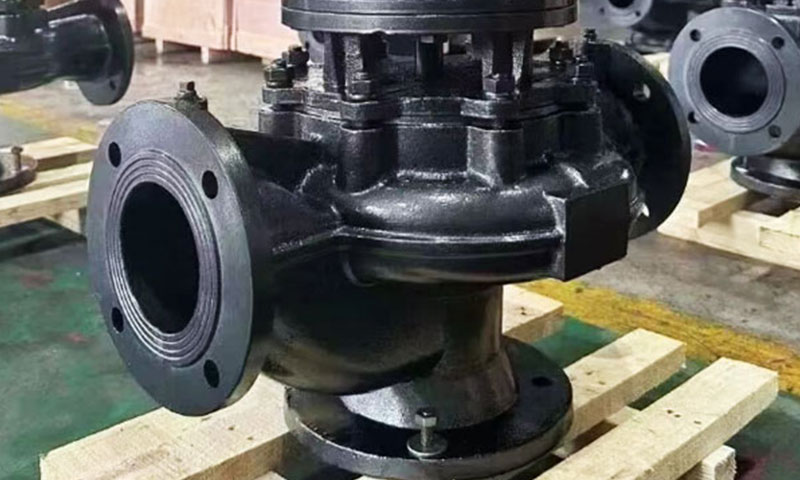
Il-housings tal-pompi huma s-sinsla strutturali ta 'kwalunkwe sistema ta' ippumpjar, jagħlqu l-impeller u jidderieġu l-fluss tal-fluwidu filwaqt li jifilħu pressjoni interna, midja korrużiva, u stress mekkaniku.
Meta dawn il-housings huma meħtieġa biex jimmaniġġaw fluwidi aggressivi, temperaturi għoljin, jew kundizzjonijiet sanitarji, Azzar li ma jissaddadx isir il-materjal tal-għażla, u ikkastjar ta 'investiment joħroġ bħala l-metodu ta’ manifattura preferut għall-kisba ta’ ġeometriji kumplessi bi preċiżjoni eċċezzjonali u kwalità tal-wiċċ.
Il-housings tal-pompa tal-istainless steel prodotti permezz tal-ikkastjar tal-investiment joffru kombinazzjoni unika ta 'reżistenza għall-korrużjoni, Qawwa mekkanika, eżattezza dimensjonali, u libertà tad-disinn li mhix imqabbla minn rotot oħra tal-manifattura.
Mill-ipproċessar kimiku u applikazzjonijiet tal-baħar għall-industriji tal-ikel u farmaċewtiċi, Il-housings tal-pompa tal-istainless steel fondut b'investiment jipprovdu affidabbli, soluzzjonijiet ta' ħajja twila ta' servizz għall-applikazzjonijiet l-aktar impenjattivi għall-immaniġġjar tal-fluwidu.
1. X'inhu Djar tal-Pompa Stainless Steel?
A Azzar li ma jissaddadx akkomodazzjoni tal-pompa huwa l-komponent strutturali estern primarju ta 'assemblaġġ ta' pompa li jagħlaq u jipproteġi komponenti li jduru interni filwaqt li jikkontrolla l-moviment tal-fluwidu ppumpjat.
Huwa wkoll komunement imsejħa a kisi tal-pompa, korp tal-pompa, jew, fid-disinji tal-pompi ċentrifugali, a kejsing volute.
Bħala wieħed mill-komponenti l-aktar kritiċi li fihom il-pressjoni f'sistema ta 'pompa, l-akkomodazzjoni hija responsabbli għaż-żamma ta 'stabbiltà strutturali taħt kundizzjonijiet ta' tħaddim kontinwi.
Għandu jiflaħ il-pressjoni interna tal-fluwidu, impatt idrawliku, vibrazzjoni, tagħbijiet mekkaniċi, varjazzjonijiet fit-temperatura, u espożizzjoni fit-tul għal midja potenzjalment aggressiva.

B'differenza għati protettivi sempliċi, akkomodazzjoni tal-pompa tinfluwenza direttament l-effiċjenza tal-pompa, affidabilità, u l-ħajja tas-servizz.
Il-ġeometrija interna tagħha tiddetermina kemm l-enerġija kinetika ġġenerata mill-impeller tiġi kkonvertita f'enerġija tal-pressjoni, filwaqt li l-karatteristiċi materjali tiegħu jiddeterminaw ir-reżistenza kontra l-korrużjoni, erożjoni, u ħsara mekkanika.
Il-housings tal-pompi ta 'l-istainless steel jintużaw ħafna f'ambjenti industrijali eżiġenti minħabba li l-istainless steel jgħaqqad reżistenza għall-korrużjoni eċċellenti ma' saħħa mekkanika għolja,
jagħmilha adattata għal applikazzjonijiet li jinvolvu kimiċi, ilma baħar, prodotti tal-ikel, Farmaċewtiċi, u fluwidi ta 'purità għolja.
Funzjonijiet ewlenin ta 'Djar tal-Pompa ta' l-Azzar li ma jsaddadx
| Funzjoni | Deskrizzjoni |
| Direzzjoni tal-fluss | Gwida tal-fluwidu mill-impeller għall-iżbokk tal-iskarigu b'turbolenza minima. |
| Trażżin tal-pressjoni | Jiflaħ il-pressjoni interna ġġenerata mill-pompa. |
| Appoġġ tal-impeller | Jipprovdi interface tal-immuntar għax-xaft tal-impeller u l-bearings. |
| Wiċċ tas-siġillar | Jipprovdi uċuħ ta 'immuntar għal siġilli, gaskits, u konnessjonijiet. |
| Integrità strutturali | Jirreżisti tagħbijiet esterni, vibrazzjoni, u espansjoni termali. |
| Protezzjoni kontra l-korrużjoni | Tipproteġi l-komponenti interni minn midja korrużiva. |
Karatteristiċi ewlenin tad-Disinn ta 'Djar tal-Pompa
| Karatteristika | Deskrizzjoni | Importanza |
| Kamra tal-voluti | Il-passaġġ f'forma ta' spirali li jikkonverti l-veloċità fi pressjoni. | Jiddetermina l-effiċjenza u l-prestazzjoni tal-pompa. |
| Dħul tal-ġbid | Punt tad-dħul tal-fluwidu. | Għandu jkun bla xkiel biex jimminimizza t-taqlib. |
| Żbokk tal-iskarika | Punt tal-ħruġ tal-fluwidu. | Li fihom il-pressjoni; għandu jiflaħ pressjoni massima operattiva. |
| Saqajn tal-immuntar | Appoġġ strutturali għall-pompa. | Għandu jkun riġidu biex iżomm l-allinjament. |
| Konnessjonijiet tal-flanġ | Interfaces mal-pajpijiet. | Għandu jkun li ma jnixxix u preċiż fid-dimensjoni. |
| Djar tal-bearings | Appoġġ għax-xaft tal-pompa. | Jeħtieġ allinjament preċiż. |
| Tappijiet tad-drenaġġ | Għall-manutenzjoni u t-tindif. | Essenzjali għall-iġjene u l-manutenzjoni. |
2. Għaliex huwa l-Ikkastjar ta 'Investiment Ideali għal Djar tal-Pompi ta' l-Azzar Stainless?
Il-housings tal-pompa tal-istainless steel huma komponenti kritiċi li jinfluwenzaw direttament l-effiċjenza tal-pompa, affidabilità, u l-ħajja tas-servizz.
Id-disinji tagħhom ħafna drabi jinvolvu kanali ta 'fluss interni kumplessi, strutturi volute mgħawġa, żoni ta 'siġillar ta' preċiżjoni, u ġeometriji esterni irregolari li huma diffiċli biex jimmanifatturaw ekonomikament bl-użu ta 'metodi ta' fabbrikazzjoni tradizzjonali.
Fost diversi teknoloġiji tal-manifattura, ikkastjar ta 'investiment (ikkastjar tax-xama' mitlufa) huwa wieħed mill-aktar proċessi adattati għall-produzzjoni tad-djar tal-pompa tal-istainless steel tad-dwana.
Jipprovdi bilanċ eċċellenti bejn il-flessibilità tad-disinn, eżattezza dimensjonali, prestazzjoni materjali, u l-effiċjenza tal-produzzjoni, li jagħmilha adottata b'mod wiesa 'għal applikazzjonijiet ta' pompa industrijali ta 'prestazzjoni għolja.

Kapaċità tal-Ġeometrija Kumpless għall-Ottimizzazzjoni Idrawlika
Il-ġeometrija interna ta 'akkomodazzjoni tal-pompa għandha impatt dirett fuq il-prestazzjoni idrawlika.
Komponenti bħal kmamar tal-volute, passaġġi mgħawġa, kanali tad-dħul, u l-ħwienet tal-iskariku jeħtieġu forom lixxi u preċiżi biex jimminimizzaw it-taqlib u jtejbu l-effiċjenza enerġetika.
Ikkastjar b'investiment jippermetti lill-manifatturi jirriproduċu ġeometriji kumplessi ħafna li jkunu diffiċli jew għaljin biex jinkisbu permezz ta' magni konvenzjonali jew fabbrikazzjoni wweldjata.
Minħabba li l-mudell tax-xama huwa ffurmat direttament mill-ġeometrija ddisinjata, inġiniera jistgħu jottimizzaw:
- Passaġġi tal-fluss interni
- Distribuzzjoni tal-ħxuna tal-ħajt
- Strutturi ta' rinfurzar
- Konfigurazzjonijiet tal-konnessjoni
- Disinji ta' djar kompatti
Din il-libertà tad-disinn tippermetti lill-manifatturi tal-pompi jiżviluppaw housings b'rendiment idrawliku mtejjeb filwaqt li jżommu l-affidabbiltà strutturali.
Manifattura Near-Net-Shape Tnaqqas l-Iskart tal-Materjal
L-istainless steel huwa materjal ta 'inġinerija ta' valur, u l-użu effiċjenti tal-materjal huwa konsiderazzjoni importanti fil-manifattura tal-komponenti.
Metodi ta 'magni tradizzjonali ħafna drabi jeħtieġu t-tneħħija ta' ammonti kbar ta 'azzar li ma jissaddadx minn blokki solidi, li jirriżulta fi skart materjali sinifikanti u żieda fl-ispejjeż tal-ipproċessar.
Il-fabbrikazzjoni wweldjata tista 'teħtieġ pjanċi multipli, operazzjonijiet li jiffurmaw, u proċeduri ta' finitura addizzjonali.
L-ikkastjar ta 'investiment jipproduċi komponenti ħafna eqreb tal-ġeometrija finali tagħhom. Il-karatteristiċi tal-forma qrib nett inaqqsu:
- Konsum tal-materja prima
- Ħin tal-magni
- Passi tal-produzzjoni
- Spejjeż tal-manifattura
Għal housings tal-pompi kumplessi, dan il-vantaġġ isir partikolarment sinifikanti minħabba li ħafna mill-forma finali hija ġġenerata direttament waqt l-ikkastjar.
Preċiżjoni Dimensjonali Eċċellenti u Kwalità tal-wiċċ
Il-housings tal-pompi jeħtieġu kontroll dimensjonali preċiż minħabba li għandhom jintegraw ma 'komponenti multipli, inklużi impellers, Xaftijiet, siġilli mekkaniċi, u sistemi tal-pajpijiet.
L-ikkastjar ta 'investiment jipprovdi preċiżjoni dimensjonali eċċellenti minħabba l-preċiżjoni għolja tal-mudelli tax-xama' u l-forom taċ-ċeramika. Dan jippermetti lill-manifatturi biex jiksbu:
- Dimensjonijiet preċiżi tal-flanġ
- Ħxuna tal-ħajt konsistenti
- Uċuħ tas-siġillar preċiżi
- Kompatibilità ta 'assemblaġġ stabbli
Barra minn hekk, ikkastjar ta 'investiment jipproduċi uċuħ aktar lixxi meta mqabbel ma' ikkastjar tar-ramel konvenzjonali.
Il-finitura mtejba tal-wiċċ tnaqqas ir-rekwiżiti tal-magni u hija speċjalment ta 'benefiċċju għal uċuħ li jikkuntattjaw il-fluwidu fejn il-ħruxija tista' tinfluwenza l-effiċjenza tal-fluss u r-reżistenza għall-kontaminazzjoni.
Integrità Strutturali Superjuri Meta mqabbla ma 'Djar Fabbrikati
Kisi tal-pompa prodott bl-iwweldjar ta' sezzjonijiet multipli flimkien jista' jkun fih ħjatat ta' weldjatura li jsiru punti dgħajfa potenzjali taħt tagħbija ċiklika, vibrazzjoni, jew kundizzjonijiet korrużivi.
L-ikkastjar ta 'investiment joħloq struttura tal-metall kontinwa mingħajr ġonot iwweldjati, jipprovdu vantaġġi bħal:
- Reżistenza għall-pressjoni mtejba
- Konċentrazzjoni mnaqqsa tal-istress
- Prestazzjoni aħjar tal-għeja
- Proprjetajiet mekkaniċi aktar uniformi
Għal pompi li jaħdmu kontinwament taħt kundizzjonijiet eżiġenti, bħal tagħmir għall-ipproċessar kimiku, sistemi tal-baħar, u t-trasport tal-fluwidu industrijali, din l-affidabbiltà strutturali hija estremament siewja.
Kompatibbiltà Ideali mal-Ligi tal-Azzar Stainless
Ligi tal-ikkastjar tal-istainless steel għandhom kompatibilità eċċellenti mal-proċess tal-ikkastjar tal-investiment.
Firxa wiesgħa ta 'gradi ta' l-istainless steel tista 'tiġi prodotta permezz ta' dan il-metodu, li tippermetti lill-inġiniera jagħżlu materjali skont kundizzjonijiet speċifiċi ta 'servizz.
Ligi tal-ikkastjar komuni jinkludu:
- CF8 (mitfugħa ekwivalenti ta 304 Azzar li ma jissaddadx)
- Cf8m (mitfugħa ekwivalenti ta 316 Azzar li ma jissaddadx)
- CF3 u CF3M għal reżistenza mtejba tal-korrużjoni tal-weldjatura
- Azzar li ma jissaddadx duplex għal saħħa għolja u reżistenza għall-korrużjoni
- Azzar li ma jissaddadx super duplex għal ambjenti severi
Din il-flessibbiltà materjali tippermetti li l-housings tal-pompi jiġu personalizzati għal fluwidi differenti, temperaturi, pressjonijiet, u kondizzjonijiet ta 'korrużjoni.
Adattat għal Prototipi u Produzzjoni ta 'Volum Medju għal Għoli
L-ikkastjar ta 'investiment huwa flessibbli ħafna fl-iskala tal-produzzjoni. Huwa adattat mhux biss għall-produzzjoni tal-massa iżda wkoll għal komponenti ta 'inġinerija personalizzati u ta' volum baxx.
Għall-iżvilupp tal-prototip, ikkastjar ta 'investiment jippermetti lill-manifatturi jivvalidaw disinji kumplessi tad-djar tal-pompa qabel il-produzzjoni fuq skala kbira.
Għall-produzzjoni kummerċjali, jipprovdi:
- Ripetibbiltà stabbli
- Kwalità konsistenti
- Mnaqqsa kumplessità tal-assemblaġġ
- Produzzjoni effiċjenti ta 'komponenti kumplessi
Dan jagħmel l-ikkastjar ta 'investiment partikolarment adattat għall-manifatturi tal-pompi OEM u l-fornituri tat-tagħmir industrijali li jeħtieġu soluzzjonijiet personalizzati.
3. Proċess ta 'Manifattura ta' Casting ta 'Investiment għal Djar tal-Pompa ta' l-Istainless Steel
Il-proċess tal-ikkastjar tal-investiment għall-housings tal-pompi tal-istainless steel huwa metodu ta 'manifattura ta' preċiżjoni li jinvolvi stadji multipli kkontrollati bir-reqqa.
Kull pass, mill-produzzjoni tal-mudell għall-ispezzjoni finali, taffettwa direttament l-eżattezza dimensjonali, kwalità tal-wiċċ, u l-prestazzjoni mekkanika tal-komponent lest.
Proċess tipiku tal-ikkastjar tal-investiment tad-djar tal-pompa tal-istainless steel jinkludi produzzjoni tal-mudell tax-xama ', formazzjoni ta 'qoxra taċ-ċeramika, dewaxing, tferrigħ tal-metall, trattament tas-sħana, irfinar, magni, u spezzjoni ta 'kwalità.
Ħarsa Ġenerali tal-Fluss tal-Proċess
| Stadju | Pass | Dettall Ewlenin |
| 1 | Produzzjoni tal-mudell | Injezzjoni ta 'xama' fil-ġeometrija tad-djar tal-pompa li tirreplika die ta 'preċiżjoni (inkluż il-kamra tal-volute). |
| 2 | Assemblaġġ tal-qalba | Qlub taċ-ċeramika jew tax-xama' solubbli għal passaġġi tal-fluss interni u undercuts. |
| 3 | Assemblaġġ tas-siġar | Mudelli multipli tax-xama' mwaħħla ma' sprue ċentrali. |
| 4 | Bini tal-qoxra | 6‑10 saffi ta' demel likwidu taċ-ċeramika (sol tas-silika) + stokk (żirkon/alumina). |
| 5 | Dewaxing | L-awtoklavi tal-fwar idub ix-xama '; qoxra tibqa vojta. |
| 6 | Sparar tal-qoxra | Maħmar f'900-1100°C biex issaħħaħ iċ-ċeramika u tneħħi l-volatili. |
7 |
Tidwib ta 'l-istainless steel | Tidwib tal-induzzjoni f'1550-1650°C. |
| 8 | Tferrigħ | Azzar imdewweb jitferra f'qoxra msaħħna minn qabel. |
| 9 | Tkessiħ & knockout | Tkessiħ ikkontrollat; qoxra mneħħija bil-vibrazzjoni jew bil-ġett tal-ilma. |
| 10 | Qtugħ & irfinar | Gates u risers maqtugħin; tħin, sparatura, taqlib. |
| 11 | Trattament tas-sħana | Ittemprar tas-soluzzjoni (1040-1100°C) + Quench tal-ilma. |
| 12 | Spezzjoni & ittestjar | Viżwali, dimensjonali, Ndt (X-ray, żebgħa penetrant), test tal-pressjoni idrostatika. |
Assigurazzjoni tal-kwalità
| Element tal-QA | Metodu | Kriterji ta' Aċċettazzjoni |
| Analiżi kimika | Spettrometrija | Jissodisfa l-ispeċifikazzjoni ASTM A351/A743. |
| Ittestjar mekkaniku | Tensjoni, ebusija | Jissodisfa r-rekwiżiti tal-grad. |
| Ndt | Penetrant taż-żebgħa (Pt), Radjografija (RT) | Ebda xquq, porożità li taqbeż l-ispeċifikazzjoni. |
| Spezzjoni dimensjonali | Cmm, gauges | Jissodisfa t-tolleranzi tat-tpinġija. |
| Ittestjar tal-pressjoni | Idrostatiku (1.5× pressjoni nominali) | Ebda tnixxija; ebda deformazzjoni. |
| Finitura tal-wiċċ | Viżwali, profilometru | Ra ≤6.3 µm (jew kif speċifikat). |
4. Trattament tal-wiċċ u Għażliet tal-irfinar
L-irfinar tal-wiċċ għandu rwol importanti fit-titjib tal-prestazzjoni, Durabilità, u d-dehra tad-djar tal-pompa tal-istainless steel tad-dwana.
Għalkemm l-ikkastjar ta 'investiment jista' jipproduċi komponenti bi preċiżjoni dimensjonali eċċellenti u uċuħ relattivament lixxi, proċessi ta' finitura addizzjonali ħafna drabi huma meħtieġa biex jissodisfaw rekwiżiti speċifiċi ta' applikazzjoni, speċjalment għall-pompi li joperaw fil-korrużivi, Iġjeniku, jew ambjenti ta’ prestazzjoni għolja.
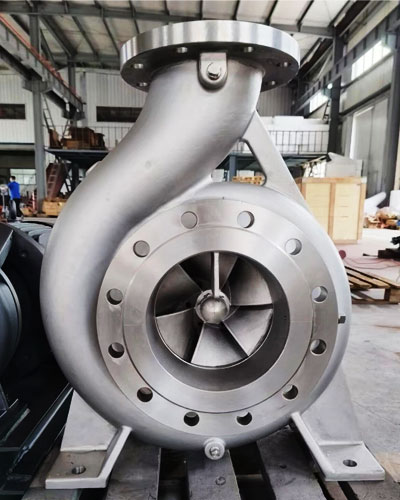
Makkinar u Irfinar tal-wiċċ ta 'preċiżjoni
Il-housings tal-pompa fondut ta 'investiment tipikament jgħaddu minn operazzjonijiet ta' magni sekondarji fuq żoni funzjonali kritiċi, inklużi l-uċuħ tal-flanġ, uċuħ tas-siġillar, sedili li jġorru, fetħiet tax-xaft, u interfaces tal-immuntar.
Magni CNC jiżgura kontroll dimensjonali preċiż u jtejjeb l-affidabbiltà tas-siġillar bejn id-djar tal-pompa u komponenti oħra.
Għal applikazzjonijiet li jinvolvu tħaddim bi pressjoni għolja jew tagħmir li jdur, l-eżattezza tal-magni hija partikolarment importanti minħabba li anke irregolaritajiet minuri tal-wiċċ jistgħu jaffettwaw il-kompressjoni tal-gasket, allinjament tax-xaft, u l-effiċjenza ġenerali tal-pompa.
Proċessi ta 'magni komuni jinkludu:
- Tħin CNC għal uċuħ ta 'immuntar ċatti u konnessjonijiet tal-flanġ
- Tidwir CNC għal fetħiet ċirkolari u toqob ta 'preċiżjoni
- Tħaffir u tapping għal toqob tal-boltijiet u konnessjonijiet bil-kamin
- Tħin jew lapping għal żoni ta 'siġillar ta' preċiżjoni għolja
Il-kombinazzjoni ta 'ikkastjar ta' investiment u magni ta 'preċiżjoni tippermetti lill-manifatturi jiksbu ġeometriji kumplessi filwaqt li jżommu tolleranzi stretti fuq karatteristiċi kritiċi.
Electropolishing għal Reżistenza għall-Korrużjoni u Applikazzjonijiet Iġeniċi
L-elettropolixxjar huwa użat ħafna għall-housings tal-pompa tal-istainless steel f'industriji li jeħtieġu indafa eċċellenti tal-wiċċ, bħall-ipproċessar tal-ikel, Farmaċewtiċi, bijoteknoloġija, u l-manifattura tas-semikondutturi.
Matul electropolishing, proċess elettrokimiku kkontrollat ineħħi l-irregolaritajiet mikroskopiċi tal-wiċċ u l-kontaminanti mill-wiċċ tal-istainless steel.
Ir-riżultat huwa lixx, wiċċ aktar passiv bi ħruxija mnaqqsa.
Benefiċċji ewlenin jinkludu:
- Reżistenza għall-korrużjoni mtejba permezz ta 'formazzjoni msaħħa ta' saff passiv ta 'ossidu tal-kromju
- Adeżjoni batterjali mnaqqsa u tindif aktar faċli
- Riskju aktar baxx ta' kontaminazzjoni tal-prodott
- Reżistenza mtejba għall-attakk kimiku
Għal applikazzjonijiet ta 'pompi sanitarji, electropolishing jista 'jestendi b'mod sinifikanti l-ħajja tas-servizz u jgħin biex jintlaħqu standards stretti ta' iġjene.
Trattament ta' Passivazzjoni
Il-passivazzjoni hija trattament kimiku komunement applikat għall-housings tal-pompa tal-istainless steel wara l-ikkastjar u l-magni.
Il-proċess ineħħi l-partiċelli ħielsa tal-ħadid u l-kontaminanti tal-wiċċ iġġenerati matul il-manifattura, li jippermetti li s-saff ta 'ossidu naturali b'ħafna kromju jirriġenera.
Wiċċ tal-istainless steel passivat kif suppost jipprovdi:
- Reżistenza aħjar kontra l-korrużjoni lokalizzata
- Protezzjoni mtejba f'ambjenti li fihom il-klorur
- Affidabbiltà mtejba fit-tul
Il-passivazzjoni hija speċjalment siewja għal gradi bħal 304, 316, u azzar inossidabbli duplex użat fil-baħar, kimika, u applikazzjonijiet industrijali għall-immaniġġjar tal-fluwidu.
Kisi tal-wiċċ u Trattamenti Speċjalizzati
Għal ambjenti operattivi estremament aggressivi, kisjiet tal-wiċċ addizzjonali jistgħu jiġu applikati biex itejbu aktar ir-reżistenza għall-ilbies, Reżistenza kimika, jew prestazzjoni tal-frizzjoni.
Għażliet komuni jinkludu:
| Trattament tal-wiċċ | Funzjoni Prinċipali | Applikazzjonijiet tipiċi |
| Kisi taċ-ċeramika | Temperatura għolja u reżistenza għall-ilbies | Pompi kimiċi, midja li joborxu |
| Kisi PTFE | Frizzjoni baxxa u reżistenza kimika | Applikazzjonijiet ta 'fluwidu korrużivi |
| Kisi PVD | Ebusija mtejba u durabilità tal-wiċċ | Komponenti industrijali ta 'preċiżjoni |
| Shot Blasting | Tindif tal-wiċċ u dehra uniformi | Alloġġi ġenerali tal-pompi industrijali |
| Illustrar | Dehra mtejba u ħruxija mnaqqsa | Ikel, tagħmir farmaċewtiku |
L-aħjar trattament tal-wiċċ jiddependi fuq il-mezz ippumpjat, temperatura operattiva, kundizzjonijiet tal-pressjoni, u r-rekwiżiti tal-indafa.
5. Gradi ta 'l-Azzar li ma jsaddadx għal Djar tal-Pompa Custom
L-għażla tal-grad ta 'l-istainless steel hija waħda mill-aktar deċiżjonijiet importanti ta' inġinerija meta tiddisinja a akkomodazzjoni tal-pompa tal-istainless steel tad-dwana.
Ambjenti tal-ippumpjar differenti jimponu rekwiżiti differenti fuq ir-reżistenza għall-korrużjoni, Qawwa mekkanika, kapaċità tat-temperatura, weldjabbiltà, u l-ħajja tas-servizz.
Karozza tal-pompa użata għaċ-ċirkolazzjoni tal-ilma ħelu għandha rekwiżiti materjali kompletament differenti minn waħda li topera fl-ilma baħar, fluwidi tal-ipproċessar kimiku, jew sistemi industrijali bi pressjoni għolja.
Għall-housings tal-pompa fondut ta 'investiment, gradi tal-ikkastjar tal-istainless steel huma tipikament speċifikati skond ASTM A743, ASTM A744, ASTM A351, u standards oħra rilevanti tal-ikkastjar.
| ASTM Casting Grad | Grad Ekwivalenti Wrought | Mikrostruttura | Qawwa tipika tat-tensjoni (MPA) | Karatteristiċi ewlenin | Applikazzjonijiet Tipiċi tad-Djar tal-Pompa |
| CF8 | 304 Azzar li ma jissaddadx | L-istainless steel awstenitiku | ≥485 | Reżistenza għall-korrużjoni għal skopijiet ġenerali, toughness tajba, castability eċċellenti, soluzzjoni ekonomika għal ambjenti moderati | Pompi tal-ilma, immaniġġjar ġenerali tal-fluwidu industrijali, sistemi tal-arja, applikazzjonijiet kimiċi ħfief |
| CF3 | 304L-azzar li ma jissaddadx | Azzar li ma jissaddadx awstenitiku b'karbonju baxx | ≥485 | Kontenut imnaqqas tal-karbonju jimminimizza l-preċipitazzjoni tal-karbur u jtejjeb ir-reżistenza għall-korrużjoni intergranulari wara l-iwweldjar | Tagħmir għall-ipproċessar tal-ikel, pompi sanitarji, assemblaġġi tal-pompa wweldjati |
| Cf8m | 316 Azzar li ma jissaddadx | Azzar li ma jissaddadx awstenitiku bil-molibdenu | ≥485 | Reżistenza mtejba għall-korrużjoni tal-klorur, pitting, u ħafna midja kimika meta mqabbla ma 'CF8 | Pompi tal-baħar, pompi għall-ipproċessar kimiku, tagħmir farmaċewtiku |
| Cf3m | 316L-azzar li ma jissaddadx | Azzar li ma jissaddadx awstenitiku b'karbonju baxx bil-molibdenu | ≥485 | Reżistenza eċċellenti għall-korrużjoni tal-weldjatura, reżistenza superjuri tal-klorur, addattat għal ambjenti aggressivi | Sistemi offshore, impjanti tad-desalinizzazzjoni, pompi kimiċi, applikazzjonijiet iġjeniċi |
CN7M |
Liga 20 | Liga awstenitika Ni-Cr-Mo-Cu | ≥485 | Reżistenza eċċellenti għall-aċidu sulfuriku, aċidu fosforiku, u kimiċi oħra korrużivi ħafna | Tagħmir għall-ipproċessar tal-aċidu, pompi petrokimiċi, sistemi ta' ċirkolazzjoni kimiċi |
| CD3MN | Duplex 2205 Azzar li ma jissaddadx | Azzar inossidabbli duplex awstenitiku-ferritiku | ≥655 | Saħħa għolja, reżistenza eċċellenti għall-qsim tal-korrużjoni tal-istress tal-klorur, reżistenza għall-ilbies aħjar minn gradi awstenitiċi | Pompi tal-ilma baħar, tagħmir tad-desalinizzazzjoni, applikazzjonijiet offshore |
| CE8MN | Super Duplex 2507 Azzar li ma jissaddadx | Super duplex stainless steel | ≥760 | Qawwa għolja ħafna, reżistenza eċċellenti għall-pitting, korrużjoni tax-xquq, u klorur SCC | Tagħmir tal-baħar fond, pjattaformi offshore, ambjenti marittimi severi |
| CB7Cu-1 | 17-4Azzar li ma jissaddadx pH | Azzar li ma jissaddadx li jwebbsu bil-preċipitazzjoni | ≥670 | Saħħa mekkanika għolja ħafna, Reżistenza tajba għall-korrużjoni, stabbiltà dimensjonali eċċellenti wara trattament bis-sħana | Pompi bi pressjoni għolja, sistemi idrawliċi industrijali, tagħmir aerospazjali u tal-enerġija |
6. Vantaġġi tal-Prestazzjoni tad-Djar tal-Pompa ta 'l-Azzar li ma jsaddadx fondut ta' investiment
Il-housings tal-pompa tal-istainless steel fondut għall-investiment jgħaqqdu l-proprjetajiet superjuri tal-ligi tal-istainless steel mal-vantaġġi tal-manifattura tat-teknoloġija tal-ikkastjar tal-investiment.

Reżistenza għall-Korrużjoni Pendenti għal Ambjenti Fluwidi Aggressivi
Wieħed mill-aktar vantaġġi importanti tal-housings tal-pompa tal-istainless steel huwa r-reżistenza eċċellenti tagħhom għall-korrużjoni.
Il-kontenut ta 'kromju fl-istainless steel jifforma saff ta' ossidu passiv stabbli fuq il-wiċċ tal-metall, jipproteġu l-akkomodazzjoni mill-ossidazzjoni u attakk kimiku.
Skont il-kompożizzjoni tal-liga, investiment fondut azzar li ma jissaddadx housings jistgħu jifilħu firxa wiesgħa ta ' midja korrużivi, inkluż:
- Ilma ħelu u ilma baħar
- Soluzzjonijiet li fihom il-klorur
- Aċidi u fluwidi alkalini
- Likwidi għall-ipproċessar kimiku
- Fluwidi organiċi u farmaċewtiċi
Gradi bħal Cf8m (316 Azzar li ma jissaddadx) jipprovdu reżistenza msaħħa għall-pitting u l-korrużjoni tal-klorur minħabba ż-żieda tal-molibdenu,
filwaqt li l-istainless steel duplex u super duplex joffru protezzjoni superjuri f'ambjenti marittimi u offshore severi.
Qawwa Mekkanika Għolja u Affidabilità Strutturali
Il-housings tal-pompa tal-istainless steel fondut għall-investiment jipprovdu saħħa mekkanika eċċellenti, li jippermettulhom jifilħu pressjoni interna, vibrazzjoni, tagħbijiet mekkaniċi, u ċikli operattivi ripetuti.
Is-saħħa inerenti ta 'l-istainless steel tippermetti lill-inġiniera jottimizzaw il-ħxuna tal-ħajt tad-djar filwaqt li jżommu s-sigurtà strutturali, tnaqqas il-piż u ttejjeb l-effiċjenza tat-tagħmir.
Integrità tal-Pressjoni Eċċellenti u Reżistenza għat-Tnixxija
Bħala komponent li fih il-pressjoni, akkomodazzjoni tal-pompa għandha żżomm l-integrità strutturali matul il-ħajja operattiva tagħha.
Ikkastjar b'investiment jipprovdi vantaġġi fuq disinji fabbrikati minħabba li l-akkomodazzjoni hija prodotta bħala struttura tal-metall kontinwa mingħajr ħjatat jew ġonot iwweldjati.
Dan jitjieb:
- Reżistenza għall-pressjoni
- Prestazzjoni ta 'għeja
- Prevenzjoni tat-tnixxija
- Konsistenza strutturali
Il-housings tal-pompa ta 'l-istainless steel fondut ta' investiment ta 'kwalità għolja jistgħu jiġu ddisinjati għal applikazzjonijiet ta' pressjoni eżiġenti, inklużi sistemi li jeħtieġu klassijiet ta’ pressjoni sa Klassi 1500, skond il-grad tal-materjal, konfigurazzjoni tad-disinn, u standards applikabbli.
In-nuqqas ta 'ġonot tal-weldjatura jelimina l-punti dgħajfa potenzjali kkawżati minn difetti tal-iwweldjar, stress residwu, jew korrużjoni taż-żona affettwata mis-sħana.
Reżistenza għat-Temperatura Eċċellenti u Stabbiltà Termali
Ħafna pompi industrijali joperaw taħt kundizzjonijiet ta 'temperatura estrema, jeħtieġu materjali li jżommu proprjetajiet mekkaniċi waqt iċ-ċikliżmu termali.
Id-djar tal-pompa tal-istainless steel awstenitiku joffru toughness eċċellenti f'temperatura baxxa u stabbiltà f'temperatura għolja.
Gradi komuni bħal CF8 u CF8M jistgħu tipikament joperaw fuq firxa wiesgħa ta 'temperatura, minn kundizzjonijiet krijoġeniċi madwar −196°C għal temperaturi elevati joqrob 800° C., skond il-kondizzjonijiet tas-servizz.
L-istainless steel duplex jipprovdu prestazzjoni eċċellenti taħt temperaturi moderatament elevati filwaqt li jżommu saħħa mekkanika għolja.
L-istabbiltà termali tal-istainless steel tgħin fil-prevenzjoni:
- Xquq ikkawżat minn stress termali
- Instabilità dimensjonali
- Degradazzjoni prematura tal-materjal
Dan jagħmel il-housings tal-pompa tal-istainless steel adattati għal applikazzjonijiet li jinvolvu fluwidi sħan, sistemi tal-fwar, u varjazzjonijiet fit-temperatura.
Prestazzjoni Iġjenika Superjuri u Tindif Faċli
Għal industriji li jeħtieġu standards stretti ta 'indafa, l-istainless steel jipprovdi vantaġġi sinifikanti minħabba lixxa tiegħu, wiċċ mhux poruż.
Il-housings tal-pompa ta 'l-istainless steel fondut ta' investiment jistgħu jissaħħu aktar permezz ta 'proċessi ta' finitura bħal:
- Illustrar mekkaniku
- Elettropolizzazzjoni
- Passivazzjoni
Dawn it-trattamenti jnaqqsu l-ħruxija tal-wiċċ, ittejjeb it-tindif, u jimminimizzaw l-akkumulazzjoni ta 'kontaminanti.
B'uċuħ electropolished li jiksbu valuri ta 'ħruxija hawn taħt Ra 0.8 μm, Il-housings tal-pompa tal-istainless steel jintużaw ħafna fi:
- Ipproċessar ta' ikel u xorb
- Produzzjoni farmaċewtika
- Sistemi tal-bijoteknoloġija
- Tagħmir mediku
Il-kombinazzjoni ta 'reżistenza għall-korrużjoni u proprjetajiet iġjeniċi tal-wiċċ tagħmel l-istainless steel wieħed mill-materjali ppreferuti għall-applikazzjonijiet sanitarji tal-ippumpjar.
Flessibilità tad-Disinn Kumpless Permezz tal-Ikkastjar tal-Investiment
Vantaġġ ewlieni tal-ikkastjar tal-investiment huwa l-abbiltà tiegħu li jipproduċi ġeometriji tal-housing tal-pompa kumplessi ħafna li jkunu diffiċli jew għaljin biex jiġu manifatturati permezz tal-magni jew il-fabbrikazzjoni..
Il-proċess jippermetti lill-inġiniera jintegraw karatteristiċi kumplessi direttament fil-ikkastjar, inkluż:
- Passaġġi tal-voluti kkurvati
- Kanali idrawliċi ottimizzati
- Strutturi ta 'immuntar integrali
- Arranġamenti kumplessi tal-flanġ
- Kustilji ta' rinfurzar
Din il-flessibilità tad-disinn ittejjeb il-prestazzjoni idrawlika filwaqt li tnaqqas in-numru ta 'operazzjonijiet ta' manifattura.
Għal housings tal-pompa tad-dwana, ikkastjar ta 'investiment jipprovdi libertà akbar biex jottimizza d-disinn tad-djar skont ir-rekwiżiti speċifiċi tal-fluss, limitazzjonijiet ta' installazzjoni, u l-kundizzjonijiet operattivi.
Preċiżjoni Dimensjonali Għolja u Kompatibilità tal-Assemblea
Il-prestazzjoni tal-pompa tiddependi ħafna fuq ir-relazzjoni preċiża bejn id-djar, impeller, xaft, u komponenti tas-siġillar.
L-ikkastjar ta 'investiment jipprovdi preċiżjoni dimensjonali eċċellenti, tipikament kisba tolleranzi ikkastjar fil-medda ta 'madwar ± 0.1–0.3 mm skond id-daqs tal-komponent u l-kumplessità tad-disinn.
Din l-eżattezza tgħin biex tinżamm:
- It-tneħħija korretta tal-impeller
- Allinjament xieraq tax-xaft
- Prestazzjoni affidabbli tas-siġillar
- Vibrazzjoni mnaqqsa
- Effiċjenza idrawlika mtejba
Meta mqabbel ma 'ikkastjar tar-ramel konvenzjonali, ikkastjar ta 'investiment jeħtieġ inqas makkinar korrettiv u jipprovdi ripetibbiltà aħjar għall-komponenti tal-pompa ta' preċiżjoni.
Finitura Eċċellenti tal-wiċċ u Rekwiżiti Mnaqqsa tal-Maċinazzjoni
Il-housings tal-pompa tal-istainless steel fondut b'investiment b'mod naturali jiksbu uċuħ aktar lixxi minn komponenti tradizzjonali tar-ramel fondut.
Valuri tipiċi tal-ħruxija tal-wiċċ jinkludu:
- Finitura tal-wiċċ kif fondut: bejn wieħed u ieħor Ra 1.6–6.3 μm
- Finitura tal-wiċċ elettropolished: hawn taħt Ra 0.8 μm
Wiċċ intern aktar lixx jipprovdi diversi benefiċċji ta 'prestazzjoni:
- Telf imnaqqas mill-frizzjoni tal-fluwidu
- Effiċjenza tal-fluss imtejba
- Taqlib aktar baxx
- Akkumulazzjoni ta' kontaminazzjoni mnaqqsa
Il-kwalità mtejba tal-wiċċ tnaqqas ukoll l-ammont ta 'post-ipproċessar meħtieġ, tnaqqis fil-ħin u l-ispiża tal-manifattura.
Rekwiżiti ta 'Manutenzjoni Baxxa u Ħajja ta' Servizz Estiża
Ir-reżistenza għall-korrużjoni u d-durabilità strutturali ta 'l-istainless steel inaqqsu b'mod sinifikanti r-rekwiżiti ta' manutenzjoni waqt it-tħaddim.
Meta mqabbel ma 'l-azzar tal-karbonju jew l-alternattivi tal-ħadid fondut, housings tal-pompa tal-istainless steel jeħtieġu inqas interventi minħabba li huma inqas suxxettibbli għal:
- Formazzjoni tas-sadid
- Degradazzjoni kimika
- Deterjorazzjoni tal-wiċċ
- Falliment tal-kisi
F'ambjenti korrużivi eżiġenti, Il-housings tal-pompa tal-istainless steel magħżula sew jistgħu jipprovdu ħajjiet ta 'servizz li jaqbżu 30–60 sena, jiddependi fuq il-kundizzjonijiet operattivi u l-prattiki ta’ manutenzjoni.
Din il-ħajja twila ta 'servizz ittejjeb l-affidabbiltà ġenerali tat-tagħmir u tnaqqas l-ispejjeż taċ-ċiklu tal-ħajja.
7. Applikazzjonijiet ta 'Djar tal-Pompi Stainless Steel
| Industrija | Applikazzjonijiet | Grad ta 'liga | Rekwiżiti Ewlenin |
| Ipproċessar kimiku | Pompi tat-trasferiment tal-aċidu, pompi ta' l-għalf tar-reattur, pompi ta' injezzjoni kimiċi, newtralizzazzjoni tal-iskart. | CF-8M, CN-7M | Reżistenza għall-korrużjoni għal kimiċi aggressivi; integrità tal-pressjoni. |
| Marine / Offshore | Pompi li jkessħu l-ilma baħar, pompi tas-saborra, pompi tas-sentina, pompi tan-nar. | CF-8M, CD-3MN | Reżistenza għall-korrużjoni tal-ilma baħar; pitting u SCC reżistenza. |
| Ikel & xorb | Pompi sanitarji, pompi CIP, pompi tal-ħalib, pompi tal-birrerija. | CF-3 (304L) | Konformi mal-FDA; Iġjeniku; faċli biex tnaddaf. |
| Farmaċewtiku | Pompi WFI, trasferiment ta 'fluwidu sterili, pompi tal-kamra nadifa. | CF-3M (316L) | Ultra-nadif; sterilizzabbli; mhux poruż; elettropolizzat. |
| Ilma & ilma mormi | Pompi tal-provvista tal-ilma, pompi tad-drenaġġ, pompi tal-ħama, pompi tat-tisqija. | CF-8, CF-8M | Reżistenza għall-korrużjoni għall-ilma u drenaġġ; ħajja twila ta 'servizz. |
Żejt & gass |
Pompi tal-pipeline, pompi bir-ras, pompi tal-injezzjoni, pompi tar-raffineriji. | CF-8M, CD-3MN | Pressjoni għolja; reżistenza għall-gass qares; Durabilità. |
| Ġenerazzjoni tal-Enerġija | Pompi tal-ilma li jkessaħ, pompi tat-tmigħ tal-bojler, pompi tal-kondensat. | CF-8, CF-8M | Temperatura għolja; integrità tal-pressjoni; Reżistenza għall-korrużjoni. |
| Polpa & karta | Pompi tal-bliċ, pompi ta' rkupru kimiku, pompi tal-istokk. | CN-7M, duplex | Reżistenza għad-dijossidu tal-kloru; qawwa għolja. |
| Desalinizzazzjoni | Pompi bi pressjoni għolja, pompi tas-salmura, pompi li jieħdu l-ilma baħar. | CD-3MN, CE-8MN | Reżistenza estrema tal-klorur; qawwa għolja. |
| Minjieri | Pompi tad-demel likwidu, pompi li jneħħu l-ilma, pompi ta' injezzjoni kimiċi. | CF-8M, duplex | Reżistenza għall-brix; Reżistenza għall-korrużjoni. |
8. Stainless Steel Pompa tad-Djar vs Metodi Oħra ta 'Manifattura
Il-metodu tal-manifattura magħżul għal akkomodazzjoni tal-pompa tal-istainless steel jaffettwa direttament il-prestazzjoni mekkanika tiegħu, eżattezza dimensjonali, Reżistenza għall-korrużjoni, spiża tal-produzzjoni, u l-adegwatezza għal disinji ta 'pompi kumplessi.
| Fattur ta' Tqabbil | Ikkastjar ta 'investiment | Magni CNC | Iwweldjar fabbrikat | Ikkastjar tar-ramel |
| Prinċipju tal-Manifattura | Jipproduċi komponenti billi tferra l-istainless steel imdewweb f'forom taċ-ċeramika maħluqa minn mudelli tax-xama ' | Tneħħi materjal minn blokki tal-istainless steel jew forġar permezz ta 'għodod tal-qtugħ | Jifforma akkomodazzjoni minn pjanċi jew sezzjonijiet tal-istainless steel u jingħaqad magħhom permezz tal-iwweldjar | Casts metall imdewweb f'forom tar-ramel biex jinħolqu komponenti kbar |
| Kumplessità tad-Disinn | Kapaċità eċċellenti għal ġeometriji kumplessi, passaġġi interni, volutes mgħawġa, Ħitan irqaq, u karatteristiċi integrati | Limitat mill-aċċessibbiltà tal-għodda, angoli tal-magni, u rekwiżiti għat-tneħħija tal-materjal | Moderat; forom kumplessi jeħtieġu partijiet fabbrikati multipli u operazzjonijiet ta 'wweldjar | Tajjeb għal ġeometriji kbar u sempliċi iżda limitat għal dettalji fini |
| Volute u Kwalità tal-Passaġġ Idrawliku | Eċċellenti; kanali idrawliċi lixxi jistgħu jiġu mitfugħa direttament, tnaqqas it-taqlib u ttejjeb l-effiċjenza tal-pompa | Preċiżjoni għolja ħafna iżda teħtieġ makkinar estensiv tal-passaġġi tal-fluss intern | Jiddependi ħafna fuq l-eżattezza tal-iwweldjar u l-ipproċessar ta 'wara | Moderat; uċuħ interni aktar ħorox jistgħu jeħtieġu irfinar addizzjonali |
Kompatibbiltà tal-Materjal |
Jappoġġja firxa wiesgħa ta 'azzar li ma jissaddadx inkluż CF8, Cf8m, Cf3m, duplex, u super duplex | Kompatibbli mal-biċċa l-kbira tal-istainless steel, iżda d-diffikultà tal-magni tiżdied għal-ligi iebsa | Kompatibbli ma 'l-istainless steel, iżda l-iwweldjar jista 'jaffettwa r-reżistenza għall-korrużjoni u l-mikrostruttura | Adattat għall-istainless steel iżda jeħtieġ aktar allowance għall-magni |
| Eżattezza dimensjonali | Preċiżjoni għolja, tipikament ±0.1–0.3 mm skont id-daqs u l-kontroll tal-proċess | Preċiżjoni għolja ħafna, spiss ±0.01–0.05 mm | Preċiżjoni aktar baxxa minħabba deformazzjoni tal-iwweldjar u distorsjoni termali | Preċiżjoni moderata b'konċessjonijiet akbar tal-magni |
| Finitura tal-wiċċ | Temm eċċellenti kif fondut; tipikament Ra 1.6-6.3 μm, b'għażliet tal-illustrar disponibbli | Temm bil-makna eċċellenti, skond l-għodda u l-parametri | Jeħtieġ tħin, illustrar, jew makkinar wara l-iwweldjar | Wiċċ relattivament mhux maħdum li jeħtieġ makkinar addizzjonali |
| Użu tal-materjal | Għoli; proċess ta 'forma ta' kważi nett jimminimizza l-iskart materjali | Baxx għal medju; ammonti kbar ta 'materjal jitneħħew matul il-magni | Medju; jiddependi fuq il-proċessi tat-tqattigħ u l-iffurmar | Medju; teħtieġ allowances akbar għall-ikkastjar |
Integrità Mekkanika |
Eċċellenti; struttura omoġenja b'inqas ġonot u żoni ta 'konċentrazzjoni ta' stress | Eċċellenti meta maħduma minn forġa jew billetti ta 'kwalità għolja | Mnaqqsa f'żoni wweldjati minħabba żoni affettwati mis-sħana u stress residwu | Tajjeb iżda jista' jkun fih difetti tal-ikkastjar jekk il-kontroll tal-proċess ma jkunx biżżejjed |
| Reżistenza għall-korrużjoni | Eċċellenti; proprjetajiet tal-istainless steel jinżammu mingħajr żoni wweldjati | Eċċellenti meta tuża stokk tal-istainless steel reżistenti għall-korrużjoni | Jista 'jitnaqqas ħdejn iż-żoni tal-weldjatura jekk il-parametri tal-iwweldjar u t-trattament ta' wara ma jkunux xierqa | Tajjeb meta l-kompożizzjoni tal-liga u l-kwalità tal-ikkastjar huma kkontrollati |
| Reżistenza għall-Pressjoni | Eċċellenti; adattat għal pompi bi pressjoni għolja u applikazzjonijiet esiġenti | Eċċellenti għal housings bil-makna minn materjali foloz | Jiddependi fuq il-kwalità tal-weldjatura u l-proċeduri ta 'spezzjoni | Tajjeb għal applikazzjonijiet ta 'pressjoni medja |
| Produzzjoni Volum Adattabbiltà | Produzzjoni ta 'volum baxx għal medju u medju; ekonomiku għal komponenti personalizzati | Volum baxx għal medju; ideali għal prototipi u partijiet ta 'preċiżjoni | Volum baxx u applikazzjonijiet ta 'tiswija | Komponenti medji għal kbar; adattat għal ġirjiet ta' produzzjoni akbar |
L-ispiża tal-għodda |
Moderat; għodda tax-xama 'u forom taċ-ċeramika meħtieġa | Spiża inizjali baxxa tal-għodda iżda spiża għolja tal-magni għal partijiet kumplessi | Spiża baxxa tal-għodda iżda rekwiżiti ogħla tax-xogħol | Spiża tal-għodda relattivament baxxa |
| Ħin tal-Manifattura | Moderat; iqsar minn ħafna proċessi ta 'fabbrikazzjoni f'diversi stadji għal partijiet kumplessi | Qasira għal partijiet sempliċi iżda twil għal ġeometriji kumplessi | Setup inizjali qasir iżda itwal għall-assemblaġġ u l-irfinar | Moderat; jiddependi fuq il-preparazzjoni tal-moffa |
| Potenzjal tat-Tnaqqis tal-Piż | Eċċellenti; jippermetti ħxuna tal-ħajt ottimizzata u strutturi integrati | Tajjeb iżda limitat mill-fattibilità tal-magni | Limitat minħabba li ħafna drabi jkun meħtieġ tisħiħ addizzjonali | Moderat |
| Applikazzjonijiet Tipiċi tal-Pompa | Pompi kimiċi, pompi tal-baħar, pompi farmaċewtiċi, pompi għall-ipproċessar tal-ikel, pompi ċentrifugali ta 'prestazzjoni għolja | Komponenti tal-pompa ta 'preċiżjoni, prototipi, partijiet tat-tiswija, housings ta' volum żgħir | Pompi industrijali kbar, tagħmir tad-dwana ta 'volum baxx | Pompi kbar tal-ilma, tagħmir industrijali, applikazzjonijiet heavy-duty |
9. Agħżel DEZE għal Djar tal-Pompi tal-Azzar li ma jsaddadx fondut ta 'investiment personalizzat
Funderija DEZE tispeċjalizza f'ikkastjar ta 'investiment ta' preċiżjoni ta 'kwalità għolja għal housings u komponenti tal-pompi tal-istainless steel.
Ikkuntattjana għal Custom Stainless Steel Pompa Casing!
| Kapaċità | Dettalji |
| Materjali | CF-8 (304), CF-8M (316), CF-3 (304L), CF-3M (316L), CN-7M (Liga 20), CD-3MN (2205 duplex), CE-8MN (2507 superduplex), CB7Cu‑1 (17--4ph). |
| Piż tal-parti | 0.1 kg biex 200 kg. |
| Dimensjonijiet | Sa 800 mm dijametru. |
| Tolleranzi | ±0.1-0.3 mm (CT4-CT6 għal kull ISO 8062). |
| Finitura tal-wiċċ | Ra 1.6-6.3 µm kif fondut; electropolishing disponibbli. |
| Trattament tas-sħana | Ittemprar tas-soluzzjoni, serħan mill-istress. |
| Kwalità | ISO 9001:2015 Ċertifikat; 100% NDT u ttestjar tal-pressjoni. |
| Żmien taċ-ċomb | 8‑12-il ġimgħa għall-għodda u l-ewwel artikoli; 2‑4 ġimgħat għal ordnijiet ripetuti. |
Għaliex tissieħeb ma 'DEZE Foundry?
- Għodda interna: Imut tax-xama' ddisinjat u manifatturat internament.
- Simulazzjoni tal-proċess: Simulazzjoni ta' solidifikazzjoni għal ikkastjar mingħajr difetti.
- Bini awtomatizzat tal-qoxra: Kwalità konsistenti tal-qoxra u permeabilità.
- Tidwib bil-vakwu: Disponibbli għal gradi ta' liga għolja.
- Traċċabilità sħiħa: Dokumentazzjoni tal-materjal u tal-proċess għal kull lott.
- Appoġġ għall-inġinerija: Għażla tal-materjal u għajnuna għall-ottimizzazzjoni tad-disinn.
- Prezzijiet kompetittivi: Dirett mill-manifattur; ebda markups middleman.
10. Konklużjoni
Il-housings tal-pompi tal-azzar li ma jsaddadx huma komponenti kritiċi li fihom il-pressjoni għas-sistemi tal-immaniġġjar tal-fluwidu industrijali, u l-ikkastjar ta 'investiment ħareġ bħala l-aktar soluzzjoni ta' manifattura kapaċi u kosteffettiva għal disinji ta 'pompi personalizzati ta' prestazzjoni għolja.
Billi jingħelbu l-limitazzjonijiet inerenti tal-ikkastjar tar-ramel, iwweldjar u makkinar solidu, ikkastjar ta 'investiment jagħti forma integrata ta' kważi nett, struttura metallurġika densa, ġeometrija idrawlika preċiża u reżistenza għall-korrużjoni eċċellenti.
Permezz ta 'kontroll tal-proċess standardizzat, prevenzjoni ta 'difetti mmirati u ottimizzazzjoni professjonali tat-trattament tas-sħana, Il-housings tal-pompa tal-istainless steel mitfugħa b'investiment jiksbu prestazzjoni idrawlika prevedibbli,
konfini ta 'pressjoni li ma tnixxix u ħajja twila ta' servizz, jissodisfaw bis-sħiħ ir-rekwiżiti eżiġenti tal-ipproċessar kimiku, Marine, ikel & xarba u żejt & applikazzjonijiet tal-gass.
Peress li t-teknoloġija tal-ikkastjar intelliġenti u l-materjali tal-liga avvanzati jkomplu javvanzaw, ikkastjar ta 'investiment se jkompli jimbotta l-konfini tal-kumplessità u l-prestazzjoni tad-djar tal-pompa, tippermetti aktar effiċjenti, tagħmir tal-ippumpjar affidabbli u durabbli fis-setturi industrijali kollha.
FAQs
X'inhu l-aktar grad komuni ta 'l-istainless steel għall-housings tal-pompa?
CF-8M (316) huwa l-aktar grad komuni għall-housings tal-pompa, li joffru reżistenza għall-korrużjoni eċċellenti, saħħa tajba, u spiża moderata.
Għall-ikel u applikazzjonijiet farmaċewtiċi, CF-3M (316L) huwa preferut minħabba l-kontenut baxx ta 'karbonju tiegħu għall-weldjabbiltà.
Jistgħu jissewwew il-housings tal-pompa fondut b'investiment?
Difetti minuri tal-ikkastjar jistgħu jissewwew bl-iwweldjar b'mili u proċeduri xierqa.
Madankollu, ikkastjar b'difetti kbar huma tipikament skrappjati u ricast. L-ippressar isostatiku sħun (Ġenbejn) jista 'jelimina l-porożità interna iżda ma jistax isewwi d-difetti tal-wiċċ.
X'inhi d-differenza bejn id-djar tal-pompa volute u tad-diffużur?
Il-housings tal-voluti għandhom passaġġ forma spirali li tikkonverti l-veloċità fi pressjoni gradwalment.
Il-housings tad-diffużur jużaw paletti ta 'gwida stazzjonarji għal konverżjoni tal-pressjoni aktar effiċjenti. Ikkastjar ta 'investiment jista' jipproduċi ż-żewġ tipi.
Huma l-housings tal-pompa fondut b'investiment adattati għal applikazzjonijiet b'temperatura għolja?
IVA. Gradi awstenitiċi (304, 316) jista' jintuża sa 800-850°C. Għal temperaturi ogħla, superligi bbażati fuq in-nikil jew 310 jista 'jkun meħtieġ l-istainless steel.