1. Introduzzjoni
Bronze castings remain a foundation material class across marine, enerġija, industrijali, and heritage-engineering sectors because they combine Reżistenza għall-korrużjoni, Ilbes prestazzjoni, galling resistance and good castability.
“Bronze” is a broad family (ram + elements other than zinc), not a single alloy — and the choice of bronze grade and casting method directly controls component life, maintenance costs and manufacturability.
This article surveys the most common bronze grades used in casting, explains why they are chosen, presents representative data, and provides practical guidance for specification and selection.
2. What is cast bronze?
Cast bronze denotes a family of copper-based alloys formulated for production by casting (for example sand, investiment, imut, or centrifugal casting) and solidified into near-net-shape components.
Traditionally, “bronze” implied copper-tin alloys (bronż tal-landa), but modern practice embraces other principal alloying systems — notably bronż tal-aluminju, Bronż tas-silikon, fosfru (landa) bronżijiet, and leaded (li jkollhom) bronżijiet — each engineered for specific metallurgical and service requirements.
Relevant product and casting requirements are set out in industry standards (per eżempju, common specifications for cast copper alloys) and in national standards used for procurement and quality assurance.
Core characteristics of cast bronze
The widespread adoption of bronze in casting stems from its unique combination of properties, which are superior to many other cast metals (E.g., ħadid fondut, cast aluminum) in specific scenarios.
Key core characteristics include:
Castability Eċċellenti:
Bronze has a low melting point (typically 900–1100℃, lower than steel and cast iron) and good fluidity in the molten state, enabling it to fill complex mold cavities with high dimensional accuracy.
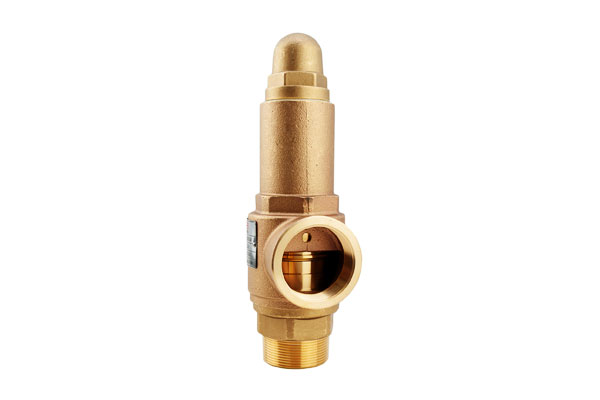
Most bronze grades can be cast into thin-walled components (minimum wall thickness 2–3 mm) and intricate shapes (E.g., snien tal-gerijiet, Korpi tal-valv) without defects such as shrinkage, porożità, jew tintefa kesħin.
Reżistenza Superjuri għall-Ilbes:
Il-preżenza ta 'fażijiet intermetalliċi iebsa (E.g., Cu₃Sn in tin bronze, Al₂Cu in aluminum bronze) and the alloy’s inherent ductility result in excellent wear resistance,
making cast bronze ideal for friction components (E.g., bearings, boxxli, gerijiet) that operate under high load and low speed.
Reżistenza tajba għall-korrużjoni:
Bronze forms a dense, adherent oxide film on its surface, providing protection against atmospheric, aqueous, u korrużjoni kimika.
Different grades exhibit varying corrosion resistance—for example, aluminum bronze is highly resistant to marine corrosion, while lead bronze is suitable for acidic environments.
Proprjetajiet Mekkaniċi Ibbilanċjati:
Cast bronze grades range from ductile, low-strength varieties (E.g., leaded tin bronze) to high-strength, wear-resistant alloys (E.g., bronż tal-aluminju),
with tensile strength ranging from 200 MPa to 800 MPa and elongation from 5% to 40%.
Makkinabilità tajba:
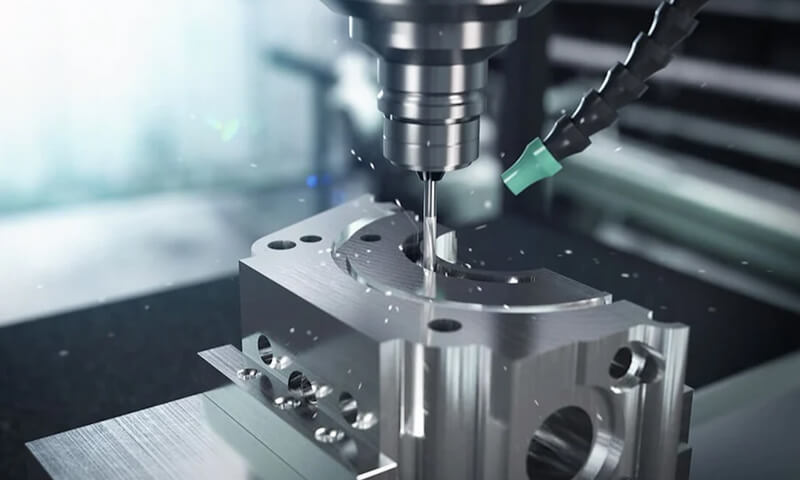
Most cast bronze grades (especially leaded bronze) have excellent machinability, allowing for easy turning, tħin, tħaffir, and polishing to achieve high surface finish (Ra ≤ 0.8 μm) u preċiżjoni dimensjonali.
3. Common Cast Bronze Grades: Detailed Analysis
Bronze grades are mainly based on Standards ASTM, with GB/T and ISO specifications providing equivalent classifications.
These grades are categorized according to the main alloying element: landa, aluminju, silikon, ċomb, u n-nikil.
Each category offers distinct mekkaniku, korrużjoni, and casting characteristics, tailored for different industrial applications.
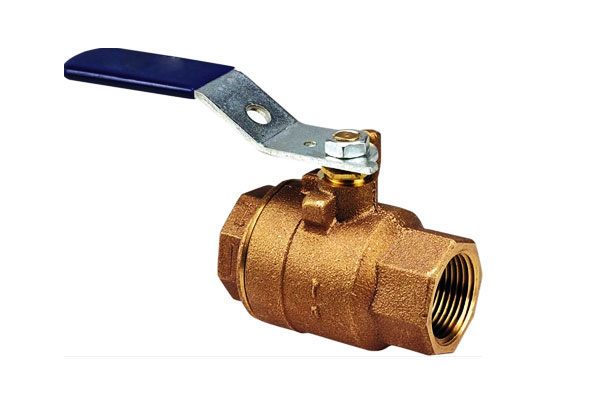
Bronż tal-landa (Cu–Sn Alloys): Traditional and Versatile
Tin bronze is the oldest and most widely used cast bronze, ma ' tin as the primary alloying element. Huwa(Landa) titjieb castability, Reżistenza għall-ilbies, u reżistenza għall-korrużjoni, while copper provides duttilità u toughness.
Tin content typically ranges 5–15 wt%-lower tin (5–8%) enhances ductility, waqt higher tin (10–15%) increases hardness and wear resistance.
Gradi komuni: ASTM B22 (C90300, C90500), GB/T 1176 (ZCuSn5Pb5Zn5, ZCuSn10Pb1), ISO 4281 (CuSn6, CuSn10).
Key Tin Bronze Grades for Casting
ZCuSn5Pb5Zn5 (GB/T 1176) / C90300 (ASTM B22)
- Kompożizzjoni kimika (wt%): Cu 84–86, Sn 4–6, Pb 4–6, Zn 4–6, Impurities ≤0.5
- Metallurgical Characteristics: Hypoeutectic α-Cu + ewtektiku (α-Cu + Cu₃Sn); Pb and Zn improve makkinabilità, Sn enhances Reżistenza għall-ilbies
- Propjetajiet mekkaniċi (As Cast): Tensile ≥200 MPa, Yield ≥90 MPa, Elongation ≥10%, Hardness ≥60 HB
- Reżistenza għall-korrużjoni: Good atmospheric and freshwater resistance; moderate seawater/acidic resistance
- Kastabbiltà: Fluwidità eċċellenti; suitable for sand and investment casting of medium-complexity parts
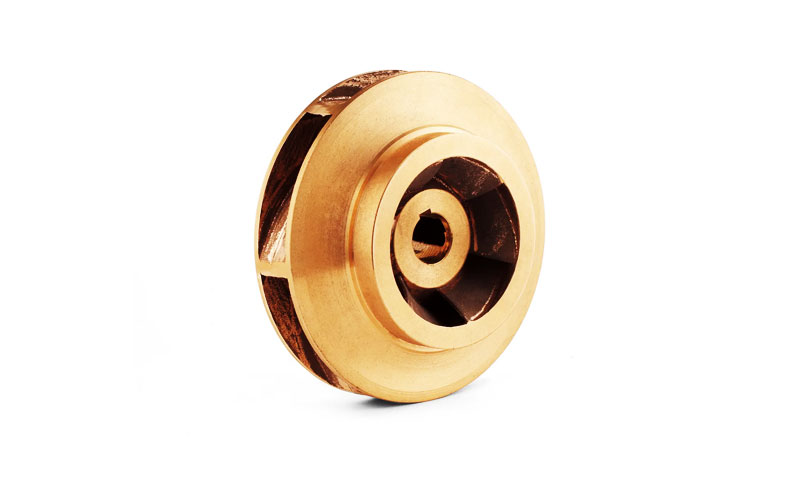
- Applikazzjonijiet tipiċi: Bearings, boxxli, gerijiet, Korpi tal-valv, impellers tal-pompa, kkastjar dekorattiv
ZCuSn10Pb1 (GB/T 1176) / C90500 (ASTM B22)
- Kompożizzjoni kimika (wt%): Cu 88–90, Sn 9–11, Pb 0.5–1.5, Impurities ≤0.5
- Metallurgical Characteristics: Near-eutectic α-Cu + fine Cu₃Sn precipitates; higher Sn improves hardness and wear resistance, Pb improves makkinabilità
- Propjetajiet mekkaniċi (As Cast): Tensile ≥240 MPa, Yield ≥100 MPa, Elongation ≥8%, Hardness ≥70 HB
- Reżistenza għall-korrużjoni: Superior to ZCuSn5Pb5Zn5; resistant to seawater, fwar, u kimiċi ħfief
- Kastabbiltà: Fluwidità tajba; suitable for high-precision thin-walled castings
- Applikazzjonijiet tipiċi: High-load bearings, worm gears, marine pump components, steam valves, precision automotive/marine parts
Bronż tal-aluminju (Cu–Al Alloys): High Strength and Corrosion-Resistant
Aluminum bronze contains 5–12% Al, tifforma hard intermetallics (Al₂Cu, Cu₃Al) that enhance saħħa, ebusija, u reżistenza għall-korrużjoni.
Eċċellenti għal Marine, temperatura għolja, and wear-intensive environments.
Gradi komuni: ASTM B148 (C95400, C95500), GB/T 1176 (ZCuAl10Fe3, ZCuAl10Fe5Ni5), ISO 4281 (CuAl10Fe3, CuAl10Ni5Fe4).
Key Aluminum Bronze Grades for Casting
ZCuAl10Fe3 (GB/T 1176) / C95400 (ASTM B148)
- Kompożizzjoni kimika (wt%): Cu 86–89, Al 9–11, Fe 2–4, Impurities ≤0.5
- Metallurgical Characteristics: Two-phase α + b; Fe forms Fe–Al intermetallics; β → α + γ₂ transformation produces iebsa, wear-resistant microstructure
- Propjetajiet mekkaniċi (As Cast): Tensile ≥500 MPa, Yield ≥200 MPa, Elongation ≥15%, Hardness ≥150 HB
- Reżistenza għall-korrużjoni: Excellent in seawater, marine atmospheres, aċidi; surface Al₂O₃ film protects against oxidation
- Kastabbiltà: Tajjeb; requires 1100–1150°C; suitable for sand, investiment, centrifugal casting of large parts
- Applikazzjonijiet tipiċi: Marine propellers, fittings tal-vapuri, offshore components, Kisi tal-pompa, wear-resistant gears
ZCuAl10Fe5Ni5 (GB/T 1176) / C95500 (ASTM B148)
- Kompożizzjoni kimika (wt%): Cu 76–81, Al 9–11, Fe 4–6, Ni 4–6, Impurities ≤0.5
- Metallurgical Characteristics: Multi-phase α + b + Fe–Al + Ni–Al intermetallics; Ni improves saħħa, ebusija, Reżistenza għall-korrużjoni
- Propjetajiet mekkaniċi (As Cast): Tensile ≥600 MPa, Yield ≥250 MPa, Elongation ≥12%, Hardness ≥180 HB
- Reżistenza għall-korrużjoni: Superior to ZCuAl10Fe3; excellent seawater, fwar, u reżistenza kimika
- Kastabbiltà: Tajjeb; suitable for large, high-strength complex components
- Applikazzjonijiet tipiċi: Large marine propellers, żejt offshore & gas equipment, valvi bi pressjoni għolja, heavy-duty gearboxes
Bronż tas-silikon (Cu–Si Alloys): High Ductility and Electrical Conductivity
Silicon bronze contains 1–4% Si, offerta duttilità eċċellenti, Reżistenza għall-korrużjoni, u konduttività elettrika (30–40% IACS). Adattat għal elettriku, Marine, u applikazzjonijiet dekorattivi.
Gradi komuni: ASTM B22 (C65500, C65800), GB/T 1176 (ZCuSi3Mn1, ZCuSi10P1), ISO 4281 (CuSi3Mn, CuSi10P).
Key Silicon Bronze Grades for Casting
ZCuSi3Mn1 (GB/T 1176) / C65500 (ASTM B22)
- Kompożizzjoni kimika (wt%): Cu 94–96, Si 2.5–3.5, Mn 0.5–1.5, Impurities ≤0.5
- Metallurgical Characteristics: Hypoeutectic α-Cu + fine Si; Mn refines grains, itejjeb is-saħħa
- Propjetajiet mekkaniċi (As Cast): Tensile ≥280 MPa, Yield ≥110 MPa, Elongation ≥20%, Hardness ≥80 HB
- Reżistenza għall-korrużjoni: Good in atmospheric, ilma ħelu, kimiċi ħfief
- Kastabbiltà: Eċċellenti; suitable for complex-shaped, high-ductility components
- Applikazzjonijiet tipiċi: Konnetturi elettriċi, swiċċijiet, kkastjar dekorattiv, ħardwer tal-baħar, gerijiet żgħar
ZCuSi10P1 (GB/T 1176) / C65800 (ASTM B22)
- Kompożizzjoni kimika (wt%): Cu 88–90, Si 9–11, P 0.2–0.4, Impurities ≤0.5
- Metallurgical Characteristics: Near-eutectic α-Cu + U; P enhances castability, microstructure refinement
- Propjetajiet mekkaniċi (As Cast): Tensile ≥350 MPa, Yield ≥140 MPa, Elongation ≥12%, Hardness ≥100 HB
- Reżistenza għall-korrużjoni: Superior to ZCuSi3Mn1; resistant to seawater, fwar, aċidi
- Kastabbiltà: Tajjeb; suitable for thin-walled, kkastjar ta' preċiżjoni
- Applikazzjonijiet tipiċi: Valvoli, pompi, Komponenti tal-Baħar, terminali elettriċi, precision automotive/electronic parts
Lead Bronze (Cu–Sn–Pb Alloys): Excellent Machinability and Lubricity
Lead bronze contains 5–20% Pb and 2–10% Sn. Pb exists as discrete particles titjib makkinabilità, lubriċità, u l-ilbies tar-reżistenza.
Adattat għal bearings, boxxli, and low-friction components.
Gradi komuni: ASTM B22 (C93200, C93700), GB/T 1176 (ZCuSn10Pb5, ZCuSn5Pb15Zn5), ISO 4281 (CuSn10Pb5, CuSn5Pb15Zn5).
Key Lead Bronze Grades for Casting
ZCuSn10Pb5 (GB/T 1176) / C93200 (ASTM B22)
- Kompożizzjoni kimika (wt%): Cu 83–85, Sn 9–11, Pb 4–6, Impurities ≤0.5
- Metallurgical Characteristics: Hypoeutectic α-Cu + Cu₃Sn + Pb particles; Pb reduces friction
- Propjetajiet mekkaniċi (As Cast): Tensile ≥220 MPa, Yield ≥100 MPa, Elongation ≥8%, Hardness ≥65 HB
- Reżistenza għall-korrużjoni: Good atmospheric and freshwater; moderate seawater/acidic resistance
- Kastabbiltà: Fluwidità eċċellenti; suitable for small/medium, highly machinable components
- Applikazzjonijiet tipiċi: Bearings, boxxli, gerijiet, worm wheels, komponenti tal-pompa
ZCuSn5Pb15Zn5 (GB/T 1176) / C93700 (ASTM B22)
- Kompożizzjoni kimika (wt%): Cu 73–75, Sn 4–6, Pb 14–16, Zn 4–6, Impurities ≤0.5
- Metallurgical Characteristics: Hypoeutectic α-Cu + Cu₃Sn + Pb + Zn-rich phases; high Pb improves makkinabilità
- Propjetajiet mekkaniċi (As Cast): Tensile ≥180 MPa, Yield ≥80 MPa, Elongation ≥5%, Hardness ≥55 HB
- Reżistenza għall-korrużjoni: Moderat; suitable for dry/lubricated environments
- Kastabbiltà: Fluwidità eċċellenti; suitable for complex parts needing extensive machining
- Applikazzjonijiet tipiċi: Korpi tal-valvi, gear hubs, low-load bushings, kkastjar dekorattiv
Nickel Bronze (Cu–Ni Alloys): Superior Corrosion Resistance and Toughness
Nickel bronze (cupronickel) fih 10–30% Ni. Ni improves Reżistenza għall-korrużjoni, ebusija, u stabbiltà f'temperatura għolja.
Ideali għal marine and high-temperature applications, resisting seawater and biofouling.
Gradi komuni: ASTM B148 (C96200, C96400), GB/T 1176 (ZCuNi10Fe1Mn1, ZCuNi30Fe1Mn1), ISO 4281 (CuNi10Fe1Mn, CuNi30Fe1Mn).
Key Nickel Bronze Grades for Casting
ZCuNi10Fe1Mn1 (GB/T 1176) / C96200 (ASTM B148)
- Kompożizzjoni kimika (wt%): Cu 86–88, Ni 9–11, Fe 0.5–1.5, Mn 0.5–1.5, Impurities ≤0.5
- Metallurgical Characteristics: Single α-Cu solid solution; Fe and Mn refine grains, improve strength
- Propjetajiet mekkaniċi (As Cast): Tensile ≥350 MPa, Yield ≥150 MPa, Elongation ≥20%, Hardness ≥100 HB
- Reżistenza għall-korrużjoni: Excellent in seawater, marine atmospheres, biofouling; suitable for long-term marine service
- Kastabbiltà: Fluwidità tajba; suitable for sand and investment casting of marine components
- Applikazzjonijiet tipiċi: Valvoli tal-baħar, Kisi tal-pompa, ship hull fittings, offshore platform components
ZCuNi30Fe1Mn1 (GB/T 1176) / C96400 (ASTM B148)
- Kompożizzjoni kimika (wt%): Cu 67–69, Ni 29–31, Fe 0.5–1.5, Mn 0.5–1.5, Impurities ≤0.5
- Metallurgical Characteristics: Single α-Cu solid solution; higher Ni improves corrosion and thermal stability
- Propjetajiet mekkaniċi (As Cast): Tensile ≥400 MPa, Yield ≥180 MPa, Elongation ≥18%, Hardness ≥120 HB
- Reżistenza għall-korrużjoni: Superior to C96200; excellent resistance to seawater, high-temperature steam, u kimiċi aggressivi
- Kastabbiltà: Fluwidità tajba; suitable for large, komponenti reżistenti għall-korrużjoni
- Applikazzjonijiet tipiċi: Large marine propellers, żejt offshore & gas equipment, high-temperature valves, Tagħmir għall-ipproċessar kimiku
4. Casting Processes of Cast Bronze
Casting method is one of the single most important design decisions for a bronze component.
The process controls internal soundness, mikrostruttura, achievable geometry, finitura tal-wiċċ, tolleranza dimensjonali, cost and the post-casting work required (trattament tas-sħana, magni, Ndt).
Ikkastjar tar-ramel (green-sand / resin bonded)
X'inhu: Molten bronze is poured into a sand mold (loose or chemically bonded).
Saħħiet: Spiża baxxa ta 'għodda, flexible for large and complex shapes, economical for small-to-medium production volumes and large parts (korpi tal-pompa, housings tal-valvoli).
Limitazzjonijiet: Rougher surface finish, wider dimensional tolerances, greater risk of gas and shrinkage porosity if gating/feeding is not optimised.
Typical surface finish & tolleranzi: Ra ≈ 6–25 µm (depending on sand grade); tolerances commonly ± 0.5-3 mm for medium-size features (section and geometry dependent).
L-aħjar għal: Large aluminum-bronze pump casings, leaded bearing sleeves, structural hardware.
Kontrolli ewlenin: dewweb nadif (fluxing/degassing), Temperatura tat-tferrigħ ikkontrollata (likwidu + 30–150 °C as a general guideline), well-designed gating/riser system for directional solidification, mold/box venting to avoid gas entrapment.
Casting ċentrifugali (rotazzjonali)
X'inhu: Molten metal is poured into a rotating mold; centrifugal force distributes metal and promotes directional solidification from the outside in. Common for tubular and annular parts (impellers, kmiem, inforri).
Saħħiet: Densità għolja, porożità baxxa, favourable directional solidification (good feeding), excellent mechanical properties and surface finish for cylindrical geometries. Excellent choice for aluminum bronzes and high-integrity wear parts.
Limitazzjonijiet: Geometry limited to axisymmetric components or segments; tooling cost moderate.
Typical surface finish & tolleranzi: Ra ≈ 1–6 µm; tighter radial concentric tolerances vs sand cast.
L-aħjar għal: Impellers, boxxli, kmiem, pump liners—especially Bronż tal-aluminju (E.g., C95400).
Kontrolli ewlenin: rotation speed and pour rate control, mold preheat to specified temperature to avoid cold shuts, use of filters and degassing to reduce inclusions, careful control of pouring temperature to avoid slag entrapment.
Ikkastjar ta 'investiment (xama 'mitlufa)
X'inhu: A wax pattern is coated with refractory slurry; after burnout the cavity is filled with molten bronze.
Saħħiet: Finitura eċċellenti tal-wiċċ, thin-wall capability, fine detail and close dimensional tolerance—ideal for small, Partijiet kumplessi, architectural fittings, precision valve components and small impellers.
Limitazzjonijiet: Higher unit cost for low volumes (but economical at medium volumes for complex parts); wax tooling and ceramic shell lead times.
Typical surface finish & tolleranzi: Ra ≈ 0.4–1.6 µm li jista' jintlaħaq; tolerances commonly ±0.05–0.5 mm skond id-daqs.
L-aħjar għal: Phosphor and silicon bronze precision castings, small decorative or hydraulic components.
Kontrolli ewlenin: clean pattern and shell preparation, controlled burnout to avoid shell cracking, optimized pour temperature to match shell chemistry, post-cast stress relief.
Permanent-mold (gravity die) and low-pressure casting
X'inhu: Molten bronze is poured (gravità) or forced (pressjoni baxxa) into a metal mold (permanent steel or graphite dies).
Saħħiet: Good surface finish and repeatability, relatively fast cycle times for medium volumes, better mechanical properties than sand casting due to faster cooling and refined microstructure.
Limitazzjonijiet: Mold cost and limited geometry complexity (draft angles and parting lines required). Not as flexible for large, partijiet ta’ darba.
Typical surface finish & tolleranzi: Ra ≈ 1.6–6.3 µm; tolerances tighter than sand casting, spiss ± 0.1–0.5 mm depending on feature size.
L-aħjar għal: Medium-volume runs of repeatable parts where improved microstructure is desired (some bushings, housings).
Kontrolli ewlenin: mold temperature control, coating selection to control heat extraction and avoid adherence, moffa venting.
5. Heat Treatment and Surface Protection of Cast Bronze
This section describes the purposeful thermal processing and surface-engineering options that foundries and designers use to stabilise microstructure, tune mechanical behaviour, and extend service life of cast bronze components.
Trattament tas-sħana
Many bronze grades are fit for service in the as-cast condition and require no hardening treatment.
Madankollu, controlled thermal cycles are used routinely to (a) relieve residual stresses induced by solidification and machining, (b) homogenise chemical segregation and refine microstructure, u (c) raise strength or toughness where the alloy chemistry permits.
The principal heat-treatment objectives and typical practices are summarised below.
Stress-relief anneal (routine for most castings).
- Skop: reduce casting and machining stresses, minimise distortion during subsequent machining and reduce the risk of stress-corrosion/ cracking in service.
- Prattika tipika: heat to a moderate temperature (spiss ~250–450 °C depending on alloy and section thickness), hold for a time proportional to section size, then cool slowly.
This is a low-risk operation recommended for nearly all bronze castings prior to heavy machining.
Full anneal / homogenisation (improve ductility and remove segregation).
- Skop: soften the casting, coarsen and spheroidise brittle phases, and homogenise interdendritic segregation resulting from slow solidification.
- Prattika tipika: anneal temperatures vary with family — commonly in the ~400–700 °C band for many tin/lead and phosphor bronzes; aluminium bronzes often require higher solutionising temperatures (see below).
Cooling is usually controlled (furnace or air cool) per alloy guidance.
Trattament tas-Soluzzjoni + quench (used selectively, principally for some aluminium and nickel bronzes).
- Skop: dissolve segregation and soluble intermetallics formed during solidification, producing a more uniform microstructure that can then be aged or tempered to develop improved strength/toughness.
- Prattika tipika: for certain aluminium bronzes, solution heat treatment is performed at elevated temperatures (commonly in the ~850–950 °C range for many Cu–Al alloys), segwit minn tkessiħ mgħaġġel (water or forced air) to retain a supersaturated matrix.
Exact temperatures and quench mediums depend on alloy chemistry and section size.
Age hardening / ittemprar (fejn applikabbli).
- Skop: develop precipitation or ordering reactions that increase yield and tensile strength (some aluminium bronzes and specialised copper-nickel bronzes respond to ageing).
- Prattika tipika: after solutionising and quenching, an intermediate ageing/tempering step at ~ 200–500 °C for a defined time is used to approach the desired strength/ductility balance.
The ageing window and response are highly alloy-specific.
Protezzjoni tal-wiċċ
Bronze alloys typically develop adherent oxide films that confer baseline corrosion resistance, but exposure to aggressive media (chloride-bearing seawater, acidic process streams, demel likwidu li joborxu) often demands additional surface engineering.
The objective can be aesthetic (preserve finish), preventive (delay onset of active corrosion) or functional (improve wear, tnaqqas il-frizzjoni).
- Passivazzjoni: Treating the surface with nitric acid or citric acid to thicken the oxide film, ittejjeb ir-reżistenza għall-korrużjoni.
This method is commonly used for aluminum bronze and nickel bronze components. - Elettroplating: Applying a thin layer of noble metal (E.g., Chrome, Nickel) to the surface to improve corrosion resistance and aesthetics.
This method is used for decorative castings and high-corrosion-resistance components. - Painting/Coating: Applying an epoxy or polyurethane coating to shield the bronze from corrosive media. This method is used for outdoor and chemical processing components.
- Hot-Dip galvanizzar: Applying a layer of zinc to the surface to improve corrosion resistance. This method is used for large bronze components (E.g., Fittings tal-baħar) f'ambjenti ħorox.
6. Selection Criteria for Common Cast Bronze Grades
When selecting a bronze grade for casting, rank the following factors and then narrow to families/grades that match:
- Service environment: ilma baħar, ilma ħelu, aċidi, alkalin, idrokarburi. (Seawater → aluminum bronze; acids → high-nickel bronzes or special alloys.)
- Mechanical demands: static load, fatigue cycles, impact — aluminum bronzes for high load; phosphor bronzes for fatigue/spring behavior.
- Tribology: sliding speed, lubrikazzjoni, counterface material — leaded bearing bronzes for conformability; aluminum bronzes for high load and abrasive service.
- Casting process constraints: achievable density, tolerance and shape complexity.
- Makkinabilità & secondary operations: leaded bronzes for easy machining; phosphor bronzes for moderate machining; aluminum bronzes for heavier machining and heat treatment.
- Regulatory/health concerns: leaded alloys present environmental/health considerations; disposal and worker protection must be planned.
- Spiża & lifecycle: include not only material cost but expected life extension, downtime and maintenance costs.
7. Pros and Cons of Common Cast Bronze Grades
Bronż tal-aluminju (C95400 family)
Vantaġġi: Qawwa għolja ħafna, excellent seawater/cavitation/erosion resistance, reżistenza tajba għall-ilbies.
Cons: Aktar għaljin, aktar diffiċli għall-magni, requires good foundry practice to avoid segregation.
Bronż fosforu (C51000 family)
Vantaġġi: Good wear and fatigue resistance, Makkinabilità tajba (relattiv), good corrosion resistance in many environments.
Cons: Not as strong as high-Al bronzes for heavy wear; tin content can raise cost.
Bronż tas-silikon
Vantaġġi: Reżistenza tajba għall-korrużjoni, ductility and finish; excellent for investment castings.
Cons: Lower strength than aluminum bronzes; less suitable for heavy wear.
Leaded / bearing bronzes (C93200 family)
Vantaġġi: Makkinabilità eċċellenti, good embedability and conformability for bearings.
Cons: Lead content raises environmental/health issues; lower strength and elevated-temperature limits.
Specialty bronzes
Vantaġġi: Tailored solutions for aggressive chemistries or elevated temperatures.
Cons: Spiża ogħla, less standardized; require careful supplier qualification.
8. Industry Applications of Cast Bronze
Examples where cast bronzes provide unique value:
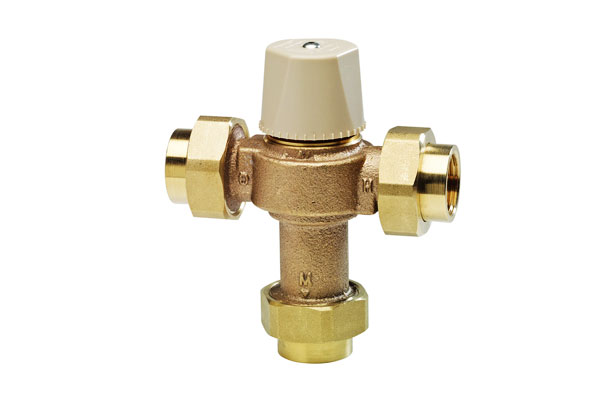
- Marine / Offshore: impellers tal-pompa, komponenti tal-iskrun, sea valves (bronż tal-aluminju).
- Qawwa & enerġija: siġilli tat-turbini, bearings, partijiet tal-valv (phosphor and aluminum bronzes).
- Petrokimiċi / kimika: wetted components, heat-exchanger fittings (silicon and special bronzes).
- Makkinarju industrijali: boxxli, jilbsu pjanċi, heavy-duty sleeves (bearing bronzes and aluminum bronzes).
- Heritage / arkitettura: decorative castings and statuary (silicon and phosphor bronzes).
- Karozzi / motorsport: small precision components in vintage or specialist applications (phosphor or silicon bronzes).
9. Konklużjonijiet
Common cast bronż gradi, including tin bronze, bronż tal-aluminju, bronż tas-silikon, bronż taċ-ċomb, and nickel bronze, are versatile materials with unique properties tailored to diverse casting applications.
Each grade has distinct chemical composition, karatteristiċi metallurġiċi, casting performance, and corrosion behavior, making them suitable for specific service environments—from general industrial machinery to harsh marine and chemical applications.
The key to successful bronze casting lies in selecting the right grade based on application requirements, optimizing casting processes to minimize defects, and implementing appropriate heat treatment and surface protection measures to extend service life.
While bronze has higher upfront costs than cast iron and cast aluminum, its long service life, excellent performance, and high recyclability make it a cost-effective and sustainable choice in the long run.
FAQs
What is the strongest cast bronze for heavy load and wear?
High-aluminum bronzes (typified by UNS C95400 familja) combine high tensile strength (typical cast ranges ~400–800 MPa) u ebusija (~120–250 HB) with excellent erosion and cavitation resistance,
making them the preferred choice for heavy-duty pump impellers and seawater service.
Which bronze grade is best for plain bearings?
Leaded bearing bronzes (E.g., UNS C93200 familja) or specific phosphor bronze bearing alloys are optimized for embedability, conformability and lubricant retention.
They offer good machinability and acceptable strength for journal bearings in lubricated systems.
Do bronze castings normally need heat treatment?
Many bronze castings are adequate in the as-cast condition after stress relief.
Madankollu, targeted heat treatments (ittemprar li jnaqqas l-istress, homogenisation, or for some aluminum bronzes solution + ageing) are used when improved ductility, homogenised chemistry or higher strength is required.
Follow alloy-specific guidance.
How do I reduce porosity and shrinkage in bronze castings?
Use clean melt practice (Fluxing, Degassing, filtrazzjoni taċ-ċeramika), design gating and risering for directional solidification, control pouring superheat,
consider centrifugal casting for tubular parts, and include appropriate chills or insulation to control solidification paths.
Are aluminum bronzes better in seawater than phosphor bronzes?
Yes — aluminum bronzes develop a stable alumina surface film and are generally more resistant to seawater corrosion, cavitation and erosion than tin/phosphor bronzes, so they are preferred for marine hardware and pump components.
Can cast bronzes be welded and repaired?
Many can, but practices differ by family. Aluminum bronzes usually require correct filler metals, preheat and post-weld heat treatment to avoid cracking and preserve corrosion resistance.
Phosphor and silicon bronzes weld more readily. Always use qualified welding procedures and trial repairs.
Are bronze castings recyclable?
IVA. Ligi b'bażi tar-ram (including bronzes) are highly recyclable; scrap returns significant alloying value and recycling is common in responsible foundry supply chains.
Track recycled content and tramp elements if composition control is critical.