

1. Introduzzjoni
Ligi tal-bronż tal-aluminju—materjali bbażati fuq ir-ram li fihom 5–12 wt.% aluminju—traċċaw l-oriġini tagħhom għall-inġinerija navali tal-bidu tas-seklu 20.
Il-metallurgisti l-ewwel għarfu li ż-żieda tal-aluminju mar-ram tejbet b'mod drammatiku s-saħħa u r-reżistenza għall-korrużjoni, speċjalment fl-ilma baħar.
Illum, ikkastjar tal-bronż tal-aluminju jippermetti l-produzzjoni ta 'kumpless, komponenti ta' prestazzjoni għolja li jkunu impossibbli jew jiswew ħafna flus għall-magni minn stokk tal-bar maħdum.
F'dan l-artikolu, nesploraw il-kimika tal-liga, metodi tal-ikkastjar, mikrostruttura, proprjetajiet, u applikazzjonijiet fid-dinja reali.
Sa l-aħħar, int ser tifhem għaliex il-bronż tal-aluminju jibqa 'l-materjal tal-għażla għall-baħar eżiġenti, industrijali, u anke ambjenti aerospazjali.
2. Kompożizzjoni tal-liga & Metallurġija
Il-bronżijiet tal-aluminju jiksbu l-proprjetajiet eċċezzjonali tagħhom minn taħlita bbilanċjata bir-reqqa ta 'ram u elementi strateġiċi ta' liga.
Fil-prattika, il-biċċa l-kbira tal-gradi kummerċjali jaqgħu fi tliet kimiċi primarji:
| Element | Cu–Al (E.g., C62100) | Cu–Al–Ni (E.g., C63000) | Cu–Al–Fe (E.g., C95400) | Funzjoni primarja |
|---|---|---|---|---|
| Cu | Bilanċ | Bilanċ | Bilanċ | Jipprovdi matriċi duttili u konduttività termali/elettrika għolja |
| Al | 9–11% wt. | 9–11% wt. | 9–11% wt. | Ebusija b'soluzzjoni solida; jifforma κ-intermetalliċi għas-saħħa & ilbies |
| Fi | - | ~5wt.% | - | Irfina l-istruttura tal-qamħ; isaħħaħ it-toughness u l-istabbiltà f'temperatura għolja |
| Fe | - | ~2–4% wt. | 4–6wt.% | Ittejjeb il-kavitazzjoni & Reżistenza għall-erożjoni; jikkontribwixxi għall-formazzjoni intermetallika |
Aluminju innifsu (5–12% wt.) jinħall fil-kannizzata tar-ram, toħloq matriċi α‑Cu b'qawwiet ta' rendiment sa 400 MPa—50 % ogħla mir-ram pur.
Sussegwentement, fażijiet intermetalliċi κ (Sur I, Is-Sur II, Is-Sur III) nukleati hekk kif il-liga tkessaħ taħt ~ 930 °C.
Dawn iebsa, komposti kumplessi jżidu r-reżistenza għall-ilbies iżda jeħtieġu kontroll strett tar-rata tat-tkessiħ: tkessiħ hawn fuq 100 °C/min iżomm κ preċipitati taħt 1 µm,
timmassimizza l-ebusija (Enerġija Charpy ~ 35 J), billi tkessiħ aktar bil-mod jagħti pjanċi oħxon li jistgħu jiffrankaw il-liga.
3. Proċessi ta' Casting
Il-versatilità tal-bronż ta 'l-aluminju tirriżulta fil-biċċa l-kbira mill-kompatibilità tiegħu ma' metodi ta 'ikkastjar multipli.
Kull proċess jagħti vantaġġi distinti f'termini ta 'tolleranzi, finitura tal-wiċċ, kontroll tal-porożità, u daqsijiet ekonomiċi tal-lott.
Hawn taħt, aħna nanalizzaw il-ħames tekniki l-aktar komuni u nenfasizzaw l-aħjar prattiki għat-tidwib, tferrigħ, u disinn tal-moffa.
Ikkastjar ta 'investiment (Xama 'mitlufa)
- Ħarsa ġenerali: Il-forom jiffurmaw billi jiksi mudell tax-xama 'sagrifiċjali b'demel likwidu taċ-ċeramika. Wara dewaxing, il-qoxra taċ-ċeramika li tirriżulta taqbad dettalji kkomplikati sa 0.5 µm Ra.

- Tolleranzi & Spiċċa: Preċiżjoni dimensjonali ta '± 0.2 mm u finitura tal-wiċċ superjuri (0.5-1.0 µm Ra).
- Daqs tal-lott & Spiża: Ideali għal ġirjiet ta' volum żgħir sa medju (10–1,000 biċċa). L-ispiża għal kull parti tvarja minn $100–$500, jiddependi fuq il-kumplessità.
- Konsiderazzjonijiet Ewlenin:
-
- Ikkontrolla l-ħxuna tal-qoxra biex tibbilanċja s-saħħa (tevita falliment tal-qoxra) b'reżistenza għal xokk termali.
- Ottimizza l-iskedi dewax u burn-out biex tevita l-qsim tal-qoxra.
Ikkastjar tar-ramel
- Ħarsa ġenerali: Forom tar-ramel—tipikament tas-silika magħquda bir-reżina—joffru spiża baxxa għall-għodda u jakkomodaw partijiet sa diversi tunnellati.
- Tolleranzi & Spiċċa: Tikseb ± 1.0 preċiżjoni mm u 3–6 µm Ra wara tindif standard.
- Daqs tal-lott & Spiża: L-aħjar għall-kbar, komponenti ta’ volum baxx (> 50 kg) bi spejjeż għal kull parti baxxi daqs $50.
- Konsiderazzjonijiet Ewlenin:
-
- Uża kontenut ta 'umdità kkontrollata (3–5 %) fir-ramel aħdar biex timminimizza l-porożità tal-gass.
- Uża moffa u ventijiet tal-qalba jew varjanti tal-ikkastjar fil-vakwu biex tnaqqas il-gassijiet maqbuda.
Tidwib ċentrifugali
- Ħarsa ġenerali: Forom li jduru jiġġeneraw forza ċentrifugali, sewqan tal-metall f'sezzjonijiet irqaq u tagħsir l-inklużjonijiet.
- Tolleranzi & Spiċċa: Partijiet ċilindriċi jilħqu ± 0.5 mm tolleranza; finituri tal-wiċċ madwar 1.5 µm Ra.
- Applikazzjonijiet tipiċi: Bearings, boxxli, u kmiem li jitolbu mikrostrutturi virtwalment ħielsa mill-pori.
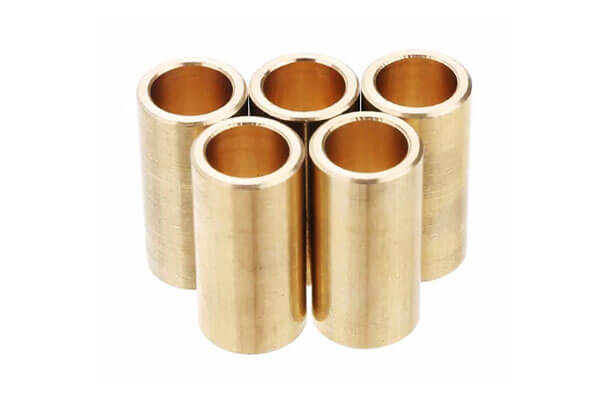
- Konsiderazzjonijiet Ewlenin:
-
- Aġġusta l-veloċitajiet rotazzjonali (200–1,500 rpm) biex tikkontrolla l-ħxuna tal-ħajt u r-rati tal-għalf.
- Saħħan minn qabel il-forom għal 250–350 °C biex tnaqqas ix-xokk termali u l-qsim.
Tidwib bil-vakwu
- Ħarsa ġenerali: Tpinġija ta 'liga mdewba f'forom taħt vakwu telimina gassijiet maħlula u timminimizza l-porożità li tinxtorob.
- Tolleranzi & Spiċċa: Komparabbli mal-ikkastjar tar-ramel (± 1 mm) iżda b'saħħa interna mtejba notevolment.
- Daqs tal-lott & Spiża: Adattat għal komponenti kritiċi ta' volum żgħir sa medju; l-ispejjeż tal-għodda jaqbżu l-forom tar-ramel standard b'~30 %.
- Konsiderazzjonijiet Ewlenin:
-
- Żomm il-livelli tal-vakwu taħt 10⁻² Torr waqt it-tferrigħ.
- Fluss u tneħħija tal-gass b'mod metikoluż—l-affinità tal-bronż tal-aluminju għall-ossiġnu tista' inkella tiġġenera dħul tal-ossidu.
Moffa tal-metall (Imut) Ikkastjar
- Ħarsa ġenerali: Forom permanenti tal-azzar jew tal-ħadid jippermettu ċikliżmu rapidu u ripetibbiltà eċċellenti għal partijiet ta 'volum medju sa għoli.
- Tolleranzi & Spiċċa: Tikseb ± 0.3 preċiżjoni dimensjonali ta' mm u 1–2 µm Ra fuq uċuħ tal-ewwel shot.
- Daqs tal-lott & Spiża: Ekonomiku fuq volumi ta ' 5,000 biċċiet; die spejjeż ivarjaw minn $20,000 to $100,000.
- Konsiderazzjonijiet Ewlenin:
-
- Ikkontrolla t-temperaturi tal-moffa (350–450 °C) biex tibbilanċja l-fluwidità mal-ħin tas-solidifikazzjoni.
- Implimenta shot-blasting u shot-peening awtomatiku biex tneħħi r-residwi tar-rilaxx tad-die u ttejjeb il-ħajja tal-għeja.
Tidwib & Tferra l-Aħjar Prattiki
Fil-metodi kollha, konsistenti kontroll tat-temperatura u kwalità tad-dewweb jipprova kruċjali:
- Firxa tat-tidwib: Żomm bronż aluminju bejn 1,100 ° C u 1,200 ° C. biex jiġi żgurat ix-xoljiment sħiħ tal-elementi tal-liga.
- De-ossidazzjoni & Fluxing: Żid flussi proprjetarji (E.g., ibbażat fuq il-borax) f'temperatura tat-tidwib biex jitneħħew ossidi u sulfidi.
- Degassing: Sparge b'gassijiet inerti (argon jew nitroġenu) għal 3–5 minuti biex titnaqqas il-porożità tal-idroġenu.
- Temperatura tat-tferrigħ: Ferra fi ħdan tieqa dejqa ta 1,100 ± 10 ° C. biex tevita xokk termali fil-forom u tnaqqas il-formazzjoni ta 'ħmieġ.
4. Mikrostruttura & Trattament tas-sħana
As-cast aluminju bronż juri an matriċi α-Cu bżar bil-multa Mr (kappa) fażijiet intermetalliċi tul il-konfini tal-qamħ.
Jekk il-moffa tkessaħ malajr (> 100 °C/min), ħbub jibqgħu żgħar (< 100 µm) u κ preċipitati jibqgħu nanoskala; dan jagħti l-ogħla saħħa (~650 MPa UTS) u toughness (~35 J Charpy).
Bil-maqlub, tkessiħ aktar bil-mod jinkoraġġixxi pjanċi κ oħxon li jagħtu spinta lill-ebusija iżda jnaqqsu r-reżistenza għall-impatt.

Funderiji u utenti finali japplikaw trattamenti tas-sħana biex jirfinaw il-proprjetajiet:
- Omoġenizzazzjoni (700 ° C., 4 h): Telimina s-segregazzjoni kimika, stabbilizzanti tad-distribuzzjoni κ.
- Ttremprar (500 ° C., 2 h): Ittaffi l-matriċi (sa ~ 200 HB) għal makkinar aktar faċli.
- Età Ebusija (350 ° C., 8 h): Jippermetti tkabbir ikkontrollat tal-preċipitati κ′, tiżdied l-ebusija sa ~ 300 HB mingħajr ma tiġi sagrifikata d-duttilità.
5. Propjetajiet mekkaniċi
L-ikkastjar tal-bronż tal-aluminju jegħleb ħafna ligi kemm fis-saħħa kif ukoll fir-reżistenza għall-ilbies:
| Proprjetà | C63000 (As-Cast) | C95400 (Imwebbes fl-età) |
|---|---|---|
| Qawwa tat-tensjoni (Uts) | 550–650MPa | 600–700MPa |
| Saħħa tar-rendiment (0.2% offset) | 350–450MPa | 400–500MPa |
| It-titwil fil-waqfa | 15–25% | 10–18% |
| Ebusija (Brinell, HB) | 180–240 | 220–300 |
| Limitu ta' Reżistenza għall-Għeja | ~ 280MPa (10⁷ Ċikli) | ~ 320MPa (10⁷ Ċikli) |
| Impatt Charpy Tebbieq (V-Notch) | ≥30J | ~20J |
Barra minn hekk, bronż aluminju jgħaqqad Reżistenza għall-ilbies—permezz ta’ fażijiet κ reżistenti għall-brix—bil toughness għolja, liema komposti tal-matriċi tal-metall u azzar li ma jissaddadx jitħabtu biex jaqblu fl-istess ħin.
6. Korrużjoni & Reżistenza għall-Erożjoni
Fl-ilma baħar fi 25 ° C., bronż tal-aluminju juri rata ta 'korrużjoni hawn taħt 0.01 mm / sena, rivaling dik ta 316 L-azzar li ma jissaddadx.
Tagħha żidiet tal-ħadid u tan-nikil trawwem films tal-ossidu stabbli li jirripellaw il-kloruri u s-sulfidi.
Barra minn hekk, il-fażijiet κ iebsa jirreżistu erożjoni tal-kavitazzjoni: testijiet fuq impellers tal-pompa juru telf ta 'massa taħt 0.5 mg/(ċm²·h) anke wara 100 h ta 'fluss cavitating.
Fl-aċidu (pH 3) ambjenti, il-bronż tal-aluminju jissaddad b'~0.05 mm/sena—ħafna inqas minn azzar tal-karbonju tipiku.
Dawn il-ligi jirreżistu wkoll l-erożjoni tad-demel likwidu grazzi għall-ebusija għolja tagħhom u l-kapaċità tat-twebbis tax-xogħol, tagħmilhom ideali għal l-immaniġġjar tas-solidi applikazzjonijiet fil-minjieri u t-tħammil.
7. Vantaġġi u Żvantaġġi tal-Ikkastjar tal-Bronż tal-Aluminju
Vantaġġi
Qawwa Għolja u Ebusija
- L-ikkastjar tal-bronż tal-aluminju juri proprjetajiet mekkaniċi eċċezzjonali, ma ' saħħiet tat-tensjoni li jvarjaw minn 450–700 MPa
(E.g., ZCuAl10Fe3 jikseb 540 MPa permezz tal-ikkastjar ċentrifugali) u valuri ta 'ebusija ta' 120-240 HB, skond il-kompożizzjoni tal-liga u t-trattament bis-sħana.
Reżistenza għall-Korrużjoni Eċċellenti
- Ligi simili C63000 (9–11% Al) u QAl9-4 juri reżistenza superjuri għall-ilma baħar, salmura, u ambjenti aċidużi.
Pereżempju, ZCuAl9Mn2 iżżomm rata ta’ korrużjoni ta’ 0.1–0.3 mm/sena fl-ilma baħar minħabba l-formazzjoni ta’ saff stabbli ta’ ossidu Al₂O₃.
Ilbes Superjuri u Reżistenza għall-Kavitazzjoni
- Il-preżenza ta 'fażijiet intermetalliċi iebsa (E.g., CuAl₂) u elementi tal-liga bħal Mn u Fe jsaħħu r-reżistenza għall-ilbies.
CuAl8Fe3 u ZCuAl10Fe3 jintużaw ħafna f'komponenti ta 'xedd għoli bħal impellers tal-pompa u gerijiet tad-dudu.
Barra minn hekk, CuAl11Ni5Fe4 wirjiet 50% erożjoni ta 'cavitation aktar baxxa minn azzar li ma jissaddadx 316L f'ġettijiet ta' l-ilma b'veloċità għolja.
Stabbiltà Termali
- Żomm proprjetajiet mekkaniċi at temperaturi moderati għal għoljin (sa 400–500°C), jaqbeż ħafna bronzes konvenzjonali.
Mhux Sparking u Mhux Manjetiku
- Adattat għal ambjenti splussivi bħal pjattaformi tat-tħaffir offshore u faċilitajiet għall-immaniġġjar tal-qamħ.
Żvantaġġi
Spejjeż Għoli ta 'Materjal u Produzzjoni
- Bronż aluminju huwa 2–4× aktar għali għal kull kg mill-azzar tal-karbonju minħabba l-ispiża ta 'elementi ta' liga bħal Al, Fi, u Fe.
Sfida Makkinar u Iwweldjar
- Ebusija għolja (E.g., ZCuAl9Fe4Ni4Mn2 fi 180 HB wara t-tixjiħ) u konduttività termali fqira taċċellera l-ilbies tal-għodda.
Iwweldjar huwa partikolarment diffiċli minħabba ossidazzjoni tal-aluminju, li jifforma saff ta’ Al₂O₃ tenaċi.
Tekniki speċjalizzati bħal T247 vireg tal-weldjatura tal-bronż tal-aluminju ta 'manganiż għoli u tisħin minn qabel huma meħtieġa biex jiġu evitati difetti bħall-porożità u l-qsim.
Limitazzjonijiet Termali
- Filwaqt li huwa adattat għal temperaturi ambjentali għal moderati (sa 250°C għal ZCuAl10Fe3), espożizzjoni fit-tul hawn fuq 400° C. twassal għal skalar ta 'ossidu u degradazzjoni tas-saħħa.
Dan jillimita l-użu tiegħu f'ambjenti ta 'temperatura għolja meta mqabbel ma' ligi bbażati fuq in-nikil.
Sensittività tal-ipproċessar
- Ikkastjar difetti simili porożità li tinxtorob u segregazzjoni tal-aluminju jeħtieġu kontroll strett tal-proċess. Pereżempju, ZCuAl9Mn2 talbiet 1150Temperaturi tat-tferrigħ –1250°C u tisħin minn qabel tal-moffa ottimizzat biex jimminimizza d-difetti.
Piż:
- Densità (~ 8.4 g/ċm³) jaqbeż il-ligi tal-aluminju, jillimitaw l-użu fejn jiddomina ħfief.
8. Applikazzjonijiet ta 'kkastjar tal-bronż tal-aluminju
L-ikkastjar tal-bronż tal-aluminju jservi rwol ċentrali kull fejn il-komponenti għandhom isofru ambjenti estremi, tagħbijiet għoljin, u midja aggressiva. B'mod partikolari:
Ħardwer tal-Baħar
- Skrejjen u Ħażniet tat-Tmun: Ir-reżistenza eċċezzjonali tal-bronż tal-aluminju għall-korrużjoni u l-kavitazzjoni tal-ilma baħar
jagħmilha l-materjal tal-għażla għall-iskrejjen tal-vapuri u l-ħażniet tat-tmun, fejn il-ħajja tas-servizz spiss jaqbżu 10 snin b'manutenzjoni minima. - Kmiem tax-xaft u Berings: F'boxxli lubrikati bl-ilma baħar u berings tat-tubu tal-poppa,
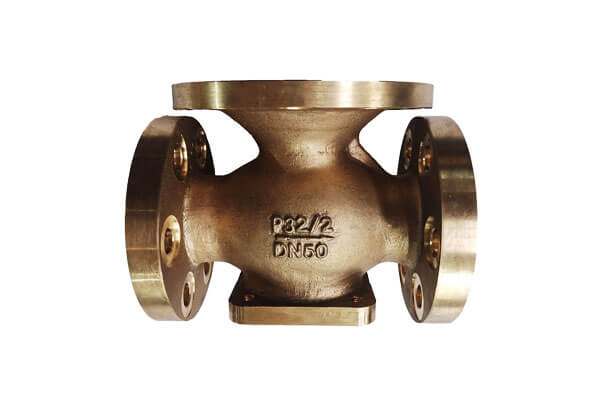
il-koeffiċjent ta 'frizzjoni baxx tal-bronż tal-aluminju u l-proprjetajiet li jillubrikaw waħedhom inaqqsu r-rati ta' xedd sa 50 % meta mqabbla ma 'ligi tradizzjonali tar-ram. - Korpi tal-Valvi u Djar tal-Pompi: Pjattaformi offshore jiddependu fuq valvi tal-bronż tal-aluminju u korpi tal-pompa biex jifilħu l-kloruri u s-sulfidi mingħajr ħofor jew qsim tal-korrużjoni mill-istress.
Makkinarju Industrijali
- Pompa Impellers u Wear Rings: F'pompi tal-immaniġġjar tal-kimika u tad-demel likwidu,
impellers fondut fil-grad C95400 iwasslu kemm qawwa għolja (600–700 MPa UTS) u reżistenza għall-erożjoni pendenti, li jestendu l-intervalli tar-reviżjoni billi 30 %. - Worm Gears u Gearboxes: Irkaptu tal-bronż tal-aluminju mwebbes bl-età juru ebusija tal-wiċċ sa 300 HB u jittolleraw tagħbijiet kbar ta 'xokk,
jagħmluhom prevalenti fit-tagħmir tal-minjieri u l-ipproċessar tas-siment. - Ilbes Pjanċi u Thrust Washers: Applikazzjonijiet li jeħtieġu kuntatt ripetittiv li jiżżerżaq, bħal ċilindri idrawliċi u rombli tal-conveyor, tibbenefika mill-kombinazzjoni ta 'ebusija u toughness tal-bronż tal-aluminju.
Emerġenti & Użi Speċjalizzati
- Kuxxinetti Aerospazjali: Berings avvanzati C63000, ħafna drabi magħquda ma' inforri tal-polimeru jew strutturi tax-xehda manifatturati bl-addittivi, xaftijiet tat-turbini appoġġ f'temperaturi sa 400 ° C..
- Ibridi ta' Casting ta' Addittivi: Integrazzjoni ta' qlub stampati 3D u kanali ta' tkessiħ konformi f'ikkastjar tal-bronż tal-aluminju
jippermetti prototipi mgħaġġla ta' manifolds ta' valv kumplessi u komponenti ta' skambju tas-sħana, tnaqqis tal-ħin taċ-ċomb minn 40 %.
9. Gradi Komuni tal-Bronż tal-Aluminju
Il-bronż tal-aluminju jinkludi familja ta’ ligi bbażati fuq ir-ram li fihom l-aluminju huwa l-element prinċipali tal-liga.
Hawn taħt huma wħud mill-gradi l-aktar użati, il-kimiċi nominali tagħhom, proprjetajiet li jiddistingwu, u applikazzjonijiet tipiċi:
| Grad (Us) | Kompożizzjoni Nominali (wt%) | Propjetajiet ewlenin | Applikazzjonijiet tipiċi |
|---|---|---|---|
| C63000 | C-10A-5NA-5E-5 | Għaqda eċċellenti ta 'saħħa, ebusija, u l-ilbies tar-reżistenza; reżistenza tajba għall-korrużjoni u l-kavitazzjoni. | Impellers tal-pompa, valvi, bearings, ħardwer tal-baħar |
| C95400 | Cu–10Al–5Fe | Saħħa u ebusija għolja (permezz tat-twebbis tal-età); prestazzjoni tajba f'temperatura għolja. | Irkaptu tad-dudu, berings ta' tagħbija għolja, komponenti tal-magni tal-fwar |
| C61400 | Cu-11AL-4th-4n | Reżistenza għall-korrużjoni superjuri fl-ilma baħar; saħħa tajba tal-għeja. | Skrejjen tal-vapuri, kmiem tax-xaft, konnetturi taħt il-baħar |
| C62100 | Cu-11AL-2NI-2fe | Saħħa bilanċjata u duttilità; reżistenza tajba għall-erożjoni u l-kavitazzjoni. | Komponenti tal-pompa idrawlika, jilbsu ċrieki, woxers tal-ispinta |
| C63200 | Cu-9al-2NI-2Għal | Duttilità ogħla fost il-bronż tal-aluminju; aktar faċli għall-magna. | Korpi tal-valvi, fittings, kkastjar ġenerali tal-baħar |
| C95410 | Cu–10Al–5Fe–0.1C | Simili għal C95400 iżda b'karbonju miżjud għall-ebusija; prestazzjoni mtejba tal-bearing. | Boxxli tal-bearings, jilbsu pads, elementi li jiżżerżqu |
10. Konklużjoni
L-ikkastjar tal-bronż tal-aluminju jagħti taħlita eċċezzjonali ta 'saħħa, ebusija, u reżistenza għall-korrużjoni/erożjoni li ftit ligi oħra jistgħu jaqblu.
Billi tagħżel il-kimika t-tajba, metodu tal-ikkastjar, u l-iskeda tat-trattament tas-sħana, l-inġiniera jiksbu ġeometriji kumplessi b'post-makkinar minimu.
Inħarsu 'l quddiem, avvanzi fil-vakwu u l-ikkastjar addittiv iwiegħdu kwalità saħansitra aħjar, porożità mnaqqsa, u tibdil aktar mgħaġġel, li jiġi żgurat li l-bronż tal-aluminju jibqa 'pedament ta' komponenti fonduti ta 'prestazzjoni għolja.
Dan hija l-għażla perfetta għall-bżonnijiet tal-manifattura tiegħek jekk għandek bżonn ta 'kwalità għolja bronż tal-aluminju ikkastjar.
FAQs
X'inhu l-bronż tal-aluminju?
Il-bronż tal-aluminju jirreferi għal grupp ta 'ligi bbażati fuq ir-ram li fihom l-aluminju bħala l-element primarju tal-liga, tipikament li jvarjaw minn 5% to 12%.
Jista 'jinkludi wkoll elementi bħall-ħadid, Nickel, u manganiż biex itejbu proprjetajiet speċifiċi bħall-qawwa, Reżistenza għall-korrużjoni, u l-ilbies tar-reżistenza.
Għaliex tagħżel bronż tal-aluminju fuq liegi oħra tal-bronż?
Il-bronż tal-aluminju joffri reżistenza superjuri għall-korrużjoni—speċjalment fl-ilma baħar—flimkien ma’ saħħa mekkanika eċċellenti, Reżistenza għall-ilbies, u l-prestazzjoni tal-għeja.
Dawn il-proprjetajiet jagħmluha ideali għall-baħar, aerospazjali, Ipproċessar kimiku, u applikazzjonijiet industrijali tqal.
Kif reżistenti għall-korrużjoni huwa l-ikkastjar tal-bronż tal-aluminju?
Il-bronż tal-aluminju juri reżistenza eċċezzjonali għall-korrużjoni fl-ilma baħar, sprej tal-melħ, atmosferi industrijali, u ħafna aċidi.
Il-formazzjoni ta 'saff ta' ossidu tal-aluminju stabbli (Al₂o₃) jipproteġi l-wiċċ minn aktar degradazzjoni.
Huwa bronż ta 'l-aluminju faċli għall-magni?
Il-bronż tal-aluminju huwa magni, speċjalment fil-kondizzjoni kif mitfugħa jew ittemprat.
Madankollu, gradi mwebbsa (bħal dawk bin-nikil u l-ħadid) jista 'jkun joborxu u jeħtieġu għodod tal-karbur u parametri xierqa tal-magni biex jiġi evitat li jintlibsu l-għodda.
Huwa bronż tal-aluminju adattat għall-iwweldjar?
Il-bronż tal-aluminju jista 'jiġi wweldjat, iżda teħtieġ proċeduri speċjali. Metodi tal-iwweldjar bl-ark protett bil-gass (bħal GTAW jew MIG) b'metalli tal-mili xierqa huma komunement użati.
It-tisħin minn qabel u t-trattament tas-sħana ta 'wara l-iwweldjar jista' jkun meħtieġ biex jipprevjeni l-qsim u jinżammu l-proprjetajiet mekkaniċi.

