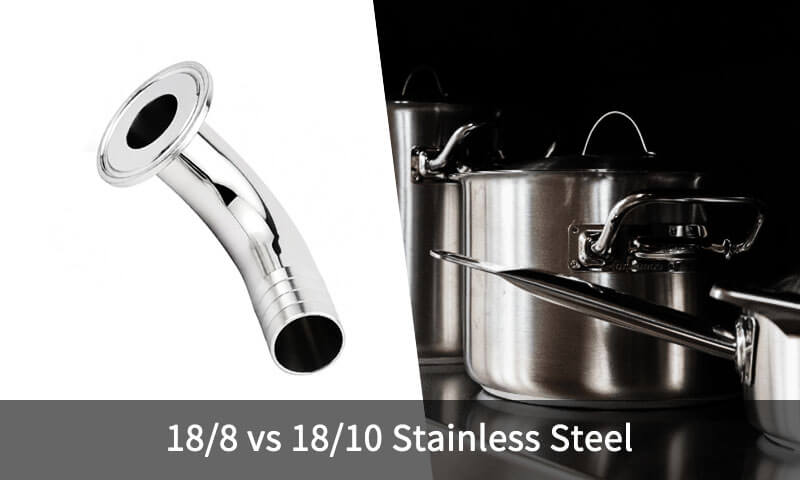
Imxi fi kwalunkwe maħżen tal-kċina, u se tara tikketti li jipproklamaw "18/8 Stainless Steel" jew "18/10 Stainless Steel" fuq qsari, twaġen, pożati, u partikolari oġġetti.
Dawn in-numri huma aktar minn lingwaġġ tal-kummerċjalizzazzjoni—jirrappreżentaw il-kompożizzjoni kimika tal-istainless steel u jinfluwenzaw direttament il-prestazzjoni, Durabilità, u reżistenza għall-korrużjoni tal-prodott lest.
Dan l-artikolu jipprovdi komprensiva, paragun rigoruż ta 18/8 u 18/10 Azzar li ma jissaddadx.
Se nesploraw id-definizzjonijiet tagħhom, kompożizzjonijiet kimiċi, karatteristiċi tal-prestazzjoni, applikazzjonijiet, implikazzjonijiet tal-ispejjeż, u kif tagħżel bejniethom.
1. X'inhu 18/8 Azzar li ma jissaddadx?
18-8 Azzar li ma jissaddadx hija liga tal-istainless steel awstenitika li fiha bejn wieħed u ieħor 18% kromju u 8% nikil bil-piż.
L-isem "18/8" jirrappreżenta l-kompożizzjoni approssimattiva tal-liga aktar milli deskrizzjoni ta 'materjal internazzjonali uffiċjali.
Fil-biċċa l-kbira tal-każijiet, 18/8 l-istainless steel jikkorrispondi mill-qrib għal 304 Azzar li ma jissaddadx, wieħed mill-gradi tal-istainless steel l-aktar użati madwar id-dinja.
L-istruttura bażika ta ' 18/8 l-istainless steel jikkonsisti primarjament minn ħadid, bil-kromju u n-nikil bħala l-elementi ewlenin tal-liga.
Il-kromju jipprovdi reżistenza għall-korrużjoni billi jifforma rqiqa, saff passiv ta 'ossidu tal-kromju stabbli fuq il-wiċċ, filwaqt li n-nikil jistabbilizza l-mikrostruttura awstenitika u jtejjeb it-toughness, duttilità, u reżistenza għal attakk kimiku.
Il-kombinazzjoni ta 'madwar 18% kromju u 8% in-nikil joħloq materjal ibbilanċjat b'rendiment ġenerali eċċellenti, jagħmilha adattata għal applikazzjonijiet għal skopijiet ġenerali fejn ir-reżistenza għall-korrużjoni, saħħa, u l-affordabbiltà huma ugwalment importanti.
Identifikaturi ewlenin:
- Grad AISI: 304
- Us: S30400
- Fi: 1.4301
- Isem komuni: 18/8 Azzar li ma jissaddadx
Karatteristiċi ta ' 18/8 Azzar li ma jissaddadx
- Reżistenza għall-korrużjoni eċċellenti taħt kundizzjonijiet ġenerali
Is-saff passiv b'ħafna kromju jipprovdi protezzjoni affidabbli kontra l-korrużjoni atmosferika, umdità, aċidi tal-ikel, u ħafna kimiċi tad-dar. - Mikrostruttura awstenitika b'ebusija għolja
Il-wiċċ stabbli ċċentrata kubi (FCC) l-istruttura tippermetti 18/8 azzar li ma jissaddadx biex tinżamm reżistenza tajba għall-impatt u duttilità anke f'temperaturi baxxi. - Formabilità eċċellenti u weldjabbiltà
18/8 l-istainless steel jista 'jiġi pproċessat faċilment permezz tal-ittimbrar, liwi, Tpinġija fil-fond, iwweldjar, u makkinar, jagħmilha adattata għall-manifattura ta 'komponenti kumplessi. - Wiċċ mhux poruż u iġjeniku
Il-wiċċ metalliku dens jipprevjeni akkumulazzjoni batterjali u jippermetti tindif faċli, jagħmilha ideali għal applikazzjonijiet ta 'kuntatt mal-ikel u sanitarji. - Bilanċ tajjeb bejn is-saħħa u l-ispiża
Jipprovdi proprjetajiet ta 'l-istainless steel ta' prestazzjoni għolja filwaqt li jżomm prezz relattivament ekonomiku meta mqabbel ma 'gradi ogħla ta' liga. - Reżistenza tajba għall-ossidazzjoni f'temperaturi elevati
Jista 'jiflaħ temperaturi moderatament għoljin filwaqt li jżomm l-istabbiltà strutturali, għalkemm ligi speċjalizzati ta 'temperatura għolja huma meħtieġa għal kundizzjonijiet estremi.
Limitazzjonijiet ta' 18/8 Azzar li ma jissaddadx
- Reżistenza aktar baxxa għall-ambjenti tal-klorur meta mqabbla ma ' 316 Azzar li ma jissaddadx
Fl-ilma baħar, atmosferi tal-baħar, u kimiċi li fihom il-klorur, 18/8 l-istainless steel jista 'jesperjenza korrużjoni lokalizzata bħal korrużjoni ta' pitting jew crevice. - Ftit inqas reżistenza għall-korrużjoni milli 18/10 Azzar li ma jissaddadx
Il-kontenut imnaqqas ta 'nikil jipprovdi xi ftit inqas protezzjoni f'ambjenti kimiċi aggressivi. - Jistgħu jeħtieġu manutenzjoni tal-wiċċ f'kundizzjonijiet ħorox
Għalkemm reżistenti għall-korrużjoni, kontaminazzjoni, depożiti tal-melħ, jew espożizzjoni kimika tista 'taffettwa l-apparenza tal-wiċċ maż-żmien. - Mhux adattat għal applikazzjonijiet korrużivi ħafna
Ipproċessar kimiku, tagħmir offshore, u ambjenti farmaċewtiċi li jeħtieġu reżistenza estrema għall-korrużjoni jistgħu jeħtieġu azzar li ma jissaddadx b'liga ogħla bħal 316 jew azzar inossidabbli duplex.
Applikazzjonijiet ta ' 18/8 Azzar li ma jissaddadx
18/8 l-istainless steel huwa adottat b'mod wiesa 'għaliex jipprovdi prestazzjoni affidabbli bi spiża raġonevoli.
Applikazzjonijiet tipiċi jinkludu:
- Prodotti tal-kċina u tad-dar
Cookware, sinkijiet, utensili, kontenituri tal-ikel, appliances, u tagħmir għall-ħażna. - Tagħmir għall-ikel u x-xorb
Magni tal-ipproċessar, Tankijiet, sistemi ta' pajpijiet, u komponenti sanitarji. - Komponenti industrijali
Gwarniċi tal-magni, Qafliet, parentesi, Skambjaturi tas-sħana, valvi, u tagħmir għal skopijiet ġenerali. - Applikazzjonijiet arkitettoniċi
Poġġamani, strutturi dekorattivi, komponenti ta' ġewwa, u hardware tal-bini. - Komponenti tal-karozzi u tat-trasport
Komponenti tal-egżost, tirqim, parentesi, u partijiet strutturali li jeħtieġu reżistenza għall-korrużjoni. - Applikazzjonijiet ta 'manifattura u ikkastjar ta' preċiżjoni
Ikkastjar ta 'preċiżjoni ta' l-istainless steel, komponenti fonduti ta 'investiment, u partijiet industrijali kumplessi.
2. X'inhu 18/10 Azzar li ma jissaddadx?
18-10 l-istainless steel huwa liga ta 'l-istainless steel awstenitiku li fih madwar 18% kromju u 10% Nickel.
Meta mqabbel ma ' 18/8 Azzar li ma jissaddadx, id-differenza ewlenija hija l-kontenut ogħla ta 'nikil.
Bħal 18/8 Azzar li ma jissaddadx, 18/10 l-istainless steel huwa relatat mill-qrib mal- 304 familja tal-istainless steel.
In-nikil addizzjonali jtejjeb l-istabbiltà tal-istruttura awstenitika u jsaħħaħ bosta karatteristiċi ta 'prestazzjoni, inkluża r-reżistenza għall-korrużjoni, ebusija, kwalità tal-wiċċ, u durabilità fit-tul.
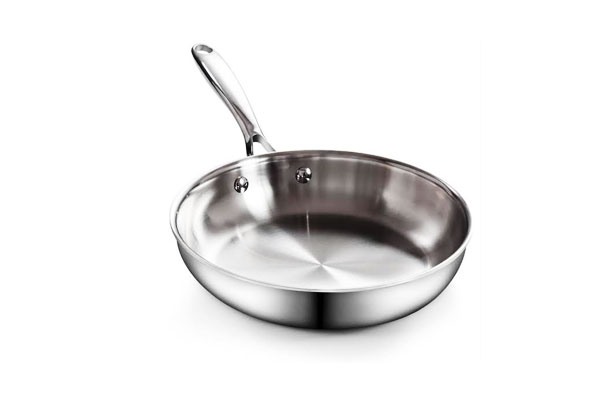
Minħabba d-dehra premium tiegħu u l-karatteristiċi ta 'reżistenza mtejba, 18/10 l-istainless steel huwa użat ta 'spiss f'partikolari ta' kwalità għolja, oġġetti tal-mejda lussużi, tagħmir għall-ipproċessar tal-ikel, u applikazzjonijiet fejn kemm l-estetika kif ukoll il-prestazzjoni huma importanti.
Karatteristiċi ta ' 18/10 Azzar li ma jissaddadx
- Reżistenza għall-korrużjoni mtejba
Il-kontenut ogħla ta 'nikil itejjeb ir-reżistenza għall-ossidazzjoni, tbajja’, u espożizzjoni kimika, speċjalment f'ambjenti umdi jew kemmxejn aggressivi. - Finitura superjuri tal-wiċċ u dehra
18/10 l-istainless steel jipproduċi isbaħ, aktar lixx, u aktar wiċċ li jirrifletti wara l-illustrar, jagħmilha preferuta għal prodotti premium. - Ebusija eċċellenti u stabbiltà strutturali
Il-kontenut miżjud ta 'nikil isaħħaħ il-fażi awstenitika, it-titjib tar-reżistenza għall-impatt u l-istress mekkaniku. - Reżistenza eċċellenti għal ċikli ta 'tindif ripetuti
Iżomm l-integrità tal-wiċċ taħt ħasil frekwenti, sterilizzazzjoni, u espożizzjoni għal deterġenti. - Prestazzjoni ta 'iġjene eċċellenti
Il-dens, wiċċ lixx jimminimizza r-riskji ta 'kontaminazzjoni u jappoġġja rekwiżiti stretti ta' sanità. - Karatteristiċi ta 'fabbrikazzjoni eċċellenti
Bħal 18/8 Azzar li ma jissaddadx, jista 'jiġi wweldjat, iffurmat, ittimbrat, u maħduma b'mod effiċjenti.
Limitazzjonijiet ta' 18/10 Azzar li ma jissaddadx
- Spiża tal-materjal ogħla
Iż-żieda fil-kontenut tan-nikil tgħolli b'mod sinifikanti l-ispejjeż tal-materja prima meta mqabbla ma ' 18/8 Azzar li ma jissaddadx. - It-titjib tal-prestazzjoni jista 'jkun limitat f'ambjenti ordinarji
Għal applikazzjonijiet ġenerali tad-dar u industrijali, id-differenza bejn 18/8 u 18/10 jistgħu ma jiġġustifikawx l-ispiża addizzjonali. - Mhux adattat għal ambjenti estremi tal-klorur
Għalkemm aktar reżistenti għall-korrużjoni minn 18/8, xorta ma tistax tissostitwixxi gradi speċjalizzati bħal 316 azzar li ma jissaddadx f'applikazzjonijiet marittimi jew kimiċi. - Sensittività ogħla għall-varjazzjonijiet fl-ispiża tal-liga
Peress li l-prezzijiet tan-nikil ivarjaw b'mod sinifikanti fis-swieq globali, 18/10 l-ispejjeż tal-istainless steel jistgħu jvarjaw aktar minn alternattivi ta 'nikil aktar baxx.
Applikazzjonijiet ta ' 18/10 Azzar li ma jissaddadx
18/10 l-istainless steel huwa komunement magħżul għal applikazzjonijiet fejn il-prestazzjoni, dehra, u r-rekwiżiti tal-iġjene huma ogħla.
Applikazzjonijiet tipiċi jinkludu:
- Partikolari u oġġetti tal-mejda premium
Qsari high-end, twaġen, pożati, tagħmir li jservi, u prodotti tal-kċina. - Tagħmir għall-ipproċessar tal-ikel
Reċipjenti tal-ħażna, pajpijiet sanitarji, makkinarju għall-ipproċessar, u sistemi tal-kċina kummerċjali. - Tagħmir mediku u farmaċewtiku
Komponenti li jeħtieġu uċuħ nodfa, Reżistenza għall-korrużjoni, u sterilizzazzjoni faċli. - Applikazzjonijiet arkitettoniċi u dekorattivi
Strutturi ta 'ġewwa ta' lussu, pannelli dekorattivi, poġġamani, u finituri premium. - Ikkastjar ta 'preċiżjoni ta' l-istainless steel
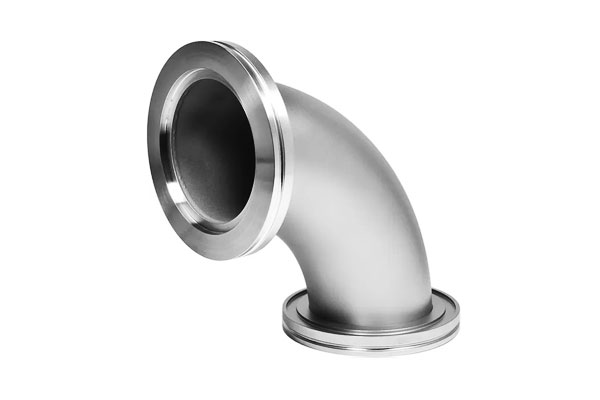
Komponenti tal-pompa, Korpi tal-valv, partijiet tal-istrumenti, u komponenti industrijali kumplessi li jeħtieġu kwalità eċċellenti tal-wiċċ. - Tagħmir tal-laboratorju u cleanroom
Uċuħ tax-xogħol, housings, u frejms tat-tagħmir fejn il-kontroll tal-kontaminazzjoni huwa kritiku.
3. Kompożizzjoni kimika: 18/8 u 18/10 Azzar li ma jissaddadx
Id-differenzi fil-prestazzjoni bejn 18/8 u 18/10 l-istainless steel joriġinaw primarjament mill-kompożizzjoni tal-liga tagħhom, speċjalment id-differenza fil-kontenut tan-nikil.
Iż-żewġ materjali jappartjenu għall- Familja tal-istainless steel awstenitiku, ikkaratterizzat minn kubi iċċentrat wiċċ (FCC) struttura tal-kristall li tipprovdi reżistenza għall-korrużjoni eċċellenti, ebusija, u formabilità.
Għalkemm l-ismijiet "18/8" u "18/10" huma użati ħafna fis-swieq kummerċjali, jirrappreżentaw persentaġġi approssimattivi tal-liga aktar milli klassifikazzjonijiet metallurġiċi formali.
Fil-biċċa l-kbira tal-każijiet, iż-żewġ materjali huma relatati mill-qrib Aisi 304 Azzar li ma jissaddadx, bid-distinzjoni ewlenija tkun l-ammont ta 'nikil miżjud mal-liga.
| Element | 18/8 Azzar li ma jissaddadx | 18/10 Azzar li ma jissaddadx | Rwol funzjonali |
| Kromju (Cr) | Bejn wieħed u ieħor 18% | Bejn wieħed u ieħor 18% | Jifforma film passiv tal-ossidu tal-kromju li jipprovdi reżistenza għall-korrużjoni |
| Nickel (Fi) | Bejn wieħed u ieħor 8% | Bejn wieħed u ieħor 10% | Stabbilizza l-istruttura awstenitika u ttejjeb it-toughness, Reżistenza għall-korrużjoni, u l-kwalità tal-wiċċ |
| Karbonju (Ċ) | Ġeneralment ≤0.08% | Ġeneralment ≤0.08% | Jikkontrolla s-saħħa, ebusija, u weldabilità |
| Ħadid (Fe) | Bilanċ | Bilanċ | Matriċi strutturali primarja |
| Elementi oħra | Ammonti żgħar ta’ Mn, U, P, S | Ammonti żgħar ta’ Mn, U, P, S | Ittejjeb il-prestazzjoni tal-ipproċessar u l-istabbiltà tal-liga |
Ir-rwol tan-nikil: Id-Differenza Ewlenija Bejn 18/8 u 18/10
In-nikil huwa l-fattur primarju li jiddistingwi 18/8 minn 18/10 Azzar li ma jissaddadx.
Għalkemm id-differenza hija biss dwar 2 punti perċentwali, in-nikil għandu influwenza sinifikanti fuq il-proprjetajiet tal-istainless steel.
Il-funzjonijiet ewlenin tan-nikil jinkludu:
- Stabbilizzazzjoni tal-istruttura tal-kristall awstenitika f'temperaturi tal-kamra u baxxi.
- Titjib tad-duttilità u toughness.
- It-titjib tar-reżistenza għall-korrużjoni kimika.
- Titjib tal-luminożità tal-wiċċ u tal-lustrar.
- Żieda fir-reżistenza għall-qsim tal-korrużjoni tal-istress taħt ċerti kundizzjonijiet.
Fi 18/10 Azzar li ma jissaddadx, il-kontenut addizzjonali tan-nikil jipprovdi struttura awstenitika aktar stabbli u jtejjeb kemmxejn ir-reżistenza għat-tbajja, ambjenti aċidużi, u ċikli ta' tindif ripetuti.
Madankollu, id-differenza għandha tinftiehem b'mod korrett.
In-nikil addizzjonali ma jittrasformax 18/10 azzar li ma jissaddadx f'kategorija ta 'materjal kompletament differenti. Minflok, jipprovdi titjib inkrementali li jsir siewi f'applikazzjonijiet premium fejn id-dehra u d-durabilità fit-tul huma importanti.
4. Tqabbil tal-Prestazzjoni: 18/8 vs 18/10 Azzar li ma jissaddadx
Għalkemm 18/8 u 18/10 l-istainless steel jaqsmu ħafna xebh, id-differenza fil-kontenut tan-nikil toħloq differenzi li jistgħu jitkejlu f'ċerti oqsma ta 'prestazzjoni.
Reżistenza għall-korrużjoni
Ir-reżistenza għall-korrużjoni hija waħda mill-aktar fatturi importanti meta tagħżel l-istainless steel.
It-tnejn 18/8 u 18/10 azzar li ma jissaddadx jipprovdi protezzjoni eċċellenti kontra l-korrużjoni atmosferika minħabba li t-tnejn fihom kromju biżżejjed biex jiffurmaw film tal-ossidu passiv stabbli.
F'ambjenti ordinarji, inklużi applikazzjonijiet fuq ġewwa, espożizzjoni għall-ilma ħelu, kuntatt mal-ikel, u użu industrijali ġenerali, id-differenza tar-reżistenza għall-korrużjoni bejn iż-żewġ materjali hija relattivament żgħira.
It-tnejn jistgħu jżommu ħajja twila ta 'servizz mingħajr kisjiet protettivi.
Madankollu, l-ogħla kontenut tan-nikil ta 18/10 l-istainless steel jipprovdi stabbiltà addizzjonali f'kundizzjonijiet aktar impenjattivi.
In-nikil itejjeb ir-reżistenza kontra ċerti sustanzi aċidużi, komposti organiċi, u espożizzjoni ripetuta għal kimiċi tat-tindif.
Dan jagħmel 18/10 azzar li ma jissaddadx partikolarment vantaġġuż f'applikazzjonijiet bħal partikolari oġġetti tal-premium, tagħmir għall-ipproċessar tal-ikel, u sistemi sanitarji.
| Ambjent | 18/8 Azzar li ma jissaddadx | 18/10 Azzar li ma jissaddadx |
| Atmosfera ta 'ġewwa | Eċċellenti | Eċċellenti |
| Ambjent tal-ilma ħelu | Eċċellenti | Eċċellenti |
| Applikazzjonijiet ta' kuntatt mal-ikel | Eċċellenti | Eċċellenti |
| Espożizzjoni għall-ikel aċiduż | Tajjeb ħafna | Ftit aħjar |
| Tindif frekwenti tad-deterġent | Tajjeb ħafna | Aħjar |
| Ambjent tal-isprej tal-melħ | Moderat għal tajjeb | Tajjeb |
| Ambjenti marittimi jew rikki fil-klorur | Limitat | Limitat (316 rakkomandat) |
Durabilità u Prestazzjoni Mekkanika
It-tnejn 18/8 u 18/10 Azzar li ma jissaddadx jappartjenu għall-familja tal-istainless steel awstenitiku u tipikament jikkorrispondu għal Kompożizzjonijiet tal-istainless steel tat-tip AISI 304.
Il-prestazzjoni mekkanika tagħhom hija primarjament iddeterminata mill-mikrostruttura awstenitika tagħhom, kundizzjoni tax-xogħol kiesaħ, daqs tal-qamħ, u proċess ta 'manifattura aktar milli kontenut tan-nikil waħdu.
It-tabella li ġejja tipprovdi firxiet tipiċi ta 'proprjetà mekkanika għal ittemprat 18/8 u 18/10 Azzar li ma jissaddadx.
| Proprjetà Mekkanika | 18/8 Azzar li ma jissaddadx (AISI tipiku 304) | 18/10 Azzar li ma jissaddadx (Premium 304-Tip) | Sinifikat tal-Inġinerija |
| Qawwa tat-tensjoni | 515–650 MPa | 520–680 MPa | Jindika reżistenza għall-forza tal-ġbid u falliment strutturali |
| Saħħa ta 'rendiment (0.2% offset) | ≥205 MPa | 210–250 MPa | Jirrappreżenta l-kapaċità tat-tagħbija qabel deformazzjoni permanenti |
| Titwil fil-waqfa | 40–60% | 45–60% | Jindika duttilità eċċellenti u kapaċità ta 'formazzjoni |
| Tnaqqis taż-żona | 60–70% | 60–75% | Jirrifletti r-reżistenza għall-ksur waqt id-deformazzjoni |
| Ebusija Brinell (HB) | 123–201 HB | 130–210 HB | Jindika reżistenza għall-indentazzjoni u l-ilbies |
Ebusija Rockwell |
HRB 70-95 | HRB 75-95 | Adattat għal komponenti strutturali u fabbrikati ġenerali |
| Modulu elastiku | 193 GPA | 193 GPA | Jiddefinixxi l-ebusija taħt tagħbija elastika |
| Ebusija tal-impatt f'temperatura tal-kamra | >100 J (Charpy V-Notch, tipiku) | >120 J (Charpy V-Notch, tipiku) | Juri reżistenza eċċellenti għal impatt f'daqqa |
| Saħħa tal-għeja (10⁷ Ċikli, approssimattiv) | 240–260 MPa | 250–280 MPa | Jiddetermina d-durabilità fit-tul taħt tagħbija ċiklika |
| Densità | 7.90–8.00 g/ċm³ | 7.90–8.00 g/ċm³ | Jindika karatteristiċi ta' piż simili |
Reżistenza għas-Sħana u Prestazzjoni Termali
Azzar li ma jissaddadx awstenitiku jintuża ħafna f'applikazzjonijiet b'temperatura elevata minħabba li jżommu stabbiltà mekkanika aħjar minn ħafna azzar tal-karbonju.
It-tnejn 18/8 u 18/10 azzar li ma jissaddadx jipprovdu:
- Reżistenza tajba għall-ossidazzjoni.
- Proprjetajiet mekkaniċi stabbli f'temperaturi moderatament għoljin.
- Reżistenza għaċ-ċikliżmu termali.
- Riskju baxx ta 'falliment fraġli waqt bidliet fit-temperatura.
Il-kontenut ogħla ta 'nikil 18/10 l-istainless steel itejjeb l-istabbiltà tal-fażi f'temperaturi elevati, li jippermettilha żżomm l-istruttura awstenitika tagħha b'mod aktar affidabbli taħt stress termali.
| Aspett ta' Prestazzjoni | 18/8 Azzar li ma jissaddadx | 18/10 Azzar li ma jissaddadx |
| Reżistenza għall-ossidazzjoni | Eċċellenti | Ftit aħjar |
| Reżistenza taċ-ċikliżmu termali | Tajjeb ħafna | Eċċellenti |
| Stabbiltà strutturali f'temperatura għolja | Tajjeb | Ftit imtejba |
| Temperaturi tat-tisjir tad-dar | Eċċellenti | Eċċellenti |
| Applikazzjonijiet estremi ta 'temperatura għolja | Limitat | Limitat (ligi speċjali meħtieġa) |
Għal partikolari oġġetti normali, tagħmir għall-ikel, u applikazzjonijiet tad-dar, id-differenza tar-reżistenza tas-sħana bejn iż-żewġ gradi hija minima.
Madankollu, f'ambjenti industrijali li jinvolvu espożizzjoni termali fit-tul, 18/10 l-istainless steel jista 'jipprovdi affidabilità mtejba.
Id-Dehra tal-wiċċ u l-Kwalità tal-Finish
Id-dehra tal-wiċċ hija żona waħda fejn id-differenza bejn 18/8 u 18/10 l-istainless steel isir aktar notevoli.
In-nikil itejjeb il-kapaċità ta 'l-istainless steel biex jikseb lixxa, qawwi, u finitura li tirrifletti wara l-illustrar.
Bħala riżultat, 18/10 l-istainless steel spiss jintgħażel għal prodotti premium fejn id-dehra hija punt ewlieni tal-bejgħ.
18/10 l-istainless steel tipikament jipprovdi:
- Luminożità ogħla tal-wiċċ wara l-illustrar.
- Reżistenza aħjar għall-kulur.
- Dehra metallika aktar raffinata.
- Żamma mtejba ta 'finituri dekorattivi.
| Karatteristika tal-wiċċ | 18/8 Azzar li ma jissaddadx | 18/10 Azzar li ma jissaddadx |
| Dehra metallika naturali | Tajjeb | Eċċellenti |
| Prestazzjoni tal-illustrar | Tajjeb ħafna | Superjuri |
| Żamma tat-tleqqija | Tajjeb | Aħjar |
| Reżistenza għat-tbajja 'tal-wiċċ | Tajjeb ħafna | Eċċellenti |
| Dehra dekorattiva premium | Tajjeb | Ippreferut |
Din hija r-raġuni għaliex ħafna manifatturi ta 'partikolari ta' livell għoli, produtturi ta' oġġetti tal-mejda ta' lussu, u disinjaturi arkitettoniċi jippreferu 18/10 azzar li ma jissaddadx meta l-kwalità viżwali hija importanti daqs il-prestazzjoni mekkanika.
5. 18/8 vs 18/10 Stainless Steel fl-Applikazzjonijiet tal-Ikel u tal-Kċina
L-applikazzjonijiet tal-ikel u tal-kċina jirrappreżentaw wieħed mill-akbar swieq tal-konsumatur għall-istainless steel.
Il-kombinazzjoni ta 'reżistenza għall-korrużjoni, iġjene, Durabilità, u l-appell estetiku jagħmel l-azzar li ma jissaddadx awstenitiku l-materjal preferut għall-oġġetti tal-partikolari, pożati, sinkijiet, kontenituri tal-ikel, u tagħmir tal-kċina kummerċjali.
Prestazzjoni tas-Sigurtà fl-Ikel u l-Iġjene
Mill-perspettiva tas-sikurezza tal-ikel, it-tnejn 18/8 u 18/10 azzar li ma jissaddadx jipprovdi prestazzjoni eċċellenti.
L-uċuħ tagħhom huma densi, mhux poruż, u reżistenti għall-akkumulazzjoni batterjali, jagħmluhom adattati għal kuntatt dirett mal-ikel.
Is-saff passiv tal-ossidu tal-kromju jipprevjeni l-joni tal-metall milli jemigraw faċilment fl-ikel, filwaqt li l-wiċċ lixx tal-istainless steel jippermetti tindif u sterilizzazzjoni effettivi.
Din hija r-raġuni għaliex iż-żewġ gradi huma komunement użati fit-tagħmir għall-ipproċessar tal-ikel u l-oġġetti tad-dar.
Id-differenza bejn iż-żewġ gradi hija prinċipalment relatata mad-durabilità taħt espożizzjoni kimika ripetuta aktar milli s-sigurtà bażika tal-ikel.
18/10 Azzar li ma jissaddadx, bil-kontenut ogħla ta 'nikil tiegħu, jipprovdi reżistenza kemmxejn aħjar għal:
- Ikel aċiduż bħat-tadam, frott taċ-ċitru, u zlazi bbażati fuq il-ħall.
- Espożizzjoni ripetuta għal deterġenti u ċikli tal-ħasil tal-platti.
- Tbajja tal-wiċċ ikkawżata minn minerali u residwi tal-ikel.
- Operazzjonijiet ta 'lostru u tindif fit-tul.
Għat-tisjir normali tad-dar, id-differenza prattika ħafna drabi hija żgħira.
Madankollu, fi kċejjen professjonali fejn it-tagħmir jitnaddaf mijiet jew eluf ta’ drabi fis-sena, l-istabbiltà mtejba ta 18/10 l-istainless steel isir aktar siewja.
Prestazzjoni ta' Cookware: Distribuzzjoni tas-Sħana, Durabilità, u Dehra
Fi partikolari oġġetti Manifattura, l-istainless steel huwa ġeneralment magħqud ma 'saffi ta' aluminju jew ram biex itejjeb il-konduttività termali minħabba li l-istainless steel innifsu għandu konduttività termali relattivament baxxa.
Is-saff tal-istainless steel jipprovdi:
- Reżistenza għall-korrużjoni.
- Saħħa strutturali.
- Sigurtà f'kuntatt mal-ikel.
- Durabilità tal-wiċċ.
Id-differenza bejn 18/8 u 18/10 partikolari oġġetti huwa rifless prinċipalment fil-kwalità tal-wiċċ u dehra fit-tul.
| Fattur ta' Prestazzjoni | 18/8 Cookware tal-Azzar li ma jsaddadx | 18/10 Cookware tal-Azzar li ma jsaddadx |
| Sigurtà fl-ikel | Eċċellenti | Eċċellenti |
| Reżistenza għat-tbajja' | Tajjeb ħafna | Eċċellenti |
| Reżistenza għall-ikel aċiduż | Tajjeb ħafna | Eċċellenti |
| Durabilità tal-magna tal-ħasil tal-platti | Tajjeb-eċċellenti | Eċċellenti |
| Luminożità tal-wiċċ | Tajjeb | Superjuri |
| Reżistenza għall-grif | Tajjeb | Ftit aħjar |
| Żamma tad-dehra premium | Tajjeb | Eċċellenti |
| Spiża tal-materjal | Inqas | Ogħla |
Manifatturi tal-partikolari ta 'livell għoli ħafna drabi jagħżlu 18/10 azzar li ma jissaddadx minħabba li l-konsumaturi jassoċjawha ma 'kwalità premium, dehra illustrata, u ħajja twila ta 'servizz.
Pożati u Applikazzjonijiet tal-Mejda
Pożati hija waħda mill-applikazzjonijiet l-aktar rikonoxxibbli fejn id-differenza bejn 18/8 u 18/10 l-istainless steel isir notevoli.
Għal skieken, frieket, mgħaref, u utensili li jservu, dehra u reżistenza għall-korrużjoni huma kritiċi minħabba li dawn il-prodotti huma ta 'spiss maħsula, espost għall-melħ, u ttrattati kuljum.
18/10 l-istainless steel ħafna drabi huwa preferut għal oġġetti tal-mejda premium minħabba li joffri:
- Wiċċ illustrat isbaħ u aktar riflessiv.
- Reżistenza aħjar għal spots ta 'l-ilma u telf ta' kulur.
- Reżistenza mtejba għall-espożizzjoni fit-tul tal-magna tal-ħasil tal-platti.
- Dehra aktar luxurious.
18/8 l-istainless steel jibqa 'għażla prattika għar-ristoranti, kċejjen istituzzjonali, u prodotti tad-dar fejn l-effiċjenza fl-ispiża hija importanti.
Tagħmir Kummerċjali għall-Ipproċessar tal-Ikel
F'ambjenti tal-produzzjoni tal-ikel kummerċjali, l-istainless steel għandu jiflaħ espożizzjoni kontinwa għall-umdità, kimiċi tat-tindif, bidliet fit-temperatura, u stress mekkaniku.
It-tnejn 18/8 u 18/10 l-istainless steel huma użati ħafna għal:
- Tankijiet tal-ħażna.
- Uċuħ tal-preparazzjoni tal-ikel.
- Ċinegijiet.
- Tagħmir għat-taħlit.
- Sistemi ta' pajpijiet.
- Apparat tal-kċina kummerċjali.
Madankollu, 18/10 l-istainless steel spiss jintgħażel għal tagħmir sanitarju premium fejn id-dehra u r-reżistenza għall-korrużjoni għandhom jibqgħu stabbli matul għexieren ta 'snin.
Għal ambjenti tal-ipproċessar tal-ikel aktar aggressivi li jinvolvu soluzzjonijiet tal-melħ, kloruri, jew kimiċi ħarxa, la 18/8 lanqas 18/10 jista' jkun biżżejjed. F'każijiet bħal dawn, 316 azzar li ma jissaddadx li fih il-molibdenu huwa tipikament rakkomandat.
6. Tqabbil tal-Ispejjeż: Huwa 18/10 Jiswew il-Prezz Żejjed?
Id-differenza fil-prezz bejn 18/8 u 18/10 l-istainless steel prinċipalment ġej mill-kontenut addizzjonali tan-nikil.
In-nikil huwa element ta 'liga għali, u jiżdied il-kontenut tan-nikil minn bejn wieħed u ieħor 8% to 10% jistgħu jżidu notevolment l-ispejjeż tal-materja prima.
Madankollu, jekk l-ispiża ogħla ta ' 18/10 l-istainless steel huwa ġustifikat jiddependi ħafna fuq l-applikazzjoni.
Differenza fl-Ispiża tal-Materjal
Il-kundizzjonijiet tipiċi tas-suq juru dan 18/10 prodotti tal-istainless steel jistgħu jiswew bejn wieħed u ieħor 5–20% aktar milli komparabbli 18/8 prodotti, skond it-tip ta' prodott, proċess tal-manifattura, pożizzjonament tad-ditta, u ċaqliq fil-prezz tan-nikil.
| Fattur tal-Ispiża | 18/8 Azzar li ma jissaddadx | 18/10 Azzar li ma jissaddadx |
| Kontenut tan-nikil | ~8% | ~10% |
| Spiża tal-materja prima | Inqas | Ogħla |
| Spiża tal-manifattura | Simili | Ftit ogħla |
| Pożizzjonament tal-prodott | Standard għal premium | Premium |
| Prezz tax-xiri inizjali | Aktar ekonomiku | Aktar għaljin |
Id-differenza hija ġeneralment aktar notevoli fi prodotti tal-konsumatur bħal oġġetti tal-kċina u oġġetti tal-mejda milli f'komponenti industrijali fejn jiddominaw l-ispejjeż tal-ipproċessar u tal-magni.
Konsiderazzjoni tal-Ispejjeż taċ-Ċiklu tal-Ħajja
Għalkemm 18/10 l-istainless steel għandu prezz inizjali ogħla, l-istabbiltà mtejba tal-wiċċ tagħha tista 'tnaqqas l-ispejjeż ta' sostituzzjoni u manutenzjoni fit-tul.
Pereżempju:
- Oġġetti tal-kċina premium jistgħu jibqgħu viżwalment attraenti għal għexieren ta 'snin.
- It-tagħmir tal-kċina kummerċjali jista 'jeħtieġ inqas sostituzzjonijiet.
- Komponenti dekorattivi li ma jissaddadx iżommu dehra itwal.
- Ambjenti ta 'ndafa għolja jibbenefikaw minn manutenzjoni aktar faċli.
Għalhekk, il-valur ekonomiku veru għandu jiġi evalwat ibbażat fuq l-ispiża totali taċ-ċiklu tal-ħajja, mhux biss il-prezz tax-xiri.
Materjal orħos li jeħtieġ sostituzzjoni frekwenti jista' fl-aħħar mill-aħħar jiswa aktar minn prodott tal-istainless steel ta' kwalità ogħla b'ħajja itwal ta' servizz.
7. Kif tidentifika 18/8 u 18/10 Azzar li ma jissaddadx?
| Metodu | Kif twettaq | Dak li Tiżvela |
| Test tal-kalamita | Poġġi kalamita fuq l-azzar. | 18/8 u 18/10 huma essenzjalment mhux manjetiċi fil-kundizzjoni ittemprat. Partijiet maħduma fil-kesħa jistgħu jkunu manjetiċi dgħajjef. |
| Kulur/Dehra | Spezzjoni viżwali. | 18/10 (316) spiss ikollu isbaħ, finitura aktar lustrous minn 18/8 (304). |
| Test kimiku fuq il-post | Uża kit kummerċjali ta 'identifikazzjoni ta' l-istainless steel. | Jiskopri l-preżenza tal-molibdenu (316) jew kontenut ogħla ta' nikil. |
| Test tal-ispark | Itħan l-azzar u osserva xrar. | 304 u 316 jipproduċu xrar simili; diffiċli li ssir distinzjoni. |
Analiżi XRF |
Uża analizzatur tal-fluworexxenza tar-raġġi-X li jista' jinġarr. | Jipprovdi analiżi elementali kwantitattiva (Cr, Fi, Mo). |
Metodu l-aktar affidabbli: L-analiżi XRF tipprovdi identifikazzjoni definittiva tal-kompożizzjoni tal-liga. Għal prodotti tal-konsumatur, iċċekkja l-ispeċifikazzjonijiet jew it-tikkettar tal-manifattur.
8. Tqabbil komprensiv: Kif Agħżel Bejn 18/8 u 18/10 Azzar li ma jissaddadx?
Għażla bejn 18/8 u 18/10 Azzar li ma jissaddadx teħtieġ evalwazzjoni komprensiva tal-kompożizzjoni tal-liga, ambjent tal-korrużjoni, rekwiżiti mekkaniċi, aspettattivi tad-dehra, ħajja tas-servizz, u l-ispiża totali tas-sjieda.
It-tabella li ġejja tipprovdi paragun professjonali biex tgħin tiddetermina l-aktar materjal adattat għal applikazzjonijiet differenti.
| Kriterji tal-Għażla | 18/8 Azzar li ma jissaddadx | 18/10 Azzar li ma jissaddadx |
| Kontenut tan-nikil | Bejn wieħed u ieħor 8% Fi | Bejn wieħed u ieħor 10% Fi |
| Kontenut tal-kromju | Bejn wieħed u ieħor 18% Cr | Bejn wieħed u ieħor 18% Cr |
| Reżistenza bażika għall-korrużjoni | Eċċellenti għal ambjenti ġenerali | Eċċellenti b'reżistenza kemmxejn imtejba |
| Reżistenza għal ikel aċiduż u kimiċi | Tajjeb ħafna; adattat għal kuntatt normali mal-ikel | Superjuri; reżistenza aħjar għal espożizzjoni kimika ripetuta |
| Reżistenza għall-melħ u l-klorur | Tajjeb f'ambjenti ħfief; jistgħu jkunu limitati taħt espożizzjoni fit-tul | Ftit imtejba iżda mhux ekwivalenti għal 316 Azzar li ma jissaddadx |
| Luminożità tal-wiċċ wara l-illustrar | Temm li jirrifletti tajjeb | Gloss ogħla u kapaċità aħjar tal-illustrar tal-mera |
Reżistenza għat-tbajja' u t-telf tal-kulur |
Tajjeb | Eċċellenti |
| Saħħa mekkanika | Saħħa tat-tensjoni tipikament 515–650 MPa | Saħħa tat-tensjoni tipikament 520-680 MPa |
| Duttilità u formabbiltà | Elongazzjoni eċċellenti (40–60%) | Eċċellenti, stabbiltà tal-iffurmar kemmxejn imtejba |
| Ebusija tal-impatt | Eċċellenti, inkluż prestazzjoni f'temperatura baxxa | Eċċellenti, b'retenzjoni ta 'ebusija kemmxejn imsaħħa |
| Ilbes u reżistenza għall-grif | Tajjeb; titjieb permezz tax-xogħol kiesaħ | Durabilità tal-wiċċ kemmxejn aħjar |
| Reżistenza għas-sħana | Eċċellenti għat-tisjir normali u temperaturi industrijali | Eċċellenti, bi stabbiltà termali simili |
Prestazzjoni tas-sikurezza tal-ikel |
Eċċellenti; approvat b'mod wiesa 'għall-kuntatt mal-ikel | Eċċellenti; preferut għall-applikazzjonijiet tal-ikel premium |
| Durabilità tal-magna tal-ħasil tal-platti | Tajjeb għal eċċellenti | Eċċellenti |
| Spiża tal-manifattura | Inferjuri minħabba kontenut imnaqqas ta 'nikil | Ogħla minħabba nikil addizzjonali |
| Spiża taċ-ċiklu tal-ħajja | Valur eċċellenti f'ambjenti moderati | Valur aħjar fit-tul f'applikazzjonijiet eżiġenti |
| Rekwiżiti tad-dehra | Adattat għal prodotti standard | Aħjar għal prodotti ta 'lussu u dekorattivi |
| Applikazzjonijiet tipiċi | Oġġetti tal-kċina tad-dar, sinkijiet, kontenituri tal-ikel, komponenti industrijali ġenerali | Partikolari premium, pożati, kċejjen kummerċjali, tagħmir high-end |
9. FAQs
Huwa 18/10 azzar li ma jissaddadx aħjar minn 18/8?
IVA, 18/10 joffri reżistenza superjuri għall-korrużjoni, estetika aħjar, u durabilità mtejba meta mqabbla ma ' 18/8. Madankollu, 18/8 hija aktar kosteffettiva u suffiċjenti għal ħafna applikazzjonijiet.
L-għażla "aħjar" tiddependi fuq l-applikazzjoni.
Huwa 18/10 azzar li ma jissaddadx manjetiku?
LE. 18/10, bħal 18/8, huwa awstenitiku u essenzjalment mhux manjetiku fil-kondizzjoni ittemprat. Ix-xogħol kiesaħ jista 'jikkaġuna manjetiżmu dgħajjef.
Kif nista' ngħid jekk il-partikolari tiegħi humiex 18/8 jew 18/10?
Iċċekkja t-tikketta tal-manifattur, ippakkjar, jew deskrizzjoni tal-prodott. Test tal-kalamita jista 'jindika l-istainless steel (mhux manjetiku) iżda ma jistgħux jiddistingwu bejn 18/8 u 18/10.
Huwa 18/10 l-istess bħal 316 Azzar li ma jissaddadx?
LE, dan huwa kunċett żbaljat komuni ħafna. 316 l-istainless steel fih 2-3% molibdenu u kontenut ogħla ta 'nikil, jagħtiha reżistenza għall-pitting tal-klorur b'mod drammatiku aħjar.
18/10 għadu materjal ta 'grad 304 mingħajr żieda intenzjonali ta' molibdenu.
Meta għandi nħallas extra għal 18/10 Azzar li ma jissaddadx?
Speċifika 18/10 għal komponenti miġbuda fil-fond, oġġetti tal-kċina u oġġetti tal-mejda premium, tagħmir għall-ipproċessar tal-ikel u partijiet li jeħtieġu formazzjoni kiesħa severa.
Għal partijiet strutturali sempliċi, trim arkitettoniku u fabbrikazzjoni ġenerali, standard 18/8 304 hija l-aktar għażla ekonomika u kompletament xierqa.
10. Konklużjoni
Il-paragun bejn 18/8 u 18/10 Azzar li ma jissaddadx juri li ż-żewġ materjali huma ligi li ma jissaddadx ta 'prestazzjoni għolja b'reżistenza eċċellenti għall-korrużjoni, Affidabilità mekkanika, u s-sigurtà tal-kuntatt mal-ikel.
Id-differenza fundamentali tinsab fil-kontenut tan-nikil.
In-nikil addizzjonali fi 18/10 l-istainless steel itejjeb l-istabbiltà tas-saff ta ' l-ossidu passiv, ittejjeb id-dehra tal-wiċċ, u jipprovdi reżistenza kemmxejn aħjar għat-tbajja 'u espożizzjoni ambjentali fit-tul.
Dawn il-vantaġġi jagħmluha partikolarment adattata għal oġġetti tal-kċina premium, kċejjen kummerċjali, applikazzjonijiet dekorattivi, u prodotti fejn id-dehra u d-durabilità huma kritiċi.
Għal applikazzjonijiet għal skopijiet ġenerali, 18-8 l-istainless steel jipprovdi valur u prestazzjoni eċċellenti.
Għal prodotti premium u ambjenti esiġenti fejn id-dehra fit-tul u r-reżistenza għall-korrużjoni mtejba jiġġustifikaw spiża addizzjonali, 18-10 l-istainless steel huwa l-għażla preferuta.
Fl-aħħar mill-aħħar, L-għażla tal-grad korrett tal-istainless steel mhix dwar l-għażla tal-materjal l-aktar għali - hija dwar l-għażla tal-materjal li jagħti l-aħjar kombinazzjoni ta 'prestazzjoni, affidabilità, u l-valur taċ-ċiklu tal-ħajja għall-applikazzjoni speċifika.