1. Ievads
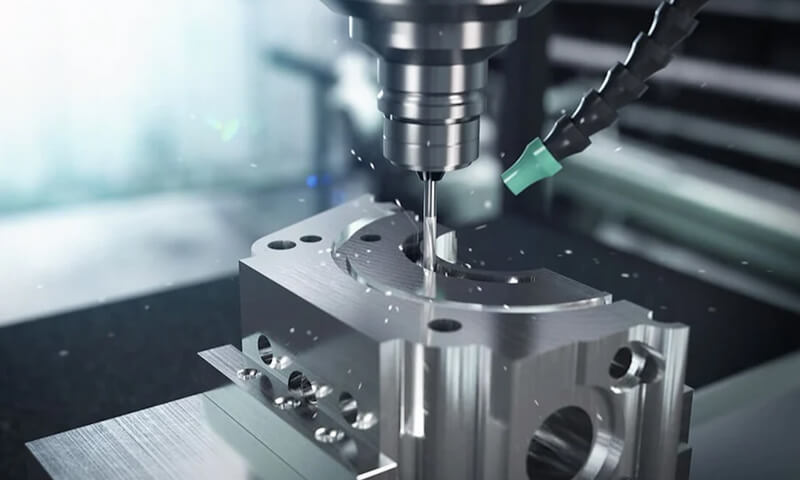
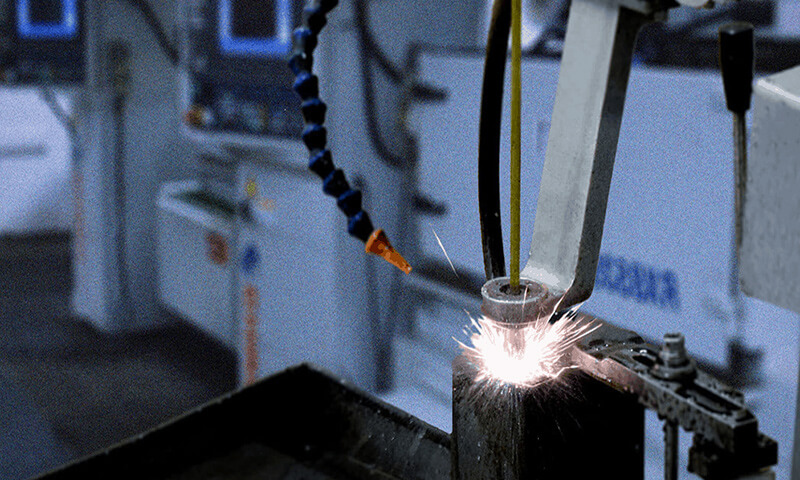
Grooving is an essential machining process that has a profound impact on manufacturing and precision engineering.
This technique plays a critical role in creating functional parts, enhancing product design, and improving overall performance.
Whether it’s crafting sealing grooves for automotive components or producing intricate channels for aerospace applications, grooving ensures parts fit together seamlessly and function as intended.
Šajā emuārā, we will explore the different types of grooving techniques, their applications across various industries, and best practices for successful implementation.
2. Kas ir Grooving?
Grooving is a machining process that involves cutting a groove, channel, or indentation into a workpiece to modify its shape or enhance its functionality.
This process is performed using lathes, CNC mašīnas, or specialized grooving tools.
Grooves can vary in depth, width, and angle, and their specific design is crucial for part strength, ease of assembly, and fluid management.

Galvenās funkcijas:
The dimensions of a groove—such as its depth, width, and angle—determine the groove’s effect on part performance.
Piemēram, a shallow groove may be used for aesthetic purposes, while a deep groove could be designed to provide structural support or create sealing channels.
Groove geometry can impact material flow, bloķēšanas mehānismi, and even heat dissipation in high-performance applications.
3. Rievojumu veidi
Ārējā rievošana
External grooving cuts grooves along the outer surface of cylindrical or flat parts.
Commonly used in shaft machining, ring parts, and clamping components, external grooves serve multiple purposes, from providing aesthetic appeal to enhancing mechanical fit.
Piemēram, a typical external groove on a shaft might have a depth of 0.8 mm and a width of 1.5 mm, tailored to fit specific bearing sizes.

Iekšējā rievošana
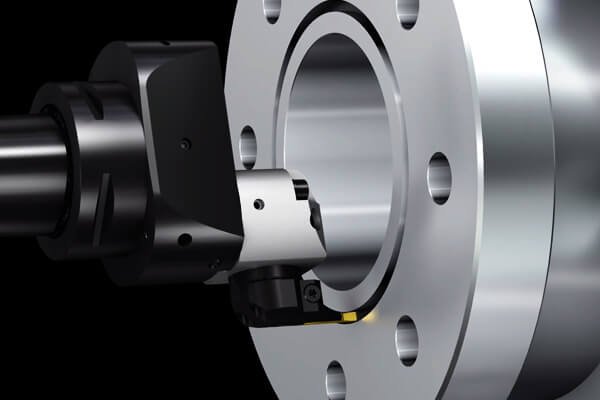
Internal grooving involves cutting grooves within the inner diameter of a part, often seen in hollow components like tubes and pipes.
These internal grooves are crucial for guiding fluids, ensuring proper alignment, and facilitating assembly processes.
An internal groove in a hydraulic pipe might have a depth of 0.6 mm and a width of 1.0 mm to accommodate O-rings or seals.

Taisna pagriešana
Straight turning creates parallel surfaces on cylindrical parts by removing material along a straight path. While not strictly a grooving technique, it complements grooving operations to achieve desired part profiles. Piemēram, straight turning can prepare a cylindrical surface before applying a sealing groove.

Sejas rievošana
Face grooving cuts grooves on the face of a workpiece, usually perpendicular to the axis of rotation. This type of grooving is common in creating seating areas for bearings or seals.
A face groove might have a depth of 0.4 mm and a width of 0.8 mm to ensure a secure fit for a seal.
Kontūru rievošana
Contour grooving allows for the creation of complex, non-linear grooves that follow a specific contour.
It is particularly useful in producing parts with irregular shapes or requiring intricate detailing.
Piemēram, a contour groove might vary in depth from 0.5 mm uz 1.0 mm along its length, following the curvature of the part.
Griešanas instrumenti
Rīku veidi
Different insert types, instrumentu turētāji, and cutting angles (Piem., positive rake vs. negative rake) cater to specific applications.
Positive rake tools reduce cutting forces, making them ideal for softer materials, while negative rake tools provide better edge strength for harder materials.
Rievu formas
V-grooves, U veida rievas, and straight grooves are among the various geometries available. Katrai formai ir savas priekšrocības un trūkumi atkarībā no pielietojuma.
V veida rievas nodrošina spēcīgus bloķētājus, un tās parasti izmanto stiprinājumu pielietojumos, savukārt U veida rievas atvieglo šķidruma plūsmu un bieži sastopamas siltummaiņos.
4. Rievošanas process
Soli pa solim pārskats
Rīka iestatīšana
Pareiza griešanas instrumenta un armatūras uzstādīšanas izvēle ir ļoti svarīga optimālai veiktspējai.
Faktori ietver apstrādājamā materiāla veidu, nepieciešamos rievu izmērus, un mašīnas iespējām.
Piemēram, apstrādājot alumīniju, ass karbīda ieliktnis ar pozitīvu slīpuma leņķi var ievērojami uzlabot efektivitāti.
Materiāla pozicionēšana
Detaļu nostiprināšana uz mašīnas nodrošina precizitāti. Tādas metodes kā čaukstēšana, lamatas, un pielāgotie stiprinājumi stingri notur apstrādājamo priekšmetu, samazinot vibrācijas un nodrošinot precīzus griezumus.
Pareiza pozicionēšana var samazināt kļūdu risku un palielināt produktivitāti.
Griešanas process
The tool removes material to create the desired groove shape. Parameters like feed rate, griešanas ātrums, and tool geometry play significant roles in the quality and efficiency of the cut.
Piemēram, padeves ātrums 0.2 mm/rev and a cutting speed of 200 m/min can yield excellent results for stainless steel.
Apdare
Steps like deburring and polishing refine the groove, ensuring it is clean and functional. Post-processing treatments may also be applied to improve surface finish and durability.
Deburring can remove sharp edges that could otherwise compromise the part’s integrity.
Lietota tehnika:
Grooving can be performed using several types of machines, depending on the complexity of the groove and the volume of production:
- CNC virpas: CNC machines are essential for achieving high precision, atkārtojamība, un automatizācija, particularly in mass production.
- Turning Centers: Šīs integrētās mašīnas apvieno virpošanas un rievošanas iespējas, kas nodrošina efektīvāku ražošanu un samazina cikla laiku.
- Rievošanas mašīnas: Specializētās mašīnas ir īpaši paredzētas rievošanai, īpaši noderīga liela apjoma ražošanas vidēs.
Kritiskie parametri:
Rievas kvalitāte ir atkarīga no vairākiem galvenajiem faktoriem:
- Padeves ātrums: Nosaka ātrumu, ar kādu instruments virzās pa materiālu, ietekmējot rievas apdari un instrumenta nodilumu.
- Griešanas ātrums: Ietekmē griezuma efektivitāti un procesa laikā radīto siltumu.
- Instrumenta ģeometrija: Instrumenta leņķis un forma ietekmē griezuma gludumu un kopējo rievas kvalitāti.
- Materiālu īpašības: Cietākiem materiāliem ir nepieciešams lēnāks padeves ātrums un specializēti instrumenti, savukārt mīkstāki materiāli ir piedodošāki.
5. Materiālu izvēles ietekme uz rievu apstrādi
Material selection is one of the most critical factors influencing the grooving process.
Different materials exhibit varying characteristics, piemēram, cietība, izturība, un apstrādājamību, which can directly affect how they respond to the grooving operation.
Understanding how material properties interact with grooving tools and machinery is crucial for achieving optimal results.
Cietie materiāli (Piem., Nerūsējošais tērauds, Titāns)
Nerūsējošais tērauds un Titāns alloys are known for their hardness and resistance to wear, making them particularly challenging to machine.

Grooving in such materials requires specialized tools, typically carbide inserts or cermet tools, that can withstand the high cutting forces and heat generated during the process.
- Izaicinājumi:
-
- Higher cutting forces: Hard materials require more powerful machines and tools.
- Tool wear: Hard materials can quickly dull cutting edges, reducing tool life.
- Heat generation: The cutting process generates heat, which can affect the material’s properties and part quality.
- Risinājumi:
-
- Izmantot coated carbide tools vai ātrgaitas tērauds (HSS) for better wear resistance and heat dissipation.
- Īstenot dzesēšanas šķidrumi un smērvielas to reduce heat buildup and prolong tool life.
- Adjust feed rates and cutting speeds to avoid excessive heat and ensure smooth cuts.
Mīkstie materiāli (Piem., Alumīnijs, Vara)
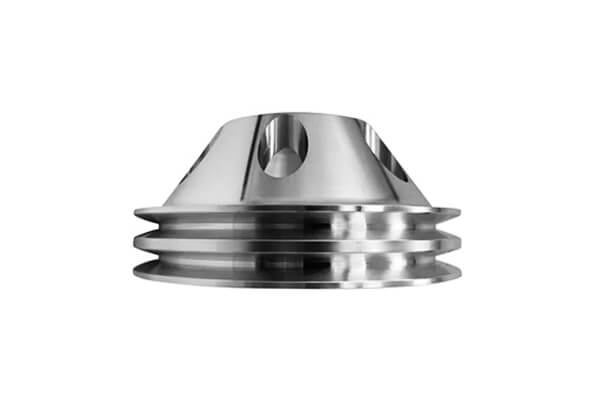
Materiāli, piemēram, Alumīnijs un Vara are softer and easier to machine compared to harder alloys.
They have excellent thermal conductivity, allowing heat to dissipate more easily during the grooving process. Lai arī, they present their own set of challenges.
- Izaicinājumi:
-
- Burr formation: Softer materials are more prone to burrs around the groove edges, which can affect part quality.
- Chip formation: Soft metals may produce long, stringy chips that can interfere with the machining process.
- Deformācija: Softer materials can deform easily under excessive cutting pressure, affecting groove accuracy.
- Risinājumi:
-
- Izmantot ātrgaitas tērauds (HSS) instrumenti vai karbīda ieliktņi with proper edge geometry to minimize burr formation.
- Employ augsts padeves ātrums and adjust the cutting depth to reduce the risk of deformation.
- Utilize chip breakers vai dzesēšanas šķidrumi to control chip formation and improve surface finish.
Stingri materiāli (Piem., Oglekļa tērauds, Leģētais tērauds)
Oglekļa tērauds un Leģētais tērauds have a balanced combination of hardness and toughness,
making them relatively easy to machine compared to hardened steel but still challenging in terms of tool wear and heat management.
Grooving in these materials often requires tools with higher durability than those used for softer metals.
- Izaicinājumi:
-
- Moderate wear rates: Carbon and alloy steels can cause moderate tool wear, requiring frequent tool replacement.
- Heat management: Like harder materials, heat buildup can affect cutting performance.
- Risinājumi:
-
- Izmantot karbīda ieliktņi vai ceramic tools for enhanced durability and better heat resistance.
- Adjust cutting speeds and feeds to optimize performance and reduce heat generation.
Nemetāliski materiāli (Piem., Plastmasa, Kompozītmateriāli)
Plastmasas un saliktie materiāli kļūst arvien izplatītākas rievošanas operācijās, īpaši tādās nozarēs kā automobiļu rūpniecība un kosmosa rūpniecība.
Materiāli, piemēram, Abs, Polikarbonāts, un Ar oglekļa šķiedru pastiprināti polimēri (CFRP) prasa unikālus apsvērumus.
- Izaicinājumi:
-
- Šķembu aizsērēšana: Plastmasai ir tendence veidot stīgas skaidas, kas var aizsprostot apstrādes zonu.
- Termiskā jutība: Dažas plastmasas var izkausēt vai deformēties, ja tās tiek pakļautas pārmērīgam karstumam, tādēļ ir nepieciešams precīzi kontrolēt temperatūru rievu veidošanas laikā.
- Tool wear: Kamēr mīkstāks, dažas plastmasas var būt abrazīvas un izraisīt ātru instrumentu nodilumu.
- Risinājumi:
-
- Izmantot augstas kvalitātes karbīda ieliktņi ar īpašām ģeometrijām, kas paredzētas plastmasas apstrādei.
- Dzesēšanas šķidrumi vai gaisa strūklas jāizmanto, lai kontrolētu siltumu un novērstu kušanu rievu veidošanas procesā.
- Izvēlieties pareizos padeves ātrumus un griešanas ātrumus, lai pārvaldītu skaidu veidošanos un samazinātu instrumenta nodilumu.
Kompozītmateriāli (Piem., Oglekļa šķiedra, Stikla šķiedra)
Kompozītmateriāli piemēram, ar oglekļa šķiedru un stikla šķiedru pastiprinātām plastmasām ir atšķirīgas problēmas rievu veidošanas laikā to slāņainās struktūras un abrazīvā rakstura dēļ.
- Izaicinājumi:
-
- Tool wear: Kompozītmateriāli ir ļoti abrazīvi, izraisot ātru griezējinstrumentu nodilumu.
- Delaminācija: Nepareizs griešanas ātrums vai instrumenta izvēle var izraisīt rievu malu atslāņošanos, sabojāt daļu.
- Risinājumi:
-
- Izmantot ar dimantu pārklāti instrumenti vai specializēti kompozītmateriālu instrumenti samazinātam nodilumam un labākai veiktspējai.
- Rūpīgi kontrolējiet griešanas parametrus, piemēram, padeves ātrumu un griešanas ātrumu, lai samazinātu atslāņošanos un nodrošinātu tīrus griezumus.
6. Pareiza rievu instrumenta izvēles nozīme
Pareiza rievu instrumenta izvēle ir ļoti svarīga, lai sasniegtu augstas kvalitātes rezultātus, optimāls instrumenta kalpošanas laiks, un efektīva ražošana.
Rievošanas operācijas, to precīzā rakstura dēļ, rūpīgi jāapsver griešanas instruments, jo tas tieši ietekmē apstrādes procesa veiktspēju.
Instrumenta materiāls: Izrādes fonds
The material from which the grooving tool is made determines its ability to withstand high cutting forces, sildīt, un valkāt.
Different materials are suited for different types of machining operations, and selecting the correct material can significantly improve efficiency and tool longevity.
- Karbīda instrumenti: The most commonly used material for grooving tools, carbide inserts provide excellent wear resistance and can handle high cutting speeds.
Carbide tools are suitable for high-precision grooving operations, especially when machining hard materials like stainless steel and titanium. - Ātrgaitas tērauds (HSS): While not as wear-resistant as carbide, HSS is a more cost-effective solution for softer materials.
HSS tools are also versatile, making them ideal for low to medium-speed operations. - Metāla keramikas instrumenti: A combination of ceramic and metal, cermet tools offer superior wear resistance and are ideal for high-precision applications and tough materials.
They provide a balance between carbide and HSS in terms of hardness, karstuma izturība, un izturība. - Ceramic Tools: Suitable for high-speed operations, ceramic tools excel in machining hard materials.
Lai arī, they can be more brittle and less durable when handling softer materials.
Instrumenta ģeometrija: Pielāgots darbam
The geometry of the grooving tool directly impacts its cutting efficiency, virsmas apdare, and tool life.
Key geometric features include rake angle, cutting-edge geometry, and tool profile, all of which influence the cutting forces and heat generated during the operation.
- Grābekļa leņķis: A positive rake angle helps reduce cutting forces and chip formation, providing smoother cuts.
A negative rake angle, No otras puses, increases cutting forces but offers greater tool durability in tough materials. - Cutting Edge Geometry: Grooving tools can have straight, beveled, or chamfered edges, katrs ir piemērots konkrētām lietojumprogrammām.
A sharp cutting edge is crucial for clean, precise grooves, while a rounded edge might be better for heavier cuts in tougher materials. - Tool Profile: The tool profile refers to the shape of the cutting edge, which must be matched to the groove geometry (Piem., V-groove, U-groove, or straight groove).
The profile ensures that the groove dimensions are accurate and meet design specifications.
Rīka izmērs un ievietošanas veids
Tool size and insert type also play a crucial role in the grooving process. The size of the tool must match the dimensions of the groove being cut.
A tool that’s too large or too small for the application will lead to inaccuracies, reduced surface quality, or even damage to the part being machined.
- Insert Size: Ieliktņus parasti izmanto rievu instrumentiem to nomaināmības un izmaksu efektivitātes dēļ.
Pareiza ieliktņa izmēra izvēle ir ļoti svarīga, lai nodrošinātu, ka instruments nodrošina precīzas rievas, neradot pārmērīgu instrumenta nodilumu. - Ievietošanas veids: Ir dažādi ieliktņu veidi, piemēram, kvadrātveida, trīsstūrveida, un apaļie ieliktņi, katram ir īpašs pielietojums atkarībā no rievas formas un apstrādes apstākļiem.
Piemēram, asām iekšējām rievām bieži izmanto trīsstūrveida ieliktņus, savukārt kvadrātveida ieliktņi ir ideāli piemēroti ārējām rievām.
Jaunākie pārklājumi: Instrumenta kalpošanas laika un veiktspējas uzlabošana
Rievošanas instrumenta virsmas apstrāde vai pārklājums var uzlabot tā izturību, samazināt berzi, un pagarināt tā kalpošanas laiku.
Pārklājumi ir īpaši noderīgi, strādājot ar cietiem materiāliem vai veicot darbības ar lielu ātrumu.
- Titāna nitrīds (TiN): Bieži lietots pārklājums, TiN uzlabo instrumenta cietību, nodilums pretestība, un siltumvadītspēja.
It is widely used for cutting tools working with soft to medium-hard materials. - Titāna karbonitrīds (TiCN): This coating offers increased wear resistance and is ideal for cutting harder materials.
It also provides enhanced resistance to oxidation at high temperatures. - Diamond Coatings: For abrasive materials like composites, diamond-coated tools offer superior performance, reducing wear and improving precision during grooving operations.
Materiālam atbilstošā instrumenta izvēle
Matching the right tool material and geometry to the workpiece material is key to achieving optimal results.
Piemēram, using a carbide insert for soft materials like aluminum might not be as efficient as using an HSS tool, which would be more cost-effective.
Līdzīgi, for harder materials like titanium, karbīds, or cermet tools are necessary to withstand high cutting forces and heat.
Instrumenta kalpošanas laiks un izmaksu efektivitāte
Selecting the correct grooving tool can improve tool life and minimize downtime.
A high-quality tool will last longer, reducing the frequency of tool changes and enhancing overall productivity.
While high-performance tools may come with a higher initial cost, they often result in significant cost savings over time due to their durability and the quality of the grooves they produce.
- Izmaksu efektivitāte: Choosing a tool with the right balance of cost and performance for the material being worked on ensures that manufacturers get the best value for their investment.
- Piemēram, carbide tools may cost more upfront but will typically outlast HSS tools when machining tough materials, ultimately saving on replacements and labor costs.
Instrumentu nodiluma samazināšana
Proper tool selection not only maximizes tool life but also minimizes wear, radot mazāk kvalitātes problēmu.
Rievošanas instrumenti ir pakļauti nodilumam berzes dēļ, sildīt, un spiedienu, un izvēloties instrumentus ar pareizo materiālu un pārklājumu, to var ievērojami samazināt.
- Instrumentu nodiluma indikatori: Izpratne par izplatītākajām instrumentu nodiluma pazīmēm (Piem., asuma zudums,
palielināti griešanas spēki, vai slikta virsmas apdare) var palīdzēt operatoriem izvēlēties labākos rīkus un optimizēt to kalpošanas laiku.
7. Rievošanas priekšrocības
Precizitāte un konsekvence
Rievojums nodrošina precīzus izmērus, kas ir būtiski detaļām, kurām nepieciešama stingra pielaide. Šī precizitāte uzlabo galaprodukta uzticamību un veiktspēju.
Piemēram, blīvējuma grope ar pielaidi ±0,01 mm var novērst noplūdes un nodrošināt ilgstošu funkcionalitāti.
Pielāgošana un daudzpusība
Iespēja izveidot dažādus rievu veidus un dziļumus padara rievu veidošanu pielāgojamu dažādām dizaina vajadzībām.
No vienkāršām V veida rievām līdz sarežģītām kontūrām, rievošana piedāvā nepārspējamu pielāgošanu.
Inženieri var pielāgot rievu dizainu, lai tie atbilstu īpašām funkcionālajām prasībām, piemēram, integrējot šķidruma kanālus vai bloķēšanas mehānismus.
Uzlabota montāža
Rievas atvieglo efektīvu montāžu, ļaujot detaļām efektīvāk bloķēties, samazinot vajadzību pēc papildu stiprinājumiem vai līmvielām.
Labi izstrādāta rieva var vienkāršot montāžas procesus un samazināt ražošanas izmaksas.
Uzlabotas funkcionālās iespējas
Rievām var pievienot funkcionālus elementus, piemēram, bloķēšanas mehānismus vai šķidruma kanālus, uzlabojot gan estētiku, gan veiktspēju.
Piemēram, dekoratīva rieva var uzlabot patēriņa preces vizuālo pievilcību, vienlaikus pildot praktisku mērķi, piemēram, gaisa plūsmas vadīšana.
Efektīva ražošana
Integrējot galvenās funkcijas tieši daļā, rievu veidošana racionalizē ražošanu, sekundāro operāciju likvidēšana un ražošanas paātrināšana.
Viena rievošanas darbība var aizstāt vairākas darbības, leading to cost savings and faster turnaround times.
8. Rievošanas pielietojumi
Grooving is used across a wide variety of industries, ieskaitot:
- Autobūves: Creating components like gears, vārpstas, un plombas.
- Avi kosmosa: Designing critical parts like turbine blades, apvalki, and seals that require precise, high-performance grooves.
- Medicīniskās ierīces: Manufacturing parts such as catheters, implantēt, un ķirurģiskie instrumenti.
- Elektronika: Grooves are essential for producing connectors, siltuma izlietnes, un shēmas plates.
9. Izaicinājumi rievošanā un kā tos pārvarēt
Materiāliem specifiski izaicinājumi
Daži materiāli, like titanium or stainless steel, pose unique challenges due to their hardness or tendency to generate heat.
Solutions include using specialized tool materials and adjusting cutting parameters.
Piemēram, apstrādājot titānu, using carbide inserts with optimized geometry can reduce heat buildup and extend tool life.
Instrumentu nodilums
Excessive tool wear can compromise groove quality. Regular maintenance and selecting appropriate tool materials help mitigate this issue.
Instrumenta nodiluma uzraudzība un nolietoto ieliktņu tūlītēja nomaiņa var saglabāt nemainīgu rievu kvalitāti visā ražošanas laikā.
Siltuma pārvaldība
Siltuma uzkrāšanās dziļās rievošanas laikā var pasliktināt rievas kvalitāti. Dzesēšanas šķidrumu izmantošana, padeves ātruma optimizēšana, un instrumenta ģeometrijas pielāgošana var efektīvi pārvaldīt siltumu.
Piemēram, dzesēšanas šķidruma izsmidzināšana griešanas vietā var izkliedēt siltumu un uzlabot virsmas apdari.
10. Paraugprakse rievošanai
Instrumentu izvēle
Izvēlieties pareizo instrumenta materiālu, pamatojoties uz apstrādājamo materiālu, lai palielinātu efektivitāti un instrumenta kalpošanas laiku.
Piemēram, karbīda ieliktņi darbojas īpaši labi, apstrādājot cietus materiālus, piemēram, nerūsējošo tēraudu.
Griešanas parametru optimizēšana
Pielāgojiet griešanas ātrumu, padeves likmes, un griezuma dziļums atbilstoši materiāla veidam un rievu prasībām optimālai veiktspējai.
Pārbaudot dažādus parametrus parauga daļām, var noteikt labākos iestatījumus katrai lietojumprogrammai.
Regulāra instrumentu apkope
Ensure tools are well-maintained to prevent unexpected failures and maintain consistent performance.
Regular inspections and timely replacements of worn inserts can avoid costly downtime.
Dzesēšanas un smērvielu lietošana
Effective use of coolant fluids reduces heat and improves groove quality, pagarinot instrumenta kalpošanas laiku.
Choosing the right coolant for the material being machined can enhance both efficiency and part quality.
Kvalitātes kontrole
Regular inspections and testing ensure groove dimensions and quality meet specified tolerances, maintaining high standards of production.
Implementing strict quality control measures can catch issues early and ensure every part meets the required specifications.
11. Secinājums
Grooving is a versatile and precise machining technique that plays a pivotal role in modern manufacturing.
By understanding the different types of grooving, viņu pieteikumi, and best practices, ražotāji var sasniegt izcilu detaļu kvalitāti un efektivitāti.
Rievošanas nianses ļauj inženieriem un tehniķiem paplašināt dizaina un funkcionalitātes robežas, inovāciju virzīšana dažādās nozarēs.
Neatkarīgi no tā, vai apstrādājat automobiļu detaļas, kosmosa daļas, vai medicīnas ierīcēm,
Pareiza rievu veidošanas tehnika nodrošina, ka jūsu detaļas atbilst augstākajiem veiktspējas un funkcionalitātes standartiem.