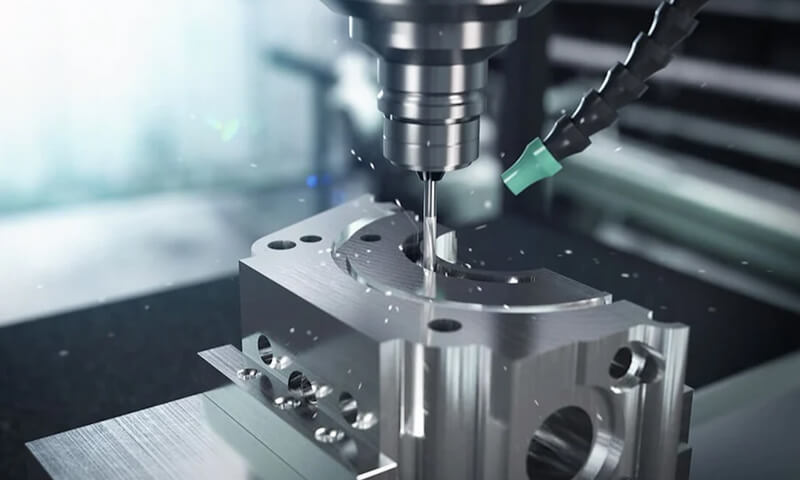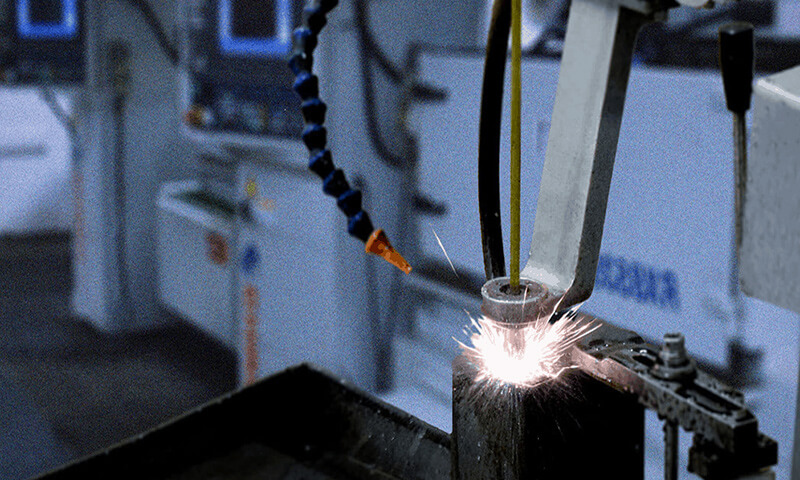
Kas ir elektriskās izlādes apstrāde?
Elektriskās izlādes apstrāde (EDM) pazīstama arī kā dzirksteles apstrāde, dzirksteles erodēšana, mirst grimst, stiepļu degšana, vai stieples erozija, ir metāla ražošanas process, kurā tiek veidoti materiāli, izmantojot elektriskās izlādes (dzirksteles).
EDM ir īpaši noderīga cietu materiālu apstrādei un sarežģītu formu veidošanai, kuras ir grūti vai neiespējami sasniegt ar tradicionālajām apstrādes metodēm.
Kā darbojas EDM
EDM darbojas pēc erozijas principa ar elektrisko izlādi. Process ietver šādas darbības:
Iestatīšana: Apstrādājamā detaļa un instruments (elektrodu) ir iegremdēti dielektriskā šķidrumā (parasti eļļa vai dejonizēts ūdens).
Pieeja: Elektrods tiek pietuvināts sagatavei, saglabājot nelielu atstarpi, kas pazīstama kā dzirksteļu sprauga.
Izlāde: Starp elektrodu un sagatavi tiek pielikts spriegums, izraisot dzirksteles pārlēkšanu pāri spraugai. Šī dzirkstele rada intensīvu siltumu, izkausējot un iztvaicējot nelielu daudzumu materiāla gan no sagataves, gan no elektroda.
Pietvīkums: Dielektriskais šķidrums izskalo erodētās daļiņas un atdzesē zonu, sagatavojot to nākamajai izlādei.
Atkārtošana: Šis process tiek atkārtots tūkstošiem reižu sekundē, pakāpeniski noņemot materiālu un veidojot sagatavi.
Stiepļu EDM iekārtas sastāvdaļas
CNC instrumenti: Kontrolējiet darbību un precizitāti.
Barošanas avots: Nodrošina elektriskos impulsus vadam un sagatavei.
Vads: Kalpo kā elektrods, izgatavoti no tādiem materiāliem kā misiņš vai ar cinku pārklātas stieples.
Dielektriskā vide: Procesa atdzesēšanai un precizitātes nodrošināšanai tiek izmantots dejonizēts ūdens.
Elektrodi: Vads un sagatave darbojas kā elektrodi, kontrolē servomotors.
EDM apstrādes veidi
- Stieples EDM (WEDM):
-
- Apstrādāt: Izmantojiet plānu, nepārtraukti kustīgs vads kā elektrods, lai izgrieztu sagatavi.
- Pieteikums: Ideāli piemērots sarežģītu formu griešanai, plānsienu daļas, un stingras pielaides.
- Priekšrocības: Augsta precizitāte, spēja griezt cietus materiālus, un nav instrumentu nodiluma.

- Izlietne vai Ram EDM:
-
- Apstrādāt: Izmanto formas elektrodu, kas iegremdēts dielektriskā šķidrumā un virzās uz apstrādājamo priekšmetu, lai sagrautu materiālu.
- Pieteikums: Piemērots dziļiem dobumiem, sarežģītas formas, un veidņu izgatavošana.
- Priekšrocības: Var apstrādāt cietus materiālus, augsta precizitāte, un nav mehāniska kontakta starp instrumentu un apstrādājamo priekšmetu.

- Mazo caurumu EDM:
-
- Apstrādāt: Specializēts mazu caurumu urbšanai, parasti izmanto maza diametra elektrodu.
- Pieteikums: Izmanto dzesēšanas kanāliem, sprauslas, un cita mazo funkciju apstrāde.
- Priekšrocības: Augsta precizitāte un spēj urbt ļoti mazus caurumus.

Atšķirības starp EDM stiepļu griešanu un parasto EDM
Lai gan abas metodes izmanto elektrisko izlādi, galvenā atšķirība ir elektrodu konfigurācijā:
Stieples EDM: Par elektrodu izmanto nepārtrauktu vadu, ļauj veikt sarežģītākus un precīzākus griezumus.
Parastā EDM: Izmanto formas elektrodus, lai izveidotu dobumus un kontūras, kas var nesasniegt tādu pašu detalizācijas līmeni kā Wire EDM.
EDM apstrādes galvenās iezīmes
- Bezkontakta apstrāde: Instruments fiziski neskar apstrādājamo priekšmetu, stresa un deformācijas samazināšana.
- Precizitāte: Spēj sasniegt ļoti smalkas pielaides, bieži vien ±0,0001″ (±0,0025 mm).
- Daudzpusība: Var apstrādāt plašu materiālu klāstu, ieskaitot rūdītus tēraudus, karbīdi, un supersakausējumi.
- Sarežģītas formas: Ideāli piemērots sarežģītu un sarežģītu formu apstrādei, kuras ir grūti sasniegt ar tradicionālām metodēm.
Materiāli, kurus var griezt ar elektroforēzes ierīcēm
Stiepļu EDM iekārtas ir izcilas, radot sarežģītas formas un dizainus dažādām sagatavēm. Tie var efektīvi apstrādāt lielāko daļu vadošo materiālu, ietverot gan smagas, gan smalkas iespējas.
Alumīnijs: Pazīstams ar savu lielisko siltuma un elektrisko vadītspēju, alumīniju var būt sarežģīti griezt tā maiguma dēļ, kas apstrādes laikā var radīt sveķainu atlikumu.
Titāns: Stiepļu EDM ir ideāli piemērots titānam, jo tas labi iztur sakausējuma lipīgumu un efektīvi sadala garās skaidas. Ir svarīgi izmantot dejonizētu ūdeni kā dielektrisku vidi, lai procesa laikā pārvaldītu siltumu.
Tērauds: Kā stiprs metāls, tēraudu ražotāji bieži dod priekšroku stiepļu EDM, nevis tradicionālajai CNC apstrādei. Lai arī, tas rada ievērojamu siltumu, nepieciešama rūpīga pārvaldība.
Misiņš: Misiņš ir salīdzinoši viegli apstrādājams ar stiepļu EDM, jo tam ir augsta stiepes izturība. Lai arī, tā maiguma dēļ ieteicams strādāt ar mazāku griešanas ātrumu.
Grafīts: Kamēr parastie instrumenti cīnās ar grafītu, stieples EDM ir efektīva, jo asais vads samazina daļiņu izvilkšanas risku.
EDM apstrādes priekšrocības
- Materiāla cietība: Var apstrādāt ļoti cietus materiālus, ieskaitot rūdītu tēraudu, volframa karbīds, un titāns, kas ir izaicinājums tradicionālajai apstrādei.
- Sarežģītas ģeometrijas: Spēj radīt sarežģītas formas, asi stūri, un smalkas īpašības.
- Nav mehāniska spēka: Tā kā starp instrumentu un apstrādājamo priekšmetu nav tieša kontakta, EDM ir ideāli piemērots smalku vai plānsienu detaļu apstrādei, neizraisot deformāciju.
- Augsta precizitāte: Nodrošina izcilu precizitāti un virsmas apdari, padarot to piemērotu precīzām sastāvdaļām.
- Minimāls instrumentu nodilums: Elektrodu nodilums parasti rada mazākas bažas, salīdzinot ar tradicionālajiem griezējinstrumentiem.
Stiepļu EDM trūkumi
Materiālu ierobežojumi: Piemērots tikai vadošiem materiāliem.
Maksāt: Augstas sākotnējās iestatīšanas un uzturēšanas izmaksas dažiem uzņēmumiem var būt pārmērīgas.
Virsmas apdare: Dažiem materiāliem var būt nepieciešama papildu apdare oksīda slāņa veidošanās dēļ.
EDM apstrādes pielietojumi
- Veidņu izgatavošana: Plaši izmanto iesmidzināšanas veidņu ražošanā, mirkšana, un citi formēšanas procesi.
- Avi kosmosa: Sarežģītu detaļu apstrādei ar stingrām pielaidēm, piemēram, turbīnu lāpstiņas, dzinēja sastāvdaļas, un degvielas sistēmas daļas.
- Autobūves: Izmanto sarežģītu detaļu, piemēram, buferu un paneļu, ražošanai, kur precizitātei un pielāgošanai ir izšķiroša nozīme.
- Medicīniskās ierīces: Izmanto precīzu komponentu, piemēram, ķirurģisko instrumentu, ražošanā, implantēt, un medicīniskās ierīces.
- Pusvadītāju rūpniecība: Izmanto, lai izveidotu mikrostruktūras un precīzas īpašības pusvadītāju plāksnēs un citos komponentos.
- Instrumentu un matricu izgatavošana: Izmanto precīzu presformu izgatavošanai, veidnes, un citas instrumentu sastāvdaļas.
Galvenie apsvērumi EDM apstrādei
- Elektrodu materiāls: Elektrodu materiāla izvēle (grafīts, vara, vai misiņš) ietekmē apstrādes efektivitāti, nodiluma pakāpe, un virsmas apdare.
- Dielektriskais šķidrums: Dielektriskā šķidruma veids un kvalitāte ietekmē apstrādes stabilitāti, virsmas apdare, un materiāla noņemšanas ātrums.
- Spark Gap Control: Konsekventas dzirksteļu spraugas uzturēšana ir ļoti svarīga, lai panāktu precizitāti un novērstu īssavienojumus.
- Karstuma ietekmētā zona (Zarns): EDM rada siltumu, kas var ietekmēt materiāla īpašības apstrādātās virsmas tuvumā. Pareiza skalošana un dzesēšana ir būtiska, lai samazinātu HAZ.
- Izmaksas un efektivitāte: Lai gan EDM var sasniegt augstu precizitāti un sarežģītas ģeometrijas, tas parasti ir lēnāks un dārgāks nekā tradicionālās apstrādes metodes, padarot to piemērotu īpašiem lietojumiem, kur šīs iespējas ir būtiskas.
Secinājums
EDM ir būtisks apstrādes process augstas precizitātes ražošanai, sarežģītas detaļas no cietiem materiāliem. Tas ir būtiski nozarēs, kurās ir precizitāte, sarežģītība, un materiāla īpašībām ir izšķiroša nozīme.
Stiepļu EDM ir ļoti efektīvs apstrādes process, piedāvā precizitāti un daudzpusību dažādiem lietojumiem. Tā spēja radīt sarežģītas formas padara to par vēlamo izvēli tādās nozarēs kā automobiļu rūpniecība, medicīnisks, un kosmosa. Ražotājiem, kas meklē augstas precizitātes griešanas risinājumus, stiepļu EDM ir uzticams un efektīvs risinājums.
Profesionāliem vadu EDM pakalpojumiem, apsveriet iespēju sadarboties ar tādiem ekspertiem kā ŠIS, kas var vadīt jūs procesā un nodrošināt jūsu projektu augstas kvalitātes rezultātus.
Satura atsauce:https://dz-machining.com/introduction-and-application-of-wire-edm/
FAQ
Q1: Kādus materiālus var griezt vadu EDM?
A1: Stiepļu EDM var sagriezt jebkuru vadošu materiālu, ieskaitot metālus, piemēram, nerūsējošo tēraudu, titāns, un dažādi sakausējumi.
Q2: Vai Wire EDM ir ātrāks nekā tradicionālā apstrāde?
A2: Stiepļu EDM parasti ir lēnāks nekā tradicionālie apstrādes procesi, taču piedāvā lielāku precizitāti sarežģītām formām.
Q3: Kādas nozares parasti izmanto stiepļu EDM?
A3: Vadu EDM parasti izmanto kosmosa jomā, autobūves, medicīniskās ierīces, un instrumentu un presformu ražošana.
Q4: Kādas ir stiepļu EDM izmaksas salīdzinājumā ar parasto apstrādi?
A4: Stiepļu EDM var būt dārgāka specializētā aprīkojuma un materiālu dēļ, bet tas nodrošina augstu precizitāti, kas var attaisnot izmaksas kritiskās lietojumprogrammās.