Ievads
Liešana, kā viens no agrāk apgūtajiem metāla karstās apstrādes procesiem cilvēkiem, lepojas ar vēsturi aptuveni 6,000 gadi.
Ķīna ienāca bronzas lējumu ziedu laikos starp 1700 BC un 1000 BC, ar liešanas meistarību, kas sasniedz diezgan augstu līmeni.
Kā pamatprocess mūsdienu ražošanā, liešana ļauj veidot sarežģītas formas metāla detaļas, kuras ir grūti izgatavot ar kalšanu vai apstrādi, un to plaši izmanto kosmosa jomā, autobūves, tehnika, un precīzijas instrumentu rūpniecībā.
Liešanas metožu izvēle tieši nosaka liešanas kvalitāti, ražošanas efektivitāte, un ražošanas izmaksas.
1. Zaļo smilšu liešana (Parastā smilšu liešana)
Galvenā definīcija & Procesa princips
Zaļš smilšu liešana ir vistradicionālākā un visplašāk izmantotā liešanas metode visā pasaulē.
Tās galvenās izejvielas ir lietuves smiltis (pārsvarā silīcija smiltis; Ja silīcija dioksīda smiltis neatbilst augstas temperatūras prasībām, tiek izmantotas īpašas smiltis, piemēram, cirkona smiltis un korunda smiltis.) un smilšu saistvielas (māls ir visizplatītākais; sausā eļļa, ūdenī šķīstošs silikāts, fosfāts, un sintētiskie sveķi ir alternatīvas iespējas).
Ārējās smilšu veidnes iedala trīs veidos, pamatojoties uz saistvielām un stiprības veidošanas mehānismiem: zaļā māla smilšu veidne, sausa māla smilšu veidne, un ķīmiski saistīta smilšu veidne.
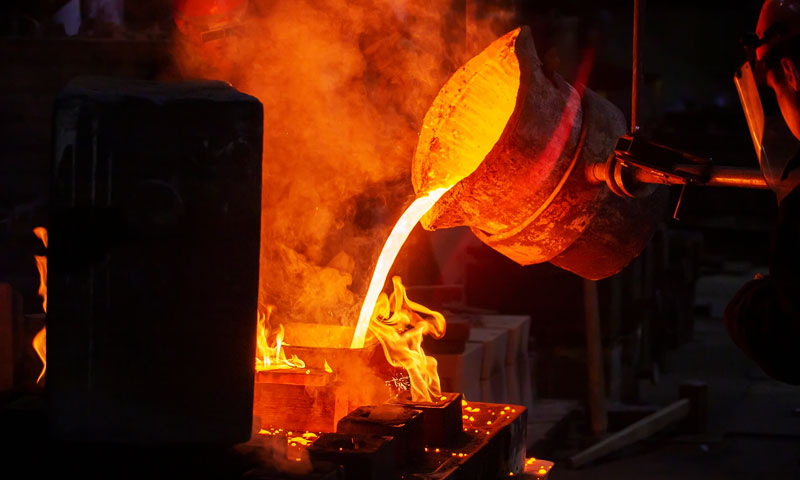
Smilšu veidnē ielej izkausētu metālu, kas sacietē veidojot lējumus, un veidne ir bojāta pēc vienas izliešanas, un to nevar izmantot atkārtoti.

Priekšrocības
- Rentablas izejvielas: Māls ir bagāts ar resursiem un zemas cenas; pāri 90% izlietotās zaļās māla smiltis var pārstrādāt un izmantot atkārtoti pēc smilšu apstrādes, materiālu atkritumu samazināšana.
- Augsta procesa elastība: Īss veidņu izgatavošanas cikls un augsta efektivitāte; jauktajām formēšanas smiltīm ir ilgs kalpošanas laiks; tas ir pielāgojams mazam, liels, vienkārši, un sarežģīti lējumi, kā arī viengabalains, maza partija, un masveida ražošanas scenāriji.
- Zems aprīkojuma slieksnis: Nav nepieciešams augstas klases specializēts aprīkojums, piemērots mazām un vidējām lietuvēm.
Trūkumi & Ierobežojumi
- Zema ražošanas efektivitāte: Katru smilšu veidni var izmantot tikai vienu reizi, un tā ir jāpārveido turpmākajiem liešanas darbiem, kas noved pie zemas nepārtrauktas ražošanas efektivitātes.
- Slikta izmēru precizitāte: Smilšu veidņu stingrība ir zema, kā rezultātā tiek iegūtas liešanas izmēru pielaides CT10–CT13, kas nevar atbilst augstas precizitātes prasībām.
- Augsts defektu risks: Lējumi ir pakļauti tipiskiem defektiem, piemēram, smilšu mazgāšanai, smilšu iekļaušana, gāzes porainība, un saraušanās porainība smilšu veidņu irdenās struktūras dēļ.
- Zemāka virsmas kvalitāte: Liešanas virsma ir salīdzinoši raupja, nepieciešama papildu apstrāde, lai uzlabotu apdari.
2. Investīciju liešana (Zaudēto vaska liešana)
Galvenā definīcija & Procesa princips
Investīciju liešana, parasti pazīstama kā zaudētā vaska liešana, piedāvā izsmalcinātu procesa plūsmu:
izgatavot vaska rakstus, izmantojot kausējamus materiālus, pārklājiet vairākus ugunsizturīgu materiālu slāņus uz raksta virsmas, lai izveidotu keramikas apvalku, izkausējiet un noņemiet vaska rakstu, lai iegūtu veidni bez atdalāmām virsmām, un pirms kausēta metāla ieliešanas veiciet apdedzināšanu augstā temperatūrā.
Tas ir piemērojams plašam sakausējumu klāstam, ieskaitot oglekļa tēraudu, leģētais tērauds, karstumizturīgs sakausējums, nerūsējošais tērauds, vara sakausējums, alumīnija sakausējums, titāna sakausējums, un kaļamais dzelzs, īpaši materiāliem, kurus ir grūti apstrādāt ar kalšanu vai griešanu.

Priekšrocības
- Lieliska izmēru precizitāte: Liešanas tolerance pakāpes sasniedz CT4–CT6, daudz augstāka par zaļo smilšu liešanu (CT10–CT13) un salīdzināms ar liešanu (CT5–CT7), pēcliešanas apstrādes samazināšana līdz minimumam.
- Augsta materiālu izmantošana: Ievērojami samazina izveidoto un savienojošo virsmu apstrādes apjomu, ietaupot apstrādes laiku un griezējinstrumenta patēriņu, ar materiālu izmantošanas līmeni, kas pārsniedz 90%.
- Spēcīga formas pielāgošanās spēja: Var liet ārkārtīgi sarežģītas sastāvdaļas, plānsienu daļas (minimālais sienas biezums 0,5 mm), un mikroizmēra lējumi (minimālais svars 1g);
tā atbalsta arī samontēto detaļu integrēto liešanu, turpmāko montāžas procesu vienkāršošana. - Plaša sakausējuma saderība: Piemērots gandrīz visiem metāla materiāliem, ieskaitot augstas temperatūras sakausējumus, magnija sakausējumi, titāna sakausējumi, un dārgmetālus, kurus ir grūti apstrādāt ar citām metodēm.
- Elastīgs ražošanas apjoms: Pielāgojas masveida ražošanai, mazo partiju ražošana, un pat viengabala pielāgošana, ar spēcīgu mērogojamību.
Trūkumi & Ierobežojumi
- Sarežģīta procesa plūsma: Tam ir vissarežģītākais process starp visām liešanas metodēm, kas ietver vaska rakstu veidošanu, apvalka pārklājums, atvaskošana, grauzdēšana, un lejot, nepieciešama stingra procesa kontrole.
- Ierobežots liešanas izmērs: Nav piemērots lieliem lējumiem; parasto ieguldāmo lējumu maksimālais svars parasti nepārsniedz 50 kg, jo lieli čaumalas grauzdēšanas un lešanas laikā mēdz plaisāt.
- Lēns dzesēšanas ātrums: Keramikas apvalkam ir zema siltumvadītspēja, noved pie lēnas izkausēta metāla sacietēšanas, kas dažos sakausējumos var izraisīt rupju graudu struktūru.
- Augstas ražošanas izmaksas: Vaska modeļu izmaksas, ugunsizturīgi materiāli, un procesa kontrole ir salīdzinoši augsta; tas ir ekonomiski dzīvotspējīgs tikai tad, ja to apvieno ar samazinātu apstrādi un materiālu ietaupījumu.
3. Mirkšana
Galvenā definīcija & Procesa princips
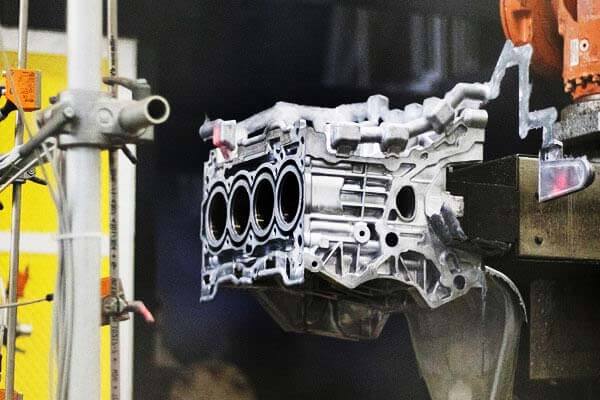
Mirkšana ir augstspiediena liešanas metode, kas ietver izkausēta metāla ievadīšanu precīzas metāla veidnes dobumā lielā ātrumā (10-50m/s) zem augsta spiediena (20-150 MPa), un metāla sacietēšana zem spiediena, veidojot lējumus.
Tam ir divi pamata procesi: karsto kameru die liešana (izkausēts metāls automātiski ieplūst spiediena kamerā) un aukstās kameras liešana (izkausētu metālu manuāli vai automātiski ielej spiediena kamerā).
Veidne ir izgatavota no augstas stiprības tērauda, nodrošinot atkārtotu lietošanu.
Priekšrocības
- Izcila produktu kvalitāte: Liešanas izmēru precizitāte sasniedz 6.–7. pakāpi (pat atzīme 4 precīzijas izstrādājumiem) ar virsmas raupjumu Ra 5–8μm;
stiprība un cietība ir par 25–30% augstāka nekā zaļās smilts lējumiem spiediena sacietēšanas dēļ, lai gan pagarinājums samazinās par aptuveni 70%. - Īpaši augsta ražošanas efektivitāte: Horizontāla aukstumkameras liešanas iekārta var veikt 600–700 ciklus vienā 8 laiks,
savukārt neliela karstās kameras liešanas mašīna var sasniegt 3000–7000 ciklus, ievērojami pārsniedz citas liešanas metodes. - Ilgs pelējuma mūžs: Cinka sakausējuma presformas liešanas veidnes var kalpot simtiem tūkstošu vai pat miljoniem reižu, samazinot ilgtermiņa ražošanas izmaksas.
- Viegla automatizācija: Process ir ļoti savietojams ar mehanizāciju un automatizāciju, samazināt darbaspēka izmaksas un uzlabot ražošanas stabilitāti.
- Lieliski ekonomiskie ieguvumi: Lējumiem nepieciešama minimāla apstrāde vai bez tās, uzlabot metāla izmantošanu un samazināt ieguldījumus apstrādes iekārtās;
Metāla un nemetāla materiālu kombinētā liešana ietaupa montāžas laiku un izejmateriālus.
Trūkumi & Ierobežojumi
- Augsts gāzes porainības defektu risks: Liela ātruma uzpildīšana noved pie nestabilas izkausētā metāla plūsmas,
viegli aiztur gāzi, veidojot iekšējo porainību, kas padara lējumus nespējīgus termiski apstrādāt (termiskā apstrāde izraisa gāzes izplešanos un plaisāšanu). - Slikta pielāgošanās sarežģītām iekšējām ieliektām daļām: Ir grūti nojaukt iekšējas ieliektas sarežģītas struktūras, liešanas formu dizaina ierobežošana.
- Īss veidņu kalpošanas laiks sakausējumiem ar augstu kušanas temperatūru: Paredzēts sakausējumiem ar augstu kušanas temperatūru, piemēram, vara sakausējumiem un melnajiem metāliem, pelējums ir pakļauts termiskam nogurumam un nodilumam, ievērojami samazinot kalpošanas laiku.
- Nav piemērots mazu partiju ražošanai: Veidņu ražošanas izmaksas ir augstas, un liešanas iekārtu augstā efektivitāte padara mazo partiju ražošanu ekonomiski neizdevīgu.
4. Pastāvīga pelējuma liešana (Cietā veidņu liešana)
Galvenā definīcija & Procesa princips
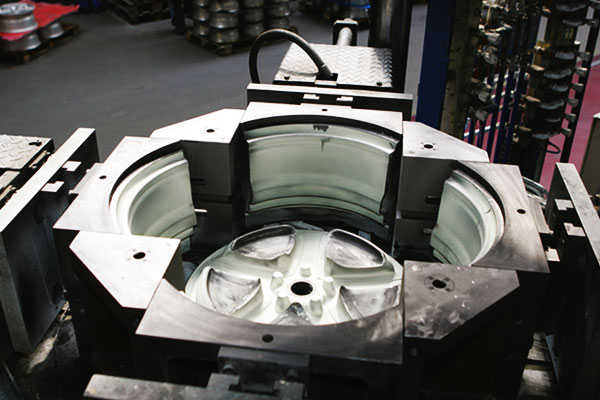
Pastāvīgā veidņu liešana, sauc arī par cieto veidņu liešanu, ietver izkausēta metāla ieliešanu metāla veidnē, lai veidotu lējumus.
Veidne ir izgatavota no čuguna vai čuguna, un to var atkārtoti izmantot simtiem līdz tūkstošiem reižu, tāpēc nosaukums "pastāvīgā pelējums".
Lējumu iekšējā dobumā var izmantot metāla serdes vai smilšu serdes, un veidņu struktūras ir sadalītas horizontāli, vertikāla šķiršanās, un kompozītmateriālu atdalīšana, lai pielāgotos dažādām liešanas formām:
vertikālā atdalīšana atvieglo slēgšanu un demontāžu, horizontālā atdalīšana paredzēta plānsienu riteņu formas detaļām, un kompozītmateriālu atdalīšana ir paredzēta sarežģītiem komponentiem.
Priekšrocības
- Lieliska veidņu atkārtota izmantošana: “Viena veidne vairākiem lējumiem” novērš nepieciešamību pēc atkārtotas veidņu izgatavošanas, ietaupot liešanas materiālus un laiku, un ražošanas efektivitātes uzlabošana.
- Augsta liešanas veiktspēja: Metāla veidnei ir spēcīga dzesēšanas jauda, kas nodrošina blīvu lējuma struktūru un izcilas mehāniskās īpašības salīdzinājumā ar smilšu lējumiem.
- Laba izmēru precizitāte un virsmas kvalitāte: Liešanas pielaides pakāpes sasniedz IT12–IT14, virsmas raupjums Ra ≤6,3μm, samazinot pēcapstrādes darba slodzi.
- Uzlaboti darba apstākļi: Tas izmanto maz smilšu vai nemaz, izvairoties no putekļu piesārņojuma un optimizējot darba vidi darbiniekiem.
Trūkumi & Ierobežojumi
- Augstas pelējuma izmaksas un ilgs ražošanas cikls: Metāla veidnei ir nepieciešami augstas stiprības materiāli un precīza apstrāde,
ar lieliem sākotnējiem ieguldījumiem un ilgu izpildes laiku, nav piemērota viengabala un mazo partiju ražošanai. - Ierobežoti piemērojamie sakausējumi un lējumu izmēri: Galvenokārt piemērots krāsaino metālu sakausējumu lējumu masveida ražošanai (alumīnija virzuļi, cilindru bloki, cilindru galvas, vara sakausējuma bukses, utc) automašīnām, lidmašīna, un iekšdedzes dzinēji;
dzelzs sakausējumu lējumiem, tas attiecas tikai uz mazām un vidējām detaļām ar vienkāršām formām. - Stingras procesa prasības: Veidnei nepieciešama iepriekšēja uzsildīšana un temperatūras kontrole, lai izvairītos no aukstuma aizvēršanās un pelējuma plaisāšanas; tas ir pakļauts termiskam nogurumam pēc ilgstošas lietošanas, kas ietekmē liešanas kvalitāti.
5. Zema spiediena liešana
Galvenā definīcija & Procesa princips
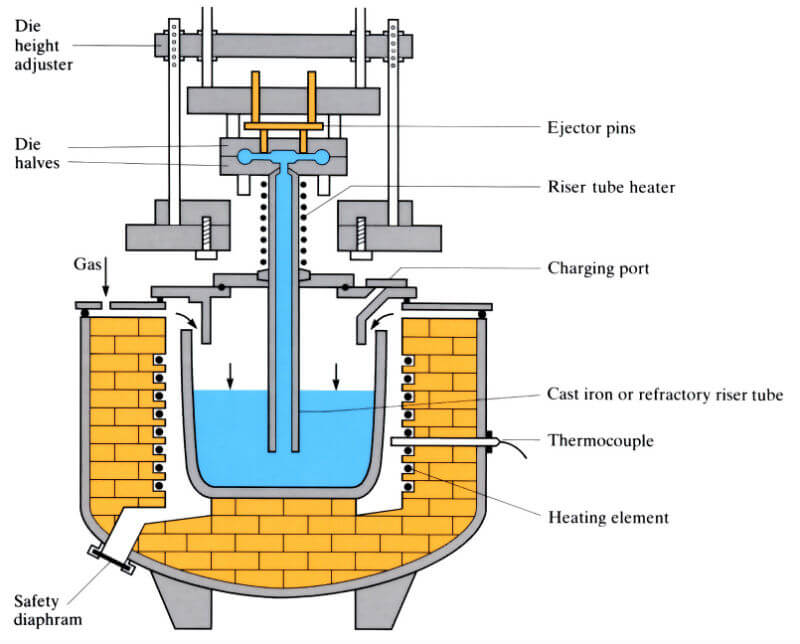
Zemspiediena liešana ir liešanas metode, kas piepilda veidni un sacietē izkausētu metālu zemā spiedienā (0.02-0,06 MPa).
Pamatprocesā ietilpst: izkausētā metāla ieliešana izolētā tīģelī, tīģeļa aizzīmogošana, savienojot stāvvada cauruli ar veidni, sausa saspiesta gaisa ievadīšana tīģelī, lai izkausētu metālu virzītu uz augšu caur stāvvada cauruli, lai aizpildītu veidnes dobumu,
metāla sacietēšana pastāvīgā spiedienā, atlaižot spiedienu, lai ļautu atlikušajam izkausētajam metālam plūst atpakaļ uz tīģeli, un beidzot atveriet veidni, lai izņemtu lējumu.
Priekšrocības
- Elastīga procesa kontrole: Izkausēta metāla pacelšanās ātrums un sacietēšanas spiediens ir regulējami, piemērots dažādām veidnēm (metāla veidnes, smilšu veidnes) un sakausējumi, kā arī dažāda izmēra lējumi.
- Stabils pildījums un zems defektu līmenis: Uzpildīšana no apakšas uz augšu nodrošina vienmērīgu izkausēta metāla plūsmu bez šļakatām, izvairoties no gāzes aizķeršanās un pelējuma sieniņu un serdeņu erozijas;
ievērojami samazinās liešanas defekti, piemēram, gāzes porainība un izdedžu iekļaušana, ar kvalifikācijas līmeni beidzies 95%. - Augstas kvalitātes lējumi: Spiediena sacietēšana realizē virziena sacietēšanu no ārpuses uz iekšpusi, kā rezultātā veidojas blīva liešanas struktūra,
skaidras kontūras, gludas virsmas, un lieliskas mehāniskās īpašības, īpaši piemērots lielām plānsienu detaļām. - Augsta materiālu izmantošana: Nav nepieciešams barošanas stāvvads, ar materiālu izlietojuma līmeni, kas sasniedz 90–98%, metāla atkritumu samazināšana.
- Draudzīgu darba vidi: Zema darba intensitāte, vienkāršs aprīkojums, un vienkārša mehanizācijas un automatizācijas realizācija, atbilst mūsdienu ražošanas prasībām.
Trūkumi & Ierobežojumi
- Īss stāvvada caurules kalpošanas laiks: Stāvvada caurule ilgstoši atrodas tiešā saskarē ar augstas temperatūras kausētu metālu, pakļauti oksidācijai un nodilumam, nepieciešama regulāra nomaiņa.
- Izkausētu metālu piesārņojuma risks: Siltuma saglabāšanas laikā, izkausēts metāls viegli oksidējas un sajaucas ar izdedžiem, kam nepieciešama stingra siltuma saglabāšanas vides kontrole un izkausēta metāla attīrīšana.
- Ierobežota pielietojuma joma: Galvenokārt izmanto augstas kvalitātes alumīnija sakausējuma un magnija sakausējuma lējumu liešanai, piemēram, cilindru bloki, cilindru galvas, karteri, un ātrgaitas iekšdedzes dzinēju alumīnija virzuļi; to reti izmanto dzelzs sakausējumiem augstās temperatūras prasību dēļ.
6. Centrbēdze
Galvenā definīcija & Procesa princips
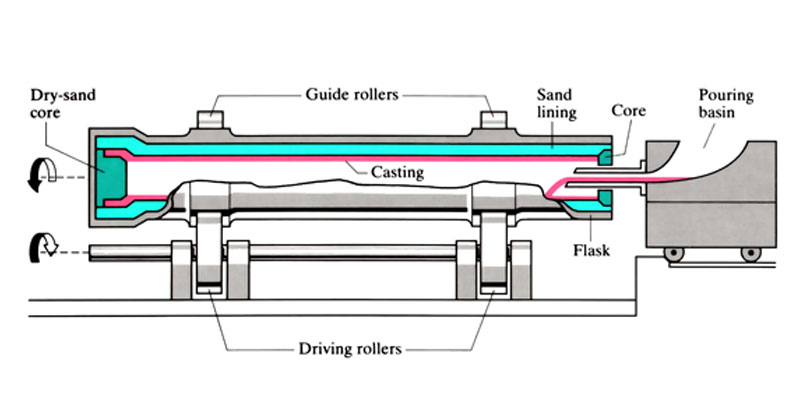
Centrbēdzes liešana ietver izkausēta metāla ieliešanu rotējošā veidnē, kur metāls aizpilda veidni un sacietē centrbēdzes spēka ietekmē.
Atbilstoši veidnes rotējošās ass orientācijai, tas ir sadalīts trīs veidos: horizontālā centrbēdzes liešana (ass horizontāla vai <4° uz horizontāli, piemērots garām cilindriskām daļām),
vertikālā centrbēdzes liešana (ass vertikāla, piemērots īsām cilindriskām vai gredzenveida daļām), un slīpās ass centrbēdzes liešana (reti izmanto sarežģītās darbības dēļ).
Centrbēdzes spēks virza izkausētā metāla virziena kustību, optimizējot liešanas struktūru.
Priekšrocības
- Vienkāršota veidņu struktūra: Dobām rotējošām daļām, nav kodola, vārtu sistēma, vai ir nepieciešams stāvvads, veidņu dizaina vienkāršošana un ražošanas izmaksu samazināšana.
- Augstas kvalitātes lējumi: Centrbēdzes spēks atdala zema blīvuma gāzes un izdedžus uz iekšējo virsmu,
un veicina virziena sacietēšanu no ārpuses uz iekšpusi, kā rezultātā veidojas blīva liešanas struktūra, daži defekti, un lieliskas mehāniskās īpašības. - Izmaksu ietaupījums bimetāla daļām: Viegli liejami bimetāla komponenti, piemēram, bukses un gultņi (Piem., tērauda piedurknes ar plānu vara oderi), ietaupot dārgus krāsainos metālus, vienlaikus nodrošinot veiktspēju.
- Spēcīga uzpildes jauda: Centrbēdzes spēks uzlabo izkausētā metāla plūstamību, piemērots plānsienu detaļu un sakausējumu ar sliktu plūstamību liešanai.
- Samazināti materiālu atkritumi: Likvidē vārtu sistēmas un stāvvadus, turpināt uzlabot materiālu izmantošanu.
Trūkumi & Ierobežojumi
- Slikta iekšējās virsmas kvalitāte: Lējumu iekšējā brīvā virsma ir raupja, ar lielām izmēru kļūdām un sliktu viendabīgumu, kam nepieciešama turpmāka apstrāde, lai atbilstu izmēru prasībām.
- Nav piemērots noteiktiem sakausējumiem: Nav piemērojams sakausējumiem ar izteiktu blīvuma segregāciju (Piem., svina bronza), jo centrbēdzes spēks pastiprinās segregāciju;
nav piemērots arī alumīnija un magnija sakausējumiem to zemā blīvuma un vājās centrbēdzes atdalīšanas efekta dēļ. - Ierobežotas liešanas formas: Piemērots tikai rotējošām simetriskām daļām (cilindri, gredzeni, piedurknes); nevar atliet sarežģītas formas detaļas ar neregulārām kontūrām.
- Augstas aprīkojuma prasības: Nepieciešamas specializētas centrbēdzes liešanas mašīnas ar stabilu rotācijas ātruma kontroli, palielinot ieguldījumus iekārtās.
7. Parasti izmantoto liešanas metožu salīdzināšanas tabula
| Liešanas metode | Priekšrocības | Ierobežojumi | Tipiskas lietojumprogrammas |
| Smilšu liešana | Zemas izmaksas, elastīgs mazām/lielām detaļām, vienkāršas un sarežģītas formas, pārstrādājamas smiltis | Vienreizējās lietošanas veidnes → zema efektivitāte, zemāka izmēru precizitāte, virsmas defekti | Motora bloki, sūkņu apvalki, lielas konstrukcijas daļas |
| Ieguldījums (Lost-Wasks) Liešana | Augsta precizitāte (CT4–6), lieliska virsmas apdare, sarežģītas formas, plānas sienas, plaša materiālu saderība | Augstas izmaksas, sarežģīts process, nav piemērots ļoti lielām daļām | Aviācijas un kosmosa komponenti, medicīniskie implanti, precīzas automobiļu daļas |
| Mirkšana | Augsta izmēru precizitāte (CT6–7), lieliska virsmas apdare, plānsienu daļas, augsta ražošanas efektivitāte, automatizācijai draudzīgs | Augstas instrumentu izmaksas, attiecas tikai uz sakausējumiem ar zemu kušanas temperatūru, porainības risks, nav ideāli piemērots mazām partijām | Automobiļu dzinēju daļas, apvalki, Patēriņa elektronika |
Pastāvīgā veidne (Metāla veidne) Liešana |
Atkārtoti lietojamās veidnes samazina izmaksas, blīva mikrostruktūra, lielas izturības, laba virsmas apdare | Augstas pelējuma izmaksas, stingra procesa kontrole, ierobežota līdz vidējai sarežģītībai, galvenokārt krāsaino metālu sakausējumi | Alumīnija virzuļi, cilindru galvas, automobiļu korpusi |
| Zema spiediena liešana | Gluds pildījums, minimāla porainība, augstas kvalitātes blīva struktūra, augsta metāla izmantošana (90-98%), piemērots plānsienu detaļām | Ierobežots stāvvada/vada kalpošanas laiks, oksidācijas risks, galvenokārt krāsaino metālu sakausējumiem | Alumīnija dzinēju bloki, cilindru galvas, virzuļi, magnija daļas |
| Centrbēdze | Blīvā struktūra, virziena sacietēšana, likvidē serdes, nodrošina bimetāla lējumus, samazināts vārts | Iekšējā brīvā virsma raupja, izmēru precizitāte ir ierobežota, nav piemēroti sakausējumiem, kas pakļauti segregācijai, tikai cilindriskā/rotācijas ģeometrijā | Pīpes, bukses, gultņi, cilindru uzlikas |
8. Secinājums
Katra liešanas metode piedāvā unikālas priekšrocības un ierobežojumus, kas padara to piemērotu īpašiem lietojumiem.
Smilšu liešana joprojām ir daudzpusīgākā un ekonomiskākā metode lieliem, Sarežģītas lējumi, savukārt ieguldījumu liešana nodrošina izcilu precizitāti augstvērtīgiem komponentiem.
Liešana ir izcila plānsienu detaļu liela apjoma ražošanā, un pastāvīgā liešana veidnēs nodrošina nemainīgu kvalitāti vidēja apjoma krāsaino metālu ražošanai.
Zemspiediena liešana ir ideāli piemērota augstas integritātes alumīnija un magnija komponentiem, un centrbēdzes liešana ir nepārspējama dobām simetriskām daļām.
Piemērotas liešanas metodes izvēle ir atkarīga no faktoriem, tostarp no daļas ģeometrijas, nepieciešamo izmēru precizitāti, virsmas apdare, materiāla veids, ražošanas apjoms, un izmaksu apsvērumi.
Mūsdienu ražošana arvien vairāk apvieno šīs metodes, lai izmantotu to papildu priekšrocības, inovāciju virzīšana sarežģītu komponentu ražošanā visā kosmosa jomā, autobūves, un rūpniecības nozarēs.