1. Ievads
Steel is one of the most critical materials in modern engineering, supporting industries ranging from construction and automotive manufacturing to aerospace and energy infrastructure.
Tomēr, not all steels perform identically. Depending on how much and which alloying elements they contain, steels split into low-alloy steel and high-alloy steel families.
Striking the right balance between performance and cost hinges on understanding these distinctions.
Tāpēc, this article examines low-alloy steel (LAS) and high-alloy steel (HAS) from multiple angles—chemistry, mehānika, izturība pret koroziju, apstrāde, ekonomika, and real-world applications—to guide your material selection.
2. What Is Low-Alloy Steel (LAS)?
Low-alloy steel is a category of ferrous materials engineered to achieve superior mechanical performance and environmental resistance through the addition of carefully controlled alloying elements.
Defined by the American Iron and Steel Institute (Aisi) as steels containing a total alloy content not exceeding 5% pēc svara,
low-alloy steels offer a refined balance between performance, ražošana, and cost—positioning them as workhorse materials across multiple industries.

Ķīmiskā sastāva un mikrostruktūra
Atšķirībā no oglekļa tērauda, which relies solely on the iron-carbon system,
low-alloy steels incorporate a variety of metallic elements that synergistically improve material properties without fundamentally altering the steel’s phase structure.
The most common alloying elements and their typical roles include:
- Hroms (Krekls): Enhances hardenability, izturība pret oksidāciju, un izturība augstā temperatūrā.
- Niķelis (Iekšā): Improves fracture toughness, especially at sub-zero temperatures.
- Molibdēns (Noplūde): Increases strength at elevated temperatures and enhances creep resistance.
- Vanādijs (V): Promotes fine grain size and contributes to precipitation hardening.
- Vara (Cu): Provides moderate atmospheric corrosion resistance.
- Titāns (No): Stabilizes carbides and enhances microstructural stability.
These alloying elements influence phase stability, solid-solution strengthening, and the formation of dispersed carbides or nitrides.
Rezultātā, low-alloy steels typically exhibit microstructures composed of ferīts, pērļs, bainite, vai martensīts, depending on the specific heat treatment and alloy content.
Piemēram, chromium-molybdenum steels (such as AISI 4130 vai 4140 tērauds) form tempered martensitic structures after quenching and tempering, offering high strength and wear resistance without sacrificing ductility.
Classification and Designation
Low-alloy steels are classified based on their mechanical behavior, termiskās apstrādes reakcija, or intended service environment. Common categories include:
- Rūdīti un rūdīti tēraudi: Known for high strength and toughness.
- Augstas stiprības zema sakausējuma (HSLA) Tērauds: Optimized for structural applications with enhanced formability and weldability.
- Creep-Resistant Steels: Designed to maintain strength at elevated temperatures.
- Weathering Steels (Piem., ASTM A588/Corten): Developed for improved atmospheric corrosion resistance.
In the AISI-SAE designation system, low-alloy steels are often identified by four-digit numbers starting with “41”, “43”, “86”, or “87”, indicating specific alloying combinations (Piem., 4140 = 0.40% C, Cr-Mo steel).
3. What Is High-Alloy Steel (HAS)?
High-alloy steel refers to a broad class of steels containing a total alloying element content exceeding 5% pēc svara, often reaching levels of 10% līdz 30% vai vairāk, depending on the grade and application.
Unlike low-alloy steel, which improves properties with modest additions, high-alloy steel relies on substantial concentrations of elements
piemēram hroms (Krekls), niķelis (Iekšā), molibdēns (Noplūde), volframs (W), vanādijs (V), un kobaltu (Co) to achieve highly specialized performance characteristics.
These steels are engineered for demanding environments requiring Izcila izturība pret koroziju, mehāniskā izturība, augstas temperatūras stabilitāte, vai nodilumizturība.
Common examples include nerūsējoši tēraudi, tēraudi, maraging steels, un supersakausējumi.

Ķīmiskā sastāva un mikrostruktūra
High-alloy steels possess complex chemistries designed to control the steel’s microstructure at both room and elevated temperatures. Each alloying element plays a precise role:
- Hroms (≥12%): Promotes passivation by forming a thin, adherent oxide layer, which is essential for corrosion resistance in stainless steels.
- Niķelis: Enhances toughness, trieciena pretestība, un izturība pret koroziju, while also stabilizing the austenitic phase.
- Molibdēns: Increases strength at high temperatures and improves resistance to pitting and crevice corrosion.
- Vanadium and Tungsten: Promote fine carbide formation for wear resistance and hot hardness.
- Cobalt and Titanium: Used in tool and maraging steels for solid-solution strengthening and precipitation hardening.
These alloying strategies enable precise phase manipulation, including retention of austenite, formation of martensite, or stabilization of intermetallic compounds and complex carbides.
Piemēram:
- Austenīta nerūsējošie tēraudi (Piem., 304, 316): High Cr and Ni contents stabilize a non-magnetic face-centered cubic (FCC) struktūra, maintaining ductility and corrosion resistance even at cryogenic temperatures.
- Martensitic and precipitation-hardened grades (Piem., 17-4Ph, H13 instrumentu tērauds): Feature a body-centered tetragonal (Bct) or martensitic structure that can be significantly hardened by heat treatment.
Classification of High-Alloy Steels
High-alloy steels are generally categorized into the following main types:
| Kategorija | Tipiski sakausējumi | Primary Features | Bieži sastopamas lietojumprogrammas |
|---|---|---|---|
| Nerūsējošais tērauds | 304, 316, 410, 17-4Ph | Corrosion resistance via Cr-passivation; some grades offer strength + elastība | Chemical equipment, medicīnas instrumenti, arhitektūra |
| Instrumentu tērauds | H13, D2, M2, T1 | Augsta cietība, nodilumizturība, sarkana cietība | Dies, griešanas rīki, veidnes |
| Martensijas tēraudi | 18Iekšā(250), 18Iekšā(300) | Īpaši augsta izturība, izturība; precipitation hardening of Ni-rich martensite | Avi kosmosa, aizsardzība, high-performance mechanical parts |
| Supersakausējumi | Neiebilstība 718, Hastelijs, Rene 41 | Izcils spēks + corrosion/oxidation resistance at high temperatures | Turbīnas, reaktīvie dzinēji, kodolreaktori |
4. Performance Characteristics of Low-Alloy vs High-Alloy Steel
Understanding how low-alloy vs high-alloy steel differs in mechanical and environmental performance is essential for engineers and designers
when selecting materials for structural integrity, service longevity, un rentabilitāte.
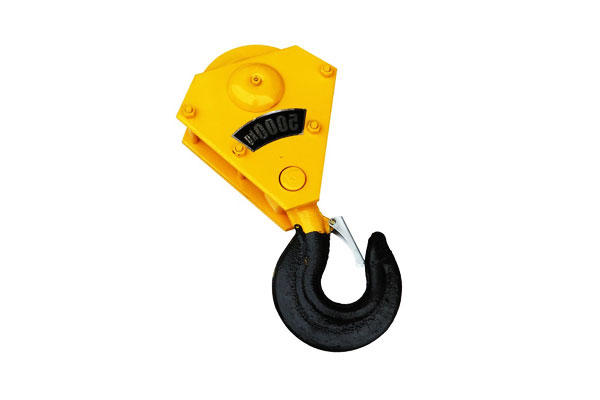
These performance attributes arise not only from chemical composition but also from thermomechanical treatments and microstructural control.
To provide a detailed comparison, the key characteristics are outlined below:
| Īpašums | Mazleģētais tērauds | Augsti leģētais tērauds |
|---|---|---|
| Stiepes izturība | Parasti svārstās no 450-850 MPa, depending on heat treatment and grade | Often exceeds 900 MPA, especially in hardened tool steels or maraging grades |
| Peļņas izturība | Can reach 350–700 MPa pēc rūdīšanas un rūdīšanas | Can surpass 800 MPA, particularly in precipitation-hardened and martensitic steels |
| Elastība (Pagarināšana %) | Moderate to good ductility (10-25%), suitable for forming | Atšķiras ļoti plaši; austenitic grades offer >30%, while tool steels may be <10% |
Cietība |
Sasniedz 200–350 HB; limited by carbon and alloy levels | Var pārsniegt 600 HV (Piem., in M2 or D2 steels); ideal for wear-critical applications |
| Nodilums pretestība | Enhanced by carbides in Cr/Mo grades, but moderate overall | Excellent in tool and die steels due to high carbide volume fraction |
| Stingrība lūzumam | Generally good at low to moderate strength levels | Austenitic steels offer high toughness; some high-strength grades may be notch-sensitive |
| Noguruma pretestība | Sufficient for dynamic load applications; sensitive to surface finish and stress | Superior in alloyed martensitic and maraging steels; enhanced crack resistance |
Šļūdes pretestība |
Limited long-term strength above 450° C | Excellent in nickel-rich high-alloy steels; used in turbines, katli |
| Termiskā stabilitāte | Phase stability and strength degrade above 500-600°C | Retains structural integrity up to 1000° C in superalloys and high-Cr grades |
| Izturība pret koroziju | Vāji vai vidēji; often needs coatings or inhibitors | Lielisks, especially in stainless steels with >12% Krekls and Ni-Mo additions |
| Termiskās apstrādes spējas | Readily hardenable via quench and temper cycles | Complex treatments: šķīduma atkausēšana, nokrišņu sacietēšana, cryogenic steps |
Metināmība |
Vispār labi; some cracking risk with high-carbon variants | Mainīgs; austenitic grades weld well, others may require preheating or filler metals |
| Mašīnīgums | Godīgi pret labu, especially in leaded or resulfurized variants | Can be difficult due to hardness and carbide content (use of coated tools recommended) |
| Formīgums | Suitable for bending and rolling in annealed states | Excellent in annealed austenitic steels; limited in hardened tool steels |
Galvenie novērojumi:
- Spēks pret. Toughness Trade-off: High-alloy steels often deliver higher strength, but some grades may lose ductility or toughness.
Low-alloy steels balance these properties effectively for structural use. - Temperature Performance: For high-temperature operations (Piem., spēkstacijas, reaktīvie dzinēji), high-alloy steels significantly outperform low-alloy counterparts.
- Korozijas aizsardzība: While low-alloy steels often rely on external coatings, high-alloy steels—especially stainless and superalloys—provide intrinsic corrosion protection via passive oxide films.
- Izmaksas vs. Sniegums: Low-alloy steel offers a favorable cost-to-performance ratio for general applications,
whereas high-alloy steel is reserved for scenarios demanding specialized functionality.
5. Lietojumprogrammas visās nozarēs
Mazleģētais tērauds
- Būvniecība: Tilti, celtņi, armatūra, strukturālās sijas
- Autobūves: Axles, rāmis, Suspensijas komponenti
- Eļļas & Gāze: Pipeline steels (API 5L X70, X80)
- Smagā mašīna: Mining equipment, spiediena tvertnes
Augsti leģētais tērauds
- Avi kosmosa: Turbīnu asmeņi, reaktīvo dzinēju sastāvdaļas, šasijas
- Ķīmiskā apstrāde: Reaktori, siltummaiņi, sūkņi
- Medicīnisks: Ķirurģiski instrumenti, ortopēdiskie implanti (316L nerūsējošais)
- Enerģija: Nuclear reactor internals, supercritical steam lines
6. Secinājums
Both low-alloy vs high-alloy steel offer critical benefits, depending on the performance needs and environmental challenges of a given application.
Low-alloy steels strike a favorable balance between strength, processability, un izmaksas, making them ideal for general engineering use.
Augsti leģētie tēraudi, No otras puses, deliver unparalleled mechanical and environmental performance for high-stakes industries such as aerospace, medicīnisks, un elektroenerģijas ražošana.
By understanding the chemical, mehānisks, and economic differences between these steel families,
decision-makers can optimize materials for safety, izturība, and total cost of ownership—ensuring engineering success from the blueprint to the final product.
Šis ir ideāla izvēle jūsu ražošanas vajadzībām, ja jums nepieciešama augstas kvalitātes leģētais tērauds daļa.
FAQ
Is stainless steel considered a high-alloy steel?
Jā. Stainless steel is a common type of high-alloy steel. It typically contains at least 10.5% hroms, which enables the formation of a passive oxide film that resists corrosion.
Many stainless steels also contain nickel, molibdēns, and other alloying elements.
Can low-alloy steel be used in corrosive environments?
Low-alloy steels offer mērena izturība pret koroziju, especially when alloyed with elements like copper or chromium.
Lai arī, they often require aizsargpārklājumi (Piem., cinkošana, gleznošana) vai katoda aizsardzība when used in aggressive or marine environments.
How does alloy content affect weldability?
Higher alloy content can reduce weldability due to increased hardenability and the risk of cracking.
Low-alloy steels generally exhibit better weldability, although preheating and post-weld heat treatment may still be necessary.
High-alloy steels often require specialized welding procedures and filler metals.
Are there international standards that distinguish between low and high-alloy steels?
Jā. Standards from organizations such as ASTM, ASME, Iso, and SAE/AISI define chemical composition limits and categorize steels accordingly.
These standards also specify mechanical properties, heat treatment conditions, un pieteikumi.
Which type of alloy steel is better for high-temperature applications?
Augsti leģētie tēraudi, īpaši Niķeļa bāzes superaloys vai high-chromium stainless steels,
perform significantly better in high-temperature environments due to their resistance to creep, oksidēšanās, un termiskais nogurums.
Low-alloy steels typically degrade at temperatures above 500°C.
Are high-alloy steels harder to machine and fabricate?
Jā, in general. Augsti leģētie tēraudi, especially tool steels and hardened stainless grades, var būt grūti apstrādājams due to their high hardness and carbide content.
Their weldability may also be limited in some grades. Tieši pretēji, many low-alloy steels are easier to weld, mašīna, un formu.
Which steel type is more cost-effective?
Mazleģētie tēraudi are typically more cost-effective in terms of initial purchase price and fabrication.
Lai arī, augsti leģētie tēraudi may offer a zemākas kopējās īpašuma izmaksas in demanding applications due to their izturība, resistance to failure, and reduced maintenance needs.