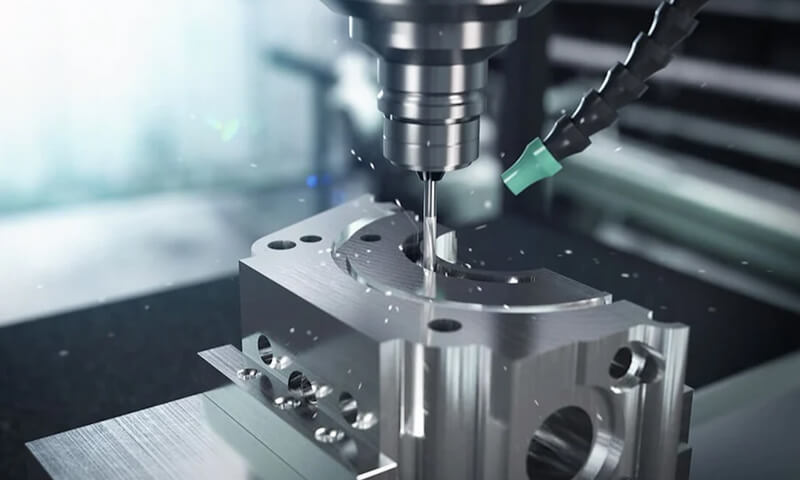
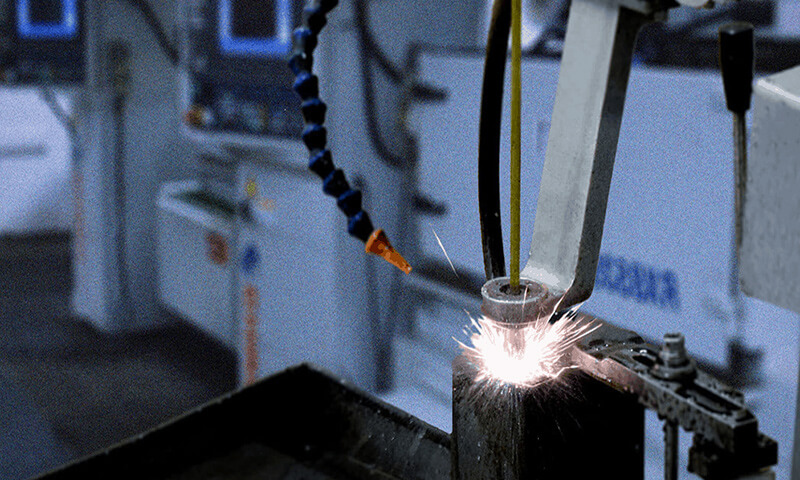
1. Ievads
Oglekļa tērauds investīciju liešana apvieno seno mākslu ar mūsdienu inženieriju, lai radītu kompleksu, augstas stiprības tērauda detaļas.
Izmantojot zaudētā vaska metodi, kad vienreizējās lietošanas vaska raksti kļūst par pastāvīgām tērauda daļām, šis process nodrošina pielaides un virsmas apdari, kas nav iedomājama parastajā smilšu liešanā..
Tās saknes stiepjas atpakaļ 5 000 gados līdz Mezopotāmijas zaudētā vaska bronzām, bet tikai 20. gadsimta vidū lietuves ieguva tērauda augsto kušanas temperatūru (1 500–1 600 ° C) un šaurs sacietēšanas diapazons.
Šodien, tādas nozares kā eļļas & gāze, enerģijas ražošana, smagā mašīna, un autobūves atkarīgi no oglekļa tērauda ieguldījumu lējumiem vārstu korpusiem, sūkņa lāpstiņriteņi, turbīnu korpusi, un strukturālās kronšteini.
Šajā rakstā ir apskatīti pamati, sakausējuma izvēle, pielāgotus procesa posmus, materiālu īpašības, ietekme uz vidi, un oglekļa tērauda investīciju liešanas konkurētspējīga pozicionēšana.
2. Oglekļa tērauda investīciju liešanas pamati
Oglekļa tērauda liešana rada unikālas problēmas. Tā augstā liešanas temperatūra prasa ugunsizturīgo apvalku sistēmas spēj izturēt augstāku temperatūru 1 700 ° C.
Turklāt, oglekļa tēraudiem parasti ir šaurs kristalizācijas intervāls - bieži vien mazāks par 70 °C — tāpēc tie ātri saraujas un riskē ar iekšējo porainību.

Salīdzinot ar smilšu liešana, ieguldījumu metodes nodrošina izmēru precizitāti ±0,1 mm maziem elementiem (pret ±1,5 mm) un virsmas apdare līdz Ra 0,8–3,2 µm (pret 12–50 µm).
Tomēr kalšana joprojām nodrošina smalkāku graudu plūsmu un izcilu noguruma kalpošanas laiku, padarot ieguldījumu liešanu par stratēģisku izvēli, ja tīkla formas ģeometrija ir svarīgāka par mehānisko optimizāciju.
3. Oglekļa tērauda sakausējumi investīciju liešanai
Izvēloties tiesības oglekļa tērauds pakāpe nosaka kastinga panākumus.
Oglekļa saturs ietekmē izturību, rūdāmība, un saraušanās, leģējot elementus (Nojaukšanās, Un, Krekls) kontrolēt rūdāmību, izturība, un nodiluma pretestība.
Investīciju liešana nodrošina zemu, vidējais-, un tēraudi ar augstu oglekļa saturu, katrs piedāvā atšķirīgus veiktspējas profilus:
- Zema oglekļa satura tēraudi (< 0.25 %C):
-
- Piedāvā lielisku lokanību un metināmību.
- Nepieciešama minimāla termiskā apstrāde, lai nodrošinātu stiepes izturību 400-550 MPa.
- Labi pasniedz vārstu korpusos, atloki, un vispārējas nozīmes piederumi.
- Vidēja oglekļa satura tēraudi (0.25–0,60 %C):
-
- Līdzsvaro spēku un stingrību, ar stiepes stiprību 500–650 MPa.
- Labi reaģējiet uz dzēšanu & temperaments, sasniedzot cietību līdz HRC 35–40.
- Parasti tiek ieliets sūkņa korpusos un konstrukcijas kronšteinos.
- Augsta oglekļa satura tēraudi (> 0.60 %C):
-
- Nodrošiniet augstāko stiepes stiprību 900 MPA pēc termiskās apstrādes.
- Izstrādājiet karbīda tīklus izcilai nodilumizturībai.
- Ideāli piemērots griešanas instrumentiem, nodiluma plāksnes, un stipri noslogotas sastāvdaļas.
4. Oglekļa tēraudiem pielāgots investīciju liešanas process
Vaska raksts & Vārtu dizains
Inženieri izstrādā vārtu sistēmas, kas padod tēraudu kontrolētā ātrumā, termiskā šoka samazināšana.
Vaska presformas darbojas 65–75 °C temperatūrā, un vārti palielinās par 20 % attiecībā pret alumīnija lējumiem, lai saglabātu uzpildes ātrumu.
Keramikas apvalku sistēmas
Lietuves pārmaiņus cirkons un alumīnija oksīds-silikāts vircas, ēku korpusi 12–20 mm.
Šī kombinācija nodrošina ugunsizturību ārpus tās 1 700 °C un caurlaidība izplūdes gāzes izplešanās procesam.
Atslogošana & Shell Burnout
Autoklāva atslogošana plkst 150 °C noņem masīvu vasku. Blakus, krāšņu rampa plkst 2 °C/min līdz 900 ° C, noturēt 4-6 stundas. Šis lēnais cikls novērš apvalka plaisāšanu, vienlaikus sadedzinot visas organiskās vielas.
Tērauda kausēšana & Izliešana
Indukcijas krāsnis siltuma maksas uz 1 550 ± 10 ° C, nodrošinot 5 % pārkarst. Lai samazinātu turbulenci, lietuvēs tiek izmantota noliekamā kausa vai vakuuma palīgliešana; mazie lējumi piepildās 30–60 s, lielāks 2-3 minūtēs.
Apvalka noņemšana & Virsmas apstrāde
Pēc 4-8 stundu atdzesēšanas, apkalpes mehāniski nokrata čaulas, tad smilšu strūklas virsmas līdz Ra 1,6–3,2 µm. Automātiskās slīpmašīnas noņem vārtus.
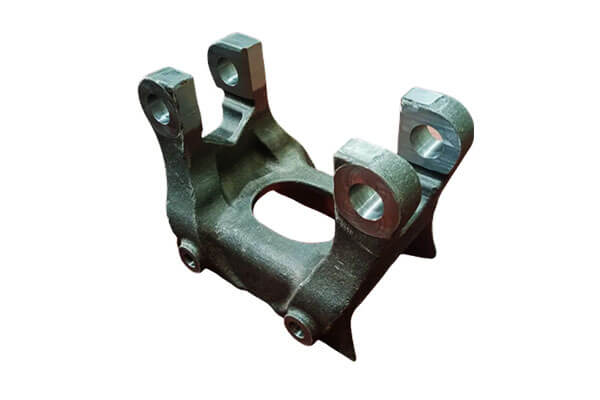
Termiskā apstrāde
Dzēst no 900 °C eļļā vai ūdenī, tad rūdījums plkst 600 ° C 2 laiks. Šis cikls nodrošina stiepes stiprību, kas atbilst kaltiem ekvivalentiem (400-900 MPa) un noregulē cietību uz HRC 20–55.
5. Mehānisks & Fizikālās īpašības
| Īpašums | Zems C | Med-C | Augsts C |
|---|---|---|---|
| Stiepes izturība (MPA) | 400-550 | 500–650 | ≥ 900 |
| Peļņas izturība (MPA) | 250–350 | 300–450 | 700-850 |
| Pagarināšana (%) | 20–25 | 15–20 | 2–5 |
| Cietība (HRC) | 15–20 | 25–35 | 45–55 |
| Ietekmēt izturību (Jūti, Ciparnīca) | 40–60 | 30–50 | 10–20 |
| Siltumvadītspēja (Ar m/m · k) | 30–45 | 28–40 | 25–35 |
| Paplašināšanās (10⁻⁶/K) | 11–13 | 12–14 | 12–14 |
6. Oglekļa tērauda investīciju lējumu izturība pret koroziju
Oglekļa tēraudu korozijas īpašības
Oglekļa tērauds ir pakļauts oksidācijai un rūsēšanai, ja tiek pakļauts mitrumam, skābeklis, un kodīgus līdzekļus, piemēram, skābes, sāļi, un rūpnieciskie piesārņotāji.
Tipiski korozijas ātrumi atmosfēras vidē (Piem., pilsētas vai jūras) neaizsargātam oglekļa tēraudam diapazons starp 0.02–0,2 mm/gadā, atkarībā no iedarbības smaguma pakāpes.
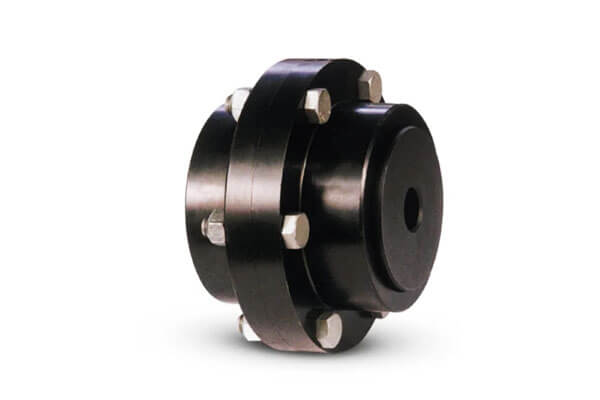
Virsmas apstrāde un aizsargpārklājumi
Lai uzlabotu izturību un izturību pret koroziju, oglekļa tērauda lējumi bieži tiek pārklāti vai apstrādāti. Parastās metodes ietver:
- Galvanizācija (Karsti iegremdējams cinka pārklājums)
Piedāvā katoda aizsardzību un tiek plaši izmantots konstrukcijās un ārpus telpām. Cinks galvenokārt korodē, tērauda pamatnes ekranēšana. - Fosfātu pārklājumi
Izmanto kā pirmapstrādi krāsošanai vai nodilumizturīgiem lietojumiem. Uzlabo krāsas saķeri un nodrošina vieglu aizsardzību pret koroziju. - Pulvera pārklājums vai gleznošana
Epoksīda vai poliuretāna pārklājumus bieži izmanto rūpnieciskām iekārtām un patēriņa precēm, lai uzlabotu estētiku un barjeru aizsardzību. - Galvanizācija (Piem., Cinks, Niķelis)
Piemērots mazām un precīzām sastāvdaļām. Nodrošina gludumu, vienmērīgas pret koroziju izturīgas virsmas. - Polimēru oderes vai gumijas pārklājums
Izmanto ļoti korozīvā vidē, piemēram, ķīmiskās apstrādes vai ūdens attīrīšanas lietojumos.
7. Kāpēc oglekļa tērauda investīciju liešana
Oglekļa tērauda ieguldīšanas lējuma izvēle sniedz nepārspējamas priekšrocības, ja lietojumi ir pieprasīti sarežģīta ģeometrija, stingras pielaides, un spēcīga mehāniskā veiktspēja.
Zemāk, mēs izklāstām galvenos iemeslus, kāpēc inženieri un lēmumu pieņēmēji atbalsta šo procesu:
Izcila detaļa un precizitāte
Ieguldījumu liešana atveido smalkas iezīmes — zemākas vērtības, plānas sienas (līdz 2 mm), un asi stūri — vienā ieliešanā.
Līdz ar to, jūs sasniedzat izmēru pielaides ±0,1 mm un virsmas apdare līdz Ra 0.8 µm, griežot sekundāro apstrādi līdz 60 %.
Sakausējuma elastība visos oglekļa diapazonos
Neatkarīgi no tā, vai jums ir vajadzīgas zema oglekļa satura kategorijas (A216 WCB) korozijizturīgiem vārstu korpusiem, vidēja oglekļa satura tēraudi (A297) sūkņu korpusiem,
vai sakausējumi ar augstu oglekļa saturu (A11540) nodilumizturīgām daļām, investīciju liešana ir piemērota tiem visiem.
Rezultātā, jūs saglabājat konsekventus procesa parametrus, vienlaikus pielāgojot mehāniskās īpašības — no 400 MPa stiepes izturība līdz beigām 900 MPA.
Komplekss, Near-Net-Shape ražošana
Likvidējot serdes un savienojumus, ieguldījumu liešana apvieno mezglus atsevišķos komponentos — samazinot metināšanas šuves, stiprinājumi, un noplūdes ceļi.
Piemēram, naftas lauka vārsta korpuss, kuram kādreiz bija nepieciešami četri smilšu liešanas gabali, tagad tiek izlaists kā viens bezšuvju lējums, samazinot montāžas darbu 50 % un uzlabojot uzticamību.
Augsta raža un materiālu efektivitāte
Rūpīga apvalka konstrukcija un kontrolēti ieliešanas ātrumi samazina saraušanās porainību, braukšana pirmās kārtas ienesīgums augstāk 90 %.
Turklāt, vārtu un stāvvada optimizācija samazina tērauda izmantošanu par 15 % salīdzinot ar smilšu liešanu, samazinot izejvielu izmaksas un lūžņus.
Izmaksu efektivitāte zemiem un vidējiem apjomiem
Lai gan instrumenti vaska presformām un keramikas čaumalām (USD 15 000–50 000) pārsniedz smilšu liešanu, līdzsvars bieži notiek plkst 1 000–5 000 daļas gadā.
Turpretī, šādu sarežģītu formu kalšana vai mehāniskā apstrāde rada daudz lielākas izmaksas par detaļu un ilgāku izpildes laiku.
Stratēģiskās nozares lietojumprogrammas
Tādas nozares kā eļļas & gāze, enerģijas ražošana, autobūves, un smago tehniku paļauties uz oglekļa tērauda ieguldījumu lējumiem kritiskajām sastāvdaļām — vārstu korpusiem, turbīnu izplūdes līkumi, sakabes,
jo metode līdzsvaro veiktspēju, uzticamība, un pavērsiens.
8. Oglekļa tērauda lējumu pielietojumi
Eļļas & Gāzes rūpniecība
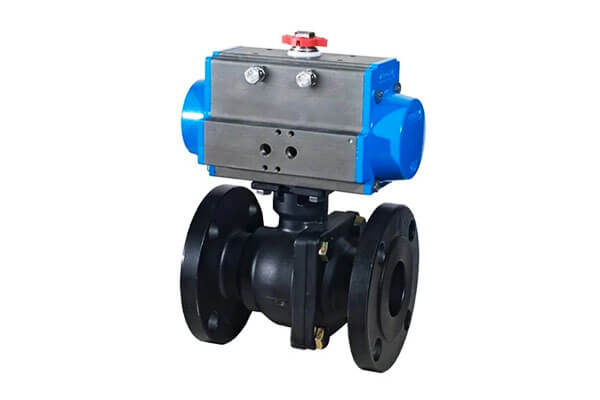
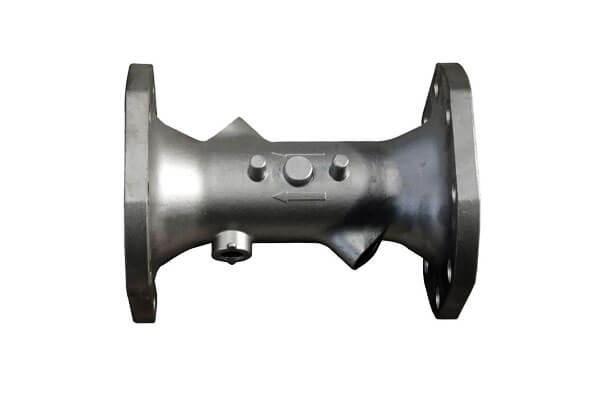
- Vārstu korpusi un izpildmehānismi
- Cauruļu savienotāji un savienojumi
- Augstspiediena sūkņu korpusi
- Atloki, elkoņi, un plūsmas kontroles komponenti
Enerģijas ražošana
- Tvaika turbīnu korpusi
- Sūkņu korpusi un lāpstiņriteņi
- Ātrumkārbas sastāvdaļas
- Izplūdes difuzori
Smagās mašīnas un rūpniecības aprīkojums
- Pārnesumu apvalki
- Gultņu balsti
- Šasijas savienotāji un kronšteini
- Nodilumizturīgas detaļas
Automobiļi un transports
- Balstiekārtas un kronšteini
- Dzinēja stiprinājumi
- Stūres un sakabes sastāvdaļas
- Bremžu sistēmas daļas
- Sakabes un dzelzceļa vagonu furnitūra
Lauksaimniecības & Apvidus autoceļu aprīkojums
- Arkla kronšteini
- Hidraulisko cilindru sastāvdaļas
- Pacelšanas āķi un važas
- Rāmja daļas
Aizsardzība & Militārais
- Bruņojuma korpuss
- Sprūda mehānismi
- Taktiskās transportlīdzekļa sastāvdaļas
- Strukturālie kronšteini un stiprinājumi
Jūras rūpniecība
- Klāja piederumi
- Dzinēju atbalsta konstrukcijas
- Vinču korpusi
Būvniecība & Strukturālā aparatūra
- Celtņa sastāvdaļas
- Stiprinājuma savienotāji
- Liftu kronšteini
- Armatūras savienotāji
Instrumenti un armatūra
- Apstrādes armatūra
- Metināšanas pozicionieri
- Robotu rokas un satveršanas instrumenti
9. Tipiskas oglekļa tērauda kategorijas, ko izmanto investīciju liešanā
Tālāk ir sniegts tipisku oglekļa tērauda kategoriju saraksts, ko parasti izmanto precīzajā liešanā (investīciju liešana),
Aptver dažādus starptautiskos standartus, uz kuru ir ērti atsaukties un atlasīt pasaules ražošanas uzņēmumiem:
| Standarta & Pakāpe | Oglekļa saturs (C) | Stiepes izturība (MPA) | Tipiskas lietojumprogrammas |
|---|---|---|---|
| ASTM A216 WCB | 0.17% maksimums | 415-485 | Vārsti, sūkņi, atloki, vispārējie spiediena pielietojumi |
| ASTM A352 LCB | 0.20% maksimums | 485–620 | Zemas temperatūras spiediena sistēmas |
| ASTM A105 | 0.35% maksimums | 485-655 | Kalti atloki, armatūra, spiediena tvertnes |
| Astm aisi 1020 | 0.18–0,23% | 395–510 | Mašīnu daļas, vārpstas, automobiļu komponenti |
| Astm aisi 1030 | 0.28–0,34% | 450–600 | Strukturālie stieņi, sliežu plāksnes, kloķvārpstas |
| Astm aisi 1045 | 0.43–0,50% | 570-750 | Pārnesumi, asis, skrūves, kloķvārpstas |
| Astm aisi 1055 | 0.50–0,60% | 610–830 | Zobrati, bukses, rokas instrumenti |
| Astm aisi 1080 | 0.75–0,88% | 720-880 | Atsperes, asmeņi, nodilumizturīgas daļas |
| A C22 (1.0402) | ~0,22% | 400–500 | Automobiļu kalumi, celtniecības tehnika |
| LV C45 (1.0503) | ~0,45% | 570–800 | Vārpstas, vārpstas, izciļņi |
| DIN GS-C25 | ~0,25% | 450–600 | Vispārīgās inženiertehniskās daļas |
| TIKAI S25C | ~0,25% | 440-580 | Kalumi, sviras, saites |
| HE S45C | ~0,45% | 570–800 | Transmisijas daļas, pārnesumi |
| GB 25# | ~0,25% | 450–600 | Lauksaimniecības tehnika, automobiļu komponenti |
| GB 45# | ~0,45% | 570-750 | Augstas stiprības konstrukcijas daļas |
10. Secinājums
Oglekļa tērauda investīciju liešanas tilti mākslinieciski un augstas temperatūras metalurģijā, piegādāt detaļas, kas apvienotas sarežģīta ģeometrija, stingras pielaides, un spēcīga mehāniskā veiktspēja.
Lai gan augstās instrumentu izmaksas un procesa jutīgums rada problēmas, čaulas materiālu sasniegumi un digitālā uzraudzība samazina izpildes laiku un defektus.
Izvēloties pareizo tērauda marku, vārtu un apvalku sistēmu optimizēšana, un piemērotu termisko apstrādi,
ražotāji var piesaistīt ieguldījumus, lai apmierinātu vissmagākās enerģijas prasības, tehnika, un transportēšana.
Šis Tehnika ir ievērojams Ķīnas ražotājs, kas specializējas oglekļa tērauda investīciju liešanā, piedāvājot visaptverošus metālapstrādes risinājumus, kas pielāgoti dažādiem rūpnieciskiem lietojumiem.
Ar vairāk nekā divu gadu desmitu pieredzi, Šis ir pierādījis sevi kā uzticamu partneri klientiem, kuri meklē augstu precizitāti, pēc pasūtījuma izgatavotas sastāvdaļas.
FAQ
Kādas ir tipiskās pielaides, ko var sasniegt ar oglekļa tērauda ieguldījumu liešanu?
Ieguldījumu liešana parasti sasniedz izmēru pielaides ±0,10 mm maziem elementiem un līdz ±0,5 mm lielākām funkcijām, atkarībā no komponenta sarežģītības un izmēra.
Cik spēcīgi ir oglekļa tērauda investīciju lējumi?
Atkarībā no pakāpes un termiskās apstrādes, stiepes stiprības svārstās no 400 MPa beigusies 900 MPA. Oglekļa tēraudus var rūdīt, lai uzlabotu nodilumizturību un noguruma kalpošanas laiku.
Vai pēc liešanas ir nepieciešama termiskā apstrāde?
Jā, vairumā gadījumu. Termiskās procedūras, piemēram normalizēšana, rūdīšana, vai rūdīšana un rūdīšana tiek izmantoti, lai uzlabotu mehāniskās īpašības un mazinātu iekšējo spriegumu.
Kādi ir investīciju liešanas oglekļa tērauda virsmas apdares līmeņi?
Ieguldījumu liešana var sasniegt virsmas apdari Ra 3,2–6,3 µm, ievērojami gludāka nekā smilšu liešana un bieži vien ir pieņemama bez turpmākas apstrādes.
Vai var izliet sarežģītas ģeometrijas un iekšējās iezīmes?
Jā. Investīciju liešana ļauj gandrīz tīkla forma sarežģītu ģeometriju izgatavošana, ieskaitot zemūdens, smalka detaļa, un plānām sienām— bieži vien novērš nepieciešamību pēc metināšanas vai montāžas.