
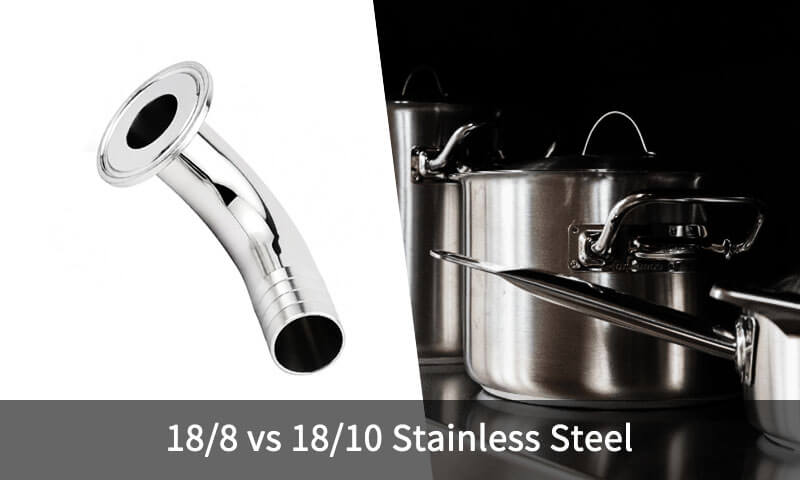
Ieejiet jebkurā virtuves piederumu veikalā, un uz podiem redzēsit etiķetes ar uzrakstu “18/8 Stainless Steel” vai “18/10 Stainless Steel”., pannas, galda piederumi, un virtuves piederumi.
Šie skaitļi ir vairāk nekā mārketinga žargons — tie atspoguļo nerūsējošā tērauda ķīmisko sastāvu un tieši ietekmē veiktspēju., izturība, un gatavā produkta izturība pret koroziju.
Šis raksts sniedz visaptverošu informāciju, stingrs salīdzinājums 18/8 un 18/10 nerūsējošais tērauds.
Mēs izpētīsim to definīcijas, ķīmiskie sastāvi, veiktspējas īpašības, pieteikumi, Ietekme uz izmaksām, un kā izvēlēties starp tiem.
1. Kas ir 18/8 Nerūsējošais tērauds?
18-8 nerūsējošais tērauds ir austenīta nerūsējošā tērauda sakausējums, kas satur aptuveni 18% hroms un 8% niķelis pēc svara.
Nosaukums “18/8” apzīmē aptuveno sakausējuma sastāvu, nevis oficiālu starptautisku materiāla apzīmējumu.
Vairumā gadījumu, 18/8 nerūsējošais tērauds cieši atbilst 304 nerūsējošais tērauds, viena no pasaulē visplašāk izmantotajām nerūsējošā tērauda kategorijām.
Pamata struktūra 18/8 nerūsējošais tērauds galvenokārt sastāv no dzelzs, ar hromu un niķeli kā galvenajiem sakausējuma elementiem.
Hroms nodrošina izturību pret koroziju, veidojot plānu, stabils hroma oksīda pasīvais slānis uz virsmas, savukārt niķelis stabilizē austenīta mikrostruktūru un uzlabo izturību, elastība, un izturība pret ķīmisko uzbrukumu.
Kombinācija aptuveni 18% hroms un 8% niķelis rada līdzsvarotu materiālu ar izcilu vispārējo veiktspēju, padarot to piemērotu vispārējiem lietojumiem, kur ir izturība pret koroziju, izturība, un pieejamība ir vienlīdz svarīgi.
Galvenie identifikatori:
- AISI pakāpe: 304
- Mūs: S30400
- Iekšā: 1.4301
- Parastais nosaukums: 18/8 nerūsējošais tērauds
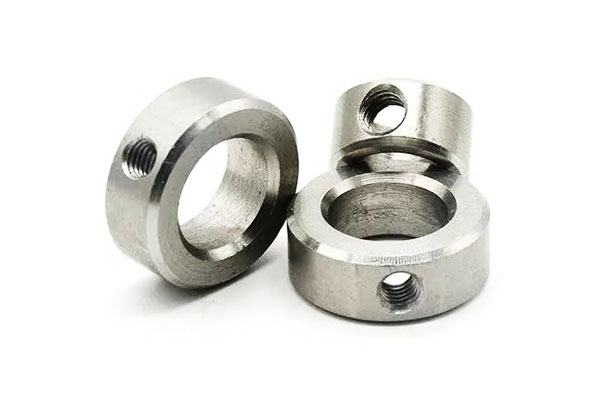
Iezīmes 18/8 Nerūsējošais tērauds
- Lieliska izturība pret koroziju vispārējos apstākļos
Ar hromu bagātais pasīvais slānis nodrošina drošu aizsardzību pret atmosfēras koroziju, mitrums, pārtikas skābes, un daudzas sadzīves ķimikālijas. - Austenīta mikrostruktūra ar augstu izturību
Stabils uz seju centrēts kubisks (FCC) struktūra ļauj 18/8 nerūsējošais tērauds, lai saglabātu labu triecienizturību un elastību pat zemā temperatūrā. - Lieliska formējamība un metināmība
18/8 nerūsējošo tēraudu var viegli apstrādāt, štancējot, saliekšana, dziļš zīmējums, metināšana, un mehāniskā apstrāde, padarot to piemērotu sarežģītu komponentu ražošanai. - Neporaina un higiēniska virsma
Blīvā metāla virsma novērš baktēriju uzkrāšanos un ļauj viegli tīrīt, padarot to ideāli piemērotu lietošanai saskarē ar pārtiku un sanitārajām ierīcēm. - Labs līdzsvars starp spēku un izmaksām
Tas nodrošina augstas veiktspējas nerūsējošā tērauda īpašības, vienlaikus saglabājot salīdzinoši ekonomisku cenu salīdzinājumā ar augstākas sakausējuma kategorijām. - Laba oksidācijas izturība paaugstinātā temperatūrā
Tas var izturēt vidēji augstu temperatūru, vienlaikus saglabājot struktūras stabilitāti, lai gan ekstremālos apstākļos ir nepieciešami specializēti augstas temperatūras sakausējumi.
Ierobežojumi 18/8 Nerūsējošais tērauds
- Zemāka izturība pret hlorīdu vidi, salīdzinot ar 316 nerūsējošais tērauds
Jūras ūdenī, jūras atmosfēra, un hlorīdu saturošas ķīmiskas vielas, 18/8 nerūsējošajam tēraudam var rasties lokāla korozija, piemēram, punktveida vai plaisu korozija. - Nedaudz zemāka izturība pret koroziju nekā 18/10 nerūsējošais tērauds
Samazinātais niķeļa saturs nodrošina nedaudz mazāku aizsardzību agresīvā ķīmiskā vidē. - Var būt nepieciešama virsmas apkope skarbos apstākļos
Lai gan izturīgs pret koroziju, piesārņojums, sāls nogulsnes, vai ķīmiskā iedarbība laika gaitā var ietekmēt virsmas izskatu. - Nav piemērots ļoti kodīgiem lietojumiem
Ķīmiskā apstrāde, ārzonas iekārtas, un farmaceitiskajā vidē, kurā nepieciešama ārkārtēja izturība pret koroziju, var būt nepieciešami augstāk leģēti nerūsējošie tēraudi, piemēram, 316 vai dupleksais nerūsējošais tērauds.
Pieteikšanās 18/8 Nerūsējošais tērauds
18/8 nerūsējošais tērauds tiek plaši izmantots, jo tas nodrošina uzticamu veiktspēju par saprātīgām izmaksām.
Tipiski lietojumi ietver:
- Virtuves un mājsaimniecības preces
Virtuves piederumi, izlietnes, trauki, pārtikas konteineri, ierīces, un uzglabāšanas iekārtas. - Ēdienu un dzērienu aprīkojums
Apstrādes mašīnas, tvertnes, cauruļvadu sistēmas, un sanitārās sastāvdaļas. - Rūpnieciskās sastāvdaļas
Mašīnu rāmji, stiprinājumi, iekavas, siltummaiņi, vārsti, un vispārējas nozīmes iekārtas. - Arhitektūras pielietojumi
Margas, dekoratīvās konstrukcijas, interjera sastāvdaļas, un celtniecības aparatūra. - Automobiļu un transporta sastāvdaļas
Izplūdes komponenti, apgriež, iekavas, un konstrukcijas daļas, kurām nepieciešama izturība pret koroziju. - Precīzijas ražošanas un liešanas pielietojumi
Nerūsējošā tērauda precīzijas lējumi, investīciju liešanas sastāvdaļas, un sarežģītas rūpnieciskās daļas.
2. Kas ir 18/10 Nerūsējošais tērauds?
18-10 nerūsējošais tērauds ir austenīta nerūsējošā tērauda sakausējums, kas satur aptuveni 18% hroms un 10% niķelis.
Salīdzinot ar 18/8 nerūsējošais tērauds, galvenā atšķirība ir augstāks niķeļa saturs.
Patīk 18/8 nerūsējošais tērauds, 18/10 nerūsējošais tērauds ir cieši saistīts ar 304 nerūsējošā tērauda saime.
Papildu niķelis uzlabo austenīta struktūras stabilitāti un uzlabo vairākas veiktspējas īpašības, ieskaitot izturību pret koroziju, izturība, virsmas kvalitāte, un ilgstoša izturība.
Pateicoties tā izcilajam izskatam un uzlabotajām pretestības īpašībām, 18/10 nerūsējošais tērauds bieži tiek izmantots augstas kvalitātes virtuves traukos, luksusa galda piederumi, pārtikas pārstrādes iekārtas, un lietojumiem, kur svarīga ir gan estētika, gan veiktspēja.
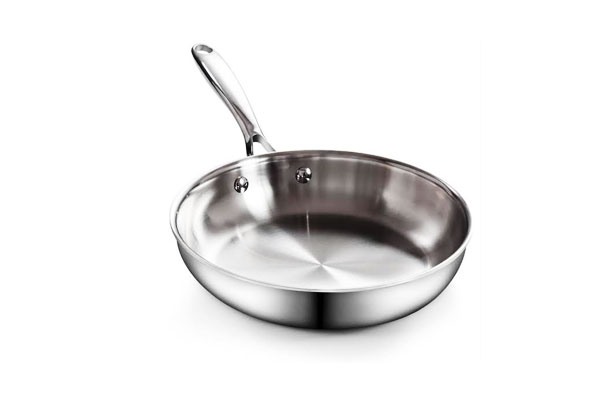
Iezīmes 18/10 Nerūsējošais tērauds
- Paaugstināta izturība pret koroziju
Lielāks niķeļa saturs uzlabo izturību pret oksidēšanu, krāsošana, un ķīmiskā iedarbība, īpaši mitrā vai viegli agresīvā vidē. - Izcila virsmas apdare un izskats
18/10 nerūsējošais tērauds rada gaišāku, gludāka, un vairāk atstarojoša virsma pēc pulēšanas, padarot to priekšroku augstākās kvalitātes produktiem. - Lieliska stingrība un struktūras stabilitāte
Palielināts niķeļa saturs nostiprina austenīta fāzi, uzlabo izturību pret triecieniem un mehānisko spriegumu. - Lieliska izturība pret atkārtotiem tīrīšanas cikliem
Tas saglabā virsmas integritāti biežas mazgāšanas laikā, sterilizācija, un mazgāšanas līdzekļu iedarbība. - Izcila higiēnas veiktspēja
Blīvā, gluda virsma samazina piesārņojuma risku un atbalsta stingras sanitārijas prasības. - Lieliskas ražošanas īpašības
Patīk 18/8 nerūsējošais tērauds, to var metināt, veidojas, apzīmogots, un efektīvi apstrādāti.
Ierobežojumi 18/10 Nerūsējošais tērauds
- Augstākas materiālu izmaksas
Palielinātais niķeļa saturs ievērojami paaugstina izejvielu izmaksas salīdzinājumā ar 18/8 nerūsējošais tērauds. - Parastā vidē veiktspējas uzlabošana var būt ierobežota
Vispārīgai lietošanai mājsaimniecībā un rūpniecībā, atšķirība starp 18/8 un 18/10 var neattaisnot papildu izmaksas. - Nav piemērots ekstrēmām hlorīdu vidēm
Lai gan izturīgāks pret koroziju nekā 18/8, tas joprojām nevar aizstāt specializētās pakāpes, piemēram, 316 nerūsējošais tērauds jūras vai ķīmiskajā lietošanā. - Lielāka jutība pret sakausējuma izmaksu svārstībām
Tā kā niķeļa cenas pasaules tirgos ievērojami atšķiras, 18/10 nerūsējošā tērauda izmaksas var svārstīties vairāk nekā alternatīvas ar zemāku niķeļa saturu.
Pieteikšanās 18/10 Nerūsējošais tērauds
18/10 nerūsējošais tērauds parasti tiek izvēlēts lietojumiem, kur veiktspēja, izskats, un higiēnas prasības ir augstākas.
Tipiski lietojumi ietver:
- Premium virtuves un galda piederumi
Augstākās klases podi, pannas, galda piederumi, apkalpošanas aprīkojums, un virtuves izstrādājumi. - Pārtikas pārstrādes aprīkojums
Glabāšanas tvertnes, sanitārie cauruļvadi, apstrādes iekārtas, un komerciālās virtuves sistēmas. - Medicīnas un farmācijas iekārtas
Sastāvdaļas, kurām nepieciešama tīra virsma, izturība pret koroziju, un vienkārša sterilizācija. - Arhitektūras un dekoratīvie pielietojumi
Luksusa interjera konstrukcijas, dekoratīvie paneļi, margas, un augstākās kvalitātes apdari. - Precīzi nerūsējošā tērauda lējumi
Sūkņa sastāvdaļas, vārstu ķermeņi, instrumentu daļas, un sarežģītiem rūpnieciskiem komponentiem, kam nepieciešama izcila virsmas kvalitāte. - Laboratorijas un tīro telpu aprīkojums
Darba virsmas, apvalki, un aprīkojuma rāmji, kur piesārņojuma kontrole ir kritiska.
3. Ķīmiskais sastāvs: 18/8 un 18/10 Nerūsējošais tērauds
Veiktspējas atšķirības starp 18/8 un 18/10 nerūsējošā tērauda pamatā ir to sakausējumu sastāvs, īpaši niķeļa satura atšķirības.
Abi materiāli pieder pie austenīta nerūsējošā tērauda saime, raksturojas ar seju centrētu kubiku (FCC) kristāla struktūra, kas nodrošina izcilu izturību pret koroziju, izturība, un formablitāte.
Lai gan nosaukumi “18/8” un “18/10” tiek plaši izmantoti komerciālajos tirgos, tie ir aptuvens sakausējuma procentuālais daudzums, nevis formāla metalurģijas klasifikācija.
Vairumā gadījumu, abi materiāli ir cieši saistīti ar Aisi 304 nerūsējošais tērauds, galvenā atšķirība ir sakausējumam pievienotā niķeļa daudzums.
| Elements | 18/8 Nerūsējošais tērauds | 18/10 Nerūsējošais tērauds | Funkcionālā loma |
| Hroms (Krekls) | Aptuveni 18% | Aptuveni 18% | Veido pasīvu hroma oksīda plēvi, kas nodrošina izturību pret koroziju |
| Niķelis (Iekšā) | Aptuveni 8% | Aptuveni 10% | Stabilizē austenīta struktūru un uzlabo izturību, izturība pret koroziju, un virsmas kvalitāte |
| Ogleklis (C) | Parasti ≤0,08% | Parasti ≤0,08% | Kontrolē spēku, cietība, un metināmība |
| Dzelzs (Fe) | Līdzsvars | Līdzsvars | Primārā strukturālā matrica |
| Citi elementi | Nelielos daudzumos Mn, Un, Pūtīt, S | Nelielos daudzumos Mn, Un, Pūtīt, S | Uzlabojiet apstrādes veiktspēju un sakausējuma stabilitāti |
Niķeļa loma: Galvenā atšķirība starp 18/8 un 18/10
Niķelis ir galvenais atšķirības faktors 18/8 no 18/10 nerūsējošais tērauds.
Lai gan atšķirība ir tikai aptuveni 2 procentu punktiem, niķelis būtiski ietekmē nerūsējošā tērauda īpašības.
Niķeļa galvenās funkcijas ietver:
- Austenīta kristāla struktūras stabilizēšana istabas un zemā temperatūrā.
- Uzlabo elastību un stingrību.
- Palielina izturību pret ķīmisko koroziju.
- Uzlabo virsmas spilgtumu un pulējamību.
- Palielina izturību pret sprieguma korozijas plaisāšanu noteiktos apstākļos.
Iekšā 18/10 nerūsējošais tērauds, papildu niķeļa saturs nodrošina stabilāku austenīta struktūru un nedaudz uzlabo noturību pret iekrāsošanos, skābā vide, un atkārtoti tīrīšanas cikli.
Lai arī, atšķirība ir jāsaprot pareizi.
Papildu niķelis nepārveidojas 18/10 nerūsējošais tērauds pilnīgi citā materiālu kategorijā. Tā vietā, tas nodrošina pakāpeniskus uzlabojumus, kas kļūst vērtīgi augstākās klases lietojumos, kur svarīgs ir ilgtermiņa izskats un izturība.
4. Veiktspējas salīdzinājums: 18/8 vs 18/10 Nerūsējošais tērauds
Kaut gan 18/8 un 18/10 nerūsējošajam tēraudam ir daudz līdzību, niķeļa satura atšķirība rada izmērāmas atšķirības noteiktās darbības jomās.
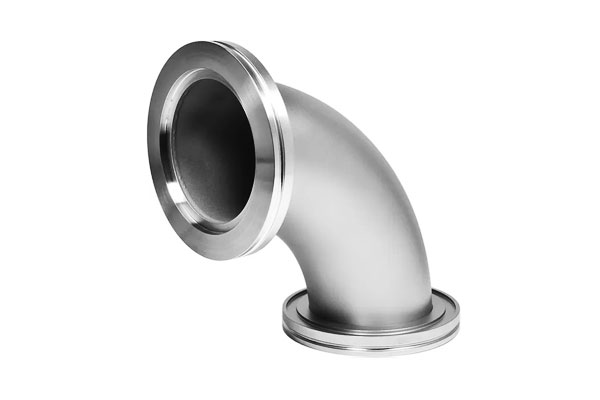
Izturība pret koroziju
Izturība pret koroziju ir viens no svarīgākajiem faktoriem, izvēloties nerūsējošo tēraudu.
Abi 18/8 un 18/10 nerūsējošais tērauds nodrošina lielisku aizsardzību pret atmosfēras koroziju, jo abi satur pietiekami daudz hroma, lai izveidotu stabilu pasīvo oksīda plēvi.
Parastā vidē, tostarp iekštelpu lietojumiem, saldūdens iedarbība, saskare ar pārtiku, un vispārējai rūpnieciskai lietošanai, korozijas izturības atšķirība starp abiem materiāliem ir salīdzinoši neliela.
Abi var uzturēt ilgu kalpošanas laiku bez aizsargpārklājumiem.
Lai arī, augstāks niķeļa saturs 18/10 nerūsējošais tērauds nodrošina papildu stabilitāti prasīgākos apstākļos.
Niķelis uzlabo izturību pret noteiktām skābām vielām, organiskie savienojumi, un atkārtota iedarbība uz tīrīšanas ķimikālijām.
Tas padara 18/10 nerūsējošais tērauds, kas ir īpaši izdevīgs tādos lietojumos kā augstākās kvalitātes virtuves piederumi, pārtikas pārstrādes iekārtas, un sanitārās sistēmas.
| Vide | 18/8 Nerūsējošais tērauds | 18/10 Nerūsējošais tērauds |
| Iekštelpu atmosfēra | Lielisks | Lielisks |
| Saldūdens vide | Lielisks | Lielisks |
| Lietojumprogrammas saskarei ar pārtiku | Lielisks | Lielisks |
| Skābās pārtikas iedarbība | Ļoti labs | Nedaudz labāk |
| Bieža tīrīšana ar mazgāšanas līdzekļiem | Ļoti labs | Labāks |
| Sāls izsmidzināšanas vide | Mērens līdz labs | Labs |
| Jūras vai hlorīdu bagāta vide | Ierobežots | Ierobežots (316 ieteicams) |
Izturība un mehāniskā veiktspēja
Abi 18/8 un 18/10 nerūsējoši tēraudi pieder pie austenīta nerūsējošā tērauda saimes un parasti atbilst AISI 304 tipa nerūsējošā tērauda kompozīcijas.
To mehāniskās īpašības galvenokārt nosaka to austenīta mikrostruktūra, aukstā darba stāvoklī, graudu lielums, un ražošanas process, nevis tikai niķeļa saturs.
Nākamajā tabulā ir sniegti tipiski mehānisko īpašību diapazoni atkvēlinātajam 18/8 un 18/10 nerūsējošais tērauds.
| Mehāniskais īpašums | 18/8 Nerūsējošais tērauds (Tipisks AISI 304) | 18/10 Nerūsējošais tērauds (Premium 304-Tips) | Inženierzinātnes nozīme |
| Stiepes izturība | 515–650 MPa | 520-680 MPa | Norāda izturību pret vilkšanas spēku un konstrukcijas bojājumu |
| Ražas spēks (0.2% kompensēt) | ≥205 MPa | 210-250 MPa | Apzīmē slodzes ietilpību pirms paliekošās deformācijas |
| Pagarinājums pārtraukumā | 40-60% | 45-60% | Norāda uz izcilu elastību un formēšanas spēju |
| Laukuma samazināšana | 60-70% | 60-75% | Atspoguļo izturību pret lūzumiem deformācijas laikā |
| Brinela cietība (HB) | 123-201 HB | 130-210 HB | Norāda izturību pret iespiedumiem un nodilumu |
Rokvela cietība |
HRB 70-95 | HRB 75-95 | Piemērots vispārīgām strukturālām un izgatavotām sastāvdaļām |
| Elastības modulis | 193 GPA | 193 GPA | Nosaka stingrību elastīgas slodzes apstākļos |
| Triecienizturība istabas temperatūrā | >100 Jūti (Carpy v-nety, tipisks) | >120 Jūti (Carpy v-nety, tipisks) | Uzrāda izcilu izturību pret pēkšņu triecienu |
| Noguruma spēks (10⁷ cikli, aptuvens) | 240-260 MPa | 250-280 MPa | Nosaka ilgtermiņa izturību cikliskās slodzes apstākļos |
| Blīvums | 7.90–8,00 g/cm³ | 7.90–8,00 g/cm³ | Norāda līdzīgas svara īpašības |
Karstumizturība un termiskā veiktspēja
Austenīta nerūsējošais tērauds tiek plaši izmantots paaugstinātas temperatūras lietojumos, jo tie saglabā mehānisko stabilitāti labāk nekā daudzi oglekļa tēraudi.
Abi 18/8 un 18/10 nerūsējošais tērauds nodrošina:
- Laba oksidācijas izturība.
- Stabilas mehāniskās īpašības vidēji augstā temperatūrā.
- Izturība pret termisko ciklu.
- Zems trauslumu risks temperatūras izmaiņu laikā.
Augstāks niķeļa saturs 18/10 nerūsējošais tērauds uzlabo fāzes stabilitāti paaugstinātā temperatūrā, ļaujot tai uzticamāk saglabāt savu austenīta struktūru termiskā stresa apstākļos.
| Veiktspējas aspekts | 18/8 Nerūsējošais tērauds | 18/10 Nerūsējošais tērauds |
| Oksidācijas izturība | Lielisks | Nedaudz labāk |
| Termiskā riteņbraukšanas pretestība | Ļoti labs | Lielisks |
| Augstas temperatūras konstrukcijas stabilitāte | Labs | Nedaudz uzlabots |
| Mājsaimniecības gatavošanas temperatūra | Lielisks | Lielisks |
| Īpaši augstas temperatūras pielietojumi | Ierobežots | Ierobežots (nepieciešami īpaši sakausējumi) |
Parastajiem virtuves traukiem, pārtikas iekārtas, un mājsaimniecības lietojumprogrammas, siltuma pretestības atšķirība starp abām kategorijām ir minimāla.
Lai arī, rūpnieciskā vidē, kas saistīta ar ilgstošu termisku iedarbību, 18/10 nerūsējošais tērauds var nodrošināt uzlabotu uzticamību.
Virsmas izskats un apdares kvalitāte
Virsmas izskats ir viena no jomām, kur atšķirība starp 18/8 un 18/10 nerūsējošais tērauds kļūst pamanāmāks.
Niķelis uzlabo nerūsējošā tērauda spēju panākt gludumu, gaišs, un atstarojoša apdare pēc pulēšanas.
Rezultātā, 18/10 nerūsējošais tērauds bieži tiek izvēlēts augstākās klases izstrādājumiem, kur izskats ir galvenais pārdošanas punkts.
18/10 nerūsējošais tērauds parasti nodrošina:
- Lielāks virsmas spilgtums pēc pulēšanas.
- Labāka izturība pret krāsas maiņu.
- Izsmalcinātāks metālisks izskats.
- Uzlabota dekoratīvās apdares saglabāšana.
| Virsmas raksturojums | 18/8 Nerūsējošais tērauds | 18/10 Nerūsējošais tērauds |
| Dabīgs metālisks izskats | Labs | Lielisks |
| Pulēšanas veiktspēja | Ļoti labs | Augstāks |
| Spīduma saglabāšana | Labs | Labāks |
| Izturība pret virsmas krāsošanu | Ļoti labs | Lielisks |
| Premium dekoratīvs izskats | Labs | Vēlams |
Tāpēc daudzi augstas klases virtuves piederumu ražotāji, luksusa trauku ražotāji, un arhitektūras dizaineri dod priekšroku 18/10 nerūsējošais tērauds, kad vizuālā kvalitāte ir tikpat svarīga kā mehāniskā veiktspēja.
5. 18/8 vs 18/10 Nerūsējošais tērauds lietošanai pārtikā un virtuvē
Pārtikas un virtuves lietojumi ir viens no lielākajiem nerūsējošā tērauda patērētāju tirgiem.
Korozijas izturības kombinācija, higiēna, izturība, un estētiskā pievilcība padara austenīta nerūsējošo tēraudu par vēlamo materiālu virtuves traukiem, galda piederumi, izlietnes, pārtikas konteineri, un komerciālās virtuves iekārtas.
Pārtikas drošības un higiēnas rādītāji
No pārtikas drošības viedokļa, gan 18/8 un 18/10 nerūsējošais tērauds nodrošina izcilu veiktspēju.
To virsmas ir blīvas, nav porains, un izturīgs pret baktēriju uzkrāšanos, padarot tos piemērotus tiešai saskarei ar pārtiku.
Pasīvais hroma oksīda slānis neļauj metālu joniem viegli migrēt pārtikā, savukārt gludā nerūsējošā tērauda virsma nodrošina efektīvu tīrīšanu un sterilizāciju.
Tāpēc abas kategorijas parasti izmanto pārtikas pārstrādes iekārtās un mājsaimniecības virtuves traukos.
Atšķirība starp abām kategorijām galvenokārt ir saistīta ar izturību atkārtotas ķīmiskās iedarbības gadījumā, nevis ar pamata pārtikas nekaitīgumu.
18/10 nerūsējošais tērauds, ar lielāku niķeļa saturu, nodrošina nedaudz labāku pretestību pret:
- Skābi pārtikas produkti, piemēram, tomāti, citrusaugļi, un mērces uz etiķa bāzes.
- Atkārtota iedarbība uz mazgāšanas līdzekļiem un trauku mazgāšanas cikliem.
- Virsmas traips, ko izraisa minerālvielas un pārtikas atliekas.
- Ilglaicīgas pulēšanas un tīrīšanas darbības.
Parastai mājsaimniecības gatavošanai, praktiskā atšķirība bieži vien ir neliela.
Lai arī, profesionālajās virtuvēs, kur iekārtas tiek tīrītas simtiem vai tūkstošiem reižu gadā, uzlabota stabilitāte 18/10 nerūsējošais tērauds kļūst vērtīgāks.
Virtuves trauku veiktspēja: Siltuma sadale, Izturība, un Izskats
Iekšā virtuves piederumi ražošana, nerūsējošais tērauds parasti tiek kombinēts ar alumīnija vai vara slāņiem, lai uzlabotu siltumvadītspēju, jo pašam nerūsējošajam tēraudam ir salīdzinoši zema siltumvadītspēja.
Nerūsējošā tērauda slānis nodrošina:
- Izturība pret koroziju.
- Strukturālā izturība.
- Drošība saskarē ar pārtiku.
- Virsmas izturība.
Atšķirība starp 18/8 un 18/10 virtuves piederumi galvenokārt atspoguļojas virsmas kvalitātē un ilglaicīgā izskatā.
| Veiktspējas faktors | 18/8 Nerūsējošā tērauda virtuves piederumi | 18/10 Nerūsējošā tērauda virtuves piederumi |
| Pārtikas nekaitīgums | Lielisks | Lielisks |
| Izturība pret krāsošanu | Ļoti labs | Lielisks |
| Izturība pret skābu pārtiku | Ļoti labs | Lielisks |
| Trauku mazgājamās mašīnas izturība | Labi – lieliski | Lielisks |
| Virsmas spilgtums | Labs | Augstāks |
| Izturība pret skrāpējumiem | Labs | Nedaudz labāk |
| Premium izskata saglabāšana | Labs | Lielisks |
| Materiālu izmaksas | Apakšējais | Augstāks |
Augstas klases virtuves piederumu ražotāji bieži izvēlas 18/10 nerūsējošais tērauds, jo patērētājiem tas asociējas ar augstākās kvalitātes kvalitāti, slīpēts izskats, un ilgs kalpošanas laiks.
Galda piederumu un galda piederumu lietojumprogrammas
Galda piederumi ir viens no atpazīstamākajiem lietojumiem, kur atšķirība starp 18/8 un 18/10 nerūsējošais tērauds kļūst pamanāms.
Par nažiem, dakšas, karotes, un servēšanas piederumi, izskats un izturība pret koroziju ir ļoti svarīga, jo šie produkti tiek bieži mazgāti, pakļauti sāls iedarbībai, un tiek apstrādāts katru dienu.
18/10 nerūsējošais tērauds bieži tiek dots priekšroka augstākās kvalitātes galda piederumiem, jo tas piedāvā:
- Spilgtāka un atstarojošāka pulēta virsma.
- Labāka izturība pret ūdens plankumiem un krāsas maiņu.
- Uzlabota izturība pret ilgstošu iedarbību uz trauku mazgājamo mašīnu.
- Greznāks izskats.
18/8 nerūsējošais tērauds joprojām ir praktiska izvēle restorāniem, iestāžu virtuves, un mājsaimniecības preces, kur izmaksu efektivitāte ir svarīga.
Komerciālās pārtikas pārstrādes iekārtas
Komerciālās pārtikas ražošanas vidēs, nerūsējošajam tēraudam ir jāiztur nepārtraukta mitruma iedarbība, tīrīšanas ķimikālijas, temperatūras izmaiņas, un mehāniskais spriegums.
Abi 18/8 un 18/10 nerūsējošais tērauds tiek plaši izmantots:
- Uzglabāšanas tvertnes.
- Ēdienu gatavošanas virsmas.
- Konveijeri.
- Maisīšanas iekārtas.
- Cauruļvadu sistēmas.
- Komerciāla virtuves tehnika.
Lai arī, 18/10 nerūsējošais tērauds bieži tiek izvēlēts augstākās klases sanitārajām iekārtām, kur izskatam un izturībai pret koroziju jāsaglabā stabilitāte gadu desmitiem.
Agresīvākai pārtikas pārstrādes videi, kurā tiek izmantoti sāls šķīdumi, hlorīdi, vai spēcīgas ķīmiskas vielas, nē 18/8 nedz 18/10 var būt pietiekami. Tādos gadījumos, 316 nerūsējošais tērauds, kas satur molibdēnu parasti ir ieteicams.
6. Izmaksu salīdzinājums: Ir 18/10 Papildu cenas vērts?
Cenu atšķirība starp 18/8 un 18/10 nerūsējošais tērauds galvenokārt nāk no papildu niķeļa satura.
Niķelis ir dārgs leģējošais elements, un niķeļa satura palielināšana no aptuveni 8% līdz 10% var ievērojami palielināt izejvielu izmaksas.
Lai arī, vai lielākas izmaksas par 18/10 nerūsējošais tērauds ir pamatots, ļoti atkarīgs no pielietojuma.
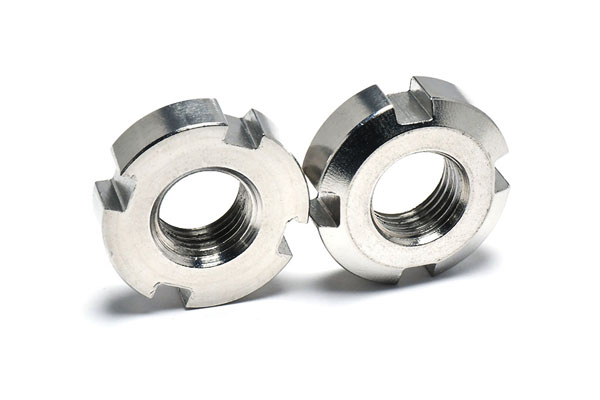
Materiālu izmaksu atšķirība
Tipiski tirgus apstākļi par to liecina 18/10 nerūsējošā tērauda izstrādājumi var maksāt aptuveni 5-20% vairāk nekā salīdzināms 18/8 produkti, atkarībā no produkta veida, ražošanas process, zīmola pozicionēšana, un niķeļa cenu svārstības.
| Izmaksu faktors | 18/8 Nerūsējošais tērauds | 18/10 Nerūsējošais tērauds |
| Niķeļa saturs | ~8% | ~10% |
| Izejvielu izmaksas | Apakšējais | Augstāks |
| Ražošanas izmaksas | Līdzīgs | Nedaudz augstāks |
| Produkta pozicionēšana | Standarta līdz premium | Prēmija |
| Sākotnējā pirkuma cena | Ekonomiskāks | Dārgāka |
Atšķirība parasti ir vairāk pamanāma patēriņa produktos, piemēram, virtuves traukos un galda traukos, nekā rūpnieciskajos komponentos, kur dominē apstrādes un apstrādes izmaksas.
Dzīves cikla izmaksu apsvēršana
Kaut gan 18/10 nerūsējošajam tēraudam ir augstāka sākotnējā cena, tā uzlabotā virsmas stabilitāte var samazināt ilgtermiņa nomaiņas un uzturēšanas izmaksas.
Piemēram:
- Augstākās kvalitātes virtuves piederumi var saglabāties vizuāli pievilcīgi gadu desmitiem.
- Komerciālajai virtuves iekārtai var būt nepieciešams mazāk nomaiņu.
- Dekoratīvie nerūsējošā tērauda komponenti saglabā izskatu ilgāk.
- Augstas tīrības vides priekšrocības nodrošina vieglāka apkope.
Tāpēc, ir jānovērtē patiesā ekonomiskā vērtība Kopējās dzīves cikla izmaksas, ne tikai pirkuma cena.
Lētāks materiāls, kas bieži jāmaina, galu galā var maksāt vairāk nekā augstākas kvalitātes nerūsējošā tērauda izstrādājums ar ilgāku kalpošanas laiku.
7. Kā Identificēt 18/8 un 18/10 Nerūsējošais tērauds?
| Metode | Kā uzstāties | Ko tas atklāj |
| Magnēta tests | Novietojiet magnētu uz tērauda. | 18/8 un 18/10 rūdītā stāvoklī būtībā nav magnētiski. Auksti apstrādātas detaļas var būt vāji magnētiskas. |
| Krāsa/Izskats | Vizuāla pārbaude. | 18/10 (316) bieži vien ir gaišāks, spīdīgāka apdare nekā 18/8 (304). |
| Ķīmiskā plankuma pārbaude | Izmantojiet komerciālu nerūsējošā tērauda identifikācijas komplektu. | Nosaka molibdēna klātbūtni (316) vai lielāks niķeļa saturs. |
| Dzirksteļu pārbaude | Sasmalciniet tēraudu un novērojiet dzirksteles. | 304 un 316 radīt līdzīgas dzirksteles; grūti atšķirt. |
XRF analīze |
Izmantojiet pārnēsājamu rentgena fluorescences analizatoru. | Nodrošina kvantitatīvu elementu analīzi (Krekls, Iekšā, Noplūde). |
Visdrošākā metode: XRF analīze nodrošina sakausējuma sastāva galīgo identifikāciju. Patēriņa precēm, pārbaudiet ražotāja specifikācijas vai marķējumu.
8. Visaptverošs salīdzinājums: Kā izvēlēties starp 18/8 un 18/10 Nerūsējošais tērauds?
Izvēloties starp 18/8 un 18/10 nerūsējošais tērauds nepieciešams visaptverošs sakausējuma sastāva novērtējums, korozijas vide, mehāniskās prasības, izskata cerības, kalpošanas laiks, un kopējās īpašuma izmaksas.
Nākamajā tabulā ir sniegts profesionāls salīdzinājums, lai palīdzētu noteikt vispiemērotāko materiālu dažādiem lietojumiem.
| Atlases kritēriji | 18/8 Nerūsējošais tērauds | 18/10 Nerūsējošais tērauds |
| Niķeļa saturs | Aptuveni 8% Iekšā | Aptuveni 10% Iekšā |
| Hroma saturs | Aptuveni 18% Krekls | Aptuveni 18% Krekls |
| Pamata izturība pret koroziju | Lieliski piemērots vispārējai videi | Lielisks ar nedaudz uzlabotu pretestību |
| Izturība pret skābu pārtiku un ķīmiskām vielām | Ļoti labs; piemērots normālam kontaktam ar pārtiku | Augstāks; labāka izturība pret atkārtotu ķīmisko iedarbību |
| Sāls un hlorīdu izturība | Labi maigā vidē; ilgstošas iedarbības gadījumā var būt ierobežota | Nedaudz uzlabots, bet nav līdzvērtīgs 316 nerūsējošais tērauds |
| Virsmas spilgtums pēc pulēšanas | Laba atstarojoša apdare | Augstāks spīdums un labāka spoguļa pulēšanas spēja |
Izturība pret traipiem un krāsas maiņu |
Labs | Lielisks |
| Mehāniskā izturība | Stiepes izturība parasti ir 515–650 MPa | Stiepes izturība parasti ir 520–680 MPa |
| Lokanība un formējamība | Lielisks pagarinājums (40-60%) | Lielisks, nedaudz uzlabota formēšanas stabilitāte |
| Triecienizturība | Lielisks, ieskaitot veiktspēju zemā temperatūrā | Lielisks, ar nedaudz uzlabotu stingrības saglabāšanu |
| Izturība pret nodilumu un skrāpējumiem | Labs; uzlabojas aukstā apstrādē | Nedaudz labāka virsmas izturība |
| Karstuma izturība | Lieliski piemērots normālai ēdiena gatavošanai un rūpnieciskai temperatūrai | Lielisks, ar līdzīgu termisko stabilitāti |
Pārtikas drošības rādītāji |
Lielisks; plaši apstiprināta saskarei ar pārtiku | Lielisks; dod priekšroku augstākās kvalitātes pārtikas produktiem |
| Trauku mazgājamās mašīnas izturība | No laba līdz izcilam | Lielisks |
| Ražošanas izmaksas | Zemāks samazināta niķeļa satura dēļ | Augstāks papildu niķeļa dēļ |
| Dzīves cikla izmaksas | Lieliska vērtība mērenā vidē | Labāka ilgtermiņa vērtība prasīgos lietojumos |
| Izskata prasības | Piemērots standarta izstrādājumiem | Labāk luksusa un dekoratīviem izstrādājumiem |
| Tipiski pielietojumi | Mājsaimniecības virtuves piederumi, izlietnes, pārtikas konteineri, vispārējās rūpnieciskās sastāvdaļas | Premium virtuves piederumi, galda piederumi, komerciālās virtuves, augstākās klases aprīkojums |
9. FAQ
Ir 18/10 nerūsējošais tērauds labāk nekā 18/8?
Jā, 18/10 piedāvā izcilu izturību pret koroziju, labāka estētika, un uzlabota izturība salīdzinājumā ar 18/8. Lai arī, 18/8 ir rentablāks un pietiekams daudziem lietojumiem.
“Labāka” izvēle ir atkarīga no lietojumprogrammas.
Ir 18/10 nerūsējošā tērauda magnētisks?
Ne. 18/10, piemēram, 18/8, ir austenīts un būtībā nav magnētisks atkausētā stāvoklī. Aukstā apstrāde var izraisīt vāju magnētismu.
Kā es varu noteikt, vai mani virtuves piederumi ir 18/8 vai 18/10?
Pārbaudiet ražotāja etiķeti, iepakojums, vai produkta apraksts. Magnēta pārbaude var norādīt uz nerūsējošo tēraudu (nemagnētisks) bet nevar atšķirt 18/8 un 18/10.
Ir 18/10 tāds pats kā 316 nerūsējošais tērauds?
Ne, tas ir ļoti izplatīts nepareizs priekšstats. 316 nerūsējošais tērauds satur 2–3% molibdēna un lielāku niķeļa saturu, piešķirot tai ievērojami labāku hlorīda pretestību punktos.
18/10 joprojām ir 304. klases materiāls, kam nav tīšas molibdēna pievienošanas.
Kad man jāmaksā papildus 18/10 nerūsējošais tērauds?
Norādiet 18/10 dziļi ievilktām sastāvdaļām, augstākās kvalitātes virtuves un galda piederumi, pārtikas pārstrādes iekārtas un detaļas, kurām nepieciešama spēcīga aukstā formēšana.
Vienkāršām konstrukcijas daļām, arhitektūras apdare un vispārējā izgatavošana, standarta 18/8 304 ir ekonomiskāka un pilnībā piemērotākā izvēle.
10. Secinājums
Salīdzinājums starp 18/8 un 18/10 nerūsējošais tērauds parāda, ka abi materiāli ir augstas veiktspējas nerūsējošie sakausējumi ar izcilu izturību pret koroziju, Mehāniskā uzticamība, un nekaitīgums saskarē ar pārtiku.
Galvenā atšķirība ir niķeļa saturā.
Papildu niķelis 18/10 nerūsējošais tērauds uzlabo pasīvā oksīda slāņa stabilitāti, uzlabo virsmas izskatu, un nodrošina nedaudz labāku izturību pret iekrāsošanos un ilgstošu vides iedarbību.
Šīs priekšrocības padara to īpaši piemērotu augstākās kvalitātes virtuves traukiem, komerciālās virtuves, dekoratīvie pielietojumi, un produkti, kuru izskatam un izturībai ir izšķiroša nozīme.
Vispārējiem lietojumiem, 18-8 nerūsējošais tērauds nodrošina izcilu vērtību un veiktspēju.
Augstākās kvalitātes produktiem un prasīgām vidēm, kur ilgtermiņa izskats un paaugstināta izturība pret koroziju attaisno papildu izmaksas, 18-10 nerūsējošais tērauds ir vēlamā izvēle.
Galu galā, pareizas nerūsējošā tērauda kategorijas izvēle nav saistīta ar visdārgākā materiāla izvēli, bet gan par materiāla izvēli, kas nodrošina vislabāko veiktspējas kombināciju, uzticamība, un dzīves cikla vērtību konkrētajam lietojumam.

