
1. Įvadas
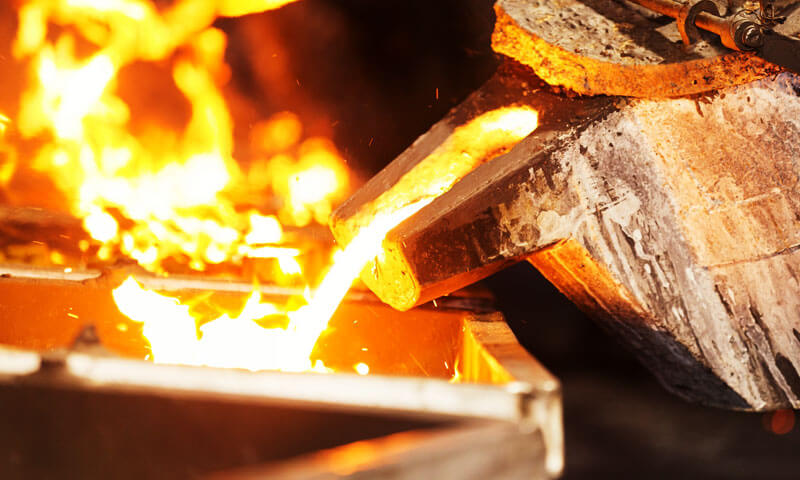
Grynųjų medžiagų pusiausvyros lydymosi temperatūra titanas (Iš) adresu 1 atmosfera yra 1668.0 ° C. (≈ 1941.15 K, 3034.4 ° F.).
Tas vienintelis skaičius yra esminė nuoroda, bet inžinerijai ir gamybai tai tik išeities taškas: titanas demonstruoja α → β alotropinę transformaciją esant ≈ 882 ° C.;
lydiniai ir priemaišos sukuria kietųjų dalelių/skysčių diapazonus, o ne vieną tašką; o ypatingas titano cheminis reaktyvumas aukštesnėje temperatūroje verčia gamintojus lydyti ir tvarkyti vakuume arba inertinėje aplinkoje..
Šiame straipsnyje lydymosi temperatūra paaiškinama termodinamine prasme, parodo, kaip legiravimas ir užteršimas keičia lydymosi / kietėjimo elgesį, pateikia praktinius lydymosi energijos įverčius ir aprašo pramonines lydymo technologijas bei proceso valdymą, reikalingą švariai gaminti, didelio našumo titano ir titano lydinio gaminiai.
2. Fizinis gryno titano lydymosi temperatūra
| Kiekis | Vertė |
| Lydymosi temperatūra (Jūs taip pat, 1 atm) | 1668.0 ° C. |
| Lydymosi temperatūra (Kelvinas) | 1941.15 K (1668.0 + 273.15) |
| Lydymosi temperatūra (Farenheito) | 3034.4 ° F. (1668.0 × 9/5 + 32) |
| Allotropinė transformacija (a → b) | ~882 °C (≈ 1155 K) — svarbus kietojo kūno pokytis po lydymosi |
3. Lydymosi termodinamika ir kinetika
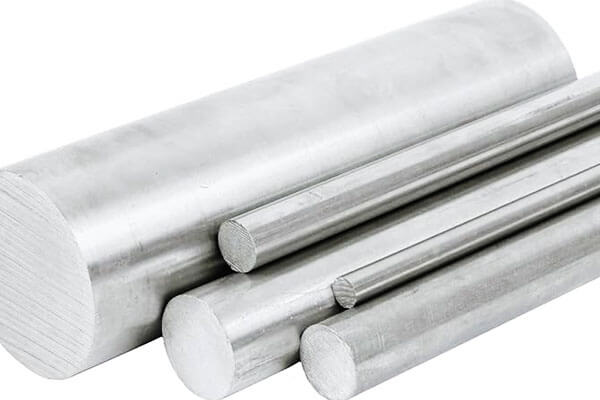
- Termodinaminis apibrėžimas: Lydymasis yra pirmosios eilės fazių perėjimas, kai kietosios ir skystosios fazės Gibso laisvoji energija yra lygi.
Grynam elementui esant fiksuotam slėgiui tai yra aiškiai apibrėžta temperatūra (lydymosi temperatūra). - Latentinis karštis: energija absorbuojama kaip latentinė sintezės šiluma, kad sulaužytų kristalinę tvarką; Temperatūra nepakyla fazės pasikeitimo metu, kol nesibaigia lydymasis.
- Kinetika ir peršalimas: kietėjimo metu skystis gali likti žemiau pusiausvyros lydymosi (skystis) temperatūra - nepakankamas aušinimas - kuris keičia branduolių susidarymo greitį ir mikrostruktūrą (grūdelių dydis, morfologija).
Praktiškai, aušinimo greitis, branduolių susidarymo vietos ir lydinio sudėtis lemia kietėjimo kelią ir galutinę mikrostruktūrą. - Heterogeninis vs vienalytis branduolys: tikrosios sistemos kietėja heterogeniniu branduoliu (ant priemaišų, pelėsių sienos, arba inokuliantai), todėl proceso švara ir pelėsių dizainas įtakoja efektyvų kietėjimo elgesį.
4. Alotropija ir fazinis elgesys, susijęs su lydymu
- a ↔ β transformacija: titanas turi dvi kristalines struktūras kietoje būsenoje: šešiakampis sandariai supakuotas (α-Ti) stabilus žemoje temperatūroje ir kūno centre kub (β-Ti) stabilus virš β-perėjimas (~882 °C grynam Ti).
Šis alotropinis pokytis yra daug žemiau lydymosi temperatūros, tačiau turi įtakos mechaniniam elgesiui ir mikrostruktūros raidai kaitinant ir aušinant. - Pasekmės: α ir β fazių buvimas reiškia, kad daugelis titano lydinių yra skirti α išnaudoti, a+b, arba β fazės laukai reikiamam stiprumui, kietumas ir apdorojimo reakcija.
β transus valdo kalimo / terminio apdorojimo langus ir įtakoja, kaip lydinys elgsis, kai artėja lydymosi procesai, tokie kaip suvirinimas ar perlydymas..
5. Kaip legiruotas, priemaišos ir slėgis įtakoja lydymosi / kietėjimo poveikį
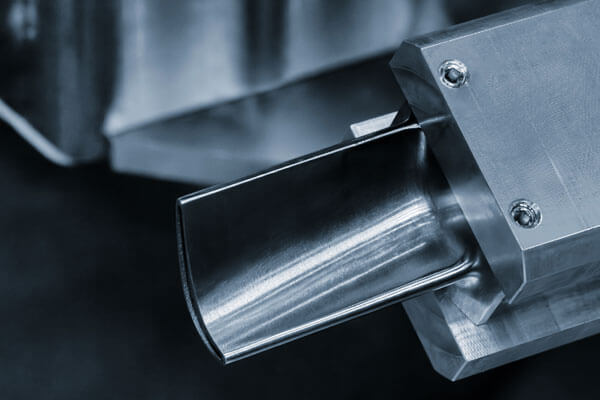
- Lydiniai: dauguma inžinerinių titano dalių yra lydiniai (Ti-6Al-4v, Ti-6Al-2Sn-4Zr-2Mo, kt.). Šie lydiniai rodo kietas → skystas temperatūros intervalai; kai kurie legiravimo priedai padidina arba sumažina likvidumą ir praplečia užšalimo diapazoną.
Platesni užšalimo diapazonai padidina jautrumą susitraukimo defektams ir apsunkina maitinimą kietėjimo metu. Proceso nustatytosioms vertėms visada naudokite konkrečiam lydiniui būdingus kieto ir (arba) skysčio duomenis. - Tarpinio puslapio skelbimai & trampiniai elementai: Deguonis, azotas ir vandenilis nėra paprasti „lydymosi temperatūros keitikliai“, tačiau jie stipriai veikia mechanines savybes (deguonis ir azotas padidina stiprumą, bet trapūs).
Pėdsakai teršalų (Fe, Al, V, C, kt.) paveikti fazių susidarymą ir lydymosi elgesį. Maži kiekiai mažai tirpstančių teršalų gali sukelti vietines lydymosi anomalijas. - Spaudimas: Padidėjęs slėgis šiek tiek padidina lydymosi temperatūrą (Clapeyron santykis). Pramoninis titano lydymas atliekamas šalia atmosferos arba vakuume / inertinėse dujose;
taikomi slėgiai kietėjant (Pvz., liejant slėgiu) nekeičia esminės lydymosi temperatūros, bet gali turėti įtakos defektų susidarymui.
6. Įprastų titano lydinių lydymosi diapazonai
Žemiau yra valymas, į inžineriją orientuota lentelė tipiškas tirpimas (kietas → skystas) dažniausiai naudojamų titano lydinių diapazonai.
Vertybės yra apytiksliai tipiniai diapazonai naudojamas proceso planavimui ir lydinių palyginimui – visada patikrinkite su lydinio tiekėjo analizės sertifikatu arba su termine analize (DSC / aušinimo kreivė) tikslioms konkrečios partijos lydymosi/apdorojimo nuostatoms.
| Lydinys (bendras vardas / pažymys) | Lydymosi diapazonas (° C.) | Lydymosi diapazonas (° F.) | Lydymosi diapazonas (K) | Tipiški užrašai |
| Grynas titanas (Iš) | 1668.0 | 3034.4 | 1941.15 | Elementari nuoroda (vieno taško lydymas). |
| Ti-6Al-4v (Pažymys 5) | 1604 - 1660 | 2919.2 - 3020.0 | 1877.15 - 1933.15 | Plačiausiai naudojamas α+β lydinys; perdirbimui naudojamas paprastasis solidus→skystis. |
| Ti-6Al-4V ELI (Pažymys 23) | 1604 - 1660 | 2919.2 - 3020.0 | 1877.15 - 1933.15 | ELI variantas su griežtesne tarpinio puslapio valdymu; panašus lydymosi diapazonas. |
| Ti-3Al-2,5V (Pažymys 9) | 1590 - 1640 | 2894.0 - 2984.0 | 1863.15 - 1913.15 | α+β lydinys, kurio skystis yra šiek tiek mažesnis nei Ti-6Al-4V. |
| Ti-5Al-2,5Sn (Pažymys 6) | 1585 - 1600 | 2885.0 - 2912.0 | 1858.15 - 1873.15 | Beveik α lydinys; dažnai cituojamas su siauru lydymosi intervalu. |
Ti-6Al-2Sn-4Zr-2Mo (Iš-6-2-4-2 / Ti-6242) |
1680 - 1705 | 3056.0 - 3101.0 | 1953.15 - 1978.15 | Aukštos temperatūros α+β lydinys, naudojamas kosmose; didesnis skystis nei Ti-6Al-4V. |
| Ti-6Al-2Sn-4Zr-6Mo (β-stabilizuotas variantas) | 1690 - 1720 | 3074.0 - 3128.0 | 1963.15 - 1993.15 | Stipri β-stabilizuota chemija – tikėkitės didesnio lydymosi lango. |
| Ti-15V-3Cr-3Al-3Sn (Ti-15-3) | 1575 - 1640 | 2867.0 - 2984.0 | 1848.15 - 1913.15 | β-titano šeima – kai kurių kompozicijų kietumas mažesnis; naudojamas ten, kur reikalingas didelis stiprumas. |
| Ti-10V-2Fe-3Al (Ti-10-2-3) | 1530 - 1600 | 2786.0 - 2912.0 | 1803.15 - 1873.15 | β tipo lydinys su santykinai mažu kietumu tam tikroms kompozicijoms. |
| Ti-8Al-1Mo-1V (Ti-811) | 1580 - 1645 | 2876.0 - 2993.0 | 1853.15 - 1918.15 | α+β lydinys, naudojamas konstrukcijose; lydymosi diapazonas gali skirtis priklausomai nuo chemijos. |
7. Pramoniniai titano lydymo ir perlydymo metodai
Kadangi titanas chemiškai reaguoja aukštesnėje temperatūroje, jo lydymui ir perlydymui reikalingos specialios technologijos ir atmosfera, kad būtų išvengta užteršimo ir trapumo.
Įprasti pramoniniai metodai
- Vakuuminis lankinis perlydymas (MŪSŲ): sunaudojamo elektrodo perlydymas vakuume; plačiai naudojamas chemijai tobulinti ir inkliuzams pašalinti aukštos kokybės luituose.
- Elektronų spindulys (EB) Tirpimas: atliekami esant dideliam vakuumui; siūlo itin švarius lydytus ir yra naudojamas didelio grynumo luitų ir priedų gamybos žaliavų gamybai.
- Plazmos lanko tirpimas / Plazminis židinys: lydinio gamybai ir regeneravimui naudojamos vakuuminės arba kontroliuojamos atmosferos plazminės sistemos.
- Indukcinis kaukolės tirpimas (ISM, kaukolės tirpimas): naudoja indukuotą srovę metalui išlydyti vandeniu aušinamos varinės ritės viduje; plona kieta metalo „kaukolė“ suformuoja ir apsaugo lydalą nuo tiglio užteršimo – naudinga reaktyviems metalams, įskaitant titaną..
- Šaltas židinio tirpimas / sunaudojamas elektrodas EB arba VAR titano kempinei ir laužui: leidžia pašalinti didelio tankio inkliuzus ir valdyti trampinius elementus.
- Miltelių gamyba (dujų purškimas) už AM: miltelių metalurgijai ir priedų gamybai, perlydymas ir dujų purškimas atliekami inertinėje atmosferoje, kad susidarytų sferiniai, mažai deguonies turintys milteliai.
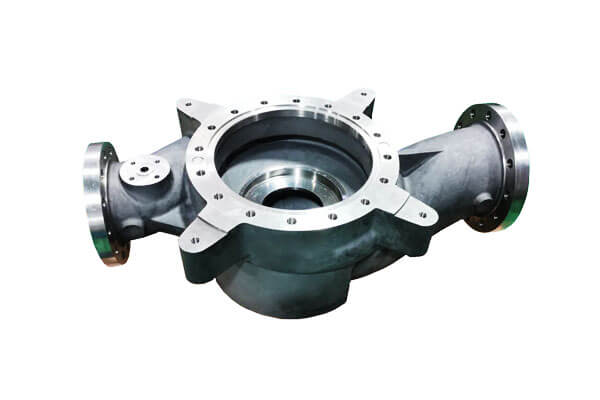
- Investicijų liejimas: Reikalingos keraminės formos (atsparus 2000 ℃+) ir išlydytas titanas 1700–1750 ℃ temperatūroje. Aukšta lydymosi temperatūra padidina pelėsių kainą ir ciklo laiką, ribojant liejimą iki mažo, sudėtingi komponentai.
Kodėl vakuuminė / inertinė atmosfera?
- Titanas greitai reaguoja su deguonimi, azotas ir vandenilis aukštesnėje temperatūroje; tose reakcijose susidaro deguonies/azoto stabilizuotos fazės (trapus), įkyri, ir didelis užterštumas.
Tirpimas vakuuminis arba didelio grynumo argonas apsaugo nuo šių reakcijų ir išsaugo mechanines savybes.
8. Iššūkių apdorojimas ir mažinimas
Reaktyvumas ir užterštumas
- Oksidacija ir nitridacija: lydymosi temperatūroje titanas susidaro storas, prilipę oksidai ir nitridai; šie junginiai mažina lankstumą ir padidina inkliuzų skaičių.
Švelninimas: išlydyti vakuume/inertinėse dujose; specializuotuose procesuose naudoti kaukolės tirpimo arba apsauginius srautus. - Vandenilio įsisavinimas: sukelia poringumą ir trapumą (hidrido susidarymas). Švelninimas: sausos įkrovos medžiagos, vakuuminis lydymas, ir kontroliuoti krosnies atmosferą.
- Trampiniai elementai (Fe, Cu, Al, kt.): į nekontroliuojamą laužą gali atsirasti elementų, kurie sudaro trapius intermetalus arba keičia lydymosi diapazoną – naudokite griežtą laužo kontrolę ir analitinius patikrinimus (OES).
Saugos problemos
- Išlydyto titano ugnis: išlydytas titanas smarkiai reaguoja su deguonimi ir gali sudegti; kontaktas su vandeniu gali sukelti sprogias garų reakcijas.
Tvarkymui reikalingas specialus mokymas ir griežtos procedūros, išpylimas ir reagavimas į avarines situacijas. - Dulkių sprogimai: titano milteliai yra piroforiniai; dirbant su metalo milteliais reikalinga sprogimui atspari įranga, įžeminimas, ir konkrečios AAP.
- Dūmų pavojai: aukštoje temperatūroje gali išsiskirti pavojingi dūmai (oksido ir lydinio elementų garai); naudoti dūmų ištraukimą ir dujų stebėjimą.
9. Lydymosi ir kietėjimo matavimas ir kokybės kontrolė
- Šiluminė analizė (DSC/DTA): Diferencialinė skenavimo kalorimetrija ir terminio sulaikymo analizė tiksliai išmatuoja lydinių kietumą ir skystumą bei palaiko lydymosi ir liejimo nustatymų kontrolę.
- Pirometrija & termoporos: naudoti tinkamus jutiklius; naudojant pirometrus, koreguoti spinduliavimo koeficientą ir paviršiaus oksidus. Termoporos turi būti apsaugotos (ugniai atsparios rankovės) ir sukalibruotas.
- Cheminė analizė: OES (optinės emisijos spektrometrija) ir LECO/O/N/H analizatoriai yra būtini norint sekti deguonį, azoto ir vandenilio kiekis bei bendra chemija.
- Neardomieji bandymai: Rentgeno spindulys, ultragarsu ir metalografija, siekiant patikrinti, ar nėra intarpų, poringumas ir segregacija.
Kritiniams komponentams, mikrostruktūra ir mechaniniai bandymai atitinka standartus (ASTM, AMS, ISO). - Proceso registravimas: įrašyti krosnies vakuumo lygius, lydymosi temperatūros profiliai, įvesties galia ir argono grynumas, siekiant išlaikyti atsekamumą ir pakartojamumą.
10. Lyginamoji analizė su kitais metalais ir lydiniais
Duomenys yra reprezentatyvios pramonės vertės, tinkamos techniniam palyginimui ir proceso pasirinkimui.
| Medžiaga | Tipinė lydymosi temperatūra / Diapazonas (° C.) | Lydymosi taškas / Diapazonas (° F.) | Lydymosi taškas / Diapazonas (K) | Pagrindinės charakteristikos ir pramonės pasekmės |
| Grynas titanas (Iš) | 1668 | 3034 | 1941 | Aukšta lydymosi temperatūra kartu su mažu tankiu; puikus stiprumo ir svorio santykis; reikalingas vakuumas arba inertinė atmosfera dėl didelio reaktyvumo aukštesnėje temperatūroje. |
| Titano lydiniai (Pvz., Ti-6Al-4v) | 1600– 1660 m | 2910– 3020 m | 1873– 1933 m | Šiek tiek mažesnis lydymosi diapazonas nei gryno Ti; puikus atsparumas aukštai temperatūrai ir atsparumas korozijai; plačiai naudojamas aviacijos ir medicinos srityse. |
| Anglies plienas | 1370–1540 | 2500– 2800 | 1643– 1813 m | Žemesnė lydymosi temperatūra; geras liejamumas ir suvirinamumas; sunkesnis ir mažiau atsparus korozijai nei titanas. |
| Nerūdijantis plienas (304 / 316) | 1375– 1450 m | 2507–2642 | 1648– 1723 m | Vidutinis lydymosi diapazonas; Puikus atsparumas korozijai; žymiai didesnis tankis padidina konstrukcijos svorį. |
Aliuminis (grynas) |
660 | 1220 | 933 | Labai žema lydymosi temperatūra; puikus liejimas ir šilumos laidumas; netinka aukštos temperatūros konstrukcijoms. |
| Aliuminio lydiniai (Pvz., ADC12) | 560– 610 | 1040– 1130 m | 833– 883 | Siauras lydymosi diapazonas, idealiai tinka lieti slėginiu būdu; mažos energijos sąnaudos; ribotas stiprumas aukštoje temperatūroje. |
| Vario | 1085 | 1985 | 1358 | Aukšta lydymosi temperatūra tarp spalvotųjų metalų; puikus elektros ir šilumos laidumas; sunkus ir brangus didelėms konstrukcijoms. |
| Superlydiniai nikelio pagrindu | 1300– 1450 m | 2370– 2640 | 1573– 1723 m | Sukurtas ekstremalioms temperatūroms; puikus atsparumas šliaužimui ir oksidacijai; sunku ir brangu apdoroti. |
| Magnio lydiniai | 595–650 | 1100–1200 | 868– 923 | Itin mažas tankis; Žemas lydymosi taškas; degumo rizika lydymosi metu reikalauja griežtos proceso kontrolės. |
11. Praktinės reikšmės dizainui, perdirbimas ir perdirbimas
- Dizainas: Lydymosi temperatūra leidžia titaną naudoti aukštoje temperatūroje, tačiau projektuojant turi būti atsižvelgiama į išlaidas ir sujungimo apribojimus (suvirinimas vs mechaninis tvirtinimas).
- Apdorojimas: tirpimas, liejimas, suvirinimui ir priedų gamybai reikalinga kontroliuojama atmosfera ir kruopšti medžiagų kontrolė.
Lietamoms dalims, Kai reikia, naudojamas vakuuminis liejimas arba išcentrinis liejimas inertinėje atmosferoje. - Perdirbimas: titano laužo perdirbimas yra praktiškas, tačiau jį reikia atskirti ir perdirbti (MŪSŲ, EB) pašalinti trampinius elementus ir kontroliuoti deguonies/azoto lygį.
12. Išvada
Titano lydymosi temperatūra (1668.0 ° C. (≈ 1941.15 K, 3034.4 ° F.) grynam titanui) yra pagrindinė savybė, pagrįsta jos atomine struktūra ir stipriu metaliniu ryšiu, formuojant savo, kaip didelio našumo inžinerinės medžiagos, vaidmenį.
Grynumas, legiravimo elementai, ir slėgis keičia jo lydymosi elgseną, leidžia kurti titano lydinius, pritaikytus įvairioms reikmėms – nuo biologiškai suderinamų medicininių implantų iki aukštos temperatūros aerokosminių komponentų.
Nors aukšta titano lydymosi temperatūra kelia apdorojimo iššūkių (reikalingos specializuotos lydymo ir suvirinimo technologijos), tai taip pat leidžia aptarnauti aplinkoje, kurioje yra lengvųjų metalų (aliuminis, magnis) nepavyks.
Tikslus lydymosi temperatūros matavimas (per DSC, lazerio blykstė, arba elektrinės varžos metodai) ir aiškus įtakos veiksnių supratimas yra labai svarbus optimizuojant titano apdirbimą, užtikrinant medžiagos vientisumą, ir maksimaliai padidinti našumą.
DUK
Ar legiravimas labai pakeičia titano lydymosi temperatūrą?
Taip. Titano lydinių šou kieto/skysčio diapazonai o ne vieną lydymosi tašką.
Kai kurie lydiniai išsilydo šiek tiek žemiau arba virš elemento, priklausomai nuo sudėties. Apdorojimui naudokite specifinius lydinio duomenis.
Ar titanas yra magnetinis?
Ne. Grynas titanas ir įprasti titano lydiniai nėra feromagnetiniai; jie yra silpnai paramagnetiniai (labai mažas teigiamas magnetinis jautrumas), todėl juos tik nežymiai traukia magnetinis laukas.
Ar titanas nerūdija?
Ne – titanas „nerūdija“ geležies oksido prasme. Titanas atsparus korozijai, nes greitai susidaro plonas sluoksnis, prisirišęs, savaime gydantis titano oksidas (TiO₂) pasyvi plėvelė, apsauganti metalą nuo tolesnės oksidacijos.
Kodėl titanas turi būti lydomas vakuume arba inertinėse dujose??
Nes išlydytas titanas intensyviai reaguoja su deguonimi, azotas ir vandenilis. Dėl šių reakcijų susidaro trapūs junginiai ir intarpai, kurie pablogina mechanines savybes.
Kokie lydymo būdai yra pageidaujami aviacijos ir kosmoso titanui?
Aukšto grynumo kosminį titaną paprastai gamina MŪSŲ (vakuuminis lanko perlydymas) arba EB (elektronų pluoštas) tirpimas kontroliuoti chemiją ir inkliuzus.
Priedų gamybos žaliavai, EB lydymas ir dujų purškimas kontroliuojamoje atmosferoje yra įprastas dalykas.
Kiek energijos reikia titanui išlydyti?
Apytikslis teorinis įvertinimas (idealus, jokių nuostolių) yra ≈1,15 MJ vienam kg šildyti 1 kg nuo 25 °C iki skysčio esant 1668 ° C. (naudojant cp ≈ 520 J·kg⁻¹·K⁻¹ ir latentinė šiluma ≈ 297 kJ·kg⁻¹).
Realus energijos suvartojimas yra didesnis dėl nuostolių ir įrangos neefektyvumo.

