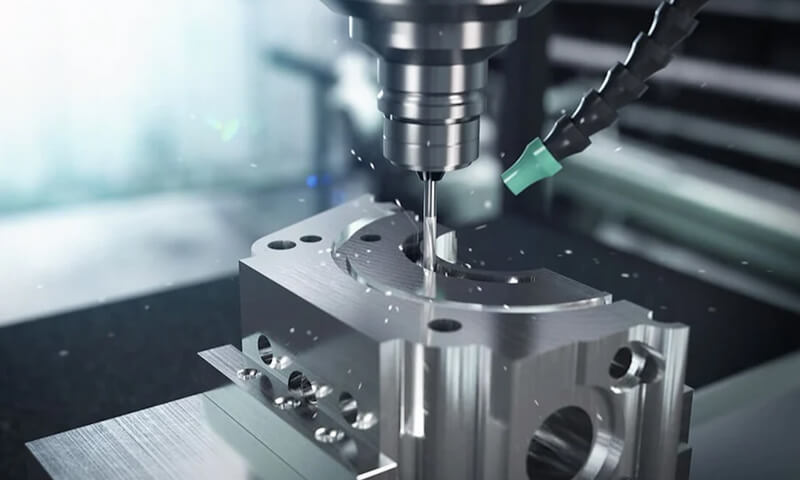
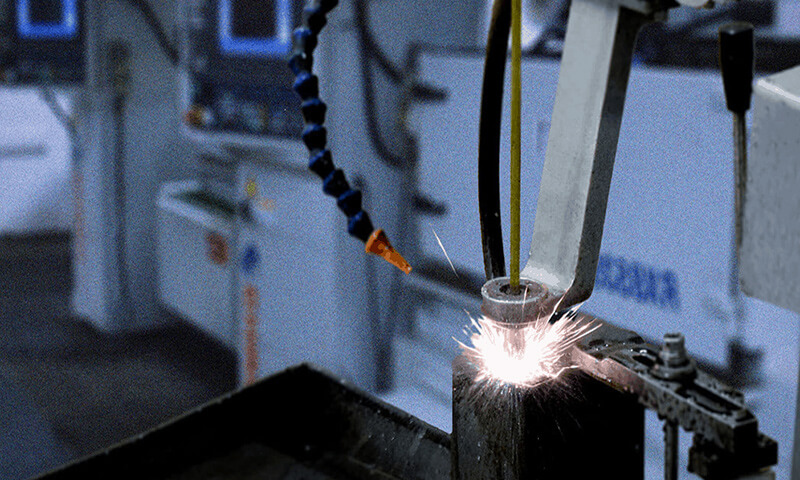
Įrankių plienas yra šiuolaikinės gamybos pagrindas, kur pageidaujamas tikslumas ir ilgaamžiškumas.
Tai specializuota plieno rūšis, sukurta taip, kad atlaikytų gamybos ir pramonės procesų sunkumus.
Žinomas dėl savo išskirtinio kietumo, atsparumas nusidėvėjimui, ir jėga, įrankių plienas yra labai svarbus įvairiose pramonės šakose, nuo automobilių ir aviacijos iki elektronikos ir plataus vartojimo prekių.
Šiame straipsnyje aptariamos įrankių plieno rūšys, savybių, ir programos, siūlo įžvalgų apie jo reikšmę ir veiksnius, į kuriuos reikia atsižvelgti renkantis savo poreikius atitinkantį pažymį.
1. Kas yra įrankių plienas?
Įrankių plienas yra specializuota anglies ir legiruotojo plieno kategorija, sukurtas specialiai įrankių gamybai. Štai kuo jis išskirtinis:

- Anglies yra įrankių plieno pagrindas, prisideda prie jo kietumo ir stiprumo. Paprastai, įrankių plienuose yra tarp 0.7% į 1.5% Anglies.
- Legiravimo elementai kaip chromas, volframas, molibdenas, ir vanadžio dedama siekiant sustiprinti specifines savybes:
-
- Chromas padidina kietumą, atsparumas nusidėvėjimui, ir atsparumas korozijai. Pavyzdžiui, plienuose, tokiuose kaip D2, gali būti iki 12% Chromas.
- Volframas ir molibdenas padidinti kietumą ir atsparumą karščiui, itin svarbus didelės spartos ir karšto darbo programoms. M2 plieno, įprastas greitaeigis plienas, turi aplink 6% volframas.
- Vanadis sudaro kietus karbidus, pagerinti atsparumą dilimui. AISI A11, pavyzdžiui, yra 1.5% vanadis.
Įrankinio plieno istorija siekia XIX amžiaus pabaigą, kai dėl patvaresnių įrankių poreikio buvo sukurta greitaeigis plienas..
Laikui bėgant, Įrankinio plieno evoliucijos metu buvo pristatytos įvairios rūšys, kiekvienas pritaikytas konkrečioms reikmėms:
- W1, W2 (Vandeniui kietėjantys plienai): Paprasta, nebrangūs pagrindinių įrankių variantai, dažnai turintis 0.90-1.40% Anglies.
- A2, D2, O1 (Šalto darbo plienai): Skirta naudoti, kai įrankis neįkaista, su A2 pasižymi dideliu atsparumu dilimui dėl savo 5% chromo kiekis.
- H13, H19 (Karšto apdirbimo plienai): Jie gali atlaikyti iki 1200°F temperatūrą, su H13 5% chromo ir 1.5% molibdenas.
2. Įrankinio plieno rūšys
Įrankinis plienas yra universali plieno kategorija, kiekvienas tipas sukurtas taip, kad atitiktų specifinius pramonės poreikius, naudojant unikalų legiravimo elementų ir terminio apdorojimo derinį.
Čia pateikiamas išsamus skirtingų tipų tyrimas:
Vandeniui kietėjantis įrankių plienas (W tipo):
-
- Savybės: Su dideliu anglies kiekiu (paprastai 0.90-1.40%), šiuos plienus galima grūdinti grūdinant vandenyje, siūlo paprastumą ir ekonomiškumą.
-

Vandeniui kietėjantis įrankių plienas - Įprastas panaudojimas: Jie yra pagrindinis pagrindinių įrankių, tokių kaip grąžtai, pasirinkimas, plunksnai, štampai, ir grandiklius, kur didelis kietumas yra svarbesnis už kietumą.
- Pavyzdžiai:

-
-
- W1 yra 1.00-1.10% Anglies, idealiai tinka įrankiams, kuriems reikalingas kietas pjovimo briaunas, pavyzdžiui, paprastiems grąžtams ir perforatoriams.
- W2 turi šiek tiek didesnį anglies kiekį (1.10-1.40%), suteikia dar didesnį kietumą, tačiau sumažina kietumą.
-
Šaltojo darbo įrankių plienas:
-
- Subkategorijos:
-
-
- D tipo (Didelis anglies kiekis, didelis chromas):
-
-
-
-
- Charakteristikos: Su dideliu chromo kiekiu (11-13%), šie plienai pasižymi puikiu atsparumu dilimui, itin svarbus tais atvejais, kai įrankis turi atlaikyti abrazyvinį nusidėvėjimą.
- Paraiškos: Jie plačiai naudojami štampeliuose, skirtuose ištuštinti, formavimas, ir kalti, taip pat kirpimo peiliuose ir perforatoriuose.
- Žymūs lydiniai:
-
-
-
-
-
-
- D2 yra 12% Chromas, suteikiantis Rockwell C kietumą 57-62, todėl puikiai tinka įrankiams, kuriems reikalingas didelis atsparumas dilimui.
-
-
-
-
-
- O tipo (Grūdinimas aliejumi):
-
-
-
-
- Charakteristikos: Aliejaus gesinimas sumažina iškraipymus ir įtrūkimus, siūlo atsparumo dilimui ir kietumo pusiausvyrą.
- Paraiškos: Pjovimo įrankiai, štampavimo štampai, ir formavimo įrankiai naudingi O tipo plieno savybėmis.
- Žymūs lydiniai:
-
-
-
-
-
-
- O1 plienas, su 0.90% anglies ir 0.50% Manganas, pasiekia kietumą 60-64 HRC po alyvos gesinimo, todėl tinka įrankiams, kuriems reikalingas geras apdirbamumas ir tvirtumas.
-
-
-
-
-
- A tipo (Grūdinimas oru):
-
-
-
-
- Charakteristikos: Oro grūdinimas užtikrina aukštą atsparumą dilimui ir gerą kietumą, sumažinti iškraipymus terminio apdorojimo metu.
- Paraiškos: Štampos už ištuštinimą, formavimas, ir kalti, taip pat matuokliai, pasinaudoti A tipo plieno savybėmis.
- Žymūs lydiniai:
-
-
-
-
-
-
- A2 plienas, su 5% Chromas, siūlo puikų matmenų stabilumą ir kietumą 55-59 HRC po tinkamo terminio apdorojimo, todėl tai populiarus tiksliųjų įrankių pasirinkimas.
-
-
-
Smūgiams atsparus įrankių plienas (S tipo):
-
- Aprašymas: Sukurtas įrankiams, kurie susiduria su staigiais smūgiais ar smūgio apkrovomis, šie plienai puikiai sugeria energiją be lūžių.
- Tvirtumas: Jie gali pasigirti dideliu tvirtumu, su S7 plienu, pavyzdžiui, pasiekiant kietumą 25-30 ft-lbs, žymiai didesnis nei daugelio kitų įrankių plienų.
- Naudojimas: Kaltai, štampai, kniedžių rinkiniai, ir įrankiai, skirti dideliam apdirbimui šaltam apdirbimui, yra naudingi S tipo plieno atsparumu smūgiams.
- Pavyzdžiai:
-
-
- S7 plienas yra žinomas dėl savo išskirtinio tvirtumo, todėl idealiai tinka įrankiams, patiriantiems didelę smūgio apkrovą.
-
Karšto darbo įrankių plienas:
-
- Kategorijos:
-
-
- H1-H19: Kiekviena klasė turi skirtingą atsparumo karščiui lygį, pritaikyti skirtingiems temperatūros diapazonams.
-

-
- Savybės: Šie plienai išlaiko savo kietumą ir kietumą aukštesnėje temperatūroje, todėl jie puikiai tinka aukštai temperatūrai.
-
- Paraiškos: Jie naudojami liejant slėginiu būdu, kalimo štampai, ekstruzijos įrankiai, ir plastikines formas, kuriose įrankis susiduria su temperatūra iki 1200°F.
- Žymūs lydiniai:
-
-
- H13 yra 5% chromo ir 1.5% molibdenas, išlaikant 90% jo kietumo esant 1100°F, paverčiant jį darbiniu arkliu liejant slėginiu būdu.
- H19 suteikia dar didesnį atsparumą karščiui, tinka pačioms reikliausioms karšto darbo sąlygoms, atlaiko iki 1200°F temperatūrą.
-
Greitaeigis plienas (HSS):
-
- Subkategorijos:
-
-
- M tipo (Molibdeno greitaeigis plienas):
-
-
-
-
- Charakteristikos: Didelis atsparumas karščiui, leidžiantis pjovimo greičiui iki 500 ft/min be didelio kietumo praradimo.
- Paraiškos: Pjovimo įrankiai tekinimo staklėms, frezavimo staklės, ir grąžtai naudojasi M tipo plieno galimybėmis pjauti dideliu greičiu.
- Pavyzdžiai:
-
-
-
-
-
-
- M2 plienas, su 6% volframas ir 5% molibdenas, yra universalus pasirinkimas bendros paskirties pjovimo įrankiams, pasiekiant kietumą 60-65 HRC.
-
-
-

-
-
- T tipo (Volframo greitaeigis plienas):
-
-
-
-
- Charakteristikos: Itin sunkus, su puikiu atsparumu karščiui, dažnai naudojamas didelėms apkrovoms.
- Paraiškos: Įrankiai, skirti pjauti kietas medžiagas dideliu greičiu, kaip nerūdijantis plienas ar titanas, kur itin svarbus kietumas.
- Pavyzdžiai:
-
-
-
-
-
-
- T1 plienas, su 18% volframas, gali pasiekti daugiau nei kietumą 70 HRC, todėl tinka pjovimo įrankiams sudėtingomis sąlygomis.
-
-
-
Specialios paskirties įrankių plienas:
-
- Apžvalga: Šie plienai yra skirti naudoti nišoje, kur standartinio įrankių plieno gali nepakakti, siūlo unikalias savybes, pritaikytas konkretiems poreikiams.
- Pavyzdžiai:
-
-
- Plastikiniai liejimo plienai: Patinka P20, optimizuotas formų gamybai, pasižymintis geru poliravimu ir atsparumu korozijai.
P20 yra 0.35-0.45% Anglies, 1.40-2.00% Manganas, ir 0.30-0.50% Chromas, todėl idealiai tinka formoms, kuriose svarbiausias atsparumas korozijai. - Laisvai apdirbamas įrankių plienas: Sukurta taip, kad būtų lengva apdirbti, kaip O6, kuriame yra sieros, siekiant pagerinti apdirbamumą, pasiekiant kietumą 55-62 HRC.
- Plastikiniai liejimo plienai: Patinka P20, optimizuotas formų gamybai, pasižymintis geru poliravimu ir atsparumu korozijai.
-
Palyginimo lentelė: Įrankių plieno rūšys
| Tipas | Pagrindinės savybės | Paraiškos |
|---|---|---|
| W tipo (Vandens kietėjimas) | Ekonomiškai efektyvus, didelio kietumo | Rankiniai įrankiai, medienos apdirbimo įrankiai |
| Šaltas darbas (O, A, D) | Didelis atsparumas dilimui, matmenų stabilumas | Štampavimo miršta, kirpimo įrankiai, pjaustymo peiliai |
| S tipo (Atsparus smūgiams) | Didelis kietumas, Poveikio atsparumas | Kaltai, keltuvo antgaliai, štampai |
| H tipo (Karštas Darbas) | Atsparumas terminiam nuovargiui, Didelė jėga | Liejimo formos, karšto kalimo įrankiai |
| HSS (M, T) | Šilumos atsparumas, didelis pjovimo greitis | Grąžtai, galiniai malūnai, tikslūs pjovimo įrankiai |
| Specialioji paskirtis | Pritaikyta konkrečioms užduotims | Plastikinės formos, nišiniai pramoniniai įrankiai |
3. Įrankinio plieno savybės
Dėl įrankinio plieno savybių jis yra būtinas gamybos ir įrankių gamybos pasaulyje. Čia yra nuodugniai apžvelgiamos pagrindinės savybės:
Kietumas ir kietumas:
-
- Kietumas: Įrankinio plieno kietumas yra jo gebėjimas atsispirti įspaudimui, draskymo, arba deformacija. Ši savybė yra labai svarbi įrankiams, kurie turi išlaikyti aštrų pjovimo briauną arba atsparūs dilimui. Pavyzdžiui:
-
-
- D2 plieno gali pasiekti Rockwell C kietumą 57-62, todėl idealiai tinka naudoti, kurioms reikalingas didelis atsparumas dilimui.
-
-
- Tvirtumas: Nors kietumas yra būtinas, kietumas užtikrina, kad plienas gali sugerti energiją nesutrūkdamas. Kietumo ir kietumo pusiausvyra yra labai svarbi:
-
-
- A2 plieno siūlo gerą balansą, su kietumu 55-59 HRC po grūdinimo, bet pasižymi didesniu kietumu, palyginti su D2, todėl tinka įrankiams, kurie patiria smūgines apkrovas.
-
Atsparumas nusidėvėjimui:
-
- Ši savybė yra gyvybiškai svarbi įrankiams, kurie susidėvi abrazyviai, kaip pjovimo įrankiai, miršta, ir smūgiai.
Kietųjų karbidų buvimas, susidaro iš tokių elementų kaip chromas, vanadis, ir volframas, žymiai padidina atsparumą dilimui:
- Ši savybė yra gyvybiškai svarbi įrankiams, kurie susidėvi abrazyviai, kaip pjovimo įrankiai, miršta, ir smūgiai.
-
-
- Greitaeigiai plienai kaip M2, su 6% volframas ir 5% molibdenas, gali išlaikyti savo briaunas net ir po ilgo naudojimo, nes terminio apdorojimo metu susidaro kietieji karbidai.
-
Šilumos atsparumas:
-
- Įrankiams, naudojamiems aukštos temperatūros aplinkoje, atsparumas karščiui yra labai svarbus norint išvengti suminkštėjimo ar iškraipymo:
-
-
- Karšto darbo įrankių plienas kaip H13 išlaikyti 90% jų kietumas 1100 °F temperatūroje, kad jie būtų tinkami lieti slėginiu būdu, kalimas, ir ekstruzija, kai įrankis susiduria su aukšta temperatūra.
-
Aparatas:
-
- Kai kurie įrankių plienai yra skirti gana lengvai apdirbti, sumažinti įrankių susidėvėjimą formavimo procesų metu:
-
-
- O1 plienas yra žinomas dėl savo gero apdirbamumo, kad būtų lengviau suformuoti sudėtingas formas prieš sukietėjimą.
-
Matmenų stabilumas:
-
- Tiksliesiems įrankiams reikalingos medžiagos, kurios išlaikytų savo formą esant įtempiams ar temperatūros pokyčiams:
-
-
- A2 plieno turi puikų matmenų stabilumą, užtikrinti, kad tokie įrankiai kaip matuokliai ir matavimo prietaisai laikui bėgant išlaikytų savo tikslumą.
-
Papildomos savybės:
- Atsparumas korozijai: Kai kurie įrankių plienai, ypač tie, kuriuose yra daugiau chromo, pavyzdžiui, nerūdijantis įrankių plienas, pasižymi atsparumu rūdims ir korozijai,
o tai labai svarbu įrankiams, naudojamiems drėgnoje arba korozinėje aplinkoje. - Šilumos laidumas: Ši savybė turi įtakos šilumos perdavimui per įrankį, turinčios įtakos aušinimo greičiui ir šiluminiam plėtimuisi:
-
- H13 plienas turi santykinai aukštą šilumos laidumą, kuri padeda išsklaidyti šilumą karšto darbo metu.
- Nuovargio atsparumas: Įrankiams, kuriems taikomas ciklinis apkrovimas, naudingi plienai, pasižymintys dideliu atsparumu nuovargiui:
-
- S7 plieno šiuo atžvilgiu išsiskiria, todėl jis tinkamas įrankiams, patiriantiems pakartotinį poveikį.
- Elastinis modulis: Tai matuoja plieno standumą, nurodant kiek deformuosis veikiant apkrovai:
-
- Greitaeigiai plienai paprastai turi didesnį tamprumo modulį, leidžianti išlaikyti savo formą veikiant pjovimo jėgoms.
Balansavimo savybės:
- Kompromisai: Siekti optimalios pusiausvyros tarp šių savybių dažnai yra iššūkis. Pavyzdžiui:
-
- Didėjant kietumui, kietumas paprastai mažėja, daro plieną trapesnį.
- Atsparumo dilimui padidinimas gali pakenkti apdirbamumui.
- Terminis apdorojimas: Įrankio plieno savybės gali būti žymiai pakeistos termiškai apdorojant:
-
- Gesinimas padidina kietumą, bet gali padaryti plieną trapus, jei nebus grūdinamas.
- Grūdinimas sumažina trapumą, leisdama daliai martensito transformuotis į tvirtesnes mikrostruktūras, bet tam tikro kietumo kaina.
- Legiravimo elementai: Specifinių elementų, tokių kaip chromas, pridėjimas, volframas, molibdenas, o vanadis pritaiko plieno savybes:
-
- Chromas padidina kietumą, atsparumas nusidėvėjimui, ir atsparumas korozijai.
- Vanadis sudaro kietus karbidus, pagerinti atsparumą dilimui.
- Volframas ir molibdenas padidinti kietumą ir atsparumą karščiui.
Santraukos lentelė: Pagrindinės įrankių plieno savybės
| Nuosavybė | Aprašymas | Pagrindiniai pažymiai |
|---|---|---|
| Kietumas | Atsparumas deformacijai esant slėgiui | D2, O1, H13 |
| Tvirtumas | Gebėjimas atlaikyti smūgį be įtrūkimų | S7, A2 |
| Atsparumas nusidėvėjimui | Ilgaamžiškumas abrazyvinėmis sąlygomis | D2, M2 |
| Šilumos atsparumas | Išlaiko savybes aukštoje temperatūroje | H13, H21 |
| Aparatas | Lengvas pjovimas ir formavimas | O1, A2 |
| Matmenų stabilumas | Minimalus iškraipymas naudojimo ar terminio apdorojimo metu | A2, H13 |
| Atsparumas korozijai | Atsparumas oksidacijai ir rūdijimui | A2, D2 |
| Atsparumas smūgiams | Atsparus stipriam mechaniniam smūgiui | S1, S7 |
| Šilumos laidumas | Efektyvus šilumos išsklaidymas eksploatacijos metu | H serija |
| Nuovargio atsparumas | Veikimas pasikartojančių streso ciklų metu | O serija, S serija |
4. Įrankinio plieno terminis apdorojimas
Terminis apdorojimas yra labai svarbus įrankių plieno gamybos procesas, transformuojant plieno mikrostruktūrą, kad būtų sukurtos norimos mechaninės savybės.
Čia išsamiai apžvelgsime terminio apdorojimo procesus:
Terminio apdorojimo svarba:
-
- Terminis apdorojimas padidina įrankių plieno kietumą, Tvirtumas, ir atsparumas dėvėjimams, pritaikant šias savybes, kad jos atitiktų konkrečias programas.
Pavyzdžiui, Norint efektyviai pjauti grąžtas, reikalingas didelis kietumas, o plaktukas turi būti tvirtas, kad atlaikytų smūgius.
- Terminis apdorojimas padidina įrankių plieno kietumą, Tvirtumas, ir atsparumas dėvėjimams, pritaikant šias savybes, kad jos atitiktų konkrečias programas.
Pagrindiniai terminio apdorojimo procesai:
-
- Gesinimas: Tai apima plieno kaitinimą iki temperatūros, viršijančios kritinį transformacijos tašką, po to greitai atvėsinama gesinimo terpėje, pavyzdžiui, vandenyje, aliejus, arba oras.
Greitas aušinimas sulaiko anglį kietoje aplinkoje, trapi martensito struktūra. Pavyzdžiui, O1 plienas gali būti gesinamas aliejuje, kad būtų pasiektas kietumas 60-64 HRC. - Grūdinimas: Po gesinimo, plienas yra trapus. Grūdinimas apima plieno pakaitinimą iki žemesnės temperatūros, paprastai nuo 300°F iki 600°F, sumažinti trapumą išlaikant tam tikrą kietumą.
Grūdinimas 400°F temperatūroje A2 plienui, pavyzdžiui, gali duoti kietumą 55-59 HRC su pagerintu kietumu. - Korpuso grūdinimas: Šis procesas prideda sunkų, dilimui atsparus išorinis sluoksnis, išlaikant kietą šerdį.
Tai daroma angliavandenių būdu, nitridavimas, arba cianidavimas, kur anglies arba azoto atomai difunduoja į paviršinį sluoksnį. M2 plieno paviršiaus kietumas gali būti didesnis nei 70 HRC naudojant šį metodą. - Kriogeninis gydymas: Be tradicinių terminių procedūrų, kriogeninis apdorojimas apima plieno aušinimą iki labai žemos temperatūros (dažnai žemiau -300°F)
dar labiau padidinti kietumą ir atsparumą dilimui, sumažinant sulaikytą austenitą, minkštesnė plieno fazė.
- Gesinimas: Tai apima plieno kaitinimą iki temperatūros, viršijančios kritinį transformacijos tašką, po to greitai atvėsinama gesinimo terpėje, pavyzdžiui, vandenyje, aliejus, arba oras.
Terminio apdorojimo poveikis:
-
- Kietumas: Terminis apdorojimas žymiai padidina plieno kietumą, todėl jis gali išlaikyti aštrų kraštą arba atsispirti įdubimui.
Pavyzdžiui, D2 plienas gali pasiekti Rockwell C kietumą 57-62 po tinkamo terminio apdorojimo. - Tvirtumas: Nors kietumas didėja, kietumas gali būti pažeistas, jei jis nėra tinkamai subalansuotas.
Grūdinimas čia yra labai svarbus, nes sumažina trapumą, leisdama daliai martensito virsti kietesnėmis mikrostruktūromis, tokiomis kaip grūdintas martensitas. - Atsparumas nusidėvėjimui: Kietųjų karbidų susidarymas terminio apdorojimo metu, ypač greitaeigiuose plienuose, labai pagerina atsparumą dilimui,
leidžia įrankiams pjauti ar formuoti medžiagas ilgą laiką. - Matmenų stabilumas: Tinkamas terminis apdorojimas užtikrina, kad įrankiai išlaikytų savo formą esant įtempiams ar temperatūros pokyčiams,
kuris yra gyvybiškai svarbus tiksliesiems įrankiams, tokiems kaip matuokliai ir matavimo prietaisai.
- Kietumas: Terminis apdorojimas žymiai padidina plieno kietumą, todėl jis gali išlaikyti aštrų kraštą arba atsispirti įdubimui.
Pagrindiniai svarstymai:
- Terminio apdorojimo atmosfera: Atmosfera terminio apdorojimo metu gali turėti įtakos plieno savybėms.
Pavyzdžiui, atmosfera, kurioje gausu azoto, gali padidinti paviršiaus kietumą dėl azotavimo. - Gesinimo terpė: Gesinimo terpės pasirinkimas turi įtakos aušinimo greičiui ir, todėl, galutinės plieno savybės.
Vanduo užtikrina greičiausią aušinimo greitį, tačiau alyva arba oras gali būti naudojami siekiant sumažinti iškraipymus ir įtrūkimus. - Temperatūros kontrolė: Tikslus šildymo ir vėsinimo temperatūrų reguliavimas yra būtinas norint pasiekti norimas savybes, nesukeliant tokių defektų kaip įtrūkimai ar deformacijos..
- Apdorojimas po terminio: Po terminio apdorojimo, įrankiai dažnai atlieka papildomus procesus, pavyzdžiui, mažina stresą,
kurie gali sumažinti vidinius įtempius, arba paviršiaus apdorojimas, pvz., dengimas ar poliravimas, siekiant dar labiau pagerinti veikimą.
5. Įrankinio plieno taikymas
Pjovimo įrankiai
- Grąžtai: Naudojamas skylėms kurti įvairiose medžiagose. Greitaeigis plienas (HSS) grąžtai, pvz M2, dažniausiai naudojami kietiesiems metalams gręžti.
- Reamers: Naudojamas esamoms skylėms padidinti ir išlyginti. HSS plunksnos užtikrina tikslią ir lygią apdailą.
- Pjūklo geležtės: Naudojamas medienos pjovimui, metalas, ir kitos medžiagos. Šalto darbo įrankių plienas, pvz., D2, dažnai naudojamas pjovimo diskams dėl didelio atsparumo dilimui.

Mirštai ir smūgiai
- Antspaudavimas: Naudojamas lakštiniam metalui formuoti į konkrečias formas. Šalto darbo įrankių plienai, tokie kaip D2 ir A2, idealiai tinka štampuoti dėl didelio kietumo ir atsparumo dilimui.
- Kalimas: Naudojamas metalui formuoti suspaudžiant jį aukštu slėgiu. Karšto darbo įrankių plienas, pvz., H13, dėl puikaus atsparumo karščiui yra tinkamas kalti.
- Išspaudimas: Naudojamas metalui išstumti per štampą, kad būtų sukurti specifiniai skerspjūvio profiliai.
Karšto darbo įrankių plienas dažnai naudojamas ekstruzijos štampams dėl jų gebėjimo atlaikyti aukštą temperatūrą.
Formos
- Injekcijos liejimas: Naudojamas plastikinėms dalims gaminti įpurškiant išlydytą plastiką į formą.
Specialios paskirties įrankių plienas, pvz., P20 ir 718 dėl gero poliravimo ir atsparumo korozijai dažniausiai naudojami įpurškimo formoms. - Mirti liejimas: Naudojamas metalinėms dalims gaminti priverčiant išlydytą metalą į formą. Karšto darbo įrankių plienas, pvz., H13, idealiai tinka liejimo formoms dėl didelio stiprumo ir atsparumo karščiui..
Matuokliai ir matavimo prietaisai
- Apkabos: Naudojamas objektų matmenims matuoti. Šalto darbo įrankių plienas, pvz., A2, dažnai naudojamas suportams dėl jų matmenų stabilumo.
- Mikrometrai: Naudojamas tiksliems atstumams matuoti. Didelio matmenų stabilumo šalto darbo įrankių plienas idealiai tinka mikrometrams.
- Matuokliai: Naudojamas detalių matmenims patikrinti. Šalto darbo įrankių plienas, pvz., D2, dažniausiai naudojamas matuokliams dėl didelio atsparumo dilimui.
Kasybos ir naftos gręžinių įrankiai
- Grąžtai: Naudojamas skylėms gręžti uolienose ir dirvožemyje. Greitaeigis plienas, pvz., M2, dažnai naudojamas grąžtams dėl jų gebėjimo pjauti dideliu greičiu.
- Gręžimo įrankiai: Naudojamas naftos ir dujų gavyboje. Karšto darbo įrankių plienas, pvz., H13, dėl puikaus atsparumo karščiui ir stiprumo tinka gręžiniams.
Kiti įrankiai
- Peiliai: Naudojamas įvairių medžiagų pjaustymui. Šalto darbo įrankių plienas, pvz., D2 ir A2, dažnai naudojamas peiliams dėl didelio kietumo ir atsparumo dilimui..
- Žirklės: Naudojamas popieriaus pjaustymui, audinys, ir kitos plonos medžiagos. Šalto darbo įrankių plienas, pvz., A2, idealiai tinka žirklėms dėl jų kietumo ir kietumo pusiausvyros..
- Kaltai: Naudojamas medžio ir akmens drožimui ir formavimui. Smūgiams atsparus įrankių plienas, pvz., S7, yra tinkamas kaltams dėl didelio tvirtumo ir atsparumo smūgiams..
6. Tinkamo įrankio plieno pasirinkimas
Veiksniai, į kuriuos reikia atsižvelgti
- Operacijos tipas: Pjaustymas, formavimas, ar kitos specifinės operacijos.
- Eksploatavimo sąlygos: Temperatūra, streso, ir aplinkos veiksniai.
- Apdirbama medžiaga: Apdorojamos medžiagos savybės.
- Kaina vs. Veiklos analizė: Įrankio plieno kainos subalansavimas su eksploataciniais reikalavimais.
Vadovas, kaip pasirinkti pagal konkrečius poreikius
- Nurodykite programą: Nustatykite konkretų įrankio naudojimą.
- Įvertinkite eksploatavimo sąlygas: Įvertinkite temperatūrą, streso, ir aplinkos veiksniai.
- Apsvarstykite medžiagos savybes: Suprasti apdirbamos medžiagos savybes.
- Įvertinkite išlaidas ir našumą: Palyginkite skirtingų įrankių plienų kainą su jų eksploatacinėmis savybėmis.
- Pasikonsultuokite su ekspertais: Norėdami užtikrinti geriausią pasirinkimą, kreipkitės patarimo į metalurgus arba įrankių plieno tiekėjus.
7. Įrankių plienas vs. Nerūdijantis plienas: Pagrindiniai skirtumai
Įrankių plienas ir nerūdijantis plienas yra plačiai naudojami pramonėje ir gamyboje, tačiau jie tarnauja skirtingiems tikslams dėl savo unikalios sudėties ir savybių.
Štai šių dviejų rūšių plieno skirtumai.
Sudėtis ir legiravimo elementai
| Įrankio plienas | Nerūdijantis plienas |
|---|---|
| Sudėtyje yra didelis kiekis Anglies (0.5-2%) dėl kietumo ir atsparumo dilimui. | Sudėtyje yra bent 10.5% Chromas Dėl atsparumo korozijai. |
| Gali būti tokių elementų kaip volframas, molibdenas, vanadis, ir kobaltas kietumui padidinti, Tvirtumas, ir atsparumas karščiui. | Legiruotas su Nikelis, Manganas, ir molibdenas stiprybei pagerinti, ausmingumas, ir atsparumas rūdims. |
Pagrindinės savybės
Įrankio plienas
- Kietumas: Dėl išskirtinio kietumo jis idealiai tinka pjovimui, formavimas, ir paraiškų formavimas.
- Atsparumas nusidėvėjimui: Didelis atsparumas dilimui ir paviršiaus dilimui.
- Šilumos atsparumas: Išlaiko savybes esant dideliam karščiui, todėl tinka aukštos temperatūros įrankiams, pavyzdžiui, kalimo štampams.
- Tvirtumas: Kai kurie pažymiai, pavyzdžiui, smūgiams atsparus plienas (S tipo), gali atlaikyti stiprų smūgį.
Nerūdijantis plienas
- Atsparumas korozijai: Puikus atsparumas rūdims ir oksidacijai, net ir atšiaurioje aplinkoje.
- Ausmingumas: Labiau kalus ir lengviau formuojamas nei įrankių plienas.
- Stiprybė: Subalansuoja vidutinį stiprumą ir gerą kietumą, idealiai tinka konstrukciniams ir dekoratyviniams darbams.
- Estetinis patrauklumas: Aptakus, poliruota apdaila daro jį populiariu plataus vartojimo prekių ir architektūros pasirinkimu.
8. Iššūkiai ir svarstymai
Kaina
- Brangi medžiaga: Įrankinis plienas gali būti brangus, ypač aukštos kokybės klasėms.
Tačiau, pradinės investicijos dažnai atsiperka dėl ilgesnio įrankio tarnavimo laiko ir trumpesnės prastovos. - Ekonominis poveikis: Apsvarstykite bendrą įrankių plieno naudojimo savo programoje ekonomiškumą.
Pavyzdžiui, o D2 plienas gali būti brangesnis nei W1 plienas, Dėl didelio atsparumo dilimui ilgainiui gali sumažėti priežiūros išlaidos.
Priežiūra
- Reguliarus patikrinimas: Reguliariai tikrinkite įrankius, ar nėra nusidėvėjimo ir pažeidimų, kad išvengtumėte netikėtų gedimų.
- Tinkamas saugojimas: Įrankius laikykite sausoje vietoje, kontroliuojama aplinka, kad būtų išvengta rūdžių ir korozijos. Tinkamas saugojimas gali pailginti jūsų įrankių tarnavimo laiką.
- Valymas ir tepimas: Išvalykite ir sutepkite įrankius, kad išlaikytumėte jų veikimą. Reguliari priežiūra gali žymiai pagerinti jūsų įrankių ilgaamžiškumą.
Poveikis aplinkai
- Perdirbimas: Apsvarstykite galimybę perdirbti seną įrankių plieną, kad sumažintumėte atliekų kiekį ir poveikį aplinkai. Daugelis įrankių plieno gamintojų siūlo perdirbimo programas.
- Išmetimas: Laikykitės tinkamų šalinimo nurodymų, kad sumažintumėte žalą aplinkai. Tinkamas šalinimas užtikrina saugų pavojingų medžiagų naudojimą.
9. Ateities tendencijos
Įrankinio plieno metalurgijos pažanga
- Nauji lydiniai: Naujų lydinių su patobulintomis savybėmis kūrimas, pvz., pagerintas atsparumas dilimui ir atsparumas karščiui.
Pavyzdžiui, mokslininkai tiria nanotechnologijų panaudojimą, kad sukurtų itin smulkių grūdėtumo struktūras įrankių plienuose. - Mikrostruktūros valdymas: Pažangūs įrankių plieno mikrostruktūros valdymo būdai, siekiant optimizuoti veikimą.
Norint pasiekti specifines mikrostruktūras, naudojamas mikrolydinys ir kontroliuojamas aušinimo greitis.
Naujų lydinių ar apdorojimo būdų kūrimas
- Paviršiaus procedūros: Naujas paviršiaus apdorojimas, siekiant padidinti atsparumą dilimui ir atsparumą korozijai. Plazminis azotavimas ir į deimantą panaši anglis (DLC) dangos populiarėja.
- Priedinė gamyba: 3D spausdinimo naudojimas kuriant sudėtingas įrankių plieno detales su tikslia geometrija.
Papildoma gamyba leidžia sukurti sudėtingus dizainus, kuriuos sunku pasiekti naudojant tradicinius gamybos metodus.
10. Išvada
Įrankio plienas yra gyvybiškai svarbi medžiaga gamyboje ir pramonėje, pasižymintis išskirtiniu kietumu, atsparumas nusidėvėjimui, ir jėga.
Įvairių įrankių plieno rūšių supratimas, jų savybes, ir jų pritaikymas yra labai svarbus pasirenkant tinkamą medžiagą pagal jūsų poreikius.
Atsižvelgiant į tokius veiksnius kaip operacijos tipas, eksploatavimo sąlygos, ir medžiagų savybes, galite priimti pagrįstus sprendimus, kurie užtikrina optimalų našumą ir ekonomiškumą.
Technologijoms toliau tobulėjant, įrankių plieno ateitis atrodo daug žadanti, su naujais lydiniais ir apdorojimo būdais, kurie dar labiau padidina jo galimybes.
Tikimės, kad šis straipsnis suteikė vertingų įžvalgų apie įrankių plieno pasaulį ir paskatins jus ištirti jo potencialą savo projektuose..
Jei turite klausimų arba reikia papildomos pagalbos, nedvejodami reach out to us.