
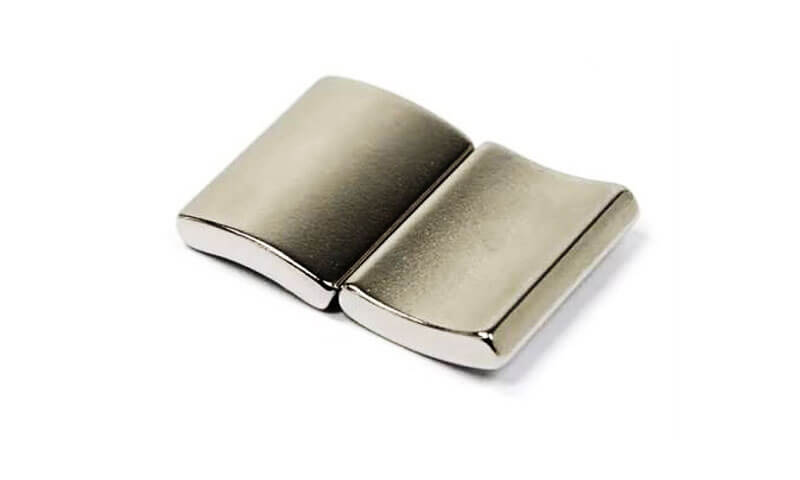
Nickel unus est metallis maximi momenti mundi, æstimatur ejus eximia corrosione resistentia, summus temperatus perficientur, optimum tinguere characteres, ac unique proprietatibus magneticae.
Partes criticas ludit in industriis vndique ab aerospace et electronicis ad processus chemicos, renewable navitas, medicinae cogitationes, et cura vestibulum.
Sive in immaculatam ferro, superalloys, rechargeable eu gravida, aut electro components, nickel proprietates confert quae pauca alia metalla eodem tempore possunt praebere.
In his proprietatibus, magnetismus saepe interrogans. Multi sciunt ferrum magneticum, dum aeris et aluminium non sunt.
Nickel occupat amet situm quia unus est tria metalla elementaria quae naturaliter ferromagnetica sunt ad locus temperatus, una cum ferro (Fes) et cobalt (Cogo).
Tamen, magneticae mores nickel est complexus quam simplex etiam vel non.
Factores ut mixturae compositionem, temperamentum, crystal structuram, frigus opus, et calor curatio potest signanter mutare magneticam effectum.
1. Estne Nickel Magnetic?
Quid Nickel??
Nickel (chemica symbolo In, nuclei 28) est argenteus albus transitus metallum pertinens ad Group 10 PERPINOR.
Egregiam compositionem corrosionis resistentiae habet, lentitudo, DUCTILITAS, Electrical Conductivity, et scelerisque stabilitatem, faciens illud unum ex maxime late tinguere elementa in modern industria.
| Res | Valor |
| Symbolum chemicum | In |
| Nuclei | 28 |
| Crystal structure | Faciem, sitas cubica (FCC) |
| Pondus | 58.69 g / mol |
| Densitas | 8.90 G / CM³ |
| Point liquescens | 1455N ° C (2651N ° F) |
| PRAETERITUS | 2913N ° C (5275N ° F) |
| Scelerisque conductivity | 90.9 W / m K |
| Electrical Conductivity | Proxime 22% Iacs |
| Electrica resistentibus | 6.99 10⁻⁸ Ω·m |
| Coefficientem scelerisque expansion | 13.4 10⁻⁶ /K |
| Imprimis calor capacitatem | 444 J / kg · k |
Brevis Answer: Ita, Nickel Naturaliter Ferromagnetic
Simplex responsum est sic.
Purissimum nickel est naturaliter ferromagnetic ad locus temperatus. Hoc modo potest:
- Valde attrahitur a permanentes magnetes.
- Magneticem externam fieri sub propinquo.
- Ejus magneticam portionem post remoto agro externo retinendam.
- Forma magnetica domains quae align ad producendum permanentem campum magneticum.
Nickel pertinet ad catervam exclusivam metallorum elementorum quae ferromagnetismum spontaneum exhibent sub condicionibus normalibus.
| Elementum | Naturaliter Ferromagnetic in Cubiculo Temperature | Curie Temperature |
| Ferrum (Fes) | Sic | 770N ° C |
| Cobalt (Cogo) | Sic | 1,115N ° C |
| Nickel (In) | Sic | 358N ° C |
Super eius Curie temperatus, nickel non se habet in ferromagnetic materia et pro fit paramagnetic, Respondens autem non facile ad externa agri magnetici.
Cur Nickel Magnetic?
Magnesmus Nickel oritur ex suo electronic structure-specifically, Ordinatio electrons in 3D orbitae. Nickel habet electronica configuratione [ARCH] 3d⁸ 4s².
Hoc modo sunt Electrons duos insolutos in 3D subshell. Haec electrons gratuita rete creare momentum magneticum.
Cum momenta magnetica atomorum adjacentium in eandem partem align, ferromagnetic fit in materia.
Hoc noctis agitatur per phaenomenon quantum mechanicum vocatur commutatio commercium, quod juvat parallelam noctis electronico deducit in quibusdam metallis.
In nickel, commutatio commercium valet ponere parallela nent noctis usque ad CCCLVIII ° C (in Curio temperatus).
2. Magnetismus intellectus in metallis
Quid est Magnetismus??
Magnetismus est phaenomenon physicum ex motu et spinis electronicorum in atomis oriundis.
Omnis electronica minima propinquo, an vero materialis magnetismus notabilis exhibeat, pendeat quomodo haec momenta magnetica atomi collective inter se cohaereant.
Ut in metallis, singula momenta magnetica aut par oppositis gerat vel manere passim ordinantur, unde minime conspicuum magnetismum.
In ferromagneticis materiis ut nickel, tamen, finitimis momentis atomicis inter se occurrunt fortiter satis sponte per magnas regiones align, producendo mensurabilis propinquo.
Genera Materiae Magneticae Maioris
| Genus | Definitio | Morum magneticum | Exempla |
| Ferromagnetic | Attractio fortis; retinet magnetisation; magneticum momentorum color parallel. | Summus susceptibilitatem; hysteresis; magneticae domains. | Ferrum, nickel, cobalt, et alloys. |
| Ferrimagnetic | Attractio fortis; magnetica momenta align antiparallel sed inaequaliter. | Ferromagnetico similis, sed debilior. | Magnetite (Fe₃o₄), ferrites. |
| Antiferromagnetic | Valde debilis attractio; magnetici momenta align antiparallel. | Susceptibilitas augetur temperatus. | Chromium, manganese oxydatum. |
Paramagnetic |
Valde debilis attractio; nulla retentione; momenta align externo agro. | Susceptibilitas ad temperatus decrescat (Lex Curie). | Aluminium, platinum, Titanium. |
| Diamagnetic | Valde infirma repulsio; non permanet moments; inductus momenta contra agri. | Susceptibilitas negativa. | Aes, prendo, bismuth, aquam. |
3. Cur Nickel est Ferromagnetic?
Ferromagnetismus Nickel in principiis quantitatis mechanicae magis radicatur quam electromagnetismi classici.
Secus Ordinarius metallis, Nickel structuram electronicam possidet quae decies centena momentorum magneticorum atomorum per magnas regiones cooperari et colorare sinit., creando fortis macroscopic propinquo.
Hoc phaenomenon e coniunctis effectibus electronicorum spin resultat, commutationem interactiones, crystal structuram, et magneticae institutionis domain.

Structura atomica Nickel
Nickel atomis continet 28 electrons circa nucleum 28 protons.
Dum electronici interiores arcte ligantur et parum ad mores magneticos conferunt, exterius 3d electrons ludere summae partes.
Nickel crystallizes in a faciem, sitas cubica (FCC) cancellos ad locus temperatus.
Haec ordinatio atomorum valde ordinata loca atomorum vicinarum nickel satis habet ad functiones electronicas undas ut aliudque, enabling fortis magneticae interactiones in crystallo.
Electron configurationis
Solum:
[ARCH] 3d⁸ 4s²
Ex parte repleti 3d orbitalis electrons insolutam habet, electronico nent intrinseci momenti ob.
Sin haec momenta passim ordinantur, in materia exhiberet nisi infirma paramagnetismi. Pro, structura atomica nickel permittit vicinas spinas cooperatively ad mutuam.
Commutatio Interaction
Clavis mechanismus reus est de ferromagnetismo nickel's commutatio commercium, quantum mechanica effectus ex finitimis electronico unda functionum LINO.
Hoc commercium adiuvat parallelam noctis electronici adiacentis deducit quia totalem energiam crystalli regit. Ut:
- Finitimi atomi magnetici momenta sponte align.
- Magnae regiones uniformiter magnetes atomi.
- Magnetizatio existit etiam sine agro magnetico externo.
Quamvis momentum magneticum individui nickel atomi minor sit quam ferrea, the collective alignment of billions of atoms generat significantes magneticam mores.
Magna Domains
Ad redigendum altiore industria magnetica, nickel non est in uno giant magnetem conversari.
Pro, dividitur in numerosa microscopica magneticae domains, unumquodque decies centena millia atomorum cum suis momentis magneticis in eandem partem varius.
In unmagnetized fragmen nickel:
- Dominia designandum in diversas directiones.
- Suis magneticis agris late destruunt.
- Materia magnetismum externum parum ostendit.
Expositus externo propinquo:
- Ditiones bene ordinantur expand.
- Moenia loca movere.
- Atomica gerat gyrari ad applicatum agrum.
- Altiore celeriter augetur magneticae.
Si campus magneticus satis fortis, maxime domains varius, ac nickel accedit magneticae satietatem.
Curie Temperature
Nickel manet ferromagneticum solum infra suum Curie temperatus, proxime 358N ° C (631 K).
Infra hanc caliditatem:
- Commutatio interactiones dominantur.
- Magna domains stabilis.
- Ferromagnetic mores fortis servetur.
Super Curio temperatus:
- Scelerisque industria nent alignment disrupts.
- Ditiones magneticae collapse.
- Nickel transitus in a paramagnetic materia, magnetismum in externa acie debiles exhibens.
Transitus hic temperatus-dependens est critica consideratio in applicationibus temperaturis operating elevatis, ut electrica motoribus, generantibus, sensors, et summus temperatus industriae apparatu.
4. Factors Nickel's Magnetismo afficiens
Licet purus nickel intus in ferromagnetico, eius magneticam mores non constant sub omni servitio conditionibus.
Fortitudo magneticae, Magna permeability, et magnetica stabilitas signanter fretus temperatus mutare potest, mixturae compositionem, mechanica processus, microstructure, et in ambiente operating amet.
Temperamentum
Temperature est potentissimus factor qui magnetismum nickel . afficit.
Sicut temperatus crescit, scelerisque industria maiorem nuclei tremor, gradatim conturbant alignment ditiones magneticae reus ferromagnetismi.
Infra eius Curie temperatus (circiter CCCLVIII ° C * / 676N ° F), Nickel magneticam spontaneam servat et mores ferromagneticos fortes exhibet.
Ut tortor adit Curie punctum, magnetica permeability et satietatem magneticae minuuntur celeriter.
Olim Curio temperatus exceditur, magneticam domains collapse, et nickel patitur periodum a materia ferromagnetica ad paramagneticam transitum.
In hac civitate, respondet modo debiliter in propinquo externo magnetico et permanentem magnetizationem non servat.
Potius, haec mutatio convertitur. Si materia infra Curie temperies refrigerata est sine mutationes vel oxidationes microstructurales significantes subeundas, ferromagnetic possessiones ejus restituuntur.
| Temperature range | MORDUS | Engineering Effectus |
| Infra CCC°C | Stabulum ferromagnetismum | Apta maxime magnetica components |
| 300-358°C | Magnetismus paulatim debilitat | Reducitur magnetica efficientiam |
| Supra 358°C | Paramagnetic | Non apta applicationibus magneticis |
| Post refrigerationem infra punctum Curie | Ferromagnetismus recuperat | Proprietates magneticae plerumque restituuntur |
Alloy compositionem
Additio elementorum mixtura altissime vim habet in notis magneticis nickel quia structuram electronicam et cancellos cristallinas mutat..
Elementa ut ferrum et cobalt fere augendae ferromagnetic mores augendo magneticam commutationem interactiones, dum tinguere additiones comprehendo chromium, Molybdenum, manganese, aes, et Silicon tendunt ad redigendum magnetica permeability a stabiliendo non-magnetica tempora vel distractis magneticam domain alignment.
Proinde, nickel alloys magneticae mores spectrum late exhibere.
Nickel-ferrum alloys ut Permalloy nominatim machinator ad consequi maxime altum magneticae permeability ad transformers, magnetica opposuitque, ac subtilitate sensoriis.
Contra, summus perficientur corrosio obsistens admixtos ut Inconveniens, CAMPESCO, et multi gradus of * Monel principaliter ordinantur ad mechanica et chemica perficiendi, inde in infirma vel prope non magneticam naturam.
Inde est, quod sola contentus nickel praedicere non potest an stannum fortiter magneticum erit.
Crystal Structure et Microstructure
Magnetica agendi ratio nickel est propinqua cum faciei cubico-sitas (FCC) cristallus structura et ordo rerum magneticarum in materia.
Frumenti magnitudine, frumenti sexualis, Distribution tempus, praecipitat, et cristallus defectus omnem motum moenium magnetici domain.
Materiae cum granis uniformibus et humilibus internis accentus plerumque constantiores et praedictibiles effectus magneticae exhibent, Microstructurae autem heterogeneae magneticam permeabilitatem minuere et hysteresin magneticam augere possunt.
Per processus ut abjectio vestibulum, fuscus, volubilis, aut calor curatio, mutationes in grano Insecta et residua accentus mitigare domain structuram, ducens variationes mensurabiles in proprietatibus magneticis, etiam cum compositio chemica immutata manet.
Frigus Operationis et Residua Suspendisse
Mechanica deformatio introducta in frigore volubilem, tractus, inclinatio, terunt, seu machining mutat internum accentus distributio nickel et movet mobilitatem ditionibus magneticis.
Frigus opus auget peccetur densitas et residua accentus, creando impedimenta impediunt dominium murum motum.
Ut, coactivam saepe auget dum magnetica permeability decrescat. Electram in subtilitate components, deformatio nimia frigida potest reducere efficientiam magneticam et damna hysteresis augere.
quamobrem, Multi summus perficientur magnetica nickel admixtos subire accentus-relevium furnum post fabricationem ut restituat meliorem naturam magneticam et amplio dimensionis stabilitatem.
Calor
Calor influxus magnetismi nickel levando accentus residua, frumenti structuram conflans, et mutare tempus distribution.
Furnum proprium promovet incrementum frumenti et cancellos internae depravationis minuit, permittens magneticam domains liberius movere.
Hoc plerumque auget permeabilitatem magneticam et vim coactivam decrescit.
VEUM, Inconvenienter calor curatio temperaturis vel refrigerationem rates potest inducere malum temporibus vel RELICTUM passiones quae adversatur magnetica perficiendi.
Nam nickel-ferrum mollis alloys magnetica, pressius regi furnum circuitus sunt in discrimine faciens gradum, saepe definiens proprietates magneticae finales significantius quam compositionem ipsam mixturae.
De Field Magnetic
Nickel non exhibet intensionem magneticam certam in omnibus conditionibus operating. Responsio eius pendet ex vi et historia agri magnetici applicati.
Cum externo propinquo introducitur, magneticae regiones gradatim roto et align cum agro partem, magneticae ad augendam usque ad satietatem ventum est causing.
Ultra satietatem punctum, adhuc crescit in agro vires parum addito magneticae.
Post externum campum removetur, pars magneticae manet remanentia, dum ager requiritur ad tollendam hanc residua magneticationem, quae nota est coactio.
Hae notae repraesentantur per fasciam hysteresis materialis et praecipue momenti sunt in consilio motorum, actus, magneticae sensoriis, et electro machinas.
Operans Opera
Ministerium environment indirecte movere potest nickel's long-term magnetica perficiendi.
Etsi nickel optimum corrosio resistentia habet, diuturna nuditate ad elevationem temperaturis, cyclica scelerisque loading, oxidizing atmosphaerae, mechanica tremor, vel infestantibus chemicals ut paulatim mutaret superficiem conditionis et microstructure.
Hae mutationes possunt afficere stabilitatem magneticam super periodos usus servitutis extensae, praesertim in quaerendo ambitus industriae.
In applications ut aerospace systemata, marine apparatu, eget processus plantae, et potentia generationis facilities, fabrum aestimare tam proprietatibus magneticis et environmental vetustatem eodem tempore curare certum diuturnum tempus.
Vestibulum Process
Diversi modi fabricandi microstructuras distinctas et residuas accentus civitatibus efficiunt, inde in variationibus magnetici mores.
Components plerumque plus grana continent nickel et tardius concretione structurae, dum fictis products exhibere uritur grana et in melius mechanica proprietatibus.
Frigidum confecta materia altius residua passiones, Cum annealed products typice demonstrant maiorem magneticam permeabilitatem et inferiorem coercitionem.
Superficiem peractis processibus ut Machining, molitus, POLIENTIA, et electroplating plerumque parum effectum directum in mole magnetismi, sed possunt influere magneticam observantiam in instrumentis exquisitis, in quibus tolerantiae magneticae arctissimae requiruntur.
5. An Nickel Alloys Magnetic?
Una errorum communissima est quod omne stannum in quo nickel debet esse magneticus.
Reapse, Nickel contentus solus non determinat magneticam mores.
Pro, magnetismus pendent praesertim:
- Crystal structure
- Admisce compositionem
- Phase distribution
- Calor
- Frigus opus
- Service temperatus
Ut elementa mixturae compositionem atomicam modificant nickel, etiam commercium interationes pro ferromagnetismo mutant.
Magnetica Moribus Communis Nickel Alloys
| Mixtura | Nickel contentus | Microstructure | Magna at volutpat Temperature | Typical applications |
| Nickel 200 | ≥99.0% | FCC | Sic | Electrical components, eget apparatu |
| Nickel 201 | ≥99.0% (low carbonis) | FCC | Sic | Cibi processus, electronics |
| Monel 400 | ~ 63-70% In | Nickel-Coper | Leviter magnetica ad debiliter magneticam | Marine engineering, pumps, valvulae |
| Monel K D | ~63% In | Praecipitatio obdurata | debiliter magneticum | Suboles tela, fasteners |
| Inconveniens 600 | ~72% In | AUSTENITAS | Fere non magneticus (annaeus) | Calor de, Furnorum |
Inconveniens 625 |
~58% In | AUSTENITAS | Per se non magneticum | Aerospace, marinus, eget processus |
| Inconveniens 718 | ~52% In | Praecipitatio obdurata | Leviter magnetica post senescentis | Aircraft engines, turbines |
| C-CCLXXVI Clothelly | ~57% In | AUSTENITAS | Magnetica (annaeus) | Processus eget apparatu |
| Mixtura 20 | ~35% In | AUSTENITAS | Magnetica | Acidum sulphuricum servitium |
| Nimonic 80A | ~75% In | Nickel superalloy | leviter magnetica | Gas turbines, aerospace |
6. Quomodo probare an Nickel est Magnetic?
Utrum nickel vel nickel continet stannum magneticum est momenti in materia identificatio, imperium, offensionis verificationem, et apparatu sustentationem.
Dum simplex magnes potest velox indicium, saepe applicationes machinalis requirunt mensuras quantitatis magneticae permeabilitatis, magnetica fluxum density, aut satietatem magneticae.
| Testis Methodo | Accuratio | quantitatis | Non Destructive | Typical applications |
| Permanens magnetis | Humilis | Non | Sic | Velox ager idem |
| Metrum magneticum permeability | Altum | Sic | Sic | Qualis imperium industriae |
| Gauss meter | Altum | Sic | Sic | Magnetic agri measurement |
| Magnetometer vibrans Sample (VSM) | PERPREPIDUS | Sic | Sic | Materiae investigationis, offensionis progressionem |
| SQUID magnetometer | maxime High | Sic | Sic | Inquisitionis scientifica |
| Magna vis Microscopia (MFM) | Microscopic | Sic | Sic | Analysis structuram domain |
7. Industriae applicationes magneticae Nickel
Nickel singulare compositum est ex ferromagnetism, corrosio resistentia, mechanica vetustatem, et scelerisque stabilitatem plures partes industriae pernecessarium facit.
Dissimilis ferrum, Nickel servat optimam corrosionem resistentiam exhibens utilem morum magneticam, faciens id specimen pro duris ambitibus ubi conventionales materiae magneticae cursim deficiunt.
Electric Motors and Generators
Nickel communiter usus est in componentibus electromagneticis, quae stabilitatem requirunt magneticam observantiam sub crebris cyclis magneticae.
Applications includit:
- Motor polus components
- Rotor assemblies
- Magnetic protegens
- Generator components
- Electromagnetici actus
Electromagnetica Nullam et Solenoids
Nickel relative altum permeability magneticum fluxum transmissionis efficacem praebet.
Typicam applicationes includit:
- Nullam armaturas
- Solenoid metretas
- Electromagnetica virgas
- Contactus systemata
- Industriae imperium apparatu
Magna sensoriis
Multae technologiae sentientes nituntur in moribus magneticis stabilis nickel’.
Applications includit:
- Aula-effectus sensoriis
- sensoriis propinquitas
- Position sensoriis
- Current Transformers
- Celeritas mensurae ratio
Rechargeable eu gravida
Nickel materia clavis est in multis altilium technologiae.
Exempla includere:
- Nickel-metallum hydride (NiMH)
- Nickel-cadmium (NiCd)
- Nickel-dives lithium-ion cathodes
- Pugna current collectores
Electronic Components
Electroplated nickel coatings serve both protective and functional purposes.
Commune applications includit:
- Typis circuitus tabularum (Pcb)
- Connectors
- Semiconductor packages
- Clausura
- Subtilitas contactus
Aerospace industria
Nickel-fundatur alloys late in elit et spatii, quod retinent vires mechanicas in elevatis temperaturis.
Typical components includit:
- Turbine tormenta
- systemata exhausta
- Fasteners
- Sensoriis
- Summus temperatus electro machinas
Chemical Processing Equipment
Purus Nickel componit proprietates magneticas cum optima corrosione resistentia contra chemicals alkalines.
Typical apparatu includit:
- Pumps
- Valvulae
- Calor de
- Pressura vasorum
- Electrochemical reactors
Medical Equipment
Nickel-continens materiae magneticae in multis medicinis inventa.
Exempla includere:
- Instrumenta diagnostica
- MRI-compatible components auxiliaris
- Apparatu chirurgico
- Subtilitas actus
- Laboratorium automation
Magna Shielding
Nickel-continens admixtos late propter electro intercessiones (Tactus) praesidium.
Applications includit:
- Electronic housings
- Communicationis apparatu
- Aerospace electronics
- Industriae automation
- Subtilitas instrumentorum
8. Nickel vs Metalla Magnetica Alia
Licet ferrum (Fes), cobalt (Cogo), et nickel (In) ferromagnetica metalla tria naturaliter occurrentes sunt ad locus temperatus, differunt significantly in magneticam perficiendi, Mechanica proprietatibus, corrosio resistentia, temperatus stabilitatem, Et Industrial Applications.
| Res | Nickel (In) | Ferrum (Fes) | Cobalt (Cogo) | Ferricis immaculatam ferro (430) | Martensitic Aliquam Steel (410) |
| Crystal structure (Locus temperatus) | FCC | Bcc | HCP | Bcc | BCT |
| MORDUS | Ferromagnetic | Ferromagnetic | Ferromagnetic | Ferromagnetic | Ferromagnetic |
| Curie Temperature | 358N ° C | 770N ° C | 1,115N ° C | ~700-750°C | ~700-760°C |
| Relativum Magnetic Permeability | MEDENS | PERPREPIDUS | Altum | MEDENS | Medium |
| Saturatio Magnetizationis | Moderor | PERPREPIDUS | Altum | Medium | Medium |
| Corrosio resistentia | Praeclarus | Pauper | Bonum | Bonum | Moderor |
Gerunt resistentia |
Bonum | Moderor | Praeclarus | Bonum | Praeclarus (Calor tractata) |
| Summus temperatus stabilitatem | Bonum | Moderor | Praeclarus | Bonum | Moderor |
| Machinabilitas | Bonum | Moderor | Difficilis | Bonum | Bonum |
| Relativum Material sumptus | Medium | Humilis | PERPREPIDUS | Medium | Medium |
| Typical applications | Apparatu chemica, electronics, electroplating | Transformers, motorum, structural chalybe | Aerospace, permanet magnetes, Turbine components | Adjumenta, exhauriunt systems, magneticam housings | Valvulae, pumps, Turbine Lamina |
9. Communes Fabulae de Nickel Magnetismo
| FABULA | Fact |
| Omnes nickel-fundatur admixtos magnetici. | Non est verum. Multi nickel alloys (E.g., Inconveniens, Monel, CAMPESCO) sunt magneticae vel debiliter magneticae propter dilutionem structurae ferromagneticae ab aliis elementis. |
| Nickel perdidit magnetismum in aeternum quando calefit. | Falsus. Magnesmus Nickel redit cum infra suam temperaturam Curie refrixerit (358N ° C), dum materia non sit tempus mutatio. |
Nickel est maxime magneticam metallum. |
Falsus. Ferrum habet momentum magneticum altiorem per atomum et altius satietatem magnetisationis. Nickel est tertius elementaris magneticae maxime metalli (post ferrum et cobalt). |
| Nickel est magnetica in omnibus temperaturis. | Falsus. Supra 358°C, nickel fit paramagnetica. Infra 358°C, ferromagnetic est. |
| Magnes experimentum nikel ab aliis metallis distinguere potest. | Partialiter falsum. Magnes experimentum ferromagnetismum significare potest, sed discernere non potest inter nickel, ferrum, et cobalt. Praeterea probat (E.g., chemical analysis, densitas) non requiritur. |
10. Conclusio
Nickel singularem obtinet locum inter metalla machinalis quia componit ferromagnetismo naturale, Outstanding corrosio resistentia, optimum ductilis, et certa summus temperatus perficientur.
Ut unum e tribus metallis elementis quae ferromagnetismum exhibent in locus temperatus, Nickel munus vitale agit in applicationibus vndique ab electro machinis et sensoriis ad apparatum chemicum processui et systemata aerospace provecta.
Tamen, magnetica mores in nickel plus nuanced quam simplex magnetica vel non magnetica classificatione.
Purus nickel distincte ferromagneticus, sed vis magnetica eius minor est quam ferrea. Etiam, mixturae compositionem, calor, frigus opus, operating temperatus, et microstructure omnes magnam vim habent ad magneticam perficiendam.
Nam fabrum et designers, eligendo convenientem nickel materia requirit conpensationem plures factores, inter magneticam permeability, Mechanica fortitudinem, corrosio resistentia, fabricatio, ministerium temperatus, et lifecycle pretium.
In quaerendis ambitibus industrialibus ubi corrosio resistentia et proprietates magneticae constantes coexistere debent, Nickel manet unus ex maxime versatile et pretiosum ipsum materiae praesto.
FAQs
Est pura nickel magnetica ad locus temperatus?
Sic. Nickel purus est ferromagneticus ad locus temperatus (20N ° C) et remanet usque ad temperiem Curie sue 358°C ..
Omnes nickel admixtus magneticus?
Non. Magnetica agendi ratio nickel mixtorum pendet ab elementis mixtis et earum concentratione.
Multi nickel alloys (E.g., Inconveniens, Monel, CAMPESCO) sunt non magnetica vel infirma magnetica.
Quomodo magnetismus nickel comparatur ferro??
Nickel habet inferioribus momentum magneticum per atomi (0.6 μ_B vs. 2.2 μ_B pro ferro) ac demittere satietatem magnetisation (0.6 T vs. 2.15 T). Ferrum fortius magneticum est quam nickel.
Nickel potest fieri non magneticus?
Sic. Nickel admiscent elementis magneticis non sufficientibus (E.g., aes, chromium, Titanium) ferromagneticam cancellos extenuant et producere non magneticam vel debiliter alloys magneticam.
Quod est maxime magneticum nickel stannum?
Permalloy (80% In, 20% Fes) est maxime magnetica nickel alloys, relative permeability nimis 100,000.

