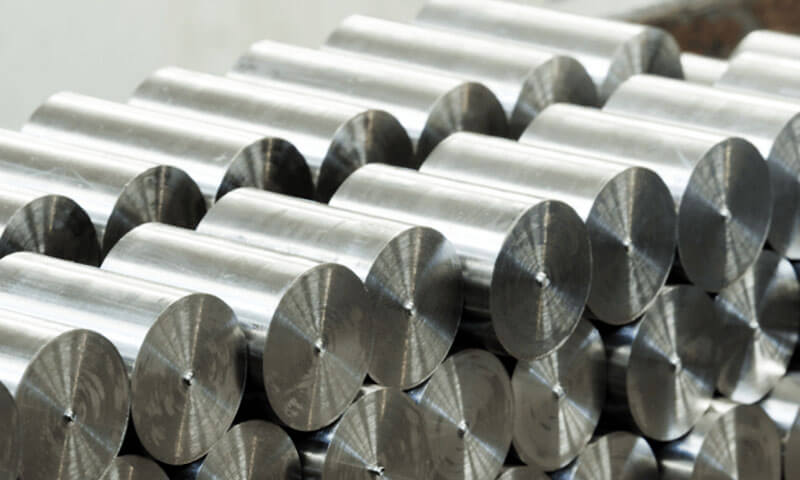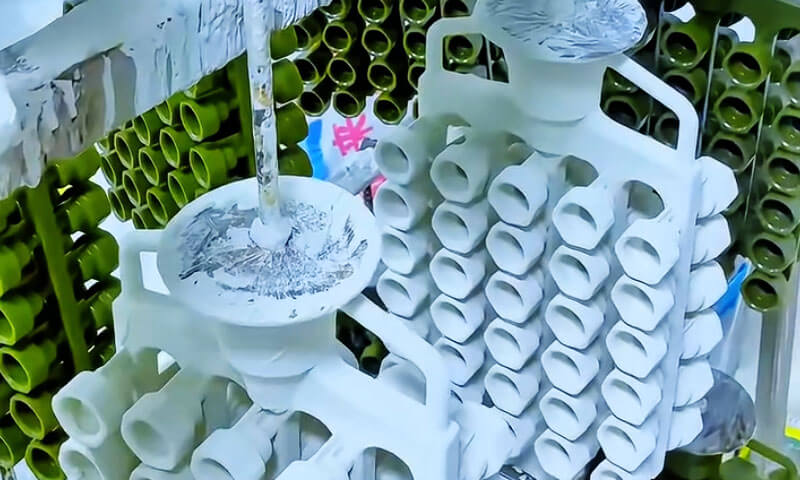
Introductio
In Investment casting, quale superficies crustae ceramicae directe determinat, Dimensional accurate, et mechanica observantia finalis ejiciendi.
Inter omnia testa stratis, in faciem tunica maxime criticum est quia est in directo contactu cum metallo fusili et fideliter exprimit geometriam et textura superficiei exemplaris cerae..
Facies testae densae et lenis tunica insigniter emendare potest qualitatem emittens, defectibus superficiei minuendis, machining allocacionibus obscuratis, et amplificandae dimensionis praecisione.
VEUM, nimia testa asperitas inveniatur in metallum penetrationem, harenae adhaesio, pitting, et pauper superficies species, augendae productio sumptibus et reprobationis rates.
Tunicae faciei asperitas non uno modulo refrenatur. Effectus est complexionis commercium inter notas slurrias, refractior materiae, processuum stuccoing, cera forma qualis, condiciones environmental, ac scelerisque treatments.
1. Slurry Formulae et Notae Rheologicae
Facies tunica slurry est matrix continua in superficie interiore testae. Mores eius compositio et fluxus sunt maxime fundamentales determinationes ultimae superficiei asperitatis.
Omnis mutatio parametri intra slurry systema directam producit, mensurabilis effectus in curato superficies topographiae.
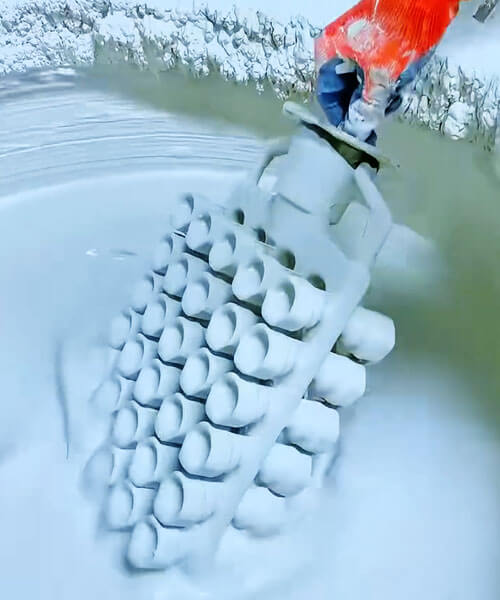
Powder‑to‑ Liquid Ratio rheologicae Moribus
Pulveremto‑liquid (P/L) Ratio-massa proportio refractionis pulveris ad ligans, maxime critica variabilis gubernandi slurry viscositas et adtritio perficientur.
Viscositas reciproce ad liquidum liberum refertur; sicut P / L ratio augetur, liberum liquorem decrescat, et viscositas acriter oritur.
Haec relatio valde sensibilis ad stateram liquidam solidam.
Cum P / L ratio nimis alta (nimis viscosa slurry):
- Flowability diminuit dramatically.
- Slurry non potest exaequare minimum Venustates in cera exemplar.
- Peniculus marcas, tingens lineae, et iugis fluunt "gelida" in tunicam sanatam.
- Superficiem asperitatem auget significantly (Ra values excedere possunt 3.2 μm).
Cum P / L ratio preme (slurry nimis fluidum):
- Celeriter coating exhaurit ex superficiebus verticalibus.
- Crassitudo efficiens insufficiens permittit particulas tectorii per slurry iacuit penetrare, contactus cera exemplar directe.
- Gravitas inductus lineae fluxus inaequalis circulorum defectus undulatis creare.
Optimized range: Pro more silica-sol‑zircon‑farina facie tunica slurry, meliorem P / L inter mendacium 3.2:1 et 3.5:1 pondus. In hac fenestra:
- Viscositas (metiri No. 4 Zahn poculum) stabilit apud 35-45 seconds.
- slurry exhibet sufficientem fluiditatem ad implendum parvas recessus in superficie exemplaris.
- Thixotropic mores prohibet nimiam siccitatem.
- Humida membrana uniformem crassitudinem attingit et lenis, superficies plana.
- Ultima facies tunica asperitas constanter defenditur infra Ra 1.6 μm.
Deviationes ab hac P/L fenestra-in utramque partem-semper elevant asperitatem.
Hoc facit praecisum P/L imperium unum ex maximis qualitatibus fiduciae operationes in obsidione fundendi fornacem.
Refractior pulveris particulam magnitudine ac magnitudine Distributio
Distributio particulae magnitudo pulveris refractorii est factor secundus cori rudis materialis influentis asperitatis faciei tunicae.
Mechanismus est simpliciter: si pulveris consistit praecipue particularum glomeratorum circa unam molem, stipare densitas est humilis, relinquens magna interstitial evacuat inter particulas.
Inde slurry iacuit raro et aspera, cum multis Micro-craters qui augent asperitatem superficiem et resistentiam ad metallum penetrationem redigunt.
Meliorem particulam‑size distribution requirit continua, multi modal (bene præpositum bimodal) gradatio.
Subtiles particulae replent vacuitates inter particulas grossas, assequendum maxime stipare densitate ac densa, leni post curationem. Experimentalis ipsum pro zircon conspersa ratio ostendit:
| Parameter | Optimal range | Impact in asperitate |
| Crassa particula fraction | 2030 µm | Praebet compage structuralis. |
| Particula tenuis particula | 2‑5 µm | implet interstices; praebet lenitatem. |
| Finis fractionis massae ratio | 30-40% | Maximiza stipare density. |
| Oversize particularum (>45 μm) | <0.5% | Excluditur exsertiones et locales asperitatem. |
Cum hoc ipsum bimodal distribution, superficies asperitas reducitur per 40% ad unimodal pulveris ejusdem particulae mediocris magnitudinis.
Facies tunica resultans exhibet fere nullam particulam visibilem spacium craterum.
Insuper, omnium partium maior, quam 45 µm removendum est per sieving vel aeris genus; tales contaminantes oversize faciunt nodulos in superficie testae elevatos, quae localiter asperitatem pluries augent.
Negans Ratio et Muneris Additives
Ligans genus penitus superficies asperitas.
Tres ligatores principales in obsidione fundendi silica sol, ethyl silicate hydrolyzate, et sodium silicatum producere longe diversa facie tunica qualitatum:
| Systema ligans | Typical superficiem asperitatis (Ra) | Commoda | Limitations |
| Sodium silicate | >6.3 μm | Humilis sumptus; ieiunium remittit. | Crassum textura; restricta ad humilem subtilitatem dejectiones. |
| Ethyl silicate | ≈3.2 µm | Bona cura; modicus sumptus. | Magis pretiosa; hydrolysis imperium diligenter requirit. |
| Silica sol | <1.6 μm | Optimum lenitatem; princeps munditiae; colloidal particularum ~ 10‑20 nm. | Superiore pretio; iam remittit tempora; sensitivo ad contagione. |
Silica sol est ligator electionis ad exquisitas collocationes mittentes ob particulam valde parvam colloidalem (typically 10-20 nm *).
Hoc permittit formationem densi, continua gel film cum minima superficies irregularitatibus.
Eget additives: Parvae additiones superfactants et coaequandis agentium dramatically emendare possunt slurriam udus et aequandi effectus, non mutato basi ligans chemiae.:
- Surfactants (E.g., non-ionic udus agentium ad 0.1‑0.3% totalis slurry massa) redigendum superficiem tensio, promovendi uniformis dilatationem ac ne pinhole vel craterem formation.
- Adtritio agentium tempus infectum slurry film fluunt ?, permittens penicillo marcas, tingens lineae, et alia minora applicatione artificialium ad sanandum ante curationem.
Tamen, nimia ELOGIUM usus (>0.5%) potest facere superficiem DECREMENTUM, cratering, aut habensque.
Optimal etiam range est typically 0.1-0.5% in pondere de summa slurry, exactam exactionem metering et diligens qualis imperium.
2. Tectorium Processus: Critical Operational Variabiles Gubernandi Testa Superficies Topographiae
Operatio tectorium est longe plus quam simpliciter applicans arenam refractoriam in tunica udo faciei.
Processus decisivus est qui determinat quomodo particulae ceramicae intra slurriam sustententur et, consequenter, quomodo superficies interior testae post siccationem repraesentetur, incendium, et metallum infusione.
Conditio embedding, distribution uniformitas, et stabilitas tectoriorum particularum microscopica forma testarum faciei tunicae directe afficit, ac demum superficies meta abjectionis..

Particulam Size Matching Inter Tectorium et Infectum Face Coat
Primum principium felicitatis tectorii consequitur debitam necessitudinem inter particulae magnitudinem arenae refractoriae et tunicae crassitiem tunicae faciei humidae..
Effectus particularum tectoriorum oversized
Cum particulae tectoriae nimis crassae sunt, dimensiones eorum excedunt crassitudinem slurry film.
His conditionibus, particulae tunicam humidam penetrant et directe contactum superficiei cerae formant.
Hoc phaenomenon imprimit impressiones locales in exemplaris cerae, quae in testa ceramica permanent, postquam decalescunt et incendunt., eventually apparent sicut exsertiones seu superficies irregularitates in testa facie.
Tectorii particulae magnae etiam:
- Partum loci accentus concentration zonis;
- Causa efficiens crassitudine varietates;
- Probabilitas auget metalli acumen defectus;
- Insigniter auget testa faciem tunica asperitatem.
Effectus nimis subtilium particularum tectoriorum
VEUM, tenuissimae particulae tectorii tendunt ad stipant dense intra stratum slurry.
Reducta inter particulas spatiarum corticem permeabilitatem decrescit et Venustates plurium partium tenuissimarum in superficie testudinis exponit..
Ut:
- Superficies parvarum exsertiones fiunt acutiores;
- Gas permeability decrescat;
- Periculo gas-related mittentes defectus auget;
- Testa superficies durior fit non obstante particulae minore magnitudine.
Optimal Particulae Location Relatio
Effectus practicus experientia ostendit condicionem embedendi firmissimam fieri cum mediocris molis particulae tectorii circa circiter reguntur.:
50%-67% infectum faciem tunica crassitudine.
Sub hac conditione:
- Prope medium cujusvis particuli in slurry immergitur;
- Reliqua pars extra membranam iacuit manet;
- Arenae particulae nec formam ceram penetrant nec in superficie testudinis plene exponuntur.
Nam conventional faciem tunica crassitudines 0.3-0.5 mm, magnitudine plerumque suadeo tectorio:
| Infectum meum tunica Crassitudo | Commendatur Tectorium Location |
| 0.30 mm | 120-140 reticulum |
| 0.40 mm | 100-120 reticulum |
| 0.50 mm | 80-100 reticulum |
Processus Timing: The Critical Tectorium Application Fenestra
Leo tectorii applicationis saepe minoris aestimatur in usu productionis, tamen vim habet decisivam in particula infixa qualitati et superficiei morphologiae.
Tectorium Application praematura
Statim post coating, slurry manet valde fluidus necdum satis viscositatem evolvit ad particulas arenas sustinendas.
Applicando tectorio etiam primo potest resultare:
- Migratio particula et obsessio;
- Distributio particula inaequale;
- Locus arenae cumulus;
- Institutio aspera nares et fluctus.
Superficies crusta inde resultans saepe ostendit asperitatem significantes variationes ab una area in aliam.
Tectorium Application moratus
Si albario application is moratus nimis, pars gelation vel cutis formation incipit a slurry superficies.
His conditionibus:
- Particulae arenae recte coating penetrare non possunt;
- Mechanica ancoras fit insufficiens;
- Particulae natantes in superficie formantur.
Post operationes aedificare in testa-, haec leviter particulae saepe desciscendum, relinquens crebras minimum foveas et cavitates, quae substantialiter augent, testa asperitas.
Optimum Stuccoing Fenestra
Pro silica-sol conventional tunica systemata facie, in suadeo tectorio tincto application tempus sit:
30-90 seconds post membranam.
Hoc tempore:
- Slurry viscositas gradu convenienti crevit;
- Nimia fluiditas evanuit;
- Plasticitas sufficiens manet ad particulam efficacem embedding.
Proinde, arenae particulis aequaliter distribuuntur ac firmiter ancoris constiterunt, producens levissimam et constantissime testa superficie.
Environmental factores Influencing Tectorium Quality
Ambitus in ambitu ambiente potest substantialiter mutare particulam, quae mores continet et qualitatem superficiei conchae.
Inter omnes variabiles environmental, harenae humorem content et ambientium humiditatem relativam sunt potentissimi.
Humor Contentus tectorii Sand
De materia umoris gradu tectorii infra servanda:
0.4%
Nimius humor aquam in regiones slurry locatas introducit, mutato pulveris ad liquidam rationem et causando abrupta crescit viscositas.
Consequentiae includit:
- Cumulus tristique harenae;
- Distributio particula non uniformis;
- Debilis interlayer compages;
- Determinatio defectuum.
Licet huiusmodi defectus in testudine constructionis occultari possint, saepe constare potest in dewaxing et accendi, ubi manifestant as:
- Superficiem cisternam veterem;
- Irregulares exsertiones;
- locis asperis;
- Locus testudo spalling.
Ambiens Umor
Commendatur environmental humiditas pro tectoriis operationibus:
40%-60% RH
Humilis Umor Conditions
Cum humiditas preme:
- Superficies aqua cursim euanescit;
- Formatio cutis immatura occurs;
- Arena non satis embed.
Consequens est particula ancora et aucta corticis asperitate.
Princeps Umor Conditiones
Cum humiditas nimis alta:
- Siccatio inlaqueatus est aliquanto;
- Arena particulis gravitatis submergens continue;
- Quaedam particulae slurry iacuit penetrant.
Hae tandem condiciones producere:
- Inaequale superficies testa;
- Defectus particularis compositione;
- Augeri asperitatem values.
3. Exemplum Superficies Condition et Coating Applicationem ars
Facies tunica directe formatur in superficie cerae exemplar. Igitur, ratio superficies exemplaris et modus applicationis coating requisita fundamentalia sunt ad tunicam faciei asperitatem consequendam..
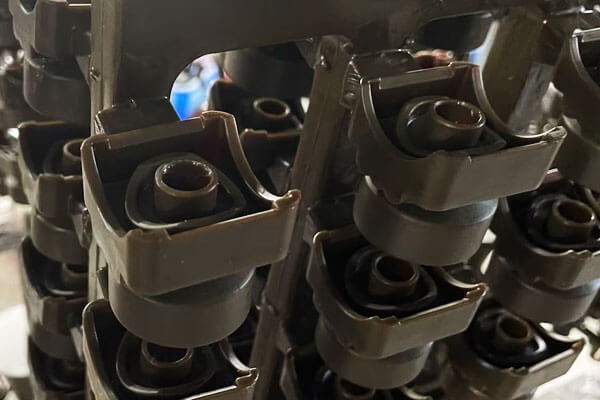
Translatio Exemplum superficies asperitas
Ut liquatur regula, forma superficiei asperitas circa tunicam faciei testae transfert ad a 1:1 ratio.
Si cera forma habet exasperat, cisternam veterem, influunt lineae, aut alia vitia, etiam adaequationis, optimized slurry non potest complere istas magnas imperfectiones.
Asperitas ultima testa certe erit quam exemplaris.
Requisita ad humilitatis asperitatem vultus tunicas:
| Parameter | Requiritur speciem | Rationale |
| Exemplum instrumentum superficies asperitatis | Ra ≤0.4 µm | Limatus ferro aut aluminium tooling, non resinae vel emplastrum. |
| Cera iniectio parametri | Optimized (pressura, temperamentum, habitatio) | Prohibet influunt marcas, Frigus claudit, et superficies oxidatio. |
| Post-iniectio finitionis | Extergimus vel degrease ad removendum fingere release residua et Micro-burrs. | Excluditur contaminant, effecerunt vitia. |
| Forma finalis asperitatem | Ra ≤0.8 µm | Recta translatio praestat gratum testa asperitatem praestat. |
Coing Application ars
Modus applicandi faciem tunica slurry signanter attingit ultimam superficiem asperitatem.
Tres applicationes principales artes percutientium, tingens, et effundens, producere qualitates superficies distinctas:
| Ars | Commoda | Limitations | Typical asperitatem fieri (Ra) |
| PRAECURSIO | Diligenter potestatem hard‑to‑reach areis; bonum universa internus cavitates. | Decutiat notas potest congelari in coating; operator (dependens); tardus. | 1.63.2 µm |
| Dipping | Uniform, etiam coatings; princeps productivity; minima operator opes. | Satis requirit fluidum slurry; forma ratio sinebat INCILE. | <1.6 μm (optimum) |
| Effusio / spraying | Apta magna vel irregularia exemplaria; bonum coverage. | Guttam producere potest et lineas fluere nisi diligenter contineri. | 1.62.5 µm |
Optimal tingens parametri:
- Exemplum recessus celeritate: Maxime discrimine parametri. Recedere velocitates in latitudine 10‑15 cm/s producendum stabili, uniformis slurry amet.
Nimis celeriter → nimia crassitudine efficiens et fugit; Tardius → membrana nimis tenuis ac discontinuatio. - Tempus habita in slurry: 5-15 seconds ad patitur completum madefecissem.
- INCILE tempus: Post recessum, patitur 10-20 secundis excessus slurry exhaurire ante stuccoing.
Modus tingens, ubi recte regitur, imo constantissime attingit asperitatem values.
Percutientium ad parvum congruit tingens, universa partes, sed plus operator variabilitas.
4. Post "Applicationem Processing": Siccus, DEWAXING, et incendere
Etiam post faciem tunica apposita et alba est, subsequent processus gradus-siccatio, DEWAXING, accendi, potest inducere vel instrumenta asperitatis defectus.
Multi defectus latentes in prioribus temporibus manifestant inter has curationes scelerisque "mechanicas".
Siccatio et Curing
Siccatio processus est ubi ligans silica-sol gelationem patitur. Colloidales particuli silicae coaluerunt in retiacula continua, densis refractariis particulas in loco.
Aquae evaporatio e superficie diligenter contineri debet:
- Si nimium celeri siccatio (caliditas, fortis editi): Superficies arefacit et pelliculam format, interior udo manet.
Capti aqua postea euanescit, causing pusulas prohibeant vel rimas aperire sicut foveae in testa superficie. - Si siccatio est Tardius (humilis temperatus, alta humiditas): In tectorio potest ponere aut membrana dicent, creando non-uniformis textura.
Condiciones bene remittit: mitis, uniformis expositio cum bona aeris circulatio sed non directa impingens:
- Temperamentum: 2225°C.
- Relativum humiditas: 50‑70%.
- Siccatio tempus: 4-8 horis in facie tunica, fretus slurry compositionem et crassitudinem.
DEWAXING
Gradus roscida-excussio exemplaris cerae - fieri debet cum calefactione moderata ne expansio exemplaris ne contaminet superficiem internam corticem deformet..
Si temperatus ortum nimis celeri, cera plus dilatat quam testa ceramica accommodare potest.
Effectus est pressura interna quae resiliunt, tumor, aut debilitare faciem tunica, relinquens permanens superficies defectus in ultima mittentes.
Praxi: Vapor dewaxing (autoclave), suscitabit vapor pressura est 0.6 MPa intus 30 seconds.
Hoc facit celeri, uniformis calefactio ab intus e. Cera cito liquescit et effluit antequam dilatatio scelerisque significativa fieri potest.
Haec ars tunicam faciei originalis superficiei lenis conservat.
Incendium (Sintering)
Postrema incendere ceramic testa ad caliditas inservit exurere residua carbonis, removere contaminantium volatile, et sinter refractarias particulas pro viribus.
Condiciones incendii moderari debent ad vitandam deformitatem superficiei:
- Celeri calefactio: Ligans compositione vapores nimium cito effugere possunt, creando pinhole crateres testa superficiei.
- Nimia incendii temperatus: Plus vitrei periodi formationis causat et fluere, creando rippled, deprauatum superficiem.
Bene accendi schedule pro silica sol‑zircon faciem tunicas:
- Tene temperatus: 950‑1050°C.
- Habe tempus: 23 horas.
- Aggerem rate: 46°C/min (paulatim ut felis fuga).
Hoc range, testa vim satis obtinet ad effundendum sine fluxu nimio liquefacto, dum vultus tunica retinet lenis, densa textura per gradus ante statutum.
Asperitas constanter manet humilis (Ra ≤1.6 µm) cum bene ignem.
5. Practical Quality Management and InProcess Cras
Consequens consistens humilis asperitas requirit magna et moderatio systematica per " testudine aedificium processus. Commendatur in processus checks includit:
| Reprehendo punctum | Parameter monitored | Test modus | Gratum range |
| slurry batch | Viscositas (Zahn poculum) | Non. 4 poculum | 35-45 seconds |
| slurry batch | P/L ratio | Gravimetric | 3.23.5 : 1 |
| batch pulveris | Magnitudo particula distribution | Laser diffractionem | Bimodal; <1% >45 μm |
| Tectorium | Humor content | Damnum in siccitate | <0.4% |
| Enormitas | Temperamentum / humor | hygrometer | 2225°C / 40‑60% RH |
| Operatio coating | Intinge celeritas recessum | Timer / calibrated rig * | 10‑15 cm/s |
| Operatio coating | Dewaxing profile | Pressura temporis commentariis | 0.6 MPa in 30s |
| Incendium | Fornax profile | Thermocouple record | 950‑1050°C, 23 horas |
In processus visual inspectionem: Periodica inspectio albarum faciei tunicas utens 10× magnificatio potest deprehendere prima signa tectorii attribuere, clumping, aut incompleta coverage.
A superficies portable profilemeter (contactus aut non-contactus) potest esse in delectis sacrificiorum exempla cognoscere quod asperitas scuta parantur met.
6. Translatio faciem Tunica asperitas in Final Iactis Superficies euismod
Significatio testarum faciei tunicae asperitas est longe ultra scaenam concharum facientis.
In investment mittentes, ceramic faciem tunica militat ut negans imaginem ultima pars superficies, significans eius micro-topographiam paene directe ad dejectionem in solidificatione transferri.
Proinde, etiam minor variationes in testa asperitas mensurabiles habere potest impulsum in operando perficiendo, Service vitae, et commercial valorem perfecti componentis.
Nam summus valorem certa dejectiones, asperitas tunicae moderantum non est solum postulatio medicamine; est parameter criticus machinator qui afficit mores mechanicos et operationes componentes.
Superficies Replicatio Mechanismus
per infusionem, conflatilem omnem microscopic depressionem et attributionem super superficiem ceramicam.
Post solidification, haec superficies lineamenta mira fidelitate exprimit.
Etsi res ut:
- Admisce DECREMENTUM,
- Metallum fluidum,
- Fingunt metallum reactiones,
- Arena ardeat-on,
non leviter mutare superficies ultima textura, testa facies tunica permanet dominans elementum regendi asperitatem.
In summa cura investment mittentes processus, asperitas transferendi rationem inter corticem et dejectiones e:
1:1 ut 1:1.3
Hoc significat concha faciei tunicam cum Ra valore of 1.6 µm typice efficit asperitatem superficiei dejectionem circiter 1.8-2.0 µm.
Impact in euismod Mechanica
Lassitudine resistentia
Superficies irregularitates agunt microscopic notches et accentus raisers. Sub cyclica loading, hae regiones fient praelatus locus ad rimam initiationis.
A superficies offert leviora mittentes:
- Inferius accentus retrahitur factors;
- Reducitur vox nucleation situs;
- Diutius lassitudine vita;
- Improved reliability sub dynamic loading.
Hoc est maxime momenti for:
- Turbine Lamina;
- Aircraft structural components;
- Automotive partium engine;
- Princeps apparatu celeritate rotating.
Studia ostenderunt asperitatem superficiem reducere ex Ra 4.0 μm ad Ra 2.0 μm plus quam vitam lassitudinem emendare potest 20% in quadam summus vires alloys.
Corrosio resistentia
Morbus superficies morphologiam vehementer afficit corrosio morum.
Superficies habet aspera:
- Vallis et cavernis;
- Areas stagnantibus electrolytici;
- Cellulae Micro-galvanicae.
Haec features accelerate:
- Pitting corrosio;
- Crevice corrosion;
- Suspendisse corrosio crepuit.
Ad ferrum incorruptum medicinae implantatorum et partium chemicorum processui, lenis dejectio superficies signanter meliorem longum tempus corrosio resistentia et biocompatibility.
gere, euismod
Superficies initialis directe afficit frictiones et machinationes gerunt.
Asperum plerumque ducit ad:
- Superiores friction coefficientes;
- Auxit laesura lapsum;
- Velocius materia remotionem;
- Maior calor generationis.
Sicut components:
- sentinam impulsores;
- Valvae corporum;
- Hydraulica components;
- Partes mechanicas PROLAPSIO,
prodesse secundum substantiam ab inferioribus superficies asperitas.
Potentia in Liquor Dynamic Efficiency
In fluxus-pertractatio apparatu, superficies asperitas directe afficit fluidum mores.
Superficies microscopica protrusiones limites iacuit turbare et turbulentiam augere, adtritus:
- Superiore detrimenta friction;
- Reducitur fluxus efficientiam;
- Auxit industria consummatio;
- Maiore pressura gutta.
Hoc phaenomenon maxime significant in:
- Turbine Lamina;
- Compressor components;
- sentinam impulsores;
- Aerospace influunt channels.
Ad praecisionem applications Turbine, etiam parva diminutio in asperitate superficiei efficientiam aerodynamicam emendare potest et operae pretium minuere super vitam servitii instrumenti.
Potentia in coating et superficies curatio
Multae investment iactationes requirunt operationes secundarias ut:
- Electroplating;
- Anodizing;
- PVD coating;
- Scelerisque spargit;
- Pingitatio.
Nimia superficies asperitas ut faciam:
- Non uniformis crassitudine efficiens;
- Pauperes membrana adhaesio;
- Defectus locales;
- Auctus sumptibus finiendis.
Producendo mittentes cum superiori superficiebus, manufacturers potest signanter reducere moles poliendi et machining requiritur ante superficiem curatio.
Dimensiva cura et Machining Allocacio
Asperitas superficies etiam influit dimensiva potestate.
A rudis superficies plerumque requirit mittentes:
- Maior machining annonas;
- Additional stridor res;
- Amplior modus finiendi.
Hoc augetur:
- Vestibulum pretium;
- Productio exolvuntur tempore;
- Materia vastum.
VEUM, humilis asperitatem saepe adhiberi potest prope rete-figura applicationes, maxima commoda oeconomicae pecuniae iactus.
Aesthetic et Commercial Value
Nam products ubi species sit amet, superficies metam fit in discrimine qualis indicator.
Exempla includere:
- Medical implantatorum;
- Dolor electronics components;
- Deliciae hardware;
- Decorative products metallum;
- Magnum autocinetum partes.
Mollior superficies praebet:
- Melior aspectus;
- Consectetur percipi qualis;
- Improved elit satisfactio;
- Altius productum valorem.
In multis casibus, Superficies finis emissionem directe determinat forum acceptatio.
Correlation between Face Tunica asperitas et mittentes Superficies Quality
Extensiva experientiae industrialis et investigationes experimentales claram necessitudinem inter crustas asperitatis et superficiem metam mittentes statuerunt.
| Faciem tunicam asperitas (Ra, μm) | Typical iactis asperitas (Ra, μm) | Typical applications |
| ≤ 1.6 | ≤ 2.0 | Aerospace components, Medical implantatorum, Turbine Lamina, summus finis eget partes |
| 1.6-3.2 | 2.0-4.0 | Valvulae industriales, pumps, subtilitas machinamenta, hydrau components |
| > 3.2 | > 4.0 | Constructio armorum, gravibus machina, generalis engineering dejectiones |
7. Conclusio
Asperitas superficiei obsidionis eiectamenta testarum faciei tunicarum a mechanismo coitu multi- factori moderatur, covering slurry materia design, opere tectorio specifications, cera exemplar Pretreatment, coating techniques, et post curatio processus thermochemical.
Circumsedere imperium in singulis his punctis cedit beneficium componens: uterque gradus optimized ad qualitatem superficiei finalem confert quae potest esse ordo magnitudinis pulchrior quam concha sine tali potestate producta.
Pro fundamentis conantes occurrere certae engineering-aerospace, medicamen, summus perficientur eget, studio humilis facie tunica asperitas non est libitum qualis progressio; est opportuna imperative competitive.