
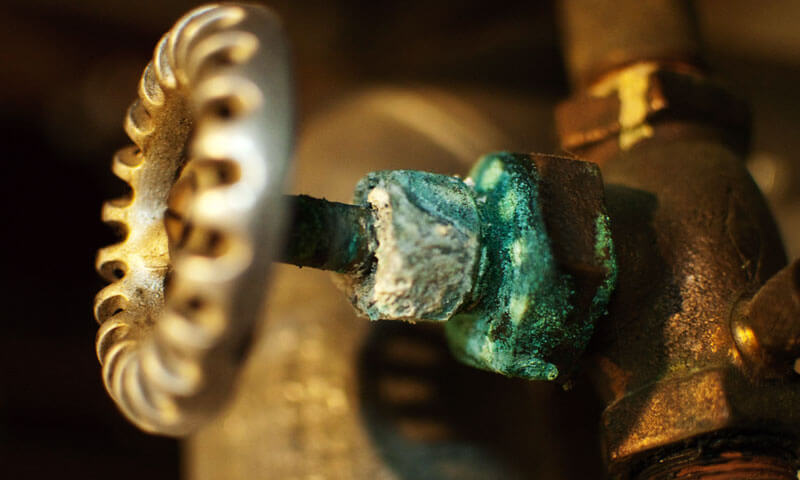
Ambulate in aliquo hardware copia, et cæremonias æreas invenietis, valvulae, et decorat hardware.
Ask salesperson: An rubigo aeris? Responsum quod verisimile audies est "Non", aes non rubigo. Sed hoc est simpliciter verum?
Responsum, sicut cum maxime materialium scientiarum quaestiones, est et est et est, et non est secundum quod definis rubiginem et quid vis aes.
Hic articulus praebet comprehensive, examinis multi dimensiva aeris corrosio.
Nos metallurgiam aeris explorabimus, Chemiae suae corrosio, et rubigo distinctione obtrectare, ad environmental factores qui accelerant degradation, et practica consilia ad praeventioni et sustentationem.
1. Quid est Rust?? Definitio chemica
Priusquam responderet an aes rubiginosa, debemus definire rubigo.
Chemia Rust
Rubigo commune nomen est hydrated ferrum(III) cadmiae (Fe₂O₃·nH₂O). Cum ferro format (Fes) reflectitur cum oxygeni (O₂) et aquam (H₂o) per electrochemical processum:
| Reactionem | Aequatio | Descriptio |
| Anodic | Fe → Fe²⁺ + 2e⁻ | Ferrum solvitur ad anode. |
| Catholic | O₂ + 2H₂o + 4e → 4OH⁻ | Oxygeni et aqua electrons. |
| Altiore | 4Fes + 3O₂ + 6H₂O → 4Fe(OH)→ 4Fe(OH)→ 2Fe₂O·3H₂O | Ferrum oxydatum hydratum (rubigo). |
Characteres Rust
| Proprium | Descriptio |
| Color | Red-brunneis ad orange-brunneis (hydrated); nigrum vel luteum in aliis oxydis. |
| Structure | Flaky, raro, non adhaerens; non protegat underlying metallum. |
| Volumen | Dilatat 3‑7× originale volumen ferreum, causing spalling ac structuram damnum. |
| Requiritur elementa | Ferrum (Fes), oxygeni (O₂), aquam (H₂o) (aut humorem). |
Punctum criticum: Quia aes continet non significantes metallicum ferrum, it non formare rubigo.
Color rufus vel brunneus apparet in superficiebus aeneis obtrectare aut patina, non rubigo.
2. Quid est Brass?? Metallurgia et compositione
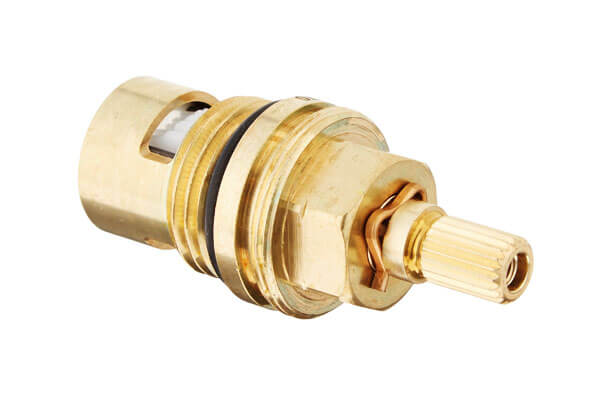
Definitio et Compositio
Aes Est aeris (zinc (Cu-Zn) mixtura. Cadmiae contentus iugis a 5% ut supra 40%, additis elementis ut plumbum, tin, aluminium, Silicon, aut arsenicum additae pro certis proprietatibus.
| Genus | Aes (%) | Zinc (%) | Alia elementa | Clavis proprietatibus |
| Alpha aes | >65 | <35 | - | Duces, frigidus operabilis; E.g., cartridge aes (70/30). |
| Alpha‑beta aes | 5565 | 3545 | - | Fortior, calidum, operabilis; E.g., Muntz metallum (60/40). |
| Beta aes | <55 | >45 | - | Durius, multo fragilius; stricto usu. |
| Ductus aes | 5762 | 3340 | 13% Pb | Optimum machinability; E.g., C36000 (liberum secans). |
| plumbum aereum | 7080 | 1525 | 15% Sn | Improved corrosio resistentia; E.g., admirabilitas aeris. |
| Armamentarium aes | 7080 | 1525 | 0.02-0.05% As | resistit dezincification. |
CupperZinc Phase Diagram
Aes solida est solutio zinci in cupro. Additio zinci mixturam corroborat per solidam solutionem obdurationem, sed etiam morum corrosionem significanter mutat..
Clavis metallurgical puncta:
- Alpha phase (FCC structure) - ductile, Bonum corrosio resistentia.
- Beta tempus (BCC structure) - durius, proniores ad dezincification.
- Phase statera dependet ex zinci contenti et caliditatis.
3. Quam aes vere Corrodes
Etsi aes non rubigo, manet chemica activa et continenter cum ambitu ambiente.
Hae interationes ad varias mechanisms corrosiones distinctas ducunt, uterque diversis principiis electrochemicis et condiciones environmental administratur.
Secus rusting in ferro, corrosio aeris plerumque progreditur per transmutationes superficiei sequentia, beginning placido oxidatio et, per incremento condiciones, ligulam in locales electrochemical impetum.
Coepi Superficiem Tarnishing: Primum tempus Oxidationis aes
Prima et frequentissima mutatio aes observata est exolescentibus.
Aes recenter fabricatum cum aere patere, aeris et zinci atomi ad superficiem lente agere cum oxygeni atmosphaerico.
Initio, hanc reactionem format an tenuissimus iacuit constans praesertim of:
- Aeris oxydatum (Cu₂O et CuO)
- cadmiae cadmiae (ZnO)
Haec cinematographica cinematographica paulatim mutat speciem aeris ab originali splendido colore aureo:
- Lumen flavum
- Brown
- Fuscus
- Griseo
Ratam exolescentibus ex causis pendent ut:
- Relativum humiditas
- Temperamentum
- Caeli pollutio
- Sulphur-continens gasorum
- Digitorum et cutis unguentis
Secus rubigo ferro, hoc est compactum oxydatum tenue, adherens, ac fere tutela.
Acceleratio quam degradatio, impedimentum agit quod ulterius oxygeni diffusionem reducit in allyationem.
A ipsum perspective, obtrectatio praecipue est mutatio aesthetica et parum momenti in fabricatione partium aenearum.
Patina Institutio: Natura tutela est Coating
Cum diuturna patefacio ut velit ambitus, praecipue quae humorem et dioxidum carbo, aes ulterius chemicae reactiones patitur quae ad progressionem a . ducunt patina.
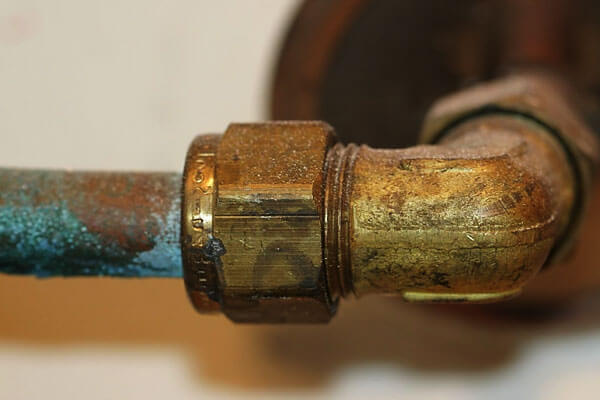
Patina est maxime stabilis corrosio products ut:
- Carbonas aeris
- Basic carbonas aeris
- Aeris hydroxide
- Sulfate aeris (in pollutis atmosphaerae)
Secundum environmental conditionibus, superficies colores vndique e fusco fusco ad characterem viridem vel caeruleum-viridis visis in monumentis historicis et notis architecturae evolvere potest..
dissimilis rubigo, quod est porosum et continue corrosio propagatur, matura patina est densa, chemica firmum, ac tutela.
Separatum offensionis ab atmosphaera, significantly tarditatem subsequent corrosio.
Haec passio naturalis explicat cur sculpturae aeneae perantiquae, decorat caerimonias, et hereditatem architectonica elementa saepe retinent optimam structuram integritatem non obstante diuturna velit detectio.
Dezincification: Aes Corrosion praestantissima forma
Dum extenuatio et patina formatio plerumque benigna sunt, dezincification Est perniciosius corrosio mechanism qui perficiendi aes mechanica potest graviter laedere.
Dezincification est processus electionem selectivam leaching in quo cadmiae, plus electrochemically activum aeris, preferentially solvit ab offensionibus quibusdam expositis electrolytis, maxime chloride-continens aquam.
Sicut zinci remotum est, reliqua materia raro fit, osseus cupreus dives cum imminutis viribus et pressuris ad facultatem.
Typicam condiciones quae promovent dezincification includit:
- Aqua calida scatere
- PRAEGRESSUS
- Summus chloride solutiones
- Systemata aquae stagnantis
- Paulo acidic ambitibus
Visibilis Indicatores includere:
- Subrufa vel rosea color
- Ex zinci corrosio producta deposita alba
- Superficiem pitting
- Porosity auctus
- Lacus in pressura-continens components
Ad criticas plumbing et marina applicationes, dezincification repugnans (RDA) aes nominatim machinatum cum moderatione mixtura additamenta ad hanc selectivam corrosionem mechanismum supprimendam et ad vitam servitii extendendam.
Accentus corrosio fregisset: Occulta culpa Mechanismum
Alius maximus, etsi minus communi, degradation processum est accentus corrosio fregisset (SCC).
SCC contingit quando tres conditiones simul existunt:
- Aes susceptibilis stannum
- Sustinuit distrahentes accentus (aut applicantur aut RELICTUM)
- A environment propria mordax, notissime continens ammoniacum vel ammonium compositum
Quam causa uniformis damnum, SCC ducit ad initiationem et propagationem rimas subtilissimas, saepe per fines frumenti.
Hae rimas cum parva superficie corrosione visibili crescere possunt et tandem in subitum proveniunt, fragilis fractura.
Components in certo periculo include:
- Valvae caules
- Compressione caerimonias
- Fasteners
- Fontium
- Subiicitur subtilitas machined partium residua machining extollit
Accentus subsidio calor curatio, proprium offensionis delectu, et vitando ammoniacam-dives culturae operae culturae efficax sunt consilia ad SCC extenuando susceptibilitatem.
Uniform and Localized Corrosion
In eget ambitus infestantibus, aes etiam experiri potest uniformis corrosio, ubi materia paulatim dissolvitur per totam superficiem expositae, vel localized corrosio, ubi in locis discretis impetus colligitur.
Fortis acida, fortis alcali, et certae oeconomiae industriales possunt membranae oxydatum tutelae dissolvere, mensurabilis metalli damnum ad tempus.
dissimilis rubigo, tamen, hi processus non faciunt squamam oxydatum ferreum expansivum. Pro, stannum tardius tenuior fit vel locales foveis, sed altiore modo deformitatis manet fundamentaliter diversum habitum a rubigine ferri et ferri.
Proinde, Aes diuturnitatem aestimare requirit specificam mechanismorum corrosionem cognoscendam quam notiones applicandas materiae ferrous associatas.
Galvanic corrosio
Aes cum nobiliori metallo copulatur (E.g., immaculatam ferro, aes) in PROLIXUS environment, aes fit anode et corrodit preferentially.
| Duo | Periculum campester | Praecaventur mensura |
| Aes - immaculatam ferro | Altum (aes corrodit) | Usus insulating washers; vitare directum contactum in infectum ambitibus. |
| Aes - aeris | Humilis (similis potentiale) | Plerumque gratum. |
| Aes - aluminium | PERPREPIDUS (aluminum corrodes) | Nulla requiratur. |
| Aes - carbonis chalybe | Moderor (ferro corrodit) | Protegat ferro cum coating. |
4. Aes nobis. Aes: Corrosio Comparationis
Aes et aes saepe confunduntur. Mores eorum corrosio differt ob elementi primi- niciem (cadmiae in aere; stagni in aere).
| Res | Aes (Cu-Zn) | Aes (apud Sn') |
| Prima tinguere elementum | Zinc | Tin |
| Corrosio mechanism | Dezincification, dux obtrectare | Electionem stagni leaching (rara), aeneus morbus |
| Repugnantia marinis | Pauper (dezincification periculo) | Praeclarus (stagni aera, aluminium aera) |
| Tremor | Celeri; viridi / brunneis patina | Tardius; viridi / brunneis patina |
| Suspendisse corrosio | Susceptibilis (ammonia, mercurialis sales) | Vulgo repugnans |
| Bimetallic corrosio | Moderor (Coniuges nobili metalla) | Bonum (minus prona galvanic impetus) |
5. Environmental factores afficiens aes Corrosion
Etsi aes non rubiginem habet, eius mores corrosio valde pendet a ambitu in quo operatur.
Stabilitas cinematographici tutelaris, quae naturaliter in aere format, signanter affici potest humor, scelerisque, temperamentum, aqua liber, pH, et mechanica accentus.
Umor et umor
Humor unus ex gravissimis factoribus afficiens corrosio aeris.
Aqua fungitur electrolytici, ut electrochemical reactiones inter stannum superficiem et ambitum eius ambiente.
Relativum humiditas augetur, tenuis humor film paulatim in aere superficies, faciliorem oxygeni diffusio et ionica onerariis.
In siccis aer, oxidatio fit lente ac typice producit nisi tenuis, pacto oxydatum film.
Sicut humiditas oritur, oxidatio accelerat, unde in acutioribus exolescentibus et eventibus patina formationis.
Sub continue infectum vel demergi conditionibus, in tutela oxydatum iacuit potest instabilis facta, augendae verisimilitudo locales corrosio.
Influentia humiditatis in corrosionibus aeris compendiose potest sic:
| Relativum Umor / Expositio | Typical ROSIO MORES | Corrosio Severitas |
| Inferius 30% RH | oxidatio atmosphaerica minima; superficies clara Prostrata | PERFLUTUS |
| 30-60% RH | Graduale exolescentibus; firmum oxydatum film develops | Humilis moderari |
| Supra 60% RH | Velocius oxidatio et color; scelerisque ut accelerant corrosio | Ad altum moderari |
| Continua madefecissem vel immersionem | Active electrochemical corrosio; periculo dezincification in stagnantibus aquis | PERPREPIDUS |
Atmosphaerae Pollutantes
Aereum pollutant dramatically corrosionem morum aenei mutando cum sua natura oxydatum tutelae mutando possunt..
emissiones industriales, marine aerosols, et vapores chemici saepe accelerant superficiem dejectionem per specifica mechanismos electrochemicos.
Insignes atmosphaericas pollutant aes afficientes sulphur componit, chlorides, ammonia, et oxidizing gasorum.
| scelerisque | Effectus primarius in Brass | Corrosio Mechanismus |
| Sulphur dioxide (SO₂) | Accelerata exolescentibus ac tenebris color | Formatio sulfidei aeris (Cu₂S) |
| Chloride ions (Sal imbre) | Pitting et dezincification | Naufragii cinematographici passivi |
| Ammonia (NH₃) | Suspendisse corrosio crepuit | Frumenti terminus impetus distrahentes accentus |
| Oxone (O₃) | Accelerata oxidatio | Auxit oxydatum formationis rate |
Sulphur Dioxide (SO₂)
Sulphur dioxide, plerumque in industriae et urbana atmosphaerae, libenter cum aeris in superficie aeris reflectitur sulfides aeris formare.
Composita haec notam efficiunt obscuram vel fuscam vel nigram obtrectationem saepe observatam in aere aere inquinato exposito.
Quamvis haec obtrectatio plerumque superficialis est, longa detectio potest accelerare altiore oxidationis rates ac reducere aestheticam speciem partium decorativarum.
Chloride-Containing Environments
Chloride iones sunt in speciebus infestissimis quae aes afficientes.
Regiones maritimae, Offshore platforms, desalination plantae, et apparatu marino continuo expositae sunt aerem salum teret.
Chlorides destabilitare iacuit oxydatum passivum et promovere:
- Locusized pitting
- Crevice corrosion
- Dezincification
- Corrosio Galvanic, cum dissimiles metallis adsunt
Ad has applicationes, navalis aereus, Pii aere, aut dezincification repugnans (RDA) aes typice commendatur.
Ammonia Patefacio
Etsi ammoniaci parum valent in aere expresso, fit perniciosius cum residua vel applicata distrahentes accentus.
His conditionibus, ammoniaci fines frumenti penetrare et inchoare accentus corrosio fregisset (SCC).
Hoc phaenomenon maxime est periculosum quod:
- Rimas ut develop sine damno materiali significant.
- Defectum subito fieri potest cum paulo externa admonitione.
- Mechanica vis diu ante corrumpit visibilis corrosio apparet.
Components ut valvae caulibus, compressionem caerimonias, fontium, et fasteners diligentem offensionem electionis et curationis accentus cum ammoniaca detectio praeventus est.
Ozone et Fortis Oxidizing Atmosphaerae
Ozona est agentis oxydatis reciprocus, qui ratem oxydatum cinematographici formationis cinematographici in superficiebus aeneis auget.
Dum inde oxydatum iacuit sub lenis conditionibus tutela manere potest, longum patefacio ut altus ozone concentratione potest accelerare color et superficies senescit.
Temperamentum
Temperatus directe afficit corrosionem in motu atomorum augendo diffusionem atomicam, chemica reactionem rates, et actio electrochemical.
Generatim, omne incrementum in temperatus accelerat oxidatio et corrosio, quamvis specifica mechanismus dependeat ab stannum et servitio environment.
| Temperature range | Typical ROSIO MORES |
| -10° C ad 40° C | oxidatio tarda; tutela patina paulatim |
| 40°C ad 80°C | Corrosio motus accelerate; oxidatio duo ad quinquies citius fieri potest quam ad temperatus ambiens |
| Supra LXXX°C | Auxit periculum dezincification, cadmiae crasso, et aqua calida corrosio |
| Infra -100° C | Maxime humilis corrosio rates; aes retinet excellentiam duritiem et ductilis |
pH Solutions Aqueos
Acor vel alcalinitas environment aquei maiorem vim habet in corrosio aeneo, quia pH afficit et stabilitatem oxydati cinematographici et solutionem electrochemicae aeris et zinci..
| PH Range | Corrosio Severitas | Dominator Mechanismus |
| Inferius 4 (Fortiter acidic) | Altum | De celeri solutione aeris et zinci |
| PH 4-8 (Neutrum leviter acidic) | Moderor | Tarnishing cum tutela oxydatum formationis |
| PH 8-12 (Alkaline mitis) | Humilis | Membrana oxydi et hydroxidi stabilis tutelam praebent |
| Supra 12 (valde Alkaline) | Moderor | dissolutio aeris in ambitus alcalini complexu |
6. Corrosio Products in Brass: Quod apparet in superficie?
Decoloratio quae in superficiebus aeneis apparet rubigo non est; id est mixtura aeris et zinci composita.
| Color | Primaria composita | Conditio institutionis |
| Clara flavo-aurum | Mundus Cu‑Zn mixturae superficies | Nuper machined vel polita. |
| rufo-brunneis | oxydatum Cuprum (Cu₂O) | Coepi oxidatio in aere. |
| Brown / tenebris brunneis | Cupric oxydatum (CuO) + cadmiae cadmiae (ZnO) | Longa patefacio ut aer et umor. |
| Gray / niger | Sulfidei aeris (Cu₂S) + cadmiae sulfide | Atmosphaerae industrialis (SO₂, H₂s). |
| Viridis / caeruleo-viridi | Basic carbonas aeris (Cu₂CO₃(OH)₂) | Diu terminus atmosphaerica detectio (patina). |
| Caeruleus viridis | Aeris chloride (CuCl₂) | Marinus / chloride ambitibus. |
| Alba / pulverulentus | cadmiae cadmiae (ZnO) aut carbonas cadmiae | Erugo cadmiae potiores (dezincification). |
| Pink / ruber | Dives residuum | Dezincification (cadmiae colatur, aeris reliquias). |
7. Ne Corrosio in Brass
Admisce Electio
| Mixtura | Corrosio resistentia | Idoneum ambitibus |
| C87610 / C87850 (Pii aere) | Praeclarus (dezincification repugnans) | Aqua potabilis, marinus, proiectus. |
| C87400 / C87500 (Pii aere) | PERPLICENTER | Generalis industrialis. |
| C68700 (armamentarium aeris admiratio) | Bonum (repugnans aquarum) | Condensers, calor de. |
| C46400 (navalis aereus) | Moderor (dezincification periculo) | Aquae dulcis, marinus (cum praesidio). |
| C36000 (plumbeus aereus) | Pauper (humilis corrosione resistentia) | Arida tectis, machined partibus solum. |
Superficiem treatments
| Curatio | Propositum | Methodus |
| Lacquering | Prohibet exolescentibus | Patet Donec vel polyurethane coating. |
| POSTIVATIO | Forms tutela cadmiae layer | Acidum nitricum intinge (10‑25%, 4060°C). |
| Chromate conversionem | Adducunt corrosio resistentia | Acidum chromic curatio (flavo vel manifesta). |
| Anodizing | Crassitudine iacuit ad lapsum / corrosio | Anodic oxidatio (stricto usu in aes). |
| Electroplating | Decorative / tutela iacuit | Nickel, chromium, aut aurum plating. |
Articulationes et Inhibitores
| Coating / inhibitor | Applicatio | Efficaciam |
| Patet lacquer | Ornare odio | Bonum (2-5 annis). |
| Benzotriazole (BTA) | Corrosio inhibitoris admixtiones aeris | Praeclarus; forms tutela film. |
| Aquarum substructio sealers | Architectura aerea | Moderor; requirit reapplication. |
| Oleum / cera | Instrumentum superficierum | Temporaria; opus re-applicationem. |
8. Purgatio et conservatio aes
Aes etiam rubigine valde repugnans et diuturnitatem excellentiam praebet, apparentia eius et corrosio resistentia insigniter commoveri possunt ad propriam sustentationem.
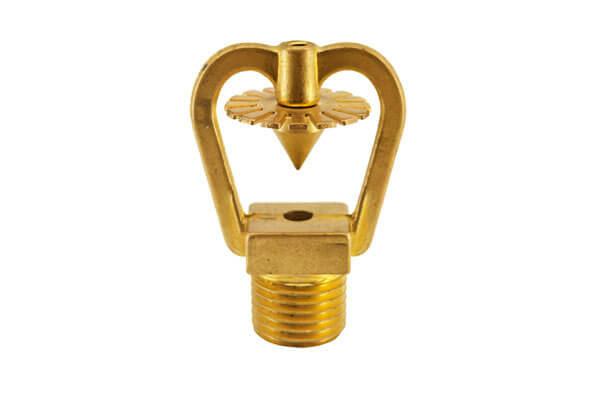
DEFUNCTORIUS Purgatio pro Quotidie Sustentacionem
Iusto Purgato aeris components simplicissima et efficacissima via ad servitium vitae prorogandum.
Removere pulvis, uncto, fingerprints, saltus, scelerisque et industriae adiuvat prohibere contaminantes oxidatio accelerans vel corrosio localis initium.
Pro summa familia et applicationes industriae, mollis pannus cum aqua calida et leni saponis solutione satis est ad removendum sordes superficiei sine vulnere oxydatum tutelae cinematographicae..
Post Purgato, superficies semper penitus aqua munda eluatur et ex toto siccabitur, ne humorem residua foveat corrosio.
Defunctis purgatio maxime prodest:
- Ornare odio
- Porta Handles
- Adfixa plumbing
- Instrumenta musica
- Subtilitas mechanica
- Electrical hardware
Secus ac ultro expolitio, lenis purgatio conservat integritatem naturalis oxydatum iacuit servato carum specie.
Tarnish removere
Aes ut saecula, color aurei coloris ad umbras brunneis paulatim mutat oxidatio, tenebris aere, aut niger.
Obtrectatio haec typice in superficie clauditur et corruptionem structuralem non indicat.
Complures modi purgatio potest efficaciter removere obtrectationem.
Mitis Organic Purgatio Solutions
Naturalis acidic cleaners, ut acetum cum sale vel CITRUM suco mixtum cum nitro, late usus est ad tollendam modicam obtrectationem.
Mitis acidum oxidationis superficiem dissolvit dum actio lenis laesura adiuvat metam originalis metallici.
Tamen, quia hae solutiones sunt acidic, ne remaneant in superficie aeris protractum.
Post curatio, componentia aqua munda penitus eluatur et statim desiccetur, ut reliquae residuae acidicae tollantur.
Hae rationes fere aptae sunt:
- Ornamenta aenea decorativa
- Familia adfixa
- Culina hardware
- Leviter corruptus accessiones
Commercial Brass Polishes
Nam gravis aere corruptus, expolitio commercialia composita celerius ac constantius eventum praebent.
Haec producta typice continent tenues particulas laesuras et chemicorum purgationes agentium quae oxidationem tollunt et characterem aureum reficiunt.
In tincidunt valde melioris specie, item partem oxydi oxydi naturaliter excultae et partem removet, in quibusdam casibus, in tutela patina.
Nimia vel crebra politio paulatim reducere ad tutelam superficiei et speciem rerum aenearum antiquarum vel historicarum immutare potest.
Igitur, commercial expolitio utendum selectas quam in exercitatione sustentationem.
Purgato agentia vitare
Non omnis purgatio oeconomiae apta est aere.
Una maxime cautiones est vitare ammoniaci-fundatur cleaners, praecipue illustraverat vel onus afferentem aes.
Ammonia notum est ad promovendum accentus corrosio fregisset (SCC) in susceptibilis aes alloys.
Etiam concentrationes respective humiles limites frumenti penetrare possunt et rimas microscopicas inchoare cum passione residua vel applicata distrahentes.
quamobrem, ammoniaci continet purgatio products ut non esse on:
- Valvae components
- Compressione caerimonias
- Fontium
- Fasteners
- Adapter casibus
- Subtilitas partium mechanicarum
Similiter, compacta acida, fortis alcali, lanam ferro laesura, instrumenta stridor et pugnax vitanda est, nisi in restitutione industriae specialiter commendatur.
Superficies tutela treatments
Sola purgatio oxidatio futura non prohibet.
Post superficiem mundatum est, multa aenea prosunt ex adiectis curationibus tutelaribus, quae metallum ab humore et atmosphaerico pollutantium segregant.
Communia tutelae modos includit:
Cera Coatings
Microcrystallina cera vel altus-qualitas crustulum cerae tenuem hydrophobici obice super superficiem aeneam facit.
Cera coatings plura commoda praebent:
- Redigendum oxygeni patefacio
- Repellere humorem
- tardus exolescentibus
- Serva superficies species
- Metallicam ponere splendorem naturalem
Praesidium cerae late ad artificia architecturae aes et musaeum decorativum adhibetur.
Olea tutela
Olea mineralia levia saepe applicantur ad componentes aeris industriales in repositione vel translatione.
Oleum membrana defendat contra:
- Umor
- Fingerprints
- Oxidatio atmosphaerica temporaria
Licet oleum coatings renovationem requirere periodicum, ipsi providere insumptuosus solution ad breve tempus corrosio praesidio.
Lacquer Coatings
Perspicuus lacquer format perlucidum impedimentum tutelae quod directum contactum prohibet inter superficiem aeris et ambitum ambientis.
Lacquer coatings vulgo applicantur to:
- Porta hardware
- Accensus adfixa
- Decorative absumpto
- Instrumenta musica
Cum recte servetur, ATRAMENTUM signanter reducere opus poliuntur impediendo oxidatio fiat in primo loco.
Electroplated Coatings
Ad postulandum applicationes industriae, aere electroplated cum metallis ut nickel vel chromium.
Electroplating praebet:
- Improved corrosio resistentia
- Superiore labore resistentia
- Consectetur species decorat
- Auxit stabilitatem chemica
Connexiones electricae saepe patella cum stagno, argentum, aut aurum ponere humili contactu resistentia dum protegens aere subiecto.
Conservando Patina Naturalis
Non omne aes polietur ad claram metam.
Multi architecturae, historical, et artis applicationes, Patina naturaliter evoluta consideratur et aesthetically valuable et operando utile.
Superficies aenea viridis vel obscura in historicis aedificiis monumentisque visa non est signum corruptionis, sed stratum stabilium, quod corrosionem adhuc tardat..
Proinde, Conservationis periti plerumque conservare quam removere matura patina.
Aes architecturae ambitus velitis expositae, sustentationem saepe constat e purgatione periodica per applicationem cerae tutelae, permittens patina pergere developing naturally.
9. Applications Ubi aes Corrosion Matters
| Industria | Typical components aenea | Corrosio de | Mitigatio |
| Plumbing | Valvulae, caerimonias, faucets | Dezincification; plumbum leaching | Dr aes utere (C87610, C87850). |
| Marinus | Propeller sagittis, marinis soleatus | Dezincification, pitting | Utere aere navali (C46400) aut pii aeris. |
| Electrica | Terminal, connexiones, switchgear | Tremor (contactus resistentia auget) | Argentum vel tin plating. |
| Eget | Radiators, calefacientis metretas, connexiones | Corrosio ex coolants, saltus | Utere armamentario aeneo; propriis coolant sustentationem. |
| Architecton | Handrails, porta hardware ", tegere | Atmosphaerae exolescentibus, patina | Lacquer neue patina naturale. |
| Instrumenta musica | Tubis, trombones, Saxophones | Tremor (aesthetic) | Iusto purgatio; ATRAMENTUM coating. |
| tela | Adapter casibus (C26000) | Temporum crepuit (ammonia) | Suspendisse subsidio; imperium repono. |
| Dolor hardware | Seras, cardina, claves | Tremor (medicamine) | Lacquer; iusto tincidunt. |
10. Comparison: Brass vs Rust
| Criterium | Rubigo ferrea / chalybe | Corrosio aeris |
| Definitio chemica | Ferrum oxydatum hydratum (Fe₂O₃·nH₂O) | Oxydi aeris et zinci, carbonates, chlorides, sulfides. |
| Requiritur elementum | Ferrum (Fes) | Aes (Cu) et cadmiae (ZN). |
| Color | Red-brunneum, aurantiaco-brunneis | Brown, niger, viride, caeruleo-viridi, red-rosea (dezincification). |
| Structure | Flaky, raro, non adhaerens | Saepe adherens (patina); ut pulverulenta (dezincification). |
| Volumen expansion | 37× (facit spalling) | Minimum moderari (patina est tutela). |
| Tutela effectus | Nemo (rubigo accelerat corrosio) | Sic (patina tardat amplius corrosio). |
| Praeventionis | Pingere, galvanize, oleum, mixtura | Lego Dr; lacquer; recludet. |
| Reparare | Rade/remove; repaint | Polonica; activae removere corrosio; reseal. |
11. Conclusio
Sic, facit aes rubigo? Responsum scientificum ambiguum est: Non. Aes rubigo non facit, quia erugo est erugo productum singulare ferro et ferro, Aes autem est mixtura aeris zinci quod fere nullum habet ferrum.
tamen, aes non immune est ad environmental degradationem.
Per totam vitam suam servitium, variis subit corrosio processuum, inter oxidatio, exolescentibus, patina formation, dezincification, et, sub certis conditionibus, accentus corrosio fregisset.
Hae machinae fundamentaliter differunt a rubigine materiae ferreae in chemia et significatio machinalis.
Ultimo, intelligendum discrimen rubigo et corrosio aeris est de ratione fabrum, designers, manufacturers, ac finem users idem.
Eligendo convenientem offensionis, considerans operating elit, et applicando sanam sustentationem exercitia,
aere components potest eripere outstanding reliability, Optimum corrosio resistentia, et vita eximie longa opera in amplis applicationibus industriae et commercialis.
Frequenter Interrogata
An rubigo aeris in aqua?
Non, aes non rubigo (formare ferrum oxydatum). Tamen, æs in aqua corrodunt, maxime stagnantibus vel acidic aqua, ubi dezincification potest fieri.
Usus dezincification resistens brassicae aquae applicationes.
Cur aes viridis vertat meum??
Color viridis est patina tutela basic carbonas aeris (Cu₂CO₃(OH)₂) .
Format cum aes humori et dioxide per longum tempus obnoxium. Non nocet, ipsa tuetur metallum.
An rubigo aeris in saltwater?
Aes non rubigo, sed in saltwater exedunt.
Aeses zinci susceptibiles sunt dezincification et fovere in ambitibus chloridi. Pii aes et aera praeponuntur applicationibus marinis.
Potest rubigo aeris sicut ferrum?
Non. Rubigo ferri specifica est et admixtiones eius (ferro, ferrum). Aes non habet ferrum (nisi vestigium immunditiae), ideo non potest aeruginem.
Quomodo corrosionem viridem ex aere removeo??
Nam mollis viridi patina, utor a commercial nitorem aereum vel mixturam lemon suci ac salis.
Nam gravibus aut alium corrosio, professionalem purgatio et stabilisation (cum BTA *) requiri potest.
An aes nigrum?
Sic. In atmosphaerae industriae quae componit sulphuris, aere fit griseo nigrum sulfide amet. Haec forma obtrectationis, non rubigo.

