
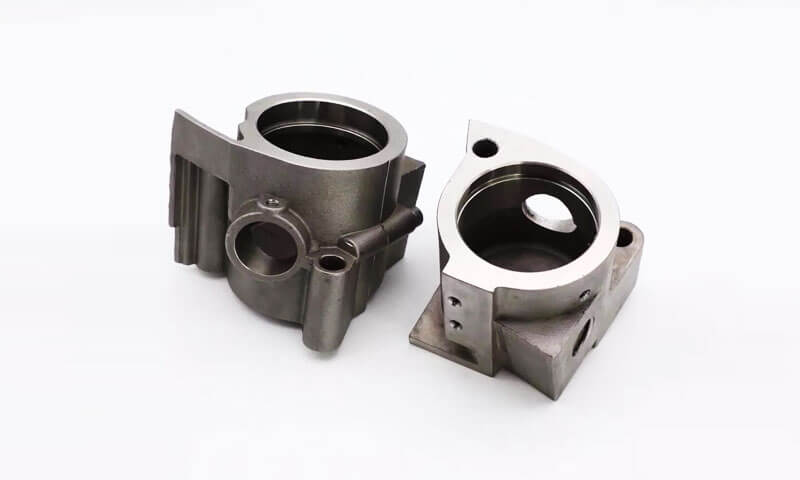
Machinatio rhoncus operatur condiciones postulantes. Components motus reciproci continuus patere potest, princeps celeritatum gyrationis, vibratio, frictio, saepe loading, pulvis, fibris, lubricants, et crebris cycles productio.
Etiam relative parva pars mechanica potest idcirco effectum significantem in machina accurate, operating fides, et productio efficientiam.
Cum originali pars erit unavailable, ad finem vitae suae servitium, aut requirit modificatio nova machina design, a vexillum replacement pars non semper sufficiat.
Rhoncus apparatum manufacturers, societates sustentationem, et machinis integrators saepius require consuetudo machinis textilis parce partes confici specifica drawings, exempla, materies, tolerances, ac perficiendi necessaria.
Nam metallum universa components, combining subtilitas fundendi et CNC machining efficaciter praebet viam ad paria geometricam complexionem, Dimensional accurate, materia perficientur, et productio pretium.
Haec accessio integralis apprime convenit pro componentibus ut brackets, housings, tenentes, portantes subsidiis, Apparatus bases, cams, vectium, tabulae, et alia consuetudo machinis textilis componentibus.
1. Quid sunt rhoncus Machinery Parce Partibus?
Machinariae rhoncus partes parcere sunt componentium subtilitatum machinarum usus est reponere confectum, laesis, obsoleta, aut redesigned partes in textili productione armorum.
Sunt necessaria ad conservandam apparatus perficiendi, productio continuitatis, Dimensional accurate, et diu terminus operational reliability.
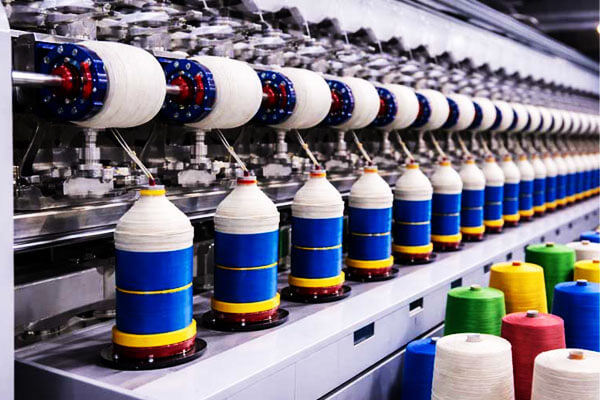
Secus genus partium industriae, machinae textilis parce partes designantur circa systemata mechanica specifica et conditiones armorum texentium operantium.
Fretus applicationem, ut motus reciprocus continuus subiiciantur, summus celeritas gyrationis, vibratio, frictio, impulsum, saepe loading, fibris textilis, pulvis, lubricants, et temperatus fluctuations.
Etiam relative parva pars potest idcirco directam vim habere in machinae synchronisationi, fabricae species, productio efficientiam, et apparatu vitae servitium.
quamobrem, machinis textile parce pars non est simpliciter pars metalli tortor.
Referre debet discrimine dimensiones, mechanica interfaces, materiales, et munus geometriae requiritur ab originali machina.
Quae functiones rhoncus Machinery Parce Partibus Praestare?
Machina rhoncus ex multis systematibus mechanicis inter se connexis consistit, et singula pars parce munus exercet in altiore machina.
Quidam components auxilium praebere structurarum, alii motus transmittunt, Gratia diei et noctis ponere, guide tinctum seu fabricae, seu control repetita motus mechanica.
Munera communia includit:
- Firmamentum structuralis: Machina bases, Brackets, tabulae, adscendens laminas, et subsidii componentium rigiditatem praebere et positionem conventus mechanicorum tenere.
- Firmamentum rotationis: Housing, portans sedes, et ligamenta componentia spiculis sustentant et alignment accurate gyratorium conservant.
- Potestatem tradendi: calces housings, cams, vectium, sagittae, trochleas, et connectens components transferre seu transformare motum mechanicum.
- Materia directione: Rollers, ducibus, pressor pedes, tenentes, et similibus componentibus motum tinctum, filum, aut fabricae.
- Motus control: Cams, rocker armis, linkages, et alia componentia mechanica motus repetitos coordinare.
- Tutela et clausura: insterni, opercula, finem laminas, et structurae tutelae machinationes internae a contagione et damno mechanico defendunt.
- Positiones et conventus: Adscendens uncis, locating components, subsidiis, et bases accurate institutionem et alignment curare.
Haec munera quia substantialiter differunt, machinae textile partes parcere possunt a relative parva subtilitate partium ad magnas dejectiones structuras vagari.
Communia genera rhoncus Machinery parce Partibus
Partes specificae in genere pendent, exemplar, et mechanica figura textilis armorum.
| Rhoncus elit | Typical Parce Partibus |
| Industriae Sutura Machines | Presser pedes, presser pede singu, Brackets, vectium, ducibus, subsidiis, housings |
| Adstare Machines | Fusum adminicula, housing, Brackets, coegi components, Apparatus bases |
| Apparatus texentes | Cams, rocker armis, housing, Brackets, dux components, subsidiis |
| Machinis conexos | insterni, Brackets, ducibus, ascendens components, mechanica nexus |
Machinis curvis |
Rollers, portantes subsidiis, Brackets, sagittae, housings |
| Machinis inflexionis | Guide components, Rollers, subsidiis, uncis adscendens, coegi components |
| moriens Machinery | Sagittae, housings, Brackets, opercula, subsidiis, ascendens components |
| Rhoncus Finis Machinery | Contentio scutulis, cylindro subsidiis, housing, tabulae, Brackets |
Inter haec components, housing, Brackets, Apparatus bases, housings, subsidiis, cams, tenentes, et structural components aptissima sunt ad consuetudinem emissionem faciendam, quae machinis cnc sequuntur, quia saepe geometrias compositas cum superficiebus functionis exactissime compositas componunt..
2. Materias Custom rhoncus Machinery Parce Partibus
Materia lectio est pars fundamentalis designandi et fabricandi certas machinis textilis partes parce.
Rhoncus apparatum saepe continenter altum celeritatem operatur, cum components expositae friction, vibratio, Cyclic loading, impulsum, humor, chemicals, et alimentorum fibra contagione.
Igitur, materia eligenda secundum ipsam operating conditionibus et utilitatis necessitates componentium, quam ex sola pretium seu nominis robore.

Pro consuetudine machinarum textilium parce partes, Hoc potest probare diversis ipsum materiae secundum componentis geometriae, mittentes iudicium, machining opus, onus conditionibus, gerunt machinationes, corrosio detectio, et expectata opera vitae.
| Materia | Clavem proprietatibus | Typical applications |
| Immaculatam ferro (304, 316, 316L) | Optimum corrosio resistentia; bonum vires. | Rollers, ducibus, pumps, valvulae, mori machina. |
| Immaculatam ferro (17-4PH) | Excelsum; æstus-treatable; Bonum corrosio resistentia. | Summus onus components, Gears, sagittae. |
| Carbon Steel (Aisi 1045, 4140) | Vires; hardenable. | Gears, sagittae, fusum, structural partes. |
| Alloy Steel (4140, 4340) | Excelsum; optimum spissitudo; hardenable. | Gravis officium anni, sagittae, cam sectatores. |
| Tool ferro (D2, O1, S7) | Alta duritia; GERBOR. | Tools, moritur, formans instrumenta. |
Aes (C90500, C93200) |
Bonum gerunt resistentia; frictio; ROSIO. | Bushlings, gestus, ducibus. |
| Aes (C36000, C26000) | Bona machinabilitas; ROSIO. | Caerimonias, valvulae, parva hardware ". |
| Ferrum (Griseo, Duces) | Bonum debilitare facultatem; GERBOR. | Machina bases, housings, magna anni. |
| Aluminium (6061-T6) | LIBRICUS; bona machinability. | Leve components, housings. |
| Engineering Plastics (Peek, Nylon, Ptfe) | Frictio; chemical resistentia; LIBRICUS. | Gestus, sigilla, ducibus, non-metallicis components. |
3. Subtilitas Iactis pro rhoncus Machinery parce Partibus
Subtilitas dejectio est magni momenti fabricandi iter ad machinamenta textilia parces partes quae geometriam complexam coniungunt, postulans materia necessaria, stricta dimensional et secundum quid specificationes.
Inter curationem technologiarum, Investment casting maxime valet quod geometrias intricatas referre potest cum comparatione minorum machinis auxit latis amplis machinationem admixtorum accommodato.
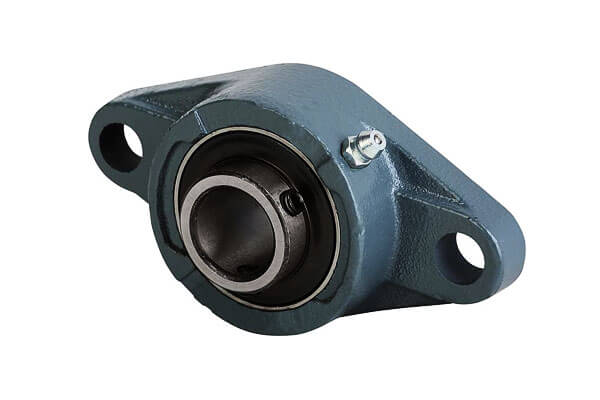
Quid Subtilitas Iactatio Specimen pro rhoncus Machinery Components
Investment mittentes efficax inter libertas geometrica, materia flexibilitate, dimensiva potestate, et productio efficientiam.
| Commodum | Ipsum significatio pro rhoncus Machinery |
| Geometries complexu | Dat perplexitas Venustates, costas, umbonibus, recessus, SECTIO, et selectis locis internis produci ut figura prope rete. |
| Prope rete figura productio | Reduces quantitatem materiae remotae in subsequenti CNC machining, maxime composita vel irregularia;. |
| Superficies qualis bonum | Investment dejectionem comparare potest lenis sicut superficies-cast, exigentias conficiendi minuendi bonum fundamentum praebens ad subtilitatem machinationem. |
Dimensional accuracy |
Proprie designatae processus mittentes collocandi arctius imperium dimensiva consequi potest quam plures processus conventionales arenas fundentes, quamvis ipsa tolerances dependet offensio, GEOMETRY, Tooling, et processus imperium. |
| Lata mixturae convenientiae | Idonea pro multis immaculata steels, ipsum et mixtura steels, instrumentum Steels, et aeris-fundatur alloys, ad delectis processus liquatur facultatem. |
| Reducitur materia vastum | Prope net-figura productio machining truncum et crudum materiale consummationem substantialiter minuere potest cum machinatione partis complexae ab conata vel talea trunco.. |
Integrated eget features |
Features ut bulla, ascendens lugs, confirmat costas, et perplexae externae multiplices saepe directe in dejectionem incorporari possunt. |
| Productio flexibilitate | Maxime gratus pro prototypa, postea components, et parva productio media decurrit ubi instrumentum altum dedicatum non iustificatur. |
| Bonum fundamentum CNC machining | Machinatio auxit opportune imponi potest in sedibus ferendis, bores, adscendens facies, relatorum, et alia critica eget superficiebus. |
Aliquam sit amet distinguere praecisio dejiciendi facultatem ab ultima parte praestatur tolerantia. Tractatus dejectiones praecipuam constantiam dimensivam praebere potest,
sed re ipsa movetur cera forma accurate, ceramic-testa mores, offensionis DECREMENTUM, scelerisque gradibus, mittentes geometriam, calor, et subsequent machining.
Dimensiones criticae ideo plerumque effici debent per coniunctionem prebendam moderatam et CNC finitionem.
Quare circa-Net-Sigmate iactis rebus ad rhoncus Machinery
Machinaria textilis componentia relative magna altiore volumine in comparatione habere potest sed parvum numerum superficierum quae machinis subtilitatem requirunt..
Machinatio totius componentis e solido conclave ideo inhabilis esse potest.
Pro exemplo, consider a customized habitationi cum multa confirmat costas, ascendens umbonibus, curva superficies externae, et multa cura bores.
Geometriam integram producens e solido trunco, remotionem materialem substantialem et cyclos diuturnos requireret.
Tractatus de fabricandis belli mutat fabricandis:
Rudis offensionis → Prope rete figura mittentes → Caloris curatio → CNC machining criticae areas → Complevit component
Hoc potest minuere machining tempore, tooling labore, materia consummatio, et faciens complexionem.
Utilitas magis significativa fit cum componentia profile tres dimensiones implicatas habet vel cum productio per plures batches iteratur..
Processus Investment Iactandi pro rhoncus Machinery Parce Partibus
Processus collocationis mittens incipit a creatione perquam accuratae exemplaris et terminatur ad inspectionem fundorum perfecti.
Singulis scaena afficit qualitatem dimensivam et metallicam finalis componentis.
| Scaena | Processus | Clavis Engineering Consideratio |
| 1 | Exemplum productionis | Cera vel polymer forma fit utens subtilitate tooling secundum componentes geometriae. |
| 2 | Core praeparatio et conventus | Ceramici vel soluti nuclei inferri possunt ubi cavitates internae vel loca requiruntur. |
| 3 | Arbor ecclesia | Singula exemplaria cursori adscribuntur et systema pervadit ad jaciendam arborem formandam. |
| 4 | Ceramic concha aedificium | Repetita slurry coating et albario applicatione creare refractarium corticem circa exemplar. |
5 |
DEWAXING | Cera tollitur, relinquens negans cavum componentis intra ceramic testam. |
| 6 | Testa accendi | Testa succensa est ad vires evolvendas et residuas formas materiales removendas. |
| 7 | Admisce exustio | Electus offensionis liquefactum sub regimine metallurgicae conditiones. |
| 8 | Effusio | Metallum fusile in testam ceramicam preheatam introducitur sub conditionibus moderatis fundendis. |
9 |
Solidificatio et refrigeratio | Solidificatio moderata vitia adiuvat minuere et stabilitatem dimensionalem conservare. |
| 10 | Knockout | Ceramic testa removetur post refrigerationem. |
| 11 | Abscise et consummans | Portae et cursores tolluntur; superficies potest terram vel tenues. |
| 12 | Calor | Dejectiones specificas curationes scelerisque accipit ad proprietates mechanicas et metallurgias requisitas obtinendas. |
| 13 | Inspectionem | Dimensional, visual, metallic, et non-examinibus perniciosius fiat ut requiritur. |
De temperaturis precise, testa structuram, fundens conditionibus, et calor-curatio cycles sunt mixtura- et geometrica-dependens.
Constituantur igitur secundum specificam speciem materialem magis quam applicando unam temperaturam universalem ad omne propositum.
4. CNC Machining pro rhoncus Machinery Components
Dum subtilitas mittentes basic geometriam praebet, Machinatio CNC parat praecisionem requisitam ad superficies functiones et interfaces.
Saepe machina rhoncus sagittis revolventis continet, gestus, Rollers, Gears, ducibus, housings, councus, et alia, quae operari debent cum purgationibus et alignment;.
Etiam relative parvae deviationes dimensionales afficiunt vibrationes, frictio, ferre vitam, bis tincto pertractatio, aut machina stabilitatis.
Machinatio igitur CNC machinis criticis praecisionis processus technici fabricandi inservit.

Cur CNC Machining est Essentiale
Machinatio moderna CNC praebet altam repeatbilitatem et dimensionalem accurationem moderatam per complexiones geometricae componentes.
| CNC Machining Commodum | Rhoncus adipiscing elit |
| Princeps dimensionis accurate | Dat discrimine foretur, sagittae, portans sedes, escendens interfaces certa tolerances in occursum. |
| Optimum repeatability | Adjuvat conservare dimensiones constantes per batches productionis et programmatum tortor. |
| Imperium superficiem metam | Machining oportet reducere friction, meliorem signationem, ac protegat sensitivo contingentes superficies. |
| Complexum geometriae facultatem | Multi-axis machinatio potest producere tres dimensiones Venustates, rectangula superficierum, foramina, fundas, et compositis features. |
Materia flexibilitate |
CNC apparatu lato range of potest aliquid de steels, Stainless Steels, ferreis, Alluminium Alloys, aeris alloys, Et ipsum plastics. |
| Effectus customization | CNC programmata pro diversis dimensionibus et configurationibus mutari possunt sine processu fabricationis prorsus resignando. |
| Prototypum convenientia | Machinatio CNC machinis auctam ac dimensionalem sanationem rapidam sustinere potest antequam productio maior currit. |
| Integration with casting | Prope rete-figura fusurae machinari possunt tantum ubi accuratio est officiatorie necessaria. |
Tolerantia exacta deduceretur per instrumentum machinae determinatur, ascia, opus, materia conditio, pars geometriae, scelerisque stabilitatem, mensurae ratio, trahensque iudicium.
Igitur, valores ut ±0.005 mm tractari debent proiciamus speciales facultates magis quam cautiones universales.
Communia CNC Machining Operations pro rhoncus Machinery Components
Machinariae textiles variae partes requirunt diversos processus CNC pendens in geometria, dimensional tolerances, Superficies-finem opus, ac eget interfaces.
| CNC Machining Processus | Prima Machined Features | Key Quality Requirements | Capability Typical / consideratio |
| Cnc conversus | Diametri externae, internum foretur, humeros, striatus, cerei, relatorum, finem facies | Patientia diam, concentricitas, cylindricium, runout, superficies asperitas | Typice idoneam ad summus accurate features cylindricae; ultima apparatus tolerantia pendent, materia, GEOMETRY, Tooling, et inspectionem |
| Cnc milling | plana superficies, fundas, foramina, costas, Venustates, adscendens facies, keyways | idipsum, perpendiculaitas, situm accurate, profile accuracy, superficiem metam | Apta ad partes prismaticas et multiplices profile-; multi-axis machining potest minuere setup errores |
| Subtilitas Boring / Conmentatio | bores supportantes, dam foramina, locating bores, cura internus diametri | pertundere diam, rotunditas, cylindricium, coaxiality, situm accurate | Maxime ubi gestus, sagittae, aut coeundi components debet ponere accurate alignment |
CNC EXERCITATIO |
Fastener foramina, locante foraminibus, lubricatio locorum, fluidum locorum | Foramen diameter, situm tolerantia, profundum, perpendiculaitas, foraminis qualis | EXERCITATIO sequitur odiosis, reaming, percussoque, aut chamfering ubi altius accurate non requiritur |
| Post Machining | Stamina interna et externa, nexum interfaces, staminea foramina | accurate picem, major / diametro minor, linum profile ", concentricitas, qualis pugna | CNC percussoque, linum milling, vel conversio potest eligi secundum materiam, filum magnitudine, praecisione, et productio volumine |
| CNC Molendum | Sedens portans, journals, diametri subtilitas, signantes superficies | Stricta dimensionis tolerantiae, rotunditas, cylindricium, superficies asperitas, runout | Usus est post curationem conversionis vel caloris cum requisita superiora dimensiva et superficies oeconomica non possunt fieri machinis conventionalibus |
Multi-Axis CNC Machining |
Venustates compositis, angulatis foraminibus, universa superficies, altum cavis, multa loci features | Profile accurate, situm necessitudinem inter features, superficiem metam, setup constantia | Numerum setups reducit et congruentiam geometricam emendare potest pro complexis componentibus |
| Keyway / socors Machining | Keyways, articulatio foramina, coegi striatus | Latitudo, profundum, positione, parallelismus, fit cum clavem admissura | Critica pro certo torque tradendo et accurato componente conventu |
| Superficies consummatione / Fine Machining | Superficies functionis contactus et superficies externae delectae | AGRESSUS, lappa remotionem, ora conditione, Dimensional stabilitatem | Finis specificetur secundum friction, gurgio, signare, aut bis tincto-contactus necessaria potius quam uniformiter maxima lenitas |
5. Proicientes ad Bum Part: Nostra Vestibulum Processus
Vestibulum certa machinis textilis pars parce magis requirit quam componentem producere qui dimensionibus exempli originalis congruit.
Integrum processum debet constituere inter se continentur consilio, materia, iactus, calor, Machining, superficies conditione, ac finalem inspectionem.
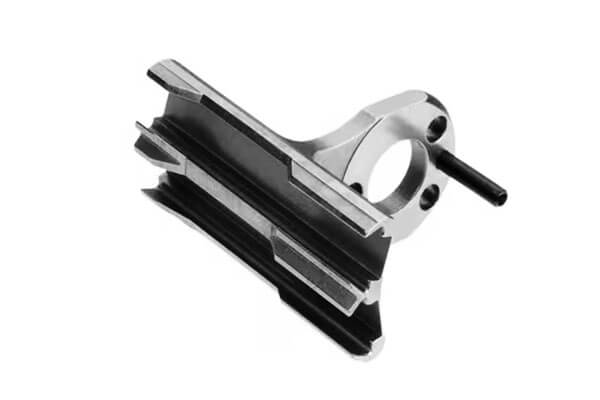
Pro consuetudine instrumentorum textorum, DEZE subtilitatem iectionis et machinationem CNC in unam fabricam profluentem integrare potest.
Hic aditus permittit processum iectionis optimized ad geometriam et materialem observantiam reservando CNC machinis pro superficiebus in quibus sunt essentiales tolerantiae dimensiva accuratio et functionis.
Typical workflow potest summatim:
Technical Review → DFM Analysis → Electio Materialis → Pattern & Toling → Subtilitas Iactis → Caloris curatio → CNC Machining → Superficies Consummatione → Inspectio → Packaging
Processus O Overview
| Scaena | Gradus | Propositum | Critica Imperium |
| Consilio & Engineering | 1. Lorem speciem | Define pars geometriae, materia, tolerances, quantitas. | Accurate requisita captis. |
| 2. DFM analysis | Optimize design for vestibulum. | Defectus minuere; minimize pretium. | |
| 3. CAD modeling | 3D exemplar ex parte. | Design for castability and machinability. | |
| Iactus | 4. Exemplum productionis | Iniectio cerae in praecisionem moriuntur. | Dimensional accuracy. |
| 5. Testa aedificationem | 6-10 stratis tellus slurry. | Testa vires; permeability. | |
| 6. Effusio | Liquefactum in concha. | Temperamentum; celeritate; refrigerium. | |
| 7. Calor | Solutio annui, normalize, accentus relevium. | Mechanica proprietatibus. | |
Machining |
8. Cnc machining | Conversio, MILLING, EXERCITATIO, molitus. | Tolerances; superficiem metam. |
| 9. Deburgus | Remove acuti oras et silua. | Salus; functionality. | |
| Apstrusus | 10. Superficiem curatio | POSTIVATIO, POLIENTIA, coating, PROPRESSUS. | Corrosio resistentia; AESTHETICA. |
| Inspectionem | 11. Qualis inspectionem | Cmm, NDT, durities, Dimensional inspectionem. | Ut obsequio. |
| 12. Packaging | Consummatum tueri partes. | Damnum praeventionis. |
6. Ipsum Considerationes pro rhoncus Machinery parce Partibus
| consideratio | Momentum | Design/actio vestibulum |
| Gerunt resistentia | Critica pro partibus in contactu cum tincto movens, textilia, seu media. | Admixtos eligere difficile (tool ferro, 17-4PH); superficiem induratio; carbide coatings. |
| Corrosio resistentia | Tingendis ac peractis processibus uti incremento oeconomiae. | Utere immaculatam ferro (316L) aut speciali alloys; POSTIVATIO; electropolishing. |
| Calor resistentia | Caloris occasus, siccatio, et calendarium processuum. | Admixtos eligere cum bonis viribus summus temperatus (duplex, Inconveniens). |
Dimensiva stabilitas |
Partes debent dimensiones ponere sub accentus scelerisque et mechanica. | Calor; accentus relevium; firmum alloys. |
| Superficiem metam | Lenis superficiebus friction minuere ac ne bis tincto fractio den. | CNC finishing; POLIENTIA; electropolishing. |
| Lassitudine resistentia | Cyclic loading in machinis summus celeritate. | Design pro lassitudine; lenta eligere admixtos; Peening. |
| vicissitudo | Partes oportet esse machinam. | Subtilitas tolerantiae; imperium. |
7. Quality Control and Inspection
Qualitas signa
| Vexillum | Scopus | Requisita |
| Iso 9001 | Qualitas procuratio systematis. | Processus control; traceability. |
| Iso 9001:2015 | Generalis qualitas. | Continua melius; Lorem focus. |
| ASTM Signa | Specificationes materiales. | Chemical compositionem; Mechanica proprietatibus. |
| EN Standard | Europaeae species. | Dimensional; mechanica. |
Inspectionem modi
| Methodus | Propositum | Typical Acceptatio Criteria |
| Cmm (Coordinare Machina mensurae) | Dimensionales inspectiones. | ±0.01-0.05 mm (ut certa). |
| Visual inspectionem | Superficiem defectus. | Non visibilis exasperat, cisternam veterem, aut rimas. |
| Tinctura penetrant (PT') | Superficiem rimas. | Non rimis aut poros. |
| Radiographia (Ray) | Interna vitia. | Non evacuat, inclusions, aut porosity. |
| duritia temptationis | Mechanica proprietas verificationis. | Sicut per speciem materialem. |
| Testis distrahentes | Mechanica proprietas verificationis. | Sicut per speciem materialem. |
| AGRESSUS | Superficiem metam mensurae. | Ra ≤1.6 µm (aut ut certa). |
8. Cur Coniunge Precisione Projice cum CNC Machining??
Pro consuetudine machinarum textilium parce partes, realis faciens provocatione non raro iustus "Numquid haec pars ejicietur"?" vel "Num haec pars potest machined"?"
Magis quaestio est:
Quod vestibulum processus creare debet unumquodque elementum componentium ad consequi optimum compositum perficientur, praecisione, materia efficientiam, et summa pretium?
Hoc est, ubi compositum est subtilitas fundendi et CNC machining maxime potens.
Subtilitas abiectio valde efficax est ad efficiendum complexum tres-dimensiones geometriae et structuras prope rete-figuras.
Cnc machining, contra, excellit ad constituendum discrimine dimensionum, tolerantiae geometricae, relatorum, ferre vices, bores, et eget superficies finiatur.
Potius quam utens vel technicae artis, accessus integralis processus singulis assignat opus optimum:
Subtilitas deiectio fabricam geometricam gignit → calor curatio materiales proprietates promovet → CNC machining parat munus praecisionem → inspectionem componentis perfecti verificat.
Hoc non est simpliciter duplex modus productionis. Est a design ut- vestibulum belli quod potest signanter emendare efficientiam et fidem nativus machinarum textilium componentium.
Core principium: "Iacta figura", Apparatus ad Function"
Praecipua utilitas fundamentalis duas technologias coniungendi in uno principio comprehendi potest:
Ejice id quod est geometrica complexu; machina quae est officiatorie critica.
A fabrica habitationi textile, pro exemplo, ut costas contineant, umbonibus, moenia curva, confirmat structurae, et irregulares extra Venustates.
Haec omnia producens ex solido conclave per machinam CNC machinis substantialibus remotis et multiplicibus operationibus machinis requirebat.
Conjectio collocationis plurimum potest directe ex hac geometria producere.
Processus CNC tunc intendere potest in superficiebus quae machinam perficientur actu determinant:
- bores supportantes
- hastile sedes
- Adscendens facies
- Subtilitas foramina
- Sequelae
- signantes superficies
- Diei et Gratia diei et noctis
- Apparatus et copulatio interfaces
Haec divisio responsabilitatis officiorum vitat unam technologiam cogere ad munus exercendum ad quod alia technologia aptior est.
Tres Vestibulum Strategies Comparatus
Clarior fit differentia, cum tres appropinquationes comparent.
| Criterium | Sola subtilitas Iactis | CNC Machining Only | Suspendisse + Cnc machining |
| Complexa geometria | Praeclarus | Bene-optimum | Praeclarus |
| Typical imperium dimensiva | Proxime. ±0.1–0.3 mm* | Proxime. ±0.005-0.01 mm* | Proxime. ±0.005-0.01 mm in machined features* |
| Typical metam deduceretur superficies | Proxime. Ra 1.6-6.3 µm* | Proxime. Ra 0.4-1.6 µm* | Proxime. Μm 0.4-1.6 μm de perfectis superficiebus* |
| Materia utendo | Altum | Humilis | Altum |
| Materia vastum | Humilis | Altum | Humilis |
| Projectum features universa | Praeclarus | Pretium ad producendum | Praeclarus |
| Subtilitas eget interfaces | Limited | Praeclarus | Praeclarus |
| Low-volumen convenientia | Tooling-dependens | Bonum | Bonum |
| Medii-volumen convenientiae | Bonum | Saepe minus parcus pro partibus complexis | Praeclarus |
| Summus volumen convenientia | Praeclarus | Saepe pretiosa pro universa geometrica | Praeclarus |
| Admisce flexibilitate | Lata | Lata | Lata |
| Altiore faciens flexibilitate | Altum | Altum | PERPREPIDUS |
*Actualia tolerantiae et superficies finit ab offensionibus pendent, GEOMETRY, mittentes modum, apparatus facultatem, Tooling, calor, inspectionem requisita, ac productio conditionibus.
Figurae igitur istae potius tamquam specificationes universales habendae sunt.
Clavis observatio est, processum coniunctum non simpliciter addere commoda iactandi et machinandi.
Limitationes cuiusque processus permittit alterum compensari.
Problema Geometriam Solvit Subtilitas Projectio
Una e maximis viribus collocationis mittentes, facultas est geometrias complicatas effingere, quin tantundem machinæ subtractionis requirat, quæ necesse esset cum ab scriptione incipiendo..
Hoc maxime pretiosum est in machinis textilibus continentur:
- Integrated costas
- Superficies curvae
- Adscendens bullas
- Venustates irregulares
- Recessus
- Complexa transitionum
- cavitates internae
- Plures sistens features
Instead of incipiens cum magno metallo scandalo et gradatim removendo materiam, dejectio incipit multo propius ad ultimam geometriam requiratur.
Facit a prope rete figura faciens commodum.
Consequens non est tantum cyclus brevior machinatio.
Potest etiam reducere consumptionem crudam materialem, sectione-instrumentum vestium, apparatus negotium, et numerus machining operationes quaeri.
CNC Machining Solvit Problema
Sola iactare non potest oeconomice liberare strictam potestatem dimensivam requisitam pro omni functione instrumenti functionis.
Machinatio rhoncus saepe accuratas relationes continet, quae machinae operationes directe movent.
Exempla includere:
Sedes ferens → Hastile diam → Concentricitas → Runout → Gratia
Parva declinatio in unum horum ambitum movere potest vibratio, portantes loading, frictio, et servitium vitae.
CNC machining facultatem praebet ad selectas expolitio haec critica features.
Loco imponere tolerantias arctissimas in totam abjectionem - quae multiplicitatem faciens auget - processus accurationem spectat ubi valorem realem functionis gignit.
Hoc ducit ad principale ipsum principium:
Subtilitas conligi debet ubi munus postulat, non superflue distributa per totum component.
Core Takeaway
Subtilitas fusura et machinatio CNC technologiae non sunt certandi, gradus complementarii praecisionis fabricandi..
Subtilitas mittentes figuram praebet, complexionem sistens, materia efficientiam, et prope-rete figura productio.
CNC machining accurate dimensionalem praebet, geometrica imperium, finis superficiem bysso, ac eget interfaces.
Cum duo machinantur, effectus est faciens solutionem quae potest consequi:
Complexa geometria + subtilitas interfaces + efficient materia utendo + qualis imperium + competitive summa pretium.
Pro consuetudine machinarum textilium parce partes, Coniunctio illa saepe utilissimus est via a detractione, vel etiam obsoleto physicae specimen-ad productionem paratam., dimensionally consistent, officiatorie certa perfecti component.
9. Custom rhoncus Machinery Spare Parts Solutions from DEZE
DEZE Foundry specialitas in usu partium machinarum textilium parce, oblatio solutionum integratarum a praecisione ad CNC machinam et consummationem mittendo.
| Facultas | Singula |
| Materies | Immaculatam ferro (304, 316, 316L, 17-4PH), Carbon Steel, Alloy Steel, aes, aes, aluminium, tool ferro. |
| Iactus | Investment casting (perditus cera); harenae mittentem. |
| Cnc machining | 3., 4., et 5 axis CNC milling; Cnc conversus; molitus; EXERCITATIO; threading. |
| Tolerances | ± 0.005 mm (Machining); ± 0.1 mm (iactus). |
| Superficies finiatur | As‑cast, machinosus, expolitus, electropolished, passivated, pulveris iactaret, patella. |
| Pars pondere | 0.01 kg est 1000 kg. |
| Pars dimensionum | Ad 6000 mm. |
| Qualitas | Iso 9001:2015 certified; 100% inspectionem. |
| Duc tempus | 4-8 hebdomades pro dejectio; 1Hebdomades machining ad -3 (IMPROBATIO). |
10. Conclusio
Consuetudo machinae textilis parce partes requirit fabricam belli quae statera dimensiva praecisione, materia perficientur, geometrica complexionem, religio reliability, et sumptus efficientiam.
Subtilitas ejectio praebet facultatem creare universa prope rete figura geometrias dum reducendo materiam vastum et machining requisita.
Cnc machining confirmat dimensionis accurate, tolerantiae geometricae, relatorum, bores, ferre vices, signantes superficies, et aliae functiones functiones quaeruntur ad certas machinae operationes.
Coniunctio efficiens philosophiam efficit ut perstringi possit:
Projice complexionem. Apparatus subtilitatem. Munus inspicere.
Pro fabrica machinarum textilium et sustentationem iunctos, aditus praebet quam tortor partem.
Hoc praebet iter ad iterabilem, applicationes Utilia components disposito circa ipsa necessaria machinae.
Utrum necessitas una obsoleta componentes, a amet Altera pars, vel diu terminus productionis progressio, compositum cura mittentes,
Cnc machining, engineering analysis, imperium et qualitas validum fundamentum praebet ad certos fabricandos machinis textilibus parcens.
FAQs
Potesne parce partes machinis obsoletis fabricare?
Sic. Partes obsoletae in potentia reproduci possunt ex exemplo existente, tractus, seu dimensiva data.
A typicam processus est:
Sample inspectionem → Reverse engineering → CAD refectionem → Materialis delectu → Mittentes / CNC progressum → Productio → Inspectio
Hoc maxime utile potest esse cum pars originalis OEM non diutius praesto est.
Potestis facere modicis?
Sic. Custom vestibulum prototypum sustinere potest, replacement, et parva-batch iudicium.
Optimal processus ex componentibus geometricis, materia, tolerantia, quantitas, tooling iudicium, et expectata futura postulatio.
Quaedam humili volumine partes, CNC machining potior sit; quia multiple components cum repetere demanda, subtilitas eiectio quam sequitur CNC machinatio oeconomici diuturnum melius praebere potest.
Possuntne originale pars emendari in reproductione?
Potentia?, sic.
Cum pars periti saepe defectis, consuetudo faciens project potest aestimare originale materiale, GEOMETRY, tolerances, superficies conditione, et operating amet.
Ubi technice appropriare, ut includit improvements:
- Alterna materia lectio
- Mutatio curatio calor
- Improved superficiem metam
- The machining tolerances
- Melior vitta geometriae
- Consectetur lapsum resistentia
- Improved corrosio resistentia
Aliqua mutatio debet, tamen, aestimari contra necessarias machinae necessitates et convenientiam cum conventu existente.
Quomodo incipio consuetudinem machinarum textilium parcere partium cum DEZE proicientem??
Processus potest incipere cum a tractus, 3D exemplum, corporis specimen, aut basic pars notitia
Manipulus machinalis tunc potest aestimare geometriam componentis, materia, iter faciens, tolerances, et inspectionem requisita ante commendamus congruam productionem solutionis.
Nam complex components, pocius iter sit:
Technical review → DFM → Subtilitas emissio → Caloris curatio → CNC machining → Inspectio → Delivery
Hoc iter praebet structuram ab existentibus machinis textilibus componentibus ad nativus, part.

