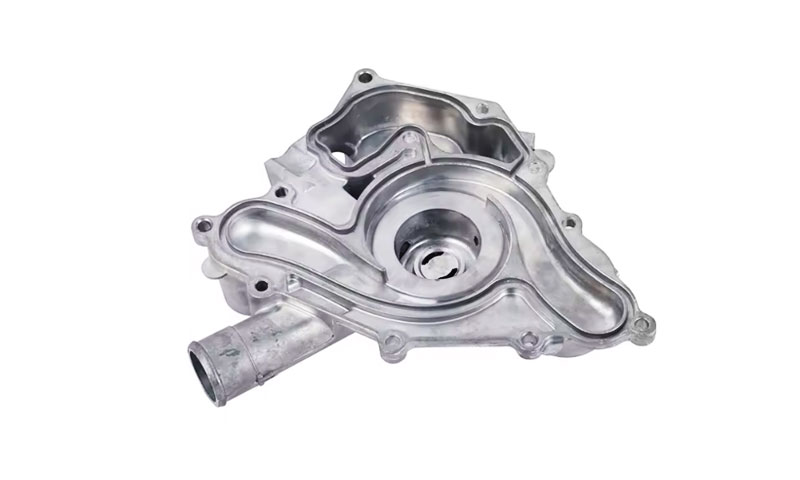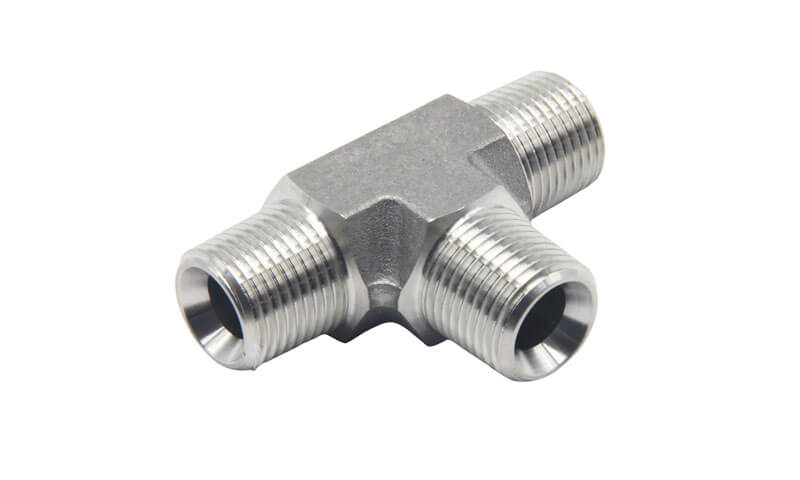
A immaculatam ferro Tee tibia portum convenit dividere tres est, simul, seu redirectio fluidi influunt intra limbis systematis.
Secus simplex sectionem fistulae, Tee debet tres in unum corpus pressionis continere, servata sufficienti vi mechanica, imperium muri crassitudine, Dimensional accurate, et certis necessariis adiacentibus limbis.
In petendo applicationes, Geometria rami confluentes afficit etiam fluxus distributionis, loci accentus concentration, pressura damnum, et longi-term muneris reliability.
Pro universa consuetudine tees, Investment casting (cera amissa fusio) efficientem praebet viam ad coniunctas tres dimensivas confluentes inter locos procursus et ramosos, servato corpore velut jacturam integratam..
Dejectio constituit geometricam structuram altiore, dum CNC machining potest deinde relatorum, bores, signantes superficies, bases singulas, et aliae functiones interfaces ad tolerantias requisitas.
1. Quid est Steel Tee?
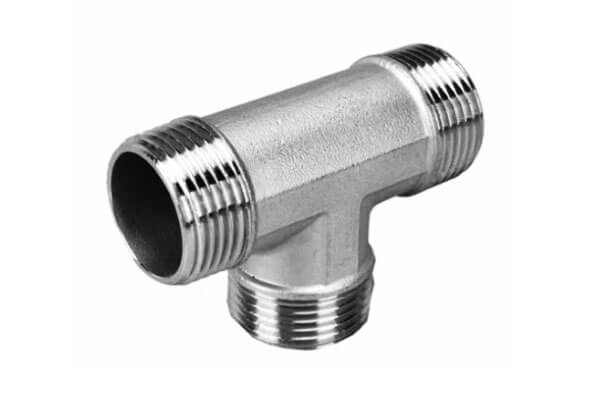
A immaculatam ferro Tee est via trium fistulae cum uno principali loco et uno genere intersecans ad imperium geometriae.
Ponitur in duas partes fluere fluidum, duos rivos in unum iungere, vel praebent ramum connexionem ad aliam sectionem systematis limbis.
Tria foramina regulariter nominantur ut duae extremitates currere et ramus. Pari Tee, tres magnitudinum nexus nominaliter idem. In reducing Tee, ramum vel unum latus procursu habet diametrum minor.
Quia tria loca secent in corpore compacto relative, confluentes magis technice postulare quam recta fistula decet.
Fabricator eodem tempore control internam geometriam, murus externus crassitudine, materia sanitatis, et nexum dimensiones.
2. Material Engineering & Metallurgy
Materia lectio fundamentalis est ad consuetudinis observantiam immaculatam ferro t, quia decorum debet simul sustinere pressuram internam, corrosio, temperamentum, mechanica loading, ac vestibulum condiciones investment mittentes.
Austenitititic Aliquam Steels: Cf8, Cf8m, CF3, et CF3M
CF8 Steel
ASTM A351 CF8 est cast austenitic immaculatam ferro late respondentem operatum 304 immaculatam ferro.
Hoc typically continet circiter 18-21 wt.% Chromium et 8-11 cum.% nickel, apud ipsum solum circa 0.08 wt.% maximum.
CF8 bonum praebet resistentiae corrosioni generalis, lentitudo, et castitatem, ut idoneus aqua, vapor, cibos processus, et multa genera fluidi industriae.
CF8M Steel
ASTM A351 CF8M est cast CCCXVI-genus gradus et typice continet circiter 18-21 wt.% Chromium, 9-12 wt.% nickel, et 2-3 cum.% molybdenum.
Molybdenum addito meliori resistentia ad corrosionem localem, praecipue pitting et foraminis corrosio, in multis chloride, quae ambitibus.
CF8M igitur late consideratur ubi chemicae detectio, marine condiciones, aut magis exigens umor muneris involvit.
Pro conventibus iuncta vel reparata, humilis carbonis gradus CF3 et CF3M potest providere magna metallurgical utilitas.
Eorum ipsum contentus est fere limitata ad 0.03 wt.% maximum, reducing tendentia pro chromium-carbide praecipitatio frumenti limites per scelerisque nuditate.
Hoc iuvat periculum sensitionis reducere et corrosionem intergranulare consociatam, maxime circa regiones iuncta.
Duplex and Super Duplex Steels
Cum immaculata ferro Tee chloride concentrationes altos exposita est, PRAEGRESSUS, ipsam ambitum, aut exigere pressura et temperatus conditionibus, Duplex ferri immaculatus utilem compositionem fortitudinis et corrosionis resistentiae praebere potest.
Duplex 2205 Immaculatam ferro
Duplex 2205, communiter a * US S32205 et sociis cast gradus CD3MN, ferritic-austenitic microstructure mixta contineat, typically targeted prope est libratum tempus ratio cum debita solutione curatio.
Hoc dual-phase structura dat stannum substantialiter altiorem vires cedere quam conventionales austeniticae emissae ferros immaculatae, servato valido resistentia mechanismi corrosionis chloridi relatae..
Comparari cum CF8M, 2205 potest circiter bis cedere viribus, fretus in locum productum specificationem et calor curatio conditione.
Etiam bonam resistentiam praebet ut accentus corrosionis chloridi crepuit, pitting, et foraminis corrosio.
Super duplex 2507 Immaculatam ferro
Super duplex 2507, communiter designatur US S32750 et cum cast gradus CD3MWCuN, superiora habet Chromium, Molybdenum, et NITROGENIUM quam 2205.
Ideo vires altiores et validiores resistentiam praebet ad corrosionem localem, ut apta gravibus marine, offshore, et processus ambitus.
CK3MCuN Steel
CK3MCuN differt ab immaculata duplex steels. Est a summus admixtum austenitic immaculatam steel cum molybdeni et nitrogenii additionibus substantialibus et ambitus mordax ubi conventionales valde destinantur 304- vel CCCXVI-genus materiae non sufficiens resistentia.
Seorsim igitur considerari debet a materia duplici et super duabus materiis cum seligendis tee ferro intemerata.
3. Subtilitas Engineering & Processus Flow productio
Immaculatam ferro consuetudinem producere Tee by Investment casting involvit ordinem diligenter gradus.
Quisque gradus afficit ultima qualitas, Dimensional accurate, et mechanica proprietatibus.

CAD / CAM Molde Tooling et concretionis simulatio
Processus incipit cum elit extractionis vel 3D exemplar. Lorem ipsum dolor inventarii exemplar CAD tee creat, inter prebendas DECREMENTUM, Machining, et capturam.
Forma tooling tunc ordinatur et machined utens CAM software.
Antequam tooling est cut, concretione ac simulatione fluxus fit usura software ut ProCAST aut MAGMA. Haec simulatio praedicit:
- Fingunt mores impletionem et potentiale frigus claudit.
- Solidificatio series et DECREMENTUM poros.
- Calidum maculis ac RELICTUM passiones.
- Locus surgunt et infrigidat.
Simulatio permittit liminis ad optimize accessionem et resurrectionem ante aliquod metallum diffunditur, reducendo iudicium et errorem et levandi progressionem tempore.
Automated Exemplum Iniectio et Robotic Ceramic Testa Aedificium
Cera exemplaria emittunt ceram liquefactam in formam instrumenti cogente immisso.
Automated iniectio machinis ut consistent exemplar dimensionum, densitas, et superficies metam. Exemplaria dein convenerunt in cursorem centralem vel sprue, formans arbore.
Arbor identidem in ceramico slurry tingitur et tectorio ad elaborandum testam ceramicam obducitur.
Hoc saepe fit utens robotic testa aedificationem systems, crassitudine efficiens consistent et exsiccatio, quae consistent.
In silica sol processus vulgo pro immaculata ferro dejectiones quod facit lenis, firma mensura excellenti testa stabilitatis.
DEWAXING, Testa Sintering, et Melting
Post testae crassitudinem pervenit, calefit ad conflandum ceram (DEWAXING) deinde in caliditate sinterantur ad firmandum tellus.
Testa sinterata est forma cava ad effundendum parata.
Liquefactio fit in an inductio fornacis, aut aere aut vacuo, fretus in stannum et quale iudicium.
Chemia verificatur per analysis spectrographica ante infusionem. Metallum fusile in concha preheated, et dejectio solidatur sub conditionibus moderatis.
Post-Projecting Finishing
Post solidification, Ceramic testa est contritos, et fusuras de ligno. Portae et surgis tolluntur molendo vel incisione.
Et subeunt fusurae:
- PRAETENDICO: RELICTUM superficies scala et tellus tollere.
- Molendum et consummandum: Ad removendum portae Stipulae et superficies mixtio.
- Solutio annealing: Ad corrosionem resistentiae et optimize possessiones restituere.
- POSTIVATIO: Ad liberum ferrum removendum et iacuit oxydatum passivum augendae.
- CNC threading: Nam NPT, BSP, aut metrico lina terminos.
- Tabule vel petat pugillo finem praeparationis: Ad occursum ASME B16.9 vel B16.11 requisita.
- Inspectio et probatio: Dimensional, visual, NDT, et pressura probatio.
Quisque gradus documentis et deprauationis, cupimus ut perfecti tee in specifications emptoris occurrant.
4. Steel Tee vs. Composuerunt et fabricaverunt Tees
Tractatus-cast, composuerunt, Tees immaculatam ferro ficti omnes possunt ad tres modo limbos creare hospites,
sed itinera eorum faciens varias complexiones geometriae producunt, metallurgical structure, machining opus, productio oeconomica, et customization facultatem.
Electio igitur in ipsa pressione classis fundari debet, materia gradus, GEOMETRY, productio volumen, et applicabiles limbis exigentiis potius quam positis unus processus fabricandi est universaliter superior.
| Core Proprium | Investment-Facta Steel Tee | Confusam Steel Tee | Diver Tee |
| Vestibulum Principium | Immaculatum ferro liquefactum solidatur in forma ceramic praecisione | Calefacta conata conata est plastically deformata sub regiis cudendi viribus | Pipe, laminam, aut fictis components sunt cut, idoneus, et iuncta |
| Geometria complexu | Praeclarus | Bonum, sed figura cogit fictis usu | Altum, sed multiplex geometria multiplex frusta requirere potest |
| One-Pice Construction | Sic | Sic | Communiter convenerunt et conflati |
| Internus Passage Geometria | Praeclara ad idoneos consilia collocanda-cast | Bonum relative conventional locis | Valde flexibile, sed plus implicari fingendi |
| Material Structure | Mittite microstructure, per concretionem et calor curatio | Operatus, laboravi compages | Miracula / fabricata materia plus pugillo zonis |
| Customization | Praeclara pro dimensionibus non modulis et configurationibus rami | Bonum, sed auget complexionem instrumentorum et cudendi cohiberi | Praeclara pro specialibus vel amplissimis configurationibus |
| Machining opus est | Moderor; nexum et signantes superficies Northmanni machined | Saepe moderari ad excelsum | Moderari ad excelsum fretus fabricandi |
Welds |
Nulla compages compacta requiritur in basic corpus Tee | Nulla compages compacta requiritur in fictis corporis | Plures welds requiri |
| Tooling opus est | Exemplum / tooling requiratur | Fictis perit requiri | Inferius dedicated tooling postulationem |
| Complex Parvus-ut-Medium Partes | Aptissima | Idoneus | Minus frugi esse potest |
| Magna Special Tees | Processus-dependens | Processus-dependens | Saepe practical |
| Productio repeat | Optimum semel tooling constiterit | Praeclarus | Bonum |
| Vestibulum consectetur commodo | Complexa geometria integrata cum figura prope rete- | Mechanica opera fabricata et firmata itinera cudebat | Flexibile fabricatio relative low initial tooling |
| Principalis Limitatio | Imperium requirit severum deiciendi sanitatem et solidificationem | Minus flexibile ad geometricam perplexitatem | Weld qualis, corruptelam, et RELICTUM accentus requirere imperium |
5. Industrial Applications & Real-World Causa Studiorum
Consuetudo ferro immaculata per amplis industrias et applicationes adhibentur.

Chemical et petrochemical: Limbis systemata acida, solvents, ac reactivum oeconomiae. CF8M et duplex mixturae communes sunt.
Oleum et Gas: Suboles platforms, refineries, et pipelines. Duplex et super duplex tees adhibentur pro servitio marinis et magno chloride.
Virtus generation: Vapor, refrigerationem aquae, et Gas fiue systemata desulfurization. CF8M et summus admiscetur chalybeis immaculatus adhibentur.
Pharmaceutical et biotechnologia: Mundus vapor, aqua mundata, ac processus limbis. CF3M and electropolished tees are common.
Cibum et potum: Limbis ad aliquid lacticiniis, medicandi, et cibum processus. CF8M et consilia hygienica sunt.
Marinus: Agua limbis, saburra systemata, et ornare INCILE. Duplex et super duplex mammae praeferuntur.
Aqua curatio: Desalination, LEPIDUS, et chemica systems dosing. CF8M et duplex mixturae sunt.
6. Elige DEZE sicut tuus Custom Steel Tee Manufacturer
Hoc technology consuetudo integrata praebet ferro immaculatam dejectionem et CNC solutiones machinis machinis compositarum et partium industrialium.
Ab initio machinalis recensionis et materialis lectionis ad obsidionem mittendam, calor, Cnc machining, superficies consummatione, ac finalem inspectionem, Hoc clavem fabricandi gradus administrat intra integram workflow.
sicut an Iso 9001:2015-certified manufacturer, Hoc obtinet productionem traceability et qualitas processus in fabricandis. Inspectio et probatio secundum exigentias documenta disponi possunt.
Contact hoc unum cum drawing, 3D exemplum, materia speciem, dimensiones, aut applicationem requisita.
Our engineering team can review the design and develop a suitable custom immaculata steel the casting solution for your project.
7. Conclusio
Mores chalybe immaculati notae criticae in limbis systematis ubi resistentia corrosio, pressura integritas, et fides sunt essentialia.
Tractatus dejectionem praebet singularem compositionem consilii libertatis, materia flexibilitate, and cost-effectiveness that makes it ideal for complex tees in medium to high volumes.
Ab CF8 et CF8M gradibus austeniticis ad alloysiones duplex et super duplex, materia lectio debet inserere ministerium environment.
Solutio furnum est essentialis resistentiae corrosionis restituendae et proprietatibus mechanicis optimize.
Subtilitas machining efficit ut finis praeparationes, relatorum, et mensurae metus fumantiae system.
Ius vestibulum socium est eligens essential. A ipsum peritia liquatur, in domo machining, calor elit elit, et valida qualitas systematis adiuvare potest ut omnis thee in applicatione intenta fideliter operetur.
DEZE ponitur ut socium, oblatio technicae profunditatis et productionis facultatem necessariam ad usum inaculata ferro inaculata.
FAQs
Quare uti investment fusura pro ferro immaculato tee??
Conjectio collocationis apta est geometriae complexae, quia currere potest, ramus, coniunctas, et extra structuram integram iacturam.
Critica interfaces ut relatorum, bores, et signare superficies tunc esse CNC machined.
Non eget ferro immaculatam Tee calor curatio?
Multi gradus ferro immaculato injecti requirunt vel beneficium ex certa conditione caloris curationis requirunt.
Ad austeniticam et dupli flatura, solutio curatio plerumque momenti est ad obtinendas proprietates metallurgicales et corrosiones requisitas. Est gradus specialium exolvuntur.
Quae differentia sit inter te aequalem et reducendum?
Tee aequalis habet omnes tres aperturas in eadem magnitudine. Tee reducens ramum habet foramen minorem quam procursus. Tes reducendo adhibentur, cum sola portio fluxus avertitur.
Potest investment cast tees esse in summus pressura servitium?
Sic, cum bene disposito, projicio, calor tractata, et inspexit. Investment cast tees videre possimus pressuram et Leak-test requisita per multas applicationes altae pressurae.
Ad extremum pressuris, fictum Viveret praeferri potest.
Quem finem praeparationes praesto sunt ad immaculatam ferrum tees??
Praeparata communis finis includere staminea (NPT, BSP), ostium tabernaculi weld, petat weld, et flanged. Electio in fistula ratio, pressura, et conventus requisita.