
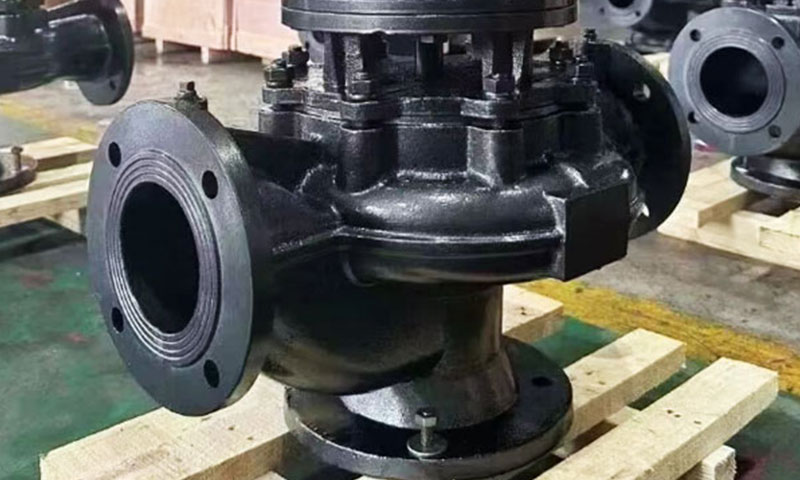
Sentinam housings sunt structural narum aliqua elit ratio, inclusus impulsor et directio fluidi fluunt dum resistunt internae pressurae, Media, et mechanica accentus.
Cum hae insterni requiruntur humores infestantibus tractare, princeps temperaturis, aut sanitate conditionibus, immaculatam ferro fit materia electionis, et Investment casting emergit ut maluit fabricandi methodus assequendi universa geometria cum eximia subtilitate et qualitate superficiei.
Aliquam ferro sentinam insterni productam per obsidionem mittentes offerunt unicam compositionem corrosionis resistentiae, Mechanica fortitudinem, Dimensional accurate, consiliumque libertatem quae singularis est ab aliis itineribus fabricandis.
Ex processu chemico et applicationibus marinis ad cibum et industrias pharmaceuticae, investment -cast immaculatam ferro sentinam insterni providere reliable, solutiones longae servitii vitae postulabat fluidum tractantem applicationes.
1. Quod Steel Pump Praesent?
A immaculatam ferro sentinam habitationi est primaria pars structurae externae sentinae congregationis quae claudit et tuetur internas partes gyrationis dum moderatur motum fluidi exantlandi..
Vulgo etiam dicitur sentinam armamentis, sentinam corpus, vel, in centrifuga sentinam designs, a volute armamentis.
Sicut unus maxime critica pressura-continens components in sentinam systema, habitationem est reus ad stabilitatem structuram conservandam sub conditionibus continuis operating.
Non debet sustinere internum fluidum pressura, hydrau impulsum, vibratio, mechanica onerat, temperatus variationibus, ac diu terminus patefacio ut potentia infestantibus instrumentis.

Secus simplex tutela opercula, ad sentinam habitationi directe afficit sentinam efficientiam, reliability, et servitium vitae.
Geometria eius interna determinat quam efficaciter in motu energiae ab impulsore generatae in energiam pressionis convertatur, dum eius notae materiales contra corrosionem determinant resistentiam, exesa, et mechanica defectum.
Incorrupta ferro sentinam insterni late adhibentur in ambitibus industrialibus quaerunt, quia immaculatus ferrum egregium corrosionis resistentiam cum magnis mechanicis viribus componit,
idoneus ad applicationes ad chemicals, PRAEGRESSUS, cibum products, Pharmaceuticals, et summus puritas humorum.
Principalis functiones Diver Pump Praesent
| Munus | Descriptio |
| Influunt directionem | Ducit fluidum ab impulsore ad fluxum emissionis minimam turbulentiam. |
| Pressura containment | Internus resistit pressura generatae per sentinam. |
| Impeller auxilium | Praebet adscendens interface ad impulsor sagittam et gestus. |
| Superficiem signantes | Providet ascendens superficies ad signacula, gaskets, et hospites. |
| integritas structuralis | Onerat externa resistit, vibratio, ac scelerisque expansion. |
| Corrosio praesidium | Protegit partium internarum a mediantibus mordax. |
Key Design Features de sentinam Praesent
| Pluma | Descriptio | Momentum |
| Volubilis cubicularius | Spiralis informibus locus qui velocitatem ad pressuram. | Decernit sentinam efficientiam et perficiendi. |
| SUCTUS inlet | Liquor viscus punctum. | Oportet lenis ad circumscribendam turbulentiam. |
| Dimittite exitum | Liquor exitus punctum. | Pressura continentur; oportet sustinere maximam pressura operating. |
| Adscendens pedes | Structurae sentinae subsidia. | Rigidum est ponere alignment. |
| Lange hospites | Interfaces limbis. | Oportet Leak-stricta et dimensionally accurate. |
| supportantes habitationi | Suscipe ad sentinam vecte. | Gratia diei et noctis precise requirit. |
| Exhaurire plugs | Ad sustentationem et purgatio. | Essentiale ad hygiene et sustentacionem. |
2. Quid est elit mittentes Specimen pro Diver Pump Housings?
Aliquam chalybe sentinam insterni sunt critica elementa quae directe influentia sentinam efficientiam, reliability, et servitium vitae.
Eorum consilia saepe involvunt canales interni complexi, curva volubilis structurae, accurate signantes areas, et geometrae externae irregulares, quae difficiles sunt ad fabricandum oeconomice utentes methodos traditionales fabricandi.
In varius vestibulum vitae, Investment casting (perdidit cera casting) unus aptissimus processus producendi consuetudinem immaculatam ferro sentinam insterni.
Egregium stateram praebet inter flexibilitatem design, Dimensional accurate, materia perficientur, et productio efficientiam, faciens eam late adoptavit pro summus perficientur mollis applications industriae.

Complex Geometria Facultas Hydraulica Optimizationis
Geometria interna sentinae habitationi directam ictum habet in perficientur hydrau.
Components ut cubicula volubilis, curvis locis, diverticulum channels, et in exitus decursibus lenis et accuratis formis formis ad minimize turbulentam et meliorem efficientiam industriam requirendam.
Conjectio collocationis permittit artifices ut geometrias valde multiplices effingere, quae difficile esset vel pretiosum, per conventionalem machinationem vel iunctam fabricationem efficere..
Quia forma cerae directe ex geometria designato formatur, fabrum potest optimize:
- Internus fluxus locorum
- Muri crassitudine distribution
- Supplementum structurae
- Connexionem figurarum
- Destinations pacto habitationi
Hoc consilium libertas dat sentinam artifices ad fovendas insternitiones cum meliore hydrau perficiendi, salva structurarum constantiam..
Prope-Net-Sigma vestibulum reducit Material meminisset
Aliquam chalybe est materia pretiosa ipsum, et efficientis materialis utendo magni momenti est consideratio in componentibus fabricandis.
Machinandi methodi traditio saepe exigunt magnum pondus immaculatum ferro a solidis caudices remoto, inde in significantes materiam vastum et auctus processus costs.
Iuncta fabricatio plures laminas requirere potest, formandi operationes, ac additional modum procedendi.
Tractatus dejectio partium producit multo propius ad ultimam geometriam. Prope rete figura notas reducere:
- Rudis materia consummatio
- Machining tempus
- Gradus productio
- Vestibulum pretium
Nam universa sentinam housings, haec utilitas peculiaris momenti fit, quia multa figurae finalis directe in dejectione generatur.
Optimum Dimensional Accuracy and Surface Quality
Sentinam insterni exigunt potestatem dimensivam praecisam, quia debent cum pluribus componentibus integrare, inter impulsores, sagittae, mechanica sigilla, et limbis systems.
Conjectio collocationis optimam accurationem dimensionalem praebet propter altam subtilitatem exemplarium cerae et formae ceramicae. Hoc consequi concedit manufacturers:
- Accurate dimensiones LABIUM
- Murus consistent crassitudine
- Depressa signationem superficierum
- Conventus stabilis convenientiae
Praeter, leniores superficies cum conventional arena iactum facit obsidionem mittentes.
Superficies melioris finis minuit requisita machinandi et maxime prodest superficiebus fluidis contactuum in quibus asperitas influere potest efficientiam et contagione resistentiam influere..
Superior Integritas Structural Prae cum Fabricated Housings
A sentinam habitationem productam ex pluribus sectionibus glutino simul continere potest commissuras pactionis quae potential infirma puncta sub cyclica loading fient, vibratio, aut mordax conditionibus.
Tractatus dejectio facit continuam structuram metalli sine articulis iuncta, modo commoda ut:
- Improved pressura resistentia
- Reducitur accentus concentration
- Melius lassitudine perficiendi
- Magis uniformis mechanica proprietatibus
Nam soleatus operating conditionibus continue postulantes, ut eget apparatu processui, systemata marina, et industriae fluidum onerariam, hoc firmum fabrica maxime valuable.
Specimen compatibilitas cum Diver Alloys
Immaculata ferrum admixtionum mittentium optimam convenientiam habent cum processu obsidionis abiectio.
Gradus in ferro immaculato amplis per hanc methodum produci possunt, permittens fabrum eligere materiae secundum specifica ministerium conditionibus.
Commune offensiones includere:
- Cf8 (cast equivalent of * 304 immaculatam ferro)
- Cf8m (cast equivalent of * 316 immaculatam ferro)
- CF3 et CF3M ad emendae corrosioni resistentiae
- Duplex chalybe immaculatus ad altitudinem roboris et resistentiam corrosionis
- Super duplex chalybe immaculatus pro gravibus ambitibus
Haec materia flexibilitatem dat sentinam insterni nativus pro diversis humoribus, temperaturis, pressuris, et corrosio conditionibus.
Apta Prototypa et Medium ad High Volume Productio
Tractatus fundendi valde flexibilis in productione scalae. Convenit non solum ad productionem massam, sed etiam ad ipsum volumen nativus et ignobile componendos.
Ad exemplar evolutionis, investment mittentes permittit artifices ad convalidandum intricata sentinam habitationi consilia ante magnarum productionem.
Ad productionem commercial, hoc praebet:
- Firmum repeatability
- Qualis consistent
- Reducitur conventus multiplicitate
- Effectio efficientis complexorum
Hoc facit obsidionem mittentem maxime idoneam ad OEM sentinam artifices et apparatum industrialem egentibus solutiones nativus.
3. Investment Vestibulum Processus ad Diver Pump Praesent
Processus collocationis mittentes ad sentinam chalybem immaculatam insterniendam est praecisio fabricandi methodus gradus multiplices diligenter continentes.
Quisque gradus, ex forma productio ad ultima inspectionem, directe attingit dimensiva accurate, superficiem species, et mechanica observantia componentis perfecti.
A typicam immaculatam ferro habitationi habitationi investment mittentes processus includit cera forma productionis, Ceramic testa formation, DEWAXING, metallum infundens, calor, apstrusus, Machining, et qualis inspectionem.
Processus O Overview
| Scaena | Gradus | Clavis Detail |
| 1 | Exemplum productionis | Iniectio cerae in praecisionem mori replicando sentinam habitationi geometriae (comprehendo volubilis cubiculum). |
| 2 | Core conventus | Ceramica vel solutum nucleorum cerae pro locis et undercuts internis. |
| 3 | Arbor ecclesia | Plures cerae exemplaribus media apposita abiegnis. |
| 4 | Testa aedificationem | 6-10 stratis tellus slurry (Silica sol) + tectorium (zircon / alumina). |
| 5 | DEWAXING | Vapor autoclave liquefactum est cera; crusta manet cavae. |
| 6 | Testa accendi | Accensus ad 900‑1100°C ad confirmandas ceramic et volatiles removendum. |
7 |
Aliquam ferro liquefactionem | Inductio liquescens apud 1550‑1650°C. |
| 8 | Effusio | Ferrum liquefactum in testa pre-calefactum. |
| 9 | Refrigerium & knockout | Imperium refrigerationem; tremula concha sublata aqua vi. |
| 10 | Abscise & apstrusus | Portae et scamilli cut; molitus, PRAETENDICO, excussus. |
| 11 | Calor | Solutio annealing (1040‑1100°C) + aqua sitim. |
| 12 | Inspectionem & probatio | Visual, dimensional, NDT (X‑ray, Dye penetrant), hydrostatic pressura test. |
Qualitas fide
| QA elementum | Methodus | Acceptatio Criteria |
| Chemical analysis | Spectrometria | Meets ASTM A351/A743 specification. |
| Mechanica probatio | Tensile, durities | Meets gradus opus. |
| NDT | Tinctura penetrant (PT'), radiography (Rt) | Non rimas, poros valde specification. |
| Dimensionales inspectiones | Cmm, gauges | Meets tolerances drawing. |
| Pressura temptationis | Hydrostatic (1.5rated pressura) | Nulla ultrices; non deformatio. |
| Superficiem metam | Visual, profilemeter | Ra ≤6.3 µm (aut ut certa). |
4. Superficiem Curatio et Finis Options
Superficies peractio ludit magni momenti partes in melius perficiendo, diuturnitas, et speciem consuetudinis immaculatam ferro sentinam insterni.
Quamvis collocatio deiectio elementa producere possit cum subtilitate dimensiva optima et superficiebus laevibus relative, additional finiendi processus saepe requiritur in occursum specifica application requisita, praesertim soleatus operating in mordax, hygienic, aut summus perficientur ambitus.
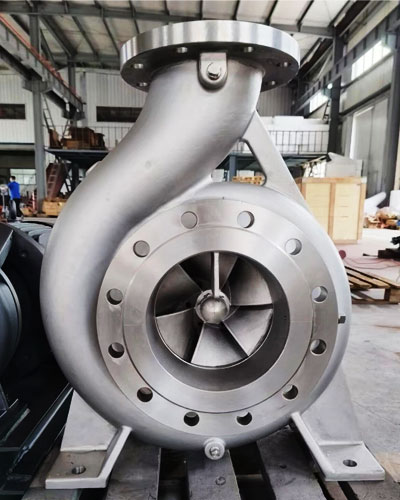
Machining et Subtilitas Superficies Consummatio
Investment misit sentinam insterni plerumque secundarium machining res in discrimine eget areas, comprehendo LABIUM facies, signantes superficies, portans sedes, hastile openings, escendens interfaces.
Cnc machining dimensiva moderatio praecise efficit et meliorat signationem fidem inter sentinam habitationem et alia componentia.
Nam applicationes summus pressura operatio seu apparatu rotating, accuratio machining magni momenti est quod etiam irregularitates superficiei minoris compressionem gasket afficere possunt, sagitta Gratia diei et noctis, et altiore sentinam efficientiam.
Communis processus machining includit:
- CNC milling pro planis superficiebus ascendendis et nexus LABIUM
- CNC conversio pro foraminibus circularibus et cura bores
- EXERCITATIO et Ictibus pro fulmine foraminibus et lina nexus
- Molendum vel lambens pro summus praecisione signantes areas
Coniunctio obsidionis dejectio et praecisio machinatio permittit artifices ut res geometras multiplices assequantur, servato stricta tolerantia in criticis notis..
Electropolishing pro Corrosio Resistentia et Hygienic Applications
Electropolishing late pro immaculato ferro sentinam insterni in industria requirunt excellentem superficiem munditiae, ut cibum processus, Pharmaceuticals, biotechnology, et vestibulum semconductor.
Per electropolishing, motus electrochemical processus microscopic superficies irregularitates removet et contaminantium ab immaculata ferro superficiei.
Effectus est mollior, passiva superficies reducta asperitatem.
Key beneficia includit:
- Improveed corrosion resistentia per chromium oxydatum passivum auctum formationis
- Reducitur bacterial adhaesio et facilius purgatio
- Inferiore periculo productum contagione
- Melior resistentia eget impetus
Pro sanitate sentinam applicationes, electropolishing signanter extendere potest vitam servitium et auxilium stricte valetudinis curandae signa.
Curatio passionis
Passio est curatio chemica vulgo applicata ad sentinam ferro immaculatam insterni post ejectionem et machinationem.
Processus liberam removet particulas ferreas et superficies contaminantium in fabricando generatas, permittens naturalis chromium oxydatum lauacrum ad regeneratum.
A bene passivus immaculatam ferro superficiem praebet:
- Melior resistentia contra corrosionem localized
- Improved protection in chloride continens ambitus
- Consectetur diu terminus reliability
Passio maxime valet pro gradibus sicut 304, 316, et duplex chalybe immaculatus in marine, proiectus, et industriae fluidi pertractatio applicationes.
Superficiem artibus ac specialioribus treatments
Nam maxime infestantibus ferendum operating, additional superficies coatings applicari potest ad ulteriorem laborem resistentia meliorem, chemical resistentia, aut friction perficientur.
Commune optiones includit:
| Superficies Curatio | Praecipua Function | Typical applications |
| Ceramic coating | Summus temperatus et resistentia gerunt | Eget soleatus, abrasive media |
| PTFE coating | Humilis frictio et chemica resistentia | Liquorem mordax applications |
| PVD coating | Consectetur duritia et superficies vetustatem | Subtilitas industriae components |
| PRAETENDICO | Superficies purgatio et uniformis species | Generalis sentinam industriae insterni |
| POLIENTIA | Meliore specie deiectus asperitatem | Cibus, pharmaceutical apparatu |
Optima curatio superficies exantlaretur in medium pendent, operating temperatus, pressura conditionibus, et munditia requisita.
5. Steel Gradus ad Custom Pump Praesent
Gradus delectu ferro incorrupto est unus ex maximis sententiis machinalis cum designans consuetudo immaculatam ferro sentinam habitationi.
Diversi ambitus flantibus in corrosione resistentia diversa exigentia imponere, Mechanica fortitudinem, caliditas facultatem, Weldility, et servitium vitae.
A sentinam habitationi ad usum aquae dulcis circulatio omnino alia materialia requisita ab uno marinis operante, eget processus humores, aut summus pressura systems industriae.
Nam investment cast sentinam housings, immaculatam ferro mittentes gradus typice specificantur secundum ASTM A743, ASTM A744, ASTM A351, et alia signa mittentes.
| ASTM Iactis Grade | Equivalent Wought Grade | Microstructure | Typical tensile virtus (MPA) | Clavem characteres | Typical Pump Praesent Applications |
| Cf8 | 304 Immaculatam ferro | Austenititic Aliquam Steel | ≥485 | General propositum resistentia corrosio, bonum lenta, optimum castability, oeconomica solutio pro modicis ambitibus | Aquae pumps, generalis industriae fluidum pertractatio, caeli systemata, mitis eget applications |
| CF3 | 304L immaculatam ferro | Low-carbon austenitic immaculatam ferro | ≥485 | Carbidi praecipitatio carbidi minuitur et resistentiam melioris ad intergranulares corrosionis post glutino | Cibus dispensando apparatu, sanitate soleatus, iuncta sentinam ecclesiis |
| Cf8m | 316 Immaculatam ferro | Austeniticum immaculatum ferro cum molybdeno | ≥485 | Melior resistentia chloride corrosio, pitting, et multa media chemica comparantur cum CF8 . | Marine pumps, eget processus soleatus, pharmaceutical apparatu |
| Cf3m | 316L immaculatam ferro | Low-carbon austeniticum chalybem immaculatum cum molybdeno | ≥485 | Praeclara repugnantia pugillo corrosio, superior resistentia chloride, apta infestantibus ambitibus | Suboles systemata, desalination plantae, eget elit, MUNDUS applicationes |
CN7M |
Mixtura 20 | Ni-Cr-Mo-Cu austeniticum alloy | ≥485 | Praestans resistentia acido sulphurico, Acidum phosphoricum, aliaque maxime mordax chemicals | Acidum processui apparatu, petrochemical soleatus, systemata circulatione chemica |
| CD3MN | Duplex 2205 Immaculatam ferro | Austenitic-ferritica duplex immaculata steel | ≥655 | Excelsum, optimum chloride accentus corrosio crepuit resistentia, melius gerunt resistentia quam austenitic grades | Agua soleatus, desalination armorum, ipsam applications |
| CE8MN | Super Duplex 2507 Immaculatam ferro | Super duplex chalybe immaculata | ≥760 | Maxime princeps vires, optimum repugnantiam pitting, Crevice Corrosion, et chloride SCC* | Altum-mare apparatu, Offshore platforms, gravibus ferendum marine |
| CB7Cu-1 | 17-4PH Stainless Steel | Praecipitatio obduratio immaculata ferro | ≥670 | Ipsum excelsum vi mechanica, Bonum corrosio resistentia, optimum dimensional stabilitatem post calorem curatio | Summus pressura soleatus, industrialis systemata hydrau, aerospace ac industria apparatu |
6. euismod Commoda elit Mittite Steel Pump Praesent
Investitura inacta ferro infecta sentinam insterni miscere proprietates superiorum admixtionum ferro immaculatae cum fabricandis commoda technologiarum investment technologiarum.

Egregius ROSIO Repugnantia pro Aggressive Liquor Environments
Una e maximis commodis sentinae ferro immaculatae insterni est eorum optima repugnantia ad corrosionem.
Chromium contentum in ferro immaculato stabilitum iacuit oxydatum passivum super superficiem metalli format, tuentes habitationem ab oxidatione et chemica impetu.
Secundum mixturae compositionem, obsidionem cast ferro insterni sustinere amplis mordax media, comprehendo:
- Nova aqua et marinis
- Chloride continens solutiones
- Acida et humores alcalini
- Processus chemica liquorum
- Organici et pharmaceutici humores
Grades ut Cf8m (316 immaculatam ferro) praebent resistentiam auctam ad fovendum et corrosionem chloridum ob molybdenum additionem,
Duplex autem et super duplex ferrum immaculatum in gravibus gyrationibus marinis et contrahendis superiorem munimentum praebent.
Princeps Mechanica virtus et structuralis Reliability
Investment casta immaculatam ferro sentinam insterni praebent excellentes vires mechanicas, permittens eos sustinere internum pressura, vibratio, mechanica onerat, et repetita operating circuitus.
Robur ingenitum ferro immaculatum permittit fabrum crassitudinem muri habitationi optimize, salva structurarum salute, reducendo pondere et meliori apparatu efficientiam.
Optimum Pressura Integritas et Leak Repugnantia
Ut a pressura, quibus componentibus, in sentinam habitationi debet integritatem structurae suae per totam vitam operantem ponere.
Tractatus dejectio commoda in consiliis fictis praebet, quia habitationi producitur ut structura metalli continua absque commissuras seu articulis iuncta..
Hoc improves:
- Pressura resistentia
- perficientur lassitudine
- Leak praeventionis
- Constancia structuralis
Summus qualis investment cast immaculatam ferro sentinam insterni potest disposito postulans pressura applications, comprehendo systems requirit pressura classes usque ad Genus 1500, secundum gradus materiales, design configuratione, et applicabile signa.
Articulorum conglutinati absentia eliminat puncta potentialis infirma per defectus conglutinatio, RELICTUM accentus, seu calor affectus zona corrosio.
Optimum Temperature Resistentia et Scelerisque Stabilitas
Multae industriae soleatus agunt sub conditionibus extremae temperatus, requiring materiae, quae in scelerisque revolutio scelerisque proprietatibus ponere mechanicas.
Austenitic immaculatam ferro sentinam insterni praebent excellentem humilis-temperatus duritiam et summus temperaturae stabilitatem..
Gradus communes quales CF8 et CF8M typice agunt per amplitudinem temperaturae, ex cryogenic conditionibus circuitu 196°C ad elevatum temperaturis appropinquare 800N ° C, fretus condiciones muneris.
Duplex chalybs immaculatus optimam observantiam praebent sub temperaturis modice elevatis, firma vi mechanica alta.
Scelerisque stabilitas ferrum incorruptum adiuvat ne:
- Art causa per scelerisque lacus
- Dimensional instabilitas
- Praematura materia degradatio
Hoc facit immaculatam ferro sentinam insterni idoneam ad applicationes humorum calidorum, vapor systems, et temperatus fluctuations.
Superior Hygienic Performance and Easy Cleaning
Nam eget signa stricte munditiae, immaculatam ferro significantes utilitates praebet propter suam lenis, non raro superficiem.
Obsideri ferro immaculatam sentinam insterni amplius augeri potest per processus conficiendos ut:
- Mechanica expolitio
- Electropolishing
- POSTIVATIO
Haec treatments reducere superficiem asperitatis, amplio cleanability, contaminantium congeriem et obscuratis.
Cum electropolished superficies assequendum asperitatem valores infra Ra 0.8 μm, immaculatam ferro sentinam housings late in:
- Cibus et potum processus
- Pharmaceutical productio
- Systemata Biotechnologia
- Medicamenta
Compositum corrosionis resistentiae et proprietates superficiei hygienicae facit ferrum immaculatum unum ex materiis praelatis pro sanitate applicationum flantium.
Complex Design flexibilitas per Investment Iactandi
Maior utilitas collocationis emissionis est eius facultas producendi maxime implicatas sentinam habitationum geometrarum quae difficile vel sumptuosum esset per machinationem vel fabricationem fabricare..
Processus fabrum permittit ut lineamenta complexa directe in dejectionem integrant, comprehendo:
- Curvis volubilis locorum
- Hydraulica canales optimized
- Integral inscensio structurae
- Complexum ordinandi LABIUM
- Robur costas
Hoc consilium flexibilitas melioris effectus hydrau dum reducendo numerum operationes fabricandi.
Nam consuetudo sentinam housings, investment abiectio maiorem libertatem praebet ad consilium habitationem optimize secundum specifica fluens requisita, institutionem limitations, et operating conditionibus.
Princeps Dimensional Accuracy and Conventus Compatibility
Sentinam perficientur graviter in certa necessitudine habitationi, impulsor, hastile, et signantes components.
Investment mittentes optimum accurate dimensional praebet, fere assequendum mittentes tolerances in latitudine proxime ± 0.1-0.3 mm secundum partem magnitudine consilioque multiplicitate.
Hoc accurate adjuvat ponere:
- Recte impulsor alvi
- Proprium telum alignment
- Certa cione perficientur
- Reducitur tremor
- Improved hydrau efficientiam
Comparari conventional iactus harenae, investment abjectionem minus emendam machinationem requirit et melius praebet repeatability ad praecisionem sentinam components.
Egregius Superficies Perfice et reducitur Machining Requirements
Investment casta immaculatam ferro sentinam insterni naturaliter consequi levius superficiebus quam traditional arena iacta components.
Typical superficiem asperitatis values includunt:
- Sicut metam, mittitur superficies: proxime Ra 1.6–6.3 μm
- Superficiem metam electropolished: inferius Ra 0.8 μm
Levior superficies interna plura praebet beneficia perficiendi:
- Damna friction reducitur fluidum
- Improved fluxus efficientiam
- Inferius turbulentum
- Reducitur contagione buildup
Melior superficies qualitas etiam quantitatem post-processus requisiti decrescit, reducendo vestibulum et pretium.
Humilis Sustentationem Requirements et Fundo Service Vita
Corrosio resistentiae et structurae diuturnitatem ferro immaculati signanter ad sustentationem requisita in operatione minuunt.
Comparari cum carbone ferro vel ferro utrumque, immaculatam ferro sentinam insterni requirunt pauciores interpellationes, quia minus sunt susceptibiles:
- Rubigo formation
- Degradatio chemica
- Superficies deterius
- Defectum coating
In ambitus mordax postularet, recte electus laoreet mollis insterni potest obsequium vitas excedendo 30-60 annis, fretus operating conditionibus et sustentationem practices.
Haec longa religio vitae melioris altiore apparatu reliability et reduces lifecycle gratuita.
7. Applications de Diver Pump Housings
| Industria | Applications | Alloy Grade | Key Requirements |
| Eget processus | Acidum translatio soleatus, reactor pascuntur soleatus, eget iniectio soleatus, vastum neutralization. | CF‑8M, CN‑7M | Corrosio resistentia infestantibus oeconomiae; pressura integritas. |
| Marinus / offshore | Aquae refrigerationem soleatus, saburram soleatus, sentina soleatus, ignis pumps. | CF‑8M, CD‑3MN | Erugo marinis resistentia; pitting et SCC resistentia. |
| Cibus & potum | Sanitary soleatus, CIP soleatus, lacticiniis soleatus, celiae soleatus. | CF‑3 (304L) | FDA‑obsequium; hygienic; Facile ad mundum. |
| Pharmaceutical | WFI soleatus, fluidum sterilis translatio, clean locus soleatus. | CF‑3M (316L) | Ultraclean; sterilis; non-porosum; electropolished. |
| Aquam & LEPIDUS | Aquae copia soleatus, wastewater soleatus, pituitae soleatus, irrigationes soleatus. | CF‑8, CF‑8M | Corrosio resistentia aquae et wastewater; Long Service Vita. |
Oleum & Gas |
Pipeline soleatus, wellhead soleatus, iniectio soleatus, conflatorio soleatus. | CF‑8M, CD‑3MN | Pressura; uvam gas resistentia; diuturnitas. |
| Virtus generation | Aquam frigidam soleatus, boiler pascuntur soleatus, soleatus condensate. | CF‑8, CF‑8M | Summus temperatus; pressura integritas; corrosio resistentia. |
| Pulpa & charta | Suspendisse soleatus, eget recuperatio soleatus, Stock pumps. | CN‑7M, duplex | Chloris dioxide resistentia; excelsum. |
| Desalination | Princeps pressura soleatus, muria soleatus, marinis attractio soleatus. | CD‑3MN, CE‑8MN | Extrema resistentia chloride; excelsum. |
| Mining | slurry soleatus, inaquoso soleatus, eget iniectio soleatus. | CF‑8M, duplex | Abrasio resistentia; corrosio resistentia. |
8. Steel Pump Praesent nobis Alia Vestibulum Methodi
Modus fabricandi delectus sentinam habitationi immaculatam ferro directe afficit ad mechanicam perficiendam, Dimensional accurate, corrosio resistentia, productio pretium, et idoneitate complexu sentinam designs.
| Comparatio Factor | Investment casting | Cnc machining | Ficta Welding | Harenae mittentem |
| Vestibulum Principium | Partes producit, fundendo ferro liquefacto in formas ceramicos ex cera factas | Removet materia immaculata de ferro, caudices vel malleolis per instrumenta | Habitationem format ex lamina immaculata ferro vel sectionibus et eas iungit a glutino | Metallum fusile in harenae formae creare magna components |
| DESPICIO | Praeclara facultas geometriarum complexorum, interiora, curvae volutiones, muros, ac features integrated | Limited per instrumentum accessibility, machining angulis, et materia remotionem requisita | Moderor; multiplex figurarum multiplex partes fabricatae et operationes glutinosae requirunt | Geometria magna et simplicia, sed limitata ad subtilia |
| Voluta et Hydraulic Passage Quality | Praeclarus; lenis hydrau canales directe cast, reducing turbulentum atque meliorem sentinam efficientiam | Accuratio valde alta, sed requirit amplam machinationem locorum internorum | Pendet welding accurate et post processui | Moderor; durior internae superficies potest requirere additional finitionem |
Materiam compatibility |
Inactus chalybeis amplis sustinet inter CF8, Cf8m, Cf3m, duplex, ac super duplex | Compatible cum immaculata steels, sed augetur difficultas machining admixtionibus duris | Compatible cum immaculata steels, sed glutino resistentia et microstructure afficit corrosio | Idoneum pro immaculato ferro sed plus machining cibaria requirit |
| Dimensional accurate | Princeps accurate, typically ± 0.1-0.3 mm fretus magnitudine et processu potestate | Ipsum excelsum accurate, saepe ± 0.01-0.05 mm | Inferioris accurationis ob deformationem et scelerisque corruptelam | Moderari accurate cum maior machining allocacionibus |
| Superficiem metam | Praeclarus ut-cast metam; typically Ra 1.6-6.3 μm, cum tincidunt optiones available | Optimum machined metam, fretus tooling et parametri | Requirit molere, POLIENTIA, aut machining post welding | Relative aspera superficies requirit additional machining |
| Materia Utendo | Altum; prope-rete figura processus Regium materia vastum | Humilis ad medium; magna copia materiae removentur in machining | Medium; pendent sectione et formando processibus | Medium; requirit maior mittentes auxit |
Mechanica Integritas |
Praeclarus; homogenea compages cum paucioribus articulis et accentus concentration locis | Egregius quando machined ex altus-qualitas vel tabellas cudebat | Reducuntur in iuncta zonae propter calorem affectis locis et RELICTUM passiones | Bonum sed potest continere vitia dejectiones si processus imperium insufficiens est |
| Corrosio resistentia | Praeclarus; immaculatam ferro proprietates aluntur sine iuncta locis | Egregius, cum usus corrosionis repugnans stirpis chalybis immaculatae | Prope zonam pactionem reduci potest si glutino parametri et post-curatio impropria est | Bonum mixtura compositionis et qualitatis abiectio regitur |
| Pressura Repugnantia | Praeclarus; apta summus pressura soleatus et postulare applicationes | Optimum pro machined insterni ex materiis fictis | Pendeat ex pactione qualis et inspectionis ratio | Bonum ad medium-pressura applicationes |
| Productio Volume Suitability | Minimum ad medium et medium-volumen productionis; parcus pro nativus components | Minimum ad medium volumen; apta prototypa et praecisione partium | Minimum volumen et reficere applicationes | Medium ad magna components; idoneam ad productio maior fugit |
Tooling sumptus |
Moderor; cerae instrumentum et formas ceramic requiratur | Low initial tooling cost sed alta machining sumptus pro complexu partium | Low tooling cost but altior labor requisita | Secundum low tooling pretium |
| Vestibulum Lead Time | Moderor; brevior quam multi-gradus fabricationis processus in complexu partium | Brevis pro partibus simplicibus, sed longis geometricis complexis | Brevis initialis setup sed longior pro ecclesia et finitione | Moderor; positum fingunt praeparationem |
| Pondus De reductione Potentia | Praeclarus; permittit ipsum murum crassitudine et integrae structurae | Bonum sed limitatum machining facundia | Limited quod saepe requiritur supplementum additional | Moderor |
| Typical Pump Applications | Eget soleatus, marine pumps, pharmaceutical pumps, cibus processus soleatus, summus perficientur soleatus centrifuga | Subtilitas sentinam components, prototypa, reparatione partes, parvum-volumen housings | Magnae industriae soleatus, low-volumen consuetudo armorum | Magna aqua soleatus, industriae apparatu, gravibus-officium applicationes |
9. Elige DEZE ad Custom Tractatus mittite Diver Pump Housings
DEZE aliquet pretium specialitas in altus-qualitas praecisione investment castella ad immaculatam ferro sentinam housings et components.
Contact Us Custom Steel Pump Casing!
| Facultas | Singula |
| Materies | CF‑8 (304), CF‑8M (316), CF‑3 (304L), CF‑3M (316L), CN‑7M (Mixtura 20), CD‑3MN (2205 duplex), CE‑8MN (2507 superduplex), CB7Cu‑1 (17--4ph). |
| Pars pondere | 0.1 kg est 200 kg. |
| Dimensiones | Ad 800 mm diametri. |
| Tolerances | ±0.1‑0.3 mm (CT4‑CT6 per ISO 8062). |
| Superficiem metam | Ra 1.6‑6.3 µm as‑cast; electropolishing praesto. |
| Calor | Solutio annealing, accentus relevium. |
| Qualitas | Iso 9001:2015 certified; 100% NDT ac pressura probatio. |
| Duc tempus | 8-12 hebdomades pro tooling ac primum vasa; 2-4 hebdomades repetere ordines. |
Quare particeps cum DEZE aliquet?
- In domo tooling: Cera moritur et fabricata in domo.
- Processus simulation: Solificatio simulationis defectus liberorum dejectiones.
- Automated testa aedificium: Constant testa qualis et permeability.
- Vacuum liquefactio: Praesto est summus gradus admissura.
- Plena traceability: Materia et processus documentum pro omni batch.
- Ipsum auxilium: Materia lectio et consilium ipsum auxilium.
- Aliquam cursus sapien: Directum a manufacturer; non middleman markups.
10. Conclusio
Aliquam chalybe sentinam insterni sunt criticae pressionis continentes componentium ad systemata tractandi fluidi industrialis, et in obsidionem dejectionem emersit ut solutio maxime capax et sumptus efficens fabricandi solutionem sentinae designandi pro summo perficiendi consuetudine.
Superando limites arenarum insita jactu, et machining solidum glutino, obsideri mittentes liberat integra prope rete figura faciendi, densa metallurgical compages, geometria hydraulica subtilis et excellentia corrosio resistentia.
Per de mensuris processus imperium, targeted defectum praeventionis et professionali caloris curatio ipsum, investment-cast immaculatam ferro sentinam insterni consequi praedictio hydrau perficientur,
Leak-stricta pressura terminos et longa opera vitae, plene occurrens exigentias chemicae processus, marinus, cibus & potum et oleum & gas applications.
Ut intelligentes technologiae technologiae et materiae mixturae provectae progredi pergunt, investment abjectionem ulterius ventilabis terminos sentinam habitationi multiplicitate et observantia, enabling magis agentibus, certa et diuturna elit apparatu per omnes industriae partes.
FAQs
Quod est frequentissimum immaculato ferro gradus ad sentinam insterni?
CF‑8M (316) est communis gradus laoreet insterni, optimum corrosione resistentia, bonum vires, ac moderata pretium.
Ad cibum et medicamenta medicamenta, CF‑3M (316L) praeponitur propter suam humilis contentus pro weldability.
Potest investment -cast sentinam insterni reparari?
Minorum defectuum dejectiones reparari possunt per coagmentationem congruis fillii et procedendi.
Tamen, flatura cum majoribus defectibus solent abraduntur et conflare. Calidum Isostatic urgeat (Coxis) poros internus potest eliminate sed non possunt superficies defectus reparare.
Quid interest inter sentinam volutam et diffundentem insterni?
Voluta insterni habent locum spiralem informibus convertentis velocitatem ad pressuram paulatim.
Diffusor housings vanes utuntur dux stationarius ad conversionem pressura magis efficient. Tractatus dejectio potest utrumque.
Sunt investment -cast sentinam insterni apta summus temperatus applicationes?
Sic. Grades austenitic (304, 316) potest esse usque ad 800‑850 ° C *. Pro superiore temperaturis, nickel-fundatur superalloys vel 310 immaculatam ferro requiri.

