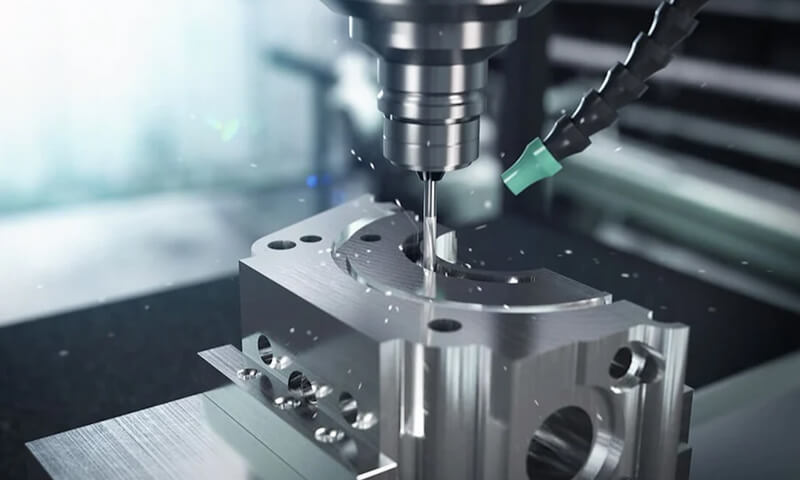
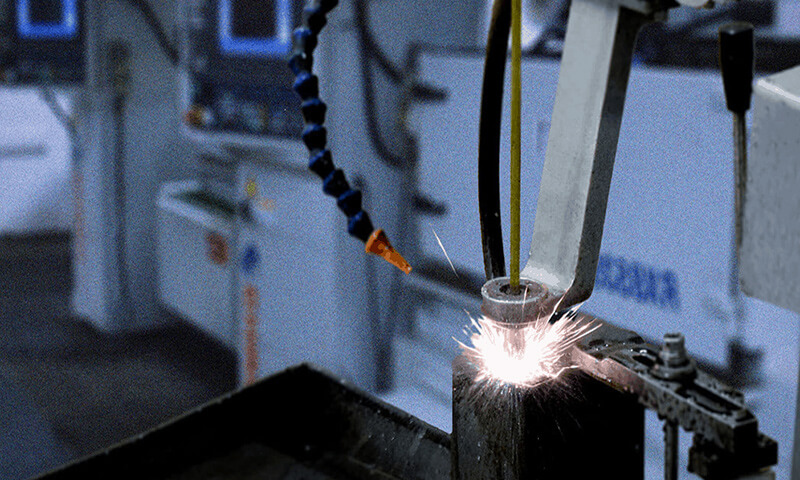
431 chalybs immaculatus eximiam offensionem late agnoscit propter ejus robustam compositionem virium, corrosio resistentia, et machinabilitas.
As martensitic stainless steel, it has earned its place across industries that require components to endure mechanical stress, resist wear, and maintain performance under harsh conditions.
Whether you’re designing high-performance parts in the aerospace sector or developing durable components for food processing, 431 stainless steel is a top choice.
In hoc comprehensive dux, we will delve into the proprietatibus ex 431 immaculatam ferro,
explore its applications across various industries, and explain why it continues to be a go-to material in critical engineering sectors.
1. Quid 431 Immaculatam ferro?
431 stainless steel is a martensitic steel alloy primarily composed of chromium (15-17%) et nickel, with additional elements such as manganese et Silicon.
The inclusion of chromium gives it corrosion resistance, while the nickel enhances its toughness.
Tamen, what sets 431 apart from other alloys is its ability to maintain magneticae proprietatibus,
making it particularly useful in applications where magnetism is essential, ut magnetic clamping in industrial settings.

This alloy is widely used for making high-strength components that require a combination of durities et DUCTILITAS.
It is particularly valued in industries that rely on precision and durability, comprehendo aerospace, eget, Et Marinus Applications.
2. Detailed Chemical Composition of 431 Immaculatam ferro:
Chromium (Credo): 15-17%
- Chromium is the key element that makes 431 stainless steel a corrosion-resistant alloy.
It forms a passive oxide layer on the surface, which protects the steel from rust and environmental degradation.
This also contributes to 431’s resistance to various acids, chemicals, et summus temperatus ambitibus.
Nickel (In): 1-2%
- Nickel enhances the lentitudo, DUCTILITAS, et corrosio resistentia ex 431 immaculatam ferro.
The nickel content ensures that the material remains strong even at low temperatures and in environments where toughness is required.
Carbon (C): 0.15% max
- Carbon is responsible for increasing the hardness of 431 immaculatam ferro.
Tamen, in higher amounts, carbon can reduce ductility and make the material more prone to cracking.
Igitur, the low carbon content helps maintain a balance between hardness and toughness.
Manganese (Mn): 0.60–1.00%
- Manganese helps improve the fortitudo et durities ex 431 immaculatam ferro. It also acts as a deoxidizing agent during steel production, ensuring better steel quality.
Silicon (Et): 0.50–1.00%
- Silicon is used as a deoxidizer in steel production and also contributes to the alloy’s Oxidatio resistentia.
It enhances the material’s performance in high-temperature applications.
Phosphorus (P): 0.04% max
- Phosphorus is generally considered an impurity in steel but can improve the machinability of 431 immaculatam ferro, contributing to its use in various machining processes.
Sulphuris (S): 0.03% max
- Similar to phosphorus, sulfur is an impurity that can impact the Machinabilitas ex 431 immaculatam ferro.
While it helps improve machinability, excessive sulfur can make the material more brittle.
Aes (Cu): 0.50% max
- Aes, when added in small amounts, enhances the material’s resistentia ad corrosio in certain environments, especially in marine or chemical industries.
Aluminium (Al): 0.10% max
- Aluminum helps improve the Oxidatio resistentia and enhances the stability of the alloy, maxime ad altum temperaturis.
Trace Elements:
BORON (B): 0.003% max
- Boron can improve the hardenability of the steel, ensuring better heat treatment results and an increased depth of hardness after quenching.
Titanium (Ex): 0.60% max
- Titanium can be used in small quantities to stabilize the carbon content and reduce the risk of carbide formation, which can affect the steel’s corrosion resistance.
Summary of 431 Stainless Steel Chemical Composition:
| Elementum | Conpositio (cum%) |
|---|---|
| Chromium (Credo) | 15-17% |
| Nickel (In) | 1-2% |
| Carbon (C) | 0.15% max |
| Manganese (Mn) | 0.60–1.00% |
| Silicon (Et) | 0.50–1.00% |
| Phosphorus (P) | 0.04% max |
| Sulphuris (S) | 0.03% max |
| Aes (Cu) | 0.50% max |
| Aluminium (Al) | 0.10% max |
| BORON (B) | 0.003% max |
| Titanium (Ex) | 0.60% max |
3. Clavis Properties 431 Immaculatam ferro
431 stainless steel boasts a well-balanced blend of physica et Mechanica proprietatibus that make it an outstanding material choice for demanding applications.
Physica proprietatibus
- Durities: With a working hardness of 300 ut 447 BHN (32 ut 47 HRC), 431 provides excellent wear resistance, making it suitable for parts subjected to friction and high stress.
- Densitas: This alloy has a density of 0.278 lb/in³ (7.7 G / CM³), which balances strength and weight, allowing for the construction of robust yet manageable components.
- Tensile viribus: Cum distrahentes circa vires 152.2 KSI,
431 stainless steel can withstand substantial forces without yielding or deforming, faciens id apta ad structuram et grave officium applicationes. - CEDITAS: Offering a yield strength of 515 MPA (7469 KSI), 431 resists deformation under stress, ensuring long-term durability in various applications.
- Scelerisque conductivity: Its thermal conductivity is measured at 25 W /(m*K),
making it suitable for environments that require moderate heat dissipation but not the extreme conductivity of pure copper.
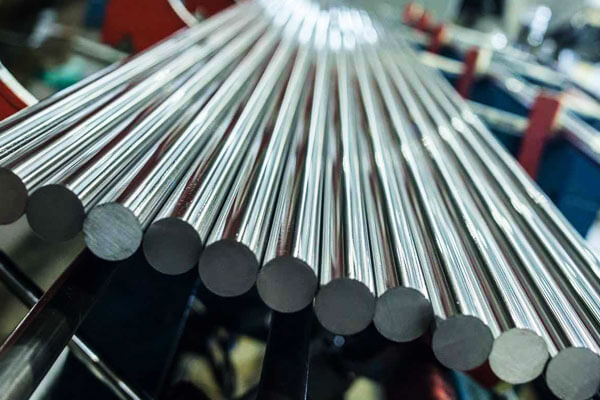
Mechanica proprietatibus
431 stainless steel also offers exceptional mechanical properties that ensure its durability and versatility:
- Ductilitas et Malleability: Dum 431 is known for its hardness, it retains ductility, meaning it can be shaped and machined into detailed parts without risk of breaking.
This property makes it ideal for manufacturing perplexitas components ut valvulae, Gears, et aircraft partes. - Corrosio resistentia: In chromium content in 431 praebet " resistentia ad corrosio leni ambitibus, including water and atmospheric exposure.
Tamen, potest esse vulnerable to Pitting corrosio in chloride-rich environments, which requires additional protective coatings or surface treatments. - Properties magnetica: As martensitic stainless steel, 431 exhibits magnetic properties,
idoneam enim magnetic clamping applications, where strong magnetic forces are necessary for precision work. - Gerunt resistentia: On the wear resistance scale, 431 scores a 3 ex * 6, indicating its ability to withstand wear in industrial applications where friction is a concern.
Its high hardness further contributes to its durability under challenging conditions.
4. Calor
To enhance 431’s mechanical properties, heat treatment processes such as annaeus, extemprectus, et temperans are often employed:
- Annaeus: This process involves heating 431 to temperatures between 680-800N ° C, secutus slow cooling to relieve internal stresses and improve machinability.
- Extemprectus: Rapid cooling in mediums such as oil or air transforms 431 ex Austenite ut martensite, making it harder but more brittle.
- Temperans: This heat treatment reduces brittleness, making the material tougher, which is crucial for parts that will undergo Cyclic loading vel impulsum.
Further surface treatments like Nitriding, POSTIVATIO, et electropolishing can enhance 431’s performance
by improving wear resistance, reducing corrosion, and enhancing the appearance and surface finish.
5. ACTOR 431 Immaculatam ferro
431 stainless steel’s combination of strength, corrosio resistentia, and machinability makes it highly suitable for a variety of industries and applications:
- Aerospace: 431 stainless steel is commonly used in aircraft components, such as landing gears and turbine blades, where high strength and toughness are essential.
- Eget: It is also used for engine parts, Valvae components, Gears, et suspensionis systemata, where both wear resistance and strength are required.
- Marinus: Although susceptible to pitting in highly saline environments, 431 is used for marine hardware and pumps due to its durability and corrosion resistance in less aggressive environments.
- Cibi processus: Components in food processing equipment, ut pumps, valvulae, and blades,
benefit from 431’s resistance to corrosion and wear, making it suitable for long-term operation in food production settings. - Industrial Valves and Pumps: The material’s corrosion resistance in mildly corrosive chemicals
makes it an excellent choice for valve bodies, sentinam components, and shafts that operate in harsh conditions.
Stainless Steel Valve
6. Quam 431 Stainless Steel Compares to Other Alloys
When choosing the right material for a specific application, comparet 431 stainless steel to other alloys is essential to understanding its strengths and limitations.
304 Steel Nobis. 431 Immaculatam ferro
Conpositio:
- 304 Immaculatam ferro principaliter composita est chromium (18-20%) et nickel (8-10%), dum 431 Immaculatam ferro habet 15-17% chromium et 1-2% nickel.
The primary difference here is that 431 contains less nickel, which contributes to a more cost-effective alloy.
Corrosio resistentia:
- 304 Immaculatam ferro has excellent corrosion resistance due to its high nickel content, making it ideal for environments exposed to acidic vel oxidizing condiciones.
It is highly resistant to corrosion in cibi processus et eget industries. - 431 Immaculatam ferro, esse martensitic, has slightly lower corrosion resistance than 304, praesertim chloride-dives environments.
Tamen, 431 offers good corrosion resistance in mitis ut mediocriter mordax ambages, idoneam enim aerospace et marinus applications where saltwater exposure commune.
Fortitudinem et duritiam:
- 304 Immaculatam ferro has relatively high strength and can be hardened by cold working,
but it is not as hard sicut 431 immaculatam ferro, which benefits from extemprectus et temperans processibus. Hoc facit 431 more suitable for summus applications. - 431 Immaculatam ferro offers a harder surface with higher tensile strength (~152.2 KSI) and wear resistance compared to 304,
idoneam enim PRAESTRICTUS applications sicut Valvae components, seras, et apparatus partes that need durability under accentus et labes.
Properties magnetica:
-
- 304 Immaculatam ferro est magnetica in its annealed condition, making it unsuitable for applications requiring magnetism, ut magnetic clamping or certain motricium components.
- 431 Immaculatam ferro est magneticus, as it is a martensitic stainless steel.
This property makes 431 ideal for use in magnetic fields and applications such as magnetic clamping et rotary parts.
316 Steel Nobis. 431 Immaculatam ferro
Conpositio:
- 316 Immaculatam ferro continet 16-18% chromium et 10-14% nickel, with an addition of 2-3% Molybdenum, which improves its resistance to pitting et Crevice Corrosion.
431 Immaculatam ferro does not contain molybdenum, and its nickel content is lower.
Corrosio resistentia:
- 316 Immaculatam ferro is considered the best stainless steel for corrosion resistance, particularly against chlorides et acida.
Est late in marinus ambages, pharmaceutical applications, et caligo ambages. - 431 Immaculatam ferro has good corrosion resistance but lacks the pitting resistance offered by 316.
Igitur, 316 is a better choice for severe environments, ut PRAEGRESSUS, maritimum areas, vel eget industries ubi high chloride exposure est de.
Applications:
- 316 Immaculatam ferro is used in applications that demand extreme resistance to corrosion, ut eget processus, pharmaceutical apparatu, et marine hardware.
- 431 Immaculatam ferro, ex altera parte, idoneam aerospace, machinamentum,
et Automotive Applications that require a good balance of corrosio resistentia, magneticae proprietatibus, et fortitudo, but it is not ideal for highly corrosive environments.
Carbon Steel vs. 431 Immaculatam ferro
Conpositio:
- Carbon Steel contains varying levels of carbon (typically 0.05–2%) and iron as its primary element, with minimal alloying elements.
- 431 Immaculatam ferro contains chromium (15-17%) et nickel (1-2%),
making it a more corrosion-resistant and harder alloy compared to carbon steel, which is more prone to rusting and corrosion.
Corrosio resistentia:
- Carbon Steel lacks the corrosion resistance of stainless steel alloys.
It is highly susceptible to rust when exposed to moisture, oxygeni, and other corrosive elements, EXPLICATIO coating vel pingitatio for protection. - 431 Immaculatam ferro has much better corrosion resistance and does not rust like carbon steel,
making it a superior choice for highly demanding environments ut machinamentum et marine components.
Fortitudo:
- Carbon Steel offers great strength and is widely used in constructio et Structural applications, praesertim reinforced steel.
Tamen, it is not as resistant to labes vel summus conditions as 431. - 431 Immaculatam ferro, due to its alloy content, dedi " altius viribus, especially after heat treatment processes,
ut idoneus utilibus valvulae, fasteners, et fontium that experience Cyclic loading et labes.
Titanium Alloys vs. 431 Immaculatam ferro
Conpositio:
- Titanium Alloys are primarily composed of titanium with varying amounts of aluminium, Vanadium, et alia elementa tinguere, depending on the specific grade.
Titanium alloys are known for their Exceptionalibus robore-ut-pondus Ratio. - 431 Immaculatam ferro is much heavier than titanium alloys but provides maiorem duritiem et magneticae proprietatibus.
Corrosio resistentia:
- Titanium Alloys are known for their Outstanding corrosio resistentia, especially in harsh chloride, dives ambages.
Titanium does not form a passive oxide layer like 431 stainless steel but has an inherently stable oxide layer that protects it from corrosion. - 431 Immaculatam ferro est less resistant to corrosion in chloride et acidic environments compared to titanium, but it is still suitable for mild to moderate ambages.
Strength and Weight:
- Titanium Alloys are much lighter than 431 Immaculatam ferro and have excellent vi ut- pondere ratios.
This makes titanium alloys ideal for applications where weight reduction is crucial, ut aerospace et military industries. - 431 Immaculatam ferro is stronger than pure titanium but much gravius, making it more suitable for applications where fortitudo et magneticae proprietatibus are more critical than weight.
Alloy Steel nobis. 431 Immaculatam ferro
Conpositio:
- Alloy Steel is a category of steel that includes a variety of metals such as chromium, manganese, nickel, Vanadium, et Molybdenum to impart different properties.
- 431 Immaculatam ferro is a martensitic stainless steel with specific amounts of chromium and nickel.
Mechanica proprietatibus:
- Alloy Steel offers various combinations of fortitudo, lentitudo, et Gerunt resistentia Ex eius compositionem. It is often used in highly demanding mechanical applications.
- 431 Immaculatam ferro habet superior viribus et durities but is particularly valued for its magneticae proprietatibus and resistance to labes.
Summary of Comparison:
| Property/Alloy | 431 Immaculatam ferro | 304 Immaculatam ferro | 316 Immaculatam ferro | Carbon Steel | Titanium Alloys |
|---|---|---|---|---|---|
| Corrosio resistentia | Good in mild to moderate | Excellent in many environments | Best for marine environments | Pauper, mercabula | Excellent in harsh environments |
| Fortitudo & Durities | Princeps distrahentes vires | Fortitudo modica | Moderate to high strength | Excelsum | Outstanding strength-to-weight |
| Properties magnetica | Magnetic | Magnetica | Magnetica | Magnetic | Magnetica |
| Applications | Aerospace, eget | Cibi processus, architectura | Marinus, aerospace | Constructio, structural | Aerospace, High-perficientur applications |
| Pondus | Gravius | Moderor | Moderor | Gravius | Light |
7. Machining Techniques for 431 Immaculatam ferro
Cutting Tools for 431 Immaculatam ferro
Selecting the right tools is crucial for machining 431 stainless steel effectively.
Usurpo carbide adiicit vel summus celeritate ferro (HSS) tools with a strong cutting edge to ensure precision and longevity.
Coated tools, such as those with Tin (titanium nitride) vel TiAlN (titanium aluminum nitride), help reduce friction and improve tool life in tough materials like 431.
Secans celeritates et pascite Rates
To prevent work hardening and tool damage, it’s essential to carefully control the cutting speeds and feed rates.
Use slower cutting speeds (circum 50-70 ft/min vel 15-20 m/my) for optimal performance, and adjust feed rates accordingly.
A higher feed rate can help reduce heat buildup by removing material more quickly.
Refrigerium et Lubrication
Proper cooling and lubrication are essential when machining 431 immaculatam ferro.
Because of the high heat generation during the cutting process, it’s recommended to use flood coolant vel cutting oils to keep the material cool and reduce friction.
This helps prevent work hardening and minimizes tool wear. The use of a high-pressure coolant system can also assist in achieving better cooling, improving chip removal and surface finish.
Roughing and Finishing
- Roughing: When rough machining 431, it is important to remove material in maior, deeper cuts modicis velocitatibus.
This will reduce the strain on your cutting tools and allow for a more controlled cut. - Apstrusus: After rough machining, use finer cuts at slower speeds for finishing operations.
This helps achieve a smooth surface finish and avoids dimensional inaccuracies due to thermal expansion or work hardening.
Use of High-Pressure Coolant
High-pressure coolant systems are especially beneficial for machining materials like 431 immaculatam ferro.
These systems help to reduce heat build-up, improve chip removal, and enhance surface finishes. High-pressure cooling also helps extend tool life by reducing friction at the cutting edge.
Common Machining Operations for 431 Immaculatam ferro
Here are some of the key machining operations that can be successfully performed on 431 immaculatam ferro with the correct setup:
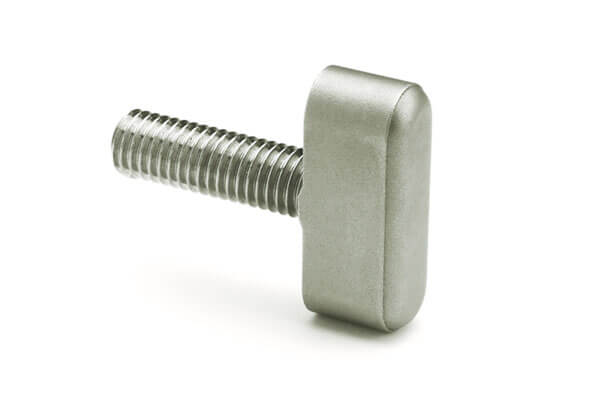
1. Conversio
Cnc conversus is a common operation used to machine round parts or cylindrical shapes from 431 immaculatam ferro.
It’s essential to use positive rake-cutting tools to reduce cutting forces. You should also consider a summus, low-feed rate to minimize tool wear and maintain a consistent finish.
2. MILLING
Cnc milling can be challenging due to the work hardening and potential tool wear associated with 431 immaculatam ferro.
Usurpo carbide or high-performance coated end mills and avoid excessive axial depth cuts. Scandere milling is typically recommended for better chip removal and a smoother finish.
3. EXERCITATIO
When drilling 431 immaculatam ferro, it is essential to use summus celeritate ferro (HSS) terebro bits vel carbide-tipped drills.
Cobalt drill bits are also highly effective due to their toughness and heat resistance.
Ensure to use the appropriate speed and feed rates, and keep the drill bit cool using flood coolant vel cutting oil to prevent overheating.
4. Molitus
Molitus is often required for finishing surfaces on 431 immaculatam ferro, especially for achieving a fine finish or tight tolerances.
Usurpo abrasive wheels suited for stainless steel, and ensure that the wheel is dressed regularly to maintain its effectiveness.
Coolant should be applied generously to avoid heat buildup and tool wear.
5. Electrical fungi Machining (EDM)
EDM can be employed for complex shapes or tight tolerances in 431 immaculatam ferro.
It’s a good option for applications where traditional machining methods may not be effective, such as when dealing with hard, work-hardened materials.
EDM allows precise machining without direct contact with the material, reducing heat damage.
Challenges in Machining 431 Immaculatam ferro
While machining 431 stainless steel is highly achievable, there are challenges to be aware of:
- PRAESTRICTUS: Ut ante, 431 stainless steel tends to work harden, making deeper cuts harder to achieve.
It’s essential to use the proper cutting tools and maintain consistent feed rates to minimize work hardening. - Tool Wear and Breakage: Due to its hardness, cutting tools tend to wear out more quickly.
Carbide instrumenta vel summus celeritate ferro (HSS) are the best choice, and frequent tool changes may be required to maintain optimal cutting performance. - Calor Generationis: 431’s high strength can generate excessive heat during the machining process.
This heat can result in poor surface finishes, instrumentum lapsum, and even part deformation if not managed properly.
8. Best Practices for Machining 431 Immaculatam ferro
To achieve the best results when machining 431 immaculatam ferro, follow these key practices:
- Control the Cutting Speed and Feed Rate: Lower cutting speeds and higher feed rates help reduce heat buildup and work hardening.
- Use the Right Tools: Optet carbide or high-speed steel tools cum TiAlN coatings for better tool life and performance.
- Ensure Effective Cooling: Usurpo flood coolant vel summus pressura coolant systems to reduce heat generation and minimize work hardening.
- Select the Right Cutting Techniques: Usurpo tardus, steady cuts for roughing, followed by finer cuts for finishing.
9. Conclusio: Why Choose 431 Immaculatam ferro?
431 stainless steel is a high-performance alloy offering a unique combination of strength, corrosio resistentia, et machinabilitas.
Its ability to be heat-treated to achieve superior hardness while maintaining ductility
makes it a versatile material for demanding applications across industries like aerospace, eget, et cibum processus.
Whether you need components with high wear resistance, toughness under stress, or the ability to function in magnetic environments, 431 stainless steel delivers reliable performance.
electio 431 stainless steel for your projects ensures long-lasting durability, reducta sustentationem sumptibus, and the performance needed in even the harshest conditions.
Si vos es vultus parumper summus qualitas consuetudo immaculatam ferro products, electio Hoc Est perfecta consilium tuum vestibulum necessitates.