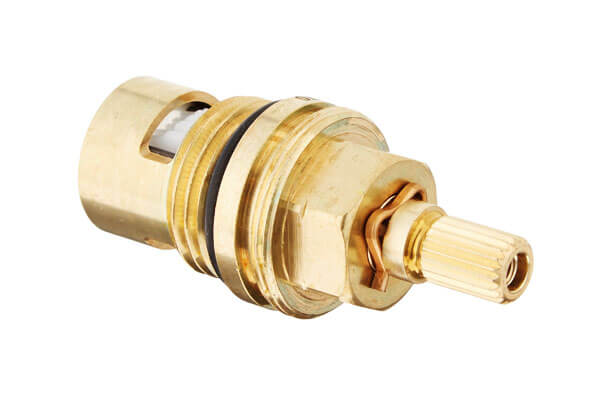
Кез келген аппараттық дүкенге барыңыз, және сіз жез фитингтерді таба аласыз, клапандар, және сәндік жабдықты.
Сатушыдан сұраңыз: Жезді тот басады? Сіз еститін жауап Жоқ, жез тот баспайды. Бірақ бұл шынымен рас па?
Жауап, материалтану сұрақтарының көпшілігі сияқты, иә және жоқ — тотты қалай анықтайтыныңызға және жезден нені білдіретініңізге байланысты.
Бұл мақалада жан-жақты берілген, жез коррозиясының көп өлшемді сараптамасы.
Біз жез металлургиясын зерттейміз, оның коррозиясының химиясы, тот пен дақ арасындағы айырмашылық, деградацияны тездететін экологиялық факторлар, және алдын алу мен жөндеудің практикалық стратегиялары.
1. Rust дегеніміз не? Химиялық анықтама
Жез тот басады ма деп жауап бермес бұрын, анықтауымыз керек тот.
Тоттың химиясы
Rust - бұл жалпы атау гидратталған темір(Iii) оттер (Fe₂O₃·nH₂O). Ол темір болған кезде пайда болады (Ақысу) оттегімен әрекеттеседі (₂) және су (H₂o) электрохимиялық процесс арқылы:
| Реакция | Теңдеу | Түсіндірме |
| Анодтық | Fe → Fe²⁺ + 2е⁻ | Темір анодта ериді. |
| катодтық | ₂ + 2H₂o + 4e→ 4OH⁻ | Оттегі мен су электрондарды тұтынады. |
| Жалпы | 4Ақысу + 3₂ + 6H₂O → 4Fe(О д)₃ → 4Fe(О д)₃ → 2Fe₂O₃·3H₂O | Гидратацияланған темір оксиді (тот). |
Тоттың сипаттамалары
| Тән | Түсіндірме |
| Түс | Қызыл-қоңырдан сарғыш-қоңырға дейін (ылғалдандырылған); басқа оксидтерде қара немесе сары. |
| Құрылым | Егік, кеуекті, ұстанбайтын; астындағы металды қорғамайды. |
| Дыбыс | 3‑7× бастапқы үтік көлеміне дейін кеңейтеді, шөгу мен құрылымның бұзылуына әкеледі. |
| Қажетті элементтер | Үтік (Ақысу), оттегі (₂), суару (H₂o) (немесе ылғал). |
Сыни нүкте: Себебі жез құрамында елеулі металл темір жоқ, ол тот түзе алмайды.
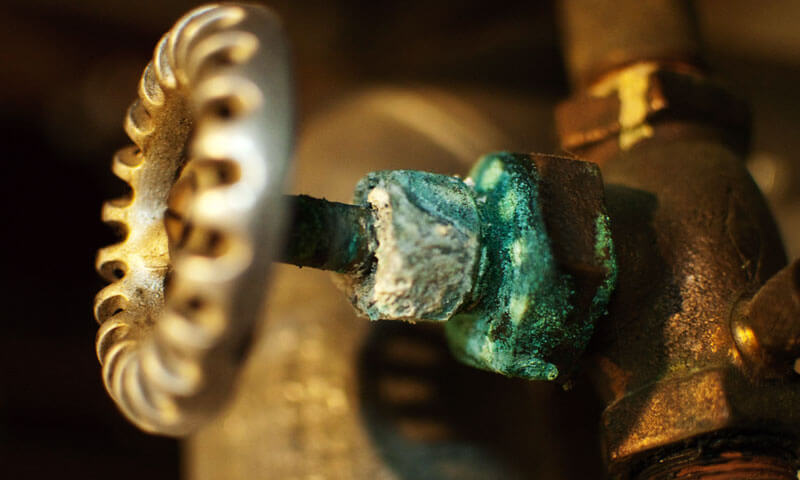
Жезден жасалған беттерде пайда болатын қызыл-қоңыр немесе жасыл-қоңыр түстің өзгеруі дақ немесе патина, тот емес.
2. Жез деген не? Металлургия және композиция
Анықтамасы және құрамы
Жез мыс-мырыш болып табылады (Cu-Zn) қорытпа. Мырыштың мөлшері бастап өзгереді 5% аяқтау 40%, қорғасын сияқты қосымша элементтермен, фольга, алюминий, кремний, немесе арнайы қасиеттер үшін мышьяк қосылады.
| Басу | Мыс (%) | Мырыш (%) | Басқа элементтер | Негізгі қасиеттері |
| Альфа жез | >65 | <35 | - | Ішкі киімдер, суықта жұмыс істеуге жарамды; E.Г., картридж жез (70/30). |
| Альфа-бета жезі | 55‑65 | 35‑45 | - | Күшті, ыстықта жұмыс істеуге жарамды; E.Г., Мунц металы (60/40). |
| Бета жез | <55 | >45 | - | Қаттырақ, Неғұрлым нәзік; шектеулі пайдалану. |
| Қорғасын бар жез | 57‑62 | 33‑40 | 1‑3% Pb | Тамаша жұмыс қабілеттілігі; E.Г., C36000 (еркін кесу). |
| Қалайы жез | 70‑80 | 15‑25 | 1‑5% Sn | Жақсартылған коррозияға төзімділік; E.Г., адмиралттық жез. |
| Мышьяк жезі | 70‑80 | 15‑25 | 0.02‑0,05% сияқты | Цинцинизацияға қарсы тұрады. |
Мыс-мырыш фазалық диаграммасы
Жез – мырыштың мыс құрамындағы қатты ерітіндісі. Мырыш қосу қатты ерітіндінің қатаюы арқылы қорытпаны нығайтады, сонымен қатар оның коррозияға қарсы әрекетін айтарлықтай өзгертеді..
Негізгі металлургиялық нүктелер:
- Альфа фазасы (FCC құрылымы) – икемді, Жақсы коррозияға төзімділік.
- Бета фазасы (BCC құрылымы) - Қаттырақ, мырышсыздануға көбірек бейім.
- Фазалық тепе-теңдік мырыш мөлшері мен температураға байланысты.
3. Жез қалай тоттанады
Жез тот баспай алмайды, ол химиялық белсенді болып қалады және оны қоршаған ортамен үздіксіз әрекеттеседі.
Бұл өзара әрекеттесу бірнеше ерекше коррозиялық механизмдерге әкеледі, әрқайсысы әртүрлі электрохимиялық принциптермен және қоршаған орта жағдайларымен реттеледі.
Болаттағы тот басудан айырмашылығы, жез коррозиясы әдетте беттік түрленулер тізбегі арқылы жүреді, жұмсақ тотығудан басталады және, неғұрлым агрессивті жағдайларда, локализацияланған электрохимиялық шабуылға айналады.
Бастапқы бетінің күңгірттенуі: Жездің тотығуының бірінші кезеңі
Жезден байқалатын ең ерте және ең көп таралған өзгеріс дақ түсіру.
Жаңадан дайындалған жезге ауа әсер еткенде, бетіндегі мыс және мырыш атомдары атмосфералық оттегімен баяу әрекеттеседі.
Басында, бұл реакция негізінен тұратын өте жұқа қабат құрайды:
- Мыс оксиді (Cu₂O және CuO)
- Мырыш оксиді (Zno)
Бұл оксидті қабық бірте-бірте жездің сыртқы түрін бастапқы ашық алтын түске өзгертеді:
- Ашық сары
- Қоңыр
- Қою қоңыр
- Сұр
сияқты факторларға байланысты боялу жылдамдығы:
- Салыстырмалы ылғалдылық
- Температура
- Ауаның ластануы
- Құрамында күкірт бар газдар
- Саусақ іздері және тері майлары
Болат тоттан айырмашылығы, бұл жұқа оксид қабаты жинақы, сақтау, және жалпы қорғаныс.
Деградацияны жеделдетуден гөрі, ол негізгі қорытпаға оттегінің одан әрі диффузиясын азайтатын тосқауыл ретінде әрекет етеді.
Инженерлік тұрғыдан, күңгірттену, ең алдымен, эстетикалық өзгеріс болып табылады және жез компоненттерінің құрылымдық өнімділігіне аз әсер етеді..
Патина қалыптастыру: Табиғаттың қорғаныш жабыны
Сыртқы ортаға ұзақ әсер етумен, әсіресе құрамында ылғал мен көмірқышқыл газы барлар, латунь а-ның дамуына әкелетін әрі қарай химиялық реакцияларға түседі патина.
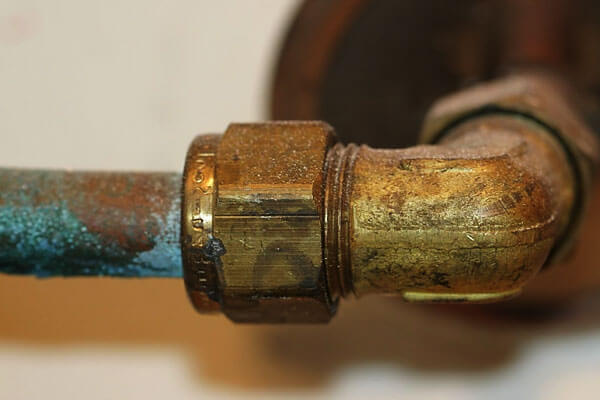
Патина негізінен тұрақты коррозия өнімдерінен тұрады, мысалы:
- Мыс карбонаты
- Негізгі мыс карбонаты
- Мыс гидроксиді
- Мыс сульфаты (ластанған атмосферада)
Қоршаған орта жағдайларына байланысты, бетінде тарихи ескерткіштер мен архитектуралық ерекшеліктерде қара қоңырдан тән жасыл немесе көк-жасылға дейінгі аралықтағы түстер дамуы мүмкін..
Тоттан айырмашылығы, кеуекті және коррозияны үздіксіз таратады, жетілген патина тығыз, химиялық тұрақты, және жоғары қорғаныс.
Ол негізгі қорытпаны атмосферадан оқшаулайды, кейінгі коррозияны айтарлықтай бәсеңдетеді.
Бұл табиғи пассивация неліктен ғасырлар бойғы жезден жасалған мүсіндерді түсіндіреді, сәндік фитингтер, және мұра сәулет элементтері ұзақ уақыт ашық ауада болғанына қарамастан, көбінесе тамаша құрылымдық тұтастығын сақтайды..
Декиннация: Жез коррозиясының ең маңызды түрі
Қараңғылану және патинаның пайда болуы әдетте жақсы, декиннация жездің механикалық өнімділігін айтарлықтай нашарлатуы мүмкін деструктивті коррозия механизмі болып табылады.
Мырышсыздандыру – бұл мырышты іріктеп шаймалау процесі, мысқа қарағанда электрохимиялық белсендірек, белгілі бір электролиттердің әсеріне ұшыраған кезде қорытпадан жақсы ериді, әсіресе хлориді бар су.
Өйткені мырыш жойылады, қалған материал кеуекті болады, беріктігі мен қысымды көтеру қабілеті айтарлықтай төмендеген мысға бай қаңқа.
Мырышсыздандыруға ықпал ететін типтік жағдайлар жатады:
- Ыстық ауыз су
- Теңіз суы
- Жоғары хлорлы ерітінділер
- Тұрақсыз су жүйелері
- Аздап қышқыл орталар
Көрінетін көрсеткіштерге жатады:
- Қызғылт немесе қызғылт түстің өзгеруі
- Мырыш коррозия өнімдерінен тұратын ақ шөгінділер
- Беткі шұңқыр
- Кеуектіліктің жоғарылауы
- Құрамында қысымы бар компоненттердің ағуы
Маңызды сантехникаға және теңізге арналған, цинкизацияға төзімді (RDA) жез бұл таңдамалы коррозия механизмін басу және қызмет ету мерзімін ұзарту үшін бақыланатын легирленген қоспалармен арнайы әзірленген..
Стресс коррозиясы: Жасырын сәтсіздік механизмі
Тағы бір маңызды, сирек болса да, деградация процесі болып табылады Стресс коррозиясы (Скр).
SCC үш жағдай бір уақытта болған кезде пайда болады:
- Сезімтал жез қорытпасы
- Тұрақты созылу кернеуі (қолданбалы немесе қалдық)
- Арнайы коррозиялық орта, ең бастысы, құрамында аммиак немесе аммоний қосылыстары бар
Біркелкі материалдық шығынды тудырудан гөрі, SCC жұқа жарықтардың пайда болуына және таралуына әкеледі, жиі астық шекараларында.
Бұл жарықтар аз көрінетін беттік коррозиямен өсуі мүмкін және ақырында кенеттен пайда болуы мүмкін, сынғыш сыну.
Ерекше тәуекелге ұшырайтын компоненттерге жатады:
- Клапан сабақтары
- Компрессиялық фитингтер
- Бекіткіштер
- Серіппелер
- Қалдық өңдеу кернеулеріне ұшыраған дәл өңделген бөлшектер
Стресстен құтылатын термиялық өңдеу, қорытпаларды дұрыс таңдау, және аммиакқа бай қызмет көрсету орталарынан аулақ болу СКҚ сезімталдығын азайтудың тиімді стратегиясы болып табылады..
Біркелкі және локализацияланған коррозия
Агрессивті химиялық ортада, жезді де сезінуі мүмкін біркелкі коррозия, онда материал бүкіл ашық бет бойынша біртіндеп ерітіледі, немесе Локализацияланған коррозия, мұнда шабуыл дискретті аймақтарда шоғырланған.
Күшті қышқылдар, күшті сілтілер, және кейбір өнеркәсіптік химиялық заттар қорғаныш оксидті қабықшаларды еріте алады, уақыт өте келе өлшенетін металдың жоғалуына әкеледі.
Тоттан айырмашылығы, дегенмен, бұл процестер темір оксидінің кеңейтілген қабыршақтарын тудырмайды. Орнына, қорытпа баяу жұқа болады немесе локализацияланған шұңқырларды дамытады, ал деградацияның жалпы режимі шойын мен болаттың тоттану әрекетінен түбегейлі өзгеше болып қала береді.
, Сорт, жездің беріктігін бағалау темір материалдармен байланысты тұжырымдамаларды қолданудың орнына оның арнайы коррозия механизмдерін түсінуді талап етеді.
Гальваникалық коррозия
Жезді неғұрлым асыл металмен біріктіргенде (E.Г., Тот баспайтын болат, мыс) өткізгіш ортада, жез анодқа айналады және жақсырақ коррозияға ұшырайды.
| Жұп | Тәуекел деңгейі | Алдын алу шарасы |
| Жез – тот баспайтын болат | Биік (жез тоттанады) | Оқшаулағыш шайбаларды қолданыңыз; ылғалды ортада тікелей жанасудан аулақ болыңыз. |
| Жез – мыс | Аласа (ұқсас потенциал) | Әдетте қолайлы. |
| Жез – алюминий | Өте жоғары (алюминий тоттанады) | Оқшаулау қажет. |
| Жез – көміртекті болат | Байсалды (болат коррозияға ұшырайды) | Болатты жабынмен қорғаңыз. |
4. Жез vs. Қола: Коррозияны салыстыру
Жез бен қола жиі шатастырылады. Олардың коррозиялық әрекеті бастапқы легирлеуші элементке байланысты ерекшеленеді (жездегі мырыш; қоладағы қалайы).
| Мүлік | Жез (Cu-Zn) | Қола (Сн) |
| Бастапқы легірлеуші элемент | Мырыш | Фольга |
| Коррозия механизмі | Декиннация, жалпы дақ | Селективті қалайы шаймалау (сирек), қола ауруы |
| Теңіз суына төзімділік | Жарлы (Сезинификациялау тәуекелі) | Үздік (қалайы қола, алюминий қола) |
| Қорқынышты | Шапшаң; жасыл/қоңыр патина | Тау соғу; жасыл/қоңыр патина |
| Стресстік коррозия | Сезімтал (аммиак, сынап тұздары) | Жалпы төзімді |
| Биметалдық коррозия | Байсалды (асыл металдармен жұптар) | Жақсы (гальваникалық шабуылға бейімділігі аз) |
5. Жез коррозиясына әсер ететін қоршаған орта факторлары
Жез тот баспаса да, оның коррозияға қарсы әрекеті ол жұмыс істейтін ортаға өте тәуелді.
Жезде табиғи түрде пайда болатын қорғаныс оксидті қабықтың тұрақтылығына айтарлықтай әсер етуі мүмкін ылғалдық, ластайтын заттар, температура, су химиясы, р, және механикалық кернеу.
Ылғалдылық және ылғалдылық
Ылғалдылық жез коррозиясына әсер ететін ең әсер ететін факторлардың бірі болып табылады.
Су электролит қызметін атқарады, қорытпа беті мен оны қоршаған орта арасындағы электрохимиялық реакцияларды қамтамасыз ету.
Салыстырмалы ылғалдылық артқан сайын, жез бетінде бірте-бірте жұқа ылғал пленкасы дамиды, оттегінің диффузиясы мен иондық тасымалдануын жеңілдетеді.
Құрғақ ауада, тотығу баяу жүреді және әдетте тек жұқа түзеді, ықшам оксидті пленка.
Ылғалдылық көтерілген сайын, тотығу жылдамдайды, нәтижесінде айқын далану және ақырында патинаның пайда болуы.
Үздіксіз ылғалды немесе су астында қалған жағдайларда, қорғаныш оксид қабаты тұрақсыз болуы мүмкін, локализацияланған коррозия ықтималдығын арттыру.
Ылғалдылықтың жез коррозиясына әсерін төмендегідей қорытындылауға болады:
| Салыстырмалы ылғалдылық / Экспозиция | Коррозияға тән мінез-құлық | Коррозияның ауырлығы |
| Астында 30% RH | Атмосфераның минималды тотығуы; беті ұзақ уақыт бойы ашық болып қалады | Өте төмен |
| 30–60% RH | Біртіндеп бояу; тұрақты оксидті қабықша дамиды | Төменге дейін |
| Жофары 60% RH | Жылдамырақ тотығу және түссіздену; ластаушы заттар коррозияны жеделдетуі мүмкін | Орташа және жоғары |
| Үздіксіз сулау немесе суға батыру | Белсенді электрохимиялық коррозия; тоқтап тұрған суда мырышсыздану қаупі | Өте жоғары |
Атмосфераны ластаушы заттар
Ауадағы ластаушы заттар жездің табиғи қорғаныш оксид қабатымен әрекеттесу арқылы коррозияға қарсы әрекетін күрт өзгерте алады..
Өнеркәсіптік эмиссиялар, теңіз аэрозольдары, және химиялық булар көбінесе арнайы электрохимиялық механизмдер арқылы бетінің деградациясын жеделдетеді.
Жезге әсер ететін ең маңызды атмосфералық ластағыштарға күкірт қосылыстары жатады, хлоридтер, аммиак, және тотықтырғыш газдар.
| Ластаушы | Жезге негізгі әсер | Коррозия механизмі |
| Күкірт диоксиді (SO₂) | Жылдамдатылған күңгірттену және қою түссіздік | Мыс сульфидтерінің түзілуі (Cu₂S) |
| Хлорид иондары (Тұз спрейі) | Шұңқырлау және мырышсыздандыру | Пассивті оксидті қабықшалардың ыдырауы |
| Аммиак (NH₃) | Стресс коррозиясы | Созылу кернеуі кезінде астық шекарасының шабуылы |
| Озон (O₃) | Үдемелі тотығу | Оксидтердің түзілу жылдамдығының жоғарылауы |
Күкірт диоксиді (SO₂)
Күкірт диоксиді, әдетте өнеркәсіптік және қалалық атмосферада кездеседі, мыс сульфидтерін түзу үшін жез бетіндегі мыспен оңай әрекеттеседі.
Бұл қосылыстар ластанған ауаға ұшыраған жезде жиі байқалатын қара қоңыр немесе қара дақтарды тудырады..
Бұл дақ негізінен үстірт болса да, ұзақ әсер ету жалпы тотығу жылдамдығын жеделдету және сәндік компоненттердің эстетикалық көрінісін төмендетуі мүмкін..
Хлориді бар орталар
Хлорид иондары жезге әсер ететін ең агрессивті түрлердің бірі болып табылады.
Жағалау аймақтары, Теңіз платформалары, тұзсыздандыру қондырғылары, және теңіз жабдықтары үздіксіз тұзды ауаға ұшырайды.
Хлоридтер пассивті оксид қабатын тұрақсыздандырады және көтермелейді:
- Локализацияланған
- Жарық коррозиясы
- Декиннация
- Бір-біріне ұқсамайтын металдар болған кезде гальваникалық коррозия
Бұл қолданбалар үшін, Навальдық жез, кремний жезі, немесе цинкизацияға төзімді (RDA) әдетте жез ұсынылады.
Аммиак экспозициясы
Аммиак кернеусіз жезге аз әсер еткенімен, ол қалдық немесе қолданылған созылу кернеуімен үйлескенде өте деструктивті болады.
Осы шарттарда, аммиак астық шекараларына еніп, инициациялай алады Стресс коррозиясы (Скр).
Бұл құбылыс әсіресе қауіпті, өйткені:
- Жарықтар айтарлықтай материалдық шығынсыз дамуы мүмкін.
- Сәтсіздік сыртқы ескертулермен кенеттен орын алуы мүмкін.
- Механикалық беріктік көзге көрінетін коррозия пайда болғанға дейін нашарлайды.
Клапан сабақтары сияқты компоненттер, компрессиялық фитингтер, серіппелер, және бекіткіштер аммиак әсері күтілген кезде қорытпаны мұқият таңдауды және кернеуді жеңілдетуді қажет етеді..
Озон және күшті тотықтырғыш атмосфера
Озон жез беттерінде оксидті қабықтың түзілу жылдамдығын арттыратын жоғары реактивті тотықтырғыш болып табылады..
Алынған оксид қабаты жұмсақ жағдайларда қорғаныш болып қалуы мүмкін, жоғары озон концентрациясына ұзақ әсер ету түссізденуді және беттің қартаюын тездетуі мүмкін.
Температура
Температура атомдық диффузияны арттыру арқылы коррозия кинетикасына тікелей әсер етеді, химиялық реакция жылдамдығы, және электрохимиялық белсенділік.
Жалпы алғанда, температураның әрбір жоғарылауы тотығу мен коррозияны тездетеді, нақты механизм қорытпаға және қызмет көрсету ортасына байланысты болғанымен.
| Температура диапазоны | Коррозияға тән мінез-құлық |
| –10°C – 40°C | Баяу тотығу; қорғаныс патинасы бірте-бірте дамиды |
| 40°C - 80 °C | Коррозия реакциялары жылдамдайды; тотығу қоршаған орта температурасына қарағанда екі-бес есе жылдам болуы мүмкін |
| 80°C жоғары | Мынсыздану қаупінің жоғарылауы, оксидтің қоюлануы, және ыстық су коррозиясы |
| -100°C төмен | Коррозияның өте төмен жылдамдығы; жез тамаша қаттылық пен икемділікті сақтайды |
Су ерітінділерінің рН
Сулы ортаның қышқылдығы немесе сілтілігі жездің коррозиясына үлкен әсер етеді, өйткені рН қорғаныс оксидті қабықшалардың тұрақтылығына да, мыс пен мырыштың электрохимиялық еруіне де әсер етеді..
| рН диапазоны | Коррозияның ауырлығы | Доминант механизмі |
| Астында 4 (Қатты қышқыл) | Биік | Мыс пен мырыштың тез еруі |
| рН 4–8 (Бейтараптан аздап қышқылға дейін) | Байсалды | Қорғаныш оксидінің түзілуімен күңгірттену |
| рН 8–12 (Жұмсақ сілтілі) | Аласа | Тұрақты оксид пен гидроксидті пленкалар қорғанысты қамтамасыз етеді |
| Жофары 12 (Қатты сілтілі) | Байсалды | Мыстың сілтілі комплекс түзуші орталарда еруі |
6. Жезден жасалған коррозияға қарсы өнімдер: Бетінде не пайда болады?
Жез беттерінде пайда болатын түссіздік тот емес; бұл мыс пен мырыш қосылыстарының қоспасы.
| Түс | Бастапқы қосылыс | Қалыптасу жағдайы |
| Ашық сары-алтын | Cu‑Zn қорытпасының бетін тазалаңыз | Жаңадан өңделген немесе жылтыратылған. |
| Қызыл-қоңыр | Шыны оксиді (Cu₂O) | Ауадағы бастапқы тотығу. |
| Қоңыр / қара қоңыр | Куприк оксиді (Купе) + мырыш оксиді (Zno) | Ауа мен ылғалға ұзақ әсер ету. |
| Сұр / қара | Мыс сульфиді (Cu₂S) + мырыш сульфиді | Өндірістік атмосфера (SO₂, H₂s). |
| Жасыл / көк-жасыл | Негізгі мыс карбонаты (Cu₂CO₃(О д)₂) | Ұзақ мерзімді атмосфералық әсер ету (патина). |
| Көк-жасыл | Мыс хлориді (CuCl₂) | Теңіз / хлоридті орталар. |
| Ақ / ұнтақ | Мырыш оксиді (Zno) немесе мырыш карбонаты | Артықшылықты мырыш коррозиясы (декиннация). |
| Қызғылт / қызыл | Мысқа бай қалдық | Декиннация (мырыш шайылып кетті, мыс қалды). |
7. Жездегі коррозияның алдын алу
Қорытпаларды таңдау
| Қорытпа | Коррозияға төзімділік | Қолайлы орталар |
| C87610 / C87850 (кремний жезі) | Үздік (цинкизацияға төзімді) | Ауыз су, теңіз, химиялық. |
| C87400 / C87500 (кремний жезі) | Өте жақсы | Жалпы өндірістік. |
| C68700 (мышьяк адмиралты жезі) | Жақсы (суға төзімді) | Конденсфераторлар, Жылу алмастырғыштар. |
| C46400 (Навальдық жез) | Байсалды (Сезинификациялау тәуекелі) | Тұщы су, теңіз (қорғаныспен). |
| C36000 (қорғасынды жез) | Жарлы (коррозияға төзімділігі төмен) | Үй ішінде кептіріңіз, тек өңделген бөлшектер. |
Беттік емдеу
| Емдеу | Мақсат | Әдіс |
| Лактау | Бояудың алдын алады | Мөлдір акрил немесе полиуретанды жабын. |
| Ауысу | Қорғаныш оксидті қабат түзеді | Азот қышқылының құйылуы (10‑25%, 40‑60°C). |
| Хроматты түрлендіру | Коррозияға төзімділікті арттырады | Хром қышқылымен өңдеу (сары немесе ашық). |
| Анодтау | Тозу/коррозия үшін қалың оксид қабаты | Анодты тотығу (жезде шектеулі пайдалану). |
| Электроплицей | Сәндік/қорғаныс қабаты | Никель, хромий, немесе алтын жалату. |
Жабындар және ингибиторлар
| Жабу / ингибитор | Қолдану | Тиімділік |
| Мөлдір лак | Сәндік жабдық | Жақсы (2-5 жыл). |
| Бензотриазол (БТА) | Мыс қорытпалары үшін коррозия ингибиторы | Үздік; қорғаныш пленка түзеді. |
| Су негізіндегі тығыздағыштар | Архитектуралық жез | Байсалды; қайта қолдануды талап етеді. |
| Майлау / балауыз | Құрал беттері | Уақытша; қайта қолдануды қажет етеді. |
8. Жезді тазалау және күту
Жездің тотқа төзімділігі жоғары және ұзақ мерзімді ұзақ мерзімділікті қамтамасыз етеді, оның сыртқы түрі мен коррозияға төзімділігіне дұрыс техникалық қызмет көрсету айтарлықтай әсер етуі мүмкін.
Күнделікті техникалық қызмет көрсету үшін жүйелі тазалау
Тұрақты жезден жасалған бөлшектерді тазалау қызмет ету мерзімін ұзартудың ең қарапайым және тиімді жолы болып табылады.
Шаңды кетіру, май, Саусақ іздері, тұздар, және өнеркәсіптік ластағыштар ластаушы заттардың тотығуды жеделдетудің немесе жергілікті коррозияның басталуының алдын алуға көмектеседі..
Көптеген тұрмыстық және өнеркәсіптік қолданбалар үшін, Жылы сумен және жұмсақ сабын ерітіндісімен біріктірілген жұмсақ шүберек, қорғаныс оксидті қабығына зақым келтірместен беткі ластануды кетіру үшін жеткілікті..
Тазалағаннан кейін, Қалдық ылғалдың коррозияға жол бермеу үшін беті әрқашан таза сумен мұқият шайылып, толығымен кептірілуі керек..
Үнемі тазалау әсіресе пайдалы:
- Сәндік жабдық
- Есіктің тұтқалары
- Сантехникалық құрылғылар
- Музыкалық аспаптар
- Дәл механикалық компоненттер
- Электр аппаратурасы
Агрессивті жылтыратудан айырмашылығы, жұмсақ тазалау тартымды көріністі сақтай отырып, табиғи оксид қабатының тұтастығын сақтайды.
Дақ кетіру
Жез ескіргендей, тотығу оның ашық алтын түстерін бірте-бірте қоңыр реңктерге өзгертеді, қара қола, немесе қара.
Бұл дақ әдетте беткі қабатпен шектеледі және құрылымның нашарлауын көрсетпейді.
Бірнеше тазалау әдістері дақтарды тиімді кетіреді.
Жұмсақ органикалық тазалау ерітінділері
Табиғи қышқыл тазартқыштар, мысалы, тұзбен біріктірілген сірке суы немесе ас содасымен араластырылған лимон шырыны, орташа дақтарды кетіру үшін кеңінен қолданылады.
Жұмсақ қышқыл бетінің тотығуын ерітеді, ал жұмсақ абразивті әрекеті бастапқы металды қалпына келтіруге көмектеседі.
Дегенмен, өйткені бұл ерітінділер қышқыл, олар ұзақ уақыт бойы жез бетінде қалмауы керек.
Емдеуден кейін, құрамдас бөлікті таза сумен мұқият шайып, қалған қышқыл қалдықтарын жою үшін дереу кептіру керек..
Бұл әдістер әдетте қолайлы:
- Сәндік жезден жасалған әшекейлер
- Тұрмыстық жабдықтар
- Ас үй жабдықтары
- Аздап ластанған аксессуарлар
Коммерциялық жезден жасалған жылтыратқыштар
Қатты ластанған жез үшін, коммерциялық жылтырату қосылыстары жылдамырақ және дәйекті нәтиже береді.
Бұл өнімдер әдетте тотығуды кетіретін және өзіне тән алтын жылтырды қалпына келтіретін ұсақ абразивті бөлшектер мен химиялық тазартқыштарды қамтиды..
Жылтырату кезінде сыртқы түрін айтарлықтай жақсартады, ол сондай-ақ табиғи түрде дамыған оксид қабатының бір бөлігін жояды және, Кейбір жағдайларда, қорғаныс патинасы.
Шамадан тыс немесе жиі жылтырату бетті қорғауды бірте-бірте азайтып, антикварлық немесе тарихи жезден жасалған заттардың сыртқы түрін өзгертуі мүмкін..
Сондықтан, коммерциялық жылтыратуды күнделікті күтім ретінде емес, таңдаулы түрде пайдалану керек.
Тазалау агенттерінен аулақ болу керек
Барлық тазалау химикаттары жезге жарамайды.
Ең маңызды сақтық шараларының бірі аммиак негізіндегі тазартқыштардан аулақ болыңыз, әсіресе кернеулі немесе жүк көтергіш жезден жасалған компоненттер үшін.
Аммиак ілгерілетумен танымал Стресс коррозиясы (Скр) сезімтал жез қорытпаларында.
Тіпті салыстырмалы түрде төмен концентрациялар қалдық немесе қолданылған созылу кернеулерімен үйлескенде дәннің шекарасына еніп, микроскопиялық жарықтар тудыруы мүмкін..
Осы себеппен, Құрамында аммиак бар тазалағыш құралдарды ешқашан қолдануға болмайды:
- Клапан компоненттері
- Компрессиялық фитингтер
- Серіппелер
- Бекіткіштер
- Картридж қораптары
- Дәл механикалық бөлшектер
Сол сияқты, жоғары концентрлі қышқылдар, күшті сілтілер, абразивті болат жүн, және өнеркәсіптік қалпына келтіру үшін арнайы ұсынылмаса, агрессивті тегістеу құралдарынан аулақ болу керек.
Қорғаныс беттерін өңдеу
Тек тазалау болашақта тотығуды болдырмайды.
Бетін тазартқаннан кейін, көптеген жез компоненттері металды ылғалдан және атмосфералық ластаушы заттардан оқшаулайтын қосымша қорғаныс процедураларынан пайда көреді..
Жалпы қорғаныс әдістеріне жатады:
Балауыз жабындары
Микрокристалды балауыз немесе жоғары сапалы паста балауызы жез бетінде жұқа гидрофобты тосқауыл жасайды.
Балауыз жабындары бірнеше артықшылықтар береді:
- Оттегінің әсерін азайтыңыз
- Ылғалды кетіру
- Баяу күңгірттену
- Бетінің сыртқы түрін сақтаңыз
- Табиғи металл жылтырлығын сақтаңыз
Балауыздан қорғау сәндік архитектуралық жезден және мұражайлық артефактілер үшін кеңінен қолданылады.
Қорғаныс майлары
Жеңіл минералды майлар сақтау немесе тасымалдау кезінде өнеркәсіптік жезден жасалған компоненттерге жиі қолданылады.
Майлы пленкалардан қорғайды:
- Ылғалдылық
- Саусақ іздері
- Атмосфераның уақытша тотығуы
Майлы жабындар мерзімді жаңартуды қажет етсе де, олар қысқа мерзімді коррозиядан қорғаудың арзан шешімін ұсынады.
Лак жабындары
Мөлдір лак жез беті мен қоршаған ортаның тікелей жанасуына жол бермейтін мөлдір қорғаныс тосқауылын құрайды..
Лак жабындары әдетте қолданылады:
- Есіктің жабдық
- Жарықтандыру құрылғылары
- Сәндік әрлеу
- Музыкалық аспаптар
Дұрыс күтім жасағанда, лак бірінші кезекте тотығудың алдын алу арқылы жылтырату қажеттілігін айтарлықтай азайтады.
Электрлік жабындар
Өнеркәсіптік қосымшаларға арналған, жезді никель немесе хром сияқты металдармен электроплатуға болады.
Электрлік қаптау қамтамасыз етеді:
- Жақсартылған коррозияға төзімділік
- Тозуға төзімділігі жоғары
- Жақсартылған сәндік көрініс
- Химиялық тұрақтылықтың жоғарылауы
Электр қосқыштары көбінесе қалайымен қапталған, күміс, немесе астындағы жезден жасалған негізді қорғай отырып, төмен жанасуға төзімділікті сақтау үшін алтын.
Табиғи патинаны сақтау
Барлық жезді жылтырату керек емес.
Көптеген сәулет өнері үшін, тарихи, және көркемдік қолданбалар, табиғи түрде дамыған патина эстетикалық тұрғыдан құнды және функционалдық жағынан пайдалы болып саналады.
Тарихи ғимараттар мен ескерткіштерде көрінетін жасыл немесе күңгірт қола беті тозу белгісі емес, одан әрі коррозияны баяулататын тұрақты қорғаныс қабаты болып табылады..
, Сорт, Табиғатты қорғау мамандары әдетте піскен патинаны алып тастаудың орнына сақтайды.
Сыртқы ортаға әсер ететін архитектуралық жез үшін, техникалық қызмет көрсету көбінесе мерзімді тазалаудан, содан кейін қорғаныс балауызын қолданудан тұрады, патинаның табиғи түрде дамуын жалғастыруға мүмкіндік береді.
9. Жездің коррозиясы маңызды болатын қолданбалар
| Өнеркәсіп | Әдеттегі жезден жасалған компоненттер | Коррозияға қатысты мәселелер | Жұмсарту |
| Нөміргетегіш | Клапандар, Фитингтер, кран | Декиннация; қорғасынды шаймалау | DR жезін пайдаланыңыз (C87610, C87850). |
| Теңіз | Пропеллер біліктері, теңіз суының сорғылары | Декиннация, шоқы | Әскери-теңіз жезін пайдаланыңыз (C46400) немесе кремний жезі. |
| Электр | Терминалдар, қонтқыштар, ауыстырғылықты жүргізу | Қорқынышты (байланысқа төзімділігін арттырады) | Күміс немесе қалайы жалату. |
| Автомобиль | Радиаторлар, қыздырғыш өзектер, қонтқыштар | Салқындату сұйықтарынан коррозия, тұздар | Мышьяк жезін қолданыңыз; салқындатқыш сұйықтыққа дұрыс күтім жасау. |
| Сәулет | Тұтқалар, есік аппаратурасы, шатыр | Атмосфераның ластануы, патина | Табиғи патинаны лакпен немесе рұқсат етіңіз. |
| Музыкалық аспаптар | Кернейлер, тромбондар, саксофондар | Қорқынышты (эстетикалық) | Тұрақты тазалау; лакпен қаптау. |
| Оқ-дәрі | Картридж қораптары (C26000) | Маусымның жарылуы (аммиак) | Стрессті жеңілдету; бақыланатын сақтау. |
| Тұтыну аппараттық құралдары | Құлыптар, ілгектер, Кілттері | Қорқынышты (косметикалық) | Лак; тұрақты жылтырату. |
10. Жиынтық салыстыру: Брасс тотқа қарсы
| Критериция | Темір/болаттағы тот | Жездегі коррозия |
| Химиялық анықтама | Гидратацияланған темір оксиді (Fe₂O₃·nH₂O) | Мыс және мырыш оксидтері, карбонаттар, хлоридтер, сульфан. |
| Міндетті элемент | Үтік (Ақысу) | Мыс (Друг) және мырыш (Негра). |
| Түс | Қызыл-қоңыр, сарғыш-қоңыр | Қоңыр, қара, жасыл, көк-жасыл, қызыл-қызғылт (декиннация). |
| Құрылым | Егік, кеуекті, ұстанбайтын | Жиі ұстанушы (патина); ұнтақ болуы мүмкін (декиннация). |
| Көлемді кеңейту | 3‑7× (шөгуді тудырады) | Минималды орташа (патина қорғаныш болып табылады). |
| Қорғаныс әсері | Ештеме (тот коррозияны тездетеді) | Иә (патина одан әрі коррозияны баяулатады). |
| Болдырмау | Бояу, мырыштау, майлау, қорытпа | DR қорытпасын таңдаңыз; лак; оқшаулау. |
| Жөндеу | Сығызу/жою; қайта бояу | поляк; белсенді коррозияны жою; қайта жабу. |
11. Қорытынды
Солай, жезді тот басады? Ғылыми жауап біржақты: Жоқ. Жез тот баспайды, өйткені тот тек темір мен болатқа ғана тән коррозия өнімі болып табылады, ал жез – мыс-мырыш қорытпасы, құрамында темір жоқ.
Дегенмен, жез қоршаған ортаның бұзылуына қарсы емес.
Қызмет ету мерзімі бойы, ол тотығуды қоса алғанда, әртүрлі коррозиялық процестерге ұшырайды, дақ түсіру, патинаның қалыптасуы, декиннация, жіне, нақты шарттарда, Стресс коррозиясы.
Бұл механизмдер химиялық және инженерлік маңызы бойынша қара материалдардың тот басудан түбегейлі ерекшеленеді..
Сайып келгенде, арасындағы айырмашылықты түсіну тот жіне жез коррозиясы инженерлер үшін өте маңызды, дизайнерлер, Өндірушілер, және соңғы пайдаланушылар бірдей.
Сәйкес қорытпаны таңдау арқылы, операциялық ортаны ескере отырып, және дұрыс техникалық қызмет көрсету тәжірибесін қолдану,
жезден жасалған компоненттер керемет сенімділікті қамтамасыз ете алады, Тамаша коррозияға төзімділік, және өнеркәсіптік және коммерциялық қолданбалардың кең ауқымында ерекше ұзақ қызмет ету мерзімі.
Жиі қойылатын сұрақтар
Жез суда тот басады?
Жоқ, жез болмайды тот (темір оксидін түзеді). Дегенмен, жез суда коррозияға ұшырайды, әсіресе тоқырау немесе қышқыл су, мырышсыздану орын алуы мүмкін.
Суды қолдану үшін мырышсыздандыруға төзімді жезді пайдаланыңыз.
Неліктен менің жезім жасылға айналады?
Жасыл түс қорғаныш патинасы болып табылады негізгі мыс карбонаты (Cu₂CO₃(О д)₂) .
Ол жез ұзақ уақыт бойы ылғал мен көмірқышқыл газына әсер еткенде пайда болады. Бұл зиянды емес, ол шын мәнінде металды қорғайды.
Тұзды суда жез тот басады?
Жез тот баспайды, бірақ ол тұзды суда коррозияға ұшырайды.
Мырыш мөлшері жоғары жездер хлоридті ортада мырышсыздануға және шұңқырлануға бейім.. Теңіз қолданбалары үшін кремний жездері мен қолаларға артықшылық беріледі.
Жез темір сияқты тот басуы мүмкін?
Жоқ. Тот темірге және оның қорытпаларына тән (болат, шойын). Жездің құрамында темір жоқ (ізді қоспалардан басқа), сондықтан ол тот түзе алмайды.
Жезден жасыл коррозияны қалай кетіруге болады?
Жұмсақ жасыл патинаға арналған, коммерциялық жез лак немесе лимон шырыны мен тұз қоспасын пайдаланыңыз.
Ауыр немесе шұңқырлы коррозияға арналған, кәсіби тазалау және тұрақтандыру (БТА-мен) талап етілуі мүмкін.
Жез қараға айналады ма?
Иә. Құрамында күкірт қосылыстары бар өнеркәсіптік атмосферада, жез сұр-қара мыс сульфидті қабығын құрайды. Бұл дақ түсірудің бір түрі, тот емес.