1. Кіріспе
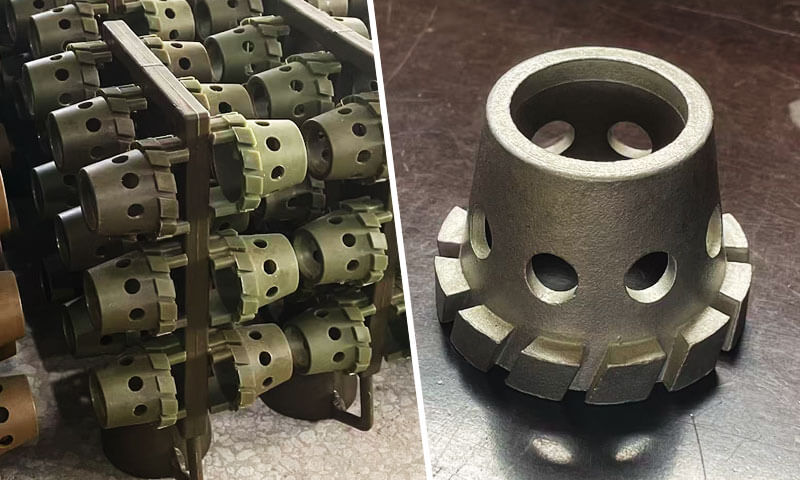
Темір снарядтың қабығын төсеу иілгіш шойынның жоғары механикалық қасиеттерін өлшемдік дәлдікпен және қабықша қалыптау технологиясының бетінің сапасымен біріктіретін дәл құю әдісін білдіреді..
Өнеркәсіп орындары күрделі геометрияларды талап ететіндіктен, Тиберлер, және үнемді өндіріс әдістері, бұл процесс автомобиль сияқты салаларда танымал болды, гидравлика, машиналар, және электр жабдықтары.
2. Созылғыш темір дегеніміз не?
Құрамы және микроқұрылым
Ішкі үтік темір қорытпасы болып табылады, көміртегі, және кремний, әдетте көміртекті мөлшері бар 3.0% қарай 4.0% және айналасында кремний 1.8% қарай 3.0%.
Иілгіш шойынның айқындаушы сипаттамасы оның сфероидты графит құрылымы болып табылады.
Кастинг процесінде, аз мөлшерде магний (әдетте 0.03% - 0.06%) немесе балқытылған темірге церий қосылады.
Бұл элементтер графит үлпектерін түрлендіреді, сұр темірге тән, сфералық түйіндерге айналады. Графит морфологиясындағы бұл өзгеріс материалдың қасиеттеріне қатты әсер етеді.
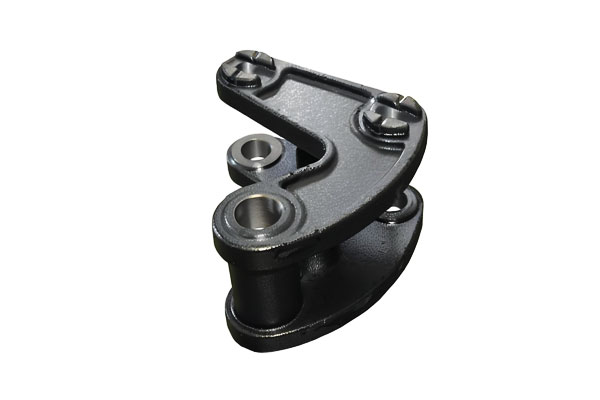
Негізгі механикалық қасиеттері
- Жоғары беріктігі: Созылғыш темір созылу күшіне дейін жетеді 400 МПа (ASTM A536 сияқты бағалар үшін 60-40-18) аяқтау 800 МПа (ASTM A536 сияқты 120-90-02).
Бұл беріктік оны ауыр жүктемелер кезінде құрылымдық тұтастық өте маңызды болатын қолданбалар үшін қолайлы етеді. - Икемділік: Ол айтарлықтай икемділік көрсетеді, дейін жетуі мүмкін ұзарту мәндерімен 18% кейбір сыныптарда.
Бұл иілгіш шойын құрамдас бөліктерінің кернеу астында сынбай деформациялануына мүмкіндік береді, динамикалық жүктеме жағдайында олардың сенімділігін арттыру. - Әсерге қарсы тұрақтылық: Түйінді графит құрылымы матрицадағы кішкентай амортизаторлар ретінде әрекет етеді. Болғандықтан, шойынның соққыға төзімділігі жақсы, сұр темірден әлдеқайда жоғары.
Бұл қасиет құрамдас бөліктер кенеттен әсер ету немесе тербелістерге ұшырауы мүмкін қолданбалар үшін өте маңызды.
Жалпы стандарттар
- ASTM A536: Солтүстік Америкада кеңінен қолданылады, бұл стандарт иілгіш шойынның әртүрлі маркаларына қойылатын талаптарды анықтайды.
Мысалы, дәреже 60-40-18 ең аз созылу беріктігін көрсетеді 60 кси (414 МПа), ең аз шығымдылық шегі 40 кси (276 МПа), және минималды ұзарту 18%. - EN-GJS: Еуропада, EN-GJS стандарттар сериясы шойынның қасиеттері мен сипаттамаларын анықтайды.
Осы стандарттағы әрбір сорт оның механикалық қасиеттеріне қойылатын талаптармен де белгіленеді, сала бойынша тұрақты сапаны қамтамасыз ету. - Исо 1083 – Сфероидты графитті темірдің жаһандық белгіленуі
3. Қалып құю дегеніміз не?
Қабық құю негіздері
Қабық пішінін құю - қалыпты қалыптастыру үшін шайырмен қапталған құмды пайдаланатын жұмсалатын қалып құю процесі. Процесс қыздырылған металл үлгісінен басталады, әдетте алюминийден немесе шойыннан жасалған.
Үлгі диапазонындағы температураға дейін қызады 200 – 300°C. Шайырмен қапталған құм, әдетте жұқа кремнеземдік құм мен термореактивті фенолды шайыр қоспасы, содан кейін қыздырылған үлгіге енгізіледі.
Үлгінің жылуы шайырдың еріп, құм бөлшектерін біріктіруіне әкеледі, қатты қалыптастыру, үлгінің айналасында жұқа қабық. Қабық қатайғаннан кейін, ол үлгіден жойылады.
Қалып әдетте екі жартыдан тұрады, жеңу және сүйрету ретінде белгілі, балқытылған металл құйылатын қуысты жасау үшін жиналады.

Шойын қабықшалы қалыптарды құюдың қадамдық технологиялық ағымы
Үлгі дайындау:
Металл үлгісі соңғы құйманың қажетті пішініне сәйкес келетін дәлдікпен жасалған.
Шөгу кезіндегі жеңілдіктер, әдетте айналасында 1.5% - 2.5% иілгіш темір үшін, қату кезінде металдың жиырылуын есепке алу үшін үлгі дизайнына енгізілген.
Жобаның бұрыштары, әдетте 0,5° – 1° диапазонында, өрнектен қабықтың оңай алынуын қамтамасыз ету үшін қосылады.
Қабық түзілуі:
Алдын ала қыздырылған үлгі шайырмен қапталған құм қолданылатын машинаға орналастырылады.
Мұны үлгіні құм ыдысына батыру немесе құмды үлгіге шашу үшін құм себу әдісін қолдану сияқты әдістер арқылы жасауға болады..
Үлгінің жылуы ішіндегі шайырды емдейді 10 - 30 секунд, арасындағы қалыңдығы бар қабықты қалыптастыру 3 - 10 мм.
Құрастыру:
Екі қабықтың жартысы (төтеп беру және сүйреу) мұқият реттеледі және біріктіріледі. Бұған желімдерді қолдану арқылы қол жеткізуге болады, механикалық бекіткіштер, немесе қысу арқылы.
Күрделі бөліктерге арналған, ішкі қуыстарды немесе мүмкіндіктерді жасау үшін қалыпқа бірдей шайырмен қапталған құмнан жасалған қосымша өзектер енгізіледі..
Металл құю:
Балқытылған субилдель темір, жуық температураға дейін қызады 1320 – 1380°C, жиналған қалыпқа құйылады.
Қабық пішінінің тегіс ішкі беті қуысты тиімді толтыруға мүмкіндік береді, турбуленттілік пен кеуектілік немесе қосындылар сияқты ақаулардың пайда болуын азайту.
Салқындату және өңдеу:
Құюдан кейін, құйма қалып ішінде суытуға рұқсат етіледі.
Қабық пішінінің жоғары жылу өткізгіштігі (айналасында 1 - 2 М / м /) салқындату процесін жылдамдатады, кез келген жерден алуға болады 5 - 15 Шағын бөлшектерге арналған минут.
Бірде салқындаған, сынғыш қабық жойылады, жиі діріл немесе ауамен жару арқылы. Содан кейін құйма құюдан кейінгі өңдеуден өтуі мүмкін.
Құюдан кейінгі емдеу:
Бұл термиялық өңдеу сияқты операцияларды қамтуы мүмкін, өңдеу, және бетті өңдеу.
Термиялық өңдеу, күйдіру сияқты 600 – 650°C, шойынның механикалық қасиеттерін одан әрі күшейте алады.
Соңғы өлшемдерге және бетті өңдеуге қол жеткізу үшін өңдеу қажет болуы мүмкін, басқа құю әдістерімен салыстырғанда механикалық өңдеу қажеттілігі айтарлықтай төмендегенімен.
Қабық құюдың сипаттамалары
| Белгі | Бағалау / Тау тізбектері |
| Қабық қалыңдығы | 3–10 мм |
| Өлшемді төзімділік | ±0,2 - ±0,5 мм |
| Бетті аяқтау (RA) | 3.2-6,3 мкм |
| Көмір | 200-300 ° C (үлгі) |
| Температура | 1320-1380 ° C (Ішкі үтік) |
| Салқындату уақыты | 5-15 минут (Бөлшек өлшеміне байланысты) |
| Бөлшектің ең үлкен типтік салмағы | ≤30–50 кг (теңшелетін орнатулармен үлкенірек болуы мүмкін) |
4. Неліктен иілгіш темірге арналған қабықша құюды пайдалану керек??
Қабық құюы жоғары өлшемдік дәлдікті талап ететін иілгіш шойын компоненттерін өндіру кезінде маңызды артықшылықтар береді., Тамаша бетті аяқтау, және жоғары механикалық тұтастық.
Бұл процесс дәстүрлі құмды құю мен инвестициялық құю арасындағы алшақтықты жояды — жоғары тиімділік пен тұрақтылықпен желіге жақын нәтижелерді береді..
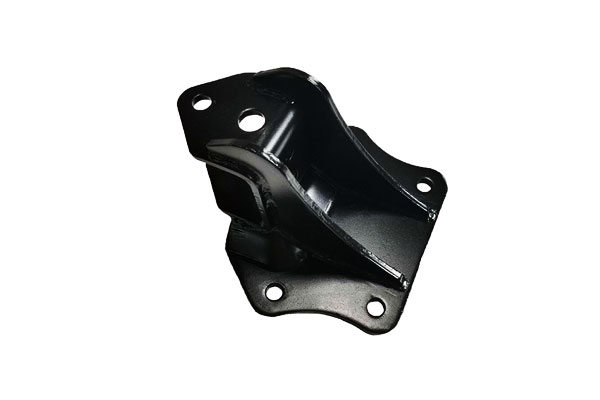
Өлшемдік дәлдік және дәлдік
Қабық құюы жеткізеді тығыз өлшемдік төзімділік, әдетте диапазонында ±0,2 - ±0,5 мм, бұл кәдімгі жасыл құмды құюға қарағанда әлдеқайда жақсы (±1,0–2,0 мм).
Дәлдіктің бұл деңгейі қайталама өңдеу қажеттілігін азайтады, әсіресе монтаждау тесіктері сияқты маңызды мүмкіндіктерде, герметикалық беттер, және күрделі жұптасушы геометриялар.
Жоғары бетті аяқтау
Қабық пішіндері а тегіс қуыс беті бұл құймаға жақсы әрлеу береді, әдетте Ra 3.2-6.3 мкм.
Бұл бетті тегістеу немесе жылтырату қажеттілігін азайтады немесе жояды, үлкен көлемдегі өндірісте еңбекті көп қажет ететін және қымбат болуы мүмкін.
Күрделі геометрия және жұқа қабырғалар
Қабықтың қаттылығы мен ұсақ құм түйіршіктеріне байланысты, процесс құюға өте қолайлы күрделі пішіндер, Жіңішке қабырғалар (2,5-4 мм дейін төмендейді), және өткір ішкі ерекшеліктері.
Қаттыдану кезіндегі өлшемдік тұрақтылық
Қатты қабық пішіні металды құю және қатаю кезінде деформацияға қарсы тұрады, деформация сияқты жалпы ақауларды азайту, ісіну, немесе қалып ауыстыру.
Процесс тиімділігі және қалдықтарды азайту
Қалып құю өте үйлесімді автоматтандыру жіне Жаппай өндіріс, әсіресе бөлшектерді өлшеу үшін ≤30–50 кг.
5. Шойын қабықшалы қалыптарды құюдың шектеулері мен қиындықтары

Өлшем және салмақ шектеулері
Қабық пішіндері әдетте бөлшектерді өлшеумен шектеледі 30-50 кг дейін салыстырмалы жұқа қабық құрылымына және қалыптың өзінің механикалық беріктігіне байланысты.
Үлкенірек немесе ауыррақ құрамдас бөліктер өңдеу немесе металды құю кезінде зеңнің зақымдану қаупін тудырады.
Бастапқы құрал-саймандардың және үлгілердің жоғары құны
Дәстүрлі құмды құюмен салыстырғанда, қабықша пішінін құю қайталанатын қыздыру циклдарына төтеп беретін дәлме-дәл өңделген металл үлгілерін қажет етеді. (200-300 ° C).
Шайырмен қапталған құм мен автоматтандырылған жабдықты пайдалану да алдын ала күрделі шығындарды арттырады.
Жылулық шектеулер және ыстық нүктенің пайда болуы
Жұқа қабықша пішіні шектеулі термиялық массаға ие, бұл біркелкі емес салқындату жылдамдығына және локализацияланған ыстық нүктелерге әкелуі мүмкін, әсіресе құйманың қалың бөліктерінде. сияқты ақауларды тудыруы мүмкін:
- Ыстық жыртылу
- Толық емес қатаю
- Ішкі кернеулердің жоғарылауы
- Әсер: Қабырғасының қалыңдығы өзгермелі күрделі бөлшектерді құюдағы қиындықтар.
- Жұмсарту: Жетілдірілген қалып дизайны, Бақыланатын салқындату, және қақпаны оңтайландыру өте маңызды.
Қабық қалыңдығын бақылау
Тым жұқа (≤3 мм) және құю кезінде қабық жарылуы мүмкін; тым қалың (≥10 мм) және салқындату баяулайды, іріңді түйіндер.
Шешім: Шайыр құрамын оңтайландыру (3-4%) және үлгіні қыздыру уақыты (60-90 секунд) бірыңғай формаға қол жеткізу 5-8 мм қабықтар.
Шектеулі пішінді қайта пайдалану мүмкіндігі
Қабық пішіндері болып табылады бір реттік және құюдан кейін бөлшектелуі керек.
Шайырмен қапталған құмды жиі қалпына келтіруге және қайта өңдеуге болады, қалып компоненттерін қайта пайдалану мүмкін емес, материалдар шығынын арттыру.
6. Қабық құюдағы материалдың мінез-құлқы

Металлургиялық ойлар
- Түйіндердің саны мен пішінін бақылау: Қалып құюдағы жылдам салқындату шойындағы түйіндердің саны мен пішініне әсер етуі мүмкін.
Жақсы қалыптасқан түйіндердің жеткілікті санын қамтамасыз ету (мақсат ету 15 - 25 Түйіндер / мм²),
егу процесін мұқият бақылау қажет. Инокулянттар, ферросилиций сияқты, графит түйіндерінің пайда болуына ықпал ету үшін балқытылған темірге қосылады.
Қабық пішінін құюда жылдамырақ салқындату жылдамдығын есепке алу үшін егу мөлшері мен уақытын оңтайландыру қажет.. - Карбидтің пайда болуын болдырмау: Кейбір жағдайларда, жоғары салқындату жылдамдығы созылғыш шойын матрицасында карбидтердің пайда болуына себеп болуы мүмкін.
Карбидтер материалдың икемділігін төмендететін қатты және сынғыш фазалар. Карбид түзілуін болдырмау үшін, балқытылған темірге никель сияқты легирленген элементтерді қосуға болады.
Никель салқындату кезінде аустенит фазасын тұрақтандыруға көмектеседі, карбидті жауын-шашын ықтималдығын азайту. - Тиісті егу және магний өңдеуін қамтамасыз ету: Магнийді қосу шойындағы графитті түйіндеу үшін өте маңызды.
Қалып құюда, балқытылған темірде магнийдің дұрыс мөлшерінің болуын қамтамасыз ету үшін магниймен өңдеуді мұқият бақылау қажет..
Тым аз магний толық емес түйінділікке әкелуі мүмкін, ал тым көп басқа ақауларға әкелуі мүмкін.
Сол сияқты, айыппұлдың қалыптасуына ықпал ету үшін дұрыс егу маңызды, графит түйіндерінің біркелкі таралуы.
Жұқа қабықшалардағы қату әрекеті
Жұқа қабық пішіні иілгіш шойынның қатаюына әсер етеді. Қабықтың жоғары жылу өткізгіштігі балқытылған металдың бетінен орталыққа қарай тез қатаюына әкеледі..
Бұл құйма бетінің жанында ұсақ түйіршік құрылымына әкелуі мүмкін. Қаттыдану жылдамдығы иілгіш шойындағы феррит-перлит матрицасының түзілуіне де әсер етеді..
Жылдам салқындату жылдамдығы көбірек перлиттің пайда болуына ықпал етеді, бұл материалдың беріктігін арттыруы мүмкін, бірақ оның икемділігін сәл төмендетуі мүмкін.
Жылу алмасу динамикасы және дәннің құрылымына әсері
Балқытылған шойыннан қабық пішініне жылу беру құйма дәнінің құрылымын анықтауда шешуші рөл атқарады..
Қабық пішінін құюдағы жылдам жылу алмасу балқытылған металл мен қалып арасындағы тік температура градиентіне әкеледі..
Бұл градиент құйма бетінің жанында бағаналы дәнді құрылымның пайда болуына әкеледі, онда дәндер зеңнің бетіне перпендикуляр өседі.
Беткейден қашықтық артқан сайын, астық құрылымы теңестіріледі.
Түйіршік құрылымы иілгіш шойынның механикалық қасиеттеріне айтарлықтай әсер етеді, әдетте жақсартылған беріктік пен қаттылыққа әкелетін ұсақ түйіршіктермен.
7. Шойын қабықшалы құймалардың қолданылуы
Соғымды шойыннан жасалған пішінді құймалар пластикалық шойынның жоғары механикалық қасиеттерін өлшемдік дәлдікпен және қабықша қалып технологиясының беткі қабатымен біріктіреді..
Бұл синергия оларды қатаң төзімділікті қажет ететін қолданбалар үшін тамаша етеді, күрделі геометриялар,
және механикалық кернеу немесе термиялық цикл кезінде жоғары өнімділік.

Автомобиль өнеркәсібі
- Жақшалар & Таулар: Суспензия кронштейндері, рульдік ілгектер, және генератор қондырғылары күшті қажет етеді,
Шаршауға төзімділік, және дәлдік — иілгіш темір қабықша құймалары арқылы берілетін сапалар. - Берілу & Поезд корпустары: Күрделі геометриялық және ішкі өткелдері бар құймалар қабықша қалыптарының тамаша бетінің әрлеуі мен өлшемдік дәлдігінің пайдасын көреді..
- Шығарылған жіптер (жоғары никельді созылғыш темірде): Турбокомпрессорлы қозғалтқыш жүйелерінде 600°C дейінгі термиялық циклге төтеп береді.
Артықшылықтары: Желіге жақын дизайн арқылы жеңілдеу, қысқартылған кейінгі өңдеу, және дәл рұқсаттардың арқасында отын тиімділігі жақсарды.
Гидравликалық және сұйық қуат жүйелері
- Клапанның денелері & Корпустар: Жоғары қысымды орталарда сұйықтық ағынын бақылау үшін өте маңызды (E.Г., 3000+ psi гидравликалық жүйелер).
- Сорғы компоненттері: Доңғалақтар, айналдыру, және тісті сорғы корпустары тамаша ішкі бетінің әрлеуі мен өлшемді қайталану мүмкіндігін пайдаланады.
Артықшылықтары: Ағызбайтын қондырғы, тегіс ағын жолдары, жоғары қысымға төзімділік, және құйма кеуектілігі азайтылды.
Өнеркәсіптік және ауылшаруашылық машиналары
- Тозатын бөлшектер & Лайнерлер: Тозуға төзімді шойын сорттары бар қабықша құймалары топырақ өңдеу сияқты абразивті ортада қолданылады., тау-кен ісі, және құрылыс.
- Дәлдік беріліс бланкілері & Шкивтер: Айналу тұрақтылығы үшін концентрлік пен тепе-теңдікті талап етеді — қабықшаның қалыпқа төзімділігімен қол жеткізіледі (әдетте ±0,3 мм немесе жақсырақ).
Артықшылықтары: Ұзақ қызмет ету мерзімі, дәйекті геометрия, және жоғары жүктемеге жарамдылық, жоғары тозу жағдайлары.
Электр және энергетикалық жабдық
- Қөзғалтқыш & Генератор корпустары: Екі электромагниттік үйлесімділікті де талап етеді (EMC экрандау) және механикалық беріктік.
- Коммутаторлардың жақтаулары & Шина тіректері: Күрделі құрамдас бөліктер қайта өңдеуді минималды қажет етеді.
Артықшылықтары: Ұшқын шығармайтын, термиялық тұрақты, және коррозияға төзімді (сәйкес жабындармен немесе қорытпа нұсқаларымен).
8. Шойын қабықшалы қалыптарды құю сапасын бақылау және сынау
Бұзбайтын тестілеу (NDT)
- Рентгенографиялық тестілеу: Бұл әдіс құймаға еніп, кеуектілік сияқты ішкі ақауларды анықтау үшін рентген немесе гамма сәулелерін пайдаланады., жарықтар, немесе қосындылар.
Рентгенограмманы талдау арқылы, құймадағы кез келген кемшіліктерді анықтауға және бағалауға болады. - Ультрадыбыстық тестілеу: Ультрадыбыстық толқындар құйма арқылы беріледі, және ақауларды анықтау үшін шағылыстар талданады.
Бұл әдіс әсіресе құйманың қалың бөліктеріндегі ішкі кемшіліктерді анықтау үшін пайдалы. - Бояғыштарды тестілеу: Құйма бетіне түрлі-түсті бояу жағылады. Кез келген бетті сындыратын ақаулар болса, бояу жарықтарға сіңіп кетеді.
Артық бояуды алып тастағаннан кейін, ақаулардың болуы жарықтарда қалған бояумен анықталады.
Өлшемді тексеру
- Координаталық өлшеу машиналары (См): CMM-тер құйма өлшемдерін дәл өлшеу үшін қолданылады.
Өлшенген өлшемдерді жобалық сипаттамалармен салыстыру арқылы, кез келген ауытқуларды анықтауға болады.
CMM ±0,01 мм диапазонында дәлдікке қол жеткізе алады, құймалардың көптеген қолданбаларда талап етілетін қатаң рұқсаттарға сай болуын қамтамасыз ету. - Оптикалық сканерлеу: Бұл әдіс құйманың 3D үлгісін жасау үшін лазерлерді немесе құрылымдық жарықты пайдаланады.
Содан кейін кез келген өлшемді ауытқуларды анықтау үшін 3D үлгісін бөліктің CAD үлгісімен салыстыруға болады. Оптикалық сканерлеу күрделі геометрияларды тексерудің жылдам және тиімді әдісі болып табылады.
Металлургиялық талдау
- Микроқұрылымды тексеру: Микроқұрылымды ашу үшін құйма үлгілері жылтыратылады және оюланады.
Микроқұрылымды микроскоппен қарау арқылы, түйіндердің саны, түйін пішіні, және матрицадағы феррит пен перлиттің үлесін анықтауға болады.
Бұл ақпарат иілгіш шойынның сапасын және оның қажетті стандарттарға сәйкестігін бағалауға көмектеседі. - Қаттылық тестілеу: Қаттылық сынақтары, Бринелл сияқты, Роквелл, немесе Викерс сынақтары, құйманың қаттылығын өлшеу үшін қолданылады.
Қаттылық материалдың механикалық қасиеттеріне байланысты, және күтілетін қаттылық мәндерінен ауытқулар дұрыс емес термиялық өңдеу немесе қорытпаның дұрыс емес құрамы сияқты мәселелерді көрсетуі мүмкін.. - Созылу сынақтары: Созылу үлгілері құймадан өңделеді және созылу беріктігін анықтау үшін сыналады, бергі күш, және материалдың ұзаруы.
Бұл механикалық қасиеттер құйманың оны қолдану кезінде жоспарланған жүктемелерге төтеп беруін қамтамасыз ету үшін өте маңызды..
Құю ақауларының алдын алу және жою стратегиялары
Құю ақауларының алдын алу үшін, процесс параметрлерін қатаң бақылау маңызды. Бұл қабықтың пайда болуы кезінде температураны мұқият бақылауды қамтиды, құю, және салқындату.
Шайырмен қапталған құмның және құюға қолданылатын металдың сапасын да мұқият бақылау қажет.
Егер ақаулар анықталса, қайта балқыту және қайта құю сияқты стратегиялар, немесе дәнекерлеу сияқты әдістерді қолдана отырып, жергілікті жөндеу жұмыстарын орындау, жұмысқа орналасуы мүмкін.
Дегенмен, Құймалардың жоғары сапасын қамтамасыз ету үшін жөндеуден гөрі алдын алу әрқашан жақсырақ.
9. Shell Mold қарсы. Кастингтің басқа әдістері (созылғыш темірге арналған)
| Аспект | Қабықшаны құю | Жасыл құмды құю | Инвестициялық құю |
| Өлшемді дәлдік | ★★★★☆ (± 0,3-0,5 мм) | ★★☆☆☆ (±1,0–2,5 мм) | ★★★★☆ (± 0,3-0,8 мм) |
| Бетті аяқтау (Ра мкм) | 3.2 - 6.3 | 6.3 - 25 | 1.6 - 6.3 |
| Құюдың күрделілігі | ★★★★☆ – Күрделі мүмкіндіктерді қолдайды, Жіңішке қабырғалар | ★★☆☆☆ – Қалып күшімен шектелген | ★★★★☆ – Өте күрделі бөлшектер болуы мүмкін |
| Құралдардың құны | Амал | Аласа | Биік |
| Өндіріс көлеміне жарамдылығы | Ортадан жоғарыға дейін | Төменнен жоғарыға дейін | Төменнен орташа |
| Салмақ диапазоны | 0.1 - 30 кг | 0.1 - >5000 кг | < 10 кг |
| Материалдық тиімділік | Жақсы – Аз қалдық, жіңішке бөліктерге қол жеткізуге болады | Орташа – Үлкенірек ысырма/көтергіш жүйелер қажет | Әділ – Балауызды жоғалту және материалды жоғары пайдалану |
| Механикалық қасиеттері (ас-шоу) | Өте жақсы – жұқа микроқұрылым, Төмен кеуектілік | Жақсы – Құрылым дөрекі, айнымалы сапа | Өте жақсы – қорытпалармен теңестіруге болады |
| Салқындату жылдамдығы / Микроқұрылым | Жылдам – майда дәндер, түйін пішінін жақсырақ бақылау | Баяу – ірі түйіршіктер, аз біркелкі түйінділік | Орташа – бақыланатын қатаю |
| Өңдеуден кейінгі қажеттіліктер | Минималды – Тығыз төзімділік өңдеуді азайтады | Кең ауқымды – үлкен жәрдемақы қажет | Орташа – Жиі аяқтауды қажет етеді |
| Жалпы қосымшалар | Дәлдік корпустар, Сорғы денелері, Гидравликалық бөліктер | Қозғалтқыш блоктары, Үлкен жақтаулар, муниципалды кастингтер | Аэроғарыш, медициналық, егжей-тегжейлі дәлдіктегі бөлшектер |
10. Иілгіш темір қабықшалы қалыптарды құю үшін ең үлкен бөлшек өлшемі қандай??
Та бөліктің максималды өлшемі -ге иілгіш темір қабықшалы қалып құю әдетте байланысты құю зауытының мүмкіндіктері, бірақ жалпы:
- Салмақ диапазоны: Дейін 20-30 кг (44–66 фунт) қабықшаларды қалыптау үшін кең таралған.
- Өлшемдер: Бөлшектер әдетте олармен шектеледі шағын және орташа өлшемдер, әдетте бірге айналасындағы максималды өлшемдер 500 мм (20 дюйм) жағына, кейбір құю зауыттары сәл үлкенірек бөлшектерді өңдей алады.
- Қабырғасының қалыңдығы: Қабықпен қалыптау бөлшектерді өндіруде жақсы жұқа қабырғалар және ұсақ бөлшектер, әдетте 2.5 мм дейін 6 мм семіз.
Неліктен бұл шектеу?
Қабық пішінін құюды қолдану шайырмен қапталған құм қалыптары олар қыздырылған металл өрнектерге пісіріледі.
Бұл процесс жоғары өлшемдік дәлдік пен бетті әрлеуді ұсынады, бірақ балқытылған шойынның үлкен көлемін өңдеуде шектеулерге байланысты:
- Қалыптың беріктігі: Жұқа қабықшалы қалыптар өте үлкен құймалардың салмағынан жарылып немесе деформациялануы мүмкін.
- Термиялық кернеу: Үлкен бөліктер көбірек жылу шығарады, ыстық көз жасы немесе қосындылар сияқты ақаулардың қаупін арттырады.
- Өңдеу & логистиканы құю: Қабық пішіні жабдықтары кішірек құрамдас бөліктерге оңтайландырылған.
11. Қорытынды
Иілгіш темір қабықша құю дәлдік пен беріктік арасындағы алшақтықты өтейді.
Ол жоғары дәлдік пен тұрақты сапаны қажет ететін геометриялық күрделі құрамдастардың орташа және жоғары көлемдегі өндірісі үшін өте қолайлы..
Құрал құны жоғары болғанымен, өңдеудегі ұзақ мерзімді үнемдеу, материалды пайдалану, және сапаны қамтамасыз ету оны дұрыс контексттерде үнемді шешімге айналдырады.
Бұл антилондық темір құю бойынша қызметтер ұсынады
-Та Осы, Біз жоғары сапалы киюге арналған темір құймаларын, құю технологияларының жетілдірілген технологияларының толық спектрін қолдана отырып, мамандандырамыз.
Сіздің жобаңыз икемділікті талап ете ме Жасыл құмды құю, дәлдік қабық немесе Инвестициялық құю, Күш пен дәйектілік металл көлі (тұрақты көгеру) кастинг, немесе тығыздық пен тазалық центрифугал жіне Жоғалған көбік құю,
Осы Инженерлік сараптама және өндірістік қуаттылығы сіздің нақты сипаттамаларыңызға сәйкес келеді.
Біздің мекеме прототиптің дамуынан барлық нәрсені жоғары көлемді өндіріске дейін шешуге арналған, қатаң қолдау көрсетеді Сапаны бақылау, материалдық бақылау, жіне Металлургиялық талдау.
-Ден Автомобиль және энергетикалық секторлар қарай Инфрақұрылым және ауыр машиналар,
Осы Металлургиялық шеберлікті біріктіретін арнайы кастинг шешімдерін береді, өлшемді дәлдік, және ұзақ мерзімді қойылым.
ЖҚС
Қабық пішінін құю иілгіш шойын компоненттерінің құнына қалай әсер етеді?
Қабық пішінін құюда құрал-сайманға арналған бастапқы шығындар жоғары болады ($5,000– 20 000) құм құюға қарағанда, бірақ бетінің жақсы әрлеуі мен төзімділіктің арқасында өңдеу шығындарын 50-70% төмендетеді.
Томдар үшін >10,000 бөліктер, жалпы өмірлік цикл құны әдетте құм құюға қарағанда 10-15% төмен.
Қалыптан жасалған шойынды термиялық өңдеуге болады ма??
Иә. Жалпы термиялық өңдеулерге жасыту кіреді (600-650 ° C) жақсартылған икемділік пен аустемперация үшін (320–380°C) жоғары беріктігі бар ADI өндіру үшін (Темірбелі үтік) созылмалы күштермен 1,200 МПа.
Қабықшалы құйма құймаларындағы суық жабылулардың себебі неде, және олардың алдын алу жолдары?
Суық бітелу балқытылған металдың бөлек ағындармен ағып, балқымай қалуы кезінде пайда болады, Көбінесе құю температурасының төмендігінен немесе қақпақтың жеткіліксіз болуына байланысты.
Алдын алу 1320–1380°C құю температурасын ұстап тұруды және ең аз турбуленттілікпен қақпа жүйелерін жобалауды қамтиды. (жылдамдығы <1.5 Ханым).
Коррозияға төзімді шойын бөлшектері үшін қабықша құю жарамды ма??
Иә, бірақ коррозияға төзімділігі қорытпаға байланысты, құю әдісі емес.
Шойынға 1–3% никель қосу тұщы судағы коррозияға төзімділікті жақсартады, жабу кезінде (E.Г., эпоксий) теңіз ортасы үшін қажет.
Қабық пішінін құю иілгіш шойын компоненттерінің шаршау мерзіміне қалай әсер етеді?
Қабық пішіндерінде жылдам салқындату графит түйіндерін тазартады (5–10 мкм) және кеуектілікті азайтады, құм құюмен салыстырғанда шаршау беріктігін 10-15%-ға арттыру.
Қалып құйылған бөлшектер әдетте 10⁷ циклде 250–350 МПа шаршау күшіне жетеді., беріліс сияқты динамикалық қолданбаларға жарамды.