
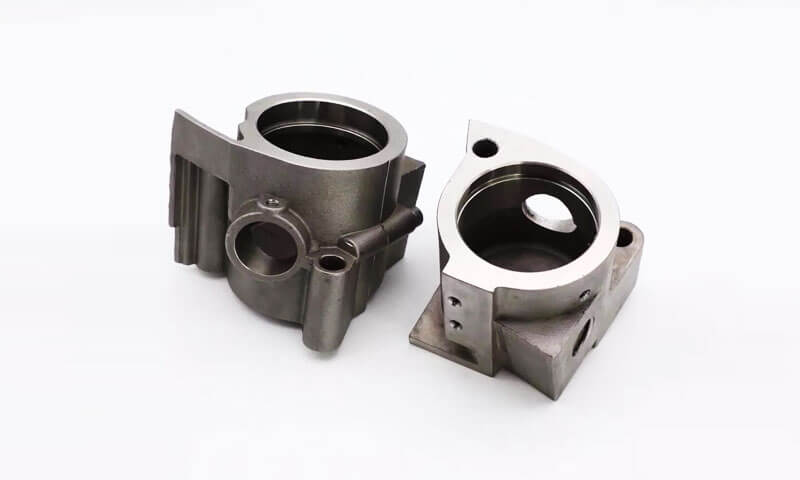
Тоқыма машиналары күрделі жағдайларда жұмыс істейді. Құрамдас бөліктер үздіксіз кері қозғалысқа ұшырауы мүмкін, жоғары айналу жылдамдығы, діріл, қажалу, қайталанатын жүктеу, шаң, талшықтар, майлау материалдары, және жиі өндірістік циклдар.
Тіпті салыстырмалы түрде кішкентай механикалық құрамдас бөлік машина дәлдігіне айтарлықтай әсер етуі мүмкін, жұмыс тұрақтылығы, және өндіріс тиімділігі.
Түпнұсқа құрамдас қолжетімсіз болғанда, қызмет ету мерзімінің соңына жетеді, немесе жаңа машина дизайны үшін өзгертуді қажет етеді, стандартты ауыстыру бөлігі әрқашан жеткіліксіз.
Тоқыма жабдықтарын өндірушілер, техникалық қызмет көрсету компаниялары, және машина интеграторлары жиі талап етеді тапсырыс бойынша тоқыма машиналарының қосалқы бөлшектері арнайы сызбалар бойынша дайындалады, үлгілер, материалдар, төзімділік, және өнімділікке қойылатын талаптар.
Күрделі металл компоненттері үшін, Біріктіру дәлдікпен құю және CNC өңдеу геометриялық күрделілікті теңестірудің тиімді әдісін ұсынады, өлшемді дәлдік, Материалдық көрсеткіштер, және өндіріс құны.
Бұл біріктірілген тәсіл әсіресе жақшалар сияқты құрамдас бөліктерге қолайлы, корпустар, ұстаушылар, подшипник тіректер, Машиналар базалары, кірлер, тұтқалар, жақтаулар, және басқа да тапсырыс бойынша тоқыма машиналарының құрамдас бөліктері.
1. Тоқыма машиналарының қосалқы бөлшектері дегеніміз не?
Тоқыма машиналарының қосалқы бөлшектері дәлме-дәл әзірленген бөлшектер болып табылады тозған ауыстырыңыз, зақымдалған, ескірген, немесе тоқыма өндірісі жабдықтарында қайта жобаланған бөлшектер.
Олар машина өнімділігін сақтау үшін өте маңызды, өндірістің үздіксіздігі, өлшемді дәлдік, және ұзақ мерзімді пайдалану сенімділігі.
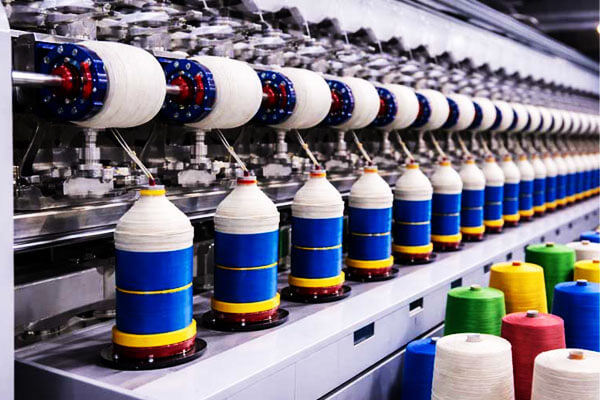
Жалпы өнеркәсіптік компоненттерден айырмашылығы, тоқыма машиналарының қосалқы бөлшектері тоқыма жабдығының нақты механикалық жүйелері мен жұмыс жағдайлары төңірегінде жасалған.
Қолдануға байланысты, олар үздіксіз кері қозғалысқа ұшырауы мүмкін, жоғары жылдамдықты айналу, діріл, қажалу, әсер, қайталанатын жүктеу, тоқыма талшықтары, шаң, майлау материалдары, және температураның ауытқуы.
Тіпті салыстырмалы түрде шағын құрамдас бөліктің өзі машинаны синхрондауға тікелей әсер етуі мүмкін, мата сапасы, Өндірістік тиімділік, және жабдықтың қызмет ету мерзімі.
Осы себеппен, тоқыма машиналарының қосалқы бөлігі жай ғана ауыстырылатын металл құрамдас бөлігі емес.
Ол қайта шығаруы керек сыни өлшемдер, механикалық интерфейстер, material characteristics, және функционалдық геометрия бастапқы машина талап етеді.
Тоқыма машиналарының қосалқы бөлшектері қандай функцияларды орындайды?
Тоқыма машиналары өзара байланысты көптеген механикалық жүйелерден тұрады, және әрбір қосалқы бөлшек жалпы машинаның ішінде белгілі бір функцияны орындайды.
Кейбір құрамдас бөліктер құрылымдық қолдауды қамтамасыз етеді, басқалары қозғалысты жібереді, теңестіруді сақтау, бағыттаушы жіп немесе мата, немесе қайталанатын механикалық қозғалыстарды басқару.
Жалпы функцияларға жатады:
- Құрылымдық қолдау: Машиналар базалары, жақшалар, жақтаулар, орнату тақталары, және тірек компоненттері қаттылықты қамтамасыз етеді және механикалық жинақтардың орнын сақтайды.
- Айналмалы қолдау: Мойынтіректер, тірек орындықтар, және қатысты құрамдас бөліктер біліктерді қолдайды және дәл айналу туралануын сақтайды.
- Қуатты беру: Редукторлар, кірлер, тұтқалар, біліктер, шөлдер, және қосылатын компоненттер механикалық қозғалысты тасымалдайды немесе түрлендіреді.
- Материалдық нұсқаулық: Роликтер, бағыттаушылар, қысқыш аяқтары, ұстаушылар, және ұқсас компоненттер иірілген жіптің қозғалысын басқарады, жіп, немесе мата.
- Қозғалысты басқару: Камералар, Рокерлік қару, байланыстар, және басқа механикалық компоненттер қайталанатын қозғалыстарды үйлестіреді.
- Қорғау және қоршау: Корпустар, қамтиды, соңғы тақталар, және қорғаныс құрылымдары ішкі механизмдерді ластанудан және механикалық зақымданудан қорғайды.
- Орналастыру және құрастыру: Бекіткіш жақшалар, құрамдас бөліктерін анықтау, қолдау, және негіздер дәл орнатуды және туралауды қамтамасыз етеді.
Өйткені бұл функциялар айтарлықтай ерекшеленеді, тоқыма машиналарының қосалқы бөлшектері салыстырмалы түрде шағын дәлдіктегі компоненттерден үлкен құрылымдық құймаларға дейін болуы мүмкін.
Тоқыма машиналарының қосалқы бөлшектерінің жалпы түрлері
Қажетті арнайы компоненттер түріне байланысты, үлгі, және тоқыма жабдықтарының механикалық конфигурациясы.
| Тоқыма машиналары | Әдеттегі қосалқы бөлшектер |
| Өнеркәсіптік тігін машиналары | Қысқыш аяқ, табан ұстағыштары, жақшалар, тұтқалар, бағыттаушылар, қолдау, корпустар |
| Иіру машиналары | Шпиндель тіректері, Мойынтіректер, жақшалар, Жетек компоненттері, Машиналар базалары |
| Тоқу машиналары | Камералар, Рокерлік қару, Мойынтіректер, жақшалар, бағыттаушы компоненттер, қолдау |
| Тоқу машиналары | Корпустар, жақшалар, бағыттаушылар, монтаждау компоненттері, механикалық байланыстар |
Орам машиналары |
Роликтер, подшипник тіректер, жақшалар, біліктер, корпустар |
| Кесетін машиналар | Бағыттаушы компоненттер, роликтер, қолдау, монтаждау кронштейндері, Жетек компоненттері |
| Бояу машиналары | Біліктер, корпустар, жақшалар, қамтиды, қолдау, монтаждау компоненттері |
| Тоқыма өңдеу машиналары | Кернеу роликтері, роликті тіректер, Мойынтіректер, жақтаулар, жақшалар |
Осы компоненттердің арасында, Мойынтіректер, жақшалар, Машиналар базалары, корпустар, қолдау, кірлер, ұстаушылар, және құрылымдық компоненттер олар CNC өңдеуден кейін арнайы құюға өте қолайлы, өйткені олар жиі күрделі геометрияларды дәл өңделген функционалды беттермен біріктіреді..
2. Тапсырыс беруші тоқыма машиналарының қосалқы бөлшектеріне арналған материалдар
Материалды таңдау сенімді тоқыма машиналарының қосалқы бөлшектерін жобалау мен өндірудің негізгі бөлігі болып табылады.
Тоқыма жабдықтары жиі жоғары жылдамдықпен үздіксіз жұмыс істейді, үйкеліске ұшыраған компоненттермен, діріл, Циклдік жүктеме, әсер, дымқыл, Химиялық заттар, және талшықтардың ластануы.
Сондықтан, материалды сәйкес таңдау керек компоненттің нақты жұмыс жағдайлары мен функционалдық талаптары, тек құнына немесе номиналды күшіне негізделген емес.

Арнайы тоқыма машиналарының қосалқы бөлшектері үшін, Осы құрамдас геометрия бойынша әртүрлі инженерлік материалдарды бағалай алады, құю талаптары, өңдеуге қойылатын талаптар, жүктеме жағдайлары, тозу механизмдері, коррозияға ұшырау, және күтілетін қызмет мерзімі.
| Материал | Негізгі қасиеттері | Типтік қосымшалар |
| Тот баспайтын болат (304, 316, 316Өшпін) | Тамаша коррозияға төзімділік; Жақсы күш. | Роликтер, бағыттаушылар, сорғылар, клапандар, бояу машиналары. |
| Тот баспайтын болат (17-4Р) | Жоғары беріктігі; термиялық өңдеуге жарамды; Жақсы коррозияға төзімділік. | Жоғары жүктемелі компоненттер, берікек, біліктер. |
| Көміртекті болат (Айси 1045, 4140) | Жақсы күш; шыңдалатын. | Берікек, біліктер, финдзадалар, Құрылымдық бөліктер. |
| Легірленген болат (4140, 4340) | Жоғары беріктігі; Тамаша қаттылық; шыңдалатын. | Ауыр берілістер, біліктер, камераның жазылушылары. |
| Құрал болат (Д2, O1, S7) | Жоғары қаттылық; тозуға төзімді. | Кесетін құралдар, өледі, қалыптастыру құралдары. |
Қола (C90500, C93200) |
Жақсы тозуға төзімділік; төмен үйкеліс; Коррозияға төзімді. | Бұталар, бағдарлау, бағыттаушылар. |
| Жез (C36000, C26000) | Жақсы техникалар; Коррозияға төзімді. | Арматура, клапандар, шағын аппараттық құрал. |
| Шойын (Сұр, Ішкі киімдер) | Жақсы демпферлік сыйымдылық; тозуға төзімді. | Машиналар базалары, корпустар, үлкен беріліс. |
| Алюминий (6061-Т6) | Жайғақ; Жақсы техникалар. | Жеңіл компоненттер, корпустар. |
| Инженерлік пластмассалар (Іліппе-бет, Налон, Ptfe) | Төмен үйкеліс; Химиялық тұрақтылық; Жайғақ. | Бағдарлау, тығыздағыштар, бағыттаушылар, металл емес компоненттер. |
3. Тоқыма машиналарының қосалқы бөлшектеріне арналған дәл құю
Дәл құю күрделі геометрияны біріктіретін тоқыма машиналарының қосалқы бөлшектерін өндірудің маңызды жолы болып табылады., материалдық талаптарды талап етеді, және салыстырмалы түрде тығыз өлшемдік сипаттамалар.
Дәл құю технологияларының арасында, Инвестициялық құю өте құнды, өйткені ол күрделі геометрияларды салыстырмалы түрде аз өңдеуге рұқсат бере алады, сонымен бірге инженерлік қорытпалардың кең спектрін орналастырады..
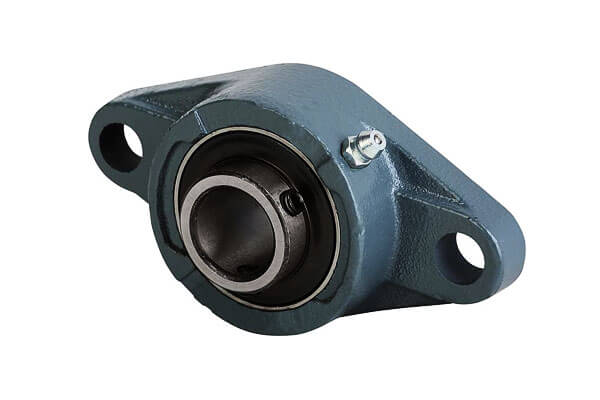
Неліктен дәл құю тоқыма машиналарының құрамдас бөліктері үшін өте қолайлы?
Инвестициялық құю арасындағы тиімді тепе-теңдікті ұсынады геометриялық еркіндік, Материалдық икемділік, өлшемді бақылау, және өндіріс тиімділігі.
| Басымдық | Тоқыма машиналары үшін инженерлік маңызы |
| Күрделі геометриялар | Күрделі контурларды қосады, қабырғалар, бастықтар, ойықтар, Жіңішке бөлімдер, және желіге жақын пішін ретінде шығарылатын таңдалған ішкі өтулер. |
| Желіге жақын өндіріс | Кейінгі CNC өңдеу кезінде алынған материалдың мөлшерін азайтады, әсіресе күрделі немесе тұрақты емес компоненттер үшін. |
| Жақсы бет сапасы | Инвестициялық құю салыстырмалы түрде тегіс құйылған беттерді қамтамасыз ете алады, өңдеу талаптарын азайту және дәл өңдеу үшін жақсы негізді қамтамасыз ету. |
Өлшемді дәлдік |
Дұрыс жобаланған инвестициялық құю процестері көптеген әдеттегі құм құю процестеріне қарағанда қатаң өлшемді бақылауға қол жеткізе алады, дегенмен нақты төзімділік қорытпаға байланысты, геометрия, Құралдар, және технологиялық бақылау. |
| Кең қорытпаның үйлесімділігі | Көптеген тот баспайтын болаттар үшін қолайлы, көміртекті және легирленген болаттар, Құрал болаттар, және мыс негізіндегі қорытпалар, таңдалған процеске және құю мүмкіндігіне байланысты. |
| Материалдық қалдықтарды азайту | Желіге жақын пішінді өндіріс дайындамаларды немесе штангалардан күрделі бөлшектерді өңдеумен салыстырғанда өңдеу қорын және шикізатты тұтынуды айтарлықтай азайтады.. |
Біріктірілген функционалдық мүмкіндіктер |
Бастықтар сияқты мүмкіндіктер, монтаждау құлақшалары, күшейтетін қабырғалар, және күрделі сыртқы профильдер көбінесе құймаға тікелей қосылуы мүмкін. |
| Өндірістік икемділік | Прототиптер үшін әсіресе тартымды, ауыстыру компоненттері, және арнайы жоғары көлемді құралдар ақталмаған шағын және орта өндірістер. |
| CNC өңдеу үшін жақсы негіз | Механикалық өңдеуге арналған рұқсаттарды мойынтіректерге стратегиялық орналастыруға болады, бұрғылар, монтаждау беттері, Жіптер, және басқа да маңызды функционалдық беттер. |
ажырата білу маңызды соңғы бөлікке кепілдік берілген төзімділіктен дәл құю мүмкіндігі. Инвестициялық құю тамаша өлшемдік үйлесімділікті қамтамасыз ете алады,
бірақ нақты нәтижеге балауыз үлгісінің дәлдігі әсер етеді, керамикалық қабықтың мінез-құлқы, қорытпаның шөгуі, Жылу градиенттері, Кастинг геометриясы, Термиялық өңдеу, және одан кейінгі өңдеу.
Сондықтан сыни өлшемдерге әдетте басқарылатын құюға арналған рұқсаттар мен CNC өңдеудің комбинациясы арқылы қол жеткізу керек..
Неліктен тоқыма машиналары үшін жақын пішінді құю маңызды?
Тоқыма машинасының құрамдас бөлігі салыстырмалы түрде үлкен көлемге ие болуы мүмкін, бірақ нақты өңдеуді қажет ететін беттердің аз ғана саны болуы мүмкін..
Бүкіл құрамдас бөлікті қатты дайындамадан өңдеу сондықтан тиімсіз болуы мүмкін.
Мысалы, бірнеше арматуралық қабырғалары бар теңшелген корпусты қарастырыңыз, монтаждау бастықтары, қисық сыртқы беттер, және бірнеше дәлдіктегі тесіктер.
Тұтас блоктан толық геометрияны алу материалды алып тастауды және ұзақ өңдеу циклдерін қажет етеді..
Инвестициялық құю өндіріс стратегиясын өзгертеді:
Шикізат қорытпасы → Жақын пішінді құю → Термиялық өңдеу → Критикалық аймақтарды CNC өңдеу → Дайын компонент
Бұл өңдеу уақытын қысқартуы мүмкін, құралдың тозуы, материалды тұтыну, және өндірістің күрделілігі.
Құрамдас бөлік күрделі үш өлшемді профильге ие болғанда немесе өндіріс бірнеше партияда қайталанса, артықшылық маңыздырақ болады..
Тоқыма машиналарының қосалқы бөлшектеріне арналған инвестициялық құю процесі
Инвестициялық құю процесі жоғары дәлдіктегі үлгіні жасаудан басталып, дайын құйманы тексерумен аяқталады..
Әрбір кезең соңғы компоненттің өлшемдік және металлургиялық сапасына әсер етеді.
| Платформа | Өңдеу | Негізгі инженерлік есеп |
| 1 | Үлгі өндірісі | Балауыз немесе полимер үлгісі құрамдас геометрияға сәйкес дәл аспаптарды қолдану арқылы шығарылады. |
| 2 | Негізгі дайындау және құрастыру | Ішкі қуыстар немесе өтулер қажет болған жерлерде керамикалық немесе еритін өзектер енгізілуі мүмкін. |
| 3 | Ағаш құрастыру | Жеке үлгілер құйма ағашын қалыптастыру үшін жүгіргіш пен қақпа жүйесіне бекітіледі. |
| 4 | Керамикалық қабықтың құрылысы | Қайталанатын суспензия жабыны және сылақ жағу үлгінің айналасында отқа төзімді қабық жасайды. |
5 |
Дезавакс | Балауыз жойылады, керамикалық қабықтың ішіндегі компоненттің теріс қуысын қалдыру. |
| 6 | Қабық | Қабық беріктігін дамыту және қалдық үлгі материалын жою үшін қыздырылады. |
| 7 | Қорытпаны балқыту | Таңдалған қорытпа бақыланатын металлургиялық жағдайларда балқытылады. |
| 8 | Құю | Балқытылған металл алдын ала қыздырылған керамикалық қабықшаға бақыланатын құю жағдайында енгізіледі. |
9 |
Қаттыдану және салқындату | Бақыланатын қатаю ақауларды азайтуға және өлшем тұрақтылығын сақтауға көмектеседі. |
| 10 | Нокаут | Керамикалық қабық салқындағаннан кейін жойылады. |
| 11 | Кесу және аяқтау | Қақпалар мен жүгірушілер жойылады; беттер ұнтақталған немесе жарылған болуы мүмкін. |
| 12 | Термиялық өңдеу | Құйма қажетті механикалық және металлургиялық қасиеттерді алу үшін көрсетілген термиялық өңдеуді алады. |
| 13 | Тексеру | Шамдық, көрнекі, металлургиялық, және бұзылмайтын тексерулер талапқа сай жүргізіледі. |
Нақты температуралар, қабық құрылымы, құю шарттары, және термиялық өңдеу циклдері болып табылады қорытпа- және геометрияға тәуелді.
Сондықтан олар әр жобаға бір әмбебап температура диапазонын қолданбай, нақты материал спецификациясына сәйкес орнатылуы керек.
4. Тоқыма машиналарының компоненттеріне арналған CNC өңдеу
Дәл құю негізгі геометрияны қамтамасыз етеді, CNC өңдеу функционалдық беттер мен интерфейстер үшін қажетті дәлдікті белгілейді.
Тоқыма машиналарында жиі айналмалы білік болады, бағдарлау, роликтер, берікек, бағыттаушылар, корпустар, муфталар, және басқарылатын саңылаулармен және туралаумен жұмыс істеуге тиіс басқа компоненттер.
Тіпті салыстырмалы түрде шағын өлшемді ауытқулар дірілге әсер етуі мүмкін, қажалу, өмір сүру, жіптерді өңдеу, немесе машинаның тұрақтылығы.
Сондықтан CNC өңдеу өндіріс процесінің маңызды дәлдік өңдеу кезеңі ретінде қызмет етеді.

Неліктен CNC өңдеу маңызды?
Қазіргі заманғы CNC өңдеу күрделі құрамдас геометриялар бойынша жоғары қайталану мен бақыланатын өлшемдік дәлдікті қамтамасыз етеді.
| CNC өңдеудің артықшылығы | Тоқыма машиналары үшін маңызы |
| Жоғары өлшемді дәлдік | Критикалық тесіктерді қосады, біліктер, тірек орындықтар, және белгіленген рұқсаттарды қанағаттандыру үшін орнату интерфейстері. |
| Тамаша қайталану мүмкіндігі | Өндіріс топтамалары мен ауыстырылатын бөлік бағдарламалары бойынша дәйекті өлшемдерді сақтауға көмектеседі. |
| Бақыланатын бетті өңдеу | Тиісті өңдеу үйкелісті азайтады, тығыздауды жақсарту, және сезімтал жанасу беттерін қорғаңыз. |
| Күрделі геометрия мүмкіндігі | Көп осьті өңдеу үш өлшемді контурларды жасай алады, Бұрышты беттер, бұтақтар, қалталар, және құрама ерекшеліктері. |
Материалдық икемділік |
CNC жабдықтары болаттардың кең ауқымын өңдей алады, Тот баспайтын болаттар, Шойын үтіктеу, алюминий қорытпалары, мыс қорытпалары, және инженерлік пластмассалар. |
| Тиімді теңшеу | CNC бағдарламаларын әртүрлі өлшемдер мен конфигурациялар үшін өндіріс процесін толығымен қайта жасамай өзгертуге болады.. |
| Прототиптің жарамдылығы | CNC өңдеу жылдам дамуды және үлкенірек өндірістер алдында өлшемді тексеруді қолдай алады. |
| Кастингпен интеграция | Желіге жақын пішінді құймаларды функционалды түрде дәлдік қажет болған жағдайда ғана өңдеуге болады. |
Нақты қол жеткізуге болатын төзімділік станокпен анықталады, кесу құралы, жұмыс істеу, материалдық жағдайы, құрамдас геометрия, Жылу тұрақтылығы, өлшеу жүйесі, және сызбаға қойылатын талаптар.
Сондықтан, ±0,005 мм сияқты мәндерді қарастыру керек әмбебап кепілдіктерден гөрі жобаға тән мүмкіндіктер.
Тоқыма машиналарының құрамдас бөліктеріне арналған жалпы CNC өңдеу операциялары
Әртүрлі тоқыма машиналарының құрамдас бөліктері геометриясына байланысты әртүрлі CNC процестерін қажет етеді, өлшемді төзімділіктер, бетті өңдеуге қойылатын талаптар, және функционалды интерфейстер.
| CNC өңдеу процесі | Негізгі өңделген мүмкіндіктер | Сапаға қойылатын негізгі талаптар | Типтік мүмкіндік / Қарау |
| CNC бұру | Сыртқы диаметрлер, ішкі тесіктер, иықтар, ойықтар, Тасымалдар, Жіптер, соңғы беттер | Диаметрге төзімділік, концентрлік, цилиндрлік, жүгіріп шығу, Беттің кедір-бұдырлығы | Әдетте жоғары дәлдіктегі цилиндрлік функциялар үшін қолайлы; соңғы төзімділік машинаға байланысты, материал, геометрия, Құралдар, және тексеру |
| CNC фрезерлері | Тегіс беттер, қалталар, бұтақтар, қабырғалар, контурлар, монтаждау беттері, Кірме жолдар | Тегіс, перпендикулярлық, позициялық дәлдік, профиль дәлдігі, Бетті аяқтау | Призмалық және күрделі профильді компоненттер үшін қолайлы; көп осьті өңдеу орнату қателерін азайтады |
| Дәл бұрғылау / Айналдыру | Мойынтірек саңылаулары, туралау тесіктері, тесіктерді анықтау, нақты ішкі диаметрлер | Саңылау диаметрі, айналу, цилиндрлік, коаксиалдылық, позициялық дәлдік | Әсіресе, мойынтіректерде маңызды, біліктер, немесе жұптасатын құрамдас бөліктер дәл туралауды сақтауы керек |
CNC бұрғылау |
Бекіткіш тесіктер, тесіктерді анықтау, майлау жолдары, Сұйықталу өткелдері | Саңылау диаметрі, позициялық төзімділік, тереңдік, перпендикулярлық, тесік сапасы | Бұрғылаудан кейін бұрғылау жүргізілуі мүмкін, айналдыру, тигізу, немесе жоғары дәлдік талап етілетін жерде фаскаларды кесу |
| Жіптермен өңдеу | Ішкі және сыртқы жіптер, қосылу интерфейстері, бұрандалы тесіктер | Дыбыс дәлдігі, үлкен/кіші диаметр, жіп профилі, концентрлік, қатысу сапасы | CNC түрту, жіптерді фрезерлеу, немесе токарлық материалға сәйкес таңдалуы мүмкін, жіп өлшемі, дәлдік, Өндіріс көлемі |
| CNC тегістеу | Мойынтіректерге арналған орындықтар, журналдар, дәлдік диаметрлері, герметикалық беттер | Тығыз өлшемді төзімділік, айналу, цилиндрлік, Беттің кедір-бұдырлығы, жүгіріп шығу | Кәдімгі өңдеу арқылы жоғары өлшемдік және беттік талаптарға үнемді қол жеткізу мүмкін болмаған кезде, жону немесе термиялық өңдеуден кейін қолданылады. |
Көп осьті CNC өңдеу |
Құрама контурлар, бұрыштық тесіктер, күрделі беттер, Терең қуыстар, көптеген кеңістік ерекшеліктері | Профиль дәлдігі, ерекшеліктері арасындағы позициялық қатынас, Бетті аяқтау, орнату консистенциясы | Орнатулар санын азайтады және күрделі құрамдастардың геометриялық сәйкестігін жақсартады |
| Кілт жолы / Слоттарды өңдеу | Кірме жолдар, осьтік ұялар, жетек ойықтары | Ені, тереңдік, жай, барллиизм, біріктіру кілтіне сәйкес келеді | Сенімді крутящий беру және дәл құрамдас құрастыру үшін өте маңызды |
| Бетті әрлеу / Ұсақ өңдеу | Функционалды жанасу беттері және таңдалған сыртқы беттер | Беттің кедір-бұдырлығы, бұрғыны жою, шеткі жағдай, өлшемді тұрақтылық | Аяқтау нақты үйкеліске сәйкес көрсетілуі керек, кию, герметизация, немесе тегістікті біркелкі ұлғайтудан гөрі иірілген жіппен байланыс талаптары |
5. Кастингтен аяқталған бөлікке дейін: Біздің өндірістік процесс
Сенімді тоқыма техникасының қосалқы бөлігін өндіру түпнұсқа үлгінің өлшемдеріне сәйкес келетін құрамдас бөлікті өндіруден көп нәрсені талап етеді.
Толық процесс арасында бақыланатын қатынас орнату керек жобалау, материал, кастинг, Термиялық өңдеу, өңдеу, Беттің жағдайы, және қорытынды тексеру.
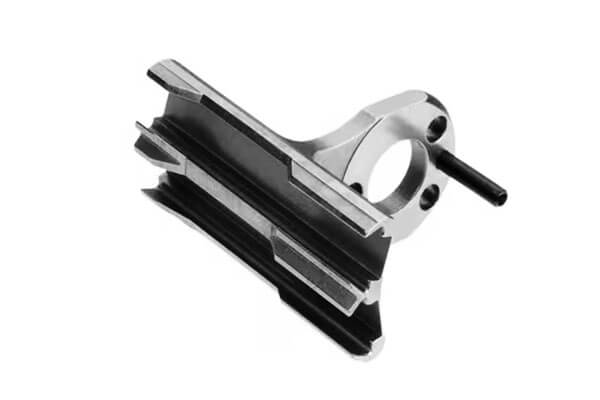
Арнайы тоқыма машиналарының құрамдас бөліктері үшін, DEZE дәл құюды және CNC өңдеуді бір өндірістік жұмыс процесіне біріктіре алады.
Бұл тәсіл құю процесін геометрия мен материалдың өнімділігі үшін оңтайландыруға мүмкіндік береді, сонымен бірге өлшемдік дәлдік пен функционалдық төзімділік маңызды болып табылатын беттер үшін CNC өңдеуді сақтайды..
Әдеттегі жұмыс үрдісін келесідей қорытындылауға болады:
Техникалық шолу → DFM талдауы → Материалды таңдау → Үлгі & Құралдар → Дәл құю → Термоөңдеу → CNC өңдеу → Беттік өңдеу → Тексеру → Қаптау
Процесс ағынына шолу
| Платформа | Адымдау | Мақсат | Критикалық бақылаулар |
| Жобалау & Машина жасау | 1. Тұтынушының спецификациясы | Бөлшектердің геометриясын анықтаңыз, материал, төзімділік, сан. | Нақты талаптарды түсіру. |
| 2. DFM талдауы | Өндіріс үшін дизайнды оңтайландыру. | Ақауларды азайтыңыз; шығындарды азайту. | |
| 3. CAD модельдеу | 3Бөлшектің D моделі. | Құюға және өңдеуге арналған дизайн. | |
| Кастинг | 4. Үлгі өндірісі | Балауызды дәлдікпен инъекциялау. | Өлшемді дәлдік. |
| 5. Қабық құрылысы | 6– керамикалық суспензияның 10 қабаты. | Қабық күші; өткізгіштігі. | |
| 6. Құю | Балқытылған металл қабықшаға. | Температура; жылдамдық; салқындату. | |
| 7. Термиялық өңдеу | Шешім, қалыпқа келтіру, Стрессті жеңілдету. | Механикалық қасиеттері. | |
Өңдеу |
8. CNC өңдеу | Бұру, араластыру, бұрғылау, ұнтақтау. | Төзімділік; Бетті аяқтау. |
| 9. Шығару | Өткір жиектер мен саңылауларды алып тастаңыз. | Қауіпсіздік; функция. | |
| Бастау | 10. Беттік өңдеу | Ауысу, жылтырату, жабу, желник. | Коррозияға төзімділік; эстетика. |
| Тексеру | 11. Сапаны тексеру | См, NDT, қаттылық, Өлшемді тексеру. | Сәйкестікті қамтамасыз ету. |
| 12. Орауыш | Аяқталған бөлшектерді қорғаңыз. | Зақымданудың алдын алу. |
6. Тоқыма машиналарының қосалқы бөлшектеріне арналған инженерлік ойлар
| Қарау | Маңыздылық | Дизайн/Өндірістік әрекет |
| Тозуға төзімділік | Қозғалатын жіптермен жанасатын бөлшектер үшін өте маңызды, маталар, немесе БАҚ. | Қатты қорытпаларды таңдаңыз (Құрал болат, 17-4Р); бетінің қатаюы; карбидті жабындар. |
| Коррозияға төзімділік | Бояу және әрлеу процестері агрессивті химиялық заттарды пайдаланады. | Тот баспайтын болатты пайдаланыңыз (316Өшпін) немесе арнайы қорытпалар; ауысу; ЭЛЕКТРУ. |
| Жылуға төзімділік | Жылу орнату, кептіру, және каландрлеу процестері. | Жоғары температураға төзімділігі жақсы қорытпаларды таңдаңыз (дуфлекс, Жұқпалы). |
Өлшемді тұрақтылық |
Бөлшектер термиялық және механикалық кернеулер кезінде өлшемдерді сақтауы керек. | Термиялық өңдеу; Стрессті жеңілдету; тұрақты қорытпалар. |
| Бетті аяқтау | Тегіс беттер үйкелісті азайтады және жіптің үзілуін болдырмайды. | CNC әрлеуі; жылтырату; ЭЛЕКТРУ. |
| Шаршауға төзімділік | Жоғары жылдамдықты машиналарда циклдік жүктеу. | Шаршауға арналған дизайн; қатты қорытпаларды таңдаңыз; Жасыру. |
| Өзара алмасу | Бөлшектер қолданыстағы техникаға сәйкес келуі керек. | Дәлдік төзімділік; Сапаны бақылау. |
7. Сапаны бақылау және тексеру
Сапа стандарттары
| Стандарт | Қолдану | Талаптар |
| Исо 9001 | Сапа менеджменті жүйесі. | Процесті басқару; қадағалау мүмкіндігі. |
| Исо 9001:2015 | Жалпы сапа. | Үздіксіз жетілдіру; тұтынушыларға назар аудару. |
| ASTM стандарттары | Материалдық сипаттамалар. | Химиялық құрамы; Механикалық қасиеттері. |
| EN стандарттары | Еуропалық сапа. | Шамдық; механикалық. |
Тексеру әдістері
| Әдіс | Мақсат | Қабылдаудың типтік критерийлері |
| См (Координаталық өлшеу машинасы) | Өлшемді тексеру. | ±0,01–0,05 мм (көрсетілгендей). |
| Көрнекі тексеру | Беттік ақаулар. | Көрінетін сызаттар жоқ, шұңқырлар, немесе жарықтар. |
| Бояғыш (Дм) | Беткі жарықтар. | Жарықтар немесе кеуектілік жоқ. |
| Рентгенография (Рентген) | Ішкі ақаулар. | Бос орындар жоқ, қосындылар, немесе Кішегі. |
| Қаттылықты сынау | Механикалық меншікті тексеру. | Материалдық спецификацияға сәйкес. |
| Созылу сынағы | Механикалық меншікті тексеру. | Материалдық спецификацияға сәйкес. |
| Беттің кедір-бұдырлығы | Беттік өңдеуді өлшеу. | Ra ≤1,6 мкм (немесе көрсетілгендей). |
8. Неліктен дәл құюды CNC өңдеумен біріктіру керек??
Арнайы тоқыма машиналарының қосалқы бөлшектері үшін, нақты өндірістік қиындық сирек әділ «Бұл бөлікті шығаруға болады ма??« немесе «Бұл бөлікті өңдеуге болады ма??«
Ең маңызды сұрақ:
Өнімділіктің ең жақсы комбинациясына қол жеткізу үшін құрамдас бөліктің әрбір мүмкіндігін қандай өндіріс процесі жасау керек, дәлдік, материалдың тиімділігі, және жалпы құны?
Бұл жерде комбинациясы дәлдікпен құю және CNC өңдеу ерекше күшті болады.
Дәл құю күрделі үш өлшемді геометрия мен желіге жақын пішінді құрылымдарды жасауда жоғары тиімді.
CNC өңдеу, керісінше, критикалық өлшемдерді орнатуда озық, геометриялық төзімділіктер, Жіптер, подшипник сәйкес келеді, бұрғылар, және функционалдық беттерді әрлеу.
Кез келген технологияны өз бетінше пайдаланудың орнына, интеграцияланған тәсіл әрбір процеске ең жақсы орындайтын жұмысты тағайындайды:
Дәл құю құрылымдық геометрияны жасайды → термиялық өңдеу материалдың қасиеттерін дамытады → CNC өңдеу функционалды дәлдікті орнатады → тексеру дайын құрамдас бөлікті тексереді.
Бұл екі сатылы өндіріс әдісі емес. Бұл жобалаудан өндіріске дейінгі стратегия бұл реттелетін тоқыма машиналарының құрамдас бөліктерінің тиімділігі мен сенімділігін айтарлықтай жақсарта алады.
Негізгі қағида: «Пішінді құйыңыз, Функцияны өңдеу»
Екі технологияны біріктірудің іргелі артықшылығын бір принципте жинақтауға болады:
Геометриялық күрделі нәрсені құйыңыз; функционалдық маңызды болып табылатын машина.
Тоқыма машиналарының корпусы, мысалы, қабырғалары болуы мүмкін, бастықтар, қисық қабырғалар, күшейтетін құрылымдар, және тұрақты емес сыртқы контурлар.
Осы мүмкіндіктердің барлығын қатты дайындамадан CNC өңдеу арқылы өндіру материалды алып тастауды және бірнеше өңдеу операцияларын қажет етеді..
Инвестициялық құю осы геометрияның көп бөлігін тікелей жасай алады.
Содан кейін CNC процесі машина өнімділігін нақты анықтайтын беттерге шоғырлануы мүмкін:
- Мойынтірек саңылаулары
- Білік орындықтары
- Беткейлерді орнату
- Нақты тесіктер
- Жіптер
- Тығыздау беттері
- Түзету күні
- Тісті беріліс және муфта интерфейстері
Өндірістік жауапкершілікті бұл бөлу бір технологияны басқа технология қолайлырақ тапсырманы орындауға мәжбүрлеуден аулақ болады..
Салыстырылған үш өндірістік стратегия
Үш тәсілді салыстырған кезде айырмашылық айқынырақ болады.
| Критериция | Тек дәлдікпен құю | Тек CNC өңдеу | Нақты кастинг + CNC өңдеу |
| Күрделі геометрия | Үздік | Жақсы – Өте жақсы | Үздік |
| Әдеттегі өлшемді басқару | Шамдар. ±0,1–0,3 мм* | Шамдар. ±0,005–0,01 мм* | Шамдар. ±0,005–0,01 мм өңделген мүмкіндіктер бойынша* |
| Әдеттегі қол жеткізуге болатын бетті өңдеу | Шамдар. Ra 1,6–6,3 мкм* | Шамдар. Ra 0,4–1,6 мкм* | Шамдар. РА 0,4-1,6 мкм дайын беттерде* |
| Материалды пайдалану | Биік | Төмен орташа | Биік |
| Материалдық қалдықтар | Аласа | Биік | Аласа |
| Күрделі актерлік мүмкіндіктер | Үздік | Өндіріс үшін қымбат | Үздік |
| Дәл функционалды интерфейстер | Шектеу шектеулі | Үздік | Үздік |
| Төмен көлемді жарамдылық | Құрал-сайманға тәуелді | Жақсы | Жақсы |
| Орташа көлемді жарамдылық | Жақсы | Күрделі бөлшектер үшін жиі үнемді емес | Үздік |
| Жоғары көлемді жарамдылық | Үздік | Күрделі геометриялар үшін жиі қымбат | Үздік |
| Қорытпаның икемділігі | Кең | Кең | Кең |
| Жалпы өндіріс икемділігі | Биік | Биік | Өте жоғары |
*Нақты төзімділік пен бетті өңдеу қорытпаға байланысты, геометрия, Кастинг әдісі, Машинаның мүмкіндігі, Құралдар, Термиялық өңдеу, тексеру талаптары, және өндірістік жағдайлар.
Сондықтан бұл сандар әмбебап сипаттамалар емес, индикатор ретінде қарастырылуы керек.
Негізгі байқау мынада: аралас процесс құю мен өңдеудің артықшылықтарын жай ғана қоспайды.
Ол әрбір процестің шектеулерін екіншісімен өтеуге мүмкіндік береді.
Дәл құю геометрия мәселесін шешеді
Инвестициялық құюдың ең күшті жақтарының бірі - дайындамадан бастау кезінде қажет болатын бірдей мөлшердегі шегергіш өңдеуді қажет етпестен күрделі геометрияларды шығару мүмкіндігі..
Бұл әсіресе тоқыма машиналарының құрамдас бөліктері үшін құнды:
- Біріктірілген қабырғалар
- Қисық беттер
- Монтаждау бастықтары
- Тұрақты емес контурлар
- Ойындар
- Күрделі ауысулар
- Ішкі қуыстар
- Көптеген құрылымдық ерекшеліктер
Металлдың үлкен блогынан бастаудың және материалды біртіндеп алып тастаудың орнына, құю қажетті соңғы геометрияға жақынырақ басталады.
Бұл жасайды желіге жақын өндірістің артықшылығы.
Нәтижесінде қысқа өңдеу циклі ғана емес.
Ол сонымен қатар шикізатты тұтынуды азайта алады, кескіш құралдың тозуы, машинаның болуы, және қажетті өңдеу операцияларының саны.
CNC өңдеу дәлдік мәселесін шешеді
Тек құю әрбір функционалды интерфейс үшін қажетті қатаң өлшемді басқаруды үнемді түрде қамтамасыз ете алмайды.
Тоқыма машиналары көбінесе машина жұмысына тікелей әсер ететін дәлдік қатынастарын қамтиды.
Мысалдарға жатады:
Мойынтірек орны → біліктің диаметрі → концентристік → ағын → туралау
Осы параметрлердің біріндегі кішкене ауытқу дірілге әсер етуі мүмкін, подшипниктік жүктеме, қажалу, және қызмет көрсету мерзімі.
CNC өңдеу осы маңызды мүмкіндіктерді таңдаулы түрде нақтылау мүмкіндігін береді.
Өндірістің күрделілігін арттыратын бүкіл құймаға өте қатаң төзімділік орнатудың орнына процесс нақты функционалдық мәнді жасайтын дәлдікке бағытталған..
Бұл маңызды инженерлік принципке әкеледі:
Дәлдік функция талап ететін жерде шоғырлануы керек, бүкіл құрамдас бойынша қажетсіз таратылмайды.
Негізгі алып кету
Дәл құю және CNC өңдеу бәсекелес технологиялар емес — олар дәлдіктегі өндірістің қосымша кезеңдері болып табылады..
Дәл құю пішінді береді, құрылымдық күрделілік, материалдың тиімділігі, және желіге жақын өндіріс.
CNC өңдеу өлшемдік дәлдікті қамтамасыз етеді, геометриялық бақылау, Нақты бетті аяқтау, және функционалды интерфейстер.
Екеуі бірге құрастырылған кезде, нәтиже қол жеткізуге болатын өндірістік шешім:
Күрделі геометрия + дәлдік интерфейстері + материалды тиімді пайдалану + бақыланатын сапасы + бәсекеге қабілетті жалпы құны.
Арнайы тоқыма машиналарының қосалқы бөлшектері үшін, бұл комбинация көбінесе сызбадан немесе тіпті ескірген физикалық үлгіден өндіріске дейін ең практикалық жол болып табылады., өлшемдік сәйкес, функционалдық сенімді дайын компонент.
9. DEZE компаниясынан тапсырыс бойынша тоқыма машиналарының қосалқы бөлшектері шешімдері
DEZE Foundry тапсырыс бойынша тоқыма машиналарының қосалқы бөлшектеріне маманданған, дәл құюдан CNC өңдеуге және өңдеуге дейін біріктірілген шешімдерді ұсынады.
| Мүмкіндік | Мәлімет |
| Материалдар | Тот баспайтын болат (304, 316, 316Өшпін, 17-4Р), Көміртекті болат, легірленген болат, қола, жез, алюминий, Құрал болат. |
| Кастинг | Инвестициялық құю (жоғалған балауыз); Құмның құюы. |
| CNC өңдеу | 3‑, 4‑, және 5 осьті CNC фрезері; CNC бұру; ұнтақтау; бұрғылау; жүк алу. |
| Төзімділік | ± 0.005 мм (өңдеу); ± 0,1 мм (кастинг). |
| Беткі әрлеу | Трансляция, техникалық, жылтырату, электрожылтыратылған, қатынасы, ұнтақпен қапталған, жалпақ. |
| Бөлшек салмағы | 0.01 кг дейін 1000 кг. |
| Бөлшек өлшемдері | Дейін 6000 мм. |
| Сапа | Исо 9001:2015 сертификатталған; 100% тексеру. |
| Тоқтау | 4– Кастингке 8 апта; 1– өңдеуге 3 апта (Күрделілікке байланысты). |
10. Қорытынды
Арнайы тоқыма машиналарының қосалқы бөлшектері теңгерімді өндіру стратегиясын қажет етеді өлшемді дәлдік, Материалдық көрсеткіштер, геометриялық күрделілік, қызмет көрсету сенімділігі, және шығын тиімділігі.
Нақты кастинг материалдың қалдықтары мен өңдеу талаптарын азайта отырып, күрделі желіге жақын пішінді геометрияларды құру мүмкіндігін қамтамасыз етеді.
CNC өңдеу өлшем дәлдігін белгілейді, геометриялық төзімділіктер, Жіптер, бұрғылар, подшипник сәйкес келеді, герметикалық беттер, және машинаның сенімді жұмыс істеуі үшін қажетті басқа функционалдық мүмкіндіктер.
Комбинация ретінде қорытындылауға болатын өндіріс философиясын жасайды:
Күрделілікті көрсетіңіз. Дәлдікпен өңдеңіз. Функцияны тексеріңіз.
Тоқыма машиналарын өндірушілер мен техникалық қызмет көрсету топтары үшін, бұл тәсіл ауыстырудан көп нәрсені ұсынады.
Ол жолды қамтамасыз етеді қайталанатын, машинаның нақты талаптары төңірегінде құрастырылған қолданбалы құрамдас бөліктер.
Талап бір ғана ескірген құрамдас болып табыла ма, теңшелген OEM бөлігі, немесе ұзақ мерзімді өндірістік бағдарлама, дәлдікпен құю комбинациясы,
CNC өңдеу, инженерлік талдау, және сапаны бақылау тоқыма машиналарының қосалқы бөлшектерін сенімді өндіру үшін берік негіз береді.
ЖҚС
Сіз ескірген тоқыма машиналарының қосалқы бөлшектерін жасай аласыз ба??
Иә. Ескірген құрамдастарды бар үлгіден шығаруға болады, сурет, немесе өлшемдік деректер.
Типтік процесс:
Үлгіні тексеру → Кері инженерия → CAD қайта құру → Материалды таңдау → Құю/CNC процесін әзірлеу → Өндіріс → Инспекция
Бұл түпнұсқа OEM құрамдас бөлігі енді қолжетімсіз болған кезде әсіресе пайдалы болуы мүмкін.
Сіз аз мөлшерде өндіре аласыз?
Иә. Арнайы өндіріс прототипті қолдай алады, ауыстыру, және шағын партияларға қойылатын талаптар.
Оңтайлы процесс құрамдас геометрияға байланысты, материал, шыдам, сан, құралдарға қойылатын талаптар, және күтілетін болашақ сұраныс.
Кейбір аз көлемді бөліктер үшін, CNC өңдеу жақсырақ болуы мүмкін; қайталанатын сұранысқа ие күрделі компоненттер үшін, CNC өңдеуден кейін дәл құю ұзақ мерзімді экономиканы қамтамасыз етуі мүмкін.
Көбею кезінде бастапқы құрамдас бөлікті жақсартуға болады ма??
Потенциалды, иә.
Құрамдас қайталанатын сәтсіздікке ұшыраған кезде, тапсырыс бойынша өндіріс жобасы бастапқы материалды бағалай алады, геометрия, төзімділік, Беттің жағдайы, және жұмыс ортасы.
Техникалық тұрғыдан қолайлы жерде, жақсартуларды қамтуы мүмкін:
- Баламалы материалды таңдау
- Модификацияланған термиялық өңдеу
- Жақсартылған бетті өңдеу
- Қайта өңделген өңдеу рұқсаттары
- Жақсырақ филе геометриясы
- Жақсартылған тозу кедергісі
- Жақсартылған коррозияға төзімділік
Кез келген өзгерту керек, дегенмен, машинаның функционалдық талаптары мен қолданыстағы жинақпен үйлесімділігі бойынша бағалануы керек.
DEZE-мен тоқыма машиналарының қосалқы бөлшектері жобасын қалай бастауға болады??
Процесс мынадан басталуы мүмкін сурет, 3D үлгісі, физикалық үлгі, немесе негізгі құрамдас ақпарат
Содан кейін инженерлік топ құрамдас бөліктің геометриясын бағалай алады, материал, өндіріс жолы, төзімділік, және тиісті өндірістік шешімді ұсынбас бұрын тексеру талаптары.
Күрделі компоненттер үшін, қолайлы жол болуы мүмкін:
Техникалық шолу → DFM → Дәл құю → Термиялық өңдеу → CNC өңдеу → Тексеру → Жеткізу
Бұл қолданыстағы тоқыма машинасының құрамдас бөлігінен теңшелгенге дейінгі құрылымдық жолды қамтамасыз етеді, өндіріске дайын қосалқы бөлшек.

