1. Ներածություն
UNS C95500-ը ժամանակակից ճարտարագիտության մեջ ամենակարևոր նիկելային ալյումինե բրոնզներից մեկն է, քանի որ այն համատեղում է բարձր ամրությունը:, Գերազանց կոռոզիոն դիմադրություն, մաշվածության լավ կատարում, և սպասարկման ուժեղ հուսալիություն ծանր միջավայրերում.
Այն լայնորեն կիրառվում է ծովային ապարատում, փականի բաղադրիչներ, Առանցքակալներ, թփեր, Gears, ինքնաթիռի մասեր, և այլ կիրառություններ, որտեղ սովորական պղնձի համաձուլվածքներն այլևս բավարար չեն.
Համաձուլվածքը նաև հատկանշական է բարձր ջերմաստիճաններում օգտակար ամրությունը պահպանելու և ծովի ջրում և այլ ագրեսիվ միջավայրերում լավ գործելու համար:.
C95500-ը հատկապես հետաքրքիր է դարձնում այն, որ այն «մեկ նշանակության» համաձուլվածք չէ.
Համակարգային համաձուլվածք է: դրա արժեքը տարբեր կերպ է հայտնվում՝ կախված նրանից, թե արդյոք ինժեները օպտիմալացնում է կոռոզիայից, հագնել, ճնշման խստություն, կառուցվածքային բեռնում, կամ ջերմաստիճանի կայունություն.
2. Ինչ է UNS C95500 Նիկել ալյումինե բրոնզը?
UNS C95500-ը ա ձուլված նիկել ալյումին բրոնզ պղինձ–ալյումին–երկաթ–նիկել ընտանիքում.
Այն հատուկ ձևակերպված է պահանջկոտ ծառայության համար, որտեղ ուժ, Հագուստի դիմադրություն, Կոռոզիոն դիմադրություն, և կարծրություն պետք է հավասարակշռված լինի մեկ խառնուրդով, այլ ոչ թե առանձին օպտիմիզացվի.
Գործնականում, սա C95500-ին տեղավորում է ծովային սարքավորումների համար օգտագործվող բարձր արդյունավետության կառուցվածքային բրոնզների խմբում, փականի բաղադրիչներ, թփեր, Gears, և այլ ծանր սպասարկման մասեր.
Ի տարբերություն ազատ մշակման արույրների կամ ընդհանուր նշանակության բրոնզների, C95500-ն ընտրված չէ հարմարության համար.
Այն ընտրված է, քանի որ նրա մետալուրգիական դիզայնը ապահովում է կրող աշխատանքը ագրեսիվ միջավայրում, հատկապես այնտեղ, որտեղ ծովի ջուրը, լոգարիթմական հագուստ, և երկար սպասարկման ժամկետը բոլորը դիզայնի համառոտ մաս են կազմում.
Ալյումինե ինքնությունը
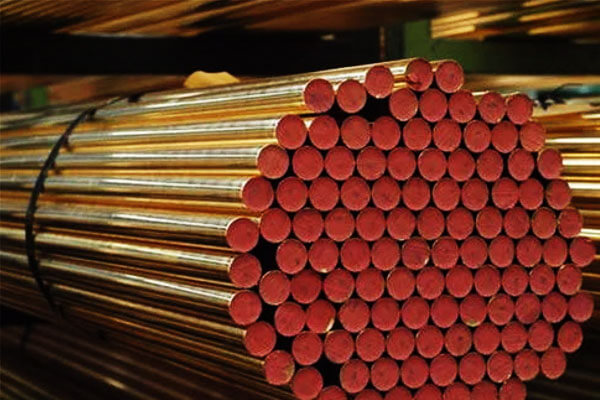
C95500 պատկանում է C95000–C95999 պղինձ-ալյումին-երկաթ և պղինձ-ալյումին-երկաթ-նիկել համաձուլվածքների ընտանիք.
Այդ ընտանիքի դասակարգումը կարևոր է, քանի որ այն տարբերում է նիկելային ալյումինե բրոնզը սովորական արույրից և անագ բրոնզից:
համաձուլվածքի համակարգը կառուցված է ալյումինի շուրջ՝ որպես հիմնական ամրացնող տարր, ամրությունը բարելավելու համար ավելացված երկաթով և նիկելով, կառուցվածքի վերահսկում, և սպասարկման կատարումը.
Տեխնիկական պայմաններով, C95500-ը ա ձուլածո ալյումինե բրոնզ այլ ոչ թե կռած համաձուլվածք.
Դա նշանակում է, որ դրա բնորոշ ինժեներական դերը բարդ ձևի և բարձր արդյունավետության ապահովումն է ձուլման կամ ջերմային մշակման պայմաններում, հատկությունների հասնելու համար գլորելու կամ գծելու վրա հույս դնելու փոխարեն.
Քիմիական բաղադրություն
Քիմիական բաղադրությունը ըստ ASTM B505/B505M-23
| Տարր | C95500 Կազմը |
| Մգոհել | 78.0% ր. |
| Անք | 3.0– 5,0% |
| Մեջ | 3.0– 5,5% |
| Ալ | 10.0– 11,5% |
| Ժլատ | մինչեւ 3.5% |
| Անվանված տարրեր ընդհանուր | 99.5% ր. |
3. UNS C95500-ի ֆիզիկական հատկությունները
| Ֆիզիկական / Ֆունկցիոնալ սեփականություն | Մետրային միավոր | Կայսերական միավոր |
| Խտություն | 7.53 գ / սմ | 0.272 լբ/ին³ |
| Տեսակարար կշիռը | 7.53 | 7.53 |
| Էլեկտրական հաղորդունակություն | 8% IACS | 8% IACS |
| Ջերմային հաղորդունակություն | 41.9 W / m · k | 24.2 Btu/sq ft/hr/°F |
| Ջերմային ընդարձակման գործակիցը | 15.5 × 10⁻6 /°C | 9 × 10⁻6 /°F |
| Հատուկ ջերմային հզորություն | 419 J/kg·K | 0.1 Btu/lb·°F |
| Առաձգականության մոդուլ | 110 Gpa | 16,000 ksi |
| Պուասոնի հարաբերակցությունը | 0.32 | 0.32 |
| Մագնիսական թափանցելիություն, որպես դերասան | 1.32 | 1.32 |
| Մագնիսական թափանցելիություն, TQ50 բնավորություն | 1.2 | 1.2 |
| Հալման կետ, հեղուկ | 1054° C | 1930° f |
| Հալման կետ, շիկացած | 1038° C | 1900° f |
4. UNS C95500-ի մեխանիկական հատկությունները
UNS C95500-ը ա բարձր ամրության նիկել ալյումինե բրոնզ որի մեխանիկական կատարումը սովորաբար գնահատվում է երկու հրապարակված պայմաններում: ստանդարտը շարունակական ձուլման C95500 վիճակը և ջերմային մշակված C95500HT վիճակ.
Ստորև բերված արժեքները սենյակային ջերմաստիճանի ներկայացուցչական հատկություններ են, որոնք ներկայացված են ASTM B505/B505M-23 արտադրանքի ձևերի համար.
Continuous-Cast C95500-ի մեխանիկական հատկությունները
| Ունեցվածք | Մետրային միավոր | Կայսերական միավոր |
| Առաձգական ուժ, ր. | 655 MPA | 95 ksi |
| Ելքի ուժը ժամը 0.5% երկարաձգում, ր. | 290 MPA | 42 ksi |
| Երկարացում մեջ 2 մեջ. (50 մմ), ր. | 10% | 10% |
| Բրինելի կարծրություն, բնորոշ | 208 Ժխտել | 208 Ժխտել |
Ջերմային մշակված C95500HT-ի մեխանիկական հատկությունները
| Ունեցվածք | Մետրային միավոր | Կայսերական միավոր |
| Առաձգական ուժ, ր. | 758 MPA | 110 ksi |
| Ելքի ուժը ժամը 0.5% երկարաձգում, ր. | 427 MPA | 62 ksi |
| Երկարացում մեջ 2 մեջ. (50 մմ), ր. | 8% | 8% |
| Բրինելի կարծրություն, բնորոշ | 228 Ժխտել | 228 Ժխտել |
5. Կոռոզիոն դիմադրություն
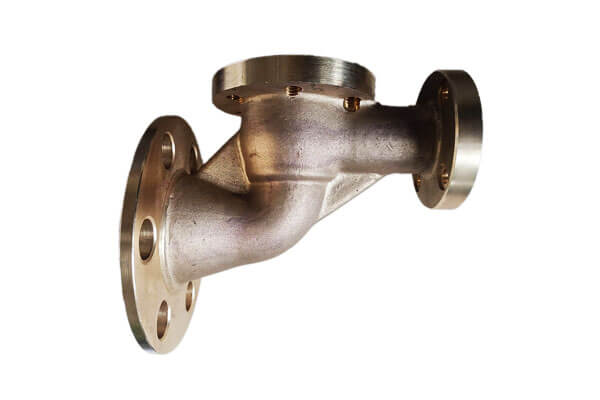
Կոռոզիայի պատմությունը C95500-ի այդքան լայն կիրառման հիմնական պատճառներից մեկն է. Համաձուլվածքը բազմիցս նշվում է, որ ունի Գերազանց կոռոզիոն դիմադրություն, ներառյալ ծովի ջուր և ծովային միջավայրեր.
Այն նաև օգտագործվում է ծովի ջրով բեռնաթափող սարքավորումների համար, թթու հանքի ջրերը, ոչ օքսիդացնող թթուներ, արդյունաբերական գործընթացի հեղուկներ, կեղտաջրերի մաքրման ծրագրեր, եւ ծովային ապարատ.
Այս կարևորության պատճառը պարզապես «չի ժանգոտում» չէ։ Ավելի շուտ, C95500-ն առաջարկում է անսովոր արժեքավոր համադրություն: կոռոզիոն դիմադրություն գումարած մաշվածության դիմադրություն գումարած ուժ.
Ծովի ջրի մեջ, շատ նյութեր ձախողվում են կամ ընդհանուր կոռոզիայից, կավիտացիա, քայքայում, կամ դառնություն. C95500-ը գրավիչ է, քանի որ անդրադառնում է այդ ձախողման մի քանի ռեժիմների միանգամից,
ինչի պատճառով այն հայտնվում է պոմպի և փականի բաղադրիչներում, թփեր, լիսեռներ, պտուտակի հետ կապված ծառայություն, և ծանր բեռնված ծովային տեխնիկա.
Այս բազմամեխանիզմի դիմադրությունը խառնուրդի հեղինակության հիմքն է.
Պահանջկոտ ծառայության մեջ, ամենաթանկ նյութերը նրանք չեն, որոնք գերազանցում են մեկ առանձնացված գույքը, բայց նրանք, որոնք կայուն են մնում ձախողման մի քանի մեխանիզմների դեպքում. C95500-ը այդ սկզբունքի դասագրքային օրինակն է.
6. Արտադրության հեռանկար
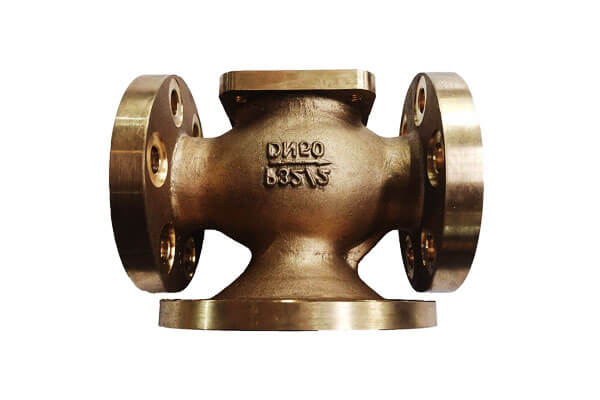
Ձուլում: Ուժեղ խառնուրդ, Բայց ոչ ներող
UNS C95500-ը հիմնականում ձուլման համաձուլվածք է, և դրա գործընթացի վարքագիծը արտացոլում է այդ ինքնությունը.
Հրապարակված ձուլման տվյալները նկարագրում են այն որպես ձուլման ցածր եկամտաբերություն, ջրազրկման բարձր միտում, միջին հեղուկություն, միջին գազազերծման միտում, և բարձր ամրացման նեղացում.
Այդ համադրությունը շատ հստակ ինժեներական պատմություն է պատմում: C95500-ը կարող է արտադրել բարձր արդյունավետության ձուլվածքներ, բայց դա պահանջում է կարգապահ հալեցման պրակտիկա, ձայնային դարպասների և բարձրացման ձևավորում, և օքսիդացման և կերակրման մանրակրկիտ վերահսկում.
C95500-ը շատ բազմակողմանի է ձուլման պրակտիկայում, բայց դա ներող չէ.
Այն լավ է կատարում ողջ երկայնքով ավազ, պատյան, կերամիկական, ներդրում, մշտական կաղապար, շարունակական, և կենտրոնախույս ձուլում, Այնուամենայնիվ, այդ երթուղիներից յուրաքանչյուրը պահանջում է կերակրման մանրակրկիտ վերահսկողություն, օքսիդի կառավարում, և ամրացման վարքագիծը.
Սառեցման կարճ տիրույթն ապահովում է ձայնային ձուլվածքներ, բայց միայն այն դեպքում, երբ ձուլարանն ակտիվորեն կանխում է ջրահեռացումը, նեղացման թերությունները, և գազի հետ կապված խնդիրներ.
Այդ իսկ պատճառով C95500-ը համարվում է պրեմիում ձուլման բրոնզ, այլ ոչ թե հեշտ.
Վերամբարձ: Լիովին մշակելի, Բայց ոչ ազատ կտրում
C95500-ը մշակելի է, բայց դա ազատ մշակման պղնձի համաձուլվածք չէ.
Նրա հրապարակված մեքենայության վարկանիշն է 50, ինչն այն ավելի շուտ դասում է միջին մեքենայության կատեգորիային, քան հեշտ կտրող դասին.
Համաձուլվածքը ձգտում է արտադրել գանգուր թզուկ, և հրապարակված ինժեներական ուղեցույցը նախազգուշացնում է, որ դա կարող է խցանել գործիքավորումը և առաջացնել մակերևույթի թերություններ՝ մասնակի եռակցման և պատռման միջոցով, հատկապես հորատանցքերի մշակման ժամանակ.
Այդ պատճառով, չոր կտրում, չիպային հսկողություն, և գործիքավորման ռազմավարությունը շատ ավելի կարևոր է, քան ազատ կտրող արույրի դեպքում.
Օգտակար մշակման նրբերանգն այն է, երբ ծանր հաստոցներն արդեն իրականացվել են, ա ցածր ջերմաստիճանի սթրեսի թեթևացում մոտ 350°C առնվազն մեկ ժամով խորհուրդ է տրվում նախքան վերջնական մշակումը.
Խոսքը հիմնականում այն մասին չէ, որ համաձուլվածքն ավելի հեշտ կտրատվի; խոսքը մնացորդային սթրեսի հետևանքով առաջացած աղավաղումների ռիսկի նվազեցման և վերջնական չափերի կայունության բարելավման մասին է.
Այլ կերպ ասած, C95500-ը կարող է արդյունավետ մշակվել, բայց դրան պետք է մոտենալ որպես կառուցվածքային բրոնզ, որը պահանջում է գործընթացի կարգապահություն, ոչ որպես փափուկ խանութի արույր.
Զոդում: Հնարավոր է հատուկ մեթոդներով, Բայց ոչ համընդհանուր հեշտ
Նիկել ալյումինի բրոնզում եռակցման վարքագիծը մեծապես ազդում է պաշտպանիչ ալյումինով հարուստ օքսիդ թաղանթից, որը բնականաբար ձևավորվում է մակերեսի վրա:.
Այդ օքսիդային շերտի պատճառով, զոդում, բրազում, իսկ թթվածին-ացետիլենով եռակցումը հիմնականում խորհուրդ չի տրվում որպես այս համաձուլվածքների առաջնային միացման ուղիներ.
Ինժեներական ուղեցույցում նշված եռակցման առավել համապատասխան գործընթացներն են TIG/GTAW, MIG/GMAW, MMA, էլեկտրոնային ճառագայթով զոդում, և շփման եռակցում.
C95500-ի պատրաստման հրապարակված տվյալները նույնպես դասակարգում են Օքսիացետիլենային եռակցումը, ինչպես խորհուրդ չի տրվում, մինչդեռ գազով պաշտպանված աղեղային զոդում մի քանազոր պատված մետաղական աղեղային զոդում նշված են որպես հարմար.
Այդ տարբերությունը կարևոր է: C95500-ը «եռակցման ցանկացած վայրում» համաձուլվածք չէ, բայց այն նաև չեռակցվող չէ.
Այն կարող է հաջողությամբ միանալ, երբ գործընթացը ընտրվում է օքսիդի վարքագծով, ջերմային մուտքագրում, և համատեղ դիզայնը մտքում.
Կրիտիկական մասերի համար, Եռակցման ընթացակարգի որակավորումը և ջերմային ազդեցության գոտիների պատշաճ վերահսկումը կարևոր են, քանի որ համաձուլվածքի գույքային հավասարակշռությունը սերտորեն կապված է դրա միկրոկառուցվածքի հետ.
He երմամշակում: Կատարման հիմնական լծակ
Ջերմային բուժումը ամենակարևոր պատճառներից մեկն է, որ C95500-ն այդքան լայնորեն օգտագործվում է պահանջկոտ սպասարկման մեջ.
Համաձուլվածքը կարող է մշակվել ա մարելու և զսպելու ցիկլը որ ավելանում է ապացույց ուժ, վերջնական առաձգական ուժ, Ազդեցության ուժը, և կարծրություն, մինչդեռ միայն մի փոքր բարելավում է ճկունությունը.
Ձուլված CuAl10Fe5Ni5 տիպի նիկել ալյումինե բրոնզի համար, Հրապարակված ուղեցույցը նկարագրում է ջեռուցումը 900-950°C, պահելով մոտ մեկ ժամ, ջրի մարում, իսկ հետո կոփում է 600-650°C մոտ երկու ժամ.
Այդ հաջորդականությունը զգալիորեն բարձրացնում է ուժը՝ պահպանելով օգտակար ամրությունը.
Նույն ուղեցույցում նշվում է նաև կարևոր գործնական սահմանափակում: բարդ ձևերը կարող են աղավաղվել ջեռուցման և մարման ցիկլի ընթացքում, այնպես որ մաս երկրաչափություն, վառարանի հզորությունը, և հատվածի հաստությունը պետք է հաշվի առնել նախքան ջերմային մշակումը ընտրելը.
Այլ կերպ ասած, ջերմային բուժումը հզոր կատարողական գործիք է, բայց դա անվճար չէ. Այն բարելավում է խառնուրդի մեխանիկական ծածկույթը միայն այն դեպքում, երբ բաղադրիչի դիզայնը կարող է հանդուրժել ջերմային ցիկլը.
7. UNS C95500-ի առավելություններն ու թերությունները
Հիմնական առավելությունները
Բարձր ամրություն՝ օգտակար ճկունությամբ.
Գերազանց դիմադրություն ծովի ջրի և ագրեսիվ լրատվամիջոցների նկատմամբ.
Ուժեղ մաշվածություն և հակալեղային կատարում.
Լավ բարձր ջերմաստիճանի հնարավորություն.
Ոչ կայծային և ոչ մագնիսական
Հիմնական թերությունները
Բարձր նախնական արժեքը
Հնարավոր է հաստոցներ, բայց հեշտ չէ.
Քասթինգը տեխնիկապես պահանջկոտ է.
Եռակցումը գործընթացի զգայուն է.
Էլեկտրական հաղորդունակությունը ցածր է.
8. UNS C95500-ի կիրառությունները
Ծովային և օֆշորային սարքավորում
C95500-ը ծովային ծառայության ամենահեղինակավոր նյութերից մեկն է, քանի որ այն համատեղում է ծովի ջրի կոռոզիոն դիմադրությունը, ուժ, եւ հագնել դիմադրություն.
Այն օգտագործվում է ծովի ջրի խողովակաշարերի և փականների համակարգեր, ծովային տեխնիկա, պտուտակի հետ կապված բաղադրիչներ, լյուկները, միացումներ, կնիքներ, և նավի այլ սարքավորումներ.
Ծովային ջրի մշակման համար համաձուլվածքների ընտանիքի համապատասխանությունը ծովային և ծովային ճարտարագիտության մեջ նրա երկարամյա հեղինակության հիմնական պատճառն է:.
Փխրուն, Պոմպ, և հոսքի վերահսկման բաղադրիչներ
Համաձուլվածքը լայնորեն օգտագործվում է Փական մարմիններ, փական նստատեղեր, փականի ուղեցույցներ, փականի բաղադրիչներ, պոմպի հեղուկի ծայրերը, խցուկներ, լցոնման տուփի ընկույզներ, և կնքման եզրեր.
Այս հավելվածները շահում են կոռոզիոն դիմադրության համակցությունից, Հագուստի դիմադրություն, եւ մեխանիկական ուժ, հատկապես որտեղ ջուր, մշակել հեղուկներ, կամ առկա են մեղմ ագրեսիվ քիմիական նյութեր.
Առանցքակալներ, Թփեր, և հագնում մասեր
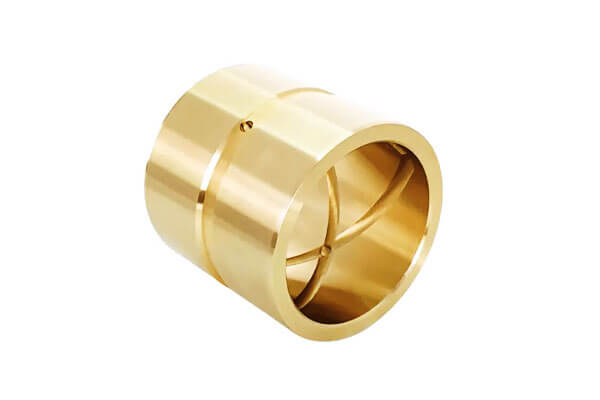
C95500-ի համար հաճախ ընտրվում է Առանցքակալներ, թփեր, հագնել ափսեներ, մխոց ուղեցույցներ, և մեքենաների մասեր քանի որ այն լավ է գործում սահող շփման և ծանր բեռնվածության պայմաններում.
Դրա մաշվածության դիմադրությունը և ամրությունը այն դարձնում են հարմար մակերեսի վնասման վայրերում, դառնություն, կամ հղկող մաշվածությունը մտահոգիչ է.
Gears եւ Power-փոխանցման մասեր
Համաձուլվածքն օգտագործվում է Gears, ճիճուներ, ճիճու անիվներ, և փոխանցման հետ կապված բաղադրիչները.
Այս մասերը պահանջում են նյութ, որը կարող է հանդուրժել շփման սթրեսը, պահպանել ծավալային կայունությունը, և դիմակայել մաշվածությանը երկար սպասարկման ընդմիջումներով. C95500-ի մեխանիկական հավասարակշռությունը այն դարձնում է գործնական ընտրություն նման աշխատանքի համար.
Արդյունաբերական գործընթաց և կոշտ սպասարկման սարքավորումներ
Համաձուլվածքն օգտագործվում է թթու պատրաստելու սարքավորումներ, կեղտաջրերի մաքրման ծրագրեր, տաք ջրաղացին ուղեցույցներ, և արդյունաբերական սարքավորումներ.
Այս կիրառությունները արտացոլում են խառնուրդի կարողությունը՝ գոյատևելու քայքայիչ միջավայրը, մեխանիկական բեռնում, և կրկնվող ծառայողական հեծանվավազք.
Արդյունաբերական պարամետրերում, այդ համակցությունը կարող է նվազեցնել սպասարկման միջակայքերը և բարելավել հուսալիությունը.
Էլեկտրական և մասնագիտացված սարքավորումներ
Չնայած C95500-ը էլեկտրական հաղորդունակության համաձուլվածք չէ, դա դեռ որոշների մեջ է հայտնվում էլեկտրական սարքավորումներ և հատուկ բաղադրիչներ, որտեղ կառուցվածքային հուսալիություն, Կոռոզիոն դիմադրություն, և մաշվածության պահվածքն ավելի կարևոր է, քան հաղորդունակությունը.
Այն նաև օգտագործվում է դաշնամուրի ստեղներ և երաժշտական գործիքներ, որտեղ համաձուլվածքի մեխանիկական կայունությունը և արտադրելիությունը օգտակար են.
9. Եզրափակում
ԱՄՆ C95500 նիկել ալյումինի բրոնզը բարձրարժեք ինժեներական համաձուլվածք է, քանի որ այն համատեղում է հատկություններ, որոնք հաճախ դժվար է ձեռք բերել միասին:
Բարձր ուժ, Գերազանց կոռոզիոն դիմադրություն, ուժեղ մաշվածության դիմադրություն, Լավ կոշտություն, և սպասարկման հնարավորությունը ջերմաստիճանի լայն տիրույթում.
Նրա քիմիան ուշադիր կարգավորվում է, նրա ձուլման պահվածքը պահանջկոտ է, բայց կառավարելի, և դրա ջերմամշակման արձագանքը դիզայներներին տալիս է լրացուցիչ կատարողական լծակ, երբ պահանջվում է.
Գործնական առումով, C95500-ը լավագույնս հասկացվում է որպես ծանր սպասարկման համաձուլվածք.
Առավել գրավիչ է, որտեղ խափանումների եղանակները խառն են և աններելի՝ ծովի ջուրը, շարժվող բեռ, լոգարիթմական կոնտակտ, ճնշման պարտականությունը, և երկարաժամկետ մեխանիկական սպասարկում.
Այդ իսկ պատճառով այն շարունակում է մնալ ինժեներական պրակտիկայում նիկելային ալյումինի ամենահարգված բրոնզներից մեկը.
ՀՏՀ
Արդյոք C95500-ը ձուլման համաձուլվածք է, թե կռած?
C95500-ը հիմնականում օգտագործվում է որպես ա ձուլման համաձուլվածք, շարունակական դերասանական կազմն ընդգրկող հրապարակված հղումներով, ավազ ձուլվածք, կենտրոնախույս ձուլվածք, և ձուլման ճշգրիտ ձևեր.
C95500 լավ է ծովի ջրում?
Այո. Այն բազմիցս նույնացվում է, որ ունի Գերազանց կոռոզիոն դիմադրություն, ներառյալ աղի ջրի դիմադրություն, որը հանդիսանում է ծովային ապարատային և փականային համակարգերում օգտագործման հիմնական պատճառներից մեկը.
Կարո՞ղ է C95500-ը ջերմային մշակվել?
Այո. Հրապարակված ինժեներական ուղեցույցը ցույց է տալիս ինչպես ձուլված, այնպես էլ ջերմամշակված աշխատանքը C95500-ի համար, ջերմային մշակման հետ մեկտեղ ավելանում է ուժը.
C95500-ը հեշտ է մշակվում?
Այն մշակելի է, բայց ոչ ազատ հաստոցներ. Նրա մեքենայության վարկանիշն է 50, Այսպիսով, այն ավելի շուտ չափավոր մշակման համաձուլվածք է, քան հեշտ կտրվող.
Ո՞րն է C95500-ի հիմնական առավելությունը սովորական բրոնզերի նկատմամբ?
Դրա հիմնական առավելությունը համակցումն է Բարձր ուժ, Գերազանց կոռոզիոն դիմադրություն, եւ հագնել դիմադրություն, հատկապես կոշտ ծովային կամ արդյունաբերական միջավայրերում.