1. Ներածություն
Բրոնզ մեկ ֆիքսված խտությամբ մեկ նյութ չէ. Պղնձաձուլվածքի ժամանակակից պրակտիկայում, բրոնզե ընտանիքը ներառում է թիթեղյա բրոնզներ, կապարե անագ բրոնզներ, բարձրորակ թիթեղյա բրոնզներ, նիկել-անագ բրոնզներ, և ալյումինե բրոնզներ, և յուրաքանչյուր խումբ ունի տարբեր կազմ և, հետևաբար, տարբեր խտություն.
Այդ իսկ պատճառով «բրոնզի խտությունը» լավագույնս հասկացվում է որպես ա շարք այլ ոչ թե մեկ արժեք.
2. Ինչ է նշանակում խտությունը բրոնզե խառնուրդում
Խտությունը նյութի զանգվածն է մեկ միավորի ծավալով. Բրոնզով, դա պարզապես կատալոգի համար չէ; դա խառնուրդի քիմիայի և միկրոկառուցվածքի ուղղակի արտահայտությունն է.
Բրոնզե համաձուլվածքները պղնձի հիմքով են, բայց անագի ավելացում, ցինկ, ալյումին, նիկել, մանգան, երկաթ, իսկ երբեմն կապարը վերջնական խտությունը հեռացնում է մաքուր պղնձից.
Պղնձը ինքնին ունի խտություն 8.89 գ / սմ, ուստի որոշ բրոնզներ մի փոքր ավելի թեթև են, քան պղնձը, մինչդեռ մյուսները մոտ են պղնձին կամ նույնիսկ մի փոքր ավելի խիտ, կախված խառնուրդի ընտանիքից.
Ահա թե ինչու բրոնզի խտությունը կարևոր է ճարտարագիտության մեջ. Այն ազդում է մասի քաշի վրա, իներցիա, առաքման զանգված, բեռնաթափում, և ինչպես է բաղադրիչն իրեն պահում պտտվելիս, սահող, կամ կրող ծառայություն.
Կրող և ծովային կիրառություններում, Օրինակ, խտությունը միայն «ծանրության» մասին չէ; դա բաղադրիչի ընդհանուր մեխանիկական և ջերմային հավասարակշռության մի մասն է.
3. Ինչու է բրոնզի խտությունը տարբերվում ընտանիքներում
Բրոնզը ազգանուն է, ոչ մի խառնուրդի բնութագրում. Ձուլածո-բրոնզե պաշտոնական դասակարգումը ընտանիքը բաժանում է պղնձե-անագ բրոնզների, կապարե անագ բրոնզներ, բարձրորակ թիթեղյա բրոնզներ, նիկել-անագ բրոնզներ, և ալյումինե բրոնզներ.
Քանի որ այս ընտանիքները օգտագործում են տարբեր համաձուլվածքների համակարգեր և համաձուլվածքների տարբեր համամասնություններ, նրանց խտությունը նույնը չէ.
Սա առանցքային մետալուրգիական կետն է: խտությունը փոխվում է, քանի որ համաձուլվածքը փոխում է զանգվածը մեկ միավորի ծավալով նյութական համակարգի.
Ավելի շատ ցինկ կամ ալյումինով բրոնզը չի վարվի այնպես, ինչպես բրոնզը ավելի շատ թիթեղով կամ կապարով, իսկ նիկել-ալյումինե բրոնզը չի ունենա նույն խտության պրոֆիլը, ինչ բարձր կապարով անագ բրոնզը.
C90500-ի համար հրապարակված գույքի աղյուսակները, C93200, C86300, C95400, իսկ C95500-ն այդ տարբերությունը տեսանելի է դարձնում իրական թվերի, այլ ոչ թե միայն տեսության մեջ.
4. Ընդհանուր բրոնզե համաձուլվածքների ներկայացուցչական խտության արժեքներ
Խտության արժեքները վերցված են հրապարակված համաձուլվածքի տվյալների թերթիկներից 20°C ջերմաստիճանում / 68° f.
| Բրոնզե համաձուլվածք | Ընտանիք | Խտություն (գ / սմ) | Խտություն (կգ/մ³) | Խտություն (լբ/ին³) |
| C95400 | Ալյումինե բրոնզ | 7.45 | 7,450 | 0.269 |
| C95500 | Նիկել ալյումինե բրոնզ | 7.53 | 7,530 | 0.272 |
| C95600 | Նիկել ալյումինե բրոնզ | 7.70 | 7,700 | 0.278 |
| C95800 | Նիկել ալյումինե բրոնզ | 7.64 | 7,640 | 0.276 |
| C86300 | Մանգան բրոնզ | 7.83 | 7,830 | 0.283 |
| C86400 | Մանգան բրոնզ | 8.33 | 8,330 | 0.301 |
| C90300 | Անագ բրոնզ | 8.80 | 8,800 | 0.318 |
| C90500 | Անագ բրոնզ | 8.72 | 8,720 | 0.315 |
| C90700 | Անագ բրոնզ | 8.77 | 8,770 | 0.317 |
| C90800 | Անագ բրոնզ | 8.77 | 8,770 | 0.317 |
| C93200 | Բարձր կապարի թիթեղյա բրոնզ | 8.91 | 8,910 | 0.322 |
| C93500 | Բարձր կապարի թիթեղյա բրոնզ | 8.86 | 8,860 | 0.320 |
| C93600 | Բարձր կապարի թիթեղյա բրոնզ | 9.00 | 9,000 | 0.325 |
| C93800 | Բարձր կապարի թիթեղյա բրոնզ | 9.25 | 9,250 | 0.334 |
5. Ինչ է նշանակում բրոնզե խտությունը դիզայնի և արտադրության մեջ
Խտությունը դիզայնի փոփոխական է, Ոչ միայն կատալոգի համարը
Բրոնզե ընտրության մեջ, խտությունը միայն նկարագրական հատկություն չէ.
Դա դիզայնի փոփոխական է, որն ազդում է մաս զանգված, իներցիա, բեռնաթափում, առաքման քաշը, և դինամիկ արձագանք, հատկապես, երբ բաղադրիչը մեծ է, պտտվող, կամ բազմիցս արագացել և դանդաղել.
Այդ իսկ պատճառով ինժեներները չպետք է հարցնեն միայն «Որքան խիտ է բրոնզը?», այլ ավելի շուտ «Ինչ է անում այս խտությունը սպասարկման պատրաստի մասի հետ?»
Բրոնզը համաձուլվածքների ընտանիք է, որն օգտագործվում է շատ տարբեր աշխատանքային ցիկլերում, այնպես որ ընտրված UNS աստիճանի խտությունը միշտ պետք է մեկնաբանվի բեռի հետ միասին, արագություն, քսում, և շրջակա միջավայրը.
պատարագ, Իներցիա, և կառուցվածքային վարքագիծ
Ավելի խիտ բրոնզը արտադրում է ավելի ծանր բաղադրիչ նույն երկրաչափության համար. Ստատիկ ապարատում, որը կարող է լինել անտեղի կամ նույնիսկ ցանկալի, եթե զանգվածը նպաստում է խոնավացմանը կամ շփման կայունությանը.
Պտտվող կամ փոխադարձ մասերում, սակայն, զանգվածը փոխում է համակարգի իներցիան, որը ազդում է գործարկման ոլորող մոմենտի վրա, դադարեցնող վարքագիծը, թրթռման արձագանք, և բաղադրիչը արագացնելու համար անհրաժեշտ էներգիան.
Սա բրոնզի խտության կարևորության պատճառներից մեկն է, տեսախցիկներ, շարժիչներ, Մեքենաներ, և շարժման հետ կապված այլ մասեր.
Ուստի խտության ընտրությունը դառնում է մեխանիկական դիզայնի մի մասը, ոչ միայն նյութի բնութագրերը.
Ինչու է խտությունը այդքան կարևոր առանցքակալների մեջ
Բրոնզը դասական կրող-նյութական ընտանիքներից է, բայց համաձուլվածքն ընտրվում է հիմնականում դրա համար բեռնվածության արագության հնարավորությունը, քսման ռեժիմ, հագնում պահվածքը, և համատեղելիությունը լիսեռի հետ, ոչ միայն խտության համար.
Ձուլված բրոնզե առանցքակալների նախագծման ձեռնարկը ընդգծում է, որ առանցքակալների կատարումը կախված է նրանից, թե արդյոք համակարգը գործում է ամբողջական ֆիլմում:, խառը ֆիլմ, կամ սահմանային քսում,
և որ բրոնզե առանցքակալները սովորաբար օգտագործվում են շատ դանդաղ արագության կամ ծանր բեռնվածության պայմաններում, որտեղ քսման որակը կարևոր է.
Այդ համատեքստում, խտությունը ազդում է առանցքակալի գործնական զանգվածի և ջերմային իներցիայի վրա, բայց դա չի փոխարինում լիսեռի կարծրության ավելի կարևոր հարցերին, քսանյութի մատակարարում, և շփման ռեժիմ.
Դրա մասին մտածելու օգտակար միջոցը սա է: ավելի ծանր բրոնզե առանցքակալը կարող է լինել մեխանիկորեն ամուր և կայուն, բայց եթե յուղման համակարգը վատ է, խտությունը չի փրկի դիզայնը.
Բրոնզ կրող գրականությունը բացահայտ է, որ յուղման արագությունը, մածուցիկություն, և առանցքակալի երկրաչափությունը պետք է ճիշտ լինի, որպեսզի առանցքակալը ճիշտ աշխատի. Խտությունը կարևոր է, բայց միայն այդ ավելի մեծ ցեղաբանական համակարգի շրջանակներում.
Խտությունը և արտադրության արդյունավետությունը
Արտադրության մեջ, բրոնզի խտությունը ավելի շատ է ազդում, քան վերջնական մասի քաշը.
Դա նույնպես ազդում է նյութական սպառումը, ձուլման եկամտաբերությունը մեկ կրակոցի կամ թափման համար, առաքման արժեքը, բեռնաթափման բեռը, և հոսանքի տակ գտնվող հաստոցների ծանրաբեռնվածությունը.
Ավելի խիտ բրոնզից պատրաստված մեծ ձուլվածքն ավելի մեծ զանգված է պարունակում նույն ծրարի համար, այնպես որ ձուլարանը և մեքենաշինությունը պետք է ավելի շատ մետաղ տեղափոխեն գործընթացի յուրաքանչյուր քայլով.
Դա ինքնին չի դարձնում խիտ բրոնզը ավելի լավ կամ ավելի վատ, բայց դա փոխում է արտադրության տնտեսությունը.
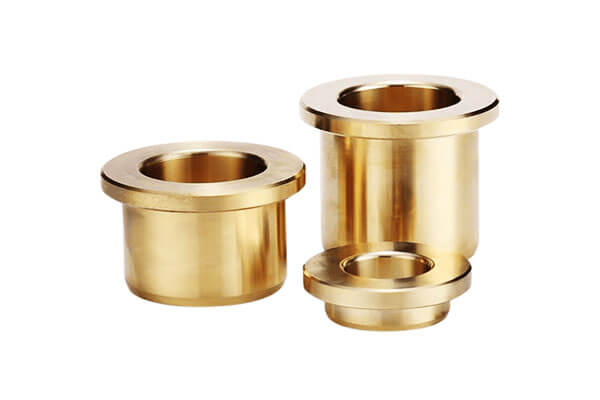
Սա հատկապես կարևոր է այնպիսի բաղադրիչներում, ինչպիսիք են փականների մարմինները, պտուտակային սարքավորում, թփեր, և ծանր բեռնատար մեքենաների մասեր, որտեղ համաձուլվածքն արդեն օգտագործվում է, քանի որ այն առաջարկում է ամրության բարենպաստ համադրություն, Կոռոզիոն դիմադրություն, եւ հագնել դիմադրություն.
Նիկել ալյումինե բրոնզներ, Օրինակ, նկարագրված են որպես կավիտացիայի նկատմամբ գերազանց դիմադրություն և ծովի ջրի ուժեղ կատարում, դրա համար էլ նրանք ստեղծվել են ծովային ծառայության մեջ.
Այդ դեպքերում, խտության տույժը հաճախ ընդունվում է, քանի որ ծառայության օգուտը ավելի մեծ է, քան քաշի արժեքը.
Խտությունը ընդդեմ ծակոտկենության: Քննադատական տարբերակում
Բրոնզի արտադրության մեջ, հեշտ է շփոթել նյութի խտությունը հետ մասի խտությունը.
Նրանք նույնը չեն. Նյութի խտությունը բուն համաձուլվածքի հատկությունն է; մասի խտությունը կախված է համաձուլվածքից, գործընթացի երթուղին, և պատրաստի բաղադրիչում առկա ցանկացած ծակոտկենություն.
Այս տարբերությունը հատկապես կարևոր է դառնում փոշու մետալուրգիայի բրոնզե մասերում, որտեղ սինթրած խտությունը միտումնավոր ավելի ցածր է, քան լրիվ խտությունը, որպեսզի մասը կարողանա պահպանել յուղը.
Պղնձի համաձուլվածքի գրականությունը նշում է, որ բրոնզե P/M մասերը կարող են կլանել 10% դեպի 30% յուղի ծավալով` կախված սինթրած խտությունից, հենց դա է պատճառը, որ ինքնուրույն քսվող բրոնզե առանցքակալներն աշխատում են ցածր արագությամբ.
Այդ կետը արժեքավոր է փոշու մետալուրգիայից դուրս. Այն ինժեներներին հիշեցնում է, որ խտությունը միայն քաշը չէ; այն նաև վերաբերում է ներքին կառուցվածքին, բեռի փոխանակում, և ֆունկցիոնալ ծակոտկենություն.
Այլ կերպ ասած, «Ավելի ցածր խտության բրոնզե մասը» կարող է լինել կամ դիզայնի ընտրություն կամ թերություն, կախված գործընթացի երթուղուց. Այդ տարբերությունը հասկանալն էական նշանակություն ունի որակի վերահսկման համար.
Ինչպես ինժեներները պետք է ճիշտ օգտագործեն խտությունը
Աշխատանքի ճիշտ ընթացքը պարզ է, բայց հաճախ անտեսվում է.
Առաջին, նշեք ճշգրիտ UNS բրոնզե աստիճան. Երկրորդ, ստուգեք, թե արդյոք արժեքը վերաբերում է լիովին խիտ ձուլածո նյութ, կռած պաշար, կամ սինտրացված P/M նյութ.
Երրորդ, ստուգեք, արդյոք դիզայնը զգայուն է զանգվածի նկատմամբ, իներցիա, ջերմային վարքագիծ, կամ քսանյութի պահպանում.
Միայն դրանից հետո խտությունը պետք է օգտագործվի որպես ընտրության որոշման մաս. Սա միակ միջոցն է՝ խուսափելու կատալոգի համարն օգտագործելուց, կարծես դա ամբողջական ինժեներական պատասխան է.
6. Ինչպես են ինժեներները ճիշտ օգտագործում խտության տվյալները
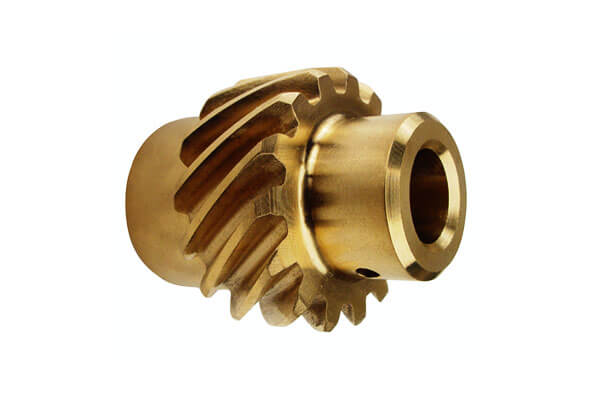
Բրոնզե խտության օգտագործման ճիշտ ձևը նշելն է ճշգրիտ խառնուրդ, ոչ միայն «բրոնզ» բառը։
C93200-ի նման կրող բրոնզն ունի շատ տարբեր խտություն ալյումինե բրոնզից, ինչպիսին է C95400-ը:, և այդ տարբերությունները կարող են էապես փոխել մասի զանգվածը արտադրության նախագծում.
Հետևաբար, վերը նշված տվյալների աղյուսակի արժեքները օգտակար են միայն այն դեպքում, երբ դրանք կապված են կոնկրետ UNS համարի և արտադրանքի ձևի հետ.
Ինժեներները նաև պետք է հիշեն, որ խտությունն ինքնին չի որոշում կատարողականը.
Նմանատիպ խտություններով երկու բրոնզները կարող են շատ տարբեր կերպ վարվել մաշվածության մեջ, կոռոզիիոն, մեքենայություններ, կամ բեռնվածքի հզորությունը.
Օրինակ, C95500 և C86300 երկուսն էլ 7,5–7,8 գ/սմ³ միջակայքում են, բայց դրանք օգտագործվում են տարբեր ծանր սպասարկման խորշերում, քանի որ դրանց քիմիական և մեխանիկական պրոֆիլները տարբեր են.
7. Ընտրության տրամաբանություն: Ընտրելով ճիշտ բրոնզը ըստ խտության և ֆունկցիայի
Եթե քաշի նվազեցումը կարևոր է, ալյումինե բրոնզերը, ինչպիսին է C95400-ը, հաճախ գրավիչ են, քանի որ դրանք նստում են բրոնզե սպեկտրի ավելի թեթև ծայրում, մինչդեռ դեռ առաջարկում են ուժեղ կոռոզիա և մաշվածություն:.
Ծանր կրող կամ ծովային տեխնիկայի համար, ինժեները կարող է ընդունել ավելի խիտ բրոնզ, ինչպիսիք են C93200 կամ C86300, քանի որ ծառայության օգուտները գերազանցում են զանգվածային տույժը.
Եթե դիմումը ծանր սպասարկման ծովային ապարատային կամ պտուտակի հետ կապված սարքավորում է, նիկելային ալյումինե բրոնզերը, ինչպիսին է C95500-ը, առաջարկում են ուժեղ փոխզիջում քաշի միջև, ուժ, եւ կոռոզիոն դիմադրություն.
Այսպիսով, ընտրության կանոնը պարզ է: մի ընտրեք բրոնզը միայն խտությամբ.
Ընտրեք համաձուլվածքը, որի խտությունը, ուժ, Հագուստի դիմադրություն, Կոռոզիոն դիմադրություն, ամրություն, և մշակելիությունը միասին համապատասխանում են մասի գործառույթին.
Բրոնզի խտությունը կարևոր է, բայց դա միայն մեկ առանցք է բազմաչափ նյութական որոշման մեջ.
8. Բրոնզե խտություն vs. Մրցակցող նյութեր
| Նյութական | Ներկայացուցչական գնահատական | Խտություն (գ / սմ) | Խտություն (կգ/մ³) | Խտություն (լբ/ին³) |
| Բրոնզ | C86300 մանգան բրոնզ | 7.83 | 7,830 | 0.283 |
| Փող | C26000 քարթրիջ արույր | 8.53 | 8,530 | 0.308 |
| Պղնձ | Մաքուր պղինձ | 8.93 | 8,930 | 0.323 |
| Ածխածնի պողպատ | AISI 1018 | 7.87 | 7,870 | 0.284 |
| Չժանգոտվող պողպատ | AISI 304 | 8.00 | 8,000 | 0.289 |
| Ալյումին խառնուրդ | 6061-T6 | 2.70 | 2,700 | 0.0975 |
| Մոխրագույն չուգուն | ASTM A48 դաս 40 | 7.15 | 7,150 | 0.258 |
| Տիտղոս խառնուրդ | TI-6AL-4V (Դասարան 5) | 4.43 | 4,430 | 0.160 |
| Նիկելի վրա հիմնված գերհամաձուլվածք | INCONEL 718 | 8.19 | 8,190 | 0.296 |
9. Եզրափակում
Բրոնզի խտությունը լավագույնս վերաբերվում է որպես ա ընտանեկան սեփականություն՝ լայն տեսականիով, ոչ որպես մեկ հաստատուն արժեք.
Ներկայացուցչական բրոնզե համաձուլվածքները տարածվում են մոտավորապես 7.45 գ / սմ ալյումինե բրոնզից մինչև 9.25 գ / սմ թիթեղյա բարձրորակ բրոնզով, մի քանի այլ սովորական բրոնզերի հետ, որոնք նստած են արանքում.
Այդ տարածումն արտացոլում է այն փաստը, որ բրոնզը պղնձի վրա հիմնված համաձուլվածքների ընտանիք է՝ համաձուլման տարբեր համակարգերով և ծառայության տարբեր առաջնահերթություններով։.
Ինժեներների համար, գործնական դասը պարզ է: բրոնզի խտությունը ազդում է զանգվածի վրա, իներցիա, առաքում, և հավասարակշռություն, բայց դա միշտ պետք է մեկնաբանվի ուժի կողքին, հագնում պահվածքը, Կոռոզիոն դիմադրություն, և արտադրելիություն.
«Լավագույն» բրոնզը ամենաթեթև կամ ծանր բրոնզը չէ; դա բրոնզն է, որի խտությունը համապատասխանում է դիզայնի մնացած հատվածին.
ՀՏՀ
Բրոնզը պղնձից ծանր է?
Ոչ միշտ. Պղինձը ունի խտություն 8.89 գ / սմ, մինչդեռ բրոնզի խտությունը մեծապես տարբերվում է ըստ խառնուրդի. Որոշ բրոնզներ ավելի թեթև են, քան պղնձը, մինչդեռ մյուսները, ինչպիսին է C93200-ը, մի փոքր ավելի խիտ են.
Արդյոք ավելի ցածր խտությունը միշտ նշանակում է ավելի լավ բրոնզ?
Ոչ. Ավելի ցածր խտությունը կարող է օգնել քաշի նվազեցմանը, բայց բրոնզի ընտրությունը պետք է հաշվի առնի նաև ուժը, Հագուստի դիմադրություն, Կոռոզիոն դիմադրություն, ամրություն, և մեքենայական վարքագիծը.
Ինչու են բրոնզե համաձուլվածքներն ունեն այդքան տարբեր խտություն?
Քանի որ բրոնզը պղնձի վրա հիմնված համաձուլվածքների ընտանիք է՝ համաձուլման տարբեր համակարգերով՝ անագ, կապար, նիկել, ալյումին, մանգան, և երկաթը բոլորը փոխում են վերջնական խտությունը և սպասարկման վարքագիծը.