
1. Ներածություն
Բրոնզե ձուլվածքները մնում են հիմքի նյութական դաս ամբողջ ծովում, էներգիա, արդյունաբերական, և ժառանգության ինժեներական ոլորտները, քանի որ դրանք միավորվում են Կոռոզիոն դիմադրություն, հագնում կատարումը, լեղապարկ դիմադրություն և լավ ձուլման ունակություն.
«Բրոնզը» լայն ընտանիք է (պղնձ + elements other than zinc), ոչ մի համաձուլվածք, և բրոնզի որակի և ձուլման մեթոդի ընտրությունը ուղղակիորեն վերահսկում է բաղադրիչի կյանքը, պահպանման ծախսերը և արտադրական հնարավորությունները.
This article surveys the ձուլման մեջ օգտագործվող բրոնզի ամենատարածված դասարանները, բացատրում է, թե ինչու են դրանք ընտրվել, ներկայացնում է ներկայացուցչական տվյալներ, և ապահովում է գործնական ուղեցույց՝ ճշգրտման և ընտրության համար.
2. Ինչ է ձուլված բրոնզը?
Ձուլված բրոնզը նշանակում է պղնձի վրա հիմնված համաձուլվածքների ընտանիք, որոնք ձևավորվել են ձուլման միջոցով արտադրության համար (for example sand, ներդրում, մեռնել, or centrifugal casting) և ամրացվեց ցանցի ձևի համարյա բաղադրիչների.
Ավանդաբար, «բրոնզը» ենթադրում էր պղինձ-անագ համաձուլվածքներ (թիթեղյա բրոնզներ), բայց ժամանակակից պրակտիկան ներառում է համաձուլվածքների այլ հիմնական համակարգեր, հատկապես ալյումինե բրոնզներ, սիլիկոնային բրոնզներ, ֆոսֆոր (անագ) բրոնզներ, and leaded (կրող) բրոնզներ — յուրաքանչյուրը նախագծված է կոնկրետ մետալուրգիական և սպասարկման պահանջների համար.
Արտադրանքի և ձուլման համապատասխան պահանջները սահմանված են արդյունաբերության ստանդարտներում (Օրինակ, ձուլածո պղնձի համաձուլվածքների ընդհանուր բնութագրերը) և ազգային ստանդարտներում, որոնք օգտագործվում են գնումների և որակի ապահովման համար.
Ձուլված բրոնզի հիմնական բնութագրերը
Բրոնզի լայն տարածումը ձուլման մեջ բխում է նրա յուրահատուկ հատկությունների համակցումից, որոնք գերազանցում են բազմաթիվ այլ ձուլված մետաղներ (Է.Գ., չուգուն, ձուլածո ալյումին) կոնկրետ սցենարներում.
Հիմնական հիմնական բնութագրերը ներառում են:
Գերազանց կուտելիություն:
Բրոնզն ունի ցածր հալման կետ (սովորաբար 900–1100℃, ցածր է պողպատից և չուգունից) և լավ հեղուկություն հալված վիճակում, հնարավորություն տալով լցնել կաղապարի բարդ խոռոչները մեծ չափերի ճշգրտությամբ.
Բրոնզե սորտերի մեծ մասը կարող է ձուլվել բարակ պատերով բաղադրիչների մեջ (պատի նվազագույն հաստությունը 2-3 մմ) և բարդ ձևեր (Է.Գ., հանդերձում ատամները, Փական մարմիններ) առանց թերությունների, ինչպիսիք են նեղացումը, ծակոտկենություն, կամ սառը փակում.
Գերազանց մաշվածության դիմադրություն:
Կոշտ միջմետաղական փուլերի առկայությունը (Է.Գ., Cu₃Sn թիթեղյա բրոնզով, Al2Cu ալյումինե բրոնզից) և խառնուրդի բնորոշ ճկունությունը հանգեցնում է գերազանց մաշվածության դիմադրության,
ձուլածո բրոնզը դարձնելով իդեալական շփման բաղադրիչների համար (Է.Գ., Առանցքակալներ, թփեր, Gears) որոնք աշխատում են բարձր բեռի և ցածր արագության պայմաններում.
Լավ կոռոզիոն դիմադրություն:
Բրոնզը կազմում է խիտ, կպչուն օքսիդ թաղանթ իր մակերեսին, ապահովելով պաշտպանություն մթնոլորտից, ջրային, և քիմիական կոռոզիայից.
Տարբեր դասարաններ ցուցաբերում են տարբեր կոռոզիոն դիմադրություն, օրինակ, ալյումինե բրոնզը բարձր դիմացկուն է ծովային կոռոզիայից, մինչդեռ կապարի բրոնզը հարմար է թթվային միջավայրերի համար.
Հավասարակշռված մեխանիկական հատկություններ:
Ձուլված բրոնզե դասարանները տատանվում են ճկուն, ցածր ամրության սորտեր (Է.Գ., կապարե անագ բրոնզ) դեպի բարձր ամրություն, մաշվածության դիմացկուն համաձուլվածքներ (Է.Գ., ալյումինե բրոնզ),
առաձգական ուժով՝ սկսած 200 MPa դեպի 800 MPa-ից և երկարացումից 5% դեպի 40%.
Լավ մեքենայականություն:
Շատ ձուլված բրոնզե դասարաններ (հատկապես կապարի բրոնզը) ունեն գերազանց մշակելիություն, թույլ տալով հեշտ շրջվել, ֆրեզերային, հորատում, և փայլեցում՝ մակերեսի բարձր ավարտի հասնելու համար (Ra ≤ 0.8 մկմ) և չափերի ճշգրտությունը.
3. Ընդհանուր ձուլված բրոնզե դասարաններ: Մանրամասն վերլուծություն
Բրոնզե գնահատականները հիմնականում հիմնված են ASTM ստանդարտներ, GB/T և ISO բնութագրերով, որոնք ապահովում են համարժեք դասակարգումներ.
Այս դասակարգերը դասակարգվում են ըստ հիմնական համաձուլվածքի տարրի: անագ, ալյումին, սիլիկոն, կապար, եւ նիկել.
Յուրաքանչյուր կատեգորիա առաջարկում է տարբեր մեխանիկական, կոռոզիիոն, և ձուլման առանձնահատկությունները, հարմարեցված է տարբեր արդյունաբերական կիրառությունների համար.
Անագ բրոնզ (Cu–Sn համաձուլվածքներ): Ավանդական և բազմակողմանի
Անագ բրոնզն է ձուլածո բրոնզը հնագույն և ամենաշատ օգտագործվող, հետ անագը որպես առաջնային համաձուլվածքային տարր. Այն(Անագ) բարելավում է ամրություն, Հագուստի դիմադրություն, եւ կոռոզիոն դիմադրություն, մինչդեռ պղինձը ապահովում է ճկունություն և ամրություն.
Անագի պարունակությունը սովորաբար տատանվում է 5-15 wt%Մի քիչցածր անագ (5– 8%) բարձրացնում է ճկունությունը, մինչդեռ ավելի բարձր թիթեղ (10– 15%) մեծացնում է կարծրությունը և մաշվածության դիմադրությունը.
Ընդհանուր գնահատականներ: ASTM B22 (C90300, C90500), ԳԲ/Տ 1176 (ZCuSn5Pb5Zn5, ZCuSn10Pb1), Iso 4281 (CuSn6, CuSn10).
Հիմնական անագ բրոնզե գնահատականներ ձուլման համար
ZCuSn5Pb5Zn5 (ԳԲ/Տ 1176) / C90300 (ASTM B22)
- Քիմիական կազմ (wt%): Cu 84–86, Սն 4–6, Pb 4–6, Zn 4–6, Կեղտեր ≤0,5
- Մետալուրգիական բնութագրեր: Hypoeutectic α-Cu + հաշտական (α-Cu + Cu₃Sn); Pb-ն և Zn-ը բարելավվում են մեքենայություններ, Sn-ն ուժեղացնում է Հագուստի դիմադրություն
- Մեխանիկական հատկություններ (Դերասանական դերում): Առաձգական ≥200 ՄՊա, Ելք ≥90 ՄՊա, Երկարացում ≥10%, Կարծրություն ≥60 HB
- Կոռոզիոն դիմադրություն: Լավ մթնոլորտային և քաղցրահամ ջրի դիմադրություն; ծովի ջրի/թթվային չափավոր դիմադրություն
- Ամրություն: Գերազանց հեղուկություն; հարմար է միջին բարդության մասերի ավազի և ներդրումային ձուլման համար
- Բնորոշ ծրագրեր: Առանցքակալներ, թփեր, Gears, Փական մարմիններ, պոմպի շարժիչներ, դեկորատիվ ձուլվածքներ
ZCuSn10Pb1 (ԳԲ/Տ 1176) / C90500 (ASTM B22)
- Քիմիական կազմ (wt%): Cu 88–90, Սն 9–11, Pb 0,5–1,5, Կեղտեր ≤0,5
- Մետալուրգիական բնութագրեր: Մերձէվեկտիկական α-Cu + նուրբ Cu₃Sn նստվածքներ; ավելի բարձր Sn բարելավվում է կարծրություն և մաշվածության դիմադրություն, Pb-ն բարելավվում է մեքենայություններ
- Մեխանիկական հատկություններ (Դերասանական դերում): Առաձգական ≥240 ՄՊա, Ելքատվությունը ≥100 ՄՊա, Երկարացում ≥8%, Կարծրություն ≥70 HB
- Կոռոզիոն դիմադրություն: Գերազանց ZCuSn5Pb5Zn5-ից; դիմացկուն է ծովի ջրի նկատմամբ, գոլորշի, և մեղմ քիմիական նյութեր
- Ամրություն: Լավ հեղուկություն; հարմար է բարձր ճշգրտության բարակ պատերով ձուլման համար
- Բնորոշ ծրագրեր: Բարձր բեռնված առանցքակալներ, ճիճու շարժակների, ծովային պոմպի բաղադրիչներ, գոլորշու փականներ, Ճշգրիտ ավտոմոբիլային/ծովային մասեր
Ալյումինե բրոնզ (Cu–Al համաձուլվածքներ): Բարձր ամրություն և կոռոզիոն դիմացկուն
Ալյումինի բրոնզը պարունակում է 5–12% Ալ, կազմող կոշտ միջմետաղներ (Al₂Cu, Cu₃Ալ) որոնք ուժեղացնում են ուժ, կարծրություն, եւ կոռոզիոն դիմադրություն.
Գերազանց համար ծովային, բարձր ջերմաստիճան, և մաշվածության ինտենսիվ միջավայրեր.
Ընդհանուր գնահատականներ: ASTM B148 (C95400, C95500), ԳԲ/Տ 1176 (ZCuAl10Fe3, ZCuAl10Fe5Ni5), Iso 4281 (CuAl10Fe3, CuAl10Ni5Fe4).
Հիմնական ալյումինե բրոնզե դասարաններ ձուլման համար
ZCuAl10Fe3 (ԳԲ/Տ 1176) / C95400 (ASTM B148)
- Քիմիական կազմ (wt%): Cu 86–89, Ալ 9–11, Fe 2–4, Կեղտեր ≤0,5
- Մետալուրգիական բնութագրեր: Երկփուլ α + բ; Fe-ն առաջացնում է Fe–Al միջմետաղներ; բ → ա + γ2 փոխակերպումն առաջացնում է կոշտ, մաշվածության դիմացկուն միկրոկառուցվածք
- Մեխանիկական հատկություններ (Դերասանական դերում): Առաձգական ≥500 ՄՊա, Ելք ≥200 ՄՊա, Երկարացում ≥15%, Կարծրություն ≥150 HB
- Կոռոզիոն դիմադրություն: Գերազանց է ծովի ջրի մեջ, ծովային մթնոլորտներ, թթու; մակերեսային Al2O3 թաղանթը պաշտպանում է օքսիդացումից
- Ամրություն: Լավ; պահանջում է 1100–1150°C; հարմար է ավազի համար, ներդրում, խոշոր մասերի կենտրոնախույս ձուլում
- Բնորոշ ծրագրեր: Ծովային պտուտակներ, նավի կցամասեր, օֆշորային բաղադրիչներ, պոմպի պատյաններ, մաշվածության դիմացկուն շարժակներ
ZCuAl10Fe5Ni5 (ԳԲ/Տ 1176) / C95500 (ASTM B148)
- Քիմիական կազմ (wt%): Cu 76–81, Ալ 9–11, Fe 4–6, 4–6-ում, Կեղտեր ≤0,5
- Մետալուրգիական բնութագրեր: Բազմաֆազ α + բ + Ֆե–Ալ + Նի–Ալ միջմետաղներ; Ni-ն բարելավվում է ուժ, կոշտություն, Կոռոզիոն դիմադրություն
- Մեխանիկական հատկություններ (Դերասանական դերում): Առաձգական ≥600 ՄՊա, Ելք ≥250 ՄՊա, Երկարացում ≥12%, Կարծրություն ≥180 HB
- Կոռոզիոն դիմադրություն: ZCuAl10Fe3-ին գերազանցում է; գերազանց ծովային ջուր, գոլորշի, և քիմիական դիմադրություն
- Ամրություն: Լավ; հարմար է մեծ, բարձր ամրության բարդ բաղադրիչներ
- Բնորոշ ծրագրեր: Խոշոր ծովային պտուտակներ, օֆշորային նավթ & գազի սարքավորումներ, բարձր ճնշման փականներ, ծանր աշխատանքային փոխանցման տուփեր
Սիլիկոնային բրոնզ (Cu–Si համաձուլվածքներ): Բարձր ճկունություն և էլեկտրական հաղորդունակություն
Սիլիկոնային բրոնզը պարունակում է 1-4% Այո, առաջարկ գերազանց ճկունություն, Կոռոզիոն դիմադրություն, եւ էլեկտրական հաղորդունակություն (30-40% IACS). Հարմար է էլեկտրական, ծովային, և դեկորատիվ հավելվածներ.
Ընդհանուր գնահատականներ: ASTM B22 (C65500, C65800), ԳԲ/Տ 1176 (ZCuSi3Mn1, ZCuSi10P1), Iso 4281 (CuSi3Mn, CuSi10P).
Հիմնական սիլիկոնային բրոնզե դասարաններ ձուլման համար
ZCuSi3Mn1 (ԳԲ/Տ 1176) / C65500 (ASTM B22)
- Քիմիական կազմ (wt%): Cu 94–96, Իսկ 2,5–3,5, Mn 0,5–1,5, Կեղտեր ≤0,5
- Մետալուրգիական բնութագրեր: Hypoeutectic α-Cu + վերջ Այո; Mn-ը մաքրում է հատիկները, բարելավում է ուժը
- Մեխանիկական հատկություններ (Դերասանական դերում): Առաձգական ≥280 ՄՊա, Ելք ≥110 ՄՊա, Երկարացում ≥20%, Կարծրություն ≥80 HB
- Կոռոզիոն դիմադրություն: Լավ է մթնոլորտում, քաղցրահամ ջուր, մեղմ քիմիական նյութեր
- Ամրություն: Գերազանց; հարմար է բարդ ձևի համար, բարձր ճկուն բաղադրիչներ
- Բնորոշ ծրագրեր: Էլեկտրական միակցիչներ, անջատիչներ, դեկորատիվ ձուլվածքներ, ծովային տեխնիկա, փոքր շարժակներ
ZCuSi10P1 (ԳԲ/Տ 1176) / C65800 (ASTM B22)
- Քիմիական կազմ (wt%): Cu 88–90, Եվ 9–11, P 0.2–0.4, Կեղտեր ≤0,5
- Մետալուրգիական բնութագրեր: Մերձէվեկտիկական α-Cu + Մի քանազոր; P-ն ուժեղացնում է ամրություն, միկրոկառուցվածքի ճշգրտում
- Մեխանիկական հատկություններ (Դերասանական դերում): Առաձգական ≥350 ՄՊա, Ելք ≥140 ՄՊա, Երկարացում ≥12%, Կարծրություն ≥100 HB
- Կոռոզիոն դիմադրություն: ZCuSi3Mn1-ին գերազանցում է; դիմացկուն է ծովի ջրի նկատմամբ, գոլորշի, թթու
- Ամրություն: Լավ; հարմար է բարակ պատերի համար, ճշգրիտ ձուլվածքներ
- Բնորոշ ծրագրեր: Փականներ, պոմպեր, Ծովային բաղադրիչներ, էլեկտրական տերմինալներ, ճշգրիտ ավտոմոբիլային/էլեկտրոնային մասեր
Առաջատար բրոնզ (Cu–Sn–Pb համաձուլվածքներ): Գերազանց մշակելիություն և քսում
Կապարի բրոնզը պարունակում է 5-20% Pb և 2–10% Սն. Pb գոյություն ունի որպես դիսկրետ մասնիկներ գրավում մեքենայություններ, յուղայնություն, եւ հագնել դիմադրություն.
Հարմար է Առանցքակալներ, թփեր, և ցածր շփման բաղադրիչներ.
Ընդհանուր գնահատականներ: ASTM B22 (C93200, C93700), ԳԲ/Տ 1176 (ZCuSn10Pb5, ZCuSn5Pb15Zn5), Iso 4281 (CuSn10Pb5, CuSn5Pb15Zn5).
Հիմնական առաջատար բրոնզե գնահատականներ ձուլման համար
ZCuSn10Pb5 (ԳԲ/Տ 1176) / C93200 (ASTM B22)
- Քիմիական կազմ (wt%): Cu 83–85, Սն 9–11, Pb 4–6, Կեղտեր ≤0,5
- Մետալուրգիական բնութագրեր: Hypoeutectic α-Cu + Cu₃Sn + Pb մասնիկներ; Pb-ն նվազեցնում է շփումը
- Մեխանիկական հատկություններ (Դերասանական դերում): Առաձգական ≥220 ՄՊա, Ելքատվությունը ≥100 ՄՊա, Երկարացում ≥8%, Կարծրություն ≥65 HB
- Կոռոզիոն դիմադրություն: Լավ մթնոլորտ և քաղցրահամ ջուր; ծովի ջրի/թթվային չափավոր դիմադրություն
- Ամրություն: Գերազանց հեղուկություն; հարմար է փոքր/միջին, բարձր մշակման ենթակա բաղադրիչներ
- Բնորոշ ծրագրեր: Առանցքակալներ, թփեր, Gears, ճիճու անիվներ, պոմպի բաղադրիչներ
ZCuSn5Pb15Zn5 (ԳԲ/Տ 1176) / C93700 (ASTM B22)
- Քիմիական կազմ (wt%): Cu 73–75, Սն 4–6, Pb 14–16, Zn 4–6, Կեղտեր ≤0,5
- Մետալուրգիական բնութագրեր: Hypoeutectic α-Cu + Cu₃Sn + Հյուղ + Zn-ով հարուստ փուլեր; բարձր Pb բարելավվում է մեքենայություններ
- Մեխանիկական հատկություններ (Դերասանական դերում): Առաձգական ≥180 ՄՊա, Ելք ≥80 ՄՊա, Երկարացում ≥5%, Կարծրություն ≥55 HB
- Կոռոզիոն դիմադրություն: Չափավոր; հարմար է չոր/քսած միջավայրերի համար
- Ամրություն: Գերազանց հեղուկություն; հարմար է լայնածավալ մշակման կարիք ունեցող բարդ մասերի համար
- Բնորոշ ծրագրեր: Փական մարմիններ, հանդերձում հանգույցներ, ցածր բեռնվածության թփեր, դեկորատիվ ձուլվածքներ
Նիկել բրոնզ (Cu–Ni համաձուլվածքներ): Կոռոզիայից բարձր դիմադրություն և ամրություն
Նիկել բրոնզ (կպրոնիկել) պարունակում է 10-30% Մուտք. Ni-ն բարելավվում է Կոռոզիոն դիմադրություն, կոշտություն, և բարձր ջերմաստիճանի կայունություն.
Իդեալական է ծովային և բարձր ջերմաստիճանի ծրագրեր, դիմադրելով ծովի ջուր և բիովաղտոտում.
Ընդհանուր գնահատականներ: ASTM B148 (C96200, C96400), ԳԲ/Տ 1176 (ZCuNi10Fe1Mn1, ZCuNi30Fe1Mn1), Iso 4281 (CuNi10Fe1Mn, CuNi30Fe1Mn).
Հիմնական նիկելի բրոնզե գնահատականներ ձուլման համար
ZCuNi10Fe1Mn1 (ԳԲ/Տ 1176) / C96200 (ASTM B148)
- Քիմիական կազմ (wt%): Cu 86–88, 9–11-ին, Fe 0,5–1,5, Mn 0,5–1,5, Կեղտեր ≤0,5
- Մետալուրգիական բնութագրեր: Մեկ α-Cu պինդ լուծույթ; Fe-ն և Mn-ը մաքրում են հացահատիկները, բարելավել ուժը
- Մեխանիկական հատկություններ (Դերասանական դերում): Առաձգական ≥350 ՄՊա, Ելք ≥150 ՄՊա, Երկարացում ≥20%, Կարծրություն ≥100 HB
- Կոռոզիոն դիմադրություն: Գերազանց է ծովի ջրի մեջ, ծովային մթնոլորտներ, բիովաղտոտում; հարմար է երկարաժամկետ ծովային ծառայության համար
- Ամրություն: Լավ հեղուկություն; հարմար է ավազի և ծովային բաղադրիչների ներդրումային ձուլման համար
- Բնորոշ ծրագրեր: Ծովային փականներ, պոմպի պատյաններ, նավի կորպուսի կցամասեր, օֆշորային հարթակի բաղադրիչներ
ZCuNi30Fe1Mn1 (ԳԲ/Տ 1176) / C96400 (ASTM B148)
- Քիմիական կազմ (wt%): Cu 67–69, 29–31-ին, Fe 0,5–1,5, Mn 0,5–1,5, Կեղտեր ≤0,5
- Մետալուրգիական բնութագրեր: Մեկ α-Cu պինդ լուծույթ; ավելի բարձր Ni-ն բարելավում է կոռոզիան և ջերմային կայունությունը
- Մեխանիկական հատկություններ (Դերասանական դերում): Առաձգական ≥400 ՄՊա, Ելք ≥180 ՄՊա, Երկարացում ≥18%, Կարծրություն ≥120 HB
- Կոռոզիոն դիմադրություն: Գերազանց է C96200-ին; գերազանց դիմադրություն ծովի ջրին, բարձր ջերմաստիճանի գոլորշի, և ագրեսիվ քիմիական նյութեր
- Ամրություն: Լավ հեղուկություն; հարմար է մեծ, կոռոզիոն դիմացկուն բաղադրիչներ
- Բնորոշ ծրագրեր: Խոշոր ծովային պտուտակներ, օֆշորային նավթ & գազի սարքավորումներ, բարձր ջերմաստիճանի փականներ, քիմիական վերամշակման սարքավորումներ
4. Ձուլման գործընթացներ ձուլածո բրոնզի
Ձուլման մեթոդը բրոնզե բաղադրիչի նախագծման միակ կարևոր որոշումներից մեկն է.
Գործընթացը վերահսկում է ներքին կայունությունը, Միկրոկառուցվածք, հասանելի երկրաչափություն, Մակերեւույթի ավարտը, ծավալային հանդուրժողականություն, արժեքը և հետձուլման պահանջվող աշխատանքը (He երմամշակում, վերամբարձ, Նիդ).
Ավազի ձուլում (կանաչ-ավազ / խեժի հետ կապված)
Ինչ է դա: Հալած բրոնզը լցնում են ավազի կաղապարի մեջ (չամրացված կամ քիմիապես կապված).
Ուժեղ կողմեր: Գործիքների ցածր արժեքը, ճկուն է մեծ և բարդ ձևերի համար, տնտեսական փոքր և միջին արտադրության ծավալների և մեծ մասերի համար (պոմպի մարմիններ, Փական տներ).
Սահմանափակումներ: Ավելի կոպիտ մակերեսի ավարտ, ավելի լայն չափերի հանդուրժողականություն, գազի և կծկման ծակոտկենության ավելի մեծ ռիսկ, եթե դարպասը/սնուցումը օպտիմալացված չէ.
Տիպիկ մակերեսի ավարտ & հանդուրժողականություններ: Ra ≈ 6-25 մկմ (կախված ավազի դասակարգից); հանդուրժողականություն սովորաբար ± 0,5-3 մմ միջին չափի հատկանիշների համար (հատվածը և երկրաչափությունը կախված են).
Լավագույնը համար: Խոշոր ալյումինե-բրոնզե պոմպի պատյաններ, կապարի կրող թեւեր, կառուցվածքային ապարատ.
Հիմնական հսկիչներ: մաքուր հալվել (fluxing/degassing), Վերահսկվող լցնել ջերմաստիճանը (հեղուկ + 30-150 °C որպես ընդհանուր ուղեցույց), լավ մշակված դարպասի/բարձրացման համակարգ՝ ուղղորդված ամրացման համար, կաղապարի/տուփի օդափոխություն՝ գազի թակարդումից խուսափելու համար.
Կենտրոնախույս ձուլում (ռոտացիոն)
Ինչ է դա: Հալած մետաղը լցվում է պտտվող կաղապարի մեջ; Կենտրոնախույս ուժը տարածում է մետաղը և նպաստում ուղղորդված ամրացմանը դրսից ներս. Ընդհանուր խողովակային և օղակաձև մասերի համար (շարժիչներ, թեւքեր, գծեր).
Ուժեղ կողմեր: Բարձր խտություն, ցածր ծակոտկենություն, բարենպաստ ուղղորդված ամրացում (լավ կերակրում), գերազանց մեխանիկական հատկություններ և մակերեսային հարդարում գլանաձև երկրաչափությունների համար. Գերազանց ընտրություն ալյումինե բրոնզերի և բարձր ամբողջականության մաշված մասերի համար.
Սահմանափակումներ: Երկրաչափությունը սահմանափակվում է առանցքի սիմետրիկ բաղադրիչներով կամ հատվածներով; Գործիքների արժեքը չափավոր է.
Տիպիկ մակերեսի ավարտ & հանդուրժողականություններ: Ra ≈ 1-6 մկմ; ավելի խիստ ճառագայթային համակենտրոն հանդուրժողականություն ընդդեմ ավազի ձուլման.
Լավագույնը համար: Շարժիչներ, թփեր, թեւքեր, պոմպի ներդիրներ, հատկապես Ալյումինե բրոնզ (Է.Գ., C95400).
Հիմնական հսկիչներ: ռոտացիայի արագությունը և հորդառատ արագության վերահսկումը, կաղապարը նախապես տաքացրեք նշված ջերմաստիճանին՝ սառը փակումներից խուսափելու համար, ֆիլտրերի օգտագործումը և գազազերծումը` ընդգրկումները նվազեցնելու համար, հորդառատ ջերմաստիճանի զգույշ հսկողություն՝ խարամի թակարդումից խուսափելու համար.
Ներդրումային ձուլում (կորած-մոմ)
Ինչ է դա: Մոմ օրինակը պատված է հրակայուն ցեխով; այրվելուց հետո խոռոչը լցվում է հալած բրոնզով.
Ուժեղ կողմեր: Գերազանց մակերեսային ավարտ, բարակ պատի հնարավորություն, նուրբ դետալներ և մոտ ծավալային հանդուրժողականություն՝ իդեալական փոքրերի համար, բարդ մասեր, ճարտարապետական կցամասեր, ճշգրիտ փականի բաղադրիչներ և փոքր շարժիչներ.
Սահմանափակումներ: Ավելի բարձր միավոր արժեք ցածր ծավալների համար (բայց տնտեսական բարդ մասերի համար միջին ծավալների դեպքում); մոմի գործիքների և կերամիկական պատյանների գործարկման ժամանակներ.
Տիպիկ մակերեսի ավարտ & հանդուրժողականություններ: Ra ≈ 0.4-1,6 մկմ հասանելի; հանդուրժողականություն սովորաբար ±0,05–0,5 մմ Կախված չափից.
Լավագույնը համար: Ֆոսֆորի և սիլիցիումի բրոնզե ճշգրիտ ձուլվածքներ, փոքր դեկորատիվ կամ հիդրավլիկ բաղադրիչներ.
Հիմնական հսկիչներ: մաքուր նախշի և պատյանների պատրաստում, վերահսկվող այրումը կեղևի ճեղքումից խուսափելու համար, օպտիմիզացված հորդառատ ջերմաստիճան՝ կեղևի քիմիային համապատասխանելու համար, հետընտրական սթրեսի թեթևացում.
Մշտական-բորբոս (ձգողականության մեռնում) և ցածր ճնշման ձուլում
Ինչ է դա: Հալած բրոնզը լցվում է (ծանրություն) կամ հարկադրված (ցածր ճնշում) մետաղյա կաղապարի մեջ (մշտական պողպատ կամ գրաֆիտ մեռնում է).
Ուժեղ կողմեր: Մակերեւույթի լավ հարդարում և կրկնելիություն, համեմատաբար արագ ցիկլի ժամանակներ միջին ծավալների համար, ավելի լավ մեխանիկական հատկություններ, քան ավազի ձուլումը ավելի արագ սառեցման և նուրբ միկրոկառուցվածքի շնորհիվ.
Սահմանափակումներ: Կաղապարի արժեքը և սահմանափակ երկրաչափական բարդությունը (պահանջվում են նախագծի անկյուններ և բաժանման գծեր). Ոչ այնքան ճկուն խոշորների համար, միանվագ մասեր.
Տիպիկ մակերեսի ավարտ & հանդուրժողականություններ: Ra ≈ 1.6-6,3 մկմ; հանդուրժողականությունը ավելի խիստ է, քան ավազի ձուլումը, հաճախ ± 0,1-0.5 մմ կախված հատկանիշի չափից.
Լավագույնը համար: Կրկնվող մասերի միջին ծավալի գործարկումներ, որտեղ ցանկալի է բարելավված միկրոկառուցվածք (որոշ թփեր, տներ).
Հիմնական հսկիչներ: կաղապարի ջերմաստիճանի վերահսկում, ծածկույթի ընտրություն ջերմության արդյունահանումը վերահսկելու և կպչունությունից խուսափելու համար, Ձուլված օդափոխություն.
5. Ձուլված բրոնզի ջերմային բուժում և մակերեսային պաշտպանություն
Այս բաժինը նկարագրում է նպատակային ջերմային մշակման և մակերեսային ճարտարագիտական տարբերակները, որոնք ձուլարաններն ու դիզայներներն օգտագործում են միկրոկառուցվածքը կայունացնելու համար։, կարգավորել մեխանիկական վարքագիծը, և երկարացնել ձուլածո բրոնզե բաղադրիչների ծառայության ժամկետը.
He երմամշակում
Շատ բրոնզե դասարաններ հարմար են սպասարկման համար, ինչպես ձուլված վիճակում և չեն պահանջում կարծրացման մշակում.
Այնուամենայնիվ, վերահսկվող ջերմային ցիկլերը սովորաբար օգտագործվում են (ա) թեթևացնել մնացորդային սթրեսները, որոնք առաջանում են կարծրացման և մեքենայացման արդյունքում, (բ) միատարրացնել քիմիական տարանջատումը և կատարելագործել միկրոկառուցվածքը, մի քանազոր (գ) բարձրացնել ամրությունը կամ ամրությունը, որտեղ խառնուրդի քիմիան թույլ է տալիս.
Ջերմային բուժման հիմնական նպատակները և բնորոշ պրակտիկան ամփոփված են ստորև.
Սթրեսը թեթևացնող անալիզ (առօրյան քասթինգների մեծ մասի համար).
- Տեղավորել: նվազեցնել ձուլման և մեքենայական սթրեսները, նվազագույնի հասցնել աղավաղումները հետագա հաստոցների ժամանակ և նվազեցնել սթրես-կոռոզիայի/ճաքերի ռիսկը ծառայության ընթացքում.
- Տիպիկ պրակտիկա: տաքացնել մինչև չափավոր ջերմաստիճան (հաճախ ~250–450 °C կախված խառնուրդից և հատվածի հաստությունից), պահեք հատվածի չափին համամասնական ժամանակ, ապա դանդաղ սառչում.
Սա ցածր ռիսկային գործողություն է, որը առաջարկվում է գրեթե բոլոր բրոնզե ձուլվածքների համար, նախքան ծանր մշակումը.
Լրիվ հալեցում / համասեռացում (բարելավել ճկունությունը և հեռացնել տարանջատումը).
- Տեղավորել: մեղմացնել ձուլումը, կոպիտ և գնդաձևացնել փխրուն փուլերը, և միատարրացնել միջդենդրիտիկ տարանջատումը, որն առաջանում է դանդաղ պնդացման արդյունքում.
- Տիպիկ պրակտիկա: բուծման ջերմաստիճանը տատանվում է ընտանիքի հետ՝ սովորաբար ~400–700 °C ժապավեն շատ թիթեղյա/կապարի և ֆոսֆորի բրոնզների համար; ալյումինե բրոնզերը հաճախ պահանջում են լուծույթի ավելի բարձր ջերմաստիճան (տես ստորև).
Սառեցումը սովորաբար վերահսկվում է (վառարան կամ օդային սառը) ըստ համաձուլվածքի ուղղորդման.
Լուծման բուժում + մարել (օգտագործվում է ընտրովի, հիմնականում որոշ ալյումինի և նիկելի բրոնզների համար).
- Տեղավորել: լուծել տարանջատումը և լուծվող միջմետաղները, որոնք առաջացել են պնդացման ժամանակ, արտադրելով ավելի միատեսակ միկրոկառուցվածք, որն այնուհետև կարող է հնանալ կամ կոփվել՝ զարգացնելու ավելի լավ ամրություն/ամրություն.
- Տիպիկ պրակտիկա: որոշակի ալյումինե բրոնզների համար, լուծույթի ջերմային բուժումը կատարվում է բարձր ջերմաստիճաններում (սովորաբար մեջ ~850–950 °C միջակայք շատ Cu–Al համաձուլվածքների համար), որին հաջորդում է արագ սառեցում (ջուր կամ հարկադիր օդ) պահպանել գերհագեցած մատրիցը.
Ճշգրիտ ջերմաստիճանը և մարման միջավայրը կախված են խառնուրդի քիմիայից և հատվածի չափից.
Տարիքային կարծրացում / մեռած (որտեղ կիրառելի է).
- Տեղավորել: զարգացնել տեղումների կամ պատվիրման ռեակցիաներ, որոնք մեծացնում են բերքատվությունը և առաձգական ուժը (որոշ ալյումինե բրոնզներ և մասնագիտացված պղինձ-նիկելային բրոնզներ արձագանքում են ծերացմանը).
- Տիպիկ պրակտիկա: լուծույթից և մարելուց հետո, միջանկյալ ծերացման/կոփման փուլ ~200–500 °C սահմանված ժամանակի համար օգտագործվում է ցանկալի ամրության/ճկունության հավասարակշռությանը մոտենալու համար.
Ծերացման պատուհանը և արձագանքը խիստ հատուկ են խառնուրդին.
Մակերեւութային պաշտպանություն
Բրոնզե համաձուլվածքները սովորաբար զարգացնում են կպչուն օքսիդային թաղանթներ, որոնք ապահովում են ելակետային կոռոզիոն դիմադրություն, բայց ագրեսիվ լրատվամիջոցների ազդեցությունը (քլորիդ պարունակող ծովային ջուր, թթվային գործընթացների հոսքեր, հղկող լուծույթներ) հաճախ պահանջում է լրացուցիչ մակերեսային ճարտարագիտություն.
Նպատակը կարող է լինել գեղագիտական (պահպանել ավարտը), կանխարգելիչ (հետաձգել ակտիվ կոռոզիայի սկիզբը) կամ ֆունկցիոնալ (բարելավել մաշվածությունը, նվազեցնել շփումը).
- Պասիվություն: Մակերեւույթը մշակելով ազոտաթթուով կամ կիտրոնաթթուով, օքսիդի թաղանթը խտացնելու համար, բարձրացնելով կոռոզիոն դիմադրությունը.
Այս մեթոդը սովորաբար օգտագործվում է ալյումինե բրոնզե և նիկել բրոնզե բաղադրիչների համար. - Էլեկտրական: Ազնիվ մետաղի բարակ շերտի կիրառում (Է.Գ., քրոմ, նիկել) մակերեսին կոռոզիոն դիմադրությունը և գեղագիտությունը բարելավելու համար.
Այս մեթոդը օգտագործվում է դեկորատիվ ձուլվածքների և բարձր կոռոզիոն դիմադրության բաղադրիչների համար. - Ներկարարություն/Ծածկապատում: Էպոքսիդային կամ պոլիուրեթանային ծածկույթի կիրառում բրոնզը քայքայիչ միջավայրից պաշտպանելու համար. Այս մեթոդը օգտագործվում է արտաքին և քիմիական մշակման բաղադրիչների համար.
- Տաք ցինկապատում: Կորոզիայի դիմադրությունը բարելավելու համար մակերեսին ցինկի շերտ քսելը. Այս մեթոդը օգտագործվում է խոշոր բրոնզե բաղադրիչների համար (Է.Գ., ծովային կցամասեր) դաժան միջավայրերում.
6. Ընտրության չափանիշները ընդհանուր ձուլածո բրոնզե դասարանների համար
Ձուլման համար բրոնզե դասարան ընտրելիս, դասակարգել հետևյալ գործոնները և այնուհետև կրճատել համընկնող ընտանիքներին/դասակարգերին:
- Սպասարկման միջավայր: ծովի ջուր, քաղցրահամ ջուր, թթու, ալկալային, ածխաջրածիններ. (Ծովի ջուր → ալյումինե բրոնզ; թթուներ → բարձր նիկելի բրոնզներ կամ հատուկ համաձուլվածքներ։)
- Մեխանիկական պահանջներ: ստատիկ բեռ, հոգնածության ցիկլեր, ազդեցություն — ալյումինե բրոնզներ բարձր ծանրաբեռնվածության համար; ֆոսֆորային բրոնզներ հոգնածության/գարնանային պահվածքի համար.
- Տրիբոլոգիա: սահող արագություն, քսում, երեսապատման նյութ - կապարե կրող բրոնզեր՝ համապատասխանելիության համար; ալյումինե բրոնզներ՝ բարձր բեռնվածության և հղկող ծառայության համար.
- Ձուլման գործընթացի սահմանափակումները: հասանելի խտություն, հանդուրժողականություն և ձևի բարդություն.
- Մեքենայություններ & երկրորդական գործողություններ: կապարե բրոնզներ՝ հեշտ մշակման համար; ֆոսֆորային բրոնզներ՝ չափավոր հաստոցների համար; ալյումինե բրոնզներ ավելի ծանր մշակման և ջերմային մշակման համար.
- Կարգավորող/առողջական մտահոգություններ: կապարի համաձուլվածքները ներկայացնում են բնապահպանական/առողջապահական նկատառումներ; հեռացումը և աշխատողների պաշտպանությունը պետք է պլանավորվի.
- Ծախս & կյանքի ցիկլը: ներառում է ոչ միայն նյութական ծախսերը, այլև կյանքի սպասվող երկարացումը, պարապուրդի և պահպանման ծախսերը.
7. Ընդհանուր ձուլված բրոնզե դասարանների դրական և բացասական կողմերը
Ալյումինե բրոնզ (C95400 ընտանիք)
Կողմ: Շատ բարձր ուժ, գերազանց ծովային ջրի/կավիտացիայի/էրոզիայի դիմադրություն, լավ մաշվածության դիմադրություն.
Դեմ: Ավելի թանկ, ավելի դժվար է մեքենայով, պահանջում է լավ ձուլման պրակտիկա՝ տարանջատումից խուսափելու համար.
Ֆոսֆոր բրոնզ (C51000 ընտանիք)
Կողմ: Լավ մաշվածության և հոգնածության դիմադրություն, Լավ մեքենայականություն (ազգական), լավ կոռոզիոն դիմադրություն բազմաթիվ միջավայրերում.
Դեմ: Ոչ այնքան ամուր, որքան ալ բարձր պարունակությամբ բրոնզերը ծանր մաշվածության համար; անագ պարունակությունը կարող է բարձրացնել ծախսերը.
Սիլիկոնային բրոնզ
Կողմ: Լավ կոռոզիոն դիմադրություն, ճկունություն և ավարտ; գերազանց ներդրումային ձուլման համար.
Դեմ: Ավելի ցածր ամրություն, քան ալյումինե բրոնզերը; ավելի քիչ հարմար է ծանր կրելու համար.
Առաջատար / կրող բրոնզներ (C93200 ընտանիք)
Կողմ: Գերազանց մեքենայական, լավ ներկառուցվածություն և համապատասխանելիություն առանցքակալների համար.
Դեմ: Առաջատար բովանդակությունը բարձրացնում է բնապահպանական/առողջապահական խնդիրներ; ավելի ցածր ուժ և բարձր ջերմաստիճանի սահմաններ.
Մասնագիտացված բրոնզներ
Կողմ: Հարմարեցված լուծումներ ագրեսիվ քիմիայի կամ բարձր ջերմաստիճանի համար.
Դեմ: Ավելի բարձր արժեք, պակաս ստանդարտացված; պահանջում է մանրակրկիտ մատակարարի որակավորում.
8. Ձուլված բրոնզի արդյունաբերության կիրառությունները
Օրինակներ, որտեղ ձուլածո բրոնզը յուրահատուկ արժեք է տալիս:
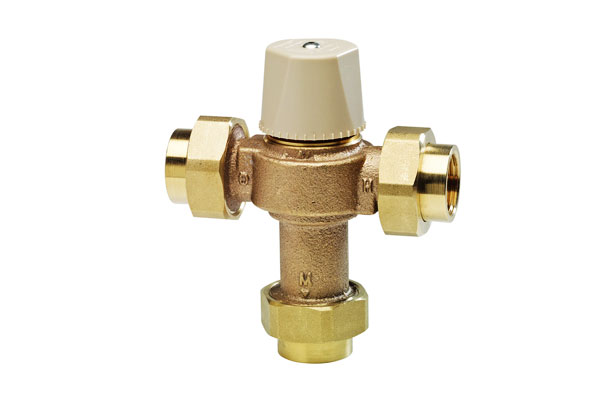
- Ծովային / օֆշորային: պոմպի շարժիչներ, պտուտակի բաղադրիչներ, ծովային փականներ (ալյումինե բրոնզներ).
- Հզորություն & էներգիա: տուրբինային կնիքները, Առանցքակալներ, փականի մասեր (ֆոսֆորի և ալյումինի բրոնզներ).
- Նավթաքիմիական / քիմիական: թրջված բաղադրիչներ, ջերմափոխանակիչի կցամասեր (սիլիցիում և հատուկ բրոնզներ).
- Արդյունաբերական մեքենաներ: թփեր, հագնել ափսեներ, ծանր թևեր (կրող բրոնզներ և ալյումինե բրոնզներ).
- Ժառանգություն / ճարտարապետություն: դեկորատիվ ձուլվածքներ և արձանիկներ (սիլիցիումի և ֆոսֆորի բրոնզներ).
- Ավտոմոբիլային / ավտոսպորտ: փոքր ճշգրիտ բաղադրիչներ վինտաժային կամ մասնագիտացված ծրագրերում (ֆոսֆորի կամ սիլիցիումի բրոնզներ).
9. Եզրակացություններ
Ընդհանուր դերասանական կազմ բրոնզ գնահատականներ, ներառյալ անագ բրոնզը, ալյումինե բրոնզ, սիլիկոնային բրոնզ, կապար բրոնզ, և նիկել բրոնզ, եզակի հատկություններով բազմակողմանի նյութեր են, որոնք հարմարեցված են ձուլման տարբեր կիրառություններին.
Յուրաքանչյուր դասարան ունի հստակ քիմիական բաղադրություն, մետալուրգիական բնութագրերը, ձուլման կատարումը, և կոռոզիոն վարքագիծը, դրանք հարմարեցնելով հատուկ սպասարկման միջավայրերի համար՝ սկսած ընդհանուր արդյունաբերական մեքենաներից մինչև ծովային և քիմիական կիրառությունները.
Բրոնզե ձուլման հաջողության բանալին կայանում է հայտի պահանջների հիման վրա ճիշտ դասի ընտրության մեջ, ձուլման գործընթացների օպտիմալացում՝ թերությունները նվազագույնի հասցնելու համար, և համապատասխան ջերմային մշակման և մակերեսի պաշտպանության միջոցառումների իրականացում` ծառայության ժամկետը երկարացնելու համար.
Մինչդեռ բրոնզն ունի ավելի բարձր նախնական ծախսեր, քան չուգունը և չուգունը, its long service life, excellent performance, և բարձր վերամշակման հնարավորությունը երկարաժամկետ հեռանկարում այն դարձնում է ծախսարդյունավետ և կայուն ընտրություն.
ՀՏՀ
Ո՞րն է ամենաուժեղ ձուլածո բրոնզը ծանր բեռի և մաշվածության համար?
High-aluminum bronzes (typified by UNS C95400 ընտանիք) միավորել բարձր առաձգական ուժը (typical cast ranges ~400–800 MPa) և կարծրություն (~120–250 HB) գերազանց էրոզիայի և կավիտացիայի դիմադրությամբ,
դարձնելով դրանք նախընտրելի ընտրություն ծանր աշխատանքային պոմպերի շարժիչների և ծովային ջրի սպասարկման համար.
Որ բրոնզե դասարանը լավագույնն է պարզ առանցքակալների համար?
Leaded bearing bronzes (Է.Գ., UNS C93200 ընտանիք) կամ հատուկ ֆոսֆորային բրոնզ կրող համաձուլվածքներ օպտիմիզացված են ներծծման համար, համապատասխանելիություն և քսանյութի պահպանում.
Նրանք առաջարկում են լավ մշակելիություն և ընդունելի ամրություն քսած համակարգերի մատյանների առանցքակալների համար.
Արդյոք բրոնզե ձուլվածքները սովորաբար ջերմային մշակման կարիք ունեն?
Շատ բրոնզե ձուլվածքներ համարժեք են սթրեսից ազատվելուց հետո ձուլված վիճակում.
Սակայն, targeted heat treatments (stress-relief anneal, համասեռացում, կամ ալյումինե բրոնզե որոշ լուծույթի համար + ծերացումը) օգտագործվում են բարելավված ճկունության դեպքում, պահանջվում է համասեռ քիմիա կամ ավելի բարձր ուժ.
Հետևեք համաձուլվածքների հատուկ ուղեցույցներին.
Ինչպես կարող եմ նվազեցնել ծակոտկենությունը և նեղացումը բրոնզե ձուլվածքներում?
Օգտագործեք մաքուր հալման պրակտիկա (հոսող, շողոքորթություն, կերամիկական ֆիլտրում), նախագծային դարպաս և բարձրացում՝ ուղղորդված ամրացման համար, վերահսկել հորդառատ գերտաքացումը,
հաշվի առեք խողովակաձև մասերի կենտրոնախույս ձուլումը, և ներառում է համապատասխան սառեցում կամ մեկուսացում` ամրացման ուղիները վերահսկելու համար.
Արդյո՞ք ալյումինե բրոնզն ավելի լավն է ծովի ջրում, քան ֆոսֆորային բրոնզը?
Այո, ալյումինե բրոնզերը զարգացնում են կայուն ալյումինե մակերևույթի թաղանթ և ընդհանուր առմամբ ավելի դիմացկուն են ծովի ջրի կոռոզիայից, կավիտացիա և էրոզիա, քան անագի/ֆոսֆորային բրոնզերը, ուստի դրանք նախընտրելի են ծովային սարքավորումների և պոմպերի բաղադրիչների համար.
Կարելի է ձուլել բրոնզեր եռակցման և վերանորոգման համար?
Շատերը կարող են, բայց սովորույթները տարբերվում են ըստ ընտանիքի. Ալյումինե բրոնզերը սովորաբար պահանջում են ճիշտ լրացնող մետաղներ, նախնական տաքացում և եռակցումից հետո ջերմային բուժում՝ ճաքերից խուսափելու և կոռոզիոն դիմադրությունը պահպանելու համար.
Ֆոսֆորի և սիլիցիումի բրոնզերն ավելի հեշտ են զոդում. Միշտ օգտագործեք որակյալ եռակցման ընթացակարգեր և փորձնական վերանորոգումներ.
Արդյո՞ք բրոնզե ձուլվածքները վերամշակելի են?
Այո. Պղնձի հիմքով համաձուլվածքներ (including bronzes) are highly recyclable; ջարդոն վերադարձնում է համաձուլվածքի զգալի արժեք և վերամշակումը տարածված է պատասխանատու ձուլարանի մատակարարման շղթաներում.
Հետևեք վերամշակված բովանդակությանը և թափառաշրջիկ տարրերին, եթե կազմի վերահսկումը կարևոր է.

