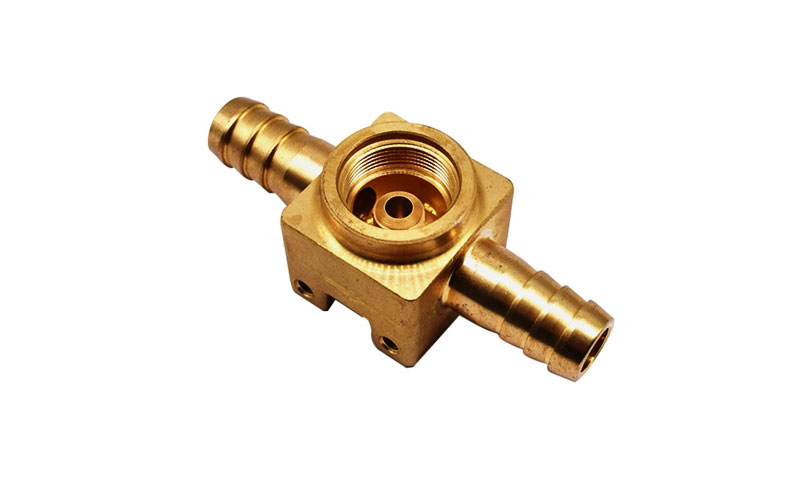
1. Ներածություն
Ալյումինի բրոնզե համաձուլվածքները` պղնձի վրա հիմնված նյութերը, որոնք պարունակում են 5–12 wt.% ալյումին, իրենց ծագումն ունեն 20-րդ դարի սկզբի ռազմածովային ճարտարագիտության մեջ:.
Մետաղագործներն առաջին անգամ ճանաչեցին, որ պղնձին ալյումին ավելացնելը զգալիորեն մեծացնում է ամրությունը և կոռոզիայից դիմադրությունը, հատկապես ծովային ջրերում.
Այսօր, ալյումինե բրոնզե ձուլումը հնարավորություն է տալիս արտադրել համալիր, բարձր արդյունավետության բաղադրիչներ, որոնք անհնարին կամ չափազանց թանկ կլինեն դարբնոցային ձողերից մեքենա մշակելը.
Այս հոդվածում, մենք ուսումնասիրում ենք խառնուրդի քիմիան, ձուլման մեթոդներ, Միկրոկառուցվածք, հատկություններ, և իրական աշխարհի հավելվածները.
Մինչև վերջ, դուք կհասկանաք, թե ինչու է ալյումինե բրոնզը մնում պահանջկոտ ծովայինների ընտրության նյութը, արդյունաբերական, և նույնիսկ օդատիեզերական միջավայրեր.
2. Ալյումինե կազմը & Մետաղագործություն
Ալյումինե բրոնզերն իրենց բացառիկ հատկությունները ստանում են պղնձի և ռազմավարական համաձուլվածքի տարրերի մանրակրկիտ հավասարակշռված խառնուրդից:.
Գործնականում, Առևտրային գնահատականների մեծ մասը բաժանվում է երեք հիմնական քիմիայի:
| Տարր | Cu–Al (Է.Գ., C62100) | Կու–Ալ–Նի (Է.Գ., C63000) | Cu–Al–Fe (Է.Գ., C95400) | Առաջնային գործառույթ |
|---|---|---|---|---|
| Մգոհել | Հավասարակշռություն | Հավասարակշռություն | Հավասարակշռություն | Ապահովում է ճկուն մատրիցա և բարձր ջերմային/էլեկտրական հաղորդունակություն |
| Ալ | 9– 11 wt.% | 9– 11 wt.% | 9– 11 wt.% | Պինդ լուծույթի կարծրացում; ամրության համար կազմում է κ-միջմետաղներ & հագնել |
| Մեջ | Մի քիչ | ~5 wt.% | Մի քիչ | Վերականգնում է հացահատիկի կառուցվածքը; բարձրացնում է ամրությունը և բարձր ջերմաստիճանի կայունությունը |
| Անք | Մի քիչ | ~2–4 wt.% | 4– 6 wt.% | Բարելավում է կավիտացիան & Էրոզիայի դիմադրություն; նպաստում է միջմետաղական ձևավորմանը |
Ալյումինն ինքնին (5– 12 wt.%) լուծվում է պղնձե ցանցի մեջ, ստեղծելով α-Cu մատրիցա՝ մինչև 400 ՄՊա - 50 % մաքուր պղնձից բարձր.
Հաջորդ, միջմետաղական κ փուլեր (Պարոն Ի, պարոն II, Պարոն III) միջուկներ, քանի որ համաձուլվածքը սառչում է ~930 °C-ից ցածր.
Սրանք դժվար, բարդ միացությունները բարձրացնում են մաշվածության դիմադրությունը, սակայն պահանջում են սառեցման արագության խիստ հսկողություն: սառեցում վերևում 100 °C/min պահպանում է κ նստվածքները ստորև 1 մկմ,
առավելագույն ամրություն (Չարպի էներգիա ~ 35 Ջ), մինչդեռ դանդաղ սառեցման արդյունքում առաջանում են կոպիտ թիթեղներ, որոնք կարող են փխրունացնել համաձուլվածքը.
3. Ձուլման գործընթացներ
Ալյումինե բրոնզի բազմակողմանիությունը մեծապես բխում է ձուլման բազմաթիվ մեթոդների հետ դրա համատեղելիությունից.
Յուրաքանչյուր գործընթաց տալիս է հստակ առավելություններ հանդուրժողականության առումով, Մակերեւույթի ավարտը, ծակոտկենության վերահսկում, և տնտեսական խմբաքանակի չափերը.
Ներքեվ, մենք վերլուծում ենք հինգ ամենատարածված տեխնիկան և ընդգծում հալման լավագույն փորձը, հորդառատ, և կաղապարի ձևավորում.
Ներդրումների ձուլում (Կորած մոմ)
- Ընդհանուր ակնարկ: Կաղապարները ձևավորվում են զոհաբերական մոմի նախշը կերամիկական լուծույթով պատելով. Էպիլյացիայից հետո, արդյունքում ստացված կերամիկական կեղևը գրավում է բարդ մանրամասները 0.5 մկմ Ռա.

- Հանդուրժողականություն & Ավարտել: Չափերի ճշգրտությունը ± 0.2 մմ և գերազանց մակերեսի ավարտ (0.5-1,0 մկմ Ռա).
- Խմբաքանակի չափը & Ծախս: Իդեալական է փոքրից միջին ծավալի վազքի համար (10- 1000 հատ). Մեկ մասի արժեքը տատանվում է 100-500 ԱՄՆ դոլարի սահմաններում, կախված բարդությունից.
- Հիմնական նկատառումներ:
-
- Վերահսկեք պատյանների հաստությունը՝ ուժը հավասարակշռելու համար (կեղևի ձախողումից խուսափելը) ջերմային ցնցումների դիմադրությամբ.
- Օպտիմալացրեք դեմոմի և այրման ժամանակացույցը՝ կեղևի ճաքերը կանխելու համար.
Ավազի ձուլում
- Ընդհանուր ակնարկ: Ավազի կաղապարները, որոնք սովորաբար խեժով կապված սիլիցիում են, առաջարկում են գործիքների ցածր ծախսեր և տեղավորում են մինչև մի քանի տոննա մասեր.
- Հանդուրժողականություն & Ավարտել: Հասնում է ± 1.0 մմ ճշգրտություն և 3–6 μm Ra ստանդարտ մաքրումից հետո.
- Խմբաքանակի չափը & Ծախս: Լավագույնը մեծերի համար, ցածր ծավալի բաղադրիչներ (> 50 կգ) մեկ մասի արժեքով այնքան ցածր, որքան $50.
- Հիմնական նկատառումներ:
-
- Օգտագործեք վերահսկվող խոնավության պարունակությունը (3-5 %) կանաչ ավազի մեջ՝ գազի ծակոտկենությունը նվազագույնի հասցնելու համար.
- Օգտագործեք բորբոս և միջուկային օդափոխիչներ կամ վակուումային ձուլման տարբերակներ՝ թակարդված գազերը նվազեցնելու համար.
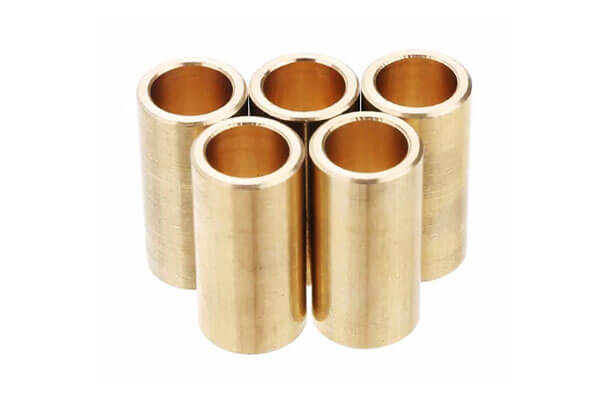
Կենտրոնախույս ձուլում
- Ընդհանուր ակնարկ: Պտտվող կաղապարները առաջացնում են կենտրոնախույս ուժ, մետաղը բարակ հատվածների մեջ դնելով և ներդիրները քամելով.
- Հանդուրժողականություն & Ավարտել: Գլանաձեւ մասերը հասնում են ± 0.5 մմ հանդուրժողականություն; մակերեսի ավարտը շուրջը 1.5 մկմ Ռա.
- Բնորոշ ծրագրեր: Առանցքակալներ, թփեր, և թևեր, որոնք պահանջում են գրեթե ծակոտկեն միկրոկառուցվածքներ.
- Հիմնական նկատառումներ:
-
- Կարգավորել ռոտացիոն արագությունները (200- 1500 պտ/րոպ) վերահսկելու պատի հաստությունը և կերակրման արագությունը.
- Նախապես տաքացրեք կաղապարները մինչև 250–350 °C, որպեսզի նվազեցնեք ջերմային ցնցումները և ճաքերը.
Վակուումային ձուլում
- Ընդհանուր ակնարկ: Հալած համաձուլվածքը վակուումի տակ կաղապարների մեջ քաշելը վերացնում է լուծված գազերը և նվազագույնի է հասցնում նեղացման ծակոտկենությունը.
- Հանդուրժողականություն & Ավարտել: Համեմատելի է ավազի ձուլման հետ (± 1 մմ) բայց նկատելիորեն բարելավված ներքին առողջությամբ.
- Խմբաքանակի չափը & Ծախս: Հարմար է փոքր և միջին ծավալի կարևոր բաղադրիչների համար; Գործիքների արժեքը գերազանցում է ստանդարտ ավազի կաղապարները ~30-ով %.
- Հիմնական նկատառումներ:
-
- Պահպանեք վակուումի մակարդակը 10⁻² Torr-ից ցածր լցնելու ընթացքում.
- Մանրակրկիտ հոսում և գազազերծում. ալյումինե բրոնզի հարաբերակցությունը թթվածնի նկատմամբ կարող է այլ կերպ առաջացնել օքսիդի ներթափանցում.
Մետաղ-ձուլվածք (Մեռնել) Ձուլում
- Ընդհանուր ակնարկ: Մշտական պողպատե կամ երկաթե ձուլակտորները թույլ են տալիս արագ շրջել և գերազանց կրկնել միջինից բարձր ծավալի մասերի համար.
- Հանդուրժողականություն & Ավարտել: Հասնում է ± 0.3 մմ չափերի ճշգրտություն և 1–2 μm Ra առաջին կրակոցի մակերեսների վրա.
- Խմբաքանակի չափը & Ծախս: Տնտեսական վերը նշված ծավալները 5,000 կտորներ; մեռնելու ծախսերը տատանվում են $20,000 դեպի $100,000.
- Հիմնական նկատառումներ:
-
- Վերահսկեք կաղապարի ջերմաստիճանը (350-450 °C) հավասարակշռել հեղուկությունը պնդացման ժամանակի հետ.
- Կատարել ավտոմատ կրակահերթ և կրակահերթ՝ մատրից ազատման մնացորդները հեռացնելու և հոգնածության կյանքը բարելավելու համար.
Հալվելը & Լցնելու լավագույն փորձը
Բոլոր մեթոդներով, հետեւողական ջերմաստիճանի վերահսկում մի քանազոր հալման որակը վճռորոշ լինել:
- Հալման միջակայք: Պահպանեք ալյումինե բրոնզը միջեւ 1,100 °C և 1,200 ° C ապահովել լեգիրման տարրերի լիակատար տարրալուծում.
- Ապաօքսիդացում & Fluxing: Ավելացնել սեփականության հոսքեր (Է.Գ., բորակի վրա հիմնված) հալման ջերմաստիճանում օքսիդները և սուլֆիդները մաքրելու համար.
- Գազազերծում: Թափել իներտ գազերով (արգոն կամ ազոտ) համար 3-5 րոպե նվազեցնել ջրածնի ծակոտկենությունը.
- Հորդառատ ջերմաստիճան: Լցնել նեղ պատուհանի մեջ 1,100 ± 10 ° C կաղապարներում ջերմային ցնցումներից խուսափելու և կեղտի ձևավորումը նվազեցնելու համար.
4. Միկրոկառուցվածք & He երմամշակում
Որպես ձուլված ալյումինե բրոնզե ցուցանմուշներ ան α-Cu մատրիցա բարակ պղպեղով Պրն (կապպա) միջմետաղական փուլեր հացահատիկի սահմանների երկայնքով.
Եթե բորբոսը արագ սառչի (> 100 °C/min), հատիկները մնում են փոքր (< 100 մկմ) իսկ κ նստվածքները մնում են նանոմաշտաբով; սա տալիս է առավելագույն ուժ (~ 650 ՄՊա UTS) և կարծրություն (~ 35 J Charpy).
Ընդհակառակ, Ավելի դանդաղ սառեցումը խթանում է կոպիտ κ թիթեղները, որոնք բարձրացնում են կարծրությունը, բայց նվազեցնում են ազդեցության դիմադրությունը.

Ձուլարանները և վերջնական օգտագործողները կիրառում են ջերմային մշակումներ՝ հատկությունները բարելավելու համար:
- Համասեռացում (700 ° C, 4 հ): Վերացնում է քիմիական տարանջատումը, կայունացնող κ բաշխումը.
- Անողորմ (500 ° C, 2 հ): Փափկացնում է մատրիցը (մինչև ~ 200 HB) ավելի հեշտ մշակման համար.
- Տարիքային կարծրացում (350 ° C, 8 հ): Թույլ է տալիս κ′ նստվածքների վերահսկվող աճը, բարձրացնել կարծրությունը մինչև ~ 300 HB՝ առանց ճկունության զոհաբերության.
5. Մեխանիկական հատկություններ
Ալյումինե բրոնզե ձուլումը գերազանցում է շատ համաձուլվածքների թե՛ ամրության և թե՛ մաշվածության դիմադրության առումով:
| Ունեցվածք | C63000 (Դերերում) | C95400 (Տարիքային կարծրացած) |
|---|---|---|
| Առաձգական ուժ (UTS) | 550-650 ՄՊա | 600- 700 ՄՊա |
| Բերք տալ ուժ (0.2% օֆսեթ) | 350-450 ՄՊա | 400- 500 ՄՊա |
| Երկարացում ընդմիջման ժամանակ | 15– 25% | 10– 18% |
| Կարծրություն (Բրիինթ, Ժապավենի) | 180– 240 | 220– 300 |
| Հոգնածության դիմացկունության սահմանը | ~ 280 ՄՊա (10⁷ ցիկլեր) | ~ 320 ՄՊա (10⁷ ցիկլեր) |
| Charpy ազդեցության ամրություն (V‑Notch) | ≥30J | ~ 20 Ջ |
Որեվէ ավելին, ալյումինե բրոնզե կոմբայններ Հագուստի դիմադրություն— քայքայումին դիմացկուն κ փուլերի միջոցով — հետ բարձր ամրություն, որոնք մետաղական մատրիցով կոմպոզիտները և չժանգոտվող պողպատները միաժամանակ պայքարում են համապատասխանելու համար.
6. Կոռոզիիոն & Էրոզիայի դիմադրություն
Ծովի ջրում ժամը 25 ° C, ալյումինե բրոնզը ցույց է տալիս կոռոզիայի մակարդակը ստորև 0.01 մմ / տարի, մրցակցելով, որ 316 L չժանգոտվող պողպատ.
Այն երկաթի և նիկելի հավելումներ զարգացնել կայուն օքսիդային թաղանթներ, որոնք վանում են քլորիդները և սուլֆիդները.
Լրացուցիչ, կոշտ κ փուլերը դիմադրում են կավիտացիոն էրոզիա: Պոմպի շարժիչների վրա փորձարկումները ցույց են տալիս զանգվածային կորուստներ տակ 0.5 մգ/(սմ²·ժ) նույնիսկ հետո 100 ժ կավիտացիոն հոսք.
Թթվային մեջ (pH 3) միջավայրեր, ալյումինի բրոնզը կոռոզիայի է ենթարկվում ~0,05 մմ/տարի արագությամբ՝ շատ ավելի ցածր, քան սովորական ածխածնային պողպատները.
Այս համաձուլվածքները նաև դիմադրում են ցեխի էրոզիային՝ շնորհիվ իրենց բարձր կարծրության և կարծրացման ունակության։, դարձնելով դրանք իդեալական պինդ նյութերի մշակում կիրառություններ հանքարդյունաբերության և հողահանման մեջ.
7. Ալյումինե բրոնզե ձուլվածքների առավելություններն ու թերությունները
Առավելություններ
Բարձր ուժ և կարծրություն
- Ալյումինե բրոնզե ձուլվածքները ցուցաբերում են բացառիկ մեխանիկական հատկություններ, հետ առաձգական ուժերը՝ 450–700 ՄՊա
(Է.Գ., ZCuAl10Fe3-ը հասնում է 540 ՄՊա կենտրոնախույս ձուլման միջոցով) մի քանազոր կարծրության արժեքները 120–240 HB, կախված խառնուրդի կազմից և ջերմային մշակումից.
Գերազանց կոռոզիոն դիմադրություն
- համաձուլվածքներ, ինչպիսիք են C63000 (9–11% Ալ) մի քանազոր QAl9-4 ցույց տալ բարձր դիմադրություն ծովի ջրի նկատմամբ, աղաջուր, և թթվային միջավայրեր.
Օրինակ, ZCuAl9Mn2 պահպանում է կոռոզիայի արագությունը 0,1–0,3 մմ/տարի ծովի ջրում՝ կայուն Al2O3 օքսիդային շերտի ձևավորման պատճառով։.
Գերազանց մաշվածության և կավիտացիայի դիմադրություն
- Կոշտ միջմետաղական փուլերի առկայությունը (Է.Գ., CuAl2) և համաձուլվածքային տարրերը, ինչպիսիք են Mn-ը և Fe-ն, մեծացնում են մաշվածության դիմադրությունը.
CuAl8Fe3 մի քանազոր ZCuAl10Fe3 լայնորեն օգտագործվում են բարձր մաշվածության բաղադրամասերում, ինչպիսիք են պոմպի շարժիչները և ճիճու շարժակներ.
Լրացուցիչ, CuAl11Ni5Fe4 ցույց է տալիս 50% ավելի ցածր կավիտացիոն էրոզիա, քան 316L չժանգոտվող պողպատը բարձր արագությամբ ջրի շիթերում.
Ջերմային կայունություն
- Պահպանել մեխանիկական հատկությունները չափավորից բարձր ջերմաստիճան (մինչև 400–500°C), գերազանցելով շատ սովորական բրոնզեր.
Ոչ կայծային և ոչ մագնիսական
- Հարմար է պայթուցիկ միջավայրեր ինչպես ծովային հորատման սարքերը և հացահատիկի մշակման օբյեկտները.
Թերություններ
Նյութերի և արտադրության բարձր ծախսեր
- Ալյումինե բրոնզն է 2-4 անգամ ավելի թանկ մեկ կգ-ի համար, քան ածխածնային պողպատից պայմանավորված Ալ, Մեջ, և Ֆե.
Դժվար հաստոցներ և եռակցում
- Բարձր կարծրություն (Է.Գ., ZCuAl9Fe4Ni4Mn2 մոտ 180 HB ծերացումից հետո) և վատ ջերմահաղորդունակությունը արագացնում է գործիքի մաշվածությունը.
Զոդում հատկապես դժվար է պայմանավորված ալյումինի օքսիդացում, որը կազմում է ամուր Al2O3 շերտ.
Մասնագիտացված տեխնիկա, ինչպիսիք են T247 բարձր մանգան ալյումինի բրոնզե եռակցման ձողեր և նախապես տաքացում է պահանջվում՝ խուսափելու այնպիսի թերություններից, ինչպիսիք են ծակոտկենությունը և ճաքելը.
Ջերմային սահմանափակումներ
- Մինչդեռ հարմար է շրջակա միջավայրի և միջին ջերմաստիճանի համար (մինչև 250°C համար ZCuAl10Fe3), երկարատև ազդեցություն վերևում 400° C հանգեցնում է օքսիդի մասշտաբի և ուժի դեգրադացիայի.
Սա սահմանափակում է դրա օգտագործումը բարձր ջերմաստիճանի պայմաններում՝ համեմատած նիկելի վրա հիմնված համաձուլվածքների հետ.
Մշակման զգայունություն
- Ձուլման թերությունները, ինչպիսիք են նեղացման ծակոտկենություն մի քանազոր ալյումինի տարանջատում պահանջում է գործընթացի խիստ վերահսկողություն. Օրինակ, ZCuAl9Mn2 պահանջներ 1150–1250°C հորդառատ ջերմաստիճան և օպտիմիզացված կաղապարի նախնական տաքացում՝ թերությունները նվազագույնի հասցնելու համար.
Քաշ:
- Խտություն (~8,4 գ/սմ³) գերազանցում է ալյումինի համաձուլվածքները, սահմանափակող օգտագործումը, որտեղ գերակշռում է թեթևությունը.
8. Ալյումինե բրոնզե ձուլվածքների կիրառում
Ալյումինե բրոնզե ձուլվածքները առանցքային դեր են կատարում ամենուր, որտեղ բաղադրիչները պետք է դիմանան ծայրահեղ միջավայրին, բարձր բեռներ, և ագրեսիվ լրատվամիջոցները. Մասնավորապես:
Ծովային Սարքավորում
- Պտուտակներ և ղեկի պաշարներ: Ալյումինե բրոնզի բացառիկ դիմադրությունը ծովի ջրի կոռոզիայի և կավիտացիայի նկատմամբ
այն դարձնում է նավերի պտուտակների և ղեկի պաշարների ընտրության նյութը, որտեղ ծառայության ժամկետը հաճախ գերազանցում է 10 Տարիներ նվազագույն տեխնիկայով. - Առանցքակալներ և առանցքակալներ: Ծովային ջրով քսված թփերի և ետևի խողովակի առանցքակալներում,
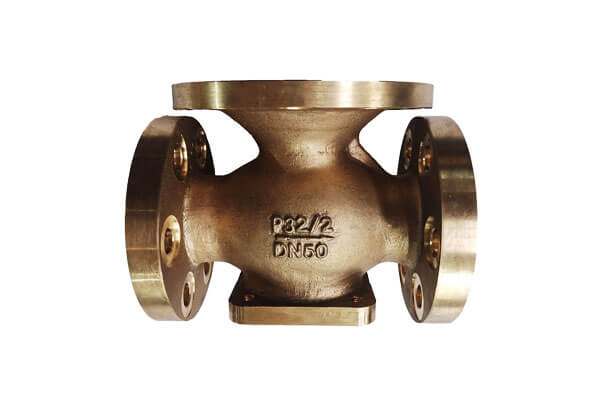
ալյումինե բրոնզի ցածր շփման գործակիցը և ինքնաքսվող հատկությունները նվազեցնում են մաշվածության մակարդակը մինչև 50 % համեմատած ավանդական փողային համաձուլվածքների հետ. - Փականների մարմիններ և պոմպերի պատյաններ: Օֆշորային հարթակները հիմնված են ալյումինե բրոնզե փականների և պոմպի մարմինների վրա՝ քլորիդներին և սուլֆիդներին դիմակայելու համար՝ առանց փոսերի կամ սթրեսից կոռոզիայից ճաքերի։.
Արդյունաբերական մեքենաներ
- Պոմպերի շարժիչներ և մաշված օղակներ: Քիմիական և ցեխաբեր պոմպերում,
C95400 դասի ձուլածո շարժիչները բարձր ամրություն են հաղորդում (600– 700 ՄՊա UTS) և էրոզիայի ակնառու դիմադրություն, ընդլայնելով հիմնանորոգման միջակայքերը 30 %. - Worm Gears և Gearboxes: Տարիքով կարծրացած ալյումինե բրոնզե հանդերձները մակերևույթի կարծրություն են ցուցաբերում մինչև 300 HB և հանդուրժում են ծանր հարվածային բեռները,
դրանք տարածված դարձնելով հանքարդյունաբերության և ցեմենտի վերամշակման սարքավորումներում. - Հագեք թիթեղներ և հարվածային լվացող մեքենաներ: Ծրագրեր, որոնք պահանջում են կրկնվող սահող շփում, ինչպիսիք են հիդրավլիկ բալոնները և փոխակրիչ գլանափաթեթները, օգուտ քաղեք ալյումինե բրոնզի կարծրության և ամրության համակցությունից.
Առաջացող & Մասնագիտացված կիրառումներ
- Օդատիեզերական առանցքակալներ: Ընդլայնված C63000 առանցքակալներ, հաճախ զուգակցվում է պոլիմերային երեսպատման կամ հավելումներից պատրաստված բջիջների կառուցվածքների հետ, աջակցել տուրբինի լիսեռներին մինչև 400 ° C.
- Հավելանյութ-ձուլման հիբրիդներ: 3D տպագրված միջուկների և համապատասխան սառեցման ուղիների ինտեգրում ալյումինե բրոնզե ձուլվածքների մեջ
հնարավորություն է տալիս բարդ փականների և ջերմափոխանակիչ բաղադրիչների արագ նախատիպավորում, կրճատելով սպասարկման ժամանակը 40 %.
9. Ընդհանուր ալյումինե բրոնզե դասարաններ
Ալյումինե բրոնզերը ներառում են պղնձի վրա հիմնված համաձուլվածքների ընտանիք, որտեղ ալյումինը համաձուլման հիմնական տարրն է.
Ստորեւ ներկայացված են ամենատարածված դասարաններից մի քանիսը, նրանց անվանական քիմիաները, տարբերակիչ հատկություններ, և բնորոշ հավելվածներ:
| Դասարան (Ամերիկա) | Անվանական կազմը (wt%) | Հիմնական հատկությունները | Բնորոշ ծրագրեր |
|---|---|---|---|
| C63000 | Cu–10Al–5Ni–5Fe | Ուժի հիանալի համադրություն, կոշտություն, եւ հագնել դիմադրություն; լավ կոռոզիոն և կավիտացիայի դիմադրություն. | Պոմպերի շարժիչներ, փականներ, Առանցքակալներ, ծովային տեխնիկա |
| C95400 | Cu–10Al–5Fe | Բարձր ամրություն և կարծրություն (տարիքային կարծրացման միջոցով); լավ բարձր ջերմաստիճանի կատարում. | Որդանման շարժակներ, բարձր բեռնված առանցքակալներ, գոլորշու շարժիչի բաղադրիչներ |
| C61400 | Cu–11Al–4Fe–4Ni | Ծովի ջրում կոռոզիայից բարձր դիմադրություն; Լավ հոգնածության ուժ. | Նավի պտուտակներ, լիսեռ sleeves, ստորջրյա միակցիչներ |
| C62100 | Cu–11Al–2Ni–2Fe | Հավասարակշռված ուժ և ճկունություն; լավ դիմադրություն էրոզիայի և կավիտացիայի նկատմամբ. | Հիդրավլիկ պոմպի բաղադրիչներ, կրել մատանիներ, մղիչ լվացող մեքենաներ |
| C63200 | Cu–9Al–2Ni–2Fe | Ավելի բարձր ճկունություն ալյումինե բրոնզերի միջև; ավելի հեշտ է մեքենայացնել. | Փական մարմիններ, կցամասեր, ընդհանուր ծովային ձուլվածքներ |
| C95410 | Cu–10Al–5Fe–0,1C | Նման է C95400-ին, բայց կարծրության համար ավելացված ածխածնի հետ; բարելավված առանցքակալների կատարումը. | Կրող թփեր, հագնել բարձիկներ, լոգարիթմական տարրեր |
10. Եզրափակում
Ալյումինե բրոնզե ձուլվածքն ապահովում է ամրության բացառիկ համադրություն, կոշտություն, և կոռոզիոն/էրոզիայի դիմադրություն, որին կարող են համապատասխանել մի քանի այլ համաձուլվածքներ.
Ընտրելով ճիշտ քիմիա, ձուլման մեթոդ, և ջերմային բուժման ժամանակացույցը, ինժեներները հասնում են բարդ երկրաչափությունների՝ նվազագույն հետմշակման միջոցով.
Առաջ նայելով, Վակուումային և հավելումների ձուլման առաջընթացը խոստանում է ավելի լավ որակ, Նվազեցված ծակոտկենություն, և ավելի արագ շրջադարձ, ապահովելով, որ ալյումինե բրոնզը մնում է բարձր արդյունավետությամբ ձուլված բաղադրիչների հիմնաքարը.
Սա Ձեր արտադրության կարիքների համար կատարյալ ընտրություն է, եթե ձեզ հարկավոր է որակյալ ալյումինե բրոնզ ձուլվածքներ.
ՀՏՀ
Ինչ է ալյումինի բրոնզը?
Ալյումինի բրոնզը վերաբերում է պղնձի վրա հիմնված համաձուլվածքների խմբին, որոնք պարունակում են ալյումին որպես առաջնային համաձուլվածքային տարր, սովորաբար սկսած 5% դեպի 12%.
Այն կարող է ներառել նաև այնպիսի տարրեր, ինչպիսիք են երկաթը, նիկել, և մանգան՝ ուժեղացնելու հատուկ հատկությունները, ինչպիսիք են ուժը, Կոռոզիոն դիմադրություն, եւ հագնել դիմադրություն.
Ինչու՞ ընտրել ալյումինե բրոնզը այլ բրոնզե համաձուլվածքների փոխարեն?
Ալյումինե բրոնզն առաջարկում է կոռոզիայից բարձր դիմադրություն, հատկապես ծովի ջրի մեջ, ինչպես նաև գերազանց մեխանիկական ուժ:, Հագուստի դիմադրություն, և հոգնածության կատարումը.
Այս հատկությունները դարձնում են այն իդեալական ծովայինի համար, օդատիենտ, Քիմիական մշակում, և ծանր արդյունաբերական ծրագրեր.
Որքանո՞վ է կոռոզիակայուն ալյումինե բրոնզե ձուլվածքը?
Ալյումինե բրոնզը բացառիկ դիմադրություն է ցույց տալիս կոռոզիայից ծովի ջրում, աղ լակի, արդյունաբերական մթնոլորտներ, և շատ թթուներ.
Կայուն ալյումինի օքսիդի շերտի ձևավորում (Al2O3) պաշտպանում է մակերեսը հետագա դեգրադացիայից.
Ալյումինե բրոնզը հեշտ է մշակվում?
Ալյումինե բրոնզը մշակելի է, հատկապես ձուլածո կամ եռացված վիճակում.
Սակայն, կարծրացած դասարաններ (ինչպես նիկելով և երկաթով) կարող է լինել հղկող և պահանջում է կարբիդային գործիքներ և պատշաճ մշակման պարամետրեր՝ գործիքների մաշվածությունից խուսափելու համար.
Ալյումինե բրոնզը հարմար է եռակցման համար?
Ալյումինե բրոնզը կարող է զոդվել, բայց դա պահանջում է հատուկ ընթացակարգեր. Գազով պաշտպանված աղեղով եռակցման մեթոդներ (ինչպիսիք են GTAW-ը կամ MIG-ը) համապատասխան լցանյութով սովորաբար օգտագործվում են մետաղներ.
Ճաքերը կանխելու և մեխանիկական հատկությունները պահպանելու համար կարող են անհրաժեշտ լինել նախնական տաքացում և եռակցումից հետո ջերմամշակում.