1. Hōʻikeʻike
In engineering environments where sub-zero performance is critical, material reliability cannot be compromised.
ASTM A352 is a widely recognized specification developed by ASTM International that addresses this very concern—covering cast carbon and low-alloy steels intended for ka nui o nā'āpana that operate in low-temperature service conditions.
These steels are essential in industries such as LNG, CRERETRACESS, aila aila, a me ka mana, where mechanical integrity under cold stress is non-negotiable.
This article provides a comprehensive analysis of ASTM A352, exploring its metallurgical principles, nā koina mechanical, noi, and manufacturing implications
to support engineers, Nā'Ilei, and procurement professionals in making informed material choices.
2. Scope and Purpose of ASTM A352
ASTM A352 covers castings for pressure-retaining parts designed to operate at nā haʻahaʻa haʻahaʻa down to -50°F (-46° C) or even lower, Ke hilinaʻi nei i ka papa.

It ensures that the cast steel maintains ductility, paʻakikī, and resistance to brittle fracture when exposed to these demanding environments.
Unlike ASTM A216 (for general-purpose cast carbon steels) or A351 (for corrosion-resistant austenitic stainless castings), A352 is tailored to low-temperature applications.
It is frequently dual certified with ASME SA352, making it suitable for pressure vessel and piping code compliance.
3. Classification of ASTM A352 Grades
ASTM A352 includes a range of cast carbon and low-alloy steel grades specifically engineered for low-temperature service in pressure-containing components.
The classification is based on kinohi, ʻO ka hana mechanication, a service conditions.
These grades are broadly grouped into Nā Kahu Pūnaewele, nā puʻu haʻahaʻa haʻahaʻa, a Martesetitic Stainlele, each tailored to meet specific operational demands.
Below is a detailed classification of the most common ASTM A352 grades:
| Kumu | ʻAno | Primary Alloying Elements | Typical Service Temperature (° C) | Nā noi maʻamau |
|---|---|---|---|---|
| Lca | ʻAihue kīwī | Mn, C | Down to -46°C | Low-temp pipe fittings, flanges |
| Lcb | ʻAihue kīwī (Enhanced) | I (~0.5%), Mn, C | Down to -46°C | Nā kino valve, actuator housings |
| Lcc | ʻAihue kīwī (High Impact) | I (~ 1.0%), Mn, C | Down to -46°C | Pressure-retaining parts, cryogenic valves |
| LC1–LC9 | Nā puʻu haʻahaʻa haʻahaʻa | Nāʻokoʻa: I, Cr, Mo, Cu | -46°C to -100°C+ (Ke hilinaʻi nei i ka alloy) | Specialty pressure equipment in harsh environments |
| Ca6nm | Martelitic Vielless Steel | 13Cr, 4I | Down to -60°C | Nā'āpana Turgine Steam, seawater valves |
UNS Number Mapping
Each ASTM A352 grade also has a corresponding Unified Numbering System (Kā mākou) designation to support traceability and alloy standardization:
- Lca – UNS J03000
- Lcb – UNS J03001
- Lcc – UNS J03002
- Ca6nm – UNS J91540
Comparison to Wrought Equivalents
While ASTM A352 governs kiola Nā huahana, many of its grades can be loosely compared to wrought steel specifications used in similar applications. ʻo kahi laʻana:
- A352 LCC roughly parallels ASTM A350 LF2 (forged carbon steel)
- Ca6nm is metallurgically similar to wrought 13-4 kila kohu ʻole (AISI 410 with Ni)
4. Chemical Requirements
The table summarizes typical maximum and minimum composition ranges:
| Mua | Lcb (%) | Lcc (%) | LC1/LC2 (%) | LCB-CR (%) | Hana |
|---|---|---|---|---|---|
| KālekaʻAʻI (C) | 0.24 - 0.32 | 0.24 - 0.32 | 0.24 - 0.32 | 0.24 - 0.32 | Base strength and hardness |
| Mang kāne (Mn) | 0.60 - 1.10 | 0.60 - 1.10 | 0.60 - 1.10 | 0.60 - 1.10 | Deoxidation, ʻO ka lepo lepo |
| Silikino (A) | 0.40 - 0.60 | 0.40 - 0.60 | 0.40 - 0.60 | 0.40 - 0.60 | Kaulikeia, deoxidation |
| Phoshorus (P) | ≤ 0.025 | ≤ 0.025 | ≤ 0.025 | ≤ 0.025 | Control brittle segregation |
| Sulfur (S) | ≤ 0.015 | ≤ 0.015 | ≤ 0.015 | ≤ 0.015 | Control sulfide inclusions |
| Nickel (I) | - | - | - | 1.00 - 2.00 | Enhances low-temperature toughness (CR variant) |
| Chromium (Cr) | - | - | - | 0.25 - 0.50 | Corrosion/pitting resistance (CR variant) |
| Mybrideum (Mo) | - | - | - | 0.25 - 0.50 | Strength at elevated/low temperatures |
| Vanadium (V) | 0.05 - 0.15 | 0.05 - 0.15 | 0.05 - 0.15 | 0.05 - 0.15 | ʻO ka lepo lepo, ikaika ikaika |
| Liulaala (Cu) | - | ≤ 0.40 | - | - | Improves as-cast machinability |
| Nitrogen (N) | ≤ 0.012 | ≤ 0.012 | ≤ 0.012 | ≤ 0.012 | Controlled to prevent blowholes |
| Aluminum (AL) | 0.02 - 0.05 (max) | 0.02 - 0.05 | 0.02 - 0.05 | 0.02 - 0.05 | Inclusion modification (deoxidizer) |
Influence of Alloying Elements on Low-Temperature Toughness
- KālekaʻAʻI (0.24–0.32%): A balance between strength and toughness; excessive carbon (> 0.32%) can increase hardness and reduce Charpy energy at −50 °F and below.
- Mang kāne (0.60-1.10%): Promotes deoxidation during melting and contributes to solid-solution strengthening.
Mn also helps refine pearlite/pearlitic-ferrite mixtures during heat treatment, hoʻomaikaʻi i ka paʻakikī. - Nickel (1.00-2.00%) (LCB-CR only): Nickel significantly enhances curve shift (NDT shift) in the Charpy transition region, allowing steels to maintain ductile behavior at lower temperatures.
- Chromium (0.25–0.50%) ʻo Mybdelum (0.25–0.50%): These elements combine to form kaʻauhuiʻo Carkedes (Cr₇C₃, Mo₂C) that retard grain growth during heat treatment and improve Kālā paʻakikī,
thereby improving both tensile strength and low-temperature toughness. - Vanadium (0.05–0.15%): Acts as a potent grain refiner by forming fine VC precipitates, which pin austenite grain boundaries during casting and heat treatment.
A finer grain size (ASTM 6–8) directly correlates with higher Charpy V-notch energy at cryogenic temperatures.
5. Nā Pūnaewele Pūnaewele
Density and Thermal Conductivity
- Huakai: Aneane 7.80 g / cm³ (0.283 lb / in³) for all A352 grades, since the alloying additions (Mo, I, Cr, V) are relatively minor (≤ 3% total).
- Ka HōʻaʻO Kokua:
-
- E like me-lawe: ~ 30 W / m · c · k a 20 ° C.
- Normalized/Tempered: Slightly reduced (~ 28 W / m · c · k) due to finer grain structure and tempered carbides.
- Cryogenic Effect: At −100 °C, conductivity rises modestly (to ~ 35 W / m · c · k) because phonon scattering decreases,
which can be beneficial for applications requiring rapid heat transfer (E.g., cryogenic valves).
Ka maikaʻi o ka hoʻonuiʻana i ka (Cte) at Cryogenic Temperatures
- Cte (20 °C to −100 °C): ~ 12 × 10-° C
- Cte (−100 °C to −196 °C): ~ 11 × 10-° C
Compared to austenitic stainless steels (≈ 16 × 10-° C), A352 cast steel exhibits lower thermal expansion, which is advantageous when bolting or sealing with materials having similar CTEs (E.g., Nā Kahu Pūnaewele).
Designers must still account for differential expansion when mating with aluminum Oole liulaala alloys, especially in cryogenic applications.
6. Mechanical Properties of ASTM A352 Cast Steels
ASTM A352 cast steels are specifically engineered for applications requiring high strength and excellent toughness at low or cryogenic temperatures. The mechanical properties vary slightly among the grades based on chemical composition and heat treatment processes. Below is a comparison of several commonly used A352 grades.
Typical Mechanical Properties by Grade
| Kumu | ʻAno | Ikaika ikaika (Mpa / ksi) | Ka ikaika (Mpa / ksi) | Ewangantion (%) | Impact Energy at −46°C (J / ft-lb) | Hālulu (HB) |
|---|---|---|---|---|---|---|
| Lca | ʻAihue kīwī | 415 min (60 ksi) | 240 min (35 ksi) | 22 min | 27 J (20 ft-lb) | 170–207 |
| Lcb | ʻAihue kīwī | 485-655 (70-95 ksi) | 250 min (36 ksi) | 22 min | 27 J (20 ft-lb) | 170–229 |
| Lcc | ʻAihue kīwī | 485-655 (70-95 ksi) | 250 min (36 ksi) | 22 min | 27 J (20 ft-lb) | 170–229 |
| LC2 | Hoʻohaʻahaʻa haʻahaʻa nollot | 485-655 (70-95 ksi) | 275 min (40 ksi) | 20 min | 27 J (20 ft-lb) | 179–229 |
| LC2-1 | Hoʻohaʻahaʻa haʻahaʻa nollot | 550-690 (80–100 ksi) | 310 min (45 ksi) | 20 min | 27 J (20 ft-lb) | 197–235 |
| LC3 | Hoʻohaʻahaʻa haʻahaʻa nollot | 585-760 (85–110 ksi) | 310 min (45 ksi) | 20 min | 27 J (20 ft-lb) | 197–241 |
Ca6nm |
13% Cr, 4% Ni Martensitic SS | 655–795 (95–115 ksi) | 450-550 (65–80 ksi) | 15-20 | 40–120 J (30–90 ft-lb) depending on heat treatment | 200-240 |
| CA15 | 13% Cr Martensitic SS | 620-760 (90–110 ksi) | 450 min (65 ksi) | 15-20 | 20–40 J (15–30 ft-lb) | 200-240 |
| Cf8m | Austenitic Stainless (316 ʻano) | 485 min (70 ksi) | 205 min (30 ksi) | 30 min | Not typically used for impact service | 150-180 |
| Cd4mcun | ʻO ka kila kila fuplex | 655–795 (95–115 ksi) | 450 min (65 ksi) | 20-25 | 70-100 J (50–75 ft-lb) | 200-250 |
Notes on Special Grades
- Ca6nm: Widely used in hydroelectric turbines, nā kino valve, and pump casings for its excellent cavitation resistance, wawahua, a hopena paʻakikī at subzero temperatures.
- CA15: Offers good hardness and corrosion resistance but lower impact toughness than CA6NM, e hana ana i kahi kūpono no moderate-pressure environments.
- Cf8m (316 kaulike): Although not typically part of A352, it is often cast under ASTM A743 and used in corrosive but non-low-temperature Kūlike.
- Cd4mcun: A duplex stainless grade with a strong balance of corrosion resistance, ikaika, and impact performance; ideal for aggressive environments like chloride-bearing solutions.
7. Casting and Manufacturing Processes of ASTM A352 Cast Steels
Casting Process Overview
ASTM A352 cast steels are typically produced using Sand cread Oole Kāhaka kūʻai kūʻai, with the choice depending on the complexity, nui, and required tolerances of the part.
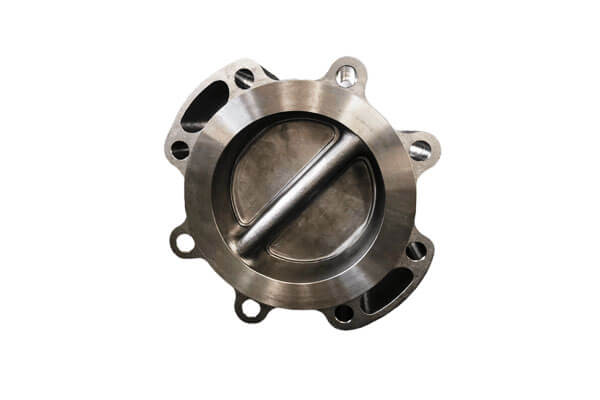
- Sand cread: This remains the most common method for producing large valve bodies, Nā Hale Hōʻikeʻike, and flanges specified under ASTM A352.
It offers cost-effective flexibility for intricate shapes and thick sections.
Akā naʻe,, it requires meticulous control of mold materials and pouring parameters to minimize defects such as porosity and shrinkage. - Kāhaka kūʻai kūʻai: No ka liʻiliʻi, more complex components requiring superior surface finish and dimensional precision, investment casting is sometimes employed.
This method yields fewer casting defects and reduces machining allowances, albeit at higher costs.
ʻO ka mālama wela
Post-casting, ASTM A352 steels undergo stringent normalizing and tempering No ka hoʻonuiʻana i nā waiwai o ka mīkini:
- Hana maʻamau: Typically performed at 900-950 ° C, normalizing refines grain structure, E hōʻoluʻolu i nā kaumaha kūloko, and improves toughness.
- Huhū: Carried out at 600-700 ° C, tempering balances strength and ductility while reducing brittleness.
- Heat treatment cycles are strictly monitored and documented to ensure compliance with ASTM specifications and to achieve uniform mechanical properties throughout the casting.
Ka matching a me ka pauʻana
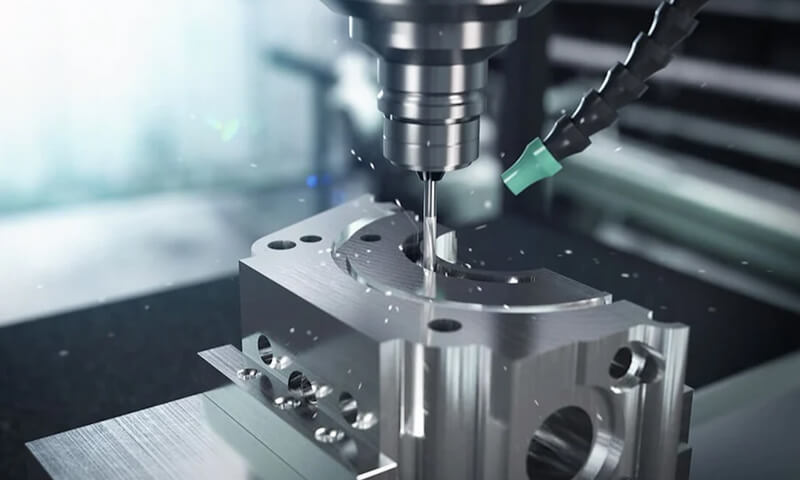
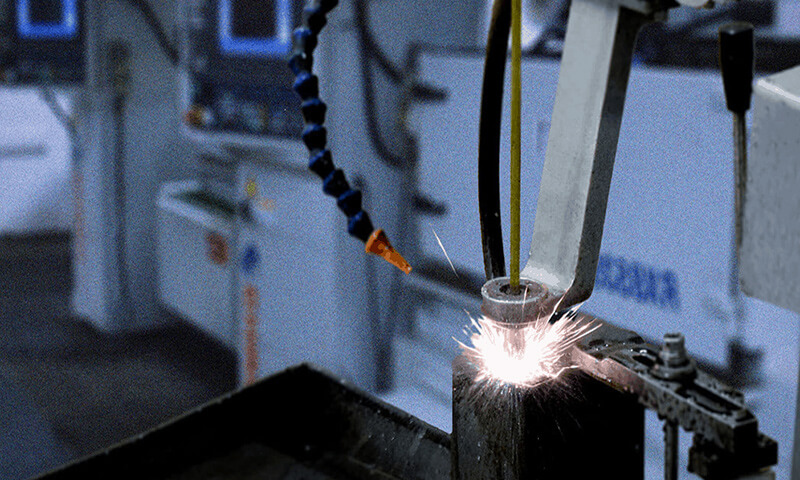
Due to complex geometries, cast ASTM A352 components often require Machimen to achieve final dimensions and tolerances. Hoʻopili kēia:
- Cnc iching for valve seats, flanges, a me nā ili hoʻopaʻa koʻikoʻi.
- Nā mea kino kino such as grinding and polishing to enhance corrosion resistance and sealing performance.
- Machining parameters are optimized based on steel grade and hardness to minimize tool wear and surface defects.
8. Advantages and Limitations of ASTM A352 Cast Steels
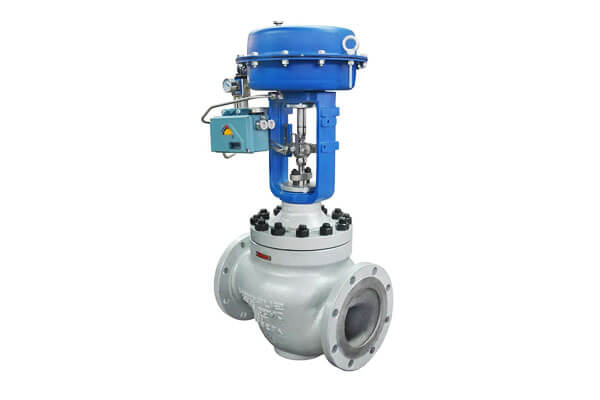
ASTM A352 cast steels are widely used in critical applications where strength, paʻakikī, and resistance to low-temperature embrittlement are essential.
Advantages of ASTM A352 Cast Steels
Superior Low-Temperature Toughness
ASTM A352 grades—particularly LCA, Lcb, and LCC—are specifically designed for cryogenic and sub-zero service.
With minimum Charpy V-notch impact energy requirements of 27 J at −46°C, these materials ensure structural integrity and reduce the risk of brittle fracture under extreme conditions.
Excellent Pressure Retention
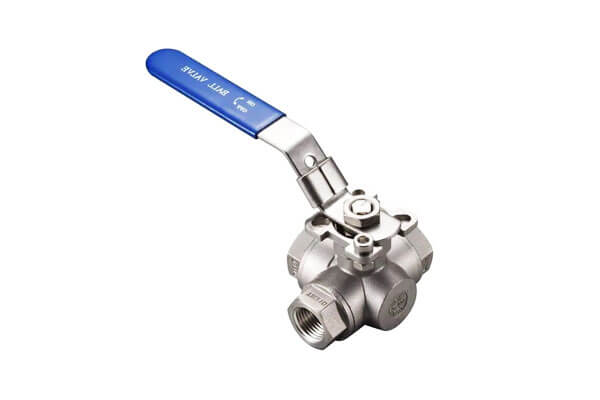
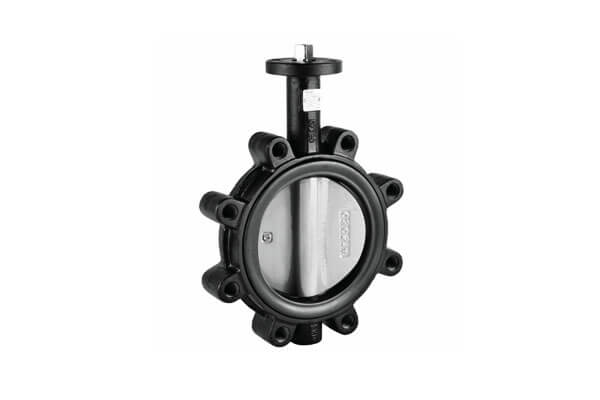
Due to their mechanical strength and ductility, A352 cast steels are ideally suited for ka nui o nā'āpana, such as valves, Pumps, a me nā flanges.
Grades like CA6NM also offer enhanced yield strength (>550 Mpa), supporting higher-pressure system designs.
Good Castability
The A352 specification covers kiola steel components, allowing for complex geometries and near-net-shape manufacturing.
This flexibility reduces the need for extensive machining and enables the production of intricate internal passageways or housings that are otherwise impractical to forge or machine.
Intertility ma waena o nāʻoihana
A352 castings are used in diverse sectors—including oil & aila, petrochemimical, mana pā'āʻu,
and cryogenics—due to their mechanical reliability, dimensional pololei, and performance in low-temperature or high-pressure conditions.
Corrosion a kau i ke kū'ē (in Alloyed Grades)
Alloy grades like Ca6nm offer a combination of Ke kū'ē neiʻo Corrosionion a moderate hardness (200–260 HBW),
making them suitable for service in pāū, ACIDIC, a iʻole nā mea paʻakai, such as subsea equipment or chemical plants.
Standards-Based Assurance
Being governed by ASTM standards, these castings are subjected to rigorous quality controls—covering heat treatment, kinohi, and mechanical testing—which ensures global reliability and traceability.
Limitations of ASTM A352 Cast Steels
Casting Defects and Variability
As with any casting process, Nāʻuala, Potiwale, Oole Nā Hoʻohui may occur. These defects, if not identified and corrected, can compromise mechanical performance.
Advanced inspection methods like radiography and ultrasonic testing are often required for critical parts.
Lower Toughness Compared to Forged Materials
Despite good ductility, cast steels generally exhibit lower fracture toughness than wrought or forged equivalents due to grain structure and potential casting flaws.
This may limit their use in ultra-critical fatigue environments.
ʻO ka nānāʻana i ka wela wela
Pono normalizing and tempering are essential to achieve the required mechanical properties.
Inadequate or uneven heat treatment can lead to ʻO ke kaumaha noho, Kauhai, a iʻole microcracking—particularly in thick or complex castings.
Nā hopohopo WELD
Kekahi mau helu, particularly alloyed steels (E.g., Ca6nm), pono strict welding procedures, me ka preheating, ʻO ka hana wela wela (Pwht),
a koho metala piha to avoid embrittlement or degradation of corrosion resistance.
Limited Corrosion Resistance in Carbon Grades
Grades such as LCA, Lcb, and LCC have limited inherent corrosion resistance.
They often require Nā pāpale, lioni, Oole external protection when used in aggressive environments or for long-term service.
Cost Considerations in Alloyed Versions
High-alloy grades like CA6NM or LC3 involve increased costs due to alloying elements (Cr, I, Mo) and more demanding casting and heat treatment processes.
9. Nā noi a me nā hihia hihia
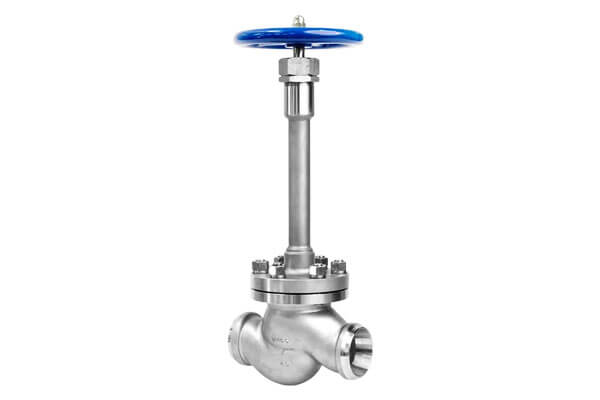
Cryogenic Vessels and LNG Storage
- LCB and LCC Valve Bodies:
-
- Lng infrastructure demands valves that remain ductile at −162 °C (−260 °F).
While LCC’s −100 °F CVN rating does not ensure full ductility at −260 °F, it provides a safety margin above the brittle–ductile transition. - Kālā Kū'ē Manaʻo: An LNG terminal in Northern Europe replaced A216 WCB valve bodies (which fractured during cooldown tests) with A352 LCC castings.
Post-installation, no low-temperature fissures were observed after 500 thermal cycles.
- Lng infrastructure demands valves that remain ductile at −162 °C (−260 °F).
Pono & Aila: Nā Vilves, Flanges, and Couplings
- OHUA OUKA (H₂S Environment):
-
- LCB-CR castings with 1.5% I, 0.35% Cr, a 0.30% Mo exhibit improved resistance to sulfide stress cracking (SSC).
- Kālā Kū'ē Manaʻo: Offshore wellhead assemblies in the North Sea transitioned from 13% Cr stainless steel to LCB-CR for some low-pressure components,
reducing material cost by 20% without sacrificing sour gas compliance (Nace Mr0175).
Mana pā'āʻu: Steam and Boiler Components
- Feedwater Pump Housings:
-
- Operating at −20 °C a me ka haʻahaʻa haʻahaʻa haʻahaʻa, LCB castings replaced older A216 WCB flanged housings.
Resulted in a 30% HE KAHAI HAim ANA and improved fatigue life due to finer microstructure. - Kālā Kū'ē Manaʻo: A combined-cycle power plant in Japan reported zero lap joints or core shift defects after implementing meticulous gating and chill practices for A352 LCB turbine bleed valve bodies.
- Operating at −20 °C a me ka haʻahaʻa haʻahaʻa haʻahaʻa, LCB castings replaced older A216 WCB flanged housings.
Petrochemical Reactors and Pressure Vessels
- Sub-Cooled Liquid Ethylene Pumps:
-
- Ethylene plants store and pump ethylene at −104 °C.
LCC pump casings ensured sufficient margin above the −73 °C certification, maintaining Charpy energy of 20 J a −104 °C during third-party inspection. - Kālā Kū'ē Manaʻo: A U.S. Gulf Coast ethylene complex deployed LCC reactor nozzles.
Luna 150,000 hours of service with no brittle fractures, even when unplanned warm-up to −50 °C was required during maintenance.
- Ethylene plants store and pump ethylene at −104 °C.
10. Comparison to Other Standards
When selecting materials for critical applications, understanding how ASTM A352 cast steels compare to other relevant standards is essential.
| Kū-starder | ʻAnoʻano | Lumi mahalaha | Ke kū'ē neiʻo Corrosionion | Nā noi maʻamau | Nā hiʻohiʻona koʻikoʻi |
|---|---|---|---|---|---|
| Astm A352 | KālekaʻAʻI & Low-Alloy Cast Steels | Cryogenic to ambient (down to −46°C and below) | Loli (Hoʻohui) | Nā Vilves, Pumps, nā ipu koʻikoʻi | Maikaʻi loa ka haʻahaʻa haʻahaʻa haʻahaʻa; heat treated |
| Astm A216 | Carbon Steel Castings | Ambient to high temperature | Hoʻohaʻahaʻa | General pressure-containing parts | Kumukūʻai-maikaʻi; not suitable for cryogenic service |
| Astm A351 | ʻO kahi kila kila Austetetitic | Ambient to high temperature | High | Corrosive environments | Ke kū'ē neiʻo Corrosion Corrosiotion; less low-temp toughness |
Astm A217 |
Alloy Steel Castings (Chromium-molybdelum) | High temperature (up to ~1100°F / 593° C) | ʻO ke kiʻekiʻe kiʻekiʻe | High-temperature valve and pump parts | Designed for elevated temperature service; maikaʻi maikaʻi & pale pale |
| API7A | KālekaʻAʻI & Hoʻohuiʻiaʻo Alloy Kōla | Pono & gas wellhead service | ʻAnoʻano | Nā mea kūʻai aila | Meets stringent oilfield service requirements |
| I 10213 | KālekaʻAʻI & Low-Alloy Cast Steels | Similar to ASTM A352 | Loli | Pressure vessels and valves | European standard equivalent |
| JIS G5121 | KālekaʻAʻI & Low-Alloy Cast Steels | Similar to ASTM A352 | Loli | Pressure components | Japanese standard equivalent |
11. Emerging Trends and Future Developments
Advanced Metallurgy: Cleaner Steelmaking and Grain Refinement
- Microalloying with Niobium (Nb) and Titanium (No):
-
- Nb and Ti form (Nb,No)C precipitates that pin grain boundaries more effectively than V alone, e alakaʻi ana ASTM 9–10 grain sizes even in large-section castings.
- Improved cryogenic toughness (CVN ≥ 30 J at −100 °F for LCC) demonstrated in prototype trials.
- Vacuum Arc Remelting (ʻO kā mākou):
-
- For critical nuclear or deep-cryogenic castings, VAR eliminates dissolved gases and reduces inclusion content to < 1 ppm—yielding near-impervious components with CVN > 45 J at −150 °F (−100 °C).
Mea hoʻohuiʻaha (AmU) for Low-Temperature Steel Components
- Electron-Beam Melting (Ebm) a ʻO ke kohoʻana i ke kohoʻana (Slm) of Nickel–Iron–Chromium powders allow near-net-shape production of small,
nā mea hoʻohālikelike (E.g., cryogenic sensor housings) traditionally made from A352 castings. - Hybrid Casting–AM: Me ka hoʻohanaʻana AM to produce molds with conformal cooling channels accelerates cycle times and improves microstructural homogeneity in castings.
Foundry trials show reduced porosity and improved CVN by 15 %.
Digital Casting: Simulation and Quality Control
- Nā Kūlana Kūʻai Kūʻai Kūʻai (Cfd):
-
- Virtual gating design to optimize metal flow, reducing turbulence-related defects.
- Prediction of Mālama a Potiwale me ka hoʻohanaʻana finite-element analysis (Fea).
- Real-Time Monitoring:
-
- Hoʻopololei nei thermocouples a pressure transducers in molds provides instantaneous feedback on pour temperature and pressure, allowing closed-loop control to correct anomalies on the fly.
- Machine Learning (ML) for Defect Prediction:
-
- ML algorithms trained on historic casting data predict defective castings (> 90% pololei) based on real-time sensor inputs (temperature gradient, gating pressure, furnace emissions).
Novel Coatings and Surface Treatments for Extreme Environments
- Nanocomposite Coatings:
-
- Ti-Al-N a Crn PVD coatings applied to internal passages of A352 castings demonstrate 300 % longer erosion life in cryogenic gas flows containing particulate matter.
- Self-Healing Epoxy Liners:
-
- Incorporation of microencapsulated healing agents that release polymers upon micro-crack formation, sealing pinholes in cryogenic piping without manual maintenance.
- ʻO ka carbon-like carbom (Dlc):
-
- DLC coatings on pump impeller surfaces reduce friction and cavitation in LNG pumps, extending MTBF by 40%.
12. Hopena
ASTM A352 is an essential material specification for engineers designing components exposed to low-temperature and high-pressure service.
Whether it’s in a cryogenic LNG terminal or an Arctic offshore platform, A352 grades like LCC, Lcb, and CA6NM provide the strength, paʻakikī, and reliability demanded by modern infrastructure.
By understanding its metallurgical nuances, Pono nā koi, and application relevance, industry professionals can confidently select and specify the right casting grade for safe, ʻO ka hana lōʻihi.
FaqS
What is ASTM A352 used for?
ASTM A352 is primarily used for manufacturing cast steel components such as valves, Pumps, and pressure vessels designed for low-temperature or cryogenic service.
Its high toughness and strength make it ideal for demanding industrial environments like chemical processing and power generation.
Can ASTM A352 castings be welded?
ʻAe, ASTM A352 cast steels can be welded.
Proper preheating, inter-pass temperature control, and post-weld heat treatment are recommended to maintain mechanical properties and avoid cracking.
Are ASTM A352 cast steels corrosion resistant?
ASTM A352 steels offer moderate corrosion resistance, which can be improved through surface treatments or coatings, depending on the service environment.