1. Tabhairt isteach
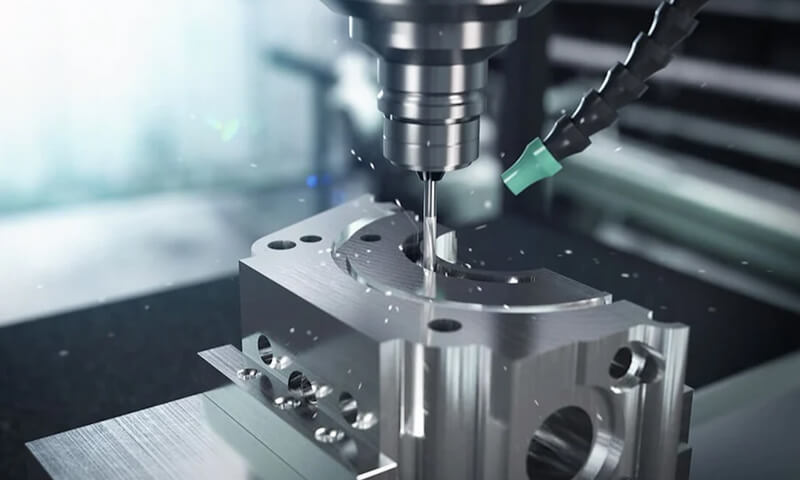
CNC (Rialú Uimhriúil Ríomhaireachta) tá réabhlóidiú déanta ag meaisínithe ar mhonarú nua-aimseartha trí tháirgeadh páirteanna casta agus beachta a chumasú le cruinneas agus atrialltacht gan sárú.
Tá cruach ag croílár go leor tionscadal CNC, ábhar a bhfuil urraim air as a neart, marthanacht, agus solúbthacht.
Pléann an blag seo leis an bpróiseas, sochar, dúshláin, agus feidhmchláir meaisínithe CNC cruach, léargais a sholáthar ar conas is féidir an teicneolaíocht seo a ghiaráil chun freastal ar riachtanais déantúsaíochta éagsúla.
2. Cad é Meaisínithe CNC Cruach?
Cruach Is é meaisínithe CNC an próiseas ina ndéantar cruach a mhúnlú go beacht i gcomhpháirteanna ag baint úsáide as teicneolaíocht CNC.
An áit seo, meaisíní cosúil le muilte, deileanna, druileáin, agus tá meilte feistithe le huirlisí a leanann cosán réamhchláraithe, ag ligean do tháirgeadh páirteanna casta agus cruinn.

Mar shampla:
- Muilleoireacht: Is féidir leis lamháltais a bhaint amach chomh daingean le ±0.0005 orlach, cruthanna agus dromchlaí casta a chruthú.
- Casadh: Táirgeann páirteanna sorcóireacha le bailchríoch dromchla chomh mín le 16 micreainches Ra.
- Druileáil: Cinntíonn sé go bhfuil poill le trastomhais cruinn laistigh de 0.0002 orlach.
3. Gráid Cruach agus a dTréithe i Meaisínithe CNC
Bíonn tionchar suntasach ag gráid cruach ar éifeachtúlacht agus ar thoradh próisis meaisínithe CNC.
Tugann gach grád airíonna uathúla a fhágann go bhfuil sé oiriúnach d'iarratais shonracha, fachtóirí cothromaíochta mar machinability, láidreacht, friotaíocht creimthe, agus costas.
Anseo thíos tá breathnú saibhrithe agus mionsonraithe ar ghráid cruach éagsúla a úsáidtear go coitianta i meaisínithe CNC.
Gráid Cruach Carbóin
1018 Cruach: Capall Oibre na Cruach Carbóin
- Comhdhéanamh: Iarann go príomha le cion ísealcharbóin, mangainéise, fosfar, agus sulfair.
- Eochairthréithe:
-
- Déanann machinability eisceachtúil rogha coitianta do mheaisínithe cruinneas CNC.
- Ard weldability, go háirithe tar éis carburizing, a fheabhsaíonn cruas dromchla.
- Neart measartha agus bailchríoch dromchla den scoth.
- Feidhmithe: Is minic a úsáidtear le haghaidh seafaí, fearsaidí, Gears, is comhpháirteanna brionnaithe éilíonn neart measartha.

- Teorainneacha:
-
- Costas réasúnta níos airde i gcomparáid le steels ísealcharbóin eile.
- Friotaíocht theoranta le creimeadh agus cóireálacha dromchla áirithe.
- Airíonna meicniúla:
-
- Dlús: 7.87 g/cm³
- Fadú ag sos: 15%
- Neart táirgeachta: 310 MPA
- Cré: 131 Lb
1045 Cruach: Versatile Meán-Carbóin-Cruach
- Comhdhéanamh: Cruach mheáncharbóin le cion carbóin beagán níos airde ná 1018.
- Eochairthréithe:
-
- Ard-neart agus cruas tar éis cóireála teasa.
- Tairiscintí friotaíocht tionchair níos fearr i gcomparáid le gráid ísealcharbóin.
- Tá machinability measartha, a éilíonn uirlisí agus socruithe cuí.
- Feidhmithe: Úsáidtear go forleathan i boltaí, Gears, acastóirí, is seafaí faoi lé strus níos airde.
- Airíonna meicniúla:
-
- Dlús: 7.87 g/cm³
- Fadú ag sos: 16%
- Neart táirgeachta: 450 MPA
- Cré: 163 Lb
Gráid Cruach Meaisínithe Saor in Aisce
1215 Cruach: Cluiche Ceannais na Meaisínitheachta
- Comhdhéanamh: Ábhar ard sulfair, dá ngairtear go minic mar cruach meaisínithe saor in aisce,.
- Eochairthréithe:
-
- Táirgeann sliseanna beaga le linn meaisínithe, tangling a laghdú agus éifeachtúlacht a mhéadú.
- Thar a machinable, ag cur ar chumas luasanna gearrtha níos tapúla.
- Táthaitheacht níos ísle agus neart measartha i gcomparáid le gráid neamh-sulfair.
- Feidhmithe: Foirfe do thionscadail ard-toirte ar nós cúpláin, feistis, bioráin, is scriúnna.

- Airíonna meicniúla:
-
- Dlús: 7.87 g/cm³
- Fadú ag sos: 10%
- Neart táirgeachta: 415 MPA
- Cré: 167 Lb
12L14 Cruach: Ábhar Ard-Gaoithe Beachtais
- Comhdhéanamh: Feabhsaithe le luaidhe chun machinability a fheabhsú.
- Eochairthréithe:
-
- Ceadaíonn meaisínithe thar a bheith tapa gan cáilíocht an dromchla a íobairt.
- Níl sé oiriúnach le haghaidh feidhmeanna ard-neart nó táthú mar gheall ar a chomhdhéanamh.
- Feidhmithe: A úsáidtear le haghaidh páirteanna cruinneas, tonn, is comhpháirteanna crua-earraí i dtimpeallachtaí nach bhfuil chomh éilitheach.
- Airíonna meicniúla:
-
- Dlús: 7.87 g/cm³
- Neart táirgeachta: 350 MPA
- Cré: 170 Lb
Cruach dhosmálta Grád
304 Cruach dhosmálta: An Cruach Dhosmálta Uilechuspóra
- Comhdhéanamh: Ábhar ard cróimiam agus nicil le haghaidh friotaíocht creimeadh den scoth.
- Eochairthréithe:
-
- An-resistant do meirge agus ocsaídiúcháin i dtimpeallachtaí caighdeánacha.
- Measartha machinable, a éilíonn uirlisí géara agus fuarú cuí chun cruas oibre a sheachaint.
- Feidhmithe: Coitianta i earraí cistine, ionstraimí leighis, is comhpháirteanna struchtúracha.

- Airíonna meicniúla:
-
- Dlús: 8.0 g/cm³
- Neart táirgeachta: 215 MPA
- Cré: 201 Lb
316 Cruach dhosmálta: An Sár-réalta Mara
- Comhdhéanamh: Áirítear moluibdín, friotaíocht níos fearr a sholáthar do chreimeadh sáile.
- Eochairthréithe:
-
- Feidhmíocht den scoth i dtimpeallachtaí ceimiceacha mara agus crua.
- Níos deacra le meaisín ná 304 mar gheall ar a neart níos airde agus toughness.
- Feidhmithe: Le fáil i feistis mara, trealamh próiseála ceimiceach, is Ionchlannáin Leighis.
- Airíonna meicniúla:
-
- Dlús: 8.0 g/cm³
- Neart táirgeachta: 290 MPA
- Cré: 217 Lb
Cruach uirlisí Grád
Cruach Uirlis D2: An Seaimpín Caithimh-Resistant
- Comhdhéanamh: Ábhar ardcharbóin agus cróimiam.
- Eochairthréithe:
-
- Friotaíocht chaitheamh eisceachtúil agus cruas.
- Friotaíocht creimeadh teoranta i gcomparáid le cruach dhosmálta.
- Feidhmithe: Idéalach le haghaidh bás, múnla, is Uirlisí Gearrtha.

- Airíonna meicniúla:
-
- Dlús: 7.7 g/cm³
- Neart táirgeachta: 400 MPA
- Cré: Suas go dtí 62 HAD
H13 Cruach Uirlis: Sármhaitheas Frithsheasmhach in aghaidh Teas
- Comhdhéanamh: Cruach cóimhiotail cróimiam-moluibdín.
- Eochairthréithe:
-
- Toughness ard agus feidhmíocht den scoth faoi teocht ard.
- Foirfe d'iarratais rothaíochta teirmeach.
- Feidhmithe: A úsáidtear i bás a bhrionnú, uirlisí easbhrúite, is múnlaí bás-réitigh.
- Airíonna meicniúla:
-
- Dlús: 7.8 g/cm³
- Neart táirgeachta: 520 MPA
- Cré: Suas go dtí 55 HAD
Gráid Cruach Alloy
4140 Cruach: An Cruach Alloy Téigh
- Comhdhéanamh: Cóimhiotal cróimiam-moluibdín.
- Eochairthréithe:
-
- Comhcheanglaíonn neart, diathal, agus friotaíocht tuirse.
- Versatile i meaisínithe le huirlisí cuí agus fuaraithe.
- Feidhmithe: Úsáidtear go coitianta i seafaí, Gears, is boltaí.

- Airíonna meicniúla:
-
- Dlús: 7.85 g/cm³
- Neart táirgeachta: 655 MPA
- Cré: 197 Lb
4340 Cruach: An Taibheoir Ard-neart
- Comhdhéanamh: Cóimhiotal nicil-cróimiam-moluibdín.
- Eochairthréithe:
-
- Toughness den scoth agus friotaíocht ard tuirse.
- Coinníonn neart ag teochtaí ardaithe.
- Feidhmithe: Comhpháirteanna aerárthaí, giaranna tuirlingthe, is páirteanna tarchurtha cumhachta.
- Airíonna meicniúla:
-
- Dlús: 7.85 g/cm³
- Neart táirgeachta: 470 MPA
- Cré: 241 Lb
Tábla comparáide: Gráid Cruach i Meaisínithe CNC
| Grád | Machnamhity | Friotaíocht creimthe | Feidhmithe |
|---|---|---|---|
| 1018 | Thar cionn | Íseal | Seafta, fearsaidí, Gears |
| 1215 | Cáilithe | Íseal | Scriúnna, cúpláin, feistis |
| 304 Dhosmálta | Measartha | In airde | Ionstraimí leighis, earraí cistine |
| 316 Dhosmálta | Measartha | An -ard | Feisteas mara, trealamh ceimiceach |
| Cruach Uirlis D2 | Measartha | Measartha | Punches, bás, múnla |
| H13 Cruach Uirlis | Measartha | Íseal | Múnlaí bás-réitigh, bás a bhrionnú |
| 4140 Cóimhiotal | Go maith | Íseal | Seafta, Gears, sladair |
| 4340 Cóimhiotal | Go maith | Íseal | Comhpháirteanna aerárthaí, innealra trom |
4. An Próiseas Meaisínithe CNC le haghaidh Cruach
Ullmhúchán:
- Dearadh CAD/CAM: Cruthaítear samhlacha digiteacha cruinne trí úsáid a bhaint as bogearraí CAD, agus gineann bogearraí CAM na cosáin uirlisí.
Tá an chéim seo ríthábhachtach chun a chinntiú go gcomhlíonann an chuid deiridh na sonraíochtaí dearaidh. - Roghnú ábhair: Fachtóirí ar nós feidhm na coda, timpeallacht, agus meastar costas nuair a roghnaíonn tú an grád cruach cuí.
Mar shampla, 1018 d'fhéadfaí cruach a roghnú le haghaidh simplí, chomhpháirt íseal-strus, in ainneoin go 4140 bheadh cruach níos oiriúnaí do strus ard, chuid ríthábhachtach.
Socrú:
- Daingniúcháin agus Sealbhú Oibre: Cinntíonn daingneán cuí cobhsaíocht agus cruinneas le linn meaisínithe. Teicnící cosúil le clampáil, grips vise, agus úsáidtear daingneáin saincheaptha chun an píosa oibre a dhaingniú.
- Roghnú uirlisí: Roghnaítear uirlisí éagsúla bunaithe ar an ngrád cruach agus ar an oibríocht meaisínithe ar leith.
Mar shampla, uirlisí carbide a úsáidtear go minic le haghaidh steels níos deacra mar 4140, agus cruach ardluais (HSS) féadfaidh uirlisí a bheith leordhóthanach le haghaidh steels níos boige mar 1018.
Oibríochtaí Meaisínithe:
- Casadh: Comhpháirteanna sorcóireacha cosúil le seaftaí a chruthú, áit a rothlaíonn an saotharphíosa agus an uirlis gearrtha fós ina stad.
- Muilleoireacht: Cruthanna agus dromchlaí casta a tháirgeadh, áit a rothlaíonn agus a ghluaiseann an uirlis gearrtha feadh aiseanna iolracha.
- Druileáil: poill agus snáitheanna beacht a bhaint amach, áit a rothlaíonn an giotán druileála agus a ghearrann sé isteach san ábhar.
- Optimizing Paraiméadair Gearradh: Luas a choigeartú, beatha, agus doimhneacht gearrtha chun an éifeachtúlacht agus an saol uirlisí a uasmhéadú. Mar shampla, 4130 d'fhéadfadh go mbeadh luas gearrtha níos ísle agus ráta beathaithe níos airde ag teastáil ó chruach i gcomparáid le 1018 cruach.
Iarphróiseáil:
- Teicnící Críochnaithe: Dochair, snasú, agus feabhsaíonn cóireáil teasa cáilíocht dromchla agus airíonna meicniúla na coda.
Mar shampla, deburring baintear imill ghéar, agus feabhsaíonn snasta an bailchríoch dromchla.
5. Teicnící a Úsáidtear i Meaisínithe CNC Cruach
Tá éagsúlacht teicnící i gceist le meaisínithe CNC cruach, gach ceann acu a oireann do thascanna sonracha agus ceanglais pháirte.
Tá na teicnící seo deartha chun cruinneas ard a bhaint amach, éifeachtúlacht, agus cáilíocht sa táirge deiridh.
Seo cuid de na príomh-theicnící a úsáidtear i cruach meaisínithe CNC:
Muilleoireacht
- Saghas:
-
- Is próiseas ildánach é muilleoireacht a úsáideann uirlisí gearrtha ilphointí rothlach chun ábhar a bhaint as píosa oibre.
Is féidir leis an uirlis bogadh feadh aiseanna iolracha, ag ligean do chruthú cruthanna casta, sliotáin, agus dromchlaí.
- Is próiseas ildánach é muilleoireacht a úsáideann uirlisí gearrtha ilphointí rothlach chun ábhar a bhaint as píosa oibre.

- Breithnithe Meaisínithe CNC:
-
- Roghnú uirlisí: Carbide nó cruach ardluais (HSS) muilte deiridh, muilte aghaidh, agus úsáidtear muilte srón liathróid go coitianta.
- Paraiméadair a ghearradh: Ní mór luasanna agus fothaí a rialú go cúramach chun caitheamh uirlisí a sheachaint agus críochnú dromchla a chinntiú. Mar shampla, steels níos deacra cosúil le 4140 d'fhéadfadh go mbeadh gá le luasanna gearrtha níos ísle agus rátaí beathaithe níos airde.
- Feidhmithe:
-
- Dromchlaí cothroma nó neamhrialta a tháirgeadh, pócaí, sliotáin, agus comhrianta. Úsáidtear go coitianta le haghaidh páirteanna cosúil le múnlaí, bás, agus comhpháirteanna struchtúracha.
Casadh
- Saghas:
-
- Is próiseas é casadh ina rothlaíonn an saotharphíosa agus baintear an t-ábhar le huirlis ghearrtha aon phointe.
Tá an teicníc seo iontach chun páirteanna sorcóireacha agus cruthanna siméadracha a chruthú.
- Is próiseas é casadh ina rothlaíonn an saotharphíosa agus baintear an t-ábhar le huirlis ghearrtha aon phointe.
- Breithnithe Meaisínithe CNC:
-
- Roghnú uirlisí: Ag brath ar an ngrád cruach agus an bailchríoch dromchla atá ag teastáil, úsáidtear uirlisí carbide ionsáite nó SSS.
- Paraiméadair a ghearradh: Roghnú ceart luas gearrtha, ráta beathaithe, agus tá doimhneacht gearrtha ríthábhachtach chun cruinneas agus saol uirlisí a chothabháil.
Mar shampla, 304 d'fhéadfadh go mbeadh luasanna níos moille agus sreabhadh fuaraithe níos airde ag teastáil ó chruach dhosmálta chun teas a bhainistiú.
- Feidhmithe:
-
- seaftaí a chruthú, bioráin, tonn, agus comhpháirteanna rothlacha eile. Coitianta i ngluaisteán, aeraspás, agus innealra tionsclaíoch.
Druileáil
- Saghas:
-
- Is é druileáil an próiseas chun poill a chruthú i bpíosa oibre ag baint úsáide as giotán druileála. Tá an teicníc seo riachtanach chun gnéithe cosúil le poill bolt a chur leis, poill tapped, agus trí phoill.
- Breithnithe Meaisínithe CNC:
-
- Roghnú uirlisí: Cruach ardluais (HSS) nó úsáidtear giotán druileála cairbíde, le bratuithe cosúil le STAN (Nítríde Tíotáiniam) le haghaidh friotaíocht caitheamh feabhsaithe.
- Paraiméadair a ghearradh: Luas druileála cuí, ráta beathaithe, agus tá úsáid an chuisnithe ríthábhachtach chun briseadh uirlisí a chosc agus chun cáilíocht an phoill a chinntiú.
Mar shampla, 4140 féadfaidh cruach teicníc druileála peic a bheith ag teastáil chun sliseanna a ghlanadh agus teas a laghdú.
- Feidhmithe:
-
- Poill beacht a chruthú le haghaidh dúntóirí, pasáistí sreabhach, agus gnéithe feidhmiúla eile. Coitianta i raon leathan tionscal, lena n-áirítear feithicleach, aeraspás, agus tógáil.
Meilt
- Saghas:
-
- Is próiseas críochnaithe é meilt a úsáideann roth scríobach chun méideanna beaga ábhar a bhaint, bailchríocha dromchla fíneáil agus lamháltais daingean a bhaint amach.

- Breithnithe Meaisínithe CNC:
-
- Roghnú uirlisí: Úsáidtear rothaí scríobacha déanta as ábhair mar ocsaíd alúmanaim nó diamant, ag brath ar an ngrád cruach agus an bailchríoch atá ag teastáil.
- Paraiméadair a ghearradh: Paraiméadair meilt, mar luas roth, ráta beathaithe, agus doimhneacht gearrtha, a rialú go cúramach chun damáiste teirmeach a sheachaint agus sláine an dromchla a chinntiú.
Mar shampla, 4340 d'fhéadfadh go mbeadh próiseas meilt níos ionsaithí ag teastáil ó chruach mar gheall ar a chruas ard.
- Feidhmithe:
-
- Dromchlaí mín a bhaint amach, imill ghéar, agus toisí beachta. Coitianta i dtáirgeadh giaranna, seafaí, agus comhpháirteanna cruinneas eile.
Meaisínithe urscaoilte leictreach (Eisiamh)
- Saghas:
-
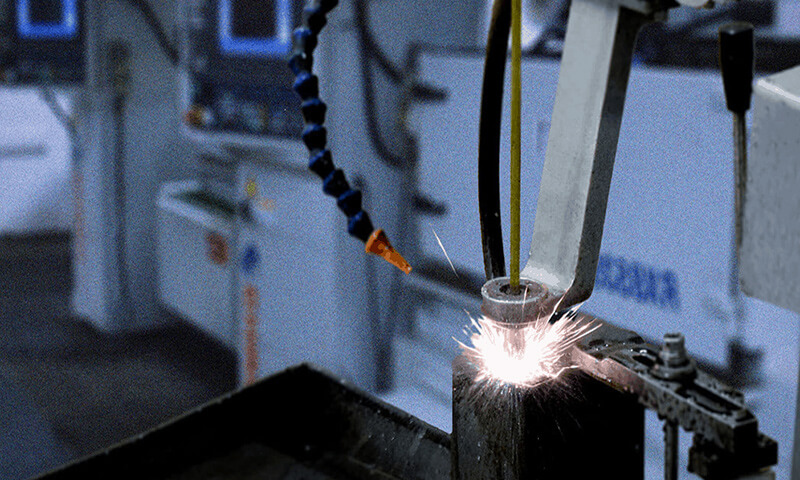
- Is próiseas meaisínithe neamhthraidisiúnta é EDM a úsáideann scaoileadh leictreach (spréacha) ábhar a chreimeadh ón bpíosa oibre.
Tá sé úsáideach go háirithe maidir le hábhair atá deacair le meaisín agus le céimseataí casta.
- Is próiseas meaisínithe neamhthraidisiúnta é EDM a úsáideann scaoileadh leictreach (spréacha) ábhar a chreimeadh ón bpíosa oibre.
- Breithnithe Meaisínithe CNC:
-
- Roghnú uirlisí: Ní úsáideann EDM uirlisí gearrtha traidisiúnta; ina ionad, úsáideann sé leictreoid, is féidir a bheith déanta as graifít, copar, nó ábhair seoltacha eile.
- Paraiméadair Próisis: An bhearna idir an leictreoid agus an workpiece, an sreabhán tréleictreach, agus is paraiméadair ríthábhachtacha iad ré na bíge.
Mar shampla, 316 d'fhéadfadh go mbeadh gá le sreabhán tréleictreach éagsúil agus socruithe cuisle i gcomparáid le cruach dhosmálta 4130 cruach.
- Feidhmithe:
-
- Cruthanna casta a chruthú, coirnéil ghéar, agus mionsonraí fíneáil atá deacair a bhaint amach le meaisínithe traidisiúnta.
Coitianta i dtáirgeadh múnlaí, bás, agus comhpháirteanna aeraspáis.
- Cruthanna casta a chruthú, coirnéil ghéar, agus mionsonraí fíneáil atá deacair a bhaint amach le meaisínithe traidisiúnta.
Ag cnagadh
- Saghas:
-
- Is próiseas é tapping chun snáitheanna inmheánacha a chruthú i bpoll réamh-druileáilte. Tá an teicníc seo riachtanach chun poill snáithithe a tháirgeadh le haghaidh boltaí, scriúnna, agus dúntóirí eile.
- Breithnithe Meaisínithe CNC:
-
- Roghnú uirlisí: Úsáidtear SSS nó sconnaí carbide, le bratuithe cosúil le SIN chun friotaíocht caitheamh feabhsaithe.
- Paraiméadair a ghearradh: Luas cnagadh cuí, ráta beathaithe, agus tá úsáid bealaidh tábhachtach chun cáilíocht snáithe agus saol uirlisí a chinntiú.
Mar shampla, 4140 d'fhéadfadh go mbeadh luas tapála níos moille ag teastáil ó chruach agus lubrication níos minice.
- Feidhmithe:
-
- Snáitheanna inmheánacha a chruthú le haghaidh dúntóirí i raon leathan iarratas, lena n-áirítear feithicleach, aeraspás, agus trealamh tionsclaíoch.
leadránach
- Saghas:
-
- Is éard is leadránach ann ná an próiseas chun na poill atá ann cheana a mhéadú agus a chríochnú go toisí beachta. Úsáidtear an teicníc seo chun an trastomhas a fheabhsú, cruinnis, agus críochnaigh dromchla poll.
- Breithnithe Meaisínithe CNC:
-
- Roghnú uirlisí: Baintear úsáid as barraí leadránach a bhfuil ionsáin chomhdhúile nó HSS orthu, le trastomhais inchoigeartaithe chun an méid atá ag teastáil a bhaint amach.
- Paraiméadair a ghearradh: Luas leadránach cuí, ráta beathaithe, agus tá úsáid chuisnithe riachtanach chun cruinneas agus bailchríoch dromchla a choinneáil.
Mar shampla, 304 d'fhéadfadh go mbeadh luas leadránach níos moille agus sreabhadh níos airde chuisnithe ag teastáil ó chruach dhosmálta.
- Feidhmithe:
-
- Poill a mhéadú agus a chríochnú i gcomhpháirteanna cosúil le bloic innill, sorcóirí, agus iomadúil hiodrálach.
6. Bailchríocha agus Cóireálacha Dromchla le haghaidh Páirteanna Cruach
Roghanna Coiteann Críochnaithe:
-
- Carburizing & Nítriding: Feabhsaíonn na próisis seo cruas dromchla agus friotaíocht caitheamh.
Méadaíonn carburizing an cion carbóin ar an dromchla, agus tugann nítriding isteach nítrigin. - Snasú: Feabhsaíonn snasta réidh an dromchla agus an chuma, ag laghdú garbh an dromchla chomh híseal agus is 0.1 micriméadar.
- Péinteáil & Anodizing: Cosnaíonn na cóireálacha seo an dromchla ó chreimeadh agus feabhsaíonn siad aeistéitic.
Soláthraíonn péinteáil ciseal cosanta, agus cruthaíonn anodizing sciath ocsaíd marthanach.
- Carburizing & Nítriding: Feabhsaíonn na próisis seo cruas dromchla agus friotaíocht caitheamh.
Cóireálacha teasa:
-
- Anú: Bogann anáil an chruach agus feabhsaíonn sé a insínteacht. Is éard atá i gceist leis an bpróiseas seo ná an cruach a théamh go teocht shonrach agus ansin é a fhuarú go mall.
- Cruadhú: Méadaíonn hardening cruas agus neart an chruach. Is éard atá i gceist leis an cruach a théamh go teocht ard agus ansin é a fhuarú go tapa.
- Slána: Laghdaíonn an teocht brittleness agus feabhsaíonn sé toughness. Is éard atá i gceist leis an cruach cruaite a aththéamh go teocht níos ísle agus ansin é a fhuarú.
Bratuithe:
-
- Plating since: Soláthraíonn plating since ciseal cosanta i gcoinne creimeadh, ag leathnú saolré na coda.
- Sciath púdair: Tugann sciath púdar bailchríoch durable agus tarraingteach, feabhas a chur ar chuma agus ar chosaint na coda araon.
- Chrome plating: Feabhsaíonn plating Chrome marthanacht agus soláthraíonn sé bailchríoch cosúil le scáthán, rud a fhágann go bhfuil sé oiriúnach le haghaidh feidhmeanna maisiúla agus feidhmiúla.
7. Buntáistí a bhaineann le Meaisínithe CNC Cruach
- Cruinneas agus cruinneas: Is féidir le meaisíní CNC lamháltais a choinneáil chomh daingean le ± 0.0005 orlach, ag cinntiú go n-oireann páirteanna go foirfe i tionóil.
- Marthanacht: Is féidir le páirteanna cruach atá meaisínithe le CNC coinníollacha foircneacha a sheasamh, le roinnt gráid ag coinneáil a n-ionracas ag teochtaí suas le 1200°F.
- Solúbthacht ábhartha: I gcaitheamh 300 tá gráid cruach ar fáil, gach ceann acu in oiriúint d'fheidhmchláir shonracha, ó chruach ardluais le haghaidh uirlisí gearrtha go cruach dhosmálta le haghaidh feistí leighis.
- Éifeachtúlacht costais: Is féidir le meaisínithe CNC dramhaíl ábhartha a laghdú suas le 70%, agus is féidir le luasanna ard táirgeachta costais saothair a laghdú.
- Inscálaitheacht: Ceadaíonn meaisínithe CNC fréamhshamhail tapa a dhéanamh leis an trealamh céanna a úsáidtear le haghaidh táirgeadh ar scála mór, ag laghdú an ghá le socruithe iolracha.
8. Dúshláin agus Réitigh i Meaisínithe CNC Cruach
- Dúshláin Ábhar:
-
- Cruas agus Toughness: Is féidir le hairíonna cruach dúshlán a thabhairt do mheaisínithe.
Áirítear le réitigh:
- Cruas agus Toughness: Is féidir le hairíonna cruach dúshlán a thabhairt do mheaisínithe.
-
-
- Ag baint úsáide as uirlisí carbide-tipped, ar féidir leo fórsaí gearrtha níos airde agus teas a sheasamh.
- Fostú chuisnithe chun teas a bhainistiú, caitheamh uirlisí a laghdú suas le 50%.
- Straitéisí cosúil le druileáil peic nó muilleoireacht dreapadóireachta a chur i bhfeidhm chun sraonadh agus briseadh uirlisí a íoslaghdú.
-
- Cruinneas agus Beachtas:
-
- Lamháltais daingean: Éilíonn cruinneas a chothabháil:
-
-
- Calabrú rialta, ag cinntiú cruinneas meaisín laistigh de ± 0.0001 orlach.
- Daingneáin bheachtais agus gléasanna coinneála oibre a úsáid chun páirtghluaiseacht a íoslaghdú.
-
- Costas agus Éifeachtúlacht Ama:
-
- Cáilíocht agus Costas a Chomhardú: Chun barrfheabhsú:
-
-
- Bain úsáid as teicnící meaisínithe ardluais, am meaisínithe a laghdú suas le 50% gan cur isteach ar cháilíocht.
- Déantúsaíocht díreach in am a chur i bhfeidhm chun costais fardail a íoslaghdú suas go dtí 30%.
-
9. Feidhmchláir Meaisínithe CNC Cruach
-
- Comhpháirteanna innill, Gears, agus lúibíní.
Caithfidh páirteanna cruach sa tionscal feithicleach teocht ard agus strus meicniúil a sheasamh, ag déanamh meaisínithe CNC mar mhodh roghnaithe.
- Comhpháirteanna innill, Gears, agus lúibíní.
-
- Páirteanna fearas tuirlingthe, tacaíochtaí struchtúracha. In aeraspáis, tá cruinneas agus iontaofacht ríthábhachtach, agus cinntíonn meaisínithe CNC cruach go gcomhlíonann páirteanna na ceanglais dhian seo.
- Míochaine:
-
- Ionstraimí máinliachta, próistéitic. Éilíonn feistí leighis cruinneas ard agus bith-chomhoiriúnacht, agus is féidir le meaisínithe CNC páirteanna a chomhlíonann na caighdeáin seo a tháirgeadh.
- Trealamh tionsclaíoch:
-
- Imthacaí, seafaí, agus páirteanna innealra. Is minic a oibríonn trealamh tionsclaíoch faoi dhálaí crua, agus soláthraíonn páirteanna cruach an marthanacht agus an fheidhmíocht is gá.
- Tógáil:
-
- Dúntóirí, cónascairí, agus tacaí struchtúracha. Tá tionscadail tógála ag brath ar chomhpháirteanna cruach láidir agus iontaofa, agus cinntíonn meaisínithe CNC go ndéantar na codanna seo a tháirgeadh go cruinn agus go héifeachtach.
10. Difríochtaí idir Cruach agus Iarann
- Comhdhéanamh: Is cóimhiotal iarainn le carbón é cruach (0.2-2.1%) agus go minic gnéithe eile cosúil le cróimiam, nicil, nó moluibdín, agus is foirm níos íonaí é iarann le cion carbóin íosta.
- Airíonna: Tá neart níos fearr ag cruach i gcoitinne, diathal, agus friotaíocht creimeadh i gcomparáid le iarann teilgthe.
Mar shampla, 1018 tá neart teanntachta ag cruach 53,000 go dtí 63,800 psi, agus tá neart teanntachta timpeall ar iarann íon 30,000 psi. - Machnamhity: Athraíonn meaisínitheacht cruach go mór lena chomhdhéanamh, ach is eol d'iarann teilgthe mar gheall ar a dhea-mheaisínteacht de bharr a brittleness, ag ligean do luasanna meaisínithe suas go dtí 300 SFPM.
11. Fachtóirí le Breathnú Agus Cruach á Roghnú le haghaidh Meaisínithe CNC
- Airíonna meicniúla: Láidreacht, cré, agus déine is príomhfhachtóirí iad. Mar shampla, 4140 cruach, le neart teanntachta de 125,000 psi, oiriúnach d'iarratais ard-strus.
- Coinníollacha Comhshaoil: Tá sé tábhachtach go gcuirfí in aghaidh creimeadh agus caitheamh. Cruach dhosmálta, mar shampla, is minic a roghnaítear iarratais atá faoi lé timpeallachtaí creimneach.
- Costas: Tá sé ríthábhachtach feidhmíocht a chothromú le srianta buiséid. In ainneoin go 4140 cuireann cruach airíonna níos fearr ar fáil, d'fhéadfadh sé a bheith níos daoire ná 1018 cruach.
- Machnamhity: Éasca le gearradh agus críochnú. Steels cosúil le meaisínithe saor in aisce, 1215 níos éasca le meaisín, ag laghdú am agus costais táirgthe.
- Infhaighteacht: Cinntiú go bhfuil an t-ábhar ar fáil go héasca agus costéifeachtach. Gráid choitianta cosúil le 1018 is 1045 ar fáil go forleathan, agus d'fhéadfadh amanna luaidhe níos faide a bheith ag gráid speisialtachta.
12. Treochtaí sa Todhchaí i Meaisínithe CNC Cruach
- Dul chun cinn in Uirlisí Gearrtha:
-
- Ábhair agus bratuithe nua, mar uirlisí carbide nana-brataithe, á bhforbairt chun éifeachtúlacht agus marthanacht a fheabhsú.
Is féidir leis na huirlisí seo saol uirlisí a mhéadú suas le 50% agus am meaisínithe a laghdú.
- Ábhair agus bratuithe nua, mar uirlisí carbide nana-brataithe, á bhforbairt chun éifeachtúlacht agus marthanacht a fheabhsú.
- Uathoibriú agus AI:
-
- Comhtháthú uathoibrithe agus hintleachta saorga (AI) ag feabhsú beachtas agus ag laghdú earráid dhaonna.
Is féidir le córais atá á gcumhachtú ag AI cosáin uirlisí a bharrfheabhsú agus caitheamh uirlisí a thuar, as a dtiocfaidh próisis meaisínithe níos éifeachtaí agus níos iontaofa.
- Comhtháthú uathoibrithe agus hintleachta saorga (AI) ag feabhsú beachtas agus ag laghdú earráid dhaonna.
- Déantúsaíocht Hibrid:
-
- Meaisínithe CNC a chomhcheangal le déantúsaíocht bhreiseáin (3D Priontáil) ceadaíonn sé páirteanna níos casta agus níos éifeachtaí a tháirgeadh.
Is féidir le déantúsaíocht hibrideach dramhaíl ábhartha a laghdú agus páirteanna a chruthú le struchtúir inmheánacha agus gnéithe atá deacair a bhaint amach le modhanna traidisiúnta.
- Meaisínithe CNC a chomhcheangal le déantúsaíocht bhreiseáin (3D Priontáil) ceadaíonn sé páirteanna níos casta agus níos éifeachtaí a tháirgeadh.
13. Deireadh
Cruach Meaisíniú CNC Is próiseas déantúsaíochta cumhachtach agus ilúsáideach é a thairgeann buntáistí iomadúla, lena n-áirítear cruinneas, marthanacht, agus solúbthacht ábhair.
Trí na gráid éagsúla cruach a thuiscint, an próiseas meaisínithe, agus na teicníochtaí agus na cóireálacha éagsúla, is féidir le monaróirí an teicneolaíocht seo a ghiaráil chun páirteanna ardchaighdeáin a tháirgeadh le haghaidh raon leathan feidhmchlár.
De réir mar a leanann an teicneolaíocht chun cinn, tá cuma tuar dóchais ag baint le todhchaí cruach meaisínithe CNC, le nuálaíochtaí agus treochtaí socraithe chun a chumais agus a éifeachtúlacht a fheabhsú tuilleadh.
Má tá aon amhábhar cruach nó riachtanais phróiseála agat, Ná bíodh drogall ort Déan teagmháil linn.