1. Tabhairt isteach
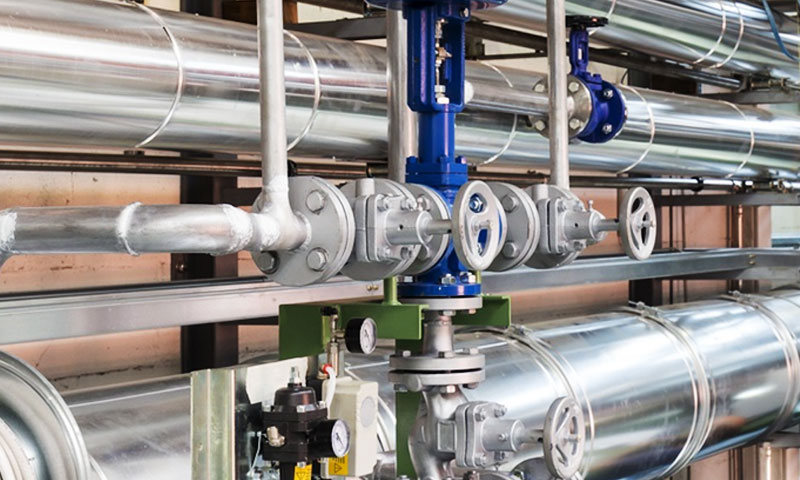
Is comhla uathoibríoch é gaiste Gaile a úsáidtear i gcórais gaile chun comhdhlúthán urscaoilte, aer a ligean isteach i, is gáis neamh-chomhdhlúite gan ligean caillteanas gaile beo.
Feidhmiú mar chomhpháirteanna ríthábhachtacha i gcórais gaile tionsclaíochta agus tráchtála, cinntíonn siad éifeachtúlacht theirmeach, iontaofacht an chórais, is sábháilteacht oibriúcháin.
Go stairiúil, Ba fheistí meicniúla rudimentary iad gaistí gaile, ach le dul chun cinn i eolaíocht ábhair, teicneolaíochtaí rialaithe, is monatóireacht fuinnimh,
Comhtháthaíonn gaistí nua-aimseartha diagnóisic dhigiteach agus uirlisí cothabhála réamh-mheastacháin, rud a fhágann go bhfuil siad níos riachtanaí ná riamh in oibríochtaí tionsclaíocha atá feasach ar fhuinneamh.
2. How Steam Traps Work?
Tá gaistí gaile uathoibríoch comhla a fhreastalaíonn ar ról ríthábhachtach i gcórais gaile: siad idirdhealú leanúnach a dhéanamh agus comhdhlúthán a dhíbirt, aer a ligean isteach i, agus gáis neamh-chomhdhlúite (NCGs) in ainneoin go gaile beo luachmhar a choinneáil.
Tá an bhaint roghnach seo riachtanach le caomhnú éifeachtúlacht theirmeach, fad saoil trealaimh, is iontaofacht an chórais.
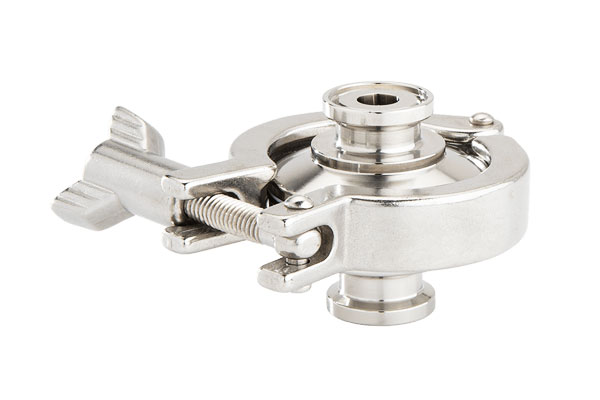
Tá oibriú gaiste gaile á rialú ag trí bhunúsacha difríochtaí maoine fisiceach idir gaile, comhdhlúthán, agus gáis:
- Difríocht dlúis
- Difríocht teochta
- Pressure/velocity difference
These physical distinctions form the basis for the trap’s actuation mechanism—whether mechanical, thermostatic, or thermodynamic.
Core Thermodynamics: Steam vs. Condensate Behavior
Understanding the differences between steam, comhdhlúthán, agus gáis neamh-chomhdhlúite (NCGs) is essential to comprehending how steam traps function.
Gail
Gail is a high-energy vapor with low density—ranging from approximately 0.5 go dtí 6 kg/m³ at operating pressures between 1 go dtí 100 bac a chur ar.
Its temperature corresponds to the saturation temperature at a given pressure (E.g., 100°C at 1 bac a chur ar, 184°C at 10 bac a chur ar).
Steam carries a large amount of latent heat, which makes it highly efficient for thermal processes.
Comhdhlúthán
Comhdhlúthán forms when steam releases this latent heat during heat exchange.
It is a dense liquid—typically 900–950 kg/m³—and often cooler than the saturation temperature, ar a dtugtar subcooled condensate.
Faoi choinníollacha áirithe, particularly when pressure drops rapidly, condensate can flash into secondary steam, presenting challenges for effective drainage.
Non-condensable gases (NCGs)
Air and non-condensable gases (NCGs), such as oxygen and carbon dioxide, enter the system during startup or form due to corrosion.
These gases are denser than steam but lighter than condensate, and they act as thermal insulators.
If not properly vented, is féidir leo reduce heat transfer efficiency by up to 50%, especially in heat exchangers and process vessels.
Essential Functions of a Steam Trap
To maintain steam system performance, a steam trap must reliably perform three key functions:
Efficient Condensate Removal
Accumulated condensate reduces heat transfer surface area and impairs thermal performance.
Mar shampla, 25% waterlogging in a heat exchanger can cause up to a 30% drop in thermal efficiency.
Steam traps must discharge condensate immediately upon formation to avoid such losses.
Ventilation of Air and Non-Condensable Gases
During startup, steam systems are filled with air. If not vented, this air causes air locks, blocáil sreabhadh gaile agus moilliú teasa suas.
Toisc go bhfuil aer seoltacht teirmeach an-íseal (0.026 W/m·K i gcomparáid le 0.6 W/m·K le haghaidh gaile), bíonn tionchar mór aige ar éifeachtúlacht.
Ba chóir gaiste gaile éifeachtach vent NCGs go tapa - laistigh go hidéalach 10 nóiméad tosaithe.
Retention of Live Steam
Tá teas folaigh luachmhar i gal beo (-2,200 kJ/kg ag 10 bac a chur ar). Is ionann aon chaillteanas gaile go díreach agus fuinneamh amú.
Fiú a 1% sceitheadh gaile i gcóras ardbhrú is féidir le dramhaíl anuas 1,000 kWh/lá.
Mar sin, ní mór gaiste gaile ardcháilíochta séala go docht i láthair gaile, ag ligean ach comhdhlúthán agus gáis imeacht.
3. Major Types of Steam Trap
Déantar gaistí gaile a chatagóiriú go príomha bunaithe ar a bprionsabail oibriúcháin - an chaoi a mbraithfidh siad agus a ndéanann siad idirdhealú idir gaile beo, comhdhlúthán, agus gáis neamh-chomhdhlúite.
Is iad na trí phríomhchatagóir:
- Gaistí meicniúla — oibriú ar dhifríochtaí dlúis
- Gaistí teirmidinimiciúla — ag brath ar éifeachtaí brú agus treoluas
- Gaistí teirmeastatacha — respond to temperature changes
Mechanical Traps
Mechanical traps use the significant density difference between steam and condensate to actuate valve mechanisms.
They generally contain a float or inverted bucket that moves in response to condensate level changes.
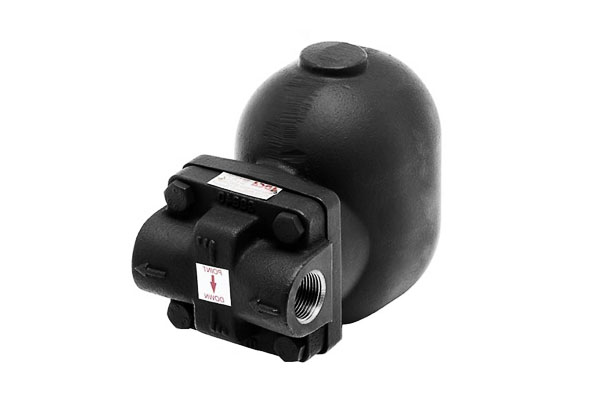
Float & Thermostatic (F&T) Traps
- Prionsabal oibre:
The core of an F&T trap is a float mechanism inside a chamber. As condensate enters, it fills the trap body, causing the float to rise.
This upward movement is mechanically linked to a valve that opens to discharge the condensate.
When the condensate level falls, the float drops, closing the valve tightly to prevent live steam loss.
Ag an am céanna, a thermostatic air vent on the trap’s top removes air and other non-condensable gases by sensing temperature differences: cooler air causes the vent valve to open, while hot steam closes it.
Float & Thermostatic Steam Traps - Buntáistí an Phrionsabail Oibre:
Ceadaíonn an mheicníocht snámhphointe urscaoileadh comhdhlúthán gar-leanúnach ag teocht gaile, ag soláthar éifeachtacht theirmeach den scoth.
Cinntíonn an vent teirmeastatach aer a bhaint go tapa, ríthábhachtach go háirithe le linn tosaithe an chórais. - Feidhmithe:
Úsáidtear go forleathan i malartóirí teasa, soithí próiseas mór, agus trealamh eile le hualaí gaile luaineacha a éilíonn aer-aerú éifeachtach agus draenáil iontaofa comhdhlútháin.
Inverted Bucket Traps
- Prionsabal oibre:
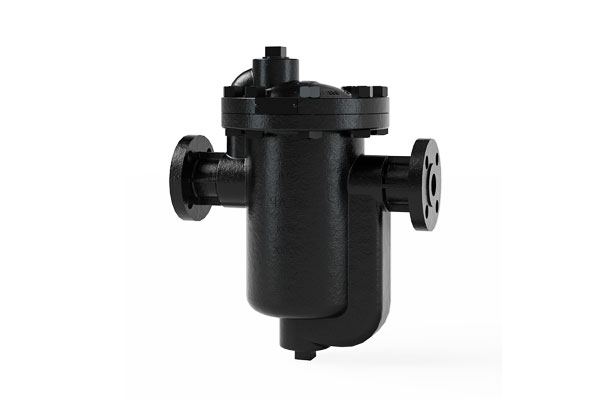
Tá log sa ghaiste buicéad inbhéartaithe, buicéad bun os cionn ar crochadh taobh istigh den chorp gaiste.
Nuair a líonann comhdhlúthán an gaiste, doirtil an buicéad, an comhla a oscailt chun an comhdhlúthán a urscaoileadh.
Mar a théann gaile isteach, líonann sé an buicéad, ag méadú buacacht agus ag cur an buicéad in airde. Dúnann an ghluaiseacht aníos seo an comhla, gal a chosc ó éalú.
The trap cycles between these two states based on the presence of steam or condensate, producing intermittent discharge.Inverted Bucket Traps - Eochairthréithe:
The cyclic operation effectively handles large condensate loads and provides a robust mechanism less prone to wear due to fewer moving parts.
Cén dóigh faoin spéir a ...?, the bucket must be primed with condensate during startup for proper operation. - Feidhmithe:
Ideal for steam mains, drip legs, and other locations with steady steam pressure where intermittent discharge is acceptable.
Thermodynamic Traps
Thermodynamic traps operate based on the dynamics of pressure and velocity differences between steam and condensate, utilizing Bernoulli’s principle and momentum changes.
Cíosa (Snap) Traps
- Prionsabal oibre:
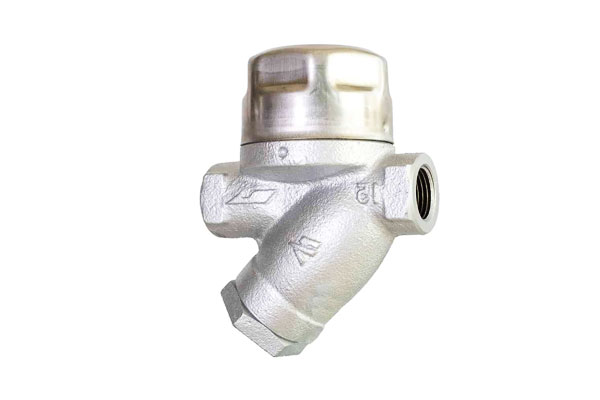
The disc trap features a flat metal disc sitting on a valve seat. When condensate enters the trap, it lifts the disc slightly, allowing discharge.
Cén dóigh faoin spéir a ...?, de réir mar a fhoirmíonn splanc gaile faoin diosca de bharr titim brú agus ardtreoluas, cruthaíonn sé scaird ardluais agus brú laghdaithe faoin diosca.
Cuireann an éifeacht dhinimiciúil seo brú ar an diosca anuas in aghaidh na suíochán, an gaiste a dhúnadh go docht.
Nuair a fhuaraíonn comhdhlúthán nó nuair a athraíonn coinníollacha brú, ardaíonn an diosca arís, an timthriall a athrá go tapa. Oscailt agus dúnadh tapa (gníomh Léim) a dhéanamh ar an gaiste diosca an-sofhreagrach.Gaistí Diosca - Buntáistí:
Tá an dearadh seo dlúth, garbh, agus éilíonn sé cothabháil íosta. Is féidir leis salachar agus scála a fhulaingt níos fearr ná go leor gaistí meicniúla agus oibríonn sé go maith faoi choinníollacha gaile sárthéite. - Teorainneacha:
Is féidir leis an ngníomh Léim a bheith ina chúis le torann (chatter), agus féadfaidh gaistí diosca feidhmiú go dona ag ualaí nó brúnna an-íseal. - Feidhmithe:
Úsáidtear go coitianta ar phríomhlíonra gaile, línte rianaithe gaile fada, agus suiteálacha lasmuigh ina bhfuil stóinseacht agus friotaíocht reo tábhachtach.
Thermostatic Traps
Braitheann gaistí teirmeastatacha ar an difríocht teochta idir gaile beo agus comhdhlúthán (nó aer) chun an comhla a oscailt nó a dhúnadh.
Úsáideann siad eilimintí teocht-íogair a dhífhoirmíonn go fisiciúil le teas.
Bimetallic Element Traps
- Prionsabal oibre:
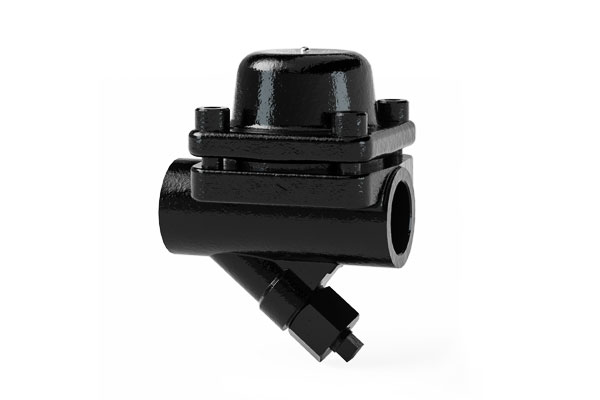
Ionchorpraíonn na gaistí seo stiall démhiotalacha déanta as dhá mhiotal le comhéifeachtaí leathnaithe teirmeacha éagsúla.
Nuair a théann comhdhlúthán nó aer níos fuaire i dteagmháil leis an eilimint dhémhiotalach, conarthaíonn sé nó lúbann sé, an comhla a oscailt chun sreabhán a urscaoileadh.
De réir mar a shroicheann gaile ag teocht sáithiúcháin an gaiste, teasaíonn an eilimint suas, rud a fhágann go leathnóidh nó go díreach, a dhúnann an comhla chun gaile beo a choinneáil.
Tá an gníomh seo de réir a chéile agus ag brath ar theocht, ag ligean rialú beacht bunaithe ar choinníollacha teirmeacha.Gaistí Gaile Eilimint Bimetallic - Feidhmithe:
Oiriúnach go háirithe do chórais gaile ardbhrú agus gal sárthéite áit a bhfuil gá le rialú teochta cruinn, such as sterilizers and autoclaves. - Buntáistí & Teorainneacha:
Durable and capable of handling wide pressure ranges, but they may have slower response times compared to mechanical traps and can have difficulty with very low condensate loads.
Balanced Pressure (Expansion Element) Traps
- Prionsabal oibre:
A fluid-filled capsule or bellows expands when heated by steam, closing the discharge valve.
When condensate or air cools the capsule, it contracts, an comhla a oscailt chun sreabhán a urscaoileadh.
Because the capsule is filled with an incompressible liquid, it maintains the valve closed even if system pressure fluctuates, hence the name “balanced pressure.”Balanced Pressure Traps - Feidhmithe:
Used for steam tracing, steiriliú, and smaller heat exchangers where smooth, quiet operation is desirable. - Buntáistí & Teorainneacha:
Excellent at venting air and non-condensable gases, but can be sensitive to water hammer and may require replacement of the capsule element after prolonged use.
Forbhreathnú comparáideach
| Gné | Meicniúil (F&T, Bucket) | Teirmidinimic (Cíosa) | Thermostatic (Démhiotalacha, Leathnú) |
| Prionsabal Rialaithe | Dlús (leibhéal leachtach) | Brú/treoluas (fórsaí dinimiciúla) | Teocht (leathnú teirmeach) |
| Doirteadh Comhdhlúthán | Leanúnach (F&T) nó uaineach (buicéad) | Rothaíocht tapa eadrannach | Teocht-spleách, de réir a chéile |
| Cumas Imeachta Aeir | Thar cionn (F&T le vent teirmeastatach) | Go dona gan aeráil speisialta | Thar cionn |
| DIRT agus Caoinfhulaingt Scála | Go maith (go háirithe cineál buicéad) | In airde (diosca láidir) | Measartha |
| Oiriúnacht Feidhmchláir | Trealamh próiseála, malartóirí teasa | Príomhlíonra gaile, lorgairí, amuigh faoin aer | Rianú, steiriliú, trealamh íogair |
| Freagairt ar Athruithe Luchtaithe | Fast agus cobhsaí | Is féidir a bheith noisy, níos lú cobhsaí ag ualach íseal | Measartha, féadfaidh moill teochta moill a chur ar fhreagairt |
| Friotaíocht Reo | Measartha | In airde | Íseal go measartha |
4. Selection Criteria of Steam Trap
Tá sé ríthábhachtach an gaiste gaile cuí a roghnú le haghaidh feidhmchlár ar leith chun an fheidhmíocht chórais is fearr a chinntiú, éifeachtúlacht fuinnimh, agus fad saoil trealaimh.
Ní mór go mbreithneodh an próiseas roghnúcháin fachtóirí iolracha a mbíonn tionchar acu ar oibriú gaiste, marthanacht, agus cothabháil.
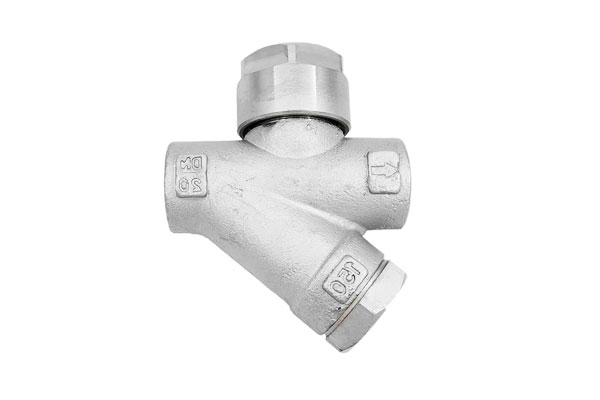
Operating Pressure and Temperature Ranges
- Brú an Chórais:
Steam traps must be rated to handle the maximum and minimum operating pressures of the steam system.
Gaistí meicniúla, such as float traps, perform reliably across a broad pressure range (from low to very high pressures), while thermodynamic traps are generally better suited for moderate to high pressures but may underperform at very low pressures. - Temperature Conditions:
The trap material and type must tolerate the steam saturation temperature and potential superheated steam conditions.
Thermostatic traps excel in handling superheated steam, whereas some mechanical traps may be affected by temperature extremes.
Required Condensate Capacity
- Condensate Load:
The trap must accommodate the maximum condensate flow rate, typically expressed in kg/h or lb/h.
Undersized traps risk flooding and waterlogging; oversized traps may cycle inefficiently or cause steam loss. - Load Variability:
Systems with fluctuating condensate loads benefit from traps with responsive mechanisms (E.g., float traps) to avoid continuous steam loss or condensate buildup.
Saintréithe sreabhach
- Corrosion and Contaminants:
Steam systems may contain corrosive substances or particulate matter from boiler blowdown or process fluids.
Traps constructed from corrosion-resistant materials (Cruach dhosmálta, crone) are preferred in such environments.
Leis sin, dirt-tolerant designs (E.g., thermodynamic traps) reduce failure risks. - Flashing and Subcooling:
Condensate flashing occurs when high-temperature condensate experiences a pressure drop, producing secondary steam.
Traps must handle the increased volume of flashing steam without misfiring or leaking.
Cycle Rate and Response Time
- Cycle Frequency:
High cycle rates demand traps capable of rapid opening and closing without excessive wear (disc traps are well-suited here).
Os a choinne sin, continuous discharge traps like float types provide smooth flow for steady loads. - Response to Air and Non-condensable Gases:
Effective venting of air and NCGs, especially during startup, reduces energy losses and protects heat transfer surfaces.
Traps with integrated thermostatic air vents or combined functions are ideal in these cases.
Material Compatibility and Corrosion Resistance
- Roghnú ábhair:
Steam traps are typically made from cruach charbóin, Cruach dhosmálta, crone, nó iarann teilgthe. The choice depends on steam quality, coinníollacha oibriúcháin, agus nochtadh ceimiceach.
Stainless steel traps offer superior corrosion resistance and longer service life but at a higher initial cost. - Tosca comhshaoil:
Outdoor or freeze-prone installations require traps designed with freeze resistance or suitable insulation.
Anailís Costas Saolré (CAPEX vs. OPEX)
- Infheistíocht tosaigh (CAPEX):
Some trap types have higher upfront costs (E.g., stainless steel float traps) but may offer better durability and reliability. - Operating Expenses (OPEX):
Energy losses from steam blow-through, frequent maintenance, or premature trap failure increase operating costs.
A high-efficiency trap with low failure rates can reduce OPEX significantly. - Maintenance and Accessibility:
Selection should factor in ease of inspection, glanadh, and part replacement to minimize downtime and labor costs.
5. Installation Best Practices of Steam Traps
Proper installation of steam trap is critical to achieving optimal performance, fad saoil, agus éifeachtúlacht fuinnimh.
Even the best-designed steam trap can underperform or fail prematurely if installed incorrectly.
Piping Arrangements: Cothrománach vs. Vertical Runs
- Orientation Matters:
Most mechanical steam traps, such as float and inverted bucket types, cheangal horizontal installation to ensure correct operation of floats or buckets, which depend on gravity and liquid level changes.
Installing these traps vertically or at steep angles can cause malfunction or steam loss. - Thermodynamic and thermostatic traps are less sensitive to orientation and can often be installed vertically or horizontally, offering more flexibility in tight or complex piping layouts.
- Inlet and Outlet Piping:
The inlet pipe should be adequately sized to prevent pressure drops and ensure smooth condensate flow to the trap. Avoid undersizing, which can cause condensate backup.
The outlet piping should be sized to handle the maximum expected discharge and should maintain a downward slope to facilitate condensate drainage and avoid water hammer.
Use of Inlet and Outlet Accessories
- Strainers:
Install strainers or dirt legs upstream of the steam trap to protect the internal valve from dirt, gainní a bhaint de, and debris.
Clean or replace strainers regularly to prevent clogging and ensure trap longevity. - Isolation Valves:
Ionchorprú isolation valves on both the inlet and outlet sides of the trap. This allows easy removal and maintenance without shutting down the entire steam system. - Drip Legs:
Place drip legs or separators ahead of traps to collect large volumes of condensate or slugs of water, preventing trap damage from water hammer.
Proper Pitch and Positioning
- Trap Position Relative to Equipment:
Install traps as close as possible to the equipment outlet or drip point to prevent condensate accumulation, which can cause waterlogging and reduce heat transfer efficiency. - Piping Slope:
Maintain a minimum pipe pitch of 1:100 (1% slope) toward the trap to ensure condensate flows freely by gravity.
Insufficient pitch leads to condensate pooling in steam lines and may result in water hammer. - Trap Discharge Position:
The trap outlet pipe should also be sloped downward and routed to the condensate return system or drain.
Avoid long horizontal runs after the trap outlet to prevent backpressure buildup.
Ensuring Accessibility for Inspection and Maintenance
- Accessible Location:
Steam traps should be installed where they are easily accessible for inspection, tástáil, and maintenance without requiring extensive system shutdowns or personnel risk. - Space for Tools:
Provide sufficient clearance around the trap to allow removal, athsholáthair, or cleaning of components. - Labeling and Documentation:
Clearly label all steam traps with identification numbers, service dates, and trap type.
Maintain updated schematics and maintenance logs to streamline troubleshooting and record keeping.
Additional Considerations
- Insliú Teirmeach:
Insulate steam traps and associated piping to minimize heat loss and prevent freezing in cold environments. Use insulation materials suitable for the operating temperature and conditions. - Condensate Return System Compatibility:
Ensure the trap outlet discharges into a condensate return system or suitable drainage with adequate capacity and pressure rating. - Water Hammer Prevention:
Proper sizing, páirc, and trap selection are vital to mitigate water hammer risks. Water hammer can severely damage traps and piping, causing premature failure.
6. Tástáil, Coimisiúnú & Cothabháil
Ensuring steam traps operate efficiently and reliably throughout their service life requires systematic testing, careful commissioning, and regular maintenance.
Proper procedures minimize steam loss, prevent equipment damage, and optimize energy consumption.
Pre-Startup Testing
- Bench Testing:
Before installation, steam traps should undergo bench testing according to manufacturer specifications.
This confirms the trap’s operational integrity, including valve seating and float or disc movement.
Bench tests simulate operating conditions and help detect manufacturing defects or damage incurred during shipment. - Leak and Pressure Tests:
After installation, perform pressure tests to verify there are no leaks in the trap body, connections, or associated piping. Ensuring tight seals prevents steam loss and system inefficiencies. - Functional Verification:
Verify correct trap orientation and ensure inlet/outlet valves and strainers are properly installed and open.
Teicnící Diagnóiseacha Ar Líne
- Tástáil ultrasonach:
Ultrasonic devices detect the high-frequency sound generated by steam or condensate flowing through the trap.
By analyzing flow patterns, technicians can determine if the trap is discharging condensate properly or if it is leaking steam. - Thermal Imaging (Infrared Thermography):
Thermal cameras identify temperature differences across the trap.
A functioning trap typically shows a temperature gradient between the inlet (hot condensate/steam) and outlet (discharged condensate).
Abnormal thermal profiles may indicate blockages, sceitheanna, or failed components. - Differential Pressure Measurement:
Measuring pressure drop across the trap helps assess flow characteristics and trap condition. Excessive pressure drops may signal clogging or valve damage.
Tascanna Coitianta Cothabhála
- Cleaning Strainers and Dirt Legs:
Regularly inspect and clean strainers to remove debris that can block the trap or cause wear. Neglecting strainers is a leading cause of trap failure. - Seat and Valve Inspection/Replacement:
Trap seats and valves wear over time due to thermal cycling and mechanical stress.
Scheduled inspections and timely replacement maintain tight sealing and prevent steam blow-through. - Tástáil Rothaíochta:
For mechanical traps, monitor the opening and closing cycles to detect issues like chattering or delayed response. Adjust or replace traps that do not cycle properly.
Cothabháil Réamhthuartha agus Monatóireacht ar Riocht
- Automated Monitoring Systems:
Advanced steam systems incorporate sensors and smart monitoring devices to provide real-time data on trap performance.
These systems alert operators to anomalies such as continuous steam loss or blockage, enabling timely intervention. - Trend Analysis:
Recording trap performance over time helps predict failures before catastrophic breakdowns. Data-driven maintenance reduces unplanned downtime and optimizes resource allocation.
Cleachtais is Fearr a Choimisiúnú
- System Warm-Up:
During initial startup, ensure traps vent air and non-condensable gases effectively to prevent air binding and achieve design operating temperatures quickly. - Leak Checks Post-Commissioning:
After warm-up, re-inspect traps for steam leaks or condensate backup. Fine-tune trap operation settings as necessary. - Doiciméadúchán:
Maintain detailed records of commissioning tests, trap types, locations, and maintenance schedules. This supports systematic troubleshooting and lifecycle management.
7. Modhanna Coitianta Teip Gaile Gaiste agus Fabhtcheartú
| Mód Teip | Primary Causes | Iarmhairtí | Fabhtcheartú / Leigheasanna |
| Waterlogging / Flooding | – Blockage (gainní a bhaint de, Smionagar)- Undersized trap- Mechanical failure (stuck float/bucket) | – Reduced heat transfer efficiency- Risk of water hammer- Increased energy consumption | – Clean strainers- Check sizing- Repair/replace failed components |
| Continuous Blow-Through (Steam Loss) | – Worn valve seat- Dirt on valve- Oversized trap | – High energy loss- Pressure drop- Increased utility costs | – Use ultrasonic or IR diagnostics- Replace seat/valve- Use properly sized trap |
| Blockage from Debris | – Poor water treatment- No or clogged strainer- Particulate-laden condensate | – Trap failure- Equipment flooding- Frequent shutdowns | – Improve water treatment- Clean or install strainers- Úsáid ábhair atá resistant creimeadh |
| Chattering / Cycling Instability | – High ΔP (difreálach brú)- Improper sizing- Mechanical wear | – Accelerated wear- Noise- Steam/condensate imbalance | – Resize or change trap type- Add pressure regulation- Inspect for mechanical defects |
| Air Binding / Startup Delay | – Trap not venting air/NCGs- Lack of thermostatic element | – Slow warm-up- Cold spots in process- System inefficiency | – Use air-venting trap types (E.g., F&T)- Check and test startup venting |
8. Feidhmchláir Gaile Gaile
Steam traps play a crucial role in a wide range of industries where steam is used for heating, thuisíonn, giniúint cumhachta, or sterilization.
Tionscal Ginearálta Próiseas
- Malartóirí teasa
- Steam jackets and reactors
- Process vessels
Beatha & Tionscal deochanna
- Sterilizers, cookers, autoclaves
- Cipín (Glan-i-Áit) córais
- Steam tracing of product pipelines
Cógaisíochta & Biteicneolaíocht
- Pure steam sterilization systems
- Clean steam distribution
- Bioreactor heating
Ola & Gás / Peitriceimiceach
- Reboilers
- Condensate recovery systems
- Line tracing in hazardous zones
Giniúint cumhachta (Teirmeach & Núicléach)
- Turbine drain systems
- Feedwater heaters
- Deaerators
Teicstíle & Tionscal Páipéir
- Dryers and calenders
- Steam cylinders and pressing machines
- Steam-heated rolls
HVAC agus Seirbhísí Foirgníochta
- Radiators and convectors
- Humidifiers
- Air handling units
9. Buntáistí agus Míbhuntáistí Gaile Gaile
Buntáistí
Éifeachtúlacht fuinnimh
By discharging only condensate and retaining live steam, steam traps minimize energy waste, reduce fuel consumption, and improve thermal efficiency in heating processes.
Cobhsaíocht Próisis
Steam traps maintain optimal heat transfer by preventing condensate accumulation, ensuring consistent temperatures in heat exchangers, imoibreoirí, and other steam-driven equipment.
Cosaint an Chórais
Effective condensate removal reduces the risk of water hammer, creimthe, agus strus teirmeach, extending the life of piping, comhla, and process equipment.
Oibríocht Uathoibríoch
Steam trap respond passively to temperature, brú, or density changes—requiring no external power or manual intervention—enabling fully automated condensate control.
Éifeachtúlacht Tosaigh Feabhsaithe
Traps with air-venting capability accelerate system warm-up by removing air and non-condensable gases that hinder steam flow and delay temperature rise.
Solúbthacht ar fud Feidhmchláir
Available in mechanical, thermodynamic, and thermostatic types, steam traps are suitable for a wide range of pressures (folús go 600+ bac a chur ar), loads, and system layouts.
Éascaíonn sé Aisghabháil Comhdhlúthán
By separating clean condensate from steam, traps enable recycling through condensate recovery systems, saving water, ceimiceán, and treatment energy.
Míbhuntáistí
So-ghabhálacht i leith Teip
Steam trap can fail open (causing live steam loss) or fail closed (leading to flooding) due to erosion, gainní a bhaint de, creimthe, or mechanical fatigue over time.
Riachtanais chothabhála
Routine inspection, tástáil, and cleaning are necessary to ensure performance. Neglected traps may leak unnoticed, reducing energy efficiency and safety.
Application Sensitivity
Improper sizing or incorrect trap selection can cause operational issues, such as underdrainage, steam locking, or excessive cycling under variable loads.
Castacht Suiteáil
Steam traps require specific piping configurations (E.g., correct pitch, elevation, dirt legs, isolation valves) to function reliably and minimize wear.
Tras-chomhoiriúnacht Theoranta
Not all trap types are suitable for all applications. Mar shampla, disc traps may chatter at low pressure, while float traps may struggle in vertical installations.
Teorainneacha Aerálaíochta (Cineálacha Áirithe)
Roinnt cineálacha (E.g., inverted bucket, cíosa) are less effective at venting air and non-condensable gases, leading to longer startup times or heat transfer inefficiency.
10. Comparáid le comhlaí eile
Steam trap is often misunderstood or miscompared with conventional valves.
While all control fluid flow, steam traps are unique in feidhm, aclaíocht, and response behavior, tailored specifically for steam-condensate separation and energy conservation.
Tábla Comparáide Feidhme
| Príomhscannán / Feidhmigh | Steam Trap | Comhla cruinne | Seiceáil an chomhla | Comhla Laghdaithe Brú (PRV) |
| Príomhchuspóir | Automatically discharge condensate without losing steam | Manually or automatically throttle flow | Cosc a chur ar chúl -sreabhadh | Maintain constant downstream pressure |
| Media Separation | Tá (differentiates steam, comhdhlúthán, air/NCGs) | Níl | Níl | Níl |
| Cineál Oibriúcháin | Uathoibríoch, self-actuating based on temperature/pressure | Manual or actuator-based | éighníomhach (flow-actuated) | Uathoibríoch (pilot or spring-controlled) |
| Doirteadh Comhdhlúthán | Continuous or intermittent based on type | Neamhbhainteach | Neamhbhainteach | Neamhbhainteach |
| Steam Retention | Yes – key function | Níl | Níl | Níl |
| Cumas Imeachta Aeir | Tá (in thermostatic/mechanical types) | Níl | Níl | Níl |
| Failure Impact | May cause energy loss or flooding | May cause throttling issues | Allows reverse flow | Pressure instability |
| Riachtanais chothabhála | Periodic testing, iniúchadh, strainer cleaning | Caitheamh suíocháin, actuator service | Occasional cleaning | Spring/diaphragm replacement |
| Feidhmchláir Eochair | Córais gaile, malartóirí teasa, tracing, drip legs | Isolation and throttling | Flow protection in pipelines | Rialú próisis, dáileadh gaile |
11. Deireadh
A Steam trap is indispensable in any steam-based thermal system. Proper selection, suiteáil, and maintenance dramatically enhance éifeachtúlacht, sábháilteacht, is return on investment.
With modern traps offering digital diagnostics is remote monitoring, they have evolved from passive mechanical devices to strategic energy assets.
Seo: Réitigh réitigh comhla ard-bheachtais le haghaidh feidhmchlár éilitheacha
Seo is soláthraí speisialaithe é de sheirbhísí réitigh comhla beachtais, Comhpháirteanna ardfheidhmíochta a sheachadadh do thionscail a dteastaíonn iontaofacht uathu, sláine brú, agus cruinneas tríthoiseach.
Ó theilgean amh go comhlachtaí comhla agus tionóil atá machineáilte go hiomlán, Seo Tairiscintí réitigh ó cheann go ceann a ndearnadh innealtóireacht orthu chun caighdeáin dhomhanda déine a chomhlíonadh.
Cuimsíonn ár saineolas réitigh comhla:
Réitigh infheistíochta do chomhlachtaí comhla & Baile Átha Tromach
Teicneolaíocht réitigh céir caillte a úsáid chun geoiméadraí inmheánacha casta agus comhpháirteanna comhla lamháltais a tháirgeadh le bailchríocha dromchla eisceachtúla.
Réitigh gainimh & Réitigh mhúnla bhlaosc
Oiriúnach do chomhlachtaí comhla meánacha go mór, flanges, agus boinéid-ag tacú le réiteach éifeachtach ó thaobh costais de le haghaidh feidhmeanna tionsclaíocha garbh, lena n -áirítear ola & giniúint gáis agus cumhachta.
Meaisíniú beachtais le haghaidh comhla oiriúnach & Seality Séala
Meaisíniú CNC de shuíocháin, snáitheanna, agus cinntíonn aghaidheanna séalaithe go gcomhlíonann gach cuid teilgthe riachtanais feidhmíochta tríthoiseach agus séalaithe.
Réimse ábhartha d’iarratais chriticiúla
Ó steels dhosmálta (CF8/CF8M/CF3/CF3M), práis, iarann insínte, le déphléacs agus ábhair ard-chóimhiotail, Seo Soláthairtí Castings comhla a tógadh le feidhmiú i gcreimneach, ardbhrú, nó timpeallachtaí ardteochta.
Cibé an bhfuil gaistí gaile saincheaptha de dhíth ort, comhlaí breiseán, Comhlaí cruinne, comhlaí geata, nó táirgeadh ardtoirte de theilgean comhla tionsclaíoch, Seo is é do pháirtí iontaofa le haghaidh beachtais, marthanacht, agus dearbhú cáilíochta.
Ceisteanna Coitianta
Cad é an difríocht idir gaiste snámhphointe agus gaiste teirmeastatach?
Float traps (meicniúil) use buoyancy to drain condensate and work best for high loads.
Thermostatic traps use temperature sensitivity to vent air and condensate, ideal for low-pressure or temperature-critical systems.
Cé chomh minic is ceart gaistí gaile a iniúchadh?
Monthly visual checks, quarterly ultrasonic/thermal testing, and annual disassembly. High-criticality systems (E.g., próiseáil bia) should be inspect monthly.
An féidir le gaistí gaile splanc gaile a láimhseáil?
Tá, thermodynamic (cíosa) traps are designed for flash steam, using its velocity to actuate valves. Mechanical traps also handle it but may require larger sizing.
Cad é saolré tipiciúil gaiste gaile?
5–10 years for mechanical traps (F&T, inverted bucket); 3–7 years for thermostatic/disc traps. Síneann cothabháil cheart an saol 30-50%.
Conas gaiste gaile a mhéadú do mo chóras?
Calculate condensate load (kg/h) using heat transfer equations (E.g., 1 kg steam = 2,200 kJ heat; a 100 kW heater produces ~160 kg/h condensate).
Select a trap with 1.5× this capacity to account for surges.
Cad is Gaiste Gaile ann?
A steam trap is a specialized automatic valve used in steam systems to efficiently remove condensate (water formed when steam cools) and non-condensable gases like air, while preventing the loss of valuable live steam.
By distinguishing between steam and condensate based on differences in temperature, dlús, or velocity, steam traps ensure optimal heat transfer, improve energy efficiency, and protect equipment from water damage and corrosion.