Tabhairt isteach
A solenoid valve is an electromechanically actuated device that uses electromagnetic force to control the opening and closing of a fluid passageway.
Its importance lies in its ability to convert low-power electrical signals into fast, beacht, and repeatable control of fluid flow, often in milliseconds.
In industrial automation, trealamh leighis, Córais HVAC, agus traenacha cumhachta feithicleacha, solenoid valves are the “nerve endings” of control systems, executing commands from PLCs, ECUanna, or other controllers.
1. What is a Solenoid Valve?
A solenoid valve is é electromechanically operated comhla that uses an electromagnetic coil (the solenoid) to control the movement of a mechanical element—typically a plunger or diaphragm—which opens or closes the flow path for a fluid or gas.
In its most basic form, it converts electrical energy isteach linear mechanical motion to regulate the passage of media such as water, ola, aer a ligean isteach i, gail, refrigerants, nó ceimiceáin.

Eochairthréithe:
- cianda & oibríocht uathoibrithe: No manual actuation required; operates via electrical signal from a controller, switch, or sensor.
- Freagra tapa: Switching times can be as short as 5–50 milliseconds in direct-acting designs.
- Comhcheangal & iontaofa: Often smaller and lighter than motorized or pneumatic actuators for similar flow control tasks.
- Versatile configurations: Ar fáil i 2-bealach, 3-bealach, or multi-way designs for simple on/off control or complex directional switching.
- Broad media compatibility: Can be constructed from brass, Cruach dhosmálta, engineered polymers, and elastomers to handle aggressive chemicals, sreabhán ard-íonachta, or high-temperature steam.
Because they integrate electrical control directly with the valve mechanism, solenoid valves are widely used in uathoibriú tionsclaíoch, córais feithicleach, HVAC, tionscail phróiseas, agus trealamh leighis, where precision and reliability are essential.
2. How Does a Solenoid Valve Work?
A solenoid valve operates on the principle of electromagnetic induction, in which an electric current passing through a coil generates a magnetic field that acts upon a ferromagnetic element to produce linear motion.
This motion opens or closes the valve, enabling precise control of fluid flow. The operation can be broken down into three sequential stages:
Energization — Magnetic Field Generation
When an electric current (AC nó DC) flows through the solenoid coil—typically copper wire wound around a ferromagnetic core—it produces a magnetic field according to Ampère’s Law:
B ∝ N × I
cá háit B is magnetic flux density (tesla), Thuaidh is the number of coil turns, is mé is current in amperes.
Mar shampla, a 12 V DC coil with 1,500 turns can generate a magnetic field strong enough to produce 8–12 N of linear force—sufficient to overcome both the return spring and the fluid pressure acting on the valve seat.
Actuation — Plunger Displacement
The magnetic field pulls the plunger (armature) toward the coil core, lifting it off the valve seat. This action opens the orifice, allowing fluid to pass from the inlet to the outlet.
The plunger, usually made from low-carbon steel or soft iron, is designed to minimize magnetic reluctance, ensuring efficient force transmission.
Typical plunger acceleration rates are 10–15 m/s², resulting in rapid actuation times of 5–100 ms, depending on coil power and fluid pressure.
De-energization — Return to Closed Position
When the electrical current is switched off, the magnetic field collapses almost instantaneously.
A return spring—or in some designs, reverse fluid pressure—pushes the plunger back onto the valve seat.
This seals the orifice and stops fluid flow. The reseating process must be precise to avoid leakage or wear on the sealing surfaces.
Key Operating Variables
| Athróg | Raon tipiciúil | Effect on Operation |
| Orifice Diameter | 0.5 mm – 100 mm | Dictates maximum flow capacity. |
| Operating Pressure | Vacuum to 400 bac a chur ar | Higher pressure requires stronger magnetic force. |
| Fluid Viscosity | 0.3 cP (gása) - 1,000 cP (olaí) | Higher viscosity slows response and increases required orifice size. |
| Am Freagartha | 5–100 ms | Faster than motorized valves (0.5–2 s). |
| Coil Voltage | 12/24 V DC, 110/230 V AC | AC coils give higher inrush force; DC coils are quieter and more efficient. |
3. Main Types of Solenoid Valves
Solenoid valves come in diverse designs tailored to specific applications, fluid types, brú, agus ceanglais rialaithe.
Understanding the main types is essential for selecting the right valve for a given system.
Direct-Acting Solenoid Valves
- Oibriú: The solenoid coil directly moves the plunger to open or close the valve seat, controlling flow without relying on fluid pressure.

Direct-Acting Solenoid Valve - Saintréithe: Tógáil shimplí, fast response time (~5–50 ms), suitable for low flow rates and low pressure differentials (go hiondúil suas go dtí 2 bac a chur ar).
- Feidhmithe: Precision fluid control in medical devices, laboratory instruments, and small pneumatic systems.
Píolótach-Oibrithe (Servo) Comhlaí Solenoid
- Oibriú: The solenoid actuates a small pilot orifice, using the system’s fluid pressure to open or close a larger main valve.
This design enables control of high flow rates and high-pressure systems (up to hundreds of bars).
Pilot-Operated Solenoid Valve - Saintréithe: Requires minimum pressure differential (usually 0.2–0.5 bar), slower response time compared to direct-acting valves (typically 50–100 ms), highly efficient for large orifices.
- Feidhmithe: Industrial process control, Córais HVAC, ionaid chóireála uisce, and hydraulic circuits.
Two-Way Solenoid Valves
- Cumraíocht: Two ports — one inlet and one outlet. The valve either allows flow or shuts it off completely.
- Úsáidí tipiciúla: On/off fluid control in water supply lines, comhbhrúiteoirí aeir, and pneumatic actuators.
Three-Way Solenoid Valves
- Cumraíocht: Three ports — typically one common port, one normally open (NO), and one normally closed (NC). The valve can switch flow between two outlets or from inlet to outlet.
- Feidhmithe: Directional control in pneumatic actuators, córais folúis, and fluid mixing or diverting applications.
Four-Way and Five-Way Solenoid Valves
- Cumraíocht: Four or five ports, primarily used for controlling double-acting pneumatic or hydraulic cylinders.
- Feidhmigh: They alternate pressure and exhaust ports to control cylinder movement in two directions.
- Feidhmithe: Automation machinery, róbaitic, and complex fluid power systems.
Specialty Solenoid Valves
- Proportional Solenoid Valves: Provide variable flow control by modulating the plunger position in response to a control signal, enabling precise flow rate adjustment.
- Latching Solenoid Valves: Utilize magnetic latching to maintain valve position without continuous power, éifeachtúlacht fuinnimh a fheabhsú.
- Explosion-Proof and Hermetically Sealed Valves: Designed for hazardous environments, ensuring safe operation with volatile or corrosive fluids.
4. Key Components and Materials of Solenoid Valves
Solenoid valves are precision devices combining electromagnetic, meicniúil, and fluid control elements.
Each component is engineered to ensure reliable performance, marthanacht, and compatibility with the intended fluid and operating environment.

Comhpháirteanna Croí
Solenoid Coil
- Feidhmigh: Converts electrical energy into a magnetic field that actuates the valve plunger.
- Ábhar: Typically copper wire insulated with enamel or resin for high conductivity and thermal resistance.
Some high-end coils use silver-plated copper for improved conductivity and corrosion resistance. - Gnéithe Dearaidh: Number of turns, wire gauge, and coil resistance are optimized for operating voltage (commonly 12V, 24V DC or 110V, 220V AC).
The coil housing is often encapsulated in epoxy for environmental protection.
Pluiméir (Armature)
- Feidhmigh: Ferromagnetic core pulled by the magnetic field to open or close the valve seat.
- Ábhar: Soft iron or low-carbon steel, selected for high magnetic permeability and low hysteresis losses.
It is typically precision machined and sometimes coated (E.g., le chrome nó nicil) to reduce wear and corrosion.
Comhlacht comhla
- Feidhmigh: Houses internal components and provides fluid passageways.
- Ábhair:
-
- Práis: Common for water, aer a ligean isteach i, and light-duty fluids due to corrosion resistance and machinability.
- Cruach dhosmálta (304, 316): For aggressive or hygienic fluids, ceimiceán, agus feidhmchláir de ghrád bia.
- Plaisteach (PVC, PTFE): Lightweight and corrosion-resistant for low-pressure, non-metallic fluid systems.
- Alúmanam: Used in pneumatic valves for weight-sensitive applications.
Valve Seat and Seals
- Feidhmigh: Provide tight shutoff to prevent leakage when the valve is closed.
- Ábhair:
-
- leaistiméirí: NBR (Nítríle), EPDM (Monaiméir diene próipiléine eitiléine), Fíor (Fluorocarbon) chosen based on fluid compatibility and temperature range.
- PTFE (Teflon): Offers chemical inertness and low friction, ideal for corrosive fluids.
- Suíocháin miotail go miotail: Used in high-temperature or abrasive fluid conditions where elastomers would degrade.
Earraigh
- Feidhmigh: Returns the plunger to its default position when the coil is de-energized.
- Ábhar: Stainless steel or spring steel, chosen for durability and resistance to fatigue and corrosion.
Cúrsaí Roghnú Ábhar
- Comhoiriúnacht Sreabhán: Valve components must resist corrosion, creimeadh, and swelling caused by the process fluid.
Mar shampla, Viton seals withstand hydrocarbons, while EPDM is preferred for water and steam. - Operating Temperature: Elastomers and plastics have defined temperature limits—Viton up to 200°C, PTFE up to 260°C, while metals can withstand much higher temperatures.
- Rátáil Brú: Material strength influences maximum allowable operating pressure; stainless steel valves typically handle higher pressures than plastic-bodied valves.
- Electrical Requirements: Coil insulation class (E.g., Class F, H) determines thermal endurance and service life under different voltages and duty cycles.
5. Electrical and Hydraulic/Pneumatic Characteristics
Solenoid valves operate at the intersection of electrical and fluid systems. Their performance depends heavily on electrical input parameters and hydraulic or pneumatic conditions.
Electrical Characteristics
Voltage and Power Ratings
- Voltas: Solenoid coils typically operate on standard voltages such as 12V DC, 24V DC, 110V AC, or 220V AC.
Some specialized valves support up to 480V AC or low voltages (5V DC) for control circuits. - Tomhaltas Cumhachta: Power ratings generally range from 2 Isteach seo 50 W depending on valve size and function.
Mar shampla, a small 2/2-way valve might consume 3–5 W, while large industrial valves can draw 30–50 W. - Duty Cycle:
-
- Continuous Duty (ED 100%): Valves designed for prolonged energization without overheating, common in industrial automation.
- Intermittent Duty (ED <100%): Requires rest periods to avoid coil overheating; typical duty cycles are 30%–60%.
- Current Draw: Directly related to coil resistance and supply voltage; typical DC coils may draw 0.2–1.5 A at nominal voltage.
Coil Resistance and Inductance
- Resistance varies with coil wire gauge and number of turns, de ghnáth ag réimsiú ó 5 Ω to 100 Ω.
- Inductance affects the valve’s response time and electromagnetic interference (IEA). Proper coil design minimizes inductive spikes to protect control electronics.
Am Freagartha
- Solenoid valves typically open or close within 5–100 milliseconds.
- DC valves usually have faster response times (5–20 ms) compared to AC valves (20–100 ms) due to the nature of the alternating current.
Hydraulic and Pneumatic Characteristics
Brú rátálacha
- Typical operating pressures for solenoid valves range from vacuum (0 bac a chur ar) suas go dtí 40 bar for liquids, agus suas go dtí 10 bar for pneumatic systems.
- High-pressure valves can withstand pressures above 100 bar in specialized applications such as hydraulic controls.
Cumas Sreafa (CV)
- An comhéifeacht sreafa (CV) indicates the valve’s capacity to pass fluid.
It is defined as the volume (in US gallons) of water at 60°F that will flow through the valve per minute with a 1 titim brú psi. - Common solenoid valves have Cv values ranging from 0.01 (for microfluidic valves) go dtí 30 nó níos mó (for large industrial valves).
Mar shampla, a ¼-inch valve might have a Cv of 0.5–1.5, while a 2-inch valve may exceed Cv 10.
Media Temperature Range
- Depending on materials, typical solenoid valves can handle fluid temperatures from –40°C to +180°C.
High-temperature designs extend beyond 200°C, utilizing specialized seals and coil insulation.
Response to Fluid Viscosity and Media Type
- Viscous fluids (E.g., olaí, meon) require valves with larger orifices or stronger actuators.
- Gas valves are often designed with specific flow paths to reduce noise and pressure drop.
6. Roghnú & Sizing Checklist of Solenoid Valves
Selecting the right solenoid valve for an application is a critical step that affects system performance, iontaofacht, agus fad saoil.
Define Fluid and Media Characteristics
- Type of fluid: Uisce a thabhairt do, aer a ligean isteach i, ola, gail, gás, nó ceimiceáin chreimneach.
- Fluid compatibility: Ensure materials and seals are compatible with fluid chemistry to prevent degradation or leaks.
- Slaodacht: Higher viscosity fluids require valves with larger orifices or stronger actuators.
- Fadteocht: Verify valve body, seal materials, and coil insulation ratings match the operating temperature.
- Presence of solids or particulates: Choose valves with suitable filtration or design to handle particulate matter without clogging.
Determine Operating Conditions
- Brú oibriúcháin: Minimum and maximum pressures on both inlet and outlet sides.
- Differential pressure: The pressure difference the valve must overcome to open.
- Ráta sreafa: Required flow rate in liters per minute (L/nóim) or gallons per minute (GPM).
- Cycle frequency: Number of valve actuations per hour or day to assess duty cycle and coil cooling needs.
- Am freagartha: Required valve actuation speed for system responsiveness.
Electrical Specifications
- Voltage and current: Ensure availability and compatibility with control system (E.g., 12V DC, 24V DC, 110V AC, 220V AC).
- Power consumption: Match coil power to system capabilities and energy efficiency goals.
- Duty cycle: Select continuous or intermittent duty coils based on actuation frequency.
- Enclosure rating: Consider IP rating for dust and water ingress protection, go háirithe i dtimpeallachtaí crua.
Mechanical and Physical Considerations
- Valve type: Choose from direct-acting, píolótach-oibriú, or proportional valves based on pressure and flow requirements.
- Port size and connection type: Match pipe or tubing sizes and connection methods (snáithithe, bándáilte, soldered, quick-connect).
- Mounting orientation and space constraints: Check installation space and required valve orientation.
- Roghnú ábhair: Based on corrosion resistance, láidreacht, agus comhlíonadh rialála.
- Seal type: Select appropriate seals (NBR, EPDM, Fíor, PTFE) for media and temperature.
Compliance and Standards
- Deimhnithe: Verify compliance with industry standards such as UL, CE, ATEX (for explosive atmospheres), RoHS, or others relevant to the application.
- Safety requirements: Ensure valve meets safety protocols for pressure, sceitheadh, and electrical insulation.
- Environmental considerations: Consider valves rated for outdoor use, nochtadh ceimiceach, or hazardous environments.
Performance and Testing
- Comhéifeacht sreafa (CV): Calculate based on required flow and pressure drop; select valve size accordingly.
- Am freagartha: Confirm valve speed matches application needs.
- Leakage class: Define maximum allowable internal and external leakage rates.
- Operational testing: Confirm valve function under real operating conditions before installation.
7. Typical Applications of Solenoid Valves
Solenoid valves serve as essential control components across a vast array of industries due to their fast response, iontaofacht, and precise fluid control.

Industrial Automation and Manufacturing
- Fluid Control in Process Lines: Regulating flow of air, uisce a thabhairt do, ola, and chemicals in automated production systems.
- Pneumatic and Hydraulic Actuation: Controlling air or hydraulic fluid supply to cylinders and motors for machinery movement.
- Packaging Equipment: Precise timing and control of liquid dispensing, líonadh, and sealing operations.
- Cooling and Lubrication Systems: Automated control of coolant flow in machining centers and lubrication circuits.
HVAC (Teas, Aeráil, agus aerchóiriú)
- Chilled Water and Steam Control: Modulating valves for heating and cooling coils to regulate building climate.
- Refrigeration Systems: Controlling refrigerant flow in compressors and evaporators to optimize cooling efficiency.
- Air Handling Units: Automated dampers and airflow management.
Feithicleach agus Iompar
- Fuel Injection Systems: Precise control of fuel delivery in internal combustion engines.
- Emission Control: Managing vacuum and exhaust gas recirculation systems.
- Transmission Systems: Regulating hydraulic pressure in automatic transmissions.
Water and Wastewater Management
- Irrigation Systems: Automated control of water distribution in agriculture and landscaping.
- Ionaid Chóireála Uisce: Managing chemical dosing and filtration flow paths.
- Sewage and Drainage: Controlling sludge and wastewater flow to treatment units.
Medical and Laboratory Equipment
- Analytical Instruments: Regulating gases and liquids in chromatography and spectroscopy devices.
- Respiratory Equipment: Controlling air and oxygen flow in ventilators and anesthesia machines.
- Medical Fluid Delivery: Precise control of intravenous fluids and dialysis machines.
Tionscal Bia agus Dí
- Filling and Dispensing: Accurate dosing of liquids, gása, and powders in packaging lines.
- Cleaning-in-Place (Cipín) Córais: Automated control of cleaning fluids to ensure hygiene.
- Carbonation and Flavoring: Managing CO2 and additives in beverage production.
Fuinneamh agus Giniúint Cumhachta
- Fuel Gas Control: Regulating natural gas or hydrogen supply in turbines and generators.
- Córais Fuarú: Automated coolant flow control in power plants.
- Safety Shutdown: Emergency valve actuation to prevent hazardous conditions.
8. Buntáistí agus Teorainneacha
Advantages of Solenoid Valves
- Millisecond response.
- Compact size and simple wiring.
- No external actuators required.
- Long cycle life (10M+).
Limitations of Solenoid Valves
- Coil heat generation.
- Debris sensitivity.
- Pilot valves need ΔPmin.
9. Comparáid le comhlaí eile
Solenoid valves are one of many valve types used to control fluid flow, each with distinct operating principles, buntáistí, agus teorainneacha.
Understanding how solenoid valves compare with other valves—such as ball valves, Comhlaí cruinne, comhlaí féileacán, and diaphragm valves—helps engineers select the optimal valve for specific applications.
| Comparison Dimension | Comhla solenoid | Comhla liathróide | Comhla cruinne | Comhla féileacán | Comhla scairt |
| Prionsabal Oibriúcháin | Electromagnetic coil actuating a plunger | Rotary quarter-turn with spherical ball | Linear motion with disk and seat | Rotary quarter-turn with disc | Flexible diaphragm pressed onto seat |
| Luas actuation | Go han -tapa (5–100 ms) | Go amaid (soicind) | Measartha (soicind) | Go amaid (soicind) | Measartha |
| Control Precision | In airde (on/off or proportional control) | Ar/as amháin | Rialú throttling den scoth | Moderate control | Good for corrosive/sterile fluids |
| Iarratais tipiciúla | Ua stóráil, safety shut-off, fluid control | Leithlisiú píblíne, ar / as rialú | Rialú sreafa, feidhmchláir throttling | Large pipelines, HVAC | Sciarchlárú, corrosive or sterile fluids |
| Cothabháil | Measartha; coil and seal wear | Íseal; durable and simple design | Measartha; caitheamh suíocháin | Íseal go measartha | Measartha; diaphragm replacement needed |
| Costas | Measartha; depends on coil and complexity | Íseal go measartha | Measartha go hArd | Íseal go measartha | Measartha |
| Teorainneacha | Limited to small/medium sizes; pressure/temp limits | Níl sé oiriúnach le haghaidh sníomh; heavy at large sizes | Titim brú níos airde; gníomhú níos moille | Limited sealing in high pressure; less precise | Limited pressure/temperature ratings |
Key Comparison Dimensions
Actuation Speed and Control Precision
Solenoid valves excel in rapid switching (milleasoicind), making them ideal for automated systems requiring fast response times.
I gcodarsnacht, sláine, féileacán, and globe valves typically operate slower (soicind), suitable for on/off or throttling applications where instant response is less critical.
Size and Pressure Rating
Solenoid valves generally serve smaller pipe diameters (up to ~50 mm) and moderate pressures (up to ~10 MPa), while ball and butterfly valves accommodate much larger sizes and higher pressures, including pipeline isolation in heavy industry.
Flow Control and Throttling
Globe valves offer superior flow regulation and throttling capabilities, whereas solenoid valves are primarily designed for on/off control.
Ball valves are not recommended for throttling due to potential seat damage, and butterfly valves provide moderate flow control with minimal pressure drop.
Maintenance and Durability
Solenoid valves contain electrical components that require occasional inspection, particularly coil integrity and seal wear.
Ball and butterfly valves are robust with fewer moving parts, requiring less frequent maintenance.
Cúinsí costais
Solenoid valves offer cost-effective automation at small to medium sizes but can be more expensive at larger scales due to coil and control circuitry.
Butterfly valves typically have lower initial costs for large diameters, while globe valves are costlier due to complex internal parts.
10. Advanced Topics and Trends
- Proportional Solenoid Valves: Modulate flow rate via variable current (0–10V or 4–20mA), enabling precise control (E.g., in HVAC systems to adjust refrigerant flow).
- Latching Solenoid Valves: Use permanent magnets to hold position without continuous power, tomhaltas fuinnimh a laghdú trí 90% (ideal for battery-powered devices).
- Comhlaí Cliste: Embedded sensors (sreabhadh, brú, teocht) and IoT connectivity for predictive maintenance.
Sampla: A smart valve can alert operators to a 15% titim brú, indicating a clogged filter. - Miniaturization: Micro-valves (orifice <1 mm) for lab-on-a-chip devices, with power <1W and response <5 ms.
11. Deireadh
Solenoid valves are essential components in automated fluid control, offering fast, beacht, and reliable operation.
Their ability to quickly translate electrical signals into fluid flow control makes them vital in safety-critical and high-performance systems.
With ongoing advancements such as smart sensors, proportional control, and energy-efficient designs, solenoid valves will keep adapting to the evolving needs of automation and sustainability.
Seo: Réitigh réitigh comhla ard-bheachtais le haghaidh feidhmchlár éilitheacha
Seo Soláthraíonn sé réitigh réitigh comhla ard-bheachtais atá deartha do na feidhmchláir thionsclaíocha is déine ina bhfuil iontaofacht, sláine brú, agus tá cruinneas tríthoiseach ríthábhachtach.
Seirbhísí cuimsitheacha ó cheann go ceann a thairiscint-ó theilgean amh go comhlachtaí comhla agus tionóil atá meaisínithe go hiomlán—Seo Cinntíonn sé go gcomhlíonann gach comhpháirt caighdeáin cháilíochta dhomhanda dhomhanda.
Cuimsíonn ár saineolas réitigh comhla:
- Réitigh infheistíochta: Teicneolaíocht Céir Chaillte Casta a úsáid chun geoiméadraí inmheánacha casta agus comhpháirteanna comhla caoinfhulaingthe a chruthú le bailchríocha dromchla níos fearr, Go hidéalach do chomhlachtaí comhla beachtais agus trims.
- Cait agus réitigh mhúnla bhlaosc: Modhanna cost-éifeachtúla atá foirfe do chomhlachtaí comhla meánacha go mór, flanges, agus boinéid, a úsáidtear go forleathan in earnálacha garbh mar ola & giniúint gáis agus cumhachta.
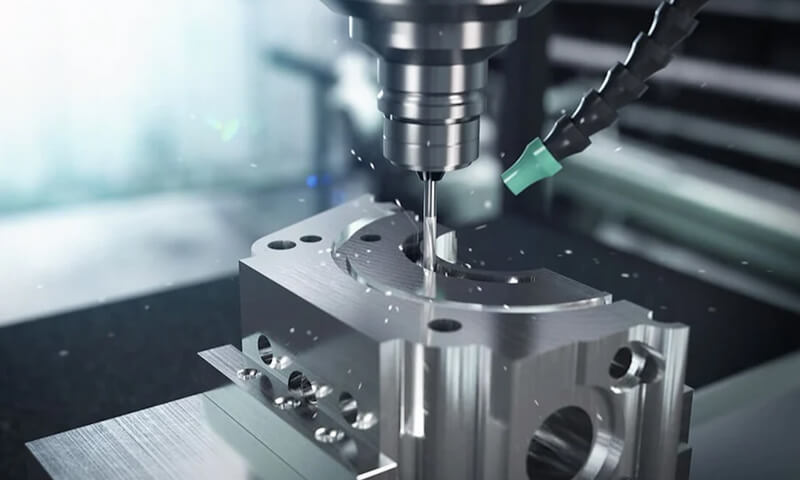
- Cruinneas Meaisíniú CNC: Meaisínithe cruinn suíochán, snáitheanna, agus ráthaíonn dromchlaí séalaithe cruinneas tríthoiseach agus feidhmíocht séalaithe is fearr do gach réitigh.
- Solúbthacht ábhartha: Raon leathan ábhar a sholáthar lena n -áirítear steels dhosmálta (Cf8, CF8M, Cf3, Cf3m), práis, iarann insínte, duplex, agus cóimhiotail ard-chóimhiotail chun creimneach a sheasamh, ardbhrú, agus coinníollacha ardteochta.
Cibé an éilíonn do thionscadal comhlaí féileacán saincheaptha, solenoid valves, Seiceáil comhlaí, Comhlaí cruinne, comhlaí geata, nó teilgin comhla tionsclaíocha ard-toirte, Seo seasann sé mar chomhpháirtí iontaofa atá tiomanta do chruinneas, marthanacht, agus dearbhú cáilíochta.
Ceisteanna CCanna
Can a solenoid valve be used for steam?
Yes — but it must be specified for high temperature and steam-compatible seals (metal seats or high-temp elastomers).
What’s the difference between direct and pilot-operated solenoid valves?
Direct-acting valves use the coil force to move the main sealing element directly and work at zero ΔP;
pilot-operated valves use the coil to control a pilot port that leverages system pressure to operate the main valve and usually require a minimum pressure differential.
How do I test a VVT (variable valve timing) solenoid?
Inspect visually; measure coil resistance; verify power and ground under operating conditions;
use an OBD scan tool to command the actuator and observe engine response; if available, use an oscilloscope to check PWM drive signals.
What causes a solenoid valve to stick?
Contaminants in the media, creimthe, inadequate lubrication, or long idle periods that allow deposits to form can cause sticking.
Can solenoid valves handle high-temperature fluids?
Tá, with heat-resistant materials. Mar shampla, stainless steel valves with PTFE seals operate up to 200°C; ceramic-sealed valves handle 500°C+ in industrial furnaces.
What is the difference between AC and DC solenoid valves?
AC valves (110V, 220V) generate stronger initial force but may hum; DC valves (12V, 24V) are quieter, more energy-efficient, and better for low-power applications.