Tá suíomh uathúil ag réitigh infheistíochta i ndéantúsaíocht thionsclaíoch.
Ní hamháin gur próiseas oidhreachta é atá caomhnaithe do chruthanna deacra nó do chodanna préimhe; is bealach déantúsaíochta an-chumasach é a réitíonn fadhb shonrach atá ag éirí níos tábhachtaí:
conas comhpháirteanna miotail casta a tháirgeadh le dílseacht tríthoiseach ard, caighdeán dromchla den scoth, agus comhoiriúnacht cóimhiotail leathan, agus feidhmíocht in-athdhéanta ar scála á chothabháil.
I go leor tionscail, níl an cheist ann a thuilleadh an féidir cuid a mhonarú, ach cibé an féidir é a mhonarú leis an gcothromaíocht cheart cruinneas, sláine ábhartha, costas aonaid, agus éifeachtúlacht iartheachtacha.
Is minic a fhreagraíonn réitigh infheistíochta an cheist sin níos fearr ná próisis iomaíocha.
1. Cad iad Teilgin Tionscail?
Is páirteanna miotail iad teilgin thionsclaíocha a tháirgtear trí mhiotal leáite a dhoirteadh isteach i gcuas múnla deartha agus ligean dó soladú isteach sa chruth atá ag teastáil..
Tar éis fuaraithe, baintear an múnla, agus féadfaidh an réitigh dul faoi scamhadh, meaisínithe, cóireáil teasa, Críochnú Dromchla, agus cigireacht roimh dhul isteach sa tseirbhís.
Go bunúsach, Is modh déantúsaíochta é réitigh a athraíonn miotail leachtach go comhpháirteanna feidhmiúla innealtóireachta gan spleáchas go leor ar oibríochtaí gearrtha nó ceangail forleathana.
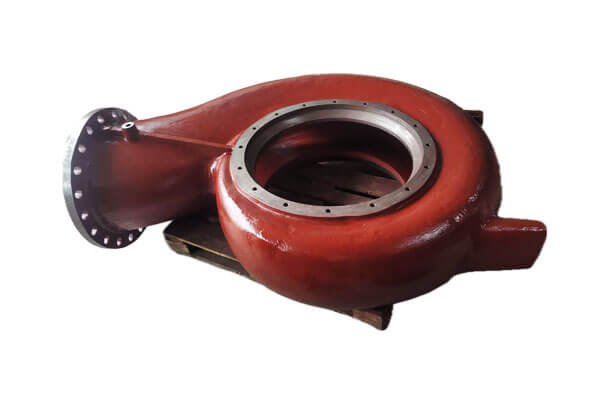
Ní hé an próiseas féin an rud a dhéanann “tionscail” réitigh, ach an ceanglas iarratais agus feidhmíochta.
Úsáidtear teilgin tionscail in innealra, fearas, infreastruchtúr, córais fuinnimh, ardáin iompair, agus tionscail phróiseála, áit a gcaithfidh na codanna ualach meicniúil a sheasamh, fírinne, brú, cuir ort, creimthe, teas, nó seirbhís timthriallach fadtéarmach.
Ní rudaí maisiúla nó cruthanna ísealdleachta iad; is comhpháirteanna oibre iad a mbíonn tionchar díreach acu ar iontaofacht agus éifeachtúlacht na gcóras níos mó.
2. Buntáistí Teicniúla Lárnacha a bhaineann le Réitigh Infheistíochta do Chomhpháirteanna Tionscail
Réitigh infheistíochta a luacháil i ndéantúsaíocht thionsclaíoch ní toisc gur próiseas traidisiúnta é, ach toisc go réitíonn sé roinnt fadhbanna deacra innealtóireachta ag an am céanna.
Nuair a chaithfidh comhpháirt a bheith casta go geoiméadrach, cobhsaí tríthoiseach, ábhar-shonrach, agus cost-éifeachtach feadh a shaolré, is minic a bhíonn réitigh infheistíochta ar cheann de na roghanna déantúsaíochta is láidre.
Saoirse geoiméadrach den scoth
Is é an buntáiste teicniúil is bunúsaí a bhaineann le réitigh infheistíochta ná a chumas céimseata casta a atáirgeadh le dílseacht ard.
Toisc go dtosaíonn an próiseas le patrún céir agus blaosc ceirmeach seachas múnla scoilte a chaithfidh a oscailt agus a dhúnadh timpeall na coda, is féidir leis cruthanna a tháirgeadh atá deacair nó dodhéanta le go leor modhanna réitigh eile.
Tá sé seo tábhachtach go háirithe do chomhpháirteanna tionsclaíocha a éilíonn:
- ballaí tanaí,
- comhrianta casta,
- easnacha inmheánacha nó seachtracha,
- undercuts,
- cosáin ualaigh cuartha,
- bosses, flanges, agus gnéithe gléasta comhtháite i gcorp amháin,
- pasáistí sreabhadh-optamaithe,
- agus céimseata a mbeadh ilphíosaí déanta de dhíth orthu murach sin.
Ó thaobh dearaidh de, cuireann an tsaoirse seo ar chumas na n-innealtóirí an chomhpháirt a bharrfheabhsú le haghaidh feidhme seachas le haghaidh áise déantúsaíochta.
Tá an t-idirdhealú sin ríthábhachtach i gcórais thionsclaíocha ardfheidhmíochta, áit a mbíonn tionchar ag céimseata ar neart, iompar sreabhadh, freagra teirmeach, agus saol tuirse.
Cumas cruth gar-ghlan agus liúntas meaisínithe laghdaithe
Táirgeann réitigh infheistíochta páirteanna an-ghar do na toisí deiridh, rud a laghdaíonn go mór an méid meaisínithe a theastaíonn ina dhiaidh sin.
I dtáirgeadh tionsclaíoch, is buntáiste mór é seo mar ní céim chríochnaithe amháin é meaisínithe; is minic a bhíonn sé ar cheann de na hoibríochtaí is costasaí sa slabhra próiseas iomlán.
Seachadann liúntas meaisínithe laghdaithe roinnt buntáistí nithiúla:
- dramhaíl ábhair níos ísle,
- am meaisínithe níos giorra,
- caitheamh uirlisí laghdaithe,
- níos lú castacht daingneáin agus socraithe,
- riosca níos ísle saobhadh de bharr baint trom stoc,
- agus eacnamaíocht níos fearr do chóimhiotail chrua-go-meaisín.
Le haghaidh cóimhiotail daor cosúil le steels dhosmálta, sár-chóimhiotail nicil-bhunaithe, cóimhiotail atá bunaithe ar chóbalt, agus ábhair a bhaineann le tíotáiniam, féadann táirgeadh gar-líonra luach substaintiúil a chruthú.
An níos lú ábhar a chaithfear a bhaint, an níos éifeachtaí a úsáidtear an cóimhiotail.
Caighdeán dromchla níos fearr
I gcomparáid le go leor bealaí réitigh eile, go ginearálta soláthraíonn réitigh infheistíochta dromchla mar-theilgthe i bhfad níos mín.
Tá sé seo tábhachtach i gcomhpháirteanna tionsclaíocha mar ní hamháin gur ábhar imní cosmaideacha é cáilíocht an dromchla. Bíonn tionchar aige:
- feidhmíocht a shéalú,
- friotaíocht sreabhadh sreabhach,
- iompar a chaitheamh,
- friotaíocht creimthe,
- feidhmíocht tuirse,
- agus an méid iar-phróiseála a theastaíonn.
Laghdaíonn bailchríoch dromchla níos fearr an gá atá le meaisínithe nó meilt ionsaitheach agus féadann sé feidhmíocht seirbhíse a fheabhsú in iarratais ar nós comhlaí, caidéil, impellers, cóireáil, agus páirteanna meicniúla beachtas.
I gcásanna áirithe, féadfaidh an dromchla mar theilgthe a bheith sách maith le húsáid dhíreach a cheadú tar éis críochnú íosta, a fheabhsaíonn an dá chostas agus am luaidhe.
Cruinneas ardtoiseach agus in-atrialltacht
Tá réitigh infheistíochta oiriúnach go maith do chodanna a dteastaíonn rialú tríthoiseach comhsheasmhach orthu.
Tagann an cruinneas as an gcumas an patrún céir a atáirgeadh go beacht agus an cruinneas sin a aistriú tríd an bpróiseas déanta bhlaosc isteach sa chuid miotail deiridh.
Le haghaidh comhpháirteanna tionsclaíocha, is minic a bhíonn an in-atrialltacht chomh tábhachtach le cruinneas ainmniúil.
Níl próiseas a tháirgeann cuid chruinn amháin agus caoga cinn neamhréireach oiriúnach le haghaidh táirgeadh.
Réitigh infheistíochta, nuair a rialú i gceart, is féidir leis comhsheasmhacht bhaisc-go-bhaisc cobhsaí a sheachadadh, atá ríthábhachtach le haghaidh:
- comhoiriúnacht tionóil,
- idirmhalartaithe,
- ualach iniúchta laghdaithe,
- agus toradh déantúsaíochta intuartha.
Tacaíonn an in-atrialltacht seo le slabhraí soláthair tionsclaíochta áit a bhfuil níos mó tábhachta ag baint le feidhmíocht chomhsheasmhach ná foirfeacht ócáideach.
Comhoiriúnacht cóimhiotail leathan
Buntáiste mór eile a bhaineann le réitigh infheistíochta ná a chumas oibriú le raon leathan cóimhiotail.
Déanann sé seo an-úsáideach in iarratais thionsclaíocha ina gcaithfear airíonna ábhair a chur in oiriúint do thimpeallacht na seirbhíse.
I measc na dteaghlach cóimhiotail coitianta:
- cruach carbóin,
- cruach ísealchóimhiotail,
- steels dhosmálta,
- cruach uirlisí,
- cruach dhosmálta déphléacsacha agus speisialta,
- sár-chóimhiotail nicil-bhunaithe,
- cóimhiotail atá bunaithe ar chóbalt,
- cóimhiotal alúmanaim,
- cóimhiotail chopair,
- agus i gcásanna speisialaithe, Cóimhiotail Tíotáiniam.
Tá an tsolúbthacht seo tábhachtach go straitéiseach toisc nach bhfuil go leor páirteanna tionsclaíocha sainithe ach amháin de réir cruth.
Sainmhínítear iad ag an timpeallacht oibriúcháin: teocht, brú, creimthe, cuir ort, creimeadh, agus ualach meicniúil.
Ligeann réitigh infheistíochta don dearthóir an cóimhiotal is fearr a oireann don fheidhmchlár a roghnú seachas an dearadh a theorannú d'ábhair atá éasca le meaisín nó le brionnú..
Tacaíocht láidir do chomhdhlúthú páirteach
Ceann de na buntáistí is cumhachtaí ach uaireanta nach bhfuil meas mór air a bhaineann le réitigh infheistíochta ná comhdhlúthú páirteach.
Is minic gur féidir comhpháirteanna a chaithfeadh a bheith déanta as roinnt píosaí meaisínithe nó táthaithe a athdhearadh mar réitigh aonair..
Cruthaíonn sé seo gnóthachain iolracha teicniúla agus tráchtála:
- níos lú seams táthú,
- níos lú céimeanna tionóil,
- níos lú dúntóirí,
- níos lú fadhbanna cruachta lamháltais,
- níos lú cosáin sceite,
- riosca níos ísle teip comhpháirteacha a dhéanamh,
- agus loighistic simplithe.
In innealra tionscail, is minic gurb iad comhéadain na pointí is laige sa chóras.
Trí líon na gcomhéadan a laghdú, feabhsaíonn réitigh infheistíochta iontaofacht agus déantúsaíocht araon.
Tá sé seo luachmhar go háirithe do chomhlachtaí caidéil, comhpháirteanna comhla, lúibíní aeraspáis, crua-earraí tuirbín, agus páirteanna struchtúracha casta.
Dea-oiriúnacht le haghaidh casta, comhpháirteanna tionsclaíocha ardluacha
Tá réitigh infheistíochta go háirithe tarraingteach nuair a bhíonn an chuid ardluacha, castacht ard, nó feidhmíocht ríthábhachtach.
I gcásanna den sórt sin, tá an eacnamaíocht i bhfabhar próiseas a laghdaíonn oibríochtaí tánaisteacha agus a fheabhsaíonn sláine na coda deiridh.
Sin é an fáth a úsáidtear réitigh infheistíochta go forleathan le haghaidh:
- comhpháirteanna tuirbín,
- páirteanna caidéil agus comhla,
- Cásálacha beachtas,
- impellers tionsclaíoch,
- crua-earraí aeraspáis,
- páirteanna córais fuinnimh,
- ionstraimíochta leighis,
- agus comhpháirteanna eile a bhfuil éileamh geoiméadrach orthu.
Tá údar maith leis an smacht próiseas níos airde a éilíonn réitigh infheistíochta nuair a chaithfidh an chuid deiridh ceanglais fheidhmiúla déine a chomhlíonadh.
Inscálaitheacht dearaidh do chláir táirgthe
Tá réitigh infheistíochta inoiriúnaithe thar raon leathan scálaí táirgeachta. Nuair a bheidh an próiseas bailíochtaithe, is féidir leis tacú le táirgeadh athuair cobhsaí le cáilíocht rialaithe.
Mar sin tá sé oiriúnach, ní hamháin le haghaidh fréamhshamhlacha agus ritheanna beaga, ach freisin maidir le cláir thionsclaíocha mheánmhéide a bhfuil tábhacht ag baint le comhsheasmhacht agus rialú costais araon.
Is féidir an próiseas a scála tríd:
- leas iomlán a bhaint as uirlis patrún,
- instealladh céir uathoibrithe,
- rialú tógála bhlaosc,
- ag stealladh smacht,
- agus iarphróiseáil chaighdeánaithe.
Tugann an inscálaitheacht seo droichead úsáideach do mhonaróirí idir solúbthacht innealtóireachta agus aschur tionsclaíoch in-athdhéanta.
3. Earnálacha Feidhmithe Tionscail
Ní bealach amháin é réitigh infheistíochta chun páirteanna miotail a dhéanamh le cruthanna casta.
I margaí tionsclaíocha, is réiteach spriocdhírithe innealtóireachta é do chomhpháirteanna nach mór castacht gheoiméadrach a chur le chéile, feidhmíocht ábhartha, cruinneas tríthoiseach, agus saol fada seirbhíse.
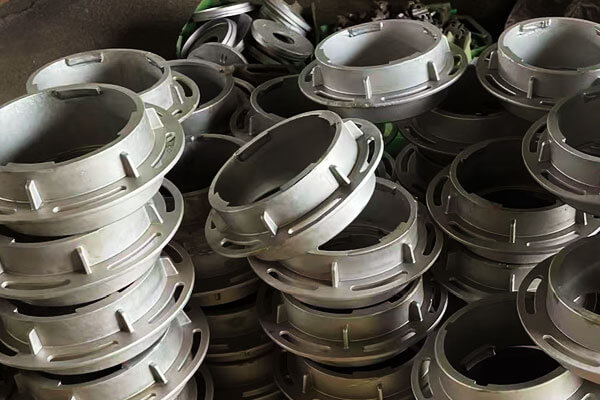
Caidéil agus Córais Láimhseála Sreabhán
Caidéil i measc na réimsí iarratais is tábhachtaí maidir le teilgin infheistíochta.
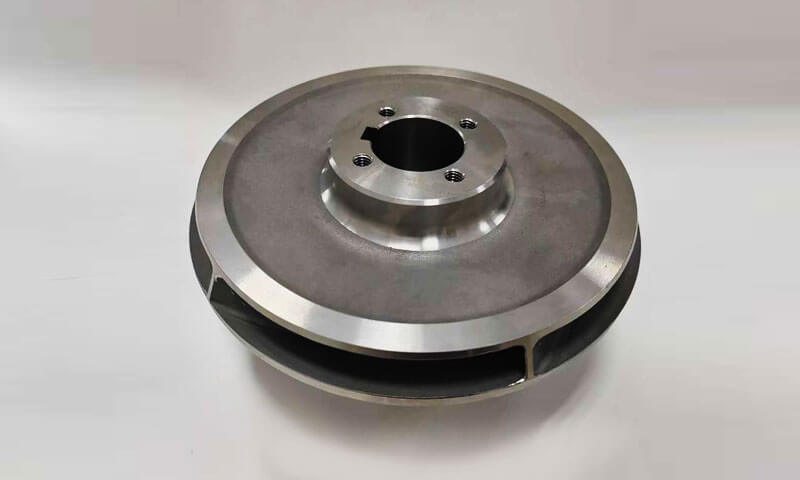
Comhpháirteanna cosúil le impellers, casóg, diffusers, fáinní a chaitheamh, agus braitheann cásálacha róin ar chonairí sreafa míne, céimseata lann cruinn, agus rialú tríthoiseach daingean.
Sa timpeallacht seo, is féidir tionchar intomhaiste a bheith ag diallais bheaga geoiméadracha ar éifeachtacht hiodrálach, iompar creathadh, torann, agus saol seirbhíse iomlán.
Tá réitigh infheistíochta oiriúnach go háirithe do na codanna seo toisc go bhféadfaidh sé dromchlaí cuartha casta agus gnéithe tanaí-rannóg a atáirgeadh le leibhéal ard dílseachta.
Laghdaíonn sé seo an gá atá le meaisínithe fairsing agus cabhraíonn sé le próifíl hiodrálach deartha an chomhpháirt a chaomhnú.
Le haghaidh impellers go háirithe, tacaíonn an próiseas le déantúsaíocht gar-líonra pasáistí lanna a bheadh deacair agus costasach a mheaisíniú go hiondúil.
Tá rogha ábhar á thiomáint ag an meán oibriúcháin:
- Steels dosiness austenitic mar 316L agus 347 a úsáidtear go forleathan le haghaidh sreabhán próisis creimneach agus seirbhís cheimiceach measctha.
Cuireann siad friotaíocht leathan creimeadh agus feidhmíocht iontaofa monaraithe ar fáil. - Cóimhiotail bonn cóbalt mar ghráid Stellite is fearr i seirbhís an-scríobach nó creimneach, áit a bhfuil friotaíocht caitheamh níos tábhachtaí ná costas.
Is minic a roghnaítear na cóimhiotail seo le haghaidh caidéil sciodair, fáinní a chaitheamh, agus cosáin sreafa ard-chreimeadh. - Steels dhosmálta cruaite deascadh mar shampla 17-4 PH agus 15-5 Úsáidtear PH nuair is gá neart meicniúil níos airde a chomhcheangal le friotaíocht creimeadh, go háirithe i gcomhpháirteanna agus seaftaí caidéil faoi bhrú.
I ngearr, ligeann réitigh infheistíochta do dhearthóirí caidéil feidhmíocht hiodrálach agus marthanacht ábhair a bharrfheabhsú i mbealach déantúsaíochta aonair.
Comhlaí agus Comhpháirteanna um Shreabhadh-Rialú
An comhla tá an tionscal ar cheann de na húsáideoirí teilgin infheistíochta is mó agus is déine ó thaobh na teicneolaíochta de.
Comhla comhla, boinéid, suíocháin, gais, agus caithfidh páirteanna Baile Átha Troim ceanglais dhian a chomhlíonadh maidir le sláine brú, feidhmíocht a shéalú, friotaíocht creimthe, agus in-atrialltacht fhadtéarmach.
Is é seo go díreach an cineál iarratais ina sármhaitheas réitigh infheistíochta.
Is minic go mbíonn pasáistí sreafa inmheánacha casta ag céimseataí comhla, aistrithe tiubh-go-tanaí, suíocháin séalaithe, agus réigiúin struis áitiúla.
Laghdaíonn táirgeadh na ngnéithe seo mar réitigh aonair castacht an tionóil agus cuireann sé deireadh le go leor pointí laga a bheadh le feiceáil ar shlí eile i struchtúir táthaithe nó déanta.
I measc na roghanna cóimhiotail tipiciúla:
- Steels dosiness austenitic mar shampla 304 agus 316L le haghaidh seirbhíse ginearálta creimeadh-resistant.
- Cruach dhosmálta martensitic mar shampla 410 agus 420C le haghaidh gais agus páirteanna struchtúracha a dteastaíonn cruas agus neart níos airde.
- Cóimhiotail bonn cóbalt le haghaidh suíocháin agus Baile Átha Troim i seirbhís dian, áit a bhfuil ard-treoluas creimeadh, rothaíocht teirmeach, agus cruthaíonn an aclaíocht arís agus arís eile coinníollacha foircneacha.
Le haghaidh iarratais comhla, Is minic gurb iad cóimhiotail bonn cóbalt an réiteach is fearr sna timpeallachtaí is gairbhe mar go gcomhcheanglaíonn siad friotaíocht caitheamh, friotaíocht creimthe, agus cobhsaíocht ard-teocht níos fearr ná steels dhosmálta caighdeánach.
Tá sé seo tábhachtach go háirithe maidir le sníomh, creimeadh-seans maith, agus seirbhís ardbhrú difreálach.
Trealamh Próiseála Bia agus Déiríochta
Cuireann próiseáil bia agus déiríochta sraith riachtanas an-difriúil i bhfeidhm.
Is iad na príomhthosaíochtaí ná sláinteachas, glaineacht, friotaíocht creimthe, agus frithsheasmhacht in aghaidh oibreáin ghlantacháin ionsaitheach.
Ní fhéadfaidh comhpháirteanna an táirge a éilliú, iarmhar gaiste, nó scáintí atá deacair a ghlanadh a chruthú.
Tá réitigh infheistíochta oiriúnach go láidir don earnáil seo mar is féidir leis táirgeadh réidh a dhéanamh, geoiméadracht scáinte-íoslaghdaithe a thacaíonn le dearadh sláinteachais.
Ligeann sé freisin do dhearthóirí gnéithe draenála a chomhtháthú, trasdulta cruinn, agus dromchlaí leanúnacha go díreach isteach sa chuid, ag laghdú an spleáchais ar welds agus hailt a d'fhéadfadh a bheith ina rioscaí éillithe.
I gcleachtas, 316L cruach dhosmálta is é an rogha is mó le haghaidh teilgin infheistíochta teagmhála bia.
Cuidíonn a chion ísealcharbóin le riosca íograithe a laghdú, cé go bhfeidhmíonn a fhriotaíocht chreimthe go maith i dtimpeallachtaí a nochtar do cheimiceáin sláintíochta, taise, agus córais ghlantacháin ina bhfuil clóiríd.
Táirgeann an próiseas freisin bailchríoch dromchla a bhíonn sách maith go minic le go leor caighdeáin próiseála bia agus gan ach snasta breise teoranta.
Áirítear le hiarratais tipiciúla:
- dobhar caidre,
- Comhla Cásálacha,
- comhpháirteanna meascthóir,
- páirteanna filler,
- crua-earraí iompair,
- agus feistis soithí próiseála.
An áit seo, luíonn fíorluach an réitigh infheistíochta ní hamháin cruinneas crutha ach san innealtóireacht shláintiúil.
Cuidíonn sé le deireadh a chur le gnéithe dearaidh a chuireann casta ar ghlanadh agus tacaíonn sé níos sábháilte, córais próiseála bia níos inbhuanaithe.
Próiseáil cheimiceach agus peitriceimiceach
Feidhmíonn áiseanna ceimiceacha agus peitriceimiceacha faoi chuid de na coinníollacha seirbhíse is déine sa tionscal.
Tá comhpháirteanna nochta do cheimiceáin chreimneach, teochtaí ardaithe, Brúnna brú, agus timthriallta oibriúcháin leanúnacha. Sna timpeallachtaí seo, is annamh a bhíonn teip inghlactha agus go minic an-chostasach.
Úsáidtear teilgin infheistíochta go forleathan in imoibreoirí, malartóirí teasa, crua-earraí píobaireachta próiseála, córais caidéil agus comhla, agus tionóil rialaithe sreafa.
Tá an próiseas tarraingteach mar go gceadaíonn sé úsáid a bhaint as cóimhiotail ardfheidhmíochta is féidir a fhoirmiú i gcoimpléasc, geoiméadracht durable le comhsheasmhacht tríthoiseach maith.
Áirítear ar theaghlaigh ábhar coitianta:
- Steels dosiness austenitic mar 316L, 310, is 347 le haghaidh creimeadh ginearálta agus seirbhís ardaithe-teocht.
- Cóimhiotail nicile-bonn cosúil le teaghlaigh Hastelloy agus Monel do na meáin an-ionsaitheach, lena n-áirítear aigéid láidre agus timpeallachtaí ceimiceacha dian.
- Cóimhiotail bonn cóbalt i gcaitheamh roghnaithe- agus comhpháirteanna teocht-chriticiúil.
Braitheann rogha an chóimhiotail ar cheimic an phróisis chruinn.
Mar shampla, roghnaítear roinnt gráid le haghaidh friotaíocht ocsaídiúcháin ag teocht ardaithe, agus roghnaítear cinn eile le haghaidh frithsheasmhacht in aghaidh aigéid shonracha, clóirídí, nó timpeallachtaí halaiginithe.
I seirbhís cheimiceach, níl aon réiteach cóimhiotail uilíoch. Tá réitigh infheistíochta luachmhar toisc go bhféadfaidh sé tacú leis an gcóimhiotal ceart don dleacht cheart, gan iallach a chur ar an dearthóir comhréiteach a dhéanamh ar an gcéimseata.
Trealamh Talmhaíochta agus Trom
Nochtann innealra talmhaíochta agus trealamh trom comhpháirteanna do mheascán éilitheach de luchtú meicniúil, tionchar, scríobadh, salachar isteach, agus creimeadh lasmuigh.
Páirteanna cosúil le lúibíní, naisc, insí, comhpháirteanna a chaitheamh, agus ní mór feistis struchtúracha a bheith láidir, diana, agus eacnamaíoch a tháirgeadh.
Tá réitigh infheistíochta úsáideach go háirithe san earnáil seo nuair a bhíonn céimseata na bpáirt ró-chasta le haghaidh meaisínithe simplí, ach níl an méid táirgeachta ard go leor chun bás-réitigh ardbhrú nó modhanna speisialaithe eile a chosaint.
Ligeann sé do mhonaróirí comhpháirteanna cruach atá gar do ghlanmhéid a tháirgeadh le toisí comhsheasmhacha agus costas inghlactha.
Áirítear le córais ábhar tipiciúla:
- cruach mheáncharbóin mar shampla 1040 is 1045,
- cruach cóimhiotail mar shampla 4130 is 4140.
Is minic a roghnaítear na steels seo as a n-iarmhéid neart, diathal, agus meaisíseacht.
Le haghaidh trealaimh talmhaíochta agus tógála, tá an cumas páirteanna athsholáthair marthanacha a dhéanamh le hidirmhalartaithe maith go háirithe luachmhar.
Tacaíonn réitigh infheistíochta go maith leis an gceanglas sin, go háirithe sa chás go bhfuil inseirbhísiúlacht allamuigh agus aththáirgeadh tábhachtach.
Giniúint cumhachta
Cuireann trealamh giniúna cumhachta cuid de na héilimh is déine ar chomhpháirteanna teilgthe.
Tuirbíní gaile, Tuirbíní gáis, gineadóirí, agus is minic a éilíonn córais cothromaíochta plandaí páirteanna a gcaithfidh cobhsaíocht tríthoiseach a choinneáil, sláine brú, agus feidhmíocht ábhartha thar thréimhsí seirbhíse fada.
Úsáidtear teilgin infheistíochta i soic tuirbíní, diaphragms, comhla comhla, crua-earraí dócháin, píosaí trasdula, agus comhpháirteanna ríthábhachtacha eile san earnáil fuinnimh.
Féadfaidh na codanna seo a bheith faoi lé teocht ard, luchtú teirmeach timthriallach, ocsaídiúcháin, agus sreabhadh ardluais.
Le haghaidh gaile agus seirbhís ghinearálta teirmeach-chumhachta, úsáidtear teilgin cruach dhosmálta go minic i gcás ina bhfuil gá le friotaíocht creimeadh agus cruinneas tríthoiseach.
In iarratais tuirbíní gáis, tá na ceanglais níos déine fós.
Comhpháirteanna cosúil le eití soic, crua-earraí dócháin, agus ailt trasdula ag brath go minic ar nicil-bonn nó sár-chóbalt-bonn in ann teochtaí foircneacha a sheasamh agus sláine struchtúrach a choinneáil.
Is é an fáth go bhfuil réitigh infheistíochta chomh héifeachtach anseo ná gur féidir leis gnéithe aerdinimiciúla agus bainistíochta teasa a tháirgeadh a bheadh an-deacair a mhonarú ar bhealaí eile..
I crua-earraí tuirbín ardfheidhmíochta, pasáistí fuaraithe inmheánacha, codanna tanaí-ballaí, agus ní sonraí roghnacha iad dromchlaí sreafa casta; tá siad riachtanach chun feidhmiú. Déanann réitigh infheistíochta na dearaí sin praiticiúil.
4. Treoir Roghnú Cóimhiotal le haghaidh Teilgin Infheistíochta Tionscail
Tá roghnú an chóimhiotail cheart ar cheann de na cinntí is tábhachtaí i réitigh thionsclaíoch.
Braitheann an rogha is fearr ar nochtadh creimeadh, déine a chaitheamh, teocht, luchtú meicniúil, costas, agus déantúsaíocht. Tugann an tábla thíos tagairt bheacht.
| Teaghlaigh Alloy | Gráid Ionadaíochta | Príomh -airíonna | Feidhmchláir Phríomhúla Tionscail |
| Carbionsann & Steels Íseal-chóimhiotail | 1040, 4130, 4140 | Ard -Dlús, toughness maith, cost-éifeachtach | Trealamh talmhaíochta, innealra trom, páirteanna struchtúracha |
| Steels Dhosmálta Austenitic | 304, 316L, 310, 347 | Friotaíocht creimthe den scoth, Táthaitheacht mhaith | Comhla, caidéil, trealamh próiseála bia, seirbhís cheimiceach |
| Steels Dhosmálta Martensitic | 410, 420C, 440C | Cruas ard, friotaíocht láidir caitheamh | Eascraíonn comhla, comhpháirteanna Baile Átha Troim, crua-earraí caitheamh-íogair |
| Frasaíocht-Cruachan Cruacha Dhosmálta | 17-4 Chomhthair, 15-5 Chomhthair | Ard -Dlús, friotaíocht maith creimeadh | Páirteanna caidéil ardbhrú, seafaí, comhpháirteanna struchtúracha |
Cóimhiotail Bhun Chóbalt |
Stéig 6, Stéig 21, FSX-414 | Caitheamh den scoth agus friotaíocht ardteochta | Suíocháin comhla, fáinní caitheamh caidéil, crua-earraí tuirbín |
| Cóimhiotail Nicil-Base | Hastelloy C276, Móinéil M35-1, Neamhneartaíocht 625 | Creimeadh níos fearr agus friotaíocht ardteochta | Trealamh próiseála ceimiceach, comhpháirteanna tuirbín gáis |
| Cóimhiotail Bhun-Chopar | Cré-umha Alúmanam, Cré-umha Stáin | Friotaíocht Creimthe Maith, machinability maith | Páirteanna mara, imthacaí, Gears |
5. An Choimpléasc Hidden: Cén fáth nach bhfuil Teilgin Tionscail Simplí
Féadfaidh teilgin breathnú simplí, ach is disciplín innealtóireachta ard-rialaithe é réitigh thionsclaíoch.
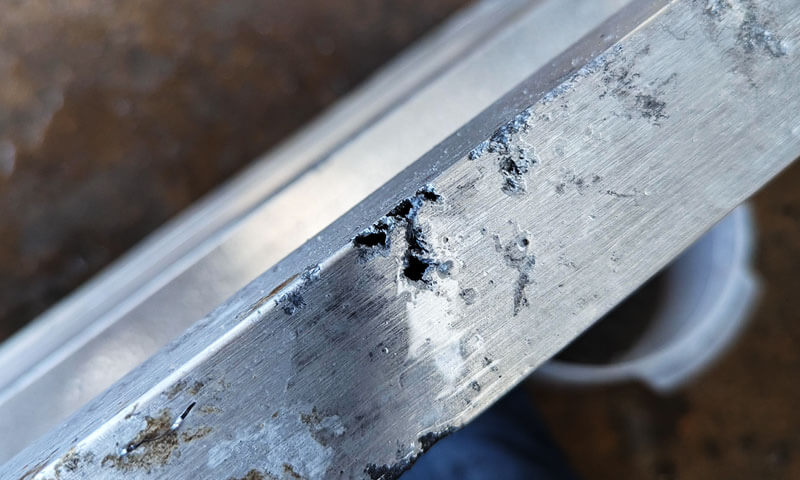
Is féidir le lochtanna teacht chun cinn ó idirghníomhú iompar teirmeach, airíonna múnla, ceimic cóimhiotail, agus uainiú próisis.
Áirítear le hábhair imní coitianta:
- póirseacht chrapadh,
- porosity gáis,
- cuimsiú,
- ag cuimilt te,
- scoilteadh fuar,
- misruns,
- stopann fuar,
- warping,
- sruth tríthoiseach,
- agus lochtanna dromchla.
Insíonn gach locht scéal. Féadfaidh porosity fadhbanna beathaithe nó gabháil gáis a léiriú. Féadfaidh scoilteanna crapadh srianta nó strus iarmharach a léiriú.
Is féidir le misruns pointe ar líonadh neamhleor nó droch-rialú teochta doirteadh. Is féidir le fadhbanna toisí éagobhsaíocht mhúnla nó fuarú míchothrom a léiriú.
Sin é an fáth go mbraitheann cáilíocht réitigh ar rialú an chórais. Ní leor miotail a dhoirteadh isteach i múnla.
An dearadh múnla, córas geataithe agus ardú, patrún soladú, leá glaineachta, teocht ag stealladh, agus láimhseáil iar-theilgthe gach ábhar.
6. Rialú Cáilíochta agus Iontaofacht i dTeilgin Tionscail
Is minic a fhreastalaíonn teilgin tionscail in iarratais ríthábhachtacha, mar sin tá dearbhú cáilíochta riachtanach.
Ní hé an sprioc ach cuid atá ceart a tháirgeadh, ach cuid a mhairfidh coinníollacha seirbhíse a tháirgeadh.
Áirítear le príomh-mhodhanna rialaithe cáilíochta:
- iniúchadh amhairc,
- tomhas tríthoiseach,
- Tástáil radagrafaíochta,
- tástáil ultrasonach,
- iniúchadh cáithníní maighnéadacha,
- iniúchadh treá lí,
- anailís cheimiceach,
- tástáil mheicniúil,
- agus scrúdú miotalagrafach.
Maidir le comhpháirteanna brú-iompartha nó atá ríthábhachtach don tsábháilteacht, tá tástáil nondestructive thar a bheith tábhachtach.
Braitheann an leibhéal locht inghlactha ar choinníollacha seirbhíse, caighdeáin, agus lamháltas riosca. D'fhéadfadh go mbeadh teilgin atá inghlactha in iarratas amháin neamh-inúsáidte in iarratas eile.
Tá cóireáil teasa agus meaisínithe mar chuid den rialú cáilíochta freisin. Is féidir leo micreastruchtúr a fheabhsú, strus iarmharach a laghdú, agus an réitigh a thabhairt isteach sa tsonraíocht deiridh.
I réitigh thionsclaíoch, quality is not a single inspection step. It is a chain of controls.
7. Deireadh
Investment casting has established itself as an indispensable manufacturing process for industrial applications by delivering a unique combination of design freedom, cruinneas, solúbthacht ábhar, agus éifeachtúlacht costais.
Unlike alternative manufacturing methods that force compromises between performance and manufacturability, investment casting allows engineers to design components optimized for their intended function, then produce them reliably and efficiently.
From pumps and valves that keep industrial processes flowing to power generation components that deliver electricity to millions, investment castings play a critical role in the global industrial infrastructure.
As digital technology continues to transform the industry, investment casting will become even more flexible, éifeachtach, and sustainable, a fheidhmchláir a leathnú tuilleadh agus a sheasamh mar an bpróiseas monaraíochta roghnaithe do chomhpháirteanna tionsclaíocha ardfheidhmíochta a dhaingniú.
Do mhonaróirí trealaimh thionsclaíoch atá ag iarraidh feidhmíocht an táirge a fheabhsú, costais a laghdú, agus dlús a chur leis an am go dtí an margadh, cuireann réitigh infheistíochta cruthaithe, réiteach iontaofa a sheachadann luach eisceachtúil thar shaolré iomlán an táirge.