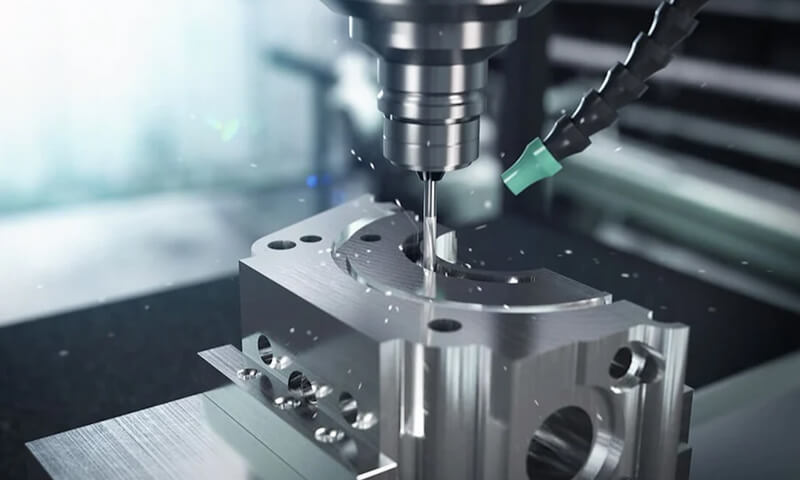
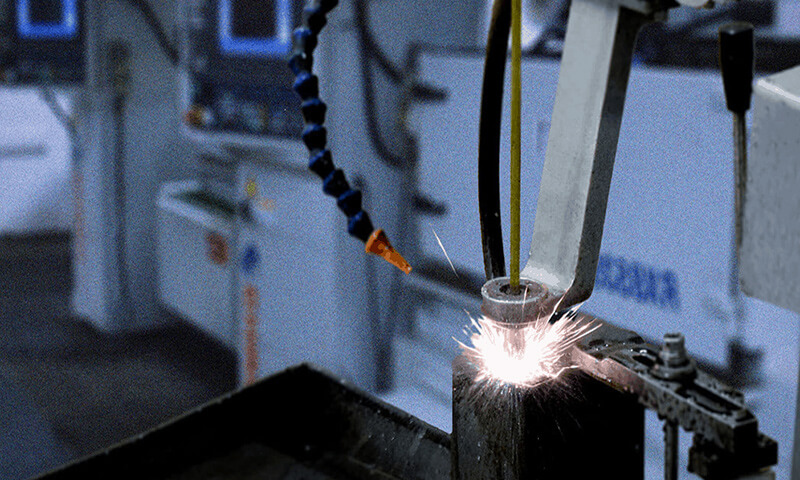
Customized metal casting plays a pivotal role in modern manufacturing by enabling the production of metal components
that perfectly match unique design specifications and performance requirements.
I margadh iomaíoch an lae inniu, industries such as automotive, aeraspás, tógáil,
agus tá innealra tionsclaíoch ag brath ar réitigh shaincheaptha chun cáilíocht agus feidhmíocht níos fearr a bhaint amach.
Sa bhlag seo, déanfaimid iniúchadh ar na cineálacha próisis, roghnú ábhair, buntáistí, feidhmithe, dúshláin,
agus treochtaí sa todhchaí i réitigh miotail saincheaptha, ag tairiscint treoir chuimsitheach duit ar an bpróiseas déantúsaíochta dinimiciúil seo.
1. Understanding Customized Metal Casting
Saincheaptha réitigh miotail tagraíonn sé don phróiseas maidir le páirteanna miotail a dhearadh agus a tháirgeadh a chomhlíonann ceanglais shonracha trí theicnící réitigh saincheaptha.
Murab ionann agus réitigh caighdeánach, a leanann toisí réamhshocraithe agus roghnúcháin ábhar,
cuireann réitigh saincheaptha solúbthacht dearaidh feabhsaithe agus roghanna ábhair ar féidir iad a bharrfheabhsú le haghaidh feidhmíochta.
- Míniú & Sochar:
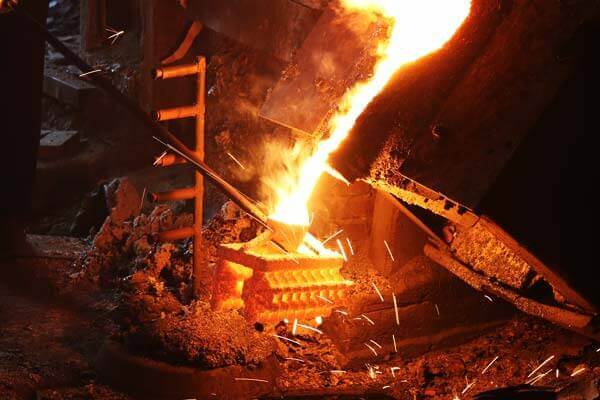
Is éard atá i gceist le réitigh miotail miotail leáite a dhoirteadh isteach i múnla chun comhpháirt a dhéanamh.
Nuair a saincheaptha, Ceadaíonn an próiseas d'innealtóirí sonraí casta agus geoiméadracht uathúla a ionchorprú, rud a fheabhsaítear feidhmíocht agus feidhmiúlacht an táirge.
This high level of customization enables manufacturers to reduce weight, enhance durability, and optimize material properties based on the intended application. - Feidhmchláir Tionscail:
From precision automotive components to aerospace structural parts and heavy-duty construction equipment, numerous industries benefit from custom-casting solutions.
This approach not only meets the high-performance demands but also drives innovation across sectors.
2. Common Types of Metal Casting Processes
Metal casting stands as a cornerstone of modern manufacturing, offering diverse techniques to create components that meet unique design requirements.
Sa chuid seo, we explore several common metal casting processes, each tailored to specific production needs and applications.
Réitigh gainimh
Sand casting remains one of the most versatile and cost-effective methods.
Sa phróiseas seo, molten metal is poured into a sand mold, atá múnlaithe thart ar phatrún den chomhpháirt inmhianaithe.
Is fearr an teicníc seo maidir le táirgeadh mór, páirteanna casta agus tá sé éifeachtach go háirithe le haghaidh toirteanna táirgthe íseal go meánmhéide.
Tá meas ag monaróirí ar réitigh gaineamh as a solúbthacht maidir le céimseataí casta agus raon leathan miotail a láimhseáil.
Réitigh infheistíochta
Ar a dtugtar freisin réitigh céir caillte, réitigh infheistíochta cuireann cruinneas ard agus bailchríoch dromchla eisceachtúil.
Baineann an próiseas le patrún céir a bhratú le hábhar teasfhulangach chun múnla a chruthú, agus ansin an céir a leá ar shiúl roimh dhoirteadh isteach an mhiotail.
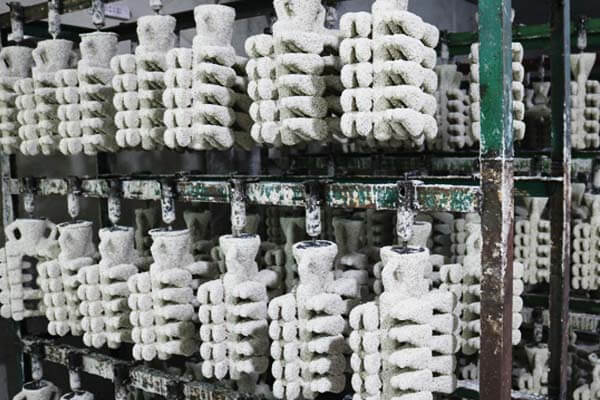
Tá réitigh infheistíochta iontach chun comhpháirteanna casta agus ardfheidhmíochta a tháirgeadh, rud a fhágann gur modh tosaíochta é san aeraspáis, míochaine, agus feidhmeanna tionsclaíochta ard-deireadh.
Réitigh bás
Die réitigh Tá sé oiriúnach go maith le haghaidh táirgeadh ard-toirte, toisc go n-úsáideann sé instealladh ardbhrú chun miotail leáite a bhrú isteach i múnla cruach.
Tugann an modh seo cruinneas tríthoiseach den scoth agus bailchríoch dromchla, rud a fhágann gur rogha iontach é do chodanna a dteastaíonn lamháltais daingean orthu.
Is minic a úsáideann tionscail ar nós na ngluaisteán agus na leictreonaice dísréitigh chun comhpháirteanna a tháirgeadh a éilíonn beachtas agus marthanacht araon.
Réitigh cúr caillte
Réitigh cúr caillte, teicníocht réasúnta nua-aimseartha, úsáideann sé patrún cúr a ghalaíonn nuair a bhíonn sé i dteagmháil leis an miotal leáite.

Déanann an próiseas seo táirgeadh cruthanna casta a shimpliú agus íoslaghdaíonn sé an gá atá le críochnú fairsing iar-réitigh.
Trí dheireadh a chur leis an ngá atá le baint croí, sruthlíonn réitigh cúr caillte táirgeadh agus laghdaíonn sé dramhaíl, rud a fhágann gur réiteach éifeachtach é do choimpléasc, comhpháirteanna ar scála mór.
Réitigh lártheifeacha
I réitigh lártheifeacha, déantar miotail leáite a dhoirteadh isteach i múnla rothlach, ag baint úsáide as fórsa lártheifeacha chun an miotail a dháileadh go cothrom feadh na mballaí múnla.
Tá an modh seo éifeachtach go háirithe chun comhpháirteanna sorcóireacha nó feadánacha a tháirgeadh a dteastaíonn ard-neart agus dlús.
Cuidíonn nádúr dinimiciúil an phróisis chun lochtanna cosúil le porosity a íoslaghdú, táirge deiridh aonfhoirmeach agus láidir a chinntiú.
Réitigh Buan -Mhúirín
Úsáideann réitigh mhúnla buan múnlaí ath-inúsáidte déanta as miotail, a thairgeann cruinneas tríthoiseach níos fearr agus bailchríoch dromchla feabhsaithe i gcomparáid le réitigh gaineamh.
Tá an próiseas seo oiriúnach do ritheanna táirgeachta meánach agus ard, toisc go laghdaíonn sé go mór amanna timthriallta agus costais táirgthe.
Mar gheall ar fhad saoil na múnlaí agus cáilíocht chomhsheasmhach na gcodanna teilgthe, is rogha iontaofa é réitigh mhúnla buan do thionscail a éilíonn éifeachtacht agus cruinneas..
3. Material Selection for Customized Metal Casting
Tá ról lárnach ag roghnú ábhar chun a chinntiú go gcomhlíonann réitigh miotail saincheaptha ceanglais shonracha feidhmíochta agus marthanachta.
De réir a roghnú an miotail ceart nó cóimhiotal, manufacturers can tailor their components to exhibit the optimal balance of strength, friotaíocht creimthe, agus éifeachtúlacht costais.
Thíos, we explore the key ábhair commonly used in customized casting and the critical factors to consider when making a selection.
Cóimhiotail Cruach
Steel alloys offer exceptional strength and durability, rud a fhágann go bhfuil siad oiriúnach d'fheidhmchláir thromshaothair.
Their high tensile strength and wear resistance enable the production of robust components that withstand extreme loads.

Chomh maith leis sin, steel alloys can undergo heat treatment to further enhance their mechanical properties, ensuring they meet even the most stringent performance criteria.
Cóimhiotail alúmanaim
Cóimhiotail alúmanaim are celebrated for their lightweight nature and excellent corrosion resistance.
They provide a high strength-to-weight ratio, making them perfect for aerospace, gluaisteán, and consumer electronics applications.
Chomh maith, aluminum alloys offer good thermal conductivity and are highly machinable, which reduces production costs and processing time.
Iarann teilgthe
Cast iron remains a cost-effective option for applications requiring high wear resistance and excellent vibration damping.
Its natural ability to cast into complex shapes with fine details makes it suitable for industrial machinery, bloic innill, agus córais phíobaireachta.
Thairis sin, its robust nature ensures long service life even under heavy-duty conditions.
Práis & Crone
These alloys combine attractive aesthetics with functional performance.
Práis and bronze exhibit superior corrosion resistance and wear properties, which are particularly beneficial for decorative components, feistis mara, agus feidhmeanna leictreacha.

Their natural appearance and workability also make them popular in architectural and artistic designs.
Tíotáiniam & Superalloys
For high-performance applications that demand exceptional strength, friotaíocht teochta, agus airíonna éadroma, tíotáiniam and advanced superalloys stand out.
These materials perform reliably in extreme environments, amhail aeraspáis agus ionchlannáin leighis, though they come with higher material and processing costs.
Key Factors to Consider
- Airíonna meicniúla:
Assess the required strength, cré, and toughness for your application.
Mar shampla, heavy-duty machinery may demand the robustness of steel alloys, while lightweight, high-strength components might benefit from aluminum or titanium alloys. - Creimeadh agus Friotaíocht Caithimh:
Evaluate the operating environment of the component.
Components exposed to moisture or harsh chemicals will require materials with high corrosion resistance, mar alúmanam, práis, or superalloys.
Leis sin, applications with significant friction may necessitate materials with enhanced wear resistance. - Machinability and Castability:
Consider the ease of casting and subsequent machining. Materials like aluminum and bronze are generally easier to cast and machine, leading to lower production costs and faster turnaround times.
I gcodarsnacht, high-melting-point alloys like titanium may require specialized equipment and processes. - Costas agus infhaighteacht:
Balance the performance needs with budgetary constraints.
While superalloys and titanium offer outstanding properties, their higher cost and limited availability may not be justified for every application.
Os a choinne sin, commonly available materials like aluminum and steel often provide the right balance of performance and affordability. - Airíonna teirmeacha:
When components are subjected to high temperatures or thermal cycling, select materials with suitable thermal conductivity and expansion characteristics.
This ensures that the final product maintains dimensional stability and performance under varying thermal conditions.
4. The Custom Metal Casting Process: Céim ar chéim
Customized metal casting follows a detailed, step-by-step process that ensures the final component meets precise specifications:
- Seift & Fréamhshamhail:
Tosaíonn innealtóirí trí mhúnla CAD mionsonraithe a chruthú den chuid atá ag teastáil. Cuidíonn uirlisí ionsamhlúcháin leis an dearadh a bharrfheabhsú le haghaidh feidhmíochta agus déantúsaíochta, laghdú ar an mbaol lochtanna. - Patrún & Cruthú múnlaithe:
Baineann an chéad chéim eile le patrún nó múnla a chruthú. Ceadaíonn teicnící nua-aimseartha cosúil le priontáil 3D agus meaisínithe CNC fréamhshamhlú tapa agus cruinneas ard,
cé go leanann teicnící múnlaithe traidisiúnta ag freastal go maith le haghaidh dearaí níos simplí. - Leá & Mire:
Nuair a bheidh an múnla ullmhaithe, déantar an miotail roghnaithe a leá agus a dhoirteadh go cúramach isteach sa mhúnla.
Tá sé ríthábhachtach rialú teochta agus comhdhéanamh beacht a choinneáil ag an gcéim seo chun sláine an ábhair a chinntiú. - Soladú & Fuarú:
Mar a fhuaraíonn an miotail agus solidifies, Cuidíonn rátaí fuaraithe rialaithe le lochtanna cosúil le crapadh agus porosity a chosc.
Tá fuarú cuí riachtanach chun an microstructure agus na hairíonna meicniúla atá ag teastáil a bhaint amach. - Críochnaíonn & Meaisínithe:
Tar éis réitigh, téann codanna faoi phróisis chríochnaithe éagsúla, including surface treatments, Cóireálacha teasa, agus meaisínithe beachtas.
These processes refine the surface and enhance the mechanical properties of the final product. - Rialú cáilíochta & Tástáil:
Rigorous testing methods, such as X-ray inspection, tástáil ultrasonach, and hardness testing,
ensure that each component meets the strict quality standards required for its intended application.
5. Advantages of Customized Metal Casting
Customized metal casting provides a range of advantages that make it an attractive option for manufacturing high-quality components tailored to specific needs.
Solúbthacht dearaidh
One of the most significant advantages of custom metal casting is the ability to create complex shapes and intricate details that may not be possible with other manufacturing methods.
This flexibility allows engineers to design parts that perfectly fit their intended applications, optimizing performance and functionality.
Solúbthacht ábhartha
Cuireann réitigh saincheaptha ar chumas raon leathan miotail agus cóimhiotail a úsáid, gach ceann acu ag tairiscint airíonna ar leith cosúil le neart, ualach, friotaíocht creimthe, agus seoltacht theirmeach.
Ciallaíonn sé seo gur féidir ábhair a roghnú bunaithe ar riachtanais shonracha na coda nó an táirge, an fheidhmíocht is fearr a chinntiú.
Éifeachtúlacht costais
Cé gur féidir costais uirlisí tosaigh le haghaidh réitigh saincheaptha a bheith níos airde ná do phróisis chaighdeánacha,
tagann an éifeachtúlacht costais fhoriomlán ó dhramhaíl laghdaithe ábhair agus ó thimthriallta táirgeachta optamaithe, go háirithe nuair a bhíonn baisceanna beaga nó meánacha á dtáirgeadh.
Is féidir leis an bpróiseas costais indíreacha a shábháil freisin, am, agus amhábhair i gcomparáid le modhanna déantúsaíochta eile cosúil le táthú agus meaisínithe.
Airíonna meicniúla feabhsaithe
Trí chóimhiotail agus cóireálacha teasa a shaincheapadh, is féidir marthanacht agus airíonna meicniúla na gcodanna teilgthe a fheabhsú.
Mar shampla, metal casting can produce components with better structural integrity and wear resistance than those made through other methods.
Fréamhshamhlú tapa & Táirgeadh Baisc Bheaga
Custom metal casting supports rapid prototyping, allowing for quick turnaround times in developing new products or making adjustments to existing designs.
It is particularly advantageous for small-batch production runs where the cost-effectiveness of mass production isn’t feasible.
Consistency and Quality
Each metal cast component can be manufactured using custom patterns and molds, which ensures consistency in size and quality across all produced items.
This consistency is crucial for industries requiring high standards of reliability and repeatability.
Ability to Handle Complex Geometries
Certain casting techniques, such as investment casting and die casting, are capable of handling very complex geometries with tight tolerances.
This capability reduces the need for secondary operations and assembly, further streamlining the manufacturing process.
Athchúrsáil
Metal casting processes often involve the recycling of scrap metal, contributing to environmental sustainability by reducing waste and conserving resources.
6. Applications of Customized Metal Casting
Customized metal casting finds applications across a broad spectrum of industries. I measc cuid de na hiarratais is coitianta tá:
- Gluaisteán & Aeraspás:
Critical components such as engine parts, baill struchtúracha, and heat-resistant alloys benefit from the high performance and precision of custom castings. - Tionscal Leighis:
Customized castings are used to produce surgical instruments, próistéitic, and biocompatible implants that require precise geometries and reliable performance. - Tógáil & Bonneagar:
Bíomaí struchtúracha, decorative elements, and heavy-duty machinery parts are often produced using custom metal casting techniques, which ensure both strength and durability. - Innealra tionsclaíoch:
Gears, caidéil, cóireáil, and wear-resistant parts manufactured through custom casting meet the rigorous demands of industrial environments. - Earnáil fuinnimh:
Components for wind turbines, ola, and gas equipment, and power plant machinery benefit from the high strength and tailored performance of custom-cast metals.
7. Challenges and Considerations in Custom Metal Casting
Custom metal casting offers tremendous benefits, but manufacturers must navigate several challenges and critical considerations to achieve consistent, torthaí ardchaighdeáin.
Thíos, we detail the key challenges and provide insights on how to address them effectively.
Costas agus Am Luaidhe
- Infheistíocht tosaigh ard tosaigh:
Custom metal casting requires significant upfront costs for tooling, mold fabrication, agus fréamhshamhaltú.
Mar shampla, creating a custom mold can cost anywhere from $5,000 go dtí $20,000 Ag brath ar chastacht, and initial lead times may extend to 3–6 weeks. - Barainneachtaí scála:
While large production runs help amortize these costs, low-volume orders may result in higher per-unit costs.
Manufacturers must weigh the benefits of customization against the potential for increased expenses, especially when quick market entry is crucial.
Quality Control and Defect Prevention
- Defect Risks:
Casting processes are prone to defects such as porosity, crapadh, warping, agus stopann fuar.
Mar shampla, porosity levels in castings can exceed 5% if cooling rates are not precisely controlled, leading to reduced mechanical properties. - Rigorous Inspection:
Implementing advanced quality control measures, such as X-ray inspection and ultrasonic testing, plays a vital role in identifying and mitigating defects early.
Leis sin, integrating process monitoring systems can reduce the incidence of defects by up to 20%, ensuring consistent quality across batches. - Process Variability:
Achieving uniformity in customized casts requires strict control over process parameters.
Manufacturers must invest in robust process optimization and monitoring systems to reduce variability and enhance yield.
Material Availability and Selection
- Alloy Constraints:
Selecting the right alloy involves balancing performance needs against material availability and cost.
Special alloys and superalloys may offer superior properties but can suffer from limited availability and higher prices,
uaireanta 30-50% more expensive than common alternatives like aluminum or steel. - Supply Chain Risks:
Global supply chain disruptions can affect the availability of specific alloys, making it critical to develop contingency plans.
Manufacturers often diversify their material sources or maintain safety stocks to mitigate these risks.
Tionchar Timpeallachta agus Inbhuanaitheacht
- Tomhaltas fuinnimh:
Metal casting is an energy-intensive process. Mar shampla, energy consumption during casting can account for up to 15-20% of total production costs in some facilities. - Bainistíocht Dramhaíola:
The process produces slag and other metal waste, which must be managed or recycled.
Employing eco-friendly casting techniques and recycling strategies not only reduces environmental impact but can also lower overall production costs. - Comhlíonadh rialála:
Manufacturers must stay abreast of environmental regulations, which can affect casting operations, especially in regions with strict emissions standards.
Investing in cleaner, more energy-efficient casting technologies can provide a competitive advantage and ensure regulatory compliance.
Design and Process Complexity
- Geoiméadraí casta:
Custom castings often involve complex designs that push the limits of traditional casting methods.
The challenge lies in ensuring that the intricate details do not compromise structural integrity. - Insamhladh agus Fréamhshamhail:
Advanced simulation software and rapid prototyping (E.g., 3D printing of patterns and molds) can help anticipate issues before full-scale production.
Cén dóigh faoin spéir a ...?, these technologies require skilled operators and significant initial investment. - Integration of Post-Processing Steps:
Custom metal casting often necessitates additional processes like heat treatment, meaisínithe, or surface finishing.
Coordinating these steps while maintaining tight tolerances can be challenging and requires robust project management and process integration.
8. Future Trends in Customized Metal Casting
The future of customized metal casting is bright, with several emerging trends poised to revolutionize the industry:
- Advancements in 3D Printing for Casting Molds:
Faster prototyping and improved mold accuracy are driving innovation, allowing for even more complex designs and faster turnaround times. - AI & Automation in Casting Processes:
The integration of smart monitoring and automated control systems reduces defects and improves process efficiency, resulting in higher-quality castings. - Eco-Friendly Metal Casting:
Manufacturers are increasingly adopting sustainable materials and energy-efficient production methods,
which not only reduces environmental impact but also lowers long-term costs. - Increased Use of Superalloys:
As demand grows for high-performance components, the use of advanced superalloys in custom casting processes is on the rise, especially in aerospace and energy applications.
9. Deireadh
Customized metal casting stands as a cornerstone of modern manufacturing, offering unparalleled design flexibility and material versatility to meet the unique demands of various industries.
By leveraging advanced casting processes, careful material selection, agus rialú dian cáilíochta, manufacturers can produce high-performance components that deliver both precision and durability.
As new technologies and sustainable practices continue to emerge, customized metal casting will remain at the forefront of innovation,
driving competitive advantage across automotive, aeraspás, tógáil, agus earnálacha tionsclaíocha.
10. Choose DEZE for Customized Metal Casting Services
Ag an gceann seo, we specialize in turning your custom designs into reality.
Our commitment to excellence is evident through our advanced casting technologies and a dedicated team of experts who ensure every component meets rigorous quality standards.
Here’s what sets us apart:
Advanced Technology and Process Control
- Cutting-Edge Equipment: Our modern foundry employs the latest in casting techniques—from sand and investment casting to die and centrifugal casting—to deliver precise and reliable parts.
- Rigorous Quality Assurance: We integrate smart monitoring systems, X-ray inspections, agus tástáil ultrasonaic chun aon lochtanna a aimsiú go luath, cáilíocht chomhsheasmhach agus éagsúlacht íosta a chinntiú.
- Cleachtais Inbhuanaithe: Glacaimid le modhanna réitigh atá neamhdhíobhálach don chomhshaol agus le straitéisí athchúrsála a laghdaíonn tionchar comhshaoil agus costais táirgthe níos ísle.
Saincheapadh agus Solúbthacht
- Réitigh In oiriúint: Oibrímid go dlúth leat chun do riachtanais shonracha a thuiscint.
Cuidíonn ár n-uirlisí samhaltaithe agus ionsamhlúcháin CAD chun dearaí a bharrfheabhsú roimh tháirgeadh, ag laghdú amanna luaidhe agus ag íoslaghdú athbhreithnithe costasacha. - Roghanna Ábhar Ilghnéitheacha: Cibé an bhfuil cóimhiotail chruach ard-neart ag teastáil uait, alúmanam éadrom, iarann teilgthe durable, nó fiú sárchóimhiotail chun cinn,
Is féidir le DEZE an t-ábhar is fearr le haghaidh d’iarratas a aimsiú agus a phróiseáil. - Fréamhshamhlú tapa: Leis an gcur chuige lúfar atá againn agus ár dteicnící chun cinn chun múnlaí a dhéanamh - lena n-áirítear priontáil 3D agus
Meaisínithe CNC - is féidir linn fréamhshamhlacha a sheachadadh go tapa le haghaidh tástála agus bailíochtaithe, ensuring that your final product meets all performance standards.