

1. Tabhairt isteach
I measc steels fuar-oibre, Tá áit shuntasach ag cruach uirlisí A2 vs O1 i gcaighdeáin AISI/SAE agus ASTM A681.
Cé go roinneann siad aicmiú mar steels uirlisí fuar-oibre, eascraíonn iompraíochtaí ar leith sa phróiseáil mar gheall ar a meicníochtaí éagsúla cruaithe - aerchruachan in aghaidh ola-chruachan, léiriú, agus oiriúnacht iarratais.
Cruach uirlis a innealtóireacht le haghaidh friotaíocht caitheamh, cré, agus cobhsaíocht tríthoiseach – tréithe atá riachtanach don ghearradh, cruthú, agus ábhair a mhúnlú i ndálaí crua tionsclaíochta.
Cuireann an t-alt seo comparáid mhionsonraithe i láthair idir steels uirlisí A2 agus O1,
ag scrúdú a gcomhdhéanamh, cóireáil teasa, Airíonna meicniúla, machnamhity, friotaíocht creimthe, agus cásanna úsáide tionsclaíochta chun gairmithe a threorú maidir le roghnúcháin eolasacha ábhar.
2. Cad é A2 Cruach Uirlis Aer-Chruaithe?
Baineann A2 Tool Steel leis an A-Grúpa de ASTM A681, tuilleann sé a ainmniúchán “A” trí chruasú in aer socra seachas in ola nó in uisce.
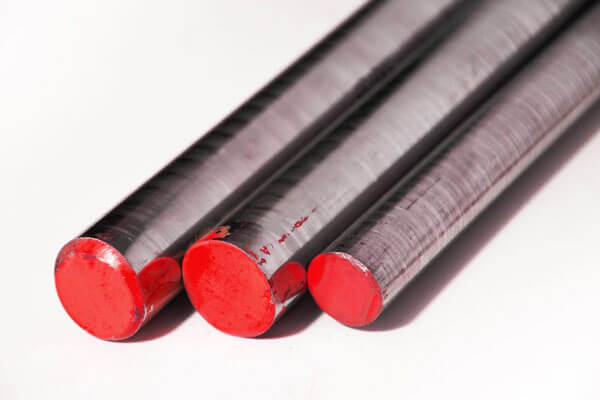
Mar a cruach fuar-oibrithe, déanann sé gach foirmiú agus meaisínithe faoi bhun a theocht athchriostalaithe, rialú tríthoiseach eisceachtúil agus bailchríoch dromchla a sheachadadh i gcomparáid le cóimhiotail te-oibrithe.
Comhdhéanamh ceimiceach
| Eilimint | Ábhar (%) | Feidhmigh |
|---|---|---|
| Carbionsann (C) | 0.95 - 1.05 | Cumasaíonn cruas ard agus friotaíocht caitheamh |
| Cróimiam (Cc) | 4.75 - 5.50 | Cuireann hardenability agus friotaíocht abrasion chun cinn |
| Moluibdinn (Meandar) | 0.90 - 1.20 | Méaduithe friotaíocht temper agus toughness |
| Vanaidiam (V) | 0.25 - 0.40 | Cothaíonn sé méid an ghráin agus neartaíonn sé an hardú tánaisteach |
| Mangainéise (MN) | 0.20 - 0.80 | Feabhsaíonn neart agus hardenability |
| Sileacan (Is) | 0.20 - 0.50 | Cuidíonn dí-ocsaídiú agus feabhsaíonn sé neart |
Príomhthréithe agus Buntáistí
- Meicníocht Aerchruachan: Tar éis austenitizing ag thart 1 020 ° C, A2 athraíonn go martensite san aer, ag seachaint na grádáin throma teirmeacha—agus an saobhadh—a ghabhann le múchadh ola nó uisce.
- Cré: Baintear amach A2 teaschóireáilte i gceart 57–62 HRC, a bhuíochas dá cróimiam, moluibdinn, agus cóimhiotalú vanaidiam.
- Caitheamh agus Toughness: Cé nach bhfuil go leor cróimiam ann chun cáiliú mar dhosmálta (≥ 11 %),
A2 5 % Táirgeann ábhar Cr scannán éighníomhach láidir fós le haghaidh friotaíocht abrasion maith is tionchar diana. - Macinability agus Coinneáil Imeall: Sa stát annealed, Meaisíní A2 go héasca. Tar éis cruaite, coinníonn sé a géar, imeall durable, rud a fhágann go bhfuil sé iontach do bhánú bás, punanna, agus uirlisí beachta.
3. Cad é O1 Cruach Uirlis Crua-Chruaithe?
Baineann cruach uirlis O1 leis an O-Ghrúpa den chaighdeán ASTM A681, idirdhealú ag a riachtanas le haghaidh múchadh ola chun cruas iomlán a fhorbairt.
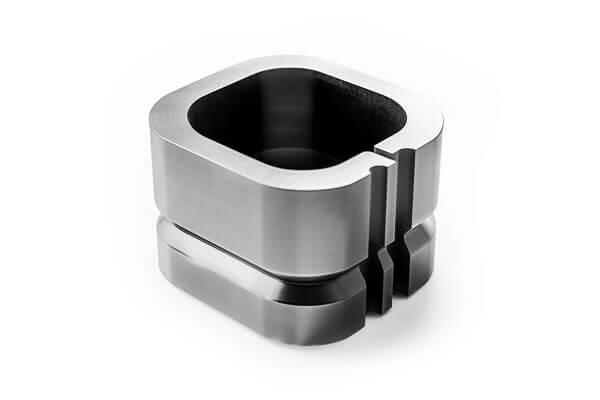
Mar a cruach fuar-oibrithe, Déantar O1 a mhúnlú agus a mheaisíniú faoi bhun a theocht athchriostalaithe,
Ach braitheann sé ar fhuarú tapa in ola chun a mhicreastruchtúr a athrú go resistant caitheamh, stát ard-chruas.
Comhdhéanamh ceimiceach
| Eilimint | Ábhar (%) | Feidhmigh |
|---|---|---|
| Carbionsann (C) | 0.85 - 1.00 | Soláthraíonn cruas lárnach agus friotaíocht caitheamh |
| Mangainéise (MN) | 1.00 - 1.40 | Feabhsaíonn hardenability agus neart teanntachta |
| Cróimiam (Cc) | 0.40 - 0.60 | Feabhsaíonn hardenability agus friotaíocht abrasion |
| Tungstain (Thiar) | 0.40 - 0.60 | Treisíonn cruas te agus friotaíocht a chaitheamh |
| Vanaidiam (V) | 0.10 - 0.30 | Déanann sé struchtúr gráin a scagadh agus tacaíonn sé le foirmiú carbide |
| Sileacan (Is) | 0.10 - 0.30 | Cuidíonn dí-ocsaídiú agus neartaíonn sé an maitrís cruach |
Príomh-Airíonna agus Buntáistí
- Cruas Ard: Sroicheann O1 60–63 HRC iar-mhúchadh, rud a fhágann go bhfuil sé oiriúnach d'uirlisí a dteastaíonn géar, imill fhadtéarmacha - cosúil le tomhasairí, punanna, agus sceana adhmadóireachta.
- Meaisínitheachta den scoth: Ina staid annealed, Scóráil O1 thart 65% ar chairteacha machinability (le AISI 1112 mar 100%), rud a cheadaíonn garbhú níos tapúla agus costais uirlisithe laghdaithe.
- Rialú Toiseach Daingean (Rannóga Beaga): Soláthraíonn múchadh ola ráta measartha fuaraithe a oireann do chomhpháirteanna níos tanaí (suas go dtí 15 mm),
cé go bhfuil baol ann go mbeidh spotaí boga nó saobhadh ar chodanna móra mura mbíonn siad corraithe go haonfhoirmeach. - Cost-éifeachtúlacht: Is ionann ábhar cóimhiotail níos ísle agus costas ábhartha thart ar $2– $3 an cileagram, chomh maith le meaisínithe éifeachtach agus cóireáil teasa díreach.
4. Cóireáil teasa & Freagra hardening
Sainmhíníonn cóireáil teasa airíonna deiridh steels uirlisí A2 agus O1 araon.
Sa chuid seo, déanaimid comparáid idir a dtimthriallta teirmeacha molta, meáin ag múchadh, hardenability, agus réimis faghartha chun sprioc-chruas agus cruas a bhaint amach.
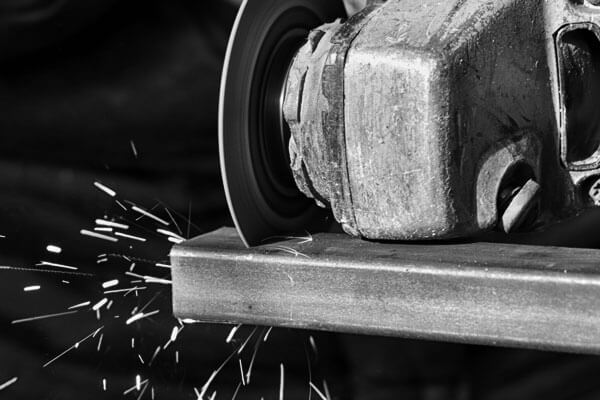
Timthriall Aerchruachan A2
- Austenitizing
-
- Teocht: 1 015-1 035 ° C
- Coinnigh Am: 30–45 nóiméad
- Ag an raon seo, Díscaoileann A2 cairbídí cóimhiotail agus cruthaíonn sé maitrís austenític aonfhoirmeach.
- ag múchadh
-
- Meánach: Fós aer ag teocht chomhthimpeallach
- Ráta fuaraithe: Maooladh, ag laghdú grádáin teirmeach suas go dtí 70 % i gcomparáid le quench ola
- Mar thoradh air sin, Aistrítear A2 go martensite gan mórán strus agus saobhadh.
- Slána
-
- An Chéad Temp: 150–200 °C le haghaidh faoiseamh strus
- Dara Temp: 500–540 °C to tailor hardness
- Resulting Hardness: 57–62 HRC (depending on temper temperature and time)
- Secondary Hardening: Molybdenum and vanadium carbides precipitate, boosting high-temperature strength.
O1 Timthriall Ola-Chruaithe
- Austenitizing
-
- Teocht: 780–820 °C
- Coinnigh Am: 20–30 nóiméad
- This lower temperature retains a higher fraction of fine carbides, favoring wear resistance.
- ag múchadh
-
- Meánach: Agitated oil at 50–70 °C
- Ráta fuaraithe: Go garbh 150 °C/s in the martensite range
- Using oil prevents the cracking and distortion common with water quenching but introduces more stress than air cooling.
- Slána
-
- Typical Temp: 150–220 °C, single or double cycle
- Resulting Hardness: 60–63 HRC
- Lower temper temperatures preserve O1’s maximum hardness but limit toughness improvements.
Hardenability agus Doimhneacht Hardening
| Cruach | Depth to 50 % Martensite | Core Hardness at 40 mm Depth |
|---|---|---|
| A2 | ~40 mm | 55–58 HRC |
| O1 | ~12 mm | 45–48 HRC |
- De thoradh, A2 maintains high hardness deep into the section, whereas O1 requires thinner cross-sections or special quench fixtures to avoid soft cores.
- Thairis sin, Laghdaíonn meicníocht múchadh aer A2 an baol scoilteadh múchadh, rud a fhágann go bhfuil sé oiriúnach le haghaidh bás agus punches níos mó.
Córais Mheasctha Molta
- Chun Toughness Uasta (A2): Teocht ag 520–540 °C le haghaidh 2 × 2 uair, ~57 HRC a bhaint amach le K_IC > 28 MPa·√m.
- Chun Cruas Uasmhéid (O1): Teocht ag 150-180 °C le haghaidh 1 × 2 uair, ~62 HRC a chothabháil ach le déine teoranta do ~18 MPa·√m.
- De rogha air sin, a temper dúbailte ag 200 Is féidir le °C cruas O1 a threisiú beagán ar chostas cruas 1-2 HRC.
5. Airíonna Meicniúla A2 vs. Cruach Uirlis O1
Feabhsaítear ábhar cóimhiotail níos airde A2 diathal is Friotaíocht a chaitheamh, rud a fhágann gur lú an seans go gcloisfear agus go gcreimfidh siad i dtimpeallachtaí ard-ualaigh nó tionchair.
O1, cé go bhfuil beagán níos deacra, ceirdeanna déine le haghaidh cobhsaíochta imeall, oiriúnach le haghaidh feidhmchláir mhionghearrtha.
6. Machnamhity & Monarú
- Rátálacha Meaisínithe Mar-Annealed:
-
- O1: ~65% (i gcoibhneas le SAE 1112)
- A2: ~50%
Tá sé níos éasca O1 a mheaisíniú agus a chríochnú roimh chruachan, making it suitable for applications where quick turnaround is critical.
A2 requires more robust tooling due to its higher hardness and alloy content.
EDM and Drilling: Both materials respond well to electrical discharge machining, but A2 benefits from more consistent EDM finishes due to its finer carbide structure.
Inmharthanacht: O1 is weldable with care, but preheat and post-weld heat treatment are essential. A2, being more alloyed, presents a higher cracking risk unless stress-relieved.
7. Cobhsaíocht Toiseach & Saobhadh
Air hardening gives A2 a distinct advantage in dimensional accuracy.
Unlike O1, which may distort or warp during rapid oil cooling, A2’s slow transformation ensures minimal shape change post-quenching.
For close-tolerance tooling, A2 reduces the need for secondary grinding and corrections.
8. Friotaíocht creimthe
While neither A2 nor O1 is stainless steel, A2 5% cróimiam content provides mild corrosion resistance, especially in dry or lightly humid environments.
O1, with less than 1% cróimiam, is prone to surface oxidation and rust without protective coatings.
9. Feidhmchláir tipiciúla A2 vs. Cruach Uirlis O1
Choosing between A2 and O1 hinges on matching each steel’s strengths to specific tooling tasks.
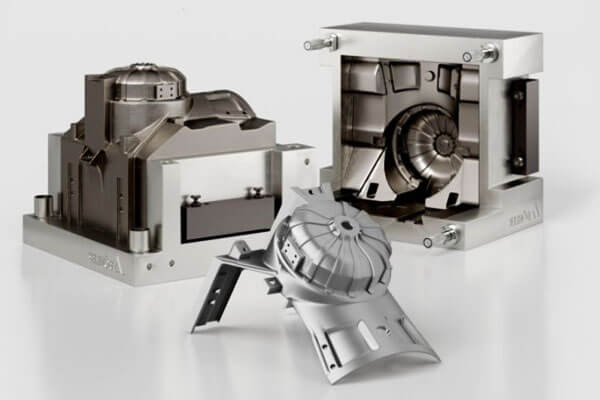
Uirlis Aer-Chruaithe A2 Cruach
Thanks to its high hardenability, friotaíocht caitheamh den scoth, and minimal distortion, A2 excels in:
- Blanking and Piercing Dies: A2 maintains tight tolerances over long production runs (50 000+ strokes) without frequent regrinding.
- Forming and Stamping Tools: Its toughness withstands impact loads up to 1 200 MPA, ideal for deep-draw and bending operations.
- Progressive Die Components: A2’s uniform hardness to depths of 40 mm ensures consistent hole punching, scamhadh, and forming in multi-station dies.
- Cold-Shear Blades: With hardness up to 62 HRC and fine carbide dispersion, A2 delivers clean cuts in sheet metal up to 3 mm tiubh.
O1 Cruach Uirlis Ola-Chruaite
O1 combines good hardness with superior machinability, making it the go-to choice for lower-volume or prototype tooling:
- Cutting and Slitting Knives: O1 holds a razor-sharp edge (62–63 HRC) for tasks such as slitting vinyl, páipéar, and rubber.
- Gauges and Measurement Tools: Its fine-finished surface and hardness guarantee accuracy in go/no-go plugs and pins.
- Low-Volume Dies: Small stamping or forming dies (run lengths < 10 000 strokes) benefit from O1’s rapid turnaround and lower material cost.
- Woodworking and Leatherworking Blades: Craftsmen rely on O1 for chisels, plane blades, and leather skiving knives that demand easy resharpening.
Tábla Comparáide Feidhmchláir
| Iarrchán | Cruach Uirlis A2 | Cruach Uirlis O1 |
|---|---|---|
| Bánú & Piercing Dies | Ard-toirt (50 000+ strokes), deep-draw, saobhadh íosta | Not recommended—higher wear, soft core risk |
| Foirmiú & Bending Tools | Deep-draw punches, high-load forming | Light forming, prototype dies |
| Progressive Die Components | Multi-station dies, large sections | Beaga, simple dies |
| Gearradh & Slitting Blades | Heavy-gauge sheet cutting | Slitting vinyl, páipéar, rubair |
| Tomhsairí & pionnaí | Durable under repeated use | Precision gauges, low-wear applications |
| Craft Blades (Wood/Leather) | Occasional use—requires regrinding | Frequent resharpening, fine edge retention |
| Prototype vs. Production Runs | Best for production runs > 20 000 píosaí | Best for prototyping and runs < 10 000 píosaí |
10. Deireadh
A2 vs O1 tool steel represents two proven solutions for cold work applications, each tailored to specific performance and economic needs.
A2’s superior toughness, Friotaíocht a chaitheamh, and dimensional stability justify its use in demanding, Oibríochtaí ard-toirte.
Idir an dá linn, O1 provides exceptional edge retention and machinability at a lower cost, making it a reliable choice for simpler or low-production tooling.
Although there are some differences in the physical properties of these two steels, both A2 and O1 tool steels are affordable materials that are suitable for many of the same applications.
Ceisteanna Coitianta
Cén cruach a bhaineann friotaíocht caitheamh níos airde amach?
A2 provides superior wear resistance due to its higher chromium (4.75–5.50 %) and vanadium content, which form fine, uniformly dispersed carbides.
O1, with lower alloying levels, delivers moderate wear performance but compensates with excellent edge sharpness.
Cén cruach uirlis a thairgeann cobhsaíocht tríthoiseach níos fearr?
A2 air-hardening creates gentler thermal gradients, reducing distortion by up to 70 % compared to O1’s oil quench.
Designers prefer A2 for large or complex dies that demand tight tolerances with minimal post-grind corrections.
Conas a chuireann siad in aghaidh creimeadh?
A2’s ~5 % chromium content confers mild corrosion resistance, suitable for dry or lightly humid environments.
O1, with under 1 % cróimiam, requires protective oils or coatings to prevent surface rust in most operating conditions.
Cén cruach uirlis a thairgeann feidhmíocht tuirse níos fearr?
A2 typically demonstrates a fatigue limit of about 45 % of its ultimate tensile strength, whereas O1’s fatigue limit sits around 40 %.
In cyclic-loading applications—such as stamping or cold forming—A2 reduces the risk of fatigue failure over long run lengths.

