1. Tabhairt isteach
4140 is cruach cróimiam-moluibdín íseal-chóimhiotail é cruach.
Tairgeann sé meascán den scoth de neart, diathal, agus friotaíocht a chaitheamh, rud a fhágann gur iarrthóir idéalach é le haghaidh feidhmeanna éilitheacha tionsclaíocha.
Scrúdaíonn an t-alt seo 4140 cruach cóimhiotail ó dhearcadh teicniúil iolrach, lena chomhdhéanamh ceimiceach san áireamh, iompar meicniúil, freagra cóireála teasa, machnamhity, feidhmíocht creimeadh, agus úsáidí coitianta.
2. Comhdhéanamh Ceimiceach de 4140 Cruach chóimhiotail
Feidhmíocht uathúil na 4140 cruach cóimhiotail eascraíonn as a chomhdhéanamh ceimiceach rialaithe go cúramach:
| Eilimint | Ualach % | Ról in Airíonna Cruach |
|---|---|---|
| Carbionsann (C) | 0.38–0.43 | Feabhsaíonn neart agus hardenability |
| Cróimiam (Cc) | 0.8–1.1 | Feabhsaíonn cruas, Friotaíocht a chaitheamh, agus creimeadh |
| Mangainéise (MN) | 0.75–1.0 | Méadaíonn sé toughness agus dí-ocsaídiú |
| Moluibdinn (Meandar) | 0.15–0.25 | Feabhsaítear friotaíocht creep agus doimhneacht cruaithe |
| Sileacan (Is) | 0.15–0.35 | Méaduithe neart, feabhsaíonn an toughness beagán |
| Fosfar (P) | ≤ 0.035 | Go hiondúil íoslaghdaítear é chun embrittlement a laghdú |
| Sulfair (S) | ≤ 0.04 | Curtha leis le haghaidh machinability ach is féidir leis an toughness a laghdú |
I gcomparáid le cóimhiotail cosúil le 4130 (carbóin níos ísle) is 4340 (nicil níos airde), 4140 iarmhéideanna neart agus machinability, rud a fhágann gur réiteach praiticiúil agus cost-éifeachtach é do go leor feidhmeanna struchtúracha.

3. Airíonna Fisiceacha de 4140 Cruach
| Maoin | Luach | Aonad | Nótaí |
|---|---|---|---|
| Dlús | 7.85 | g/cm³ | Is gnách do steels íseal-chóimhiotail |
| Modal leaisteachas (O) | ~205 | GPA | Stiffness i teannas agus comhbhrú |
| Modal lomadh (G) | ~ 80 | GPA | Úsáideach le haghaidh iarratais torsional |
| Cóimheas Poisson | 0.27–0.30 | - | Cóimheas idir brú trasna agus brú aiseach |
| Seoltacht theirmeach | 42.6 | W/m · k | I 100 ° C; laghduithe beagán le teochtaí níos airde |
| Cumas teasa ar leith | 475 | J/kg · k | Neas ag teocht an tseomra |
| Friotachas leictreach | 205 | nΩ·m (méadar nana-ohm) | Níos airde ná iarann íon; seoltacht íseal i gcomparáid le copar |
| Comhéifeacht leathnú teirmeach | ~12.0 | µm/m·K (20–100 ° C raon) | Tábhachtach maidir le dearadh le haghaidh rothaíocht theirmeach nó cobhsaíocht tríthoiseach |
| Leáphointe | 1416–1471 | ° C | Raon níos cúinge de bharr eilimintí chóimhiotalach |
4. Airíonna meicniúla de 4140 Cruach
Aisi 4140 cruach cóimhiotal cróimiam-moluibdín versatile is eol do a neart meicniúil den scoth, diathal, agus friotaíocht tuirse.
iad seo 4140 is féidir le hairíonna cruach athrú go mór ag brath ar a riocht cóireála teasa (E.g., Anúite, normalaithe, múchadh, nó tempered).
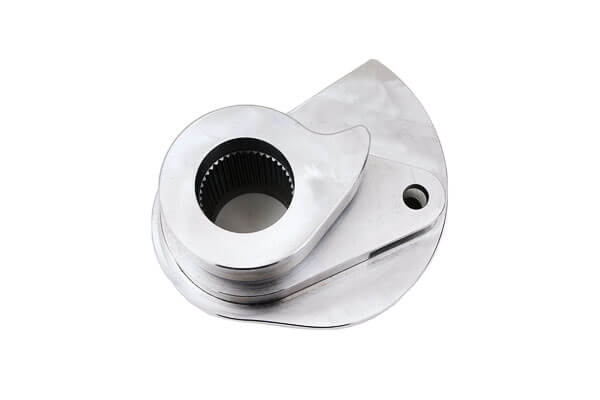
Tábla Airíonna Meicniúla
| Maoin | Anúite | Múchadh & Tempered (Q&T) | Aonad | Nótaí |
|---|---|---|---|---|
| Neart táirgeachta | ~655 MPa | Suas go dtí 1,600 MPA | MPA (meigeapascal) | Q&T feabhas suntasach ar neart |
| ~95 ksi | ~232 ksi | Ksi (impiriúil) | ||
| Neart teanntachta | 850–1,000 MPa | 1,000–1,100 MPa | MPA | Raon tipiciúil tar éis cóireálacha teasa éagsúla |
| 123–145 ksi | 145–160 ksi | Ksi | ||
| Fadú ag sos | 25–30% | 12–18% | % | Insínteacht níos airde sa stát annealed |
| Laghdú ar Cheantar | ~50% | ~ 45% | % | Táscaire de insínteacht agus foirmiúlacht |
| Cré (Rockwell C) | 18–28 HRC | Suas go dtí 50-55 HRC | HAD | An-sofhreagrach do múchadh agus faghartha |
| Toughness Charpy V-Notch | >54 J (Anúite) | 20–35 J (Q&T ag cruas ard) | Giúl | Feidhmíocht i bhfeidhmchláir luchtaithe tionchair |
| Neart tuirse (Teorainn Seasmhacht) | ~420 MPa | Suas go dtí 700 MPA | MPA | Ag brath ar chríochnú dromchla agus timthriallta luchtaithe |
| Modal leaisteachas (O) | ~205 GPa | - | GPA | Fanann stiffness seasta ar fud coinníollacha |
5. Cóireáil Teasa Iompar na 4140 Cruach chóimhiotail
Aisi 4140 tá cruach cóimhiotail an-sofhreagrach d'éagsúlacht próisis cóireála teasa, rud a ligeann dó speictream leathan d'airíonna meicniúla a bhaint amach atá oiriúnaithe d'fheidhmeanna innealtóireachta sonracha.
Cuireann a ábhar cróimiam agus moluibdín lena hardenability, rud a fhágann go bhfuil sé thar a bheith feiliúnach le haghaidh oibríochtaí múchta agus faghartha.
Próisis Choiteanna Cóireála Teasa
| Próiseáil | Raon Teochta tipiciúla (° C) | Aidhm |
|---|---|---|
| Anú | 760–790°C | Déanann struchtúr gráin a scagadh, bogann cruach, Feabhsaíonn sé machnaimh |
| Normalú | 870–900°C | Méaduithe aonfhoirmeacht, bheachtú struchtúr, feabhsaíonn comhsheasmhacht meicniúil |
| ag múchadh | ~845–875°C, agus quench ola/uisce/polaiméir ina dhiaidh sin | Táirgeann struchtúr martensitic le haghaidh cruas ard agus neart |
| Slána | 400–650 ° C. (iar-mhúchadh) | Coigeartaíonn cruas, relieves strus inmheánach, feabhsaíonn insínteacht & diathal |
| Austempering | Múchadh go 260–400°C, shealbhú go dtí claochlú | Táirgeann struchtúr bainitic, laghdaíonn saobhadh, chothromaíonn neart-toughness |
6. Meaisínithe agus Déantúsaíocht na 4140 Cruach
Machnamhity
Ábhar 4140 léiríonn cruach machinability measartha ina staid annealed agus éiríonn sé níos dúshlánaí de réir mar a mhéadaíonn cruas.
Sa riocht annealed (timpeall 18-22 HRC de ghnáth), is féidir é a mheaisíniú le huirlisí cruach ardluais nó carbide, ag tabhairt bailchríocha dromchla maith agus saolré inghlactha uirlisí.
Cén dóigh faoin spéir a ...?, nuair a bheidh an cruach múchta agus tempered go leibhéil cruas níos airde (mar 30-50 HRC), laghduithe a machinability.

Ag an gcéim seo, uirlisithe chomhdhúile, luasanna gearrtha níos ísle, agus éiríonn socruithe dochta meaisín riachtanach chun caitheamh uirlisí agus saobhadh páirteach a sheachaint.
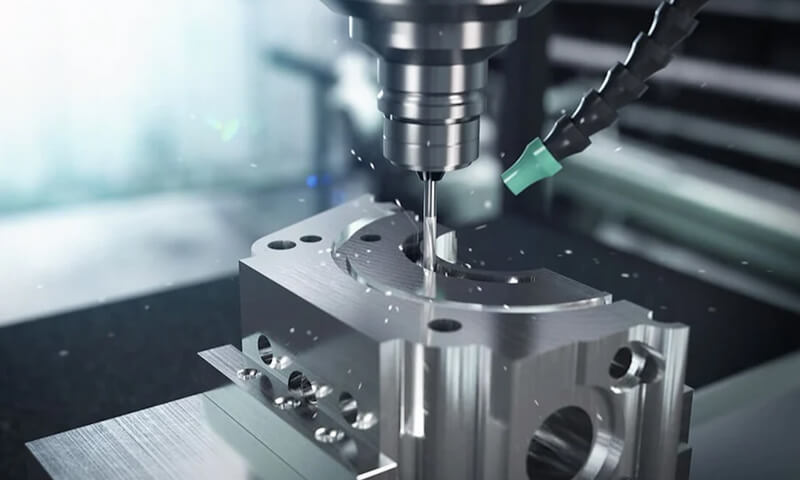
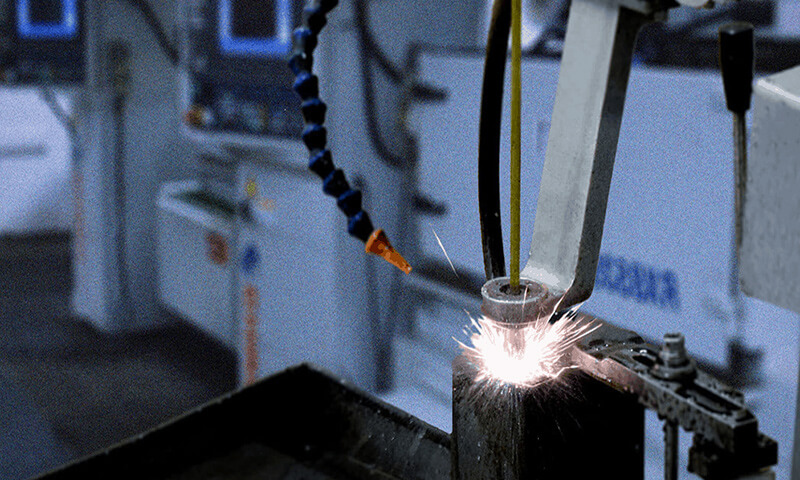
Faoi CNC casadh, muileáil, nó oibríochtaí druileála, trí úsáid a bhaint as modhanna cuí fuaraithe - go háirithe fuaraitheoir tuilte - cabhraíonn sé seo le teas a scaipeadh agus le haslonnú sliseanna a fheabhsú.
Druileáil níos deacra 4140 is minic go mbíonn gá le huirlisí cóbalt nó cairbíde a dhruideann le hailt, agus d'fhéadfadh sé go mbainfeadh leas as muilleoireacht snáithe nó as sconnaí a fhoirmiú seachas gnáthsconnaí gearrtha a thapáil le páirteanna cruaite.
Táthú
Táthú 4140 éilíonn cruach a bheith cúramach mar gheall ar a hardenability ard agus riosca scoilteadh.
Chun na rioscaí seo a mhaolú, moltar go láidir an saotharphíosa a réamhthéamh – go hiondúil go 200–400°C ag brath ar an tiús..
Má choinnítear teocht idirbhealaigh timpeall 200–300°C, cuidítear le turraing teirmeach agus scoilteadh hidrigine a chosc..
Tar éis táthú, cuidíonn an comhpháirt le faoiseamh ó strus ag thart ar 600–650°C insínteacht a athbhunú agus struis iarmharach a laghdú.
Úsáidtear leictreoidí íseal-hidrigine mar E8018-B2 nó ER80S-D2 de ghnáth le haghaidh ábhar filler chun comhoiriúnacht a chinntiú agus porosity a laghdú.
In iarratais chriticiúla, Cóireáil teasa iar-weld (Bpa) is gá chun sláine agus toughness an chrios táthaithe a chothabháil.
Fuar agus Te fhoirmiú
4140 is féidir cruach cóimhiotail a oibriú fuar ina riocht annealed, cé go gcuireann a neart níos airde i gcomparáid le steels ísealcharbóin teorainn lena insínteacht.
Tá próisis foirmithe fuara cosúil le líníocht agus swaging indéanta ach teastaíonn fórsaí níos airde uathu agus d'fhéadfadh siad strusanna iarmharacha a chothú a éilíonn cóireáil teasa ina dhiaidh sin..
Obair te, lena n-áirítear brionnú agus rolladh te, tá sé níos fabhraí do chruach 4140.
Is é an raon teochta idéalach brionnú idir 900 ° C agus 1200 ° C, agus an t-ábhar críochnaithe go hiondúil os cionn 850°C.
Tar éis foirmiú te, moltar gnáthú nó annealing chun an struchtúr gráin a bheachtú agus an cruach a ullmhú le haghaidh meaisínithe deiridh nó cóireála teasa.
7. Friotaíocht Creimeadh de 4140 Cruach
In ainneoin go 4140 sármhaitheas cruach cóimhiotail i neart meicniúil, níl aon fhriotaíocht creimeadh inti.
I dtimpeallachtaí tais nó mara, ocsaídíonn sé go héasca mura bhfuil sé cosanta. Chun cur i gcoinne seo, cóireálacha dromchla ar nós:
- Nítriding le haghaidh cruaite dromchla agus friotaíocht ocsaídiúcháin
- Sciath ocsaíd dubh le haghaidh cosaint creimeadh éadrom
- Leictreaphlátála nó péintéireacht i dtimpeallachtaí ard-taise
8. Foirmeacha agus Caighdeáin Choiteanna
4140 tá cruach cóimhiotail ar fáil i raon leathan foirmeacha tráchtála chun freastal ar iarratais tionsclaíocha éagsúla.
A infhaighteacht i cruthanna éagsúla, in éineacht lena airíonna meicniúla den scoth agus solúbthacht cóireála teasa, is rogha coitianta é i gcomhpháirteanna caighdeánacha agus saincheaptha araon.
Foirmeacha Coitianta de 4140 Cruach
Is féidir le monaróirí agus déantúsóirí a fháil 4140 cruach i bhfoirmeacha iomadúla, ag brath ar an úsáid atá beartaithe agus an phróiseáil riachtanach:

- Barraí Babhta: Úsáidtear go coitianta le haghaidh seaftaí, bioráin, Gears, agus dúntóirí, tá barraí cruinne ar cheann de na foirmeacha cruach is minice a sholáthraítear 4140 mar gheall ar a solúbthacht i meaisínithe agus cóireála teasa.
- Barraí Maol agus Plátaí: Ideal le haghaidh uirlisí, comhpháirteanna a chaitheamh, agus páirteanna struchtúracha a dteastaíonn limistéir teagmhála dromchla móra orthu.
Tá na foirmeacha seo oiriúnach freisin le haghaidh gearradh lasair nó próiseáil scaird uisce. - Fáinní agus Dioscaí Brionnaithe: Úsáidtear é in innealra rothlach ard-neart cosúil le rásaí imthacaí, cúpláin, agus flanges.
- Barraí Hollow agus Feadáin: Is fearr in iarratais a éilíonn meáchan a laghdú agus neart á chothabháil, mar sorcóirí hiodrálacha agus páirteanna brú-ina bhfuil.
- Bloic agus Billéid: Oiriúnach le haghaidh meaisínithe saincheaptha agus comhpháirteanna brionnaithe móra. These are typically used in die-making and heavy industrial equipment.
Caighdeáin agus Ainmniúcháin Tionscail do 4140 Cruach
| Standard Organization | Ainmniú | Réigiún/Tír | Saghas |
|---|---|---|---|
| ASTM | ASTM A29 | United States | General specification for hot-wrought bars of carbon and alloy steels |
| ASTM | ASTM A322 | United States | Specification for alloy steel bars used in mechanical applications |
| ASTM | ASTM A519 | United States | Specification for seamless carbon and alloy steel mechanical tubing |
SAE |
SAE 4140 | United States | Chromium-molybdenum low-alloy steel for automotive and engineering applications |
| Aisi | Aisi 4140 | United States | Commonly used designation aligned with SAE 4140 |
| Le linn / Ó | 1.7225 / 42CrMo4 | An Eoraip / An Ghearmáin | European equivalent under EN 10083 for quench and temper steels |
| An duine | SCM440 | An tSeapáin | Japanese equivalent for high-strength alloy steel |
| Gb | 42Creolach | Poirceallán | Chinese equivalent with similar mechanical properties |
9. Iarratais ar 4140 Cruach chóimhiotail
Cruach 4140 is a go-to material in applications requiring strength, diathal, and wear resistance under fatigue and shock loading:
- Gluaisteán: Gears, crankshafts, tie rods, acastóirí
- Aeraspás: comhpháirteanna fearas tuirlingthe, achtúirí
- Ola & Gás: drill collars, hydraulic fracturing parts
- Monaraíocht: mandrels, bás, múnla, sealbhóirí uirlisí
Cás-staidéar: In a comparative fatigue test, a steel 4140 Q&T gear shaft demonstrated 10x an saolré de dhearadh comhchosúil déanta as cruach éadrom, ag cur béime ar a luach fadtéarmach.
10. Buntáistí agus Teorainneacha na 4140 Cruach chóimhiotail
Buntáistí:
- In airde neart le meáchan cóimheas le haghaidh feidhmeanna struchtúracha
- Thar cionn Friotaíocht a chaitheamh tar éis cruaite
- Cóireáil teasa versatile freagra
- Ar fáil go héasca i bhfoirmeacha agus caighdeáin iolracha
Teorainneacha:
- Níl sé oiriúnach le haghaidh timpeallachtaí creimneach gan cosaint dromchla
- Éilíonn táthú cúramach cleachtais chun scoilteadh a sheachaint
- Costas níos airde agus castacht ná steels carbóin simplí
11. Deireadh
4140 cuireann cruach cóimhiotail meascán láidir de neart meicniúil ar fáil, diathal, agus friotaíocht a chaitheamh, rud a fhágann go bhfuil sé fíor-riachtanach i bhfeidhmchláir innealtóireachta atá ríthábhachtach don fheidhmíocht.
Nuair a bhíonn teaschóireáilte agus cosanta i gceart, seachadann sé saol seirbhíse eisceachtúil faoi choinníollacha oibriúcháin éilitheacha.
Cibé acu le haghaidh aeraspáis, fuinneamh, nó comhpháirteanna uirlisí, ábhar 4140 tá cruach fós ar cheann de na hábhair is iontaofa agus is cumasaí i ndéantúsaíocht nua-aimseartha.
Is féidir le hinnealtóirí a thuigeann a riachtanais iompair agus próiseála leas iomlán a bhaint as a acmhainneacht.
Seo an rogha iontach é do do riachtanais déantúsaíochta má theastaíonn ardchaighdeán uait 4140 páirteanna cruach.