Kaljenje je jedan od najosnovnijih, ali široko pogrešno shvaćenih procesa termičke obrade u proizvodnji metala.
Gotovo svaka kaljena čelična komponenta prolazi kroz kaljenje kao obaveznu sekundarnu operaciju nakon gašenja, ali mnogi inženjeri i proizvodni timovi to tretiraju kao trivijalno, standardizirani korak umjesto precizno kontroliranog procesa koji definira konačnu čvrstoću, žilavost, unutrašnje stresno stanje, i radni vijek.
U praksi, gašenje bravica u tvrdom, krhka, martenzitna struktura opterećena stresom koja je funkcionalno neupotrebljiva za većinu inženjerskih aplikacija.
Kaljenje — pažljivo kontrolisano zagrijavanje ispod kritične temperature transformacije — kroji tu ugašenu mikrostrukturu za isporuku tačne ravnoteže tvrdoće, žilavost, dimenziona stabilnost, i otpornost na zamor potreban za servis.
Kaljenje se stoga obično koristi u proizvodnji alatnih čelika, matrice čelika, opružni čelici, komponente ležaja, zupčanici, osovine, Automobilski dijelovi, kalupi, i komponente strukturalnih mašina.
1. Šta je kaljenje?
U metalurgiji, kaljenje je proces toplinske obrade u kojem se prethodno očvrsnuta legura željeza ponovno zagrijava na temperaturu ispod donje kritične temperature (A₁), držane u određenom periodu, a zatim ohlađen u kontrolisanim uslovima.
Za običan-ugljenični čelici, eutektoidna temperatura povezana sa A₁ linijom je približno 727° C (1341° F), iako stvarne kritične temperature variraju u zavisnosti od hemijskog sastava.
Kaljenje se prvenstveno primjenjuje nakon gašenja kako bi se modificirala kaljena martenzitna struktura.
Glavni ciljevi su smanjenje lomljivosti i preostalog naprezanja uz zadržavanje odgovarajuće razine tvrdoće i čvrstoće.
Odabirom temperature kaljenja i vremena držanja, proizvođači mogu podesiti ravnotežu između tvrdoće, žilavost, duktilnost, otpornost na habanje, i dimenzionalna stabilnost.

Glavni efekti kaljenja uključuju:
| Cilj | Efekat kaljenja |
| Smanjite lomljivost | Poboljšava žilavost i otpornost na lom |
| Oslobodite naprezanja pri gašenju | Smanjuje zaostalo naprezanje i rizik od odloženog pucanja |
| Podesite tvrdoću | Smanjuje prekomjernu tvrdoću nakon gašenja na potreban nivo |
| Poboljšati duktilnost | Omogućava veću plastičnu deformaciju prije kvara |
| Stabilizirati mikrostrukturu | Smanjuje promjene dimenzija tokom naknadnog servisa |
| Kontrolirajte performanse usluge | Uspostavlja potrebnu kombinaciju snage, žilavost, i otpornost na habanje |
Temperatura kaljenja se bira u skladu sa vrstom čelika i željenim konačnim svojstvima.
A niskotemperaturna temperament može se koristiti kada se mora zadržati visoka tvrdoća, dok viša temperatura kaljenja općenito proizvodi veću žilavost i duktilnost uz odgovarajuće smanjenje tvrdoće.
Kaljenje ne treba brkati sa žarenjem. Žarenje je obično namijenjeno omekšavanju čelika i promicanju relativno stabilnog, duktilna mikrostruktura, često uključuje zagrijavanje iznad kritične temperature transformacije nakon čega slijedi sporo hlađenje.
Kaljenje, u kontrastu, primjenjuje se na kaljeni čelik i izvodi se ispod kritičnog raspona transformacije kako bi se modificiralo, a ne potpuno eliminiralo stanje očvršćavanja.
U praktičnoj proizvodnji čelika, kaljenje se stoga najbolje razumije kao kontrolirano prilagođavanje mikrostrukture stvorene gašenjem.
Cilj nije jednostavno učiniti kaljeni čelik mekšim, ali da se pretvori prekomjerno lomljiva struktura koja je ugašena u onu koja pruža korisniju inženjersku kombinaciju svojstava.
2. Zašto je kaljenje neophodno: Nauka iza ugašenog čelika
Da razumem kaljenje, prvo treba razumjeti šta radi gašenje.
Kada se čelik zagrije u polje austenitne faze - obično iznad 800-900°C, ovisno o sastavu - njegova kristalna struktura postaje kubična sa centriranim na lice. (FCC).
Austenit može otopiti značajne količine ugljika. Ako se čelik tada brzo ohladi, obično u vodi, ulja, ili polimer, atomi ugljika nemaju vremena da se difundiraju.
Kristalna struktura pokušava da se transformiše u kubiku usredsređenu na telo (BCC) ferita, ali zarobljeni ugljik iskrivljuje rešetku u tetragonalnu u središtu tijela (Bct) struktura poznata kao martenzit.
Martenzit karakteriše:
- Veoma visoka tvrdoća.
- Visoka granica popuštanja.
- Niska duktilnost i žilavost.
- Visoka zaostala naprezanja.
- Sklonost ka odloženom pucanju.
- Prisustvo zadržanog austenita u mnogim legurama.
U ovom ugašenom stanju, čelik je često previše krt za praktičnu upotrebu. Alat za rezanje može se okrhnuti. Osovina može napuknuti tokom montaže. Zub zupčanika bi se mogao slomiti pod udarnim opterećenjem.
Kaljenje smanjuje ove rizike omogućavajući kontroliranu difuziju i mikrostrukturno preuređenje.
Stoga je neophodnost kaljenja i naučna i praktična.
Naučno, omogućava čeliku da se približi ravnoteži ublažavanjem naprezanja rešetke i taloženjem karbida. Praktično, omogućava čeliku da preživi uslove rada u stvarnom svetu.
3. Koji su glavni temperaturni rasponi kaljenja?
Temperatura kaljenja jedna je od najvažnijih varijabli u toplinskoj obradi čelika jer direktno kontrolira stepen mikrostrukturne promjene nakon gašenja..
Kako temperatura kaljenja raste, difuziju ugljika, taloženje karbida, oporavak, i transformacija zadržanog austenita generalno postaju izraženija.
Ne postoji jedinstven temperaturni raspon koji se primjenjuje na svaki čelik.
Kaljenje na niskim temperaturama
Kaljenje na niskim temperaturama se obično koristi kada komponenta mora zadržati visoku razinu tvrdoće i otpornosti na habanje uz smanjenje lomljivosti povezane sa svježim martenzitom.
Tipične temperature su približno 150–250°C (300–480°F), iako odgovarajući raspon zavisi od čelika.
U ovoj fazi, ugljik počinje da se redistribuira iz prezasićenog martenzita, mogu se razviti fine karbidne faze, a zaostala naprezanja od gašenja se smanjuju.
Smanjenje tvrdoće je obično ograničeno u poređenju sa kaljenjem na višim temperaturama.
Ovaj tretman je uobičajen za aplikacije kao što su:
- Alati za rezanje
- Umire
- Komponente otporne na habanje
- Određene komponente ležaja
- Delovi od alatnog čelika visoke tvrdoće
Kompromis je taj što čvrstoća ostaje relativno ograničena u poređenju sa srednjom- ili uslovima visoke temperature.
Kaljenje na srednjim temperaturama
Kaljenje na srednjim temperaturama, otprilike 250–450°C (480–840°F), proizvodi veću modifikaciju ugašene mikrostrukture.
Precipitacija karbida postaje sve razvijenija, martenzit postaje manje prezasićen, a unutrašnji stresovi nastavljaju da se smanjuju.
Ova regija može biti korisna kada komponenta zahtijeva uravnoteženiju kombinaciju snaga, tvrdoća, žilavost, i otpornost na habanje.
Tačan odgovor značajno varira u zavisnosti od čelika. Neki čelici također pokazuju fenomen krhkosti u određenim temperaturnim rasponima, što znači da i temperatura kaljenja i naknadna praksa hlađenja mogu zahtijevati pažnju.
Visokotemperaturno kaljenje
Visokotemperaturno kaljenje se generalno izvodi pri približno 450–700°C (840–1290°F), pod uslovom da temperatura ostane odgovarajuća za određeni čelik i ispod relevantnog kritičnog opsega transformacije.
Na ovim temperaturama, mikrostruktura prolazi kroz mnogo ekstenzivniji oporavak i evoluciju karbida.
Zaostala naprezanja su značajno smanjena, a materijal općenito razvija znatno veću žilavost i duktilnost nego u kaljenom ili niskom temperaturnom stanju.
Visokotemperaturno kaljenje je široko povezano sa kaljenim i kaljenim konstrukcijskim čelicima, Legura čeli, osovine, zupčanici, komponente koje sadrže pritisak, i teško opterećeni dijelovi mašina.
Posebno važna razlika je da kaljenje na visokim temperaturama ne znači nužno i slabu čvrstoću.
Pravilno legirani i termički obrađeni čelici mogu zadržati znatnu tesnost i vlačnu čvrstoću dok dobivaju mnogo bolju otpornost na lom.
Sekundarno otvrdnjavanje tokom kaljenja
Određeni visokolegirani alatni čelici ponašaju se drugačije. Umjesto kontinuiranog smanjenja tvrdoće kako temperatura kaljenja raste, mogu pokazati a sekundarno očvršćavanje, često unutar višeg raspona temperiranja.
Ovo se dešava kada se legiraju elementi kao što je hrom, molibdenum, volfram, ili talog vanadijuma kao fini, stabilni legirani karbidi.
Ove čestice ometaju kretanje dislokacije i mogu povećati ili sačuvati tvrdoću.
Sekundarno kaljenje je posebno važno za brzorezne čelike i odabrane alatne čelike namijenjene radu na povišenim temperaturama.
4. Šta je proces kaljenja?
Proces kaljenja je kontrolirani termički ciklus koji se izvodi nakon stvrdnjavanja ili drugog tretmana koji je dao dovoljno očvrsnu mikrostrukturu.
Iako se čini da je postupak jednostavan, za postizanje konzistentnih rezultata potrebna je kontrola temperature, vrijeme, ujednačenost peći, loading, hlađenje, i stanje kaljenog čelika.
Tipična sekvenca industrijskog kaljenja može se predstaviti kao:
Kašenje → Prijenos na kaljenje → Zagrijavanje → Natapanje → Kontrolirano hlađenje → Inspekcija

Korak 1: Ugasi čelik
Kaljenje obično počinje pravilno kaljenom komponentom.
Čelik se prvo austenitizira, a zatim brzo hladi brzinom koja je dovoljna za proizvodnju predviđene očvrsnute strukture.
Medij za gašenje može uključivati:
- Ulja
- Voda
- Otopina polimera
- Plin pod pritiskom
- Rastopljena sol
Ispravan medijum zavisi od legure i geometrije komponenti.
Cilj je postići potrebnu kaljivost i mikrostrukturu uz minimiziranje pucanja i izobličenja.
Korak 2: Prenesite komponentu u peć za kaljenje
Nakon gašenja, komponentu treba temperirati prema navedenom proizvodnom postupku.
Za mnoge razrede, brzo kaljenje je poželjno jer svježe kaljeno stanje sadrži visoka zaostala naprezanja.
Procedura prijenosa također mora izbjeći nepotreban termički šok ili nekontrolirano hlađenje koje bi moglo utjecati na konačan uvjet termičke obrade.
Za kritične komponente, evidencija peći treba da dokumentuje stvarni temperaturni ciklus, a ne da se oslanja samo na zadatu tačku peći.
Korak 3: Zagrijati do specificirane temperature temperiranja
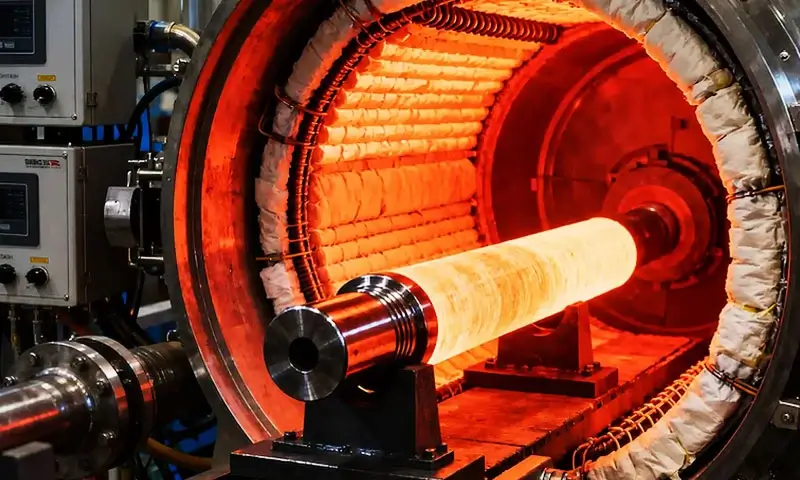
Komponenta se zagrijava do odabrane temperature kaljenja, koji može varirati od otprilike 150°C do 700°C zavisno od čelika.
Zagrijavanje treba biti dovoljno kontrolirano kako bi se spriječili prekomjerni temperaturni gradijenti, posebno u velikim ili složenim komponentama.
Peć treba da obezbedi odgovarajuće:
- Ujednačenost temperature
- Kontrola atmosfere gdje je to potrebno
- Cirkulacija opterećenja
- Kalibracija instrumenta
- Snimanje temperature
Za preciznu termičku obradu, The stvarna temperatura obratka je važnija od programirane temperature peći.
Korak 4: Potopiti na temperaturu
Nakon što komponenta dostigne potrebnu temperaturu, održava se na određeni period.
Tokom ove faze namakanja, mikrostruktura prolazi kroz reakcije kaljenja koje odgovaraju čeliku:
- Preraspodjela ugljika
- Precipitacija karbida
- Martenzitna razgradnja
- Opuštanje od stresa
- Oporavak matrice
- Transformacija zadržanog austenita
- Taloženje legiranog karbida u čelicima koji se stvrdnjavaju sekundarno
Potrebno vrijeme namakanja ovisi o veličini komponente, geometrija, legura, tip peći, i primjenjiva specifikacija.
Korak 5: Kontrolirano hlađenje
Nakon potrebnog vremena zadržavanja, komponenta se hladi prema specifikaciji procesa.
Mnogi čelici mogu se ohladiti na zraku nakon kaljenja, dok određeni sistemi od legure ili kritične komponente mogu zahtijevati posebnu praksu hlađenja.
Uslovi hlađenja mogu uticati na stabilnost dimenzija i, u nekim čelicima, podložnost temper embrittlement. Stoga, „hlađenje“ ne treba tretirati kao beznačajan završni korak.
Korak 6: Ponovite kaljenje kada je potrebno
Neki čelici zahtijevaju dvostruko ili trostruko kaljenje a ne jedan ciklus.
Može se koristiti ponovljeno kaljenje:
- Dalje stabilizirajte zadržani austenit
- Kaljenje novoformiranog martenzita nakon transformacije zadržanog austenita
- Poboljšati stabilnost dimenzija
- Razviti stabilniju karbidnu strukturu
- Postignite konzistentna svojstva u cijeloj komponenti
Ova praksa je posebno uobičajena za visokolegirane alatne čelike.
5. Zašto neki čelici zahtijevaju dvostruko ili trostruko kaljenje?
Jedan ciklus kaljenja je dovoljan za mnoge kaljene čelika, ali visokolegirani alatni čelici a određeni čelici s visokim udjelom ugljika često zahtijevaju dva ili čak tri ciklusa kaljenja.
Glavni razlog je taj što prvi tretman kaljenja može promijeniti stabilnost zadržanog austenita i proizvesti svježi martenzit tokom naknadnog hlađenja..
Drugo ili treće temperiranje zatim temperira ovaj novoformirani martenzit i poboljšava stabilnost konačne mikrostrukture.
Zadržani austenit je glavni razlog
Nakon gašenja, neki čelici zadržavaju dio originalnog austenita jer martenzitna transformacija ne ide do kraja.
Ovo je posebno važno za čelike koji sadrže relativno visok nivo ugljika i legirajućih elemenata.
Tokom prvog ciklusa kaljenja, stabilnost zadržanog austenita se može promijeniti. Na hlađenju nakon temperiranja, dio ovog zadržanog austenita može se transformirati u svježe, nekaljeni martenzit.
Ovo stvara novi problem: iako je originalni martenzit kaljen, novoformirani martenzit nije.
Drugi ciklus temperiranja se stoga koristi za kaljenje ovog svježeg martenzita.
Zašto je svjež martenzit zabrinut?
Svježi martenzit ima iste osnovne nedostatke kao i originalna kaljena struktura:
- Visoka tvrdoća
- Visok rezidualni napon
- Niska duktilnost
- Relativno slaba žilavost
- Povećana podložnost pucanju
Ostavljanje ove strukture neobrađenom može proizvesti lokalne varijacije u tvrdoći i žilavosti. U preciznim alatnim čelicima, može doprinijeti i dimenzionalnoj nestabilnosti.
Dvostruko kaljenje stoga pomaže da se osigura da su i originalni martenzit i martenzit nastali nakon prvog ciklusa kaljenja pravilno kaljeni.
Kada se koristi trostruko kaljenje?
Trostruko kaljenje se koristi kada je potreban još veći stepen mikrostrukturne stabilizacije.
Posebno je čest kod nekih brzoreznih čelika, alatni čelici za vruću obradu, i visokolegirani čelik, ovisno o proizvođačevoj specifikaciji toplinske obrade.
Treći ciklus se može odabrati da:
- Dalje stabilizirajte zadržani austenit
- Kaljenje bilo kojeg novoformiranog martenzita
- Poboljšajte ravnotežu između tvrdoće i žilavosti
- Poboljšati stabilnost dimenzija
- Uspostaviti potrebno stanje sekundarnog očvršćavanja
Trostruko kaljenje ne bi trebalo da se primenjuje automatski. Opravdano je samo kada to zahtijevaju klasa čelika i tražena svojstva.
Tipični čelici koji zahtijevaju ponovljeno kaljenje
Ponovljeno kaljenje je posebno relevantno za čelike kao npr:
- H13 alatni čelik za vrući rad
- Brzorezni čelici
- Visokolegirani alatni čelici za hladnu obradu
- Odabrani čelici za vruću obradu i kalupljenje
- Određeni alatni čelici za taloženje ili sekundarno otvrdnjavanje
Stvarni broj ciklusa kaljenja treba uvijek slijediti specifičnu vrstu čelika i kvalificirani postupak toplinske obrade. Više ciklusa ne znači automatski bolje performanse.
6. Šta je sekundarno otvrdnjavanje tokom kaljenja?
Sekundarno otvrdnjavanje je pojava u kojoj pojedini visokolegirani čelici razvijaju povećanu tvrdoću tijekom kaljenja na relativno visokim temperaturama, iako obično kaljenje ugljičnih čelika općenito uzrokuje smanjenje tvrdoće.
Ovo ponašanje je karakteristično za čelike koji sadrže značajne količine legirajućih elemenata koji stvaraju karbide, posebno molibdenum, volfram, vanadij, i hrom.
Zašto dolazi do sekundarnog otvrdnjavanja?
Tokom konvencionalnog kaljenja, tvrdoća kaljenog martenzita normalno opada kako ugljik napušta prezasićeni matriks i karbidi postaju stabilniji.
U visoko legiranim alatnim čelicima, međutim, na višim temperaturama kaljenja može doći do drugačijeg procesa. Legirajući elementi difundiraju i formiraju se vrlo fino legura karbida.
Ovi precipitati mogu biti izuzetno efikasni u odupiranju kretanju dislokacije.
Nastalo jačanje može nadoknaditi, a ponekad i premašiti, tvrdoća izgubljena tokom ranijih faza kaljenja.
Opšti redosled je:
Kaljenje → početno kaljenje/omekšavanje → taloženje legure-karbida → sekundarno očvršćavanje
Uključeni legirajući elementi
Najvažniji elementi uključuju:
| Legirani element | Uloga u sekundarnom očvršćavanju |
| Mo | Promoviše fino taloženje legure-karbida i poboljšava otpornost na temperaturu |
| W | Formira stabilne karbide bogate volframom u odgovarajućim alatnim čelicima |
| V | Proizvodi vrlo tvrde vanadijum karbide sa jakim efektom jačanja |
| CR | Doprinosi formiranju legure-karbida i poboljšava očvršćavanje i otpornost na temperaturu |
| Co | Može pojačati sekundarno stvrdnjavanje indirektno utječući na ponašanje taloženja matrice i karbida |
Tačan tip karbida zavisi od sastava čelika i istorije termičke obrade.
Zašto je sekundarno otvrdnjavanje važno?
Sekundarno otvrdnjavanje omogućava određenim alatnim čelicima da postignu visoku tvrdoću nakon kaljenja na temperaturama znatno višim od onih koje se koriste za konvencionalno kaljenje na niskim temperaturama.
Ovo je vrijedno jer se kaljenje na visokim temperaturama također može poboljšati:
- Otpornost na temperaturu
- Dimenzijska stabilnost
- Stabilnost strukture
- Vruća tvrdoća
- Otpornost na omekšavanje tokom servisiranja
Za alate koji rade na povišenoj temperaturi, zadržavanje tvrdoće tokom rada može biti važnije od postizanja maksimalne moguće tvrdoće na sobnoj temperaturi.
Sekundarno kaljenje i alatni čelik H13
H13 je reprezentativni alatni čelik za vrući rad u kojem taloženje legure karbida doprinosi njegovom odgovoru tijekom kaljenja na visokim temperaturama.
Njegova termička obrada je dizajnirana da uspostavi odgovarajuću ravnotežu tvrdoće, žilavost, otpornost na termički zamor, i otpornost na omekšavanje.
Tačan odgovor na sekundarno stvrdnjavanje ovisi o kemijskom sastavu čelika, temperatura austenizacije, metoda gašenja, temperatura kaljenja, i vrijeme čekanja.
Stoga je netačno tretirati sekundarno očvršćavanje kao jednostavno „očvršćavanje ponovnim zagrijavanjem“.
Fenomen je rezultat kontroliranog taloženja karbida bogatih legurama unutar prethodno očvršćene mikrostrukture.
7. Kako kaljenje utiče na mehanička svojstva?
Kaljenje mijenja mehanička svojstva čelika modificiranjem visoko prezasićene i naprezane martenzitne strukture proizvedene kaljenjem.
Veličina i smjer ovih promjena zavise od vrste čelika i uvjeta kaljenja, tako da odnos treba shvatiti kao opšti trend, a ne kao fiksno pravilo.
Ukupni efekat kaljenja
| Nekretnina | Opšti efekat povećanja ozbiljnosti kaljenja* |
| Tvrdoća | ↓ Generalno se smanjuje |
| Snaga prinosa | ↓ Generalno se smanjuje |
| Zatezna čvrstoća | ↓ Generalno se smanjuje |
| Duktilnost | ↑ Generalno se povećava |
| Žilavost | ↑ Generalno se povećava |
| Preostali stres | ↓ Smanjuje |
| Stabilnost dimenzija | ↑ Generalno se poboljšava |
| Otpornost na habanje | Razred- i zavisno od stanja |
| Otpornost na umor | Često se poboljšava kroz bolju čvrstoću i oslobađanje od stresa |
| Otpornost na omekšavanje pri visokim temperaturama | Može se značajno poboljšati u odgovarajućim legiranim alatnim čelicima |
*Opći trendovi za konvencionalne kaljene čelike; visokolegirani čelici mogu pokazati drugačije ponašanje, posebno tamo gdje dolazi do sekundarnog stvrdnjavanja.
Praktični cilj kaljenja je stoga odabrati pravi balans svojstava, a ne maksimizirati bilo koje pojedinačno mehaničko svojstvo.
Alat za rezanje može zahtijevati maksimalnu praktičnu tvrdoću i otpornost na habanje, dok zupčanik ili osovina mogu zahtijevati znatno veću žilavost i otpornost na zamor.
Kontrolom temperature i vremena kaljenja za određeni čelik, proizvođači mogu prilagoditi konačnu mikrostrukturu stvarnim zahtjevima usluge.
8. Što je kaljenje vs žarenje vs normaliziranje vs oslobađanje od stresa?
Kaljenje, žarljivost, normalizacija, i oslobađanje od stresa su svi procesi termičke obrade, ali jesu ne zamjenjiva.
Njihov temperaturni raspon, početne mikrostrukture, metode hlađenja, metalurški mehanizmi, a planirani rezultati su drugačiji.
| Upoređivanje | Kaljenje | Žarljivost | Normalizacija | Oslobođenje stresa |
| Primarna svrha | Smanjite lomljivost i zaostalo naprezanje nakon stvrdnjavanja uz zadržavanje korisne tvrdoće | Omekšati čelik, poboljšati duktilnost, ublažiti stres, i modificirati mikrostrukturu | Rafinirati zrnastu strukturu i proizvesti relativno ujednačenu mikrostrukturu | Smanjite zaostalo naprezanje uz minimalnu promjenu postojeće mikrostrukture |
| Tipični početni uvjet | Kaljeni ili kaljeni čelik | As-cast, radio, hladno obrađeno, ili prethodno termički obrađenog čelika | As-cast, falsifikovan, rolled, ili obrađenog čelika | Zavareni, cast, mašinski obrađen, formiran, ili termički obrađenu komponentu |
| Temperaturni raspon | Ispod A₁; obično ~150–700°C u zavisnosti od stepena | Obično na ili iznad kritičnih temperatura transformacije, zavisno od vrste žarenja | Općenito iznad kritičnog raspona transformacije | Obično ispod kritičnog raspona transformacije |
| Metoda hlađenja | Obično zračno hlađenje ili specificirano kontrolirano hlađenje | Tipično sporo hlađenje peći | Obično vazdušno hlađenje | Kontrolirano hlađenje, često hlađenje peći ili zrakom |
Glavni mikrostrukturni efekat |
Razgrađuje ili modificira ugašeni martenzit; potiče taloženje i oporavak karbida | Proizvodi mekše, stabilnija mikrostruktura | Promoviše rekristalizaciju/rafinaciju i relativno ujednačenu feritno-perlitnu strukturu u primjenjivim čelicima | Ublažava unutrašnji stres uz ograničenu faznu transformaciju |
| Tvrdoća | Općenito se smanjuje od stanja gašenja | Generalno se značajno smanjuje | Obično niži od kaljenog i kaljenog čelika | Obično se samo neznatno mijenja |
| Žilavost & Duktilnost | Generalno se povećava | Znatno se povećava | Općenito se poboljšava u usporedbi s grubim ili jako opterećenim početnim uvjetima | Obično poboljšava pouzdanost vezanu za stres bez većih promjena svojstava |
| Tipične aplikacije | Zupčanici, osovine, alati, umire, Springs, kaljeni delovi mašina | Mašinska zaliha, otkovke, odlivci, hladno obrađeni dijelovi | Ockings, Strukturne komponente, barovi, i tretman pred-otvrdnjavanja | Zavarene konstrukcije, veliki odljevci, mašinski obrađeni delovi, fabrikovane komponente |
9. Kaljenje različitih vrsta čelika
Različite vrste čelika različito reagiraju na kaljenje. Razumijevanje ovih razlika je bitno za odabir pravog rasporeda kaljenja.
Obični ugljični čelici:
Jednostavan za kaljenje. Niski karbonski čelici (<0.3% C) rijetko se gaše i temperiraju jer ne očvršćavaju značajno.
Srednji ugljenični čelici (0.3–0,6% C) se obično gaše i temperiraju za osovine, zupčanici, i osovine. Visokougljični čelici (>0.6% C) koriste se za alate, Springs, i noževi.
legirani čelici:
Sadrži elemente kao što je hrom, nikl, molibdenum, i vanadij.
Imaju bolju otvrdljivost i dobro reaguju na kaljenje. Sekundarno otvrdnjavanje je uobičajeno u legurama sa jakim stvaraocima karbida.
Alat Steels:
Uključuje stvrdnjavanje vodom, stvrdnjavanje ulja, otvrdnjavanje na vazduhu, velike brzine, i čelika za vruću obradu.
Raspored kaljenja uveliko varira. Brzorezni čelici su trostruko kaljeni na 540–560°C. Čelici za vruću obradu kao što je H13 su dvostruko kaljeni na 500–550°C.
Nerđajući čelici:
Martenšitski nehrđajući čelici (E.g., 410, 420, 440C) može se očvrsnuti i temperirati. Austenitni nehrđajući čelici (E.g., 304, 316) ne mogu se očvrsnuti kaljenjem i ne temperiraju.
Feritni nerđajući čelici se uglavnom ne kalju. Nehrđajući čelici koji se stvrdnjavaju pri padavinama su stari, nije temperirano.
Maraging Steels:
Ovo su niskougljične, legure sa visokim sadržajem nikla koje su ojačane starenjem, ne martenzitnim temperiranjem.
Međutim, mogu biti podvrgnuti tretmanu rastvora i procesu starenja koji je konceptualno sličan kaljenju.
10. Kaljenje H13 alatnog čelika: Praktični primjer
H13 alatni čelik je hrom-molibden-vanadijum alatni čelik za vrući rad koji se široko koristi za kalupe za livenje pod pritiskom, kovane matrice, alat za ekstruziju, i drugi alati izloženi stalnom zagrijavanju i hlađenju.
Njegova kombinacija vruće snage, žilavost, otpornost na temperament, i otpornost na termički zamor čini ga reprezentativnim primjerom zašto se kaljenje mora pažljivo kontrolirati kod legiranih alatnih čelika.
Nakon austenitizacije i gašenja, H13 razvija tvrdu martenzitnu strukturu sa zaostalim naprezanjima i nešto zadržanog austenita.
Naknadni tretman kaljenja je stoga dizajniran ne samo da smanji lomljivost, ali i da razvije potrebnu sekundarnu reakciju stvrdnjavanja i mikrostrukturnu stabilnost.
Tipični H13 raspored kaljenja
H13 je uobičajeno dvostruko temperirano, sa trećim temperamentom koji se ponekad specificira za velike ili posebno kritične komponente.
Tačni parametri trebaju slijediti primjenjivu specifikaciju materijala i kvalifikovanu proceduru toplinske obrade.
| Tempering Step | Temperatura | Holding Time | Hlađenje | Primarna svrha |
| Prvi temperament | 500–550°C | ~2 h | Vazdušno hlađenje | Smanjite naprezanja pri gašenju i pokrenite reakcije kaljenja/sekundarnog očvršćavanja |
| Drugi temperament | 500–550°C | ~2 h | Vazdušno hlađenje | Kalite novoformirani martenzit i dodatno stabilizirajte mikrostrukturu |
| Opciono treći temperament | 500–550°C | ~2 h | Vazdušno hlađenje | Dalje poboljšati strukturnu i dimenzijsku stabilnost, posebno u velikim dijelovima |
Stvarni uslovi austenitizacije i gašenja su takođe važni.
H13 se obično austenitizira na približno 1,020–1,050°C, nakon čega slijedi kontrolirano hlađenje kao što je gašenje zrakom ili plinom, zavisno od veličine sekcije, oprema, i potrebna svojstva.
Tipična rezultujuća tvrdoća
Pravilno termički obrađena H13 komponenta obično dostiže konačnu tvrdoću u području od otprilike 48–52 HRC, iako stvarna tvrdoća zavisi od uslova austenitizacije, stopa gašenja, temperatura kaljenja, vrijeme zadržavanja, i hemiju materijala.
Unutar navedenog raspona temperiranja, opšti trend je:
- Oko 500°C: veća tvrdoća, sa manje omekšavanja vezanog za kaljenje.
- Oko 550°C: nešto niže tvrdoće, općenito s većom čvrstoćom i oslobađanjem od stresa.
Odnos nije striktno linearan, i H13 može izložiti sekundarno otvrdnjavanje zbog taloženja finih legiranih karbida tokom kaljenja na visokim temperaturama.
Zašto je H13 dvostruko temperiran?
Glavni razlog dvostrukog kaljenja je ponašanje zadržani austenit nakon gašenja.
Nakon prvog ciklusa kaljenja, dio zadržanog austenita može se tokom hlađenja transformirati u svježi martenzit.
Ovaj novoformirani martenzit još nije prošao kaljenje i stoga može sadržavati relativno visoko zaostalo naprezanje i lomljivost.
Drugi ciklus kaljenja tretira ovaj svježi martenzit i pomaže u stvaranju ujednačenije konačne mikrostrukture:
Gašenje → Prvo temperiranje → Transformacija zadržanog austenita → Svježi martenzit → Druga kaljenje
Dvostruko kaljenje također pomaže u dovršenju željenih reakcija taloženja i poboljšava konzistentnost tvrdoće i stabilnosti dimenzija.
Za velike ili visoko kritične H13 komponente, a treća ćud može se koristiti kada to zahtijeva specifikacija toplinske obrade, posebno tamo gdje je dodatna stabilizacija korisna.
Inženjerski značaj
Cilj kaljenja H13 nije jednostavno maksimiziranje tvrdoće.
Konačno stanje mora uravnotežiti tvrdoću, vruća snaga, žilavost, otpornost na termički zamor, i dimenzionalna stabilnost.
Iz tog razloga, H13 matrica kaljena na približno 500-550°C je projektovana da zadrži dovoljnu tvrdoću za otpornost na habanje dok razvija žilavost i otpornost na temperaturu potrebne za ponovljene termičke cikluse i mehaničko opterećenje u radu.
11. Industrijska primjena kaljenog čelika
Kaljeni čelik se široko koristi u industrijskoj proizvodnji jer osigurava ravnotežu između čvrstoće koja se može kontrolirati, tvrdoća, žilavost, duktilnost, Otpornost na umora, i dimenzionalna stabilnost.
Zupčanici i komponente mjenjača
Zupčanici se obično podvrgavaju kaljenju nakon čega slijedi kaljenje kako bi se dobila visoka čvrstoća i adekvatna žilavost.
Tretman kaljenjem smanjuje krhkost i zaostala naprezanja povezana sa očvrslim stanjem dok održava dovoljnu tvrdoću za kontakt sa zubima i otpornost na habanje.
Tipične komponente uključuju:
- Zupčanici mjenjača
- Zupčanici
- Pogon zupčanika
- Lančanici
- Osovine i osovine zupčanika
Za jako opterećene zupčanike, konačni uvjet termičke obrade obično je dizajniran oko čvrstoće na zamor, kontaktni stres, i otpornost na lom zuba, a ne samo na tvrdoću.
Osovine, Osovine, and Pins
Kaljeni i kaljeni legirani čelici se široko koriste za osovine, osovine, pinovi, i slični mašinski elementi podvrgnuti kombinovanom savijanju, torzija, uticaj, i ciklično opterećenje.
U poređenju sa ugašenom strukturom, pravilno kaljena martenzitna struktura pruža znatno bolju žilavost i otpornost na širenje pukotina, čineći ga pogodnijim za dinamički opterećene komponente.
Springs
Opružni čelici zahtijevaju visoku elastičnu čvrstoću i otpornost na zamor.
Kaljenje nakon stvrdnjavanja koristi se za podešavanje tvrdoće i ublažavanje unutarnjih naprezanja uz održavanje čvrstoće potrebne za opetovano elastično opterećenje.
Aplikacije uključuju:
- Zavojne opruge
- Lisnate opruge
- Torzione opruge
- Komponente ovjesa
- Opruge ventila
Stanje kaljenja mora se pažljivo kontrolisati jer i pretjerana mekoća i pretjerana lomljivost mogu smanjiti vijek trajanja opruge.
Matrice i alati
Alatni čelici se obično temperiraju kako bi se postigla kontrolirana kombinacija tvrdoće, otpornost na habanje, žilavost, i otpornost na omekšavanje.
Alatni čelici za vrući rad kao što je H13 se temperiraju na relativno visokim temperaturama kako bi se postigla termička stabilnost i otpornost na ponovno zagrijavanje i hlađenje.
Hladni i brzorezni alatni čelici koriste različite rasporede kaljenja u zavisnosti od sistema legure i zahtevanih performansi rezanja ili oblikovanja.
Automotive Components
Kaljeni čelik se intenzivno koristi u automobilskoj proizvodnji za komponente koje moraju izdržati ponovljena mehanička opterećenja i udare.
Primjeri uključuju:
- Osovine
- Komponente upravljanja
- Pogonska osovina
- Povezivanje komponenti
- Delovi vešanja
- Komponente prijenosa
Tretman gašenjem i temperiranjem omogućava ovim komponentama da postignu visoku čvrstoću bez žrtvovanja čvrstine potrebne za uslove rada u stvarnom svijetu.
Građevinska i teška oprema
Komponente teških mašina često doživljavaju velika opterećenja, šok, abrazija, i ciklični stres. Stoga se kaljeni legirani čelici široko koriste za:
- Zatiči i čahure
- Hidraulične komponente
- Dijelovi za bager i utovarivač
- Komponente krana
- Komponente poljoprivrednih mašina
- Dijelovi rudarske opreme
U ovim aplikacijama, traženi uvjeti kaljenja se obično biraju prema dominantnoj kombinaciji otpornosti na udar, snaga umora, i otpornost na habanje.
Oprema za pritisak i energiju
Određene komponente koje nose pritisak i energetski sistem koriste kaljene i otpuštene čelike jer tretman može pružiti visoku čvrstoću zajedno s poboljšanom žilavošću.
Prijave mogu uključivati:
- Komponente pod pritiskom visoke čvrstoće
- Mehanički dijelovi koji se odnose na turbine
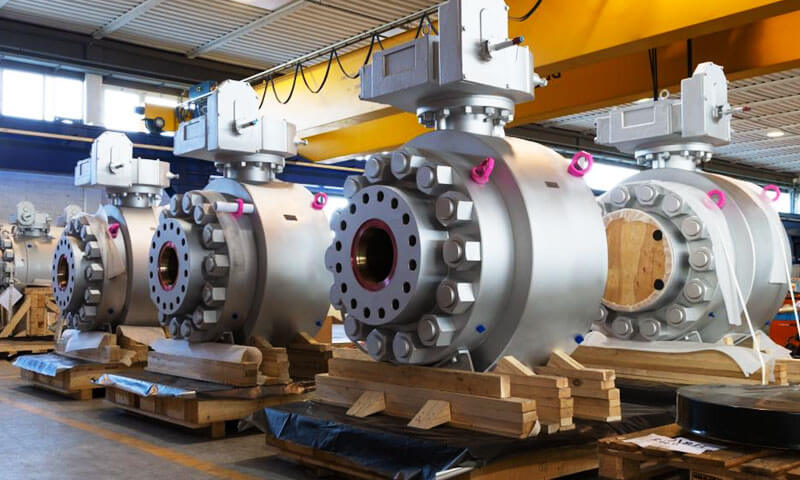
- Industrijski zatvarači
- Komponente za prijenos snage
- Komponente konstrukcije za teške uslove rada
Za sigurnosno kritične komponente, proces termičke obrade obično je podržan ispitivanjem tvrdoće, mehaničko ispitivanje, dimenzionalni pregled, i metalurška verifikacija.
12. Tempering Beyond Steel: Staklo, Čokolada, i ostali materijali
Reč "kaljenje" se takođe koristi u drugim oblastima, ali mehanizmi su drugačiji.
kaljenje stakla
Kaljenje stakla uključuje zagrijavanje stakla na oko 600-700°C, a zatim brzo hlađenje površina mlazom zraka.
Površina se skuplja brže od unutrašnjosti, stvaranje tlačnih napona na površini i vlačnih napona u jezgri.
To čini kaljeno staklo mnogo jačim i uzrokuje da se razbije na male dijelove, tupim fragmentima, a ne oštrim krhotinama. Koristi se u staklima automobila, tuš vrata, i arhitektonsko zastakljivanje.
Chocolate Tempering
Temperiranje čokolade je kontrolirani proces zagrijavanja i hlađenja koji potiče kakao maslac da kristalizira u stabilnom obliku, poznat kao Forma V (beta kristali).
Pravilno temperirana čokolada ima sjajni finiš, oštar snimak, i glatko topljenje. Netemperirana čokolada može procvjetati, osjećati se zrnasto, ili suviše lako omekšati.
Ostali materijali
Neke legure obojenih metala, kao što su određene legure aluminijuma i bakra, podvrgnuti precipitacijskom stvrdnjavanju ili tretmanima starenja koji se ponekad slobodno nazivaju temperiranjem.
Međutim, izraz je najprecizniji kada se primjenjuje na crnu metalurgiju.
13. Zaključak
Kaljenje je osnovni proces termičke obrade za transformaciju kaljenih, visoko pod stresom, i relativno krhki čelik u stabilniji inženjerski materijal.
Njegova važnost nije samo u smanjenju tvrdoće, već u kontroli mikrostrukturne evolucije martenzita i uspostavljanju potrebne ravnoteže između tvrdoće, snaga, žilavost, duktilnost, i dimenzionalna stabilnost.
Temperatura kaljenja je najutjecajnija varijabla procesa, ali to se mora uzeti u obzir zajedno sa vremenom zadržavanja, čelična kompozicija, prethodni uslovi austenitizacije i gašenja, veličina komponente, i potrebna konačna svojstva.
Stoga je ispravan tretman kaljenja Specifičan za čelik, a ne univerzalan.
Karbonski čelici, legirani konstrukcioni čelici, visokougljeničnih čelika, alatni čelici, brzorezni čelici, čelici za vruću obradu, i martenzitni nehrđajući čelici mogu pokazati različite reakcije na kaljenje.
U industrijskoj proizvodnji, uspješno kaljenje treba ocijeniti prema konačnim performansama komponente - ne samo po temperaturi.
Pravilno kontrolisan proces kaljenja pretvara ekstremnu tvrdoću kaljenog stanja u pouzdanu kombinaciju mehaničkih svojstava pogodnih za zupčanike, osovine, Springs, umire, Automobilski dijelovi, teške opreme, i druge zahtjevne aplikacije.
FAQs
Šta je kaljenje u čeliku?
Kaljenje je proces toplinske obrade u kojem se kaljeni čelik ponovno zagrijava do temperature ispod kritičnog raspona transformacije, održava određeno vrijeme, a zatim ohlađen.
Prvenstveno se koristi za smanjenje lomljivosti i zaostalog naprezanja uz postizanje potrebne ravnoteže tvrdoće, snaga, i žilavost.
Da li kaljenje smanjuje tvrdoću?
Za većinu konvencionalnih kaljenih čelika, povećanje temperature kaljenja generalno smanjuje tvrdoću i čvrstoću dok poboljšava žilavost i duktilnost.
Visokolegirani alatni čelici mogu se različito ponašati zbog sekundarnog kaljenja.
Koja je razlika između kaljenja i žarenja?
Kaljenje se obično izvodi na kaljenom čeliku ispod kritičnog raspona transformacije kako bi se modificirao martenzit.
Žarenje je općenito namijenjeno omekšavanju čelika i uspostavljanju duktilnijeg čelika, Stabilna mikrostruktura, često koriste sporo kontrolisano hlađenje.
Kako se ispituje kaljeni čelik?
Tipična inspekcija može uključivati ispitivanje tvrdoće, dimenzionalni pregled, metalografski pregled, i mehaničko ispitivanje, s dodatnim ispitivanjem površine ili ispitivanjem bez razaranja gdje to zahtijeva primjena ili specifikacija.