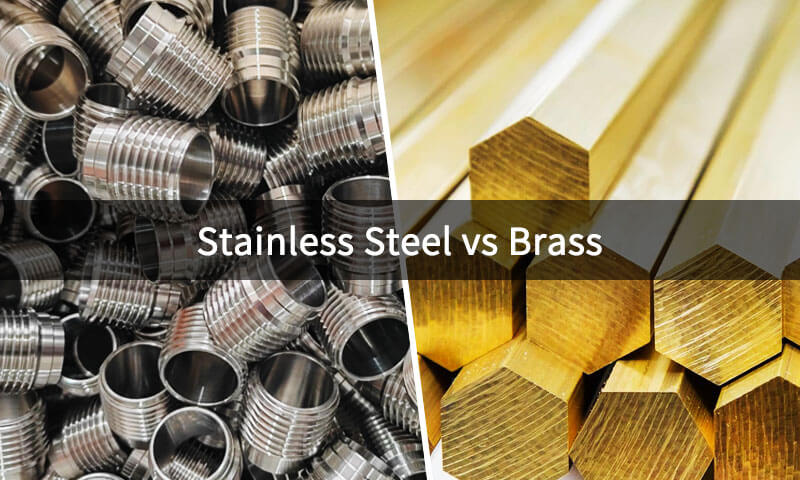
У свеце металаў, некалькі параўнанняў выклікаюць столькі практычных дэбатаў сярод інжынераў, машыністы, і дызайнеры прадукту як выбар паміж нержавеючай сталлю і латунню.
Гэтыя два матэрыялы займаюць перакрываючыяся, але розныя тэрыторыі ў незлічоных галінах - ад марскога абсталявання і архітэктурнага абсталявання да дакладных прыбораў і бытавой электронікі.
У той час як абодва металы прапануюць выключную прадукцыйнасць у сваіх галінах, іх асноўныя металургічныя адрозненні дыктуюць розныя шляхі прымянення, выраб, і эканоміка жыццёвага цыкла.
Гэты артыкул забяспечвае строгі, паралельная праверка нержавеючай сталі і латуні па ўсіх вымярэннях, якія маюць значэнне для прафесіяналаў галіны:
матэрыяльны склад, Механічныя паводзіны, цеплавыя і электрычныя ўласцівасці, Каразія супраціву, тэхналагічнасць, эстэтыка, каштаваць, і рэальныя прыкладанні.
1. З нержавеючай сталі VS. Мосенж: У чым розніца?
Нержавеючая сталь і латунь - прынцыпова розныя сямействы інжынерных сплаваў. Нержавеючая сталь - гэта перш за ўсё сплаў жалеза і хрому, прамежак часу латунь - гэта перш за ўсё медна-цынкавы сплаў.
Іх розны хімічны склад прыводзіць да істотнай розніцы ў трываласці, Карозійнае паводзіны, праводнасць, апрацоўка, знешнасць, і прадукцыйнасць вытворчасці.
What Is Stainless Steel?
З нержавеючай сталі з'яўляецца сям'ёй жалезных сплаваў, якія змяшчаюць хаця б прыбл 10.5% хрому па масе.
Хром з'яўляецца вызначальным легіруючым элементам, таму што ён дазваляе ўтвараць тонкі пласт, адэпт, багатая хромам пасіўная аксідная плёнка на паверхні матэрыялу.
Гэты пасіўны пласт забяспечвае нержавеючай сталі характэрную ўстойлівасць да карозіі.
Пры механічных пашкоджаннях паверхні, пасіўная плёнка можа рэфармавацца пры наяўнасці дастатковай колькасці кіслароду, дапамагае абараніць асноўны метал ад працяглага акіслення.

Склад нержавеючай сталі можа быць дадаткова скарэкціраваны з дапамогай дадатковых легіруючых элементаў для дасягнення пэўных камбінацый трываласці, вынослівасць, Каразія супраціву, свариваемость, і тэмпературныя паказчыкі.
| Легувы элемент | Асноўная функцыя |
| Хром (Кр) | Забяспечвае пасіўнасць і ўстойлівасць да карозіі; паляпшае ўстойлівасць да акіслення |
| Нік (У) | Стабілізуе аўстэніт і павышае трываласць, пластычнасць, і ўстойлівасць да карозіі |
| Molybdenum (Мо) | Павышае ўстойлівасць да кропкавай і шчыліннай карозіі, асабліва ў хларыд-змяшчаюць асяроддзях |
| Вуглярод (C) | Павялічвае трываласць і здольнасць да загартоўвання, але можа знізіць звязаную з зваркай устойлівасць да карозіі на больш высокіх узроўнях |
| Азот (N) | Павышае трываласць і можа палепшыць устойлівасць да кропкавай карозіі |
| Марганец (Мн) | Падтрымлівае стабільнасць аўстэнітнай фазы і спрыяе трываласці |
| Copper (Cu) | Выкарыстоўваецца ў некаторых класах для паляпшэння ападкавага ўмацавання або каразійных характарыстык |
У залежнасці ад складу і апрацоўкі, нержавеючая сталь можа развіваць розныя мікраструктуры, уключаючы аўстэнітны, ферытны, мартенситный, дуплекс, і асадкацвярдзельных канструкцый.
Гэтыя мікраструктурныя адрозненні тлумачаць, чаму нержавеючая сталь можа вар'іравацца ад высокапластычных ліставых матэрыялаў да надзвычай цвёрдых зносаўстойлівых кампанентаў.
Асноўныя характарыстыкі ўключаюць:
- Выключная ўстойлівасць да карозіі і акіслення
- Высокая трываласць на разрыў і цвёрдасць
- Выдатныя крыягенныя характарыстыкі і характарыстыкі пры падвышаных тэмпературах
- Біясумяшчальнасць (пэўныя адзнакі)
- Поўная перапрацоўка без пагаршэння якасці
Агульныя маркі нержавеючай сталі
| Сартаваць | Нас | Асноўныя функцыі | Тыповыя прыкладанні |
| 304 | S30400 | Выдатная агульная ўстойлівасць да карозіі, Фармальнасць, і зварваемасць | Кухонная тэхніка, апрацоўка харчовых прадуктаў, архітэктуры |
| 304L | S30403 | Гатунак з нізкім утрыманнем вугляроду з палепшанай устойлівасцю да сенсібілізацыі пасля зваркі | Зварныя бакі, трубы, і вырабленае абсталяванне |
| 316 | S31600 | Палепшаная ўстойлівасць да кропкавай і шчыліннай карозіі | Хімічны, марская, і фармацэўтычнае абсталяванне |
| 316L | S31603 | Выдатная ўстойлівасць да карозіі і свариваемость; падыходзіць для зварных канструкцый | Тэхналагічнае абсталяванне, марскія выдумкі, медыцынскія кампаненты |
| 2205 | S32205 | Дуплексная структура; Высокая сіла, выдатная ўстойлівасць да хларыду, і добрая ўстойлівасць да каразійнага расколіны пад напругай | Афшорнае абсталяванне, хімічная апрацоўка, апылянасць, пад ціскам |
904L |
N08904 | Супераўстэнітны клас з выдатнай устойлівасцю да моцных кіслот і асяроддзяў, якія змяшчаюць хларыды | Хімічная апрацоўка, абсталяванне для апрацоўкі кіслот, сістэмы марской вады |
| 17-4Ph | S17400 | Высокая трываласць за кошт ападкаў і добрай устойлівасцю да карозіі | Аэракасмічная, шахты, клапаны, і высокатрывалыя кампаненты |
| 410 | S41000 | Мартэнсітная марка, якая паддаецца тэрмаапрацоўцы, мае добрую трываласць і ўмераную ўстойлівасць да карозіі | Клапаны, помпы, шахты, і агульныя механічныя часткі |
| 440C | S44004 | Вельмі высокая цвёрдасць і выдатная зносаўстойлівасць пасля тэрмічнай апрацоўкі | Арыентыроўка, рэжучыя інструменты, хірургічныя інструменты, і прэцызійныя зношвальныя кампаненты |
| 430 | S43000 | Ферытныя, магнітныя, эканамічны, і ўстойлівы да атмасфернай карозіі | Тэхніка, аўтамабільная аздабленне, дэкаратыўныя аплікацыі |
Што такое латунь?
Мосенж гэта а сямейства медна-цынкавых сплаваў у якіх цынк з'яўляецца асноўным легіруючым элементам.
У залежнасці ад утрымання цынку і дадатковых легіруючых элементаў, латунь можа забяспечыць шырокі спектр уласцівасцяў, ад высокапластычных лістаўтваральных сплаваў да высокатрывалых, Устойлівы да зносу, або інжынерныя матэрыялы з высокай апрацоўкай.
Багатая меддзю матрыца надае латуні яе характарыстыку жоўта-залаты выгляд, Добрая ўстойлівасць да карозіі, і высокая цепла- і электраправоднасць.

Цынк павялічвае трываласць і цвёрдасць, уплываючы на мікраструктуру сплаву і паводзіны пры вытворчасці.
Латунь прынята падзяляць на альфа брас, альфа-бэта латуні, і больш высоколегированных спецыялізаваных гатункаў.
Альфа-латуні з нізкім утрыманнем цынку звычайна забяспечваюць выдатную пластычнасць і халодную фармоўку, у той час як латунь з больш высокім утрыманнем цынку альфа-бэта можа прапанаваць павышаную трываласць і часта больш падыходзіць для гарачай апрацоўкі або механічнага прымянення.
Дадатковыя легіруючыя элементы могуць дадаткова змяніць характарыстыкі:
- Кіраваць традыцыйна выкарыстоўваўся для паляпшэння апрацоўваемасці і ломкі стружкі.
- Бляшанка можа палепшыць каразійную ўстойлівасць, асабліва ў некаторых марскіх асяроддзях.
- Алюміній можа павялічыць трываласць і палепшыць устойлівасць да акіслення і карозіі.
- Крэмнім можа палепшыць сілу, ліцейныя характарыстыкі, і бессвинцовая апрацоўваемасць.
- Марганец і жалеза можа дадавацца ў спецыялізаваныя высокатрывалыя сплавы медзі.
Асноўныя характарыстыкі ўключаюць:
- Выдатная апрацоўваемасць (арыенцір для рэйтынгаў апрацоўваемасці)
- Выдатная цепла- і электраправоднасць
- Выдатныя акустычныя ўласцівасці
- Прыродныя антымікробныя ўласцівасці паверхні
- Добрая ўстойлівасць да карозіі ў неокисляющих асяроддзях
Распаўсюджаныя гатункі латуні
| Нас | Тыповыя характарыстыкі | Асноўныя функцыі | Тыповыя прыкладанні |
| C26000 | Патрон латунь | Выдатная пластычнасць і здольнасць да халоднага фармавання | Кампаненты з ліставога металу, дэкаратыўныя вырабы, сфармаваныя часткі |
| C36000 | Латунь свабоднай апрацоўкі | Выдатная апрацоўваемасць і кантроль стружкі | Арматура, клапаны, раздымы і дэталі з дакладнасцю |
| C46400 | Марская латунь | Добрая трываласць і палепшаная ўстойлівасць да карозіі марской вады | Марская тэхніка, валы і прамысловыя кампаненты |
C38500 |
Архітэктурная латунь | Добрая обрабатываемость і прывабны знешні выгляд | Дэкаратыўная фурнітура і архітэктурныя элементы |
| C69300 | Крамянёвая латунь без свінцу | Добрая трываласць, каразійная стойкасць і апрацоўваемасць | Сантэхнічная арматура і кампаненты пітной вады |
| C37700 | Коўка з латуні | Добрая гарачая апрацоўвальнасць і механічная трываласць | Каваныя клапаны, арматура і механічнае абсталяванне |
2. Механічныя ўласцівасці: Моц, Цвёрдасць і цвёрдасць
Механічныя ўласцівасці нержавеючай сталі і латуні значна адрозніваюцца з-за розных сістэм сплаваў і мікраструктуры.
У цэлым, нержавеючая сталь забяспечвае больш высокую трываласць, цяжкасць, і апорная здольнасць, у той час як латунь прапануе карысную камбінацыю ўмеранай трываласці, пластычнасць, апрацоўка, і мерную стабільнасць.
Трываласць на расцяжэнне, Мяжа цякучасці і пластычнасць
Рэпрэзентатыўныя механічныя ўласцівасці звычайна выкарыстоўваюцца марак нержавеючай сталі і латуні паказаны ніжэй.
| Маёмасць | 304 З нержавеючай сталі | 316 З нержавеючай сталі | C36000 Brass | C46400 Марская латунь |
| Трываласць на расцяжэнне (МПА) | ~515–620 | ~515–620 | ~330–470 | ~380–550 |
| Сіла выхаду (МПА) | ~205–310 | ~205–310 | ~140–310 | ~170–310 |
| Падаўжэнне (%) | ~40–60 | ~40–60 | ~18–45 | ~20–40 |
| Цяжкасць (Hb) | ~123–217 | ~123–217 | ~80–160 | ~90–170 |
Значэнні з'яўляюцца рэпрэзентатыўнымі дыяпазонамі для звычайных умоў каванай прадукцыі, а не універсальнымі межамі спецыфікацый.
Фактычныя ўласцівасці моцна залежаць ад характару, таўшчыня, форма прадукту, і адпаведны стандарт матэрыялу.
Трываласць і грузападымальнасць
Нержавеючая сталь звычайна забяспечвае больш высокую і стабільную здольнасць вытрымліваць нагрузку, чым звычайная латунь.
Аўстэнітныя маркі, такія як 304 і 316 спалучаюць адносна высокую трываласць на разрыў з выдатнай пластычнасцю, што робіць іх прыдатнымі для структурных, які ўтрымлівае націск, і кампаненты з механічнай нагрузкай.
Латунь забяспечвае ўмераную трываласць, але выдатную апрацоўку і адэкватныя механічныя характарыстыкі для арматуры, раздымы, кампаненты клапана, і абсталяванне агульнага прызначэння.
Халодная апрацоўка можа значна павялічыць трываласць латуні, хоць гэта зніжае пластычнасць.
Загартоўка і трываласць пры халоднай апрацоўцы
Як нержавеючая сталь, так і латунь можна ўмацаваць халоднай апрацоўкай.
304 і 316 нержавеючая сталь дэманструе асабліва моцнае дэфармацыйнае ўмацаванне, дазваляе істотна павялічыць мяжу цякучасці падчас фармоўкі.
Кампрамісам з'яўляецца зніжэнне пластычнасці і павелічэнне складанасці фармоўкі або апрацоўкі.
Латунь таксама рэагуе на халодную апрацоўку, з трываласцю, якая моцна вызначаецца сплавам і адпускам.
Гэта дазваляе вытворцам выбіраць розныя матэрыялы для балансу трываласць і пластычнасць.
Цвёрдасць і зносаўстойлівасць
Стандарт 304 і 316 нержавеючая сталь мае сярэднюю цвёрдасць у отожженном стане і не аптымізавана для моцнага абразіўнага зносу.
У адрозненне, Мартэнсітная нержавеючая сталь, напрыклад 420 і 440C можна тэрмічнаму апрацаваць прыблізна да 40–60 HRC, забяспечваючы значна больш высокую цвёрдасць і зносаўстойлівасць.
Звычайная латунь, як правіла, больш мяккая, як правіла, робіць яго больш прыдатным для прымянення, дзе апрацоўваецца, нізкае трэнне, і ўмераная нагрузка важней, чым надзвычайная зносаўстойлівасць.
Цвёрдасць і ўдаратрываласць
Аўстэнітная нержавеючая сталь забяспечвае выдатную трываласць і пластычнасць у шырокім дыяпазоне тэмператур і можа захоўваць высокую ўдаратрываласць пры крыягенных тэмпературах.
Гэта робіць такія гатункі, як 304 і 316 падыходзіць для патрабавальных прымянення пры нізкіх тэмпературах.
Латунь забяспечвае добрую трываласць пры пакаёвай тэмпературы, але яго характарыстыкі пры нізкіх тэмпературах значна адрозніваюцца ў залежнасці ад сплаву і стану.
Такім чынам, пры выбары матэрыялу варта ўлічваць рэальную тэмпературу і патрабаванні да ўздзеяння.
Прадукцыйнасць стомленасці
Пры цыклічных нагрузках можна выкарыстоўваць як нержавеючую сталь, так і латунь, але характарыстыкі стомленасці моцна залежаць ад стану сплаву, аздабленне паверхні, геаметрыя кампанентаў, канцэнтрацыя стрэсу, і якасць вырабу.
Нержавеючая сталь, як правіла, прапануе больш шырокія механічныя характарыстыкі, у той час як латунь эфектыўная для кампанентаў з умеранай нагрузкай, дзе апрацоўваемасць і праводнасць таксама важныя.
3. Цепла- і электраправоднасць: З нержавеючай сталі VS. Мосенж
Цеплаправоднасць і электраправоднасць уяўляюць сабой адно з самых відавочных адрозненняў паміж нержавеючай сталлю і латунню.
Цеплаправоднасць
Латунь добра падыходзіць для прыкладанняў, якія патрабуюць эфектыўнай цеплааддачы.
Яго адносна высокая цеплаправоднасць дазваляе цяплу хутка распаўсюджвацца праз кампанент, робячы латунь карыснай для абсталявання для перадачы цяпла, цеплавая арматура, радыятары, цеплаабменнікі, і некаторыя электрычныя кампаненты.
Нержавеючая сталь мае параўнальна нізкую цеплаправоднасць.
Гэта можа быць выгадна дзе цеплаізаляцыя або кантраляваная цеплааддача пажадана, але гэта таксама азначае, што лакальнае награванне можа выклікаць большы градыент тэмпературы ўнутры кампанента.
Падчас зваркі і механічнай апрацоўкі, гэтая характарыстыка патрабуе адпаведнага кіравання працэсам для кіравання назапашваннем цяпла і цеплавымі скажэннямі.
Электраправоднасць
Латунь таксама мае вялікую перавагу ў электрычных прымяненнях, таму што яе багаты меддзю склад забяспечвае значна лепшую электраправоднасць, чым нержавеючая сталь.
Ён шырока выкарыстоўваецца для электрычных клем, раздымы, кантактныя кампаненты, абсталяванне для зазямлення, і токаправодныя фітынгі, дзе механічная трываласць і ўстойлівасць да карозіі павінны спалучацца з электрычнымі характарыстыкамі.
Нержавеючая сталь з'яўляецца адносна дрэнным правадніком электрычнасці ў параўнанні з латунню і меднымі сплавамі.
Таму яго рэдка выбіраюць у якасці асноўнага токаправоднага матэрыялу, калі электрычная эфектыўнасць з'яўляецца галоўным патрабаваннем канструкцыі.
Яго каштоўнасць замест гэтага заключаецца ў прыкладаннях, дзе механічная трываласць, Каразія супраціву, і структурная стабільнасць больш важныя.
4. Каразія супраціву: З нержавеючай сталі VS. Мосенж
Устойлівасць да карозіі - адно з самых важных меркаванняў пры выбары паміж нержавеючай сталлю і латунню.

Каразійная ўстойлівасць нержавеючай сталі
Нержавеючая сталь атрымлівае сваю характэрную каразійную ўстойлівасць у асноўным дзякуючы хрому. Ўздзеянне кіслароду дазваляе ўтварыць на паверхні тонкую багатую хромам пасіўную плёнку, які дзейнічае як ахоўны бар'ер ад далейшай карозіі.
Эфектыўнасць гэтай абароны ў значнай ступені залежыць ад складу сплаву і ўмоў навакольнага асяроддзя.
Аўстэнітныя маркі, такія як 304 і 316 звычайна забяспечваюць моцную ўстойлівасць да атмасфернай карозіі, вільгаць, асяроддзі харчовай прамысловасці, і многія прамысловыя СМІ.
Такія маркі, якія змяшчаюць малібдэн 316 забяспечваюць павышаную ўстойлівасць да лакалізаванай атакі хларыдаў у параўнанні са звычайнымі 304.
Аднак, нержавеючая сталь не цалкам устойлівая да карозіі. У залежнасці ад гатунку і асяроддзя, гэта можа выпрабаваць:
- Точкавая карозія
- Шчылінная карозія
- Каразійнае парэпанне пад напругай
- Міжкрышталітная карозія
- Гальванічная карозія
Такім чынам, важна выбраць адпаведную марку нержавеючай сталі, асабліва для марскіх, хім.-апрац, і з высокім утрыманнем хларыдаў.
Каразійная ўстойлівасць латуні
Латунь карыстаецца ўласцівай медзі ўстойлівасцю да карозіі і ў цэлым добра працуе ў атмасферных умовах, сістэмы прэснай вады, сантэхнічныя прыкладання, і многія прамысловыя асяроддзя.
Яго прадукты карозіі могуць утвараць адносна ахоўныя павярхоўныя пласты, якія запавольваюць далейшае псаванне.
Аднак, латунь мае пэўныя механізмы карозіі, якія патрабуюць увагі. Децинкификация асабліва важна для некаторых латуневых сплаваў, якія падвяргаюцца агрэсіўным гідрахімічным дзеянням.
У гэтым працэсе, цынк выбарачна выдаляецца са сплаву, патэнцыйна пакідаючы пасля сябе кіпры пласт, багатая меддзю структура з паніжанай механічнай цэласнасцю.
На некаторыя латуневыя сплавы таксама можа паўплываць каразійнае парэпанне або карозія ў пэўных хімічных асяроддзях. Таму выбар сплаву важны, калі латунь прызначана для доўгатэрміновай службы вадкасцяў.
5. Апрацоўваемасць і вытворчая прадукцыйнасць
Апрацоўваемасць - гэта вобласць, дзе латунь звычайна мае значную перавагу перад звычайнай нержавеючай сталлю.

Апрацоўваемасць латуні
Латунь шырока лічыцца адным з найбольш прыдатных для машыннай апрацоўкі металаў.
Многія маркі латуні вырабляюць адносна кароткімі, кіраваныя чыпсы і могуць быць эфектыўна апрацаваны паваротам, фрэзы, свідраванне, пастукванне, і разьба.
Маркі з свабоднай апрацоўкай асабліва добра падыходзяць для аўтаматызаванай вытворчасці з ЧПУ.
Іх характарыстыкі апрацоўкі дазваляюць вытворцам дасягаць высокіх паказчыкаў вытворчасці, захоўваючы добрую кансістэнцыю памераў і зніжаючы патрабаванні да кіравання інструментамі.
Апрацоўваемасць нержавеючай сталі
Нержавеючая сталь, як правіла, больш патрабавальная да апрацоўкі. Многія маркі аўстэніту дэманструюць значныя Праца ўцяплення, гэта азначае, што няправільна кантраляваная рэзка можа хутка зацвярдзець апрацаваную паверхню і ўскладніць наступнае ўключэнне інструмента.
Нержавеючая сталь таксама мае адносна нізкую цеплаправоднасць у параўнанні з латунню, у выніку чаго больш цяпла застаецца канцэнтраваным каля зоны рэзкі.
Правільныя параметры рэзкі, жорсткая стойка, прыдатны інструмент, эфектыўная падача цепланосбіта, і адэкватная эвакуацыя чыпаў таму важная.
Розныя сямейства нержавеючай сталі паводзяць сябе па-рознаму. Гатункі свабоднай механічнай апрацоўкі можна лягчэй апрацоўваць, у той час як загартаваныя мартэнсітныя маркі могуць патрабаваць спецыяльнага інструмента і старанна кантраляваных умоў рэзкі.
Фарміраванне і выраб
Нержавеючая сталь і латунь падтрымліваюць шырокі спектр вытворчых працэсаў, але іх паводзіны пры фарміраванні адрозніваюцца.
Аўстэнітная нержавеючая сталь звычайна забяспечвае выдатную пластычнасць і можа падвяргацца глыбокай выцяжцы, сагнуты, пракат, пячаткай, зварвалі, і сфабрыкаваны.
Іх моцная схільнасць да загартоўвання, аднак, можа спатрэбіцца кантраляваная паслядоўнасць фармавання і прамежкавы адпал для патрабавальных аперацый.
Латунь таксама добра фармуецца, асабліва ў пластычных марках альфа-латуні. Яго можна штампаваць, сагнуты, намаляваны, каваны, і эфектыўна апрацаваны.
Канкрэтны сплаў і тэмпература вызначаюць, ці з'яўляецца найбольш прыдатным халоднае фармаванне або гарачая апрацоўка.
Ліццё і складаныя кампаненты
Абодва матэрыялы могуць быць выраблены шляхам ліцця, але іх ліцейныя характарыстыкі істотна адрозніваюцца з-за іх розных паводзін пры плаўленні і характарыстык зацвярдзення.
Латунь шырока выкарыстоўваецца для Інвестыцыйнае ліццё, пясчанае ліццё, памерці кастынг, і цэнтрабежнага ліцця, асабліва для арматуры, клапаны, Дэкаратыўнае абсталяванне, і складаныя кампаненты.
Нержавеючая сталь таксама вельмі сумяшчальная з ліццё па выплавляемым мадэлям і пясчанае ліццё, што робіць яго прыдатным для складаных корпусаў клапанаў, Кампаненты помпы, працоўныя, прамысловае абсталяванне, і дакладныя кампаненты.
Ліццё па выплавляемым мадэлям асабліва каштоўна, калі дэталі з нержавеючай сталі патрабуюць складанай геаметрыі ў спалучэнні з кантраляванай дакладнасцю памераў.
6. З нержавеючай сталі VS. Мосенж: Знешні выгляд і аздабленне паверхні
Знешні выгляд можа быць важным фактарам выбару, калі кампаненты бачныя або з'яўляюцца часткай архітэктуры, дэцылятыўны, або спажывецкі прадукт.
Знешні выгляд нержавеючай сталі
Нержавеючая сталь звычайна мае a серабрыста-белы, нейтральны металічны выгляд.
Яго візуальны характар можа вар'іравацца ад адносна сумнага і індустрыяльнага да высокаадбівальнага, у залежнасці ад вытворчага працэсу і апрацоўкі паверхні.
Агульная аздабленне з нержавеючай сталі ўключае:
- Аздабленне млына: Захоўвае характэрны знешні выгляд, атрыманы падчас пракаткі, фарміраванне, або механічная апрацоўка.
- Машаная аздабленне: Стварае накіраваную тэкстуру, якая памяншае бачныя адбіткі пальцаў і дробныя драпіны.
- Атласная аздабленне: Забяспечвае форменнае адзенне, паверхня з нізкім каэфіцыентам адлюстравання, прыдатная для архітэктурных і спажывецкіх прымянення.
- Паліраваная аздабленне: Стварае гладкую, святлоадбівальны выгляд ад паўпаліраванага да люстранога.
- Электрапаліраваная аздабленне: Выдаляе кантраляваную колькасць матэрыялу паверхні для атрымання ачышчальніка, больш гладкі, і больш устойлівай да карозіі паверхні.
Нержавеючая сталь асабліва прывабная, калі кампанент патрабуе а чыстыя, сучасная, гігіенічны, і ўстойлівы да карозіі знешні выгляд.
Знешні выгляд латуні
Латунь валодае натуральным цяплом жоўта-залаты металічны выгляд, што робіць яго асабліва папулярным для дэкаратыўных і архітэктурных прымянення.
Яго колер можа вар'іравацца ў залежнасці ад утрымання медзі і цынку і вар'іравацца ад бледна-жоўтага да глыбокіх залацістых тонаў.
Латунь таксама можа з часам утвараць паціну на паверхні, калі яна рэагуе з навакольным асяроддзем.
Некаторыя праграмы наўмысна захоўваюць гэты эфект старэння, а іншыя выкарыстоўваюць паліроўку, празрыстае пакрыццё, пакрыццё, або іншыя апрацоўкі для захавання першапачатковага выгляду.
Тыповая латуневая аздабленне ўключае паліраваную, шчоткай, сацін, антычная, і пакрытыя паверхні.
Таму што латунь адносна лёгка паліруецца і апрацоўваецца, ён можа дасягнуць прывабнай дэкаратыўнай аздаблення, захоўваючы пры гэтым асноўны металічны характар.
7. Параўнанне выдаткаў: З нержавеючай сталі VS. Мосенж
Кошт матэрыялу - важны фактар, але параўнанне нержавеючай сталі і латуні выключна па цэнах на сыравіну можа прывесці да недакладнай эканамічнай ацэнкі.
Фактычны кошт кампанента залежыць ад маркі сплаву, Наяўнасць матэрыялу, дэталь геаметрыі, вытворчы працэс, патрабаванні да апрацоўкі, апрацоўка паверхні, аб'ём вытворчасці, і тэрмін службы.

Кошт матэрыялу
Латунь змяшчае вялікую долю медзі, які з'яўляецца адносна каштоўным базавым металам. У выніку, латунь можа мець адносна высокі кошт сыравіны, асабліва для багатых меддзю гатункаў.
Нержавеючая сталь у асноўным заснавана на жалезе і можа быць эканамічна прывабнай у многіх сферах прымянення.
Аднак, легіруючыя дабаўкі, такія як нікель і малібдэн, могуць істотна паўплываць на кошт больш высокіх гатункаў.
Напрыклад, высокалегаваныя нержавеючыя сталі, прызначаныя для сур'ёзных карозійных асяроддзяў, звычайна каштуюць даражэй, чым стандартныя маркі.
Вось чаму, ні той, ні іншы матэрыял не варта лічыць універсальна больш танным. Абраны гатунак часта важней, чым сама сямейства матэрыялаў.
Кошт вытворчасці
Латунь звычайна забяспечвае перавагу ў вытворчасці з інтэнсіўнай механічнай апрацоўкай з-за сваёй выдатнай апрацоўваемасці.
Больш хуткая апрацоўка, эфектыўнае стружколовление, і меншы знос інструмента можа знізіць вытворчыя выдаткі, асабліва для вялікай колькасці дробных дакладных кампанентаў.
Нержавеючая сталь звычайна патрабуе больш стараннага кантролю апрацоўкі. Параметры рэзкі, інструмента, кіраванне астуджальнай вадкасцю, і працаздольнасць павінна быць аптымізавана для кантролю выпрацоўкі цяпла і ўмацавання. Гэтыя фактары могуць павялічыць выдаткі на апрацоўку.
Аднак, нержавеючая сталь можа стаць эканамічна выгаднай, калі яе большая даўгавечнасць і ўстойлівасць да карозіі скараціць абслугоўванне, замена, або выдаткі на адмову падчас абслугоўвання.
Кошт жыццёвага цыкла
Для прамысловых кампанентаў, самае значнае параўнанне часта агульны кошт валодання, а не першапачатковая цана пакупкі.
Латунь можа забяспечыць выдатную эканамічную каштоўнасць пры сярэдняй трываласці, Добрая ўстойлівасць да карозіі, высокая обрабатываемость, і праводнасць дастатковыя.
Нержавеючая сталь можа стаць лепшым доўгатэрміновым эканамічным рашэннем, калі кампанент працуе ў агрэсіўных асяроддзях, нясе значныя нагрузкі, або патрабуе падоўжанага тэрміну службы з мінімальным абслугоўваннем.
Таму варта ўлічваць практычную ацэнку выдаткаў:
Кошт матэрыялу + сабекошт вырабу + кошт аздаблення + падтрыманне + рызыка замены + чаканы тэрмін службы.
Такі падыход асабліва важны для клапанаў, арматура, Кампаненты помпы, прамысловае абсталяванне, і іншыя кампаненты, дзе паломка матэрыялу можа прывесці да значных выдаткаў.
8. Прымяненне нержавеючай сталі і латуні
Хоць нержавеючая сталь і латунь часам могуць выконваць падобныя функцыі, іх розныя механічныя, цеплавы, электрычны, і каразійныя ўласцівасці робяць іх больш прыдатнымі для розных умоў прымянення.
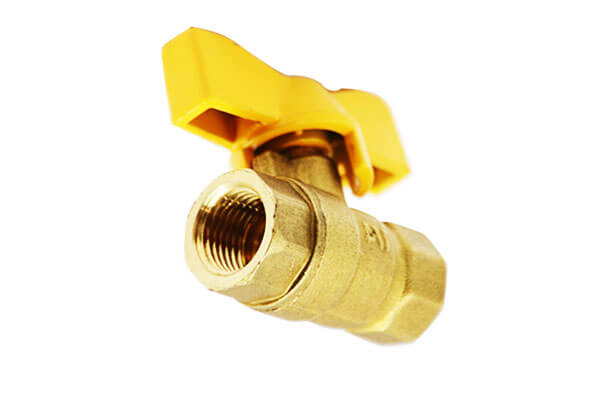
Прымяненне нержавеючай сталі
Нержавеючая сталь шырока выкарыстоўваецца, дзе трываласць, Каразія супраціву, моцнасць, гігіены, і тэрмаўстойлівасць маюць вырашальнае значэнне.
Агульныя прыкладанні ўключаюць:
| Прамысловасць | Тыповыя прымянення нержавеючай сталі |
| Ежа & Напой | Танкі, трубы, тэхналагічнае абсталяванне, арматура |
| Хімічная апрацоўка | Клапаны, помпы, трубы, сасудаў |
| Марская | Шахты, зашпількі, арматура, Кампаненты помпы |
| Змазваць & Бензін | Клапаны, раздымы, Структурныя кампаненты |
| Фармацэўтычны | Апрацоўчае абсталяванне, арматура, трубы |
| Архітэктура | Поручні, фасады, свяцільні |
| Аўтамабільны | Кампаненты выхлапу, кранштэды, прэцызійныя дэталі |
| Медычны | Хірургічныя інструменты і абсталяванне |
Прымяненне латуні
Латунь асабліва каштоўная там, дзе яе можна апрацоўваць, электраправоднасць, цеплаправоднасць, Каразія супраціву, і знешні выгляд важныя.
Тыповыя прыкладанні ўключаюць:
| Прамысловасць | Тыповыя прымянення латуні |
| Сантэхніка | Арматура, раздымы, клапаны, адаптары |
| ВВК | Клапаны, арматура, раздымы |
| Электрычны | Тэрміналы, кантакты, раздымы |
| Прамысловае абсталяванне | Ўтулкі, перадачы, арматура, абсталяванне |
| Марская | Марская арматура і абсталяванне |
| Архітэктура | Ручкі, аздабленне, Дэкаратыўнае абсталяванне |
| Аўтамабільны | Злучальнікі, арматура, прэцызійныя кампаненты |
| Прыборабудаванне | Дробная арматура, раздымы, кампаненты |
9. Усебаковае параўнанне: З нержавеючай сталі VS. Мосенж
Нержавеючая сталь і латунь з'яўляюцца вядомымі інжынернымі матэрыяламі, але яны аптымізаваны для розных прыярытэтаў прадукцыйнасці.
| Маёмасць | З нержавеючай сталі | Мосенж |
| Матэрыяльная сям'я | Сплаў на аснове жалеза, які змяшчае хром | Медна-цынкавы сплаў |
| Моц | Як правіла, вышэй | Умераны да высокага, у залежнасці ад сплаву і гарту |
| Цяжкасць | Шырокі асартымент; некаторыя гатункі могуць падвяргацца тэрмічнай апрацоўцы да высокай цвёрдасці | У цэлым умераны; даступныя спецыяльныя латуні больш высокай трываласці |
| Вынослівасць | Выдатна ў падыходных гатунках, асабліва аўстэнітнай нержавеючай сталі | Добра падыходзіць для многіх прыкладанняў агульнага прызначэння |
Ўстойлівасць да карозіі |
Выдатны; моцна залежыць ад гатунку і асяроддзя | Ад добрага да выдатнага; істотна адрозніваецца ў залежнасці ад сплаву і навакольнага асяроддзя |
| Электраправоднасць | Адносна нізкі | Значна вышэй |
| Цеплаправоднасць | Адносна нізкі | Значна вышэй |
| Апрацоўка | Умераны; значна адрозніваецца ў залежнасці ад гатунку | У цэлым выдатна |
| Фармальнасць | Добра падыходзіць для аўстэнітных марак | У цэлым добра |
| Зносаўстойлівасць | Выдатна падыходзіць для некаторых мартэнсітных і загартаваных марак | Умераны; залежнасць ад сплаву |
| Магнетызм | Залежыць ад металургічнага складу; многія гатункі магнітныя або немагнітныя | Як правіла, немагнітны |
| Знешнасць | Серабрыста-белы металічны выгляд | Жоўта-залаты металічны выгляд |
Цеплавая ўстойлівасць |
У цэлым выдатна | Ад сярэдняга да добрага, у залежнасці ад сплаву |
| Зварачнасць | У залежнасці ад класа; аўстэнітныя маркі звычайна добра зварваюцца | У цэлым добра, але могуць прымяняцца меры засцярогі, звязаныя са сплавам |
| Тыповая вытворчасць | Ліццё, сувы, Апрацоўка з ЧПУ, фарміраванне, вінжаванне | Ліццё, сувы, экструзія, марнаванне, Апрацоўка з ЧПУ |
| Тыповыя прыкладанні | Хімічнае абсталяванне, марскія кампаненты, харчовае абсталяванне, клапаны, Структурныя дэталі | Арматура, раздымы, электрычныя кампаненты, Дэкаратыўнае абсталяванне, клапаны |
| Лепш за ўсё падыходзіць для | Моц, моцнасць, Каразія супраціву, патрабавальныя асяроддзя | Апрацоўка, праводнасць, знешнасць, арматура агульнага прызначэння |
10. Індывідуальныя дэталі з нержавеючай сталі і латуні ад DEZE
Ліцейны завод DEZE забяспечвае карыстацкая нержавеючая сталь і латунь рашэнні для ліцця і апрацоўкі з ЧПУ для прамысловых кампанентаў, якія патрабуюць кантраляванай дакладнасці памераў, Каразія супраціву, Механічная сіла, і надзейная паслядоўнасць вытворчасці.
Вытворчы працэс можна адаптаваць ад выбару матэрыялу і распрацоўкі працэсу ліцця праз механічную апрацоўку, фініш, тэрмічная апрацоўка, і канчатковая праверка.
| Магчымасць | ГЭТА нержавеючая сталь на заказ і латунь часткі |
| Materials | 304, 304L, 316, 316L, 17--4ph, 410, 420, 440C, дуплекс;C26000, C36000, C46400, C87800, C89833. |
| Вытворчыя працэсы | Інвестыцыйнае ліццё, пясчанае ліццё, ЧПУ павароту, ЧПУ фрэзеравання, свідраванне, драба |
| Частковая вага | 0.01–1000 кг |
| Габарытная здольнасць | Нестандартныя кампаненты па чарцяжах, 3D мадэлі, і тэхнічныя характарыстыкі |
| Допускі на ліццё | Ліццё па выплавляемых мадэлях можа дасягнуць ISO 8062 CT5–CT7 пры адпаведных умовах |
| Аздабленне паверхні | Як-адліты, апрацаваны, паліраваны, пасівіраваны, электрапаліраваны |
| Кантроль якасці | ISO 9001:2015 сертыфікаваны; 100% NDT і праверка памераў. |
| Час выканання | 6-12 тыдняў для інструментаў; 2-4 тыдні для паўторных заказаў. |
11. Conclusion
Нержавеючая сталь і латунь - гэта два прынцыпова розных падыходу да выбару канструкцыйных матэрыялаў.
З нержавеючай сталі як правіла, лепшы выбар, калі высокая механічная трываласць, моцнасць, Каразія супраціву, цяжкасць, або прадукцыйнасць пры падвышанай тэмпературы з'яўляецца асноўным патрабаваннем.
Яго шырокая сістэма адзнак таксама дазваляе інжынерам аптымізаваць уласцівасці для розных прымянення - ад харчовага абсталявання да марскіх і хімічных кампанентаў.
Мосенж, у адрозненне, асабліва прывабны пры апрацоўцы, электра- і цеплаправоднасць, Каразія супраціву, і знешні выгляд важныя.
Яго адносна лёгкія характарыстыкі апрацоўкі робяць яго вельмі прыдатным для арматуры, раздымы, клапаны, прэцызійныя кампаненты, і дэкаратыўная фурнітура.
Для карыстацкіх кампанентаў, выбар матэрыялу і выбар вытворчага працэсу варта ацэньваць разам.
Тэхнічна прыдатны сплаў у спалучэнні з правільным ліццём, сувы, апрацоўванне, і стратэгія аздаблення можа забяспечыць значна лепшы баланс паміж прадукцыйнасцю, тэхналагічнасць, і агульны кошт.
FAQ
Нержавеючая сталь мацней латуні?
У цэлым, нержавеючая сталь забяспечвае больш высокую трываласць і цвёрдасць, чым звычайная латунь.
Аднак, фактычныя механічныя ўласцівасці моцна залежаць ад канкрэтнага сплаву, нораў, і тэрмічнай апрацоўкі.
Спецыяльныя латуні могуць забяспечыць значна большую трываласць, чым стандартныя маркі латуні, якія паддаюцца свабоднай апрацоўцы.
Што больш устойліва да карозіі, з нержавеючай сталі або латуні?
Універсальнага адказу няма, таму што ўстойлівасць да карозіі залежыць ад сплаву і асяроддзя эксплуатацыі.
Нержавеючая сталь звычайна лепш працуе ў многіх агрэсіўных асяроддзях, асабліва калі абраны адпаведны клас, напрыклад 316L.
Латунь можа забяспечваць выдатную ўстойлівасць у вадзе і атмасферным асяроддзі, але можа быць успрымальная да ачысткі цынку або іншых формаў карозіі ў неспрыяльных умовах.
Латунь лягчэй апрацоўваць, чым нержавеючая сталь?
Так. Латунь, як правіла, лягчэй паддаецца апрацоўцы і звычайна забяспечвае эфектыўнае стружколаўтварэнне і доўгую стойкасць інструмента.
Для нержавеючай сталі можа спатрэбіцца больш пільны кантроль хуткасці рэзкі, хуткасць падачы, інструмента, і кіраванне цяплом, таму што некаторыя гатункі лёгка загартоўваюцца.
Нержавеючая сталь даражэйшая за латунь?
Неабавязкова. Кошт залежыць ад канкрэтнага гатунку, кан'юнктуры матэрыяльнага рынку, геаметрыя кампанентаў, і вытворчы працэс.
Высокалегаваныя нержавеючыя сталі могуць быць дарагімі, у той час як багатыя меддзю латуневыя сплавы таксама могуць несці значныя матэрыяльныя выдаткі. Разам з цаной на сыравіну варта ўлічваць выдаткі на вытворчасць і жыццёвы цыкл.
Ці можна выкарыстоўваць нержавеючую сталь і латунь разам?
Так, але гальванічную карозію трэба ўлічваць, калі два металы электрычна злучаныя ў прысутнасці электраліта.
Адпаведны выбар матэрыялу, ізаляцыя, пакрыцці, можа спатрэбіцца кантроль навакольнага асяроддзя, асабліва ў марскім або пастаянна вільготным асяроддзі.
Латунь іржавее?
Ніякі. Латунь не іржавее, бо не ўтрымлівае жалеза. Аднак, ён раз'ядае - ён цьмянее, развіваецца паціна, і можа падвяргацца абясшкоджвання (селектыўнае вымыванне цынку).