Уводзіны
Ліццё ў пясок - адзін з найстарэйшых і найбольш шырока выкарыстоўваных метадаў ліцця металу, і ён застаецца камерцыйна важным, таму што ён гнуткі, эканамічна эфектыўны, і падыходзіць як для чорных, так і для каляровых сплаваў.
У працэсе ліцця ў пясок, пясок выкарыстоўваецца для фарміравання паражніны формы, у якую заліваюць расплаўлены метал, робячы працэс адаптаваным да ўсяго: ад блокаў рухавікоў і асноў машын да посуду і вечкаў люкаў.
Тое, што робіць кастынг з пяску актуальным, дык гэта не настальгія, але інжынерная практычнасць.
Ён можа апрацоўваць буйныя дэталі, складаныя геаметрыі, і нізкія і сярэднія аб'ёмы вытворчасці без вялікай нагрузкі на аснастку пастаянных формаў або ліцця пад ціскам.
У той жа час, гэта працэс, які трэба старанна кантраляваць, таму што паводзіны цвілі, металічны паток, выпрацоўка газу, solidification, і астуджэнне моцна ўзаемадзейнічаюць і могуць ствараць дэфекты пры дрэнным кіраванні.
1. Што такое працэс ліцця ў пясок?
Пясчанае ліццё гэта працэс ліцця, у якім форма на аснове пяску і, пры неабходнасці, пясчаныя стрыжні падрыхтаваны вакол шаблону, затым заліваецца расплаўленым металам, каб сфармаваць канчатковую частку пасля застывання.
Ліцейныя спасылкі апісваюць дзве асноўныя сям'і пясчанага ліцця: Зялёны пясок ліццё, які выкарыстоўвае гліну і ваду ў якасці злучнай сістэмы, і ліццё з пяску на хімічнай звязцы, які выкарыстоўвае звязальныя рэчывы на аснове смалы і можа зацвярдзець шляхам самасхоплівання, гарачыня, або адверджанне пад дзеяннем газу.
Працэс часта выбіраюць, таму што ён памяркоўны да памеру дэталі і геаметрыі, і таму, што форма аднаразовая, а не шматразовая.
Гэта расходнасць з'яўляецца моцным бокам у вытворчасці малых аб'ёмаў і вялікіх частак, але гэта таксама азначае, што гэты працэс па сваёй сутнасці менш дакладны ў памерах і больш шурпаты, чым метады з больш жорсткімі допускамі, такія як ліццё пад ціскам або ліццё па выплавляемым мадэлям.

2. Асноўныя матэрыялы, якія выкарыстоўваюцца ў пясчаным ліцці
Ліццё ў пясок - гэта не проста выкарыстанне «пяску» для вырабу формы.
Гэта старанна распрацавана матэрыяльная сістэма у якім кожны кампанент выконвае пэўную ролю: форма павінна трымаць форму, дазволіць газам выйсці, супрацьстаяць цеплавым пашкоджанням ад расплаўленага металу, а потым пасля зацвярдзення чыста разбіваюцца.
| Кампанент | Функцыя | Тэхнічнае значэнне |
| Аснова пясок | Утварае шкілет цвілі | Забяспечвае фізічную структуру формы і павінен вытрымліваць высокую тэмпературу без празмерных скажэнняў |
| Падшыўка | Утрымлівае пясчынкі разам | Вызначае трываласць формы, Устойлівасць да эрозіі, і наколькі лёгка форма руйнуецца пасля адліўкі |
| Вільгаць | Актывуе злучнае рэчыва ў сістэмах зялёнага пяску | Ўплывае на кампактнасць, пранікальнасць, трываласць формы, і якасць паверхні |
Дадаткі |
Палепшыць аздабленне, паменшыць прыгаранне, або адрэгуляваць вентыляцыю | Дапамажыце кантраляваць узаемадзеянне метал-форма і паменшыць дэфекты |
| Прыклад | Стварае паражніну формы | Вызначае знешнюю форму і дакладнасць памераў канчатковай адліўкі |
| Асноўныя матэрыялы | Ўтвараюць ўнутраныя паражніны і хады | Істотны для полых секцый, ўнутраныя каналы, і складанай унутранай геаметрыі |
3. Як працуе працэс ліцця ў пясок
Ліццё ў пясок - гэта паслядоўнасць цесна звязаных аперацый, падчас якіх ствараецца форма, напоўнены, і выдаляецца вакол адліўкі пасля застывання.

Працэс у адным выглядзе
| Этап | Што адбываецца | Чаму гэта важна |
| Выраб выкрайкі | З прыпускамі будуецца выкрайка | Вызначае канчатковую геаметрыю адліўкі |
| Падрыхтоўка формы | Вакол выкрайкі набіваецца пясок | Стварае паражніну і падтрымлівае металічную нагрузку |
| Асноўная ўстаноўка | Размешчаны асобныя пясчаныя стрыжні | Вырабляе ўнутраныя праходы і пустоты |
| Ўстаноўка варот | Літнік, бегуны, вароты, і ўладкоўваюцца стаякі | Кантралюе напаўненне і паводзіны пры кармленні |
Наліць |
Расплаўлены метал трапляе ў форму | Вызначае турбулентнасць, якасць запаўнення, і рызыка дэфектаў |
| Замоўка | Адліўка астывае і сціскаецца | Падкормка павінна прадухіляць дэфекты ўсаджвання |
| SHIKOUT | Пясчаная форма адрываецца | Вызваляе адліўку з расходнай формы |
| Ачыстка і агляд | Вароты здымаюцца і правяраецца якасць | Рыхтуе дэталь да апрацоўкі або дастаўкі |
Выраб выкрайкі і афармленне прыпуску
Працэс пачынаецца з ўзор, які з'яўляецца копіяй меркаванай адліўкі, якая выкарыстоўваецца для стварэння паражніны формы.
Выкрайкі распрацоўваюцца з прыпускамі на ўсаджванне, скразняк, і апрацоўчы запас, і ў многіх выпадках яны таксама ўключаюць адбіткі ядра або функцыі, якія дапамагаюць знайсці ядра пазней у працэсе.
Добры дызайн шаблону вельмі важны, таму што ён задае геаметрыю, мернае паводзіны, і наступная апрацоўваемасць канчатковай дэталі.
Падрыхтоўка формы
Next, выкрайка змяшчаецца ў форму і засыпаецца падрыхтаванай пясчанай сумессю.
У сістэмах зялёнага пяску, агрэгат звычайна складаецца з пясок, злучнае рэчыва, і вільгаці, у той час як хімічна звязаныя сістэмы абапіраюцца на пясок, звязаны са смалой, які застывае ў больш трывалую структуру формы або стрыжня.
Форму ўшчыльняюць або ўтрамбоўваюць, каб яна трымала форму, але ён таксама павінен захоўваць дастатковую пранікальнасць, каб газы выходзілі падчас залівання.
Стварэнне стрыжня і ўстаноўка стрыжня
Калі адліўка патрабуе ўнутраных паражнін, полыя секцыі, або ўнутраныя праходы, пясчаныя стрыжні вырабляюцца асобна і змяшчаюцца ў паражніну формы перад закрыццём.
Ядра звычайна вырабляюцца з пяску і звязальнага рэчыва, і яны часта павінны быць больш трывалымі, чым звычайны пясок для цвілі, таму што яны павінны вытрымаць апрацоўку, наліць, і металастатычны ціск, у той час як ён усё яшчэ можа быць выдалены пасля застывання.
У больш складаных выпадках, асноўныя пакрыцця наносяцца для памяншэння пранікнення металу і прыгарання.
Зборка прэс-формы і лібоўкі
Пасля таго, як палоўкі формы будуць падрыхтаваны і стрыжні будуць на месцы, форма зачынена і литниковая сістэма завершана.
Ліберная сістэма звычайна ўключае ў сябе разліўны кубак, шыць, бегуны, і вароты, а часам дадаюцца пад'ёмы і астуджэнне, каб кіраваць кармленнем і зацвярдзеннем.
Яго прызначэнне - не проста перасоўванне металу ў паражніну, але рабіць гэта кантралявана, каб абмяжоўваць турбулентнасць, мінімізуе эрозію, і падтрымлівае накіраванае зацвярдзенне.
Плаўленне і разліванне
Метал плавіцца асобна, а затым заліваецца ў паражніну формы пры правільнай тэмпературы і хуткасці.
Заліванне з'яўляецца найважнейшым этапам, таму што празмерная турбулентнасць можа затрымаць газ або раз'есці форму, у той час як недастатковая тэмпература або павольнае запаўненне могуць выклікаць збоі ў працы і халодныя адключэнні.
Мэта складаецца ў тым, каб падтрымліваць цякучасць дастаткова доўга, каб паражніну цалкам запоўнілася, захоўваючы пры гэтым металургічныя якасці.
Застыванне і кармленне
Пасля запаўнення паражніны, метал пачынае застываць.
Падчас гэтага этапу, ўсаджванне становіцца сур'ёзнай праблемай, таму што метал сціскаецца па меры астывання, і калі вадкі метал не можа закарміць зоны апошняга замярзання, могуць утварыцца усаджвальныя паражніны або сітаватасць.
Вось чаму канструкцыя стаяка так важная: стоякі дзейнічаюць як рэзервуары расплаўленага металу, якія сілкуюць адліўку, калі яна сціскаецца падчас застывання.
Астуджэнне, SHIKOUT, і меліярацыя
Пасля таго, як адліўка дастаткова застыгне, цвіль разбіваецца на часткі ў SHIKOUT этап.
Ліцейная тэрміналогія вызначае вытрасенне як працэс аддзялення зацвярдзелай адліўкі ад матэрыялу формы, а ў сістэмах з зялёным пяском пясок часта рассыпаецца хутчэй, таму што страта цяпла і вільгаці саслабляе сувязь.
Адноўленая адліўка затым пераходзіць на ачыстку, у той час як пясок можа быць адноўлены і паўторна выкарыстаны ў залежнасці ад сістэмы завода.
Чыстка, фініш, і інспекцыя
Пасля вытраскі, адліўка чысціцца ад пяску, вароты, стаякі, і іншыя дадаткі.
Канчатковая праверка правярае памеры, Умова паверхні, і ўнутраная трываласць.
У многіх рэальных вытворчых маршрутах, гэта таксама момант, дзе пачынаецца апрацоўка, асабліва на паверхнях, якія павінны адпавядаць жорсткім допускам, плоская, канцэнтрычнасць, або патрабаванні да ўшчыльнення.
4. Асноўныя варыянты пясчанага ліцця
Ліццё ў пясок - гэта група працэсаў, а не адзін метад.
| Варыянт | Галоўная асаблівасць | Звычайнае выкарыстанне |
| Ліццё з зялёнага пяску | Пясок, звязаны з глінай і вільгаццю | Вялікія аб'ёмы чыгуннага ліцця, эканамічныя агульналіцейныя работы |
| Ліццё з пяску | Пясок, змацаваны хімічнай смалой | Лепшая дакладнасць і трываласць формы, чым зялёны пясок |
| Ліццё з ракавін | Тонкая пакрытая смалой пясчаная ракавіна вакол узору | Добрая аздабленне і кантроль памераў для дробных дэталяў |
| Ліццё з пяску без абпалу | Хімічна звязаны пясок, отвержденный без выпечкі | Вялікія і складаныя адліўкі, гнуткая вытворчасць |
| Пяшчанае ліццё CO₂ | Пясок, звязаны сілікатам натрыю і загартаваны CO₂ | Ядро цяжкіх работ і асобных формаў прыкладанняў |
5. Асноўныя тэхнічныя праблемы і кантроль якасці

Ліццё ў пясок - гэта працэс раўнавагі, не толькі заліванне металу
Галоўная тэхнічная задача пры ліцці ў пясок заключаецца ў тым, што форма павінна задавальняць адначасова некалькім супярэчлівым патрабаванням:
ён павінен быць дастаткова моцным, каб трымаць форму, досыць пранікальная для выхаду газаў, досыць тугаплаўкі, каб вытрымаць расплаўлены метал, і досыць складаны, каб вызваліць адліўку пасля застывання.
Ліцейная практыка паказвае, што якасць залежыць ад кантролю сыравіны, падрыхтоўчае абсталяванне, і ўзаемадзеянне паміж пяском, злучнае рэчыва, вільгаць, і сплаў.
Вільгаць, кампактнасць, і кансістэнцыі пяску
У сістэмах зялёнага пяску, вільгаць з'яўляецца адным з найбольш важных кантрольных зменных.
У літаратуры па падрыхтоўцы пяску адзначаецца, што вільготнасць моцна ўплывае на якасць ліцця, і гэта тэставанне на кампактнасць гэта практычны спосаб рэгуляваць даданне вады і падтрымліваць стабільныя фармовачныя ўласцівасці.
Калі вільгаць пераносіцца занадта далёка, сістэма можа стаць альбо занадта слабой, альбо занадта схільнай да газу, і абодва ўмовы павялічваюць рызыку адмовы.
Пранікальнасць, вентыляцыя, і выхад газу
Пранікальнасць гэтак жа важная, як і трываласць. Зялёны пясок павінен прапускаць газы, якія ўтвараюцца вільгаццю, звязальныя рэчывы, і арганічныя матэрыялы, каб пазбегнуць падчас залівання і застывання.
У вучэбным матэрыяле па ліцейнай вытворчасці прама адзначаецца, што вентыляцыйныя адтуліны выкарыстоўваюцца для палягчэння выхаду паветра і газаў, і што дрэнная пранікальнасць або дрэнная вентыляцыя могуць непасрэдна прывесці да дэфектаў удараў і дзір.
Вогнеўстойлівасць і тэрмаўстойлівасць
Пяшчаная сістэма таксама павінна вытрымаць цяпло расплаўленага сплаву.
У літаратуры па кантролі за зялёным пяском падкрэсліваецца, што пясок на аснове дыяксіду крэмнія забяспечвае вогнетрывалую аснову формы, і што страта якасці вогнеўстойлівасці можа пагоршыць аздабленне паверхні пры больш высокіх тэмпературах залівання.
Гэта робіць выбар пяску, папаўненне пяску, і чысціня сістэмы важныя часткі штодзённага кантролю якасці.
Якасць трамбоўкі і цэласнасць формы
Упакоўка цвілі - яшчэ адна моцная зменная.
Трамбоўка не павінна быць ні занадта мяккай, ні занадта жорсткай: мяккая трамбоўка аслабляе форму, у той час як празмерная цвёрдасць памяншае выхад газу і спрыяе дэфектам удару.
На практыцы, трываласць формы, вентыляцыя, і якасць паверхні павінна быць збалансавана, а не аптымізавана ў ізаляцыі.
Gating, кармленне, і кантроль зацвярдзення
Добрае адліўка залежыць не толькі ад формы, але і пра тое, як метал трапляе ўнутр і замярзае.
Штрыб павінен мінімізаваць турбулентнасць і эрозію, у той час як стаякі і кармушкі павінны кампенсаваць ўсаджванне пры застыванні.
Ўсаджванне лепш за ўсё прадухіліць правільнай падкормкай, і фідэры павінны заставацца вадкімі дастаткова доўга, каб пастаўляць метал у рэгіёны апошняга замярзання.
6. Агульныя дэфекты і іх першапрычыны
| Дэфект | Тыповая першапрычына | Практычнае рашэнне |
| Дзіркі / Сітаватасць газу | Залішняе газаўтварэнне, дрэнная вентыляцыя, дысбаланс вільготнасці, турбулентнасць | Палепшыць праходнасць, рэгуляваць вільготнасць, дапрацаваць штробы |
| Ўсаджвальныя паражніны | Недастатковае кармленне, няякасная канструкцыя стояка, дысбаланс застывання | Паляпшэнне канструкцыі стаяка і накіраванага зацвярдзення |
| Пясочнае ўключэнне | Эрозія цвілі, слабы пясок, турбулентнасць, дрэнны кантроль варот | Умацаваць паверхню формы і паменшыць турбулентнасць залівання |
| Егіпет | Нізкая тэмпература залівання або дрэнная цякучасць | Адрэгулюйце тэмпературу расплаву і канструкцыю варот |
| Халодны зачын | Няпоўнае зліццё цякучых металічных патокаў | Палепшыць баланс патоку і кантроль тэмпературы формы |
| Выгаранне / пранікненне металу | Празмерная тэмпература, слабая вогнеўстойлівасць, неадэкватнае пакрыццё | Выкарыстоўвайце лепшыя дабаўкі для пяску і апрацоўку паверхні |
| Дэфармацыя / скажэнне | Нераўнамернае астуджэнне, Рэшткавы стрэс, адчувальнасць тонкага зрэзу | Паляпшэнне дызайну раздзелаў і кантролю пасля трансляцыі |
7. Чаму некаторыя літыя вырабы патрабуюць апрацоўкі?
Апрацоўка з'яўляецца часткай стратэгіі ліцця, не выпраўленне пасля няўдачы
In sand casting, Літая форма наўмысна вырабляецца з невялікім павелічэннем памеру на выбраных паверхнях, каб крытычныя памеры можна было дапрацаваць пазней механічнай апрацоўкай.
Гэта не з'яўляецца прыкметай дрэннай практыкі ліцця; гэта стандартная вытворчая стратэгія, якая выкарыстоўваецца для кампенсацыі натуральных абмежаванняў пясчаных формаў у аздабленні паверхні, dimensional accuracy, і паўтаральнасць.
Чаму адліванай паверхні звычайна недастаткова
Пяшчанае ліццё пакідае адносна шурпатую паверхню, таму што форма зроблена з грануляванага пяску, і збожжавая структура перадаецца на паверхню адліўкі.
Варыяцыі памераў таксама больш выяўленыя, чым у маршрутах дакладнага ліцця, так асаблівасці, якія павінны запячатаць, знайсці, круціцца, таварыш, або спасылку на іншы кампанент звычайна нельга пакідаць у неапрацаваным стане.
Што на самай справе дасягаецца апрацоўкай
Механічная апрацоўка выкарыстоўваецца для прывядзення асноўных паверхняў у канчатковы стан: больш жорсткія допускі, лепшая плоскасць, лепшая канцэнтрычнасць, палепшаная аздабленне паверхні, і больш надзейная зборка.
Асабліва гэта важна для пасадачных месцаў падшыпнікаў, грані фланца, ўшчыльняльныя землі, адтуліны з разьбой, і іншыя функцыянальныя вобласці, дзе адліўка павінна дакладна ўзаемадзейнічаць з іншай часткай.
Чаму адліўку нельга проста «адліць па памеры»
Нават калі канструкцыя формы надзейная, частка ўсё яшчэ адчувае ўсаджванне падчас астуджэння і можа пацярпець ад эрозіі цвілі, мясцовае скажэнне, і змены таўшчыні секцыі.
Па гэтай прычыне, ліцейная практыка выкарыстоўвае прыпуск на апрацоўку паверхняў, якія пазней будуць разрэзаны, так што канчатковы кампанент можа быць уведзены ў спецыфікацыі пасля застывання і ачысткі.
Апрацоўка таксама кампенсуе функцыянальны рызыка
Некаторыя паверхні не апрацоўваюцца, таму што працэс ліцця не здольны іх сфармаваць, але таму, што частка павінна працаваць надзейна ў эксплуатацыі.
Грубая або няўстойлівая ўшчыльняльная паверхня можа даць уцечку; трохі змешчанае ад цэнтра адтуліну можа павялічыць знос або шум; дэфармаваная мантажная пляцоўка можа стварыць напружанне пры зборцы.
Механічная апрацоўка ліквідуе гэтую рызыку, усталяваўшы канчатковую геаметрыю на паверхнях, дзе функцыя мае найбольшае значэнне.
8. Тыповыя вобласці прымянення пясчаных адлівак
Ліццё з пяску асабліва карысна, калі дэталь занадта вялікая, занадта складаны, або занадта настроены для ліцця пад высокім ціскам або шырокай механічнай апрацоўкі з цвёрдага матэрыялу.
- Блокі рухавікоў і корпуса
- Асновы і рамы машын
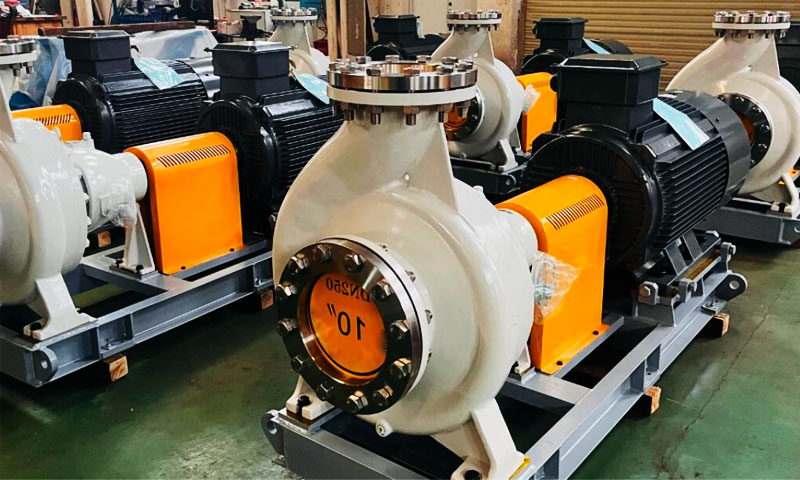
- Помпа корпусаў і клапанаў
- Картэры рэдуктараў і кранштэйны
- Трубаправодная арматура і фланцы
- Запчасткі для сельскагаспадарчай тэхнікі
- Марская тэхніка
- Прамысловыя адліўкі на заказ
- Буйныя структурныя кампаненты
9. Якая будучыня пясчанага ліцця?
Будучыня пясчанага ліцця вызначаецца трыма асноўнымі сіламі: лічбавізацыя, адытыўная вытворчасць, і ўстойлівасць.
Апошнія агляды паказваюць рост выкарыстання мадэлявання, лічбавыя працоўныя працэсы, і 3D-друкаваныя формы і стрыжні з пяску, што можа ліквідаваць шаблоны і асноўныя скрынкі, адначасова палягчаючы выраб складаных геаметрычных формаў.
У той жа час, устойлівасць становіцца дызайнерскім абмежаваннем, а не маркетынгавым слоганам.
Ліцейныя даследаванні і галіновыя крыніцы адзначаюць зрух да сістэм злучных з меншым узроўнем выкідаў, зніжэнне выкарыстання небяспечных хімічных рэчываў, і паляпшэнне метадаў меліярацыі пяску.
Гэта важна, таму што хімічны склад злучнага ўплывае як на выкіды, так і на апрацоўку адходаў, і таму, што больш экалагічныя звязальныя рэчывы могуць знізіць нагрузку на наступнае лячэнне.
Найбольш верагодная будучыня - гэта не знікненне традыцыйнага пясчанага ліцця, але яго ператварэнне ў больш гібрыдны і кіраваны дадзенымі працэс.
У той мадэлі, звычайнае ліццё ўсё яшчэ мае значэнне, але гэта ўсё больш падтрымліваецца адытыўнай прыладай, палепшаная хімія злучнага, лічбавы агляд, і кіраванне працэсам з дапамогай мадэлявання.
10. Высакаякасныя паслугі пясчанага ліцця ў Кітаі: Ліцейны завод DEZE
Гэтае Ліцейная прапануе індывідуальныя паслугі па ліцці ў пясок, распрацаваныя для шырокага спектру прамысловых прадпрыемстваў, структны, і дакладных вытворчых прыкладанняў.
Абапіраючыся на моцныя магчымасці ў дызайне прэс-формаў, распрацоўка ўзору, падрыхтоўка пясочнай формы, заліванне металу, ачыстка пасля ліцця, апрацоўванне, і аздабленне паверхні,
Гэтае пастаўляе літыя кампаненты са складанай геаметрыяй, надзейныя габарытныя паказчыкі, стабільнае якасць, і чысты, прафесійны выгляд.
Ад праверкі прататыпа да дробнасерыйных заказаў і буйнасерыйнай вытворчасці, Гэтае падтрымлівае эканамічна эфектыўную распрацоўку дэталяў, эфектыўная інтэграцыя кампанентаў, хуткі паварот, і паслядоўная паўтаральнасць пры складаных патрабаваннях праекта.
11. Conclusion
Ліццё ў пясок застаецца адным з найважнейшых працэсаў ліцця металу, таму што яно адаптуецца, эканамічна прывабным, і тэхнічна шырокі.
Яго сіла заключаецца ў яго здольнасці вырабляць вялікія і складаныя дэталі без цяжкіх інструментаў, звязаных з выкарыстаннем метадаў высокага ціску або пастаяннай формы..
Яго слабасць заключаецца ў параўнальна шурпатай паверхні, больш свабоднае акно талерантнасці, і адчувальнасць да дысцыпліны працэсу.
Глядзець з сучаснай інжынернай перспектывы, ліццё ў пясок не з'яўляецца састарэлым запасным варыянтам.
Гэта сталы, вельмі гнуткая вытворчая платформа, будучыня якой пашыраецца дзякуючы лепшым злучным матэрыялам, simulation, адытыўныя стрыжні і формы, і больш моцныя практыкі ўстойлівага развіцця.
Працэс выжывае, таму што ён усё яшчэ вырашае рэальную прамысловую праблему: як эканамічна вырабляць карысныя металічныя дэталі, калі геаметрыя складаная і аб'ём не апраўдвае дарагога цвёрдага інструмента.
FAQ
У чым галоўная перавага пясчанага ліцця?
Яго галоўная перавага - гнуткасць. Ён можа вырабляць вялікія або складаныя дэталі з адносна нізкай коштам інструмента і з многіх металічных сплаваў.
Чаму адліўкі з пяску больш грубыя, чым іншыя адліўкі?
Таму што форма зроблена з грануляванага пяску, а не з цвёрдай сталёвай паражніны або тонкай керамічнай абалонкі, рэплікацыя паверхні менш дакладная, і потым часта патрабуецца механічная апрацоўка.
У чым розніца паміж зялёным пяском і пяском з хімічнай сувяззю?
Зялёны пясок выкарыстоўвае гліну і ваду ў якасці злучнай сістэмы, у той час як хімічна звязаны пясок выкарыстоўвае звязальныя смалы і часта лепш для стрыжняў і складаных формаў.
Ліццё ў пясок па-ранейшаму актуальна ў сучасным вытворчасці?
Так. Ён па-ранейшаму шырока выкарыстоўваецца і мадэрнізуецца з дапамогай лічбавага мадэлявання, адытыўная вытворчасць форм і стрыжняў, і больш устойлівыя злучныя сістэмы.