1. Уводзіны
Ліццё ў зялёны пясок - адзін з найстарэйшых і да гэтага часу адзін з найбольш шырока выкарыстоўваных метадаў ліцця металаў у прамысловасці.
Ён застаецца галоўным у ліцейнай вытворчасці, таму што з'яўляецца эканамічна эфектыўным, адаптыўны, механізуецца, і здольны вырабляць як невялікія дакладныя адліўкі, так і вялікія адліўкі ў некалькі тон.
Сучасныя ліцейныя спасылкі апісваюць зялёны пясок як зварачальны, шматразовая фармовачная сістэма, якая можа прымяняцца да чорных і каляровых сплаваў, у тым ліку алюміній, медныя сплавы, магній, шэры чыгун, і пластычнае жалеза.
Ліццё ў зялёны пясок - гэта не проста традыцыйны працэс; гэта высокаэфектыўная прамысловая платформа, якая захоўвае сваю актуальнасць менавіта дзякуючы сваёй эканамічнай і тэхнічнай збалансаванасці.
2. Што такое ліццё з зялёнага пяску?
Зялёны пясчанае ліццё гэта працэс фармавання, у якім пясчаная сумесь, якая змяшчае крэмневы пясок, бентанітавых гліны, вада, а часам і вугляродныя дабаўкі набіваецца вакол шаблону для стварэння паражніны формы.
Слова «зялёны» робіць не азначае, што пясок насамрэч зялёнага колеру. Гэта азначае, што цвіль выкарыстоўваецца ў вільготным стане, незапечаны стан.
Менавіта вільгаць надае пясчанай сістэме характэрную пластычнасць і ўшчыльняльнасць.
Добра падрыхтаваная форма з зялёнага пяску павінна дасягнуць далікатнага балансу.
Ён павінен быць дастаткова трывалым, каб трымаць форму падчас апрацоўкі і залівання, досыць сітаватая для выхаду газаў, і досыць складаны, каб можна было зняць адліўку пасля застывання.
Гэтая камбінацыя патрабаванняў з'яўляецца тэхнічнай прычынай таго, што працэс застаецца цікавым: гэта проста ў прынцыпе, але моцна залежыць ад кантролю матэрыялаў і дысцыпліны працэсу.

Асаблівасці
Ліццё з зялёнага пяску мае некалькі адметных асаблівасцяў:
- Форма выраблена з а шматразовая пясочная сістэма а не печаная керамічная або металічная плашка.
- Ліццёвая сістэма абапіраецца на крэмневы пясок, бентанітавых гліны, і вільгаці для трываласці і пластычнасці.
- Працэс падтрымлівае як ручное фармаванне, так і буйнасерыйнае механізаванае фармаванне.
- Ён падыходзіць для чорных і каляровых сплаваў, у тым ліку жалеза, алюміній, і медных сплаваў.
3. Тыповы склад зялёнага пяску
| Кампанент | Тыповы дыяпазон | Асноўная функцыя | Тэхнічная запіска |
| Крэмневы пясок | 85–95% | Вогнетрывалы каркас формы | Забяспечвае першасную тэрмаўстойлівасць цела. |
| Гліна бентаніта | каля 8–10% | Падшыўка | Стварае ліпкую гліняную плёнку, якая злучае пясчынкі. |
| Вада | каля 2–5% | Актыватар / пластыфікатар | Неабходны для кампактнасці і экалагічнай трываласці; занадта шмат ці занадта мала пашкоджвае прадукцыйнасць формы. |
| Вугляродзістыя дабаўкі / марскога вугалю | да каля 5% | Абарона паверхні | Дапамагае паменшыць пранікненне металу, апёк, і пашкоджанне паверхні, асабліва ў чыгунным ліцці. |
4. Як працуе працэс

Падрыхтоўка выкрайкі
Працэс пачынаецца з узору, які адлюстроўвае форму канчатковай адліўкі.
Выкрайка распрацавана з прыпускамі на асадку і памеры, каб форму можна было выняць без празмерных пашкоджанняў, а канчатковая адліўка магла адпавядаць патрабаванаму памеру пасля ўліку ўсаджвання пры застыванні.
Гэта адна з практычных прычын таго, што распрацоўка формаў з зялёнага пяску застаецца тэхнічнай дысцыплінай, а не простай аперацыяй упакоўкі.
Падрыхтоўка пяску
Пяшчаную сумесь рыхтуюць шляхам змешвання сілікатнага пяску з бентанітам, вада, і любыя дадатковыя дадаткі.
Мэта складаецца ў тым, каб дасягнуць раўнамернага размеркавання гліны і вільгаці, каб пясчынкі трывала злучаліся, а форма раўнамерна ўшчыльнялася.
Даследаванні зялёнага пяску неаднаразова паказваюць, што ўтрыманне гліны, вільготнасць, якасць змешвання, і ўшчыльняльнасць моцна ўплываюць на канчатковыя ўласцівасці формы, такія як трываласць і пранікальнасць у сырам выглядзе.
Фармоўка і падрыхтоўка стрыжня
Пясок ўтрамбоўваюць або фармуюць машынай вакол малюнка, затым малюнак здымаецца, каб пакінуць паражніну формы.
Там, дзе патрэбныя ўнутраныя паражніны, можна ўставіць стрыжні, хоць зялёны пясок часцей асацыюецца з цвіллю, чым са складанымі сістэмамі ядра.
Заліванне і застыванне
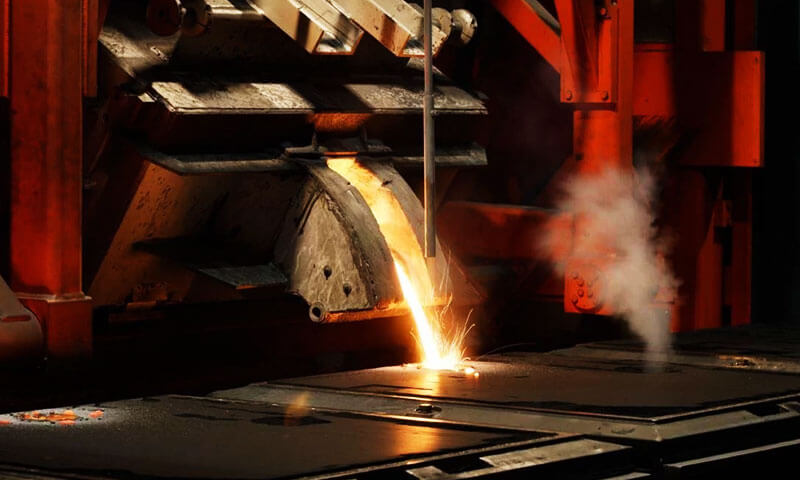
Расплаўлены метал заліваецца ў гатовую форму. Падчас гэтага этапу, форма павінна вытрымліваць тэрмічнае ўздзеянне, дазволіць газам выйсці, і захоўваюць дастатковую трываласць да застывання металу.
Выкарыстанне вугляродных дабавак можа дапамагчы стварыць аднаўляльнае асяроддзе на паверхні і паменшыць прыгаранне або пранікненне металу, асабліва ў чыгунным ліцці.
Устрэсванне і рэкультывацыя
Пасля застывання, адліўка выдаляецца, а выкарыстаны пясок вяртаецца для паўторнага выкарыстання.
Гэта аднаўляльнасць з'яўляецца адным з найбольш важных практычных пераваг працэсу. Шматразовы характар зялёнага пяску спрыяе яго эканамічнай і экалагічнай прывабнасці.
5. Асноўныя тэхнічныя ўласцівасці, якія вызначаюць якасць адліўкі
Якасць ліцця ў зялёны пясок не вызначаецца адной зменнай.
Гэта вынік цесна звязанай сістэмы, у якой хімія пяску, вільгаць, кампактнасць, пранікальнасць, структура збожжа, звязальная актыўнасць, і цеплавыя паводзіны усе ўзаемадзейнічаюць падчас падрыхтоўкі формы і залівання.
Зялёная сіла
Зялёная сіла - гэта сіла цвілі ў вільготным стане, свежеприготовленный стан.
Ён вызначае, ці можа форма перажыць зняцце малюнка, апрацоўка цвілі, ўстаўка стрыжня, і механічнае напружанне залівання.
Калі зялёная трываласць занадта нізкая, цвіль можа разбурыцца, дэфармаваць, або раз'ядаць. Калі яна занадта высокая, форма можа стаць празмерна жорсткай і страціць здольнасць правільна разбурацца пасля застывання.
Гэта ўласцівасць асабліва важна ў аўтаматызаваных фармовачных лініях, куды трэба перамяшчаць формы, заціскаў, або ўкладваюць перад заліваннем.
Моцная зялёная трываласць павышае надзейнасць кіравання, але ён заўсёды павінен быць збалансаваны супраць пранікальнасці і разбуральнасці.
Пранікальнасць
Пранікальнасць апісвае, наколькі лёгка газ можа праходзіць праз пясчаную форму.
Гэта адна з самых важных уласцівасцей ліцця з зялёнага пяску, таму што форма ўтрымлівае вільгаць, і вільгаць непазбежна вырабляе пар пры ўздзеянні расплаўленага металу.
Калі пранікальнасць занадта нізкая, газы не могуць выйсці досыць хутка, і такія дэфекты, як дзіркі, дзіркі, і можа з'явіцца газавая сітаватасць.
Цвіль з высокай пранікальнасцю лягчэй выходзіць, але празмерная пранікальнасць можа знізіць якасць паверхні або аслабіць корпус формы.
Лепшы дызайн формы знаходзіць баланс: дастатковая вентыляцыя для бяспечнай залівання і дастатковая кампактнасць для стабільнасці памераў.
Кампактнасць
Ушчыльняльнасць адносіцца да таго, наколькі добра пясчаная сумесь упакоўваецца пад ціскам фармавання. Гэта практычны паказчык таго, ці будзе сістэма пяску ствараць форму з пастаянным профілем шчыльнасці.
Пяшчаная сумесь з дрэннай ўшчыльненнем можа ўтварыць слабыя зоны, нераўнамерная цвёрдасць, або неадпаведная аздабленне паверхні.
Празмернае ўшчыльненне можа стварыць адваротную праблему: зніжэнне пранікальнасці і больш цяжкае адыходжанне газу.
Таму што ўшчыльняльнасць адлюстроўвае тое, як пясок рэагуе на энергію фармавання, гэта адзін з самых карысных цэхавых індыкатараў для штодзённага кантролю.
Гэта дапамагае ліцейнаму цэху зразумець, ці будзе пясок паводзіць сябе аднолькава ад адной формы да другой.
Утрыманне вільгаці
Вільгаць - адна з самых адчувальных зменных ва ўсім працэсе. Ён актывуе звязальнае рэчыва гліны, робіць сумесь дастаткова пластычнай для фармавання, і непасрэдна спрыяе зялёнай сіле.
Але ён таксама стварае пар падчас залівання, таму колькасць трэба старанна кантраляваць.
Занадта мала вільгаці робіць пясок недастатковым і ломкім.
Занадта шмат вільгаці зніжае пранікальнасць, павялічвае газаўтварэнне, і можа вырабляць больш мяккую форму з дрэннай стабільнасцю памераў.
Ліццё з зялёнага пяску, вільгаць - гэта не проста ўваходны фактар працэсу; гэта адзін з асноўных фактараў, якія вызначаюць якасць канчатковага ліцця.
Змест гліны і актыўнасць злучнага
Глінянае звязальнае рэчыва, звычайна бентаніт, стварае сетку, якая ўтрымлівае пясчынкі разам.
Утрыманне гліны павінна быць дастаткова высокім, каб забяспечыць трываласць, але не настолькі высока, каб форма стала занадта шчыльнай, занадта ліпкі, або занадта цяжка вярнуць.
Калі сістэма гліны высільваецца або не працуе, пясок губляе характарыстыкі, нават калі намінальны склад здаецца прымальным.
Такім чынам, актыўнасць злучнага рэчыва гэтак жа важная, як і яго колькасць.
Дзве пясчаныя сістэмы з аднолькавым працэнтным утрыманнем гліны могуць паводзіць сябе па-рознаму, калі ў адной больш свежая, больш актыўная гліна, а іншая мае тэрмічнаму пашкоджанае або дрэнна дысперснае звязальнае.
Зярністасць і зярністасць
Памер збожжа ўплывае як на аздабленне паверхні, так і на пранікальнасць. Дробны пясок звычайна стварае больш гладкую паверхню адліўкі, у той час як больш буйны пясок спрыяе лепшай вентыляцыі.
Раўнамернае размеркаванне збожжа таксама мае значэнне, таму што нерэгулярны памер збожжа можа выклікаць лакальныя адрозненні ўпакоўкі, нераўнамерная пранікальнасць, і неадпаведная трываласць формы.
Па гэтай прычыне, ліцейныя заводы не ацэньваюць памер зярністасці ізалявана.
Яны вывучаюць поўнае размеркаванне збожжа, таму што гэта ўплывае на тое, як форма паводзіць сябе пры ўшчыльненні, ацяпленне, і паток металу.
Добра збалансаваная сістэма збожжа паляпшае якасць і паўтаральнасць працэсу.
Цеплавая ўстойлівасць
Форма павінна захоўваць дастатковую цэласнасць падчас залівання, каб супрацьстаяць цеплавому ўздзеянню расплаўленага металу.
Тэрмастойкасць залежыць ад пясчанага шкілета, гліняная сувязь, ўзровень вільготнасці, і любыя вугляродныя дабаўкі.
Калі цеплавая стабільнасць слабая, цвіль можа размыцца, расколіна, або апёк пры кантакце з патокам металу.
У вытворчасці чыгуну, тэрмічная ўстойлівасць асабліва важная, таму што высокія тэмпературы залівання і працяглае тэрмічнае ўздзеянне могуць выклікаць значную нагрузку на форму. Мэта - трывалая, але дыхаючая форма.
Зборнасць
Пасля застывання, форма павінна досыць лёгка разбурацца, каб можна было зняць адліўку і мінімізаваць рэшткавае напружанне ў дэталі. Гэта ўласцівасць называецца разборнасцю.
Гэта вельмі важна, таму што занадта жорсткая форма пасля залівання можа стрымліваць ўсаджванне і спрыяць гарачаму разрыву, скажэнне, або цяжкая вытрасенне.
Зялёны пясок цэніцца менавіта таму, што ў зялёным стане яго можна зрабіць трывалым, а потым разваліцца пасля ўздзеяння цяпла.
Гэта падвойнае паводзіны - адна з самых моцных бакоў працэсу.
6. Агульныя дэфекты і рызыкі кантролю якасці
Выдувы і газавая сітаватасць
Бо зялёны пясок змяшчае вільгаць, падчас залівання могуць утварацца газы. Калі пранікальнасць або вентыляцыя недастатковыя, могуць узнікнуць дзіркі і газавая сітаватасць.
Такім чынам, баланс вільгаці з'яўляецца адной з першых зменных, якія неабходна кантраляваць.
Пясочнае ўключэнне
Уключэнні пяску ўзнікаюць, калі пясок у форме або стрыжневы пясок трапляе ў паверхню або паражніну адліўкі.
Яны часта звязаны са слабымі ўчасткамі цвілі, эрозія, або няправільны строб і можа пагоршыць знешні выгляд і функцыянальную якасць.
Дэфекты ўсаджвання
Калі кармленне і застыванне не кантралююцца, усаджвальная сітаватасць можа ўтварыцца, калі метал сціскаецца падчас астуджэння.
Ліццё з зялёнага пяску, кантроль цвілі і металургіі павінны працаваць разам, каб паменшыць гэты рызыка.
Прыгаранне і пранікненне металу
Пры больш высокіх тэмпературах залівання, расплаўлены метал можа пранікаць у паверхню пяску або апякацца ў яе, стварэнне прыгараюць дэфектаў.
Вугляродныя дабаўкі дапамагаюць паменшыць гэта за кошт паляпшэння ўзаемадзеяння формы і металу.
Цвіль раздушыць / эрозія
Калі трываласць формы занадта нізкая, цвіль можа раздушыцца або размыцца падчас залівання, пашкоджваючы памеры і аздабленне паверхні.
Вось чаму зялёная трываласць і кампактнасць павінны кантралявацца ў тандэме.
7. Што адбываецца з пяском пасля адліўкі?
Пасля вытраскі, пясок не проста застаецца ў ранейшым стане. Цяпло, якое перадаецца падчас ліцця, пагаршае бентанітавае злучнае і змяняе структуру пяску.
Даследаванні паказваюць, што выкарыстаны зялёны пясок можа ўтрымліваць актыўную гліну, слаба звязаная мёртвая гліна, моцна звязаная спечаная гліна, і высокатэмпературных фаз; толькі слаба звязаныя часткі можна лёгка выдаліць простым механічным сціраннем.
Для эфектыўнай рэкультывацыі можа спатрэбіцца больш агрэсіўнае сціранне або хімічная апрацоўка.
Вось чаму меліярацыя з'яўляецца такой важнай часткай практыкі зялёнага пяску.
Ліцейны пясок - не аднаразовы матэрыял; ён прызначаны для аднаўлення, адноўлены, і выкарыстоўваецца паўторна.
У той жа час, частка выкарыстанага пяску ў канчатковым выніку выкідваецца або перанакіроўваецца на іншыя мэты.
Адна з крыніц адзначае, што каля 9 да 10 мільёнаў тон ліцейнага пяску выкідваецца кожны год, у той час як іншы адзначае, што частка паўторна выкарыстанага ліцейнага пяску перанакіроўваецца на прымяненне, звязанае з будаўніцтвам.
Карацей кажучы, пясок пасля адліўкі становіцца перапрацаваным тэхналагічным матэрыялам, паўторнае выкарыстанне якога залежыць ад таго, наколькі моцна злучнае было тэрмічна пашкоджана і наколькі добра пясок можа быць адноўлены.
8. Перавагі і абмежаванні ліцця з зялёнага пяску
Перавагі
Адліўка з зялёнага пяску прывабная, таму што яна ёсць недарагі, шырока даступныя, шматразовы, і падыходзіць для многіх металаў і памераў дэталяў.
Ён можа падтрымліваць адліўкі як з чорных, так і з каляровых металаў, і гэта можа быць механізавана для вытворчасці вялікіх аб'ёмаў.
Паўторнае выкарыстанне ліцейнага пяску таксама робіць працэс эканамічным і экалагічна эфектыўным у параўнанні з многімі сістэмамі, якія не падлягаюць рэгенерацыі.
Абмежаванні
Працэс таксама мае выразныя межы. Ён вельмі адчувальны да вільгаці, кампактнасць, і злучнага стану, і яго допускі і аздабленне, як правіла, не такія моцныя, як у больш спецыялізаваных сістэмах формы.
Гэта таксама патрабуе актыўнага кантролю пяску, таму што аднаўляльныя звязальныя рэчывы руйнуюцца пасля ўздзеяння цяпла.
Гэта азначае, што ліццё з зялёнага пяску эканамічнае, але гэта не даруе дрэнную тэхналагічную дысцыпліну.

9. Тыповыя сферы прымянення ліцця з зялёнага пяску
Ліццё з зялёнага пяску выкарыстоўваецца як для чорных, так і для каляровых металаў, у тым ліку з шэрага чыгуну, пластычнае жалеза, Алюмініевыя сплавы, медныя сплавы, і магніевых сплаваў.
Асабліва гэта важна ў вытворчасці чыгуну, але яго прымяненне шырэй, чым многія мяркуюць.
| Вобласць прымянення | Тыповыя часткі | Чаму падыходзіць зялёны пясок |
| Аўтамабільны | Картэры рухавікоў, кранштэды, дэталі, звязаныя з трансмісіяй, процівагу, і агульнае адліванае абсталяванне. | Добра падыходзіць для сярэдняга і буйнога вытворчасці, дзе кошт і гнуткасць маюць значэнне. |
| Прамысловыя машыны | Корпусы помпаў, Машынныя базы, вокладкі, Целы клапана, і карпусоў. | Падтрымлівае вялікія і сярэднія адліўкі і шырокі спектр сплаваў. |
| Ліцейныя работы па вытворчасці чорных металаў | Часткі з шэрага і каванага чыгуну. | Зялёны пясок асабліва добра зарэкамендаваў сябе для чыгуннага ліцця. |
| Адліўкі з каляровых металаў | Алюміній, медны сплаў, і магніевага ліцця. | Падыходзіць для ліцця як з чорных, так і з каляровых металаў. |
| Агульнае машынабудаванне | Адлітыя дэталі на заказ, прататыпы, і аднаразовыя прамысловыя кампаненты. | Нізкі кошт інструмента і шырокая гнуткасць формы. |
10. Кастынг з зялёнага пяску супраць. Іншыя маршруты кастынгу
| Аспект параўнання | Зялёны пясок ліццё | Ліццё з пясчанай смалы | Інвестыцыйнае ліццё | Пастаянная цвіль |
| Тып цвілі | Форма з вільготнага пяску з выкарыстаннем кварцовага пяску, бентанітавых гліны, і вада. | Пясочная форма з хімічнай сувяззю з выкарыстаннем смалы ў якасці злучнага. | Форма з керамічнай абалонкі, сфарміраваная вакол васковага малюнка. | Шматразовая металічная форма, звычайна сталь або жалеза. |
| Сіла ядра | Умераная зялёная сіла, моцна залежыць ад вільготнасці і ўшчыльнення. | Больш высокая трываласць формы і стрыжня, чым зялёны пясок, з лепшай стабільнасцю памераў. | Вельмі высокая дакладнасць дэталізацыі, але тонкія керамічныя абалонкі патрабуюць ўважлівага кантролю працэсу. | Моцная калянасць формы і добрая паўтаральнасць. |
| Аздабленне паверхні | Умераны; у цэлым складаней, чым астатнія тры маршруты. | У многіх выпадках лепш, чым зялёны пясок. | Лепшая аздабленне паверхні сярод чатырох. | Лепш, чым зялёны пясок, часта дастаткова добра для многіх функцыянальных частак. |
Дакладнасць памераў |
Умераны; падыходзіць для многіх адлівак агульнага прызначэння. | Лепш, чым зялёны пясок, асабліва для больш складаных або дакладных формаў. | Высокі; добра падыходзіць для дробных дэталяў і больш блізкіх допускаў. | Добры; больш устойлівы і паўтаральны, чым зялёны пясок. |
| Геаметрычная свабода | Вельмі высокі, асабліва для вялікіх або заказных частак. | Вельмі высокі, часта выкарыстоўваецца для больш складаных формаў, чым зялёны пясок. | Вельмі высокі, асабліва для складаных і падрабязных частак. | Умераны; абмежаваны канструкцыяй формы для шматразовага выкарыстання. |
| Кошт інструментаў | Нізкі. | Умераны. | Вышэйшы. | Умераны да высокага. |
| Аб'ём вытворчасці | Вельмі гнуткі, ад нізкай да высокай гучнасці. | Часта выкарыстоўваецца для малога і сярэдняга аб'ёму або больш якаснага пясчанага ліцця. | Лепш за ўсё падыходзіць для дакладных дэталяў малога і сярэдняга аб'ёму. | Лепшы для сярэдняга аб'ёму і шматразовай вытворчасці. |
Тыповыя дэфекты |
Газавыя дэфекты, ўключэнне пяску, апёк, цвіль руйнуецца, калі кантроль дрэнны. | Пытанні, звязаныя з газам, звязаныя з злучным дэфекты, і праблемы, звязаныя з меліярацыяй. | Парэпанне абалонкі, дэфекты, звязаныя з ўсаджваннем, і адчувальнасць працэсу. | Не працуе, ўсаджвацца, і цеплавыя праблемы, звязаныя з матрыцай. |
| Паўторнае выкарыстанне пяску | Выдатна шматразовы і аднаўляльны. | Меліярацыя магчымая, але больш складаная, чым зялёны пясок. | Не працэс паўторнага выкарыстання пяску ў тым жа сэнсе; матэрыял абалонкі расходны. | Няма праблемы паўторнага выкарыстання пясчанай формы; цвіль пастаянная. |
| Лепш за ўсё падыходзіць для | Адчувальныя да выдаткаў агульныя адліўкі, буйныя часткі, і рознабаковай вытворчасці. | Ліццё з пяску большай трываласці, палепшаная стабільнасць, і лепшая якасць паверхні. | Дакладныя дэталі са складанымі дэталямі і лепшымі патрабаваннямі да паверхні. | Дэталі сярэдняга аб'ёму патрабуюць лепшай паўтаранасці і аздаблення, чым зялёны пясок. |
11. ГЭТА паслугі па ліцці пяску
Ліцейны завод DEZE прадастаўляе высакаякасныя паслугі па ліцці ў пясок з улікам шырокага дыяпазону прамысловасці, структны, і прыстасаванні для вырабу на заказ.
З вялікімі магчымасцямі ў ліцці з зялёнага пяску і ліцця з пяску, Гэтае можа вырабляць металічныя кампаненты са складанай геаметрыяй, надзейныя механічныя характарыстыкі, добрая кансістэнцыя памераў, і якасць цвёрдай паверхні.
Ад распрацоўкі прататыпа да вытворчасці малых аб'ёмаў і вялікіх серый, паслуга прызначана для падтрымкі эканамічна эфектыўнага стварэння дэталяў, шырокая сумяшчальнасць матэрыялаў, гнуткасць канструкцыі, і стабільная паўтаральнасць для розных ліцейных сплаваў.
12. Conclusion
Ліццё з зялёнага пяску - праверанае часам, эканамічна эфектыўным, і тэхналогія фармавання з пяску з высокай перапрацоўкай.
Складаецца з крэмневага пяску, бентанітавых, вада, і вугляродныя дабаўкі, невысохшая форма з зялёнага пяску адрозніваецца простай падрыхтоўкай, нізкі кошт матэрыялу, і выдатная разборкасць.
Са стандартызаваным кантролем вільготнасці, пранікальнасць, і трываласць на сціск, вытворцы могуць стабільна вырабляць кваліфікаваныя адліўкі на аснове жалеза для аўтамабільнай прамысловасці, механічны, і камунальнай прамысловасці.
У будучыні, ліццё з зялёнага пяску будзе развівацца ў напрамку інтэлектуальнага выяўлення пяску, аўтаматычнае фармаванне, і перапрацоўка без пылу.
Перадавыя лічбавыя сістэмы маніторынгу стабілізуюць параметры пяску і знізяць памылкі ўручную.
Для прамысловых інжынераў, разумны выбар працэсу вельмі важны: выбірайце ліццё з зялёнага пяску для буйнасерыйнага ліцця з нізкай дакладнасцю, і выкарыстоўваць смаляны пясок або ліццё па выплавляемым мадэлям для складаных кампанентаў з высокай талерантнасцю.
З разумнай аптымізацыяй параметраў і строгім кантролем якасці, ліццё з зялёнага пяску захавае сваё незаменнае дамінуючае становішча ў сусветнай базавай ліцейнай прамысловасці.
FAQ
Зялёны пясок - тое ж самае, што і звычайны пясок?
Ніякі. Зялёны пясок - гэта сістэма ліцця для ліцця, вырабленая з крэмневага пяску, гліна, вада, і дабаўкі. Ён распрацаваны для трываласці, пранікальнасць, і паводзіны калапсу.
Чаму гэта называецца «зялёным» пяском?
«Зялёны» азначае, што цвіль выкарыстоўваецца ў вільготным выглядзе, незапечаны стан, не тое што ён зялёнага колеру.
Якія металы можна адліць у зялёны пясок?
Выкарыстоўваецца для ліцця з чорных і каляровых металаў, у тым ліку жалеза, алюміній, медныя сплавы, і магніевых сплаваў.
Што з'яўляецца самай вялікай праблемай якасці пры ліцці з зялёнага пяску?
Кантроль вільгаці і ўшчыльнення з'яўляюцца аднымі з найбольш важных праблем, таму што яны ўплываюць на зялёную трываласць, пранікальнасць, і адукацыю дэфектаў.
Што адбываецца з пяском пасля зняцця адліўкі?
Пясок рэгенеруецца і аднаўляецца, калі гэта магчыма, але структура злучнага рэчыва змяняецца пад уздзеяннем цяпла і можа запатрабаваць сцірання або дадатковай апрацоўкі перад паўторным выкарыстаннем.