
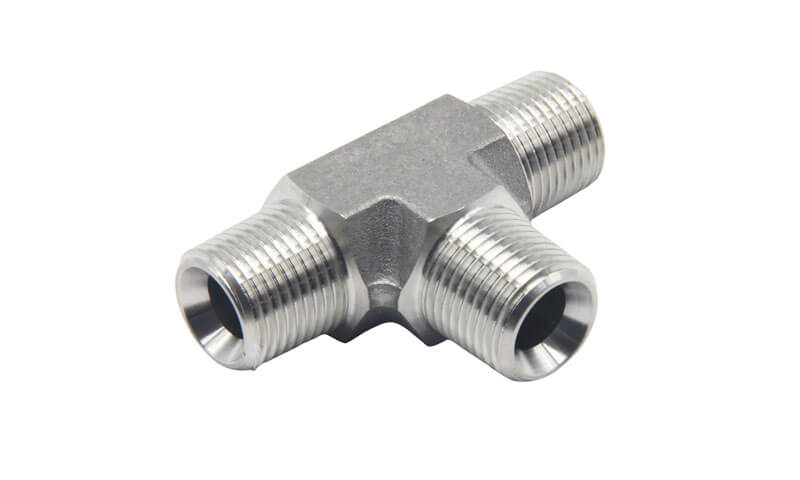
А трайнік з нержавеючай сталі гэта трохпортавы фітынг, прызначаны для падзелу, камбінаваць, або перанакіроўваць паток вадкасці ў трубаправоднай сістэме.
У адрозненне ад простага ўчастка трубы, трайнік павінен аб'ядноўваць тры праточныя каналы ў адно цела, якое змяшчае ціск, захоўваючы пры гэтым дастатковую механічную трываласць, кантраляваная таўшчыня сценак, dimensional accuracy, і надзейнае злучэнне з суседнімі трубаправодамі.
У патрабавальных прыкладаннях, геаметрыя разгалінавання таксама ўплывае на размеркаванне патоку, лакальная канцэнтрацыя напружання, страта ціску, і доўгатэрміновая надзейнасць службы.
Для складаных індывідуальных траякоў, Інвестыцыйнае ліццё (восковае ліццё) забяспечвае эфектыўны спосаб прайгравання трохмернага злучэння паміж праходамі і адгалінаваннямі, захоўваючы пры гэтым корпус як інтэграваную адліўку.
Ліццё ўсталёўвае агульную геаметрыю канструкцыі, у той час як апрацоўка з ЧПУ можа пасля вырабляць разьбу, свідравіны, ўшчыльненне паверхняў, памеры разеткі, і іншыя функцыянальныя інтэрфейсы з неабходнымі допускамі.
1. Што такое трайнік з нержавеючай сталі?
А трайнік з нержавеючай сталі - гэта трохбаковая трубаправодная арматура з адным галоўным каналам і адным адводам, якія перасякаюцца ў кантраляванай геаметрыі.
Ён выкарыстоўваецца для падзелу патоку вадкасці ў двух кірунках, аб'яднаць два патокі ў адзін, або забяспечыць падлучэнне адгалінавання да іншага ўчастка трубаправоднай сістэмы.
Тры адтуліны звычайна называюць двума канцамі бегчы і галіна. У роўным трайніку, тры памеры злучэння намінальна аднолькавыя. У трайніку рэдукцыйнага, галіна або адзін бок прагону мае меншы дыяметр.
Таму што тры праходы перасякаюцца ў адносна кампактным целе, стык больш тэхнічна патрабавальны, чым фітынг з прамой трубой.
Вытворца павінен адначасова кантраляваць геаметрыю ўнутранага праходу, таўшчыня вонкавай сценкі, матэрыяльная грунтоўнасць, і злучальныя памеры.
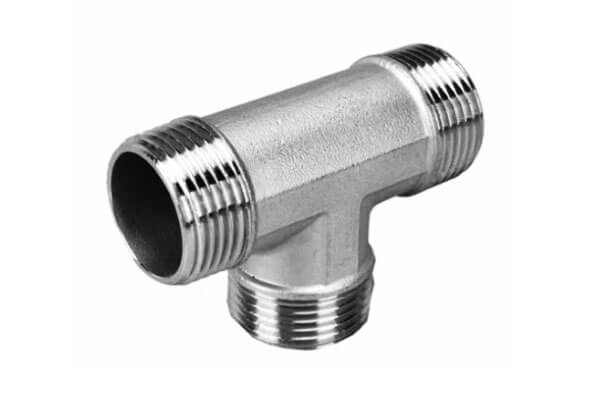
2. Матэрыяльная інжынерыя & Металургія
Выбар матэрыялу мае асноватворнае значэнне для выканання заказу з нержавеючай сталі трайнік, таму што фітынг павінен адначасова вытрымліваць ўнутраны ціск, карозія, тэмпература, механічная нагрузка, і ўмовы вытворчасці ліцця па выплавляемым мадэлям.
Аўстэнітныя нержавеючыя сталі: Cf8, Cf8m, Cf3, і CF3M
Нержавеючая сталь CF8
ASTM A351 CF8 - гэта літая аўстэнітная нержавеючая сталь, якая ў цэлым адпавядае каванай сталі 304 з нержавеючай сталі.
Як правіла, ён змяшчае прыблізна 18–21 мас.% хрому і 8–11 мас.% нікеля, з вугляродам, абмежаваным прыблізна 0.08 мас.% максімум.
CF8 забяспечвае добрую агульную ўстойлівасць да карозіі, вынослівасць, і кастальнасць, што робіць яго прыдатным для вады, пара, харчовай прамысловасці, і многія агульныя прамысловыя вадкасныя сістэмы.
Нержавеючая сталь CF8M
ASTM A351 CF8M гэта адліваная марка тыпу 316 і звычайна змяшчае прыбл 18–21 мас.% хрому, 9–12 мас.% нікеля, і 2-3 мас.% малібдэна.
Даданне малібдэна павышае ўстойлівасць да лакальнай карозіі, асабліва кропкавай і шчыліннай карозіі, у многіх асяроддзях, якія змяшчаюць хларыды.
Таму CF8M шырока разглядаецца там, дзе хімічнае ўздзеянне, марскія ўмовы, або патрабуецца больш патрабавальнае абслугоўванне вадкасці.
Для зварных або адрамантаваных вузлоў, маркі з нізкім утрыманнем вугляроду CF3 і CF3M можа забяспечыць важную металургічную перавагу.
Іх утрыманне вугляроду, як правіла, абмежавана 0.03 мас.% максімум, памяншэнне тэндэнцыі да выпадзення карбіду хрому на межах зерняў падчас тэрмічнага ўздзеяння.
Гэта дапамагае знізіць рызыку сенсібілізацыі і звязанай з ёй міжкрысталічнай карозіі, асабліва вакол зварных абласцей.
Дуплексная і супердуплексная нержавеючая сталь
Калі трайнік з нержавеючай сталі падвяргаецца ўздзеянню высокай канцэнтрацыі хларыду, марская вада, афшорныя асяроддзя, або патрабавальныя ўмовы ціску і тэмпературы, дуплексная нержавеючая сталь можа забяспечыць карыснае спалучэнне трываласці і ўстойлівасці да карозіі.
Дуплекс 2205 З нержавеючай сталі
Дуплекс 2205, звычайна ідэнтыфікуецца па ЗША S32205 і звязаны клас ліцця CD3MN, змяшчае змешаную ферыта-аўстэнітную мікраструктуру, як правіла, арыентаваны на збалансаванае суадносіны фаз пасля адпаведнай апрацоўкі растворам.
Гэтая двухфазная структура забяспечвае сплаву значна большы мяжа цякучасці, чым звычайная аўстэнітная літая нержавеючая сталь, захоўваючы пры гэтым моцную ўстойлівасць да звязаных з хларыдамі механізмаў карозіі.
У параўнанні з CF8M, 2205 можа забяспечыць прыкладна ўдвая большую мяжу цякучасці, у залежнасці ад прыдатнай спецыфікацыі прадукту і ўмоў тэрмічнай апрацоўкі.
Ён таксама забяспечвае добрую ўстойлівасць да хларыднага каразійнага расколіны, аплавоў, і шчыліннай карозіі.
Супер дуплекс 2507 З нержавеючай сталі
Супер дуплекс 2507, звычайна абазначаецца ЗША S32750 і звязаны з адліваным класам CD3MWCuN, змяшчае больш высокі ўзровень хрому, molybdenum, і азот чым 2205.
Такім чынам, ён забяспечвае больш высокую трываласць і моцную ўстойлівасць да лакальнай карозіі, робіць яго прыдатным для суровых марскіх, афшоры, і тэхналагічныя асяроддзя.
Нержавеючая сталь CK3MCuN
CK3MCuN адрозніваецца ад дуплекснай нержавеючай сталі. Гэта а высоколегированной аўстэнітнай нержавеючай сталі са значнымі дадаткамі малібдэна і азоту і прызначаны для моцна агрэсіўных асяроддзяў, дзе звычайныя 304- або матэрыялы тыпу 316 могуць не забяспечваць дастатковай устойлівасці.
Таму пры выбары літой трайнік з нержавеючай сталі яго варта разглядаць асобна ад дуплексных і супердуплексных матэрыялаў.
3. Дакладная інжынерыя & Паток вытворчага працэсу
Вытворчасць траяка з нержавеючай сталі на заказ Інвестыцыйнае ліццё ўключае ў сябе паслядоўнасць старанна кантраляваных крокаў.
Кожны крок уплывае на выніковую якасць, dimensional accuracy, і механічныя ўласцівасці.

CAD/CAM Мадэляванне прэс-формаў і зацвярдзення
Працэс пачынаецца з чарцяжа заказчыка або 3D-мадэлі. Інжынерная група ліцейнага завода стварае CAD-мадэль траяка, з улікам прыпуску на ўсаджванне, апрацоўванне, і праект.
Затым інструменты для прэс-формаў распрацоўваюцца і апрацоўваюцца з дапамогай праграмнага забеспячэння CAM.
Перад тым, як інструменты разразаюцца, мадэляванне зацвярдзення і патоку выконваецца з дапамогай такіх праграм, як ProCAST або MAGMA. Гэта мадэляванне прадказвае:
- Паводзіны запаўнення цвіллю і магчымыя халодныя закрыцці.
- Паслядоўнасць зацвярдзення і ўсаджвальная сітаватасць.
- Гарачыя кропкі і рэшткавыя напружанні.
- Размяшчэнне стаякоў і халадоў.
Мадэляванне дазваляе ліцейнаму заводу аптымізаваць лібнік і ўздым перад заліўкай металу, скарачэнне метаду спроб і памылак і скарачэнне часу распрацоўкі.
Аўтаматызаваная ін'екцыя шаблонаў і рабатызаваная керамічная абалонка
Васковыя ўзоры вырабляюцца шляхам упырску расплаўленага воску ў форму пад ціскам.
Аўтаматызаваныя ліццёвыя машыны забяспечваюць нязменныя памеры шаблону, шчыльнасць, і аздабленне паверхні. Затым выкрайкі збіраюцца на цэнтральнай дарожцы або літніку, фарміраванне дрэва.
Дрэва некалькі разоў акунаюць у керамічны раствор і пакрываюць ляпнінай для стварэння керамічнай абалонкі.
Гэта часта робіцца з дапамогай робатабудаванне корпуса сістэмы, якія забяспечваюць стабільную таўшчыню пакрыцця і сушку.
А кремнеземный золь звычайна выкарыстоўваецца для адліўкі з нержавеючай сталі, таму што яна вырабляе гладкую, моцная абалонка з выдатнай стабільнасцю памераў.
Падаекванне, Абалонка спякання, і Плаўленне
Пасля таго, як абалонка дасягне дастатковай таўшчыні, яго награваюць, каб расплавіць воск (падаекванне) а затым спякаюць пры высокай тэмпературы для ўмацавання керамікі.
Спечаная абалонка - гэта полая форма, гатовая да залівання.
Плаўленне выконваецца ў ан індукцыйная печ, альбо на паветры, альбо ў вакууме, у залежнасці ад сплаву і патрабаванняў да якасці.
Хімічны склад правяраецца спектраграфічным аналізам перад заліваннем. Расплаўлены метал заліваецца ў разагрэтую абалонку, і адліўка дазваляецца зацвярдзець у кантраляваных умовах.
Аздабленне пасля ліцця
Пасля застывання, керамічная абалонка адламаная, а адліўкі выразаны з дрэва. Затворы і подступенки выдаляюцца шляхам шліфоўкі або рэзкі.
Затым праходзяць адліўкі:
- Стрэл выбух: Для выдалення рэшткаў керамікі і павярхоўнага нагару.
- Шліфаванне і аздабленне: Для выдалення заглушак варот і змешвання паверхняў.
- Адпал раствора: Для аднаўлення ўстойлівасці да карозіі і аптымізацыі уласцівасцяў.
- Пасіўнасць: Для выдалення вольнага жалеза і павышэння пасіўнага аксіднага пласта.
- Разьба з ЧПУ: Для ДНЯЗ, БСП, або метрычныя разьбовыя канцы.
- Падрыхтоўка канца раструба або стыкоўкі: Каб адпавядаць патрабаванням ASME B16.9 або B16.11.
- Агляд і выпрабаванні: Памер, візуальны, Ndt, і выпрабаванне ціскам.
Кожны крок дакументуецца і прасочваецца, забеспячэнне таго, каб гатовы трайнік адпавядаў спецыфікацыям заказчыка.
4. Футболка з нержавеючай сталі супраць. Кованые і вырабленыя траякі
Інвестыцыі-ліццё, каваны, і вырабленыя траякі з нержавеючай сталі могуць быць выкарыстаны для стварэння трохбаковага злучэння трубаправодаў,
але іх вытворчыя маршруты ствараюць розныя камбінацыі геаметрыі, металургічная структура, патрабаванні да апрацоўкі, эканоміка вытворчасці, і магчымасць налады.
Таму выбар павінен грунтавацца на рэальным класе ціску, гатунак матэрыялу, геаметрыя, аб'ём вытворчасці, і прыдатныя патрабаванні да трубаправодаў, а не меркаваць, што адзін вытворчы працэс з'яўляецца універсальна лепшым.
| Асноўная характарыстыка | Трайнік з адліванай нержавеючай сталі | Каваны трайнік з нержавеючай сталі | Выраблены трайнік з нержавеючай сталі |
| Прынцып вырабу | Расплаўленая нержавеючая сталь застывае ў прэцызійнай керамічнай форме | Нагрэтая каваная нарыхтоўка пластычна дэфармуецца пад дзеяннем кантраляваных высілкаў кавання | Труба, талерка, або кованые кампаненты выразаюцца, прыталеныя, і зварныя |
| Складаная геаметрыя | Выдатны | Добры, але форма абмежавана практыкай кавання | Высокі, але для складанай геаметрыі можа спатрэбіцца некалькі частак |
| Суцэльная канструкцыя | Так | Так | Звычайна збіраюцца і зварваюцца |
| Геаметрыя ўнутранага праходу | Выдатна падыходзіць для падыходных адліваных канструкцый | Добры для адносна звычайных праходаў | Вельмі гнуткі, але фабрыкацыя больш задзейнічана |
| Будова матэрыялу | Адліваная мікраструктура, кантралюецца шляхам зацвярдзення і тэрмічнай апрацоўкі | Кованы, працавала структура | Каваныя/фабрыкаваныя матэрыялы плюс зварныя зоны |
| Налада | Выдатна падыходзіць для нестандартных памераў і канфігурацый галін | Добры, але абмежаванні на аснастку і коўку павялічваюцца са складанасцю | Выдатна падыходзіць для спецыяльных або вельмі вялікіх канфігурацый |
| Патрабаванні да апрацоўкі | Умераны; злучальныя і ўшчыльняльныя паверхні звычайна апрацоўваюцца | Часта ад сярэдняй да высокай | Ад сярэдняй да высокай у залежнасці ад вытворчасці |
Зварныя швы |
У асноўным корпусе траяка не патрабуецца структурная зварка | У каваным корпусе не патрабуецца зварка канструкцыі | Можа спатрэбіцца некалькі зварных швоў |
| Патрабаванні да інструментаў | Патрабуецца выкрайка/інструмент | Могуць спатрэбіцца штампы для кавання | Больш нізкія патрабаванні да спецыяльных інструментаў |
| Складаныя малыя і сярэднія дэталі | Вельмі прыдатны | Падыходзіць | Можа быць менш эканамічным |
| Вялікія спецыяльныя футболкі | Залежыць ад працэсу | Залежыць ад працэсу | Часта практычныя |
| Паўторная вытворчасць | Выдатна пасля ўстаноўкі інструментаў | Выдатны | Добры |
| Галоўная вытворчая перавага | Складаная інтэграваная геаметрыя з амаль чыстай формай | Каваная механічная канструкцыя і ўстаноўленыя маршруты кавання | Гнуткае выраб з адносна невялікай колькасцю пачатковых інструментаў |
| Галоўнае абмежаванне | Патрабуецца строгі кантроль трываласці адліўкі і застывання | Менш гнуткі для складанай геаметрыі | Якасць зваркі, скажэнне, і рэшткавы стрэс патрабуюць кантролю |
5. Прамысловыя прыкладанні & Тэматычныя даследаванні з рэальнага свету
Нестандартныя траякі з нержавеючай сталі выкарыстоўваюцца ў шырокім дыяпазоне галін і прымянення.

Хімічная і нафтахімічная: Сістэмы трубаправодаў для кіслот, растваральнікі, і рэактыўныя хімічныя рэчывы. CF8M і дуплексныя сплавы распаўсюджаны.
Нафта і газ: Афшорныя платформы, нафтаперапрацоўчыя заводы, і трубаправодаў. Дуплексныя і супердуплексныя траякі выкарыстоўваюцца для абслугоўвання з марской вадой і высокім утрыманнем хларыдаў.
Выпрацоўка электраэнергіі: Пара, астуджальная вада, і сістэмы сероочистки дымавых газаў. Выкарыстоўваюцца CF8M і высоколегированные нержавеючыя сталі.
Фармацэўтыка і біятэхналогіі: Чыстая пара, вычышчанай вады, і тэхналагічныя трубаправоды. CF3M і электрополированные траякі з'яўляюцца агульнымі.
Ежа і напоі: Тэхналагічны трубаправод для малочнага завода, піваварства, і харчовая апрацоўка. Выкарыстоўваюцца CF8M і гігіенічныя канструкцыі.
Марская: Трубаправод марской вады, баластныя сістэмы, і палубны дрэнаж. Дуплексныя і супердуплексныя траякі аддаюць перавагу.
Падрыхтоўка вады: Апрасненне вады, сцёкавыя вады, і сістэмы дазавання хімічных рэчываў. Выкарыстоўваюцца сплавы CF8M і дуплекс.
6. Выберыце DEZE у якасці індывідуальнага вытворцы футболак з нержавеючай сталі
Гэтая тэхналогія забяспечвае інтэграваныя індывідуальныя рашэнні для ліцця з нержавеючай сталі і апрацоўкі з ЧПУ для складаных трубаправодных фітынгаў і прамысловых кампанентаў.
Ад першапачатковага інжынернага агляду і выбару матэрыялу да ліцця па выплавляемым мадэлям, тэрмічная апрацоўка, Апрацоўка з ЧПУ, аздабленне паверхні, і канчатковая праверка, Гэтае кіруе ключавымі этапамі вытворчасці ў рамках інтэграванага працоўнага працэсу.
Як ан ISO 9001:2015-сертыфікаваны вытворца, Гэтае забяспечвае адсочванне вытворчасці і кантроль якасці на працягу ўсяго вытворчага працэсу. Агляд і выпрабаванні могуць быць арганізаваны ў адпаведнасці з патрабаваннямі праекта.
Звяжыцеся з гэтым з вашым малюнкам, 3D мадэль, спецыфікацыя матэрыялу, памеры, або патрабаванні да заяўкі.
Наша каманда інжынераў можа разгледзець дызайн і распрацаваць адпаведнае індывідуальнае рашэнне для адліўкі з нержавеючай сталі для вашага праекта.
7. Conclusion
Нестандартныя траякі з нержавеючай сталі з'яўляюцца найважнейшымі кампанентамі трубаправодных сістэм, устойлівых да карозіі, цэласнасць ціску, і надзейнасць важныя.
Ліццё па выплавляемым мадэлям прапануе унікальнае спалучэнне свабоды дызайну, Гнуткасць матэрыялу, і эканамічная эфектыўнасць, што робіць яго ідэальным для складаных траякоў у сярэдніх і вялікіх аб'ёмах.
Ад аўстэнітных марак CF8 і CF8M да дуплексных і супердуплексных сплаваў, выбар матэрыялу павінен адпавядаць умовам абслугоўвання.
Адпал раствора неабходны для аднаўлення ўстойлівасці да карозіі і аптымізацыі механічных уласцівасцей.
Дакладнасць апрацоўкі гарантуе, што канчатковыя прэпараты, ніткі, і памеры адпавядаюць патрабаванням сістэмы трубаправодаў.
Выбар правільнага партнёра па вытворчасці вельмі важны. Ліцейны завод з інжынерным вопытам, унутраная апрацоўка, магчымасці тэрмічнай апрацоўкі, і моцная сістэма якасці можа дапамагчы гарантаваць, што кожны трайнік надзейна працуе ў мэтавым прымяненні.
У якасці такога партнёра пазіцыянуецца DEZE, прапаноўваючы тэхнічную глыбіню і вытворчыя магчымасці, неабходныя для індывідуальных праектаў з нержавеючай сталі.
FAQ
Навошта выкарыстоўваць ліццё па выплавляемым мадэлям для траяка з нержавеючай сталі?
Ліццё па выплавляемым мадэлям падыходзіць для складанай геаметрыі траяка, таму што яно можа вырабляць прабег, галіна, развязка, і знешняя структура ў выглядзе інтэграванай адліўкі.
Крытычныя інтэрфейсы, такія як патокі, свідравіны, і ўшчыльняльныя паверхні могуць быць апрацаваны з ЧПУ.
Ці патрабуе тэрмічнай апрацоўкі трайнік з нержавейкі?
Многія гатункі літой нержавеючай сталі патрабуюць пэўных умоў тэрмічнай апрацоўкі або выйграюць ад іх.
Для аўстэнітных і дуплексных адлівак, апрацоўка растворам звычайна важная для дасягнення неабходных металургічных і каразійных уласцівасцей. Дакладны цыкл залежыць ад класа.
У чым розніца паміж роўным трайнікам і пераходным трайнікам?
Роўны трайнік мае ўсе тры адтуліны аднолькавага памеру. Рэдукцыйны трайнік мае адтуліну для разгалінавання менш, чым адтуліны для ўчастка. Рэдукцыйныя траякі выкарыстоўваюцца, калі адводзіцца толькі частка патоку.
Ці можна выкарыстоўваць літыя траякі ў сістэме высокага ціску?
Так, пры правільным дызайне, cast, тэрмічнаму апрацаваны, і агледзелі. Літыя траякі могуць адпавядаць патрабаванням праверкі ціску і герметычнасці для многіх прыкладанняў высокага ціску.
Для надзвычайнага ціску, можна аддаць перавагу кованым траякам.
Якая кантавая падрыхтоўка даступная для траякоў з нержавеючай сталі?
Агульныя канчатковыя прэпараты ўключаюць разьбу (ДНЯЗ, БСП), раструб зваркі, стыкоўны шво, і фланцавым. Выбар залежыць ад сістэмы трубаправодаў, ціск, і патрабаванні да зборкі.

