У патрабавальных механічных сістэмах, шкіў - гэта значна больш, чым простае кола з канаўкамі.
Гэта нясучы кампанент перадачы, які павінен пастаянна кіраваць рухам вяроўкі або троса, радыяльныя сілы, ўдарныя нагрузкі, трэнне, і паўторны цыклічны стрэс.
Пры працы шківа ў кранах, горназдабыўное абсталяванне, марская тэхніка, цяжкія сістэмы ўздыму, або іншыя сур'ёзныя ўмовы абслугоўвання, якасць яго матэрыялу і працэс вытворчасці напрамую ўплывае на надзейнасць абсталявання.
Вось дзе шківы з літой сталі на заказ прапануюць вырашальную інжынерную перавагу.
У гэтым артыкуле разглядаюцца тэхнічныя меркаванні, якія ляжаць у аснове вытворчасці шківаў з адліванай сталі, ад марак сталі і дакладнага ліцця да механічнай апрацоўкі, тэрмічная апрацоўка, агляд, прыкладанне, і выбар пастаўшчыка.
1. Што такое шкіў з літой сталі?
А шкіў з літой сталі гэта верціцца механічны кампанент, выраблены шляхам адліўкі сталі ў форму і наступнай механічнай апрацоўкі важных паверхняў да неабходных памераў.
У пад'ёмных і канатных сістэмах, яго таксама звычайна называюць а пучок.
Яго асноўная функцыя - накіроўваць, перанакіраваць, або падтрымліваць драцяны трос або аналагічны гнуткі элемент, адначасова перадаючы адпаведную механічную нагрузку праз ступіцу і вал або падшыпнікавы вузел.
У адрозненне ад простага кола, шкіў мае старанна распрацаваную функцыянальную геаметрыю. А канаўка канаўкі кантралюе, як вяроўка сядзіць на снопе, у той час як ступіцах і адтуліну перадаюць нагрузку на апорны вал або падшыпнік.
Фланцы дапамагаюць утрымліваць вяроўку ў канаўцы і могуць спрыяць агульнай калянасці канструкцыі кампанента.
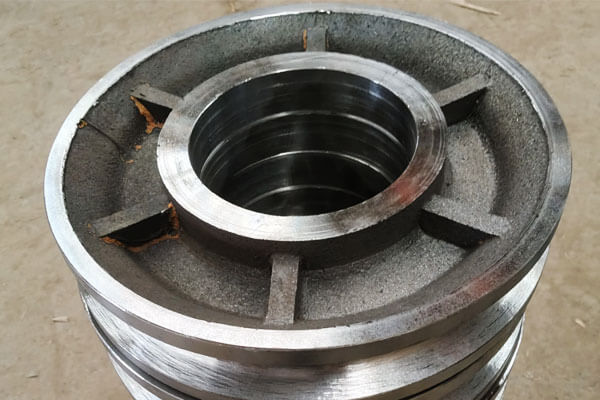
Асноўныя кампаненты шківа з літой сталі
| Кампанент | Функцыя | Ключавыя фактары вытворчасці |
| Сноп / Рым | Падтрымлівае і накіроўвае вяроўку | Паза профіль, Таўшчыня сцяны, насіць супраціў |
| Канатная канаўка | Прымае і накіроўвае вяроўку | Радыус, глыбіня, дакладнасць профілю, Умова паверхні |
| Фланжа | Дапамагае ўтрымаць вяроўку на снопе | Вышыня, таўшчыня, канцэнтрычнасць |
Хаб |
Злучае шкіў з валам або падшыпнікам | Дакладнасць памераў, трываласць канструкцыі |
| Свідраваць | Змяшчае вал, ўтулка, або размяшчэнне падшыпнікаў | Дыяметр, акругласць, канцэнтрычнасць |
| Шпоночная канаўка | Перадае крутоўны момант, дзе гэта магчыма | Палажэнне і дакладнасць памераў |
| Асаблівасці мантажу | Інтэрфейсы з навакольным абсталяваннем | Пазіцыя, плоская, выраўноўванне |
Для шківа з дакладнай літой сталі, не ўсе гэтыя функцыі патрабуюць аднолькавай дакладнасці вырабу.
Працэс ліцця можа ўсталяваць большую частку структурнай геаметрыі, у той час як апрацоўка з ЧПУ выкарыстоўваецца для адтуліны, падшыпнікі паверхняў, канаўка, шпонкавы паз, тарцы, і іншыя важныя інтэрфейсы.
2. Агульныя маркі літой сталі для нестандартных шківаў
Выбар матэрыялу для шківа з літой сталі павінен быць заснаваны на працоўнай нагрузцы, ўмовы ўздзеяння, патрабаванні да нашэння, працоўная тэмпература, ўздзеянне карозіі, і неабходны тэрмін службы.
У дадатак да звычайнай вугляродзістай літой сталі, індывідуальныя канструкцыі шківаў могуць выкарыстоўваць нізкалегаваныя сталі, высокомарганцевая зносаўстойлівая сталь, або з устойлівай да карозіі нержавеючай сталі, калі рабочае асяроддзе патрабуе дадатковай прадукцыйнасці.
| Матэрыял / Сартаваць | Сям'я сплаў | Асноўныя атрыбуты прадукцыйнасці | Тыповыя прымянення шківаў |
| ASTM A216 гр. WCB | Вугляродзістая літая сталь | Добрая трываласць, выдатная ліцейнасць, Добрая апрацоўка, эканамічна эфектыўны | Шківы агульнага прызначэння, прамысловая апрацоўка матэрыялаў, святло- да пад'ёмных сістэм сярэдняй нагрузкі |
| ASTM A216 гр. WCC | Вугляродзістая літая сталь | Больш высокая вызначаная трываласць, чым WCB, добрая трываласць і ліцейнасць | Звышмоцныя прамысловыя шківы, кампаненты крана, патрабавальныя сістэмы апрацоўкі матэрыялаў |
| Нізкалегаваная літая сталь, Cr-Mo / Ni-Cr-Mo | Ліцей з нізкалегаванай сталі | Больш высокая сіла, палепшаная прокаливаемость, добрая трываласць, лепшыя паказчыкі стомленасці пасля тэрмічнай апрацоўкі | Кранавыя шкіпы вялікай нагрузкі, будаўнічыя пад'ёмнікі, горназдабыўное абсталяванне, шківы высокай нагрузкі |
| ASTM A148 Высокатрывалыя маркі | Высокатрывалая літая сталь | Высокая трываласць на расцяжэнне і цякучасць, прыдатны для тэрмічнай апрацоўкі, моцная апорная здольнасць | Галоўныя снапы, цяжкае грузапад'ёмнае абсталяванне, вялікія прамысловыя шківы, высоканагружаныя машыны |
ASTM A352 LCB / LCC |
Ліццё з нізкатэмпературнай сталі | Палепшаная ўдарная глейкасць пры нізкіх тэмпературах, падыходзіць для халодных умоў эксплуатацыі | Вонкавыя краны, абсталяванне для здабычы халоднай зоны, марскія і марскія пад'ёмныя сістэмы |
| Аўстэнітная нержавеючая літая сталь, Cf8 / Cf8m | Літая нержавеючая сталь | Выдатная каразійная ўстойлівасць, добрая трываласць, падыходзіць для асяроддзяў, якія змяшчаюць хларыд, з абмежаваннямі, якія залежаць ад маркі | Марскія шківы, сістэмы апрацоўкі каразійных матэрыялаў, хімічнае і харчовае абсталяванне |
| Хэдфілд Стыл, ASTM A128 гр. Б | Аўстэнітная сталь з высокім утрыманнем марганца | Выдатная ўдарная глейкасць і моцная рэакцыя на нагартаванне пры нанясенні абразіва | Горнае абсталяванне, апрацоўка абразіўных матэрыялаў, ударатрывалыя шківы і шківы |
| Літая сталь, легіраваная борам | Сталь, легаваная борам | Высокая прокаливаемость, моцная зносаўстойлівасць пасля тэрмічнай апрацоўкі, падыходзіць для патрабавальных цыклічных нагрузак | Сярэдні- да цяжкіх шківаў, зносаўстойлівае пагрузачна-разгрузачнае абсталяванне |
3. Індывідуальны працэс вытворчасці шківа з літой сталі
Працэс вырабу спецыяльнага шківа з адліванай сталі - гэта кантраляваная паслядоўнасць, у якой дакладнасць шаблона.
Бо шкіў - гэта апорны кампанент, ліцейны цэх павінен звярнуць асаблівую ўвагу на секцыю шківа, хаб, фланцевыя пераходы, і іншыя вобласці, дзе лакальныя змены таўшчыні секцыі могуць уплываць на зацвярдзенне і якасць ўнутранага ліцця.
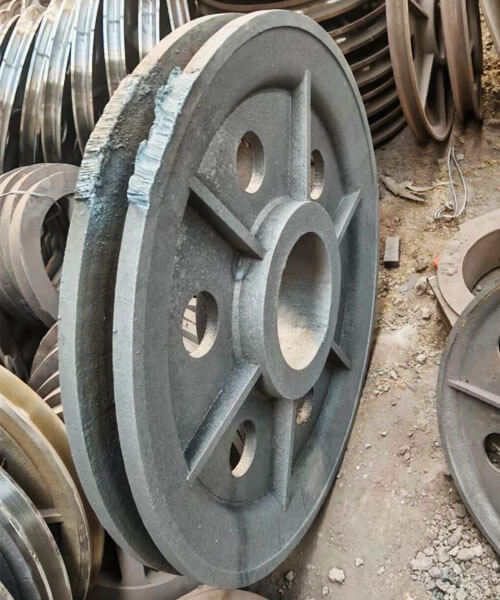
Стварэнне выкрайкі
Выраб шаблону вызначае асноўную геаметрыю паражніны шківа і, такім чынам, мае непасрэдны ўплыў на дакладнасць ліцця.
Ўзор павінен паўтараць сноп, хаб, фланец, і іншыя асаблівасці адлівак, уключаючы адпаведны прыпуск на ўсаджванне і прыпуск на апрацоўку.
На працягу Інвестыцыйнае ліццё, васковы малюнак звычайна вырабляецца шляхам упырску воску ў прэцызійную плашку.
Васковы малюнак дакладна адлюстроўвае канчатковую геаметрыю шківа і пасля выкарыстоўваецца для стварэння керамічнай абалонкі.
Для ліцця ў пясок, узор звычайна робіцца са смалы, дрэва, метал, або іншыя прыдатныя матэрыялы і выкарыстоўваецца для фарміравання паражніны формы.
У залежнасці ад канструкцыі шківа, узор можа таксама ўключаць скразняк і раздзяленне, каб забяспечыць надзейнае выдаленне цвілі.
Для вытворчасці шківаў на заказ, дызайн выкрайкі павінен выразна адрозніваць літыя паверхні і паверхні, якія патрабуюць канчатковай апрацоўкі.
Празмерны прыпуск на апрацоўку павялічвае здыманне матэрыялу і кошт, у той час як недастатковы прыпуск можа ўскладніць дасягненне зададзеных канчатковых памераў.
Выраб прэс-формаў і стрыжняў
Форма вызначае знешнюю геаметрыю шківа з літой сталі, у той час як стрыжні выкарыстоўваюцца там, дзе ўнутраныя паражніны або праходы не могуць быць утвораны непасрэдна малюнкам.
У пясчанае ліццё, абраны пясок і злучныя сістэмы ўшчыльняюцца вакол шаблону, каб стварыць паражніну формы.
Ядро можа быць размешчана для стварэння цэнтральнага адтуліны або іншых унутраных элементаў.
Сіла ядра, dimensional accuracy, пранікальнасць, і размяшчэнне асабліва важныя, таму што зрушэнне падчас залівання можа паўплываць на выраўноўванне адтуліны і таўшчыню сценкі.
У Інвестыцыйнае ліццё, васковы малюнак некалькі разоў пакрываецца вогнетрывалай керамічнай суспензіяй і ляпнінай для стварэння шматслаёвай абалонкі.
Пасля дасягнення дастатковай трываласці абалонкі, воск выдаляюць і керамічную форму абпальваюць.
Форма або абалонка павінны забяспечваць дастатковую трываласць, каб супрацьстаяць расплаўленай сталі, а таксама забяспечваць адпаведную пранікальнасць і тэрмічныя паводзіны.
Для дакладнага ліцця шківаў, дэфекты ў форме могуць быць перанесены непасрэдна на паверхню адліўкі або змяніць дакладнасць памераў важных функцый.
Плаўка сталі і хімічны кантроль
Абраная адліваная сталь расплаўляецца ў адпаведнасці з патрабаваннямі названага сплаву.
У залежнасці ад сплаву можа выкарыстоўвацца індукцыйная плаўка або плаўка электрадугой, ліцейнае абсталяванне, і вытворчыя патрабаванні.
Перад наліваннем, расплаўлены метал звычайна правяраецца з дапамогай хімічнага аналізу, часта з а спектрометр, каб пераканацца, што вуглярод і легіруючыя элементы ўваходзяць у вызначаны дыяпазон складу.
Таксама можа ўключацца падрыхтоўка расплаву:
- Вывядзенне дзындраў
- Раскісленне
- Рэгуляванне тэмпературы
- Кантроль уключэння
- Ідэнтыфікацыя і адсочванне цяпла
Хімічны кантроль асабліва важны для спецыяльных шківаў, таму што марка сталі вызначае рэакцыю на наступную тэрмаапрацоўку і ўплывае на трываласць, вынослівасць, паводзіны насіць, і нізкатэмпературная прадукцыйнасць.
Gating, Кармленне, і Наліванне
Лібнік і сістэма падачы павінны быць распрацаваны такім чынам, каб расплаўленая сталь плаўна запаўняла паражніну шківа і каб можна было эфектыўна кампенсаваць ўсаджванне пры зацвярдзенні.
Геаметрыя шківа можа ўключаць адносна цяжкія ўчасткі вакол ступіцах і пераход ступіца-шкіў.
Гэтыя вобласці могуць заставацца вадкімі даўжэй, чым больш тонкія зрэзы, і таму патрабуюць адпаведнага кармлення.
Сістэма варот і стояка прызначана для кіравання:
Цячэнне металу → паслядоўнасць запаўнення → цеплавы баланс → накіраванае зацвярдзенне → кампенсацыя ўсаджвання
Падчас залівання, тэмпература і хуткасць залівання павінны кантралявацца ў межах акна працэсу, устаноўленага для сістэмы сплаву і формы.
Празмерна нізкая тэмпература металу можа прывесці да няпоўнага запаўнення або халоднага закрыцця, у той час як непрыдатныя ўмовы патоку могуць павялічыць турбулентнасць і магчымасць узнікнення дэфектаў, звязаных з аксідам або ўключэннямі.
Дзе трэба, мадэляванне ліцця можа быць выкарыстана для ацэнкі напаўнення і зацвярдзення перад вытворчасцю і для выяўлення патэнцыйных гарачых кропак або праблем з падачай.
Застыванне і астуджэнне
Пасля таго, як паражніну будзе запоўнена, расплаўленая сталь пачынае застываць.
Гэты этап з'яўляецца крытычным, таму што сталь падвяргаецца аб'ёмнаму скарачэнню падчас астуджэння, і дрэнна кантраляванае зацвярдзенне можа выклікаць усаджвальныя паражніны, ўнутраная сітаватасць, гарачае парэпанне, і рэшткавы стрэс.
У цэлым мэта складаецца ў тым, каб садзейнічаць кантраляванай і пераважна накіраванай схеме зацвярдзення, з больш цяжкімі секцыямі, якія застаюцца прыдатнымі для падачы, пакуль у іншым месцы не зацвярдзее дастатковая колькасць металу.
У залежнасці ад канструкцыі адліўкі, ліцейны завод можа выкарыстоўваць:
- Стоякі
- Астудзіцца
- Кантраляваная тэмпература формы
- Аптымізаваныя пераходы раздзелаў
- Спецыфічныя ўмовы залівання
Паводзіны пры астуджэнні таксама ўплываюць на выніковую мікраструктуру і механічныя ўласцівасці.
Празмерна сур'ёзныя або нераўнамерныя цеплавыя градыенты могуць спрыяць дэфармацыі і рэшткавым напружанням, асабліва ў вялікіх або геаметрычна складаных шківах.
Устрэсванне і ачыстка адліўкі
Пасля таго, як адліўка дастаткова астыне, выдаляецца форма або керамічная абалонка.
Для пясчанага ліцця, гэтую аперацыю звычайна называюць SHIKOUT, падчас якога зацвярдзелая пясчаная форма і стрыжні адрываюцца ад адліўкі.
Для выплавляемых мадэляў, керамічная абалонка механічна выдаляецца або апрацоўваецца іншым спосабам, каб агаліць сталёвую адліўку.
Затым адліўка аддзяляецца ад сістэмы варот і стаяка. Тыповыя аперацыі ачысткі ўключаюць:
- Зразанне варот і стаякоў
- Драба
- Стрэл выбух
- Выдаленне прыліплага матэрыялу цвілі
- Лакальная перавязка нефункцыянальных няроўнасцяў паверхні
Мэта гэтага этапу - атрымаць чыстую адліўку, прыдатную для тэрмічнай апрацоўкі і праверкі, пазбягаючы непатрэбнага выдалення асноўнага металу.
4. Дакладная апрацоўка шківаў з літой сталі
Дакладнасць Апрацоўка з ЧПУ ператварае літой сталёвы шкіў з амаль сеткаватай формы ў гатовы функцыянальны кампанент.
Канатная канаўка, назаляць, шпонкавы паз, хаб, і мантажныя паверхні з'яўляюцца асноўнымі апрацаванымі асаблівасцямі, таму што іх дакладнасць памераў і пазіцыйная ўзаемасувязь непасрэдна ўплываюць на адсочванне вяроўкі, кручэнне, размеркаванне нагрузкі, і зборка.
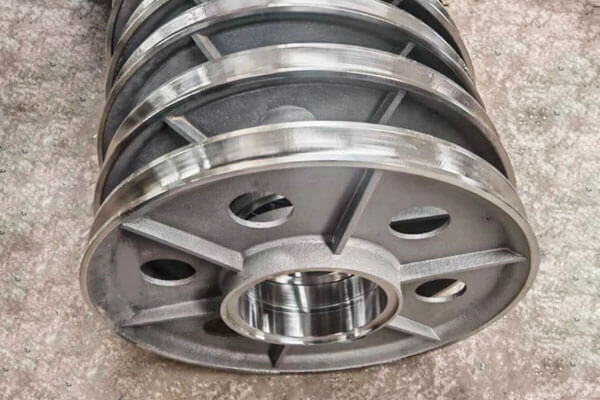
Апрацоўка канатавай канаўкі
Канаўка для вяроўкі - адна з найбольш важных функцыянальных паверхняў шківа. Яе радыус, глыбіня, шырыня, і профіль павінен адпавядаць тыпу і дыяметру каната.
Невялікая канаўка можа празмерна стрымліваць вяроўку, у той час як канаўка вялікага памеру або няправільнай формы можа забяспечыць недастатковую падтрымку і павялічыць дэфармацыю і знос вяроўкі.
Для канатных шківаў, таму радыус канаўкі звычайна прызначаны для забеспячэння правільнай пасадкі вяроўкі, а не проста ўзгаднення з намінальным радыусам вяроўкі.
Канаўка звычайна апрацоўваецца на такарным станку з ЧПУ з выкарыстаннем формы або інструмента для прафілявання.
Пасля чарнавой і чыставой апрацоўкі, шліфоўка або паліроўка можа прымяняцца там, дзе патрабуецца больш тонкая і аднастайная паверхня.
Апрацоўка адтулін
Свідравіна забяспечвае злучэнне з валам, падшыпнік, або ўтулкі, таму яго дыяметр, акругласць, і канцэнтрычнасць неабходна старанна кантраляваць.
Канал ствала звычайна вырабляецца шляхам расточвання, рассверливание, або дакладнае шліфаванне.
У залежнасці ад неабходнай пасадкі і прымянення, допускі на памеры могуць быць указаны ў сотых долях міліметра, напрыклад, каля ±0,02 да ±0,05 мм для некаторых дакладных прыкладанняў.
Фактычны допуск павінен вызначацца пасадкай вала/падшыпніка, памер шківа, і прыдатныя тэхнічныя характарыстыкі.
Самае галоўнае, канал ствала павінен захоўваць неабходнае пазіцыйнае ўзаемасувязь з канаўкай вяроўкі і вонкавай паверхняй шківа.
Апрацоўка шпонкі і шпонкі
Дзе шкіў усталяваны непасрэдна на шпонкавы вал, шырыня канаўкі, глыбіня, і вуглавое становішча павінна быць дакладна апрацавана.
Яго супадзенне з канаўкай шківа важна для правільнай зборкі і перадачы нагрузкі.
Для прыкладанняў, якія патрабуюць большага крутоўнага моманту або больш дакладнага кручэння, можна выкарыстоўваць шлицевые злучэння.
У любым выпадку, неабходная дакладнасць апрацоўкі, каб прадухіліць празмерны люфт, лакальная канцэнтрацыя напружання, або перашкоды пры зборцы.
Хаб, Твар, і апрацоўка фланцаў
Ступіцах і тарцах можа спатрэбіцца паварот, фрэзы, або шліфоўка для атрымання неабходных памераў і стану паверхні.
Мантажныя грані павінны быць дастаткова плоскімі і правільна выраўнаванымі, каб забяспечыць паслядоўную зборку.
Геаметрыя фланца таксама патрабуе кантролю, таму што празмерныя варыяцыі могуць паўплываць на ўтрыманне вяроўкі і ўзаемасувязь паміж канаўкай і навакольнай структурай.
Канцэнтрычнасць і разбіццё
Канцэнтрычнасць адтуліны адносна канаўкі каната асабліва важная для верціцца шківа.
Празмерны эксцэнтрысітэт або радыяльнае біенне могуць прывесці да нераўнамернага руху вяроўкі, вібрацыя, нераўнамерная нагрузка, і дадатковае напружанне падшыпніка.
Біццё звычайна правяраецца з дапамогай цыферблатнага індыкатара, дакладны датчык, або абсталяванне для вымярэння каардынат.
Для важных кампанентаў, прыдатныя МДП (Агульны паказчык індыкатара) патрабаванне павінна быць вызначана на інжынерным чарцяжы, а не з выкарыстаннем агульнага значэння.
Дынамічная балансіроўка
Шківы, якія верцяцца з высокай хуткасцю, могуць патрабаваць дынамічнага балансавання пасля апрацоўкі.
Дысбаланс стварае цэнтрабежныя сілы, якія павялічваюцца з хуткасцю кручэння і могуць спрыяць вібрацыі і нагрузцы на падшыпнік.
Балансіроўка выконваецца на спецыяльным балансірным станку. У залежнасці ад спосабу карэкцыі, невялікая колькасць матэрыялу можа быць выдалена або балансіроўкі могуць быць дададзеныя для дасягнення неабходных умоў балансу.
Для нізкахуткасных, цяжканагружаныя снапы, патрабаванні да балансіроўцы могуць быць менш строгімі, чым для высакахуткасных верціцца шківаў.
5. Аздабленне паверхні і тэрмічная апрацоўка шківаў з літой сталі
Тэрмічная апрацоўка вызначае механічны стан літой сталі, у той час як аздабленне паверхні ўсталёўвае патрабаваны стан функцыянальных і адкрытых паверхняў.
І тое, і іншае трэба ўлічваць разам з меркаванай нагрузкай, насіць, вяровачны тып, аперацыйнае асяроддзе, і тэрмін службы.
Тэрмічная апрацоўка
Цыкл тэрмічнай апрацоўкі падбіраецца ў залежнасці ад маркі сталі і неабходных механічных уласцівасцяў. Агульныя метады лячэння ўключаюць:
| Тэрмічная апрацоўка | Асноўнае прызначэнне |
| Нармалізацыя | Удакладніць мікраструктуру адліўкі і стварыць больш аднастайны механічны стан |
| Адпачынку | Паменшыць цвёрдасць, палепшыць обрабатываемость, і зняць унутранае напружанне |
| Гашэнне і загартоўванне | Развівайце больш высокую трываласць і трываласць з кантраляванай цвёрдасцю |
| Стрэс палёгку | Паменшыць рэшткавыя напружання ад ліцця, вінжаванне, або механічная апрацоўка |
| Павярхоўнае зацвярджэнне | Павышэнне зносаўстойлівасці асобных паверхняў, такіх як канаўка вяроўкі |
Для апорных шківаў, загартоўка і адпачынак могуць быць выбраны для прыдатных вугляродзістых і нізкалегаваных літых сталей, калі патрабуюцца больш высокія механічныя характарыстыкі.
Тэмпература загартоўкі павінна быць устаноўлена ў залежнасці ад маркі сталі і неабходнага балансу паміж цвёрдасцю і трываласцю.
Павярхоўнае ўмацаванне пазы
Дзе кантакт вяроўкі выклікае значны знос, можа быць разгледжана лакалізаванае павярхоўнае зацвярдзенне.
У залежнасці ад матэрыялу і дызайну, такія метады, як індукцыйная загартоўка, загартоўка полымем, або азотаванне можа быць дастасавальна.
Апрацоўку трэба прымяняць выбарачна, таму што празмерная цвёрдасць паверхні або неадпаведная глыбіня загартаванай паверхні могуць паменшыць трываласць або стварыць непажаданыя рэшткавыя напружання.
Такім чынам, стан матэрыялу канаўкі неабходна разглядаць разам з матэрыялам вяроўкі і фактычнымі ўмовамі кантакту.
Аздабленне паверхні канавак
Аздабленне паверхні непасрэдна ўплывае на ўзаемадзеянне паміж канаўкай шківа і вяроўкай.
Шурпатая паверхня можа павялічыць мясцовае ізаляцыі і паскорыць знос вяроўкі, у той час як адпаведна апрацаваная канаўка забяспечвае больш гладкі кантакт.
Тыповая мэта для апрацаваных канавак шківаў можа быць вакол RA 1,6-3,2 мкм, хоць неабходнае значэнне павінна быць указана ў залежнасці ад тыпу вяроўкі, хуткасць працы, загрузка, змазка, і стандарт дызайну.
Аздабленне паверхні не павінна разглядацца незалежна ад геаметрыі канаўкі.
Гладкая, але няправільна прафіляваная канаўка можа выклікаць празмерны знос вяроўкі, у той час як правільны профіль з кантраляванай тэкстурай паверхні забяспечвае больш стабільны стан кантакту.
Пакрыццё і абарона ад карозіі
Літыя сталёвыя шківы, якія выкарыстоўваюцца на вуліцы або ў вільготным і агрэсіўным асяроддзі, могуць патрабаваць ахоўных пакрыццяў. Агульныя варыянты ўключаюць:
- Эпаксідныя пакрыцця
- Поліўрэтанавыя пакрыцця
- Багатыя цынкам грунтоўкі
- Іншыя прамысловыя сістэмы абароны ад карозіі
Для марскога або афшорнага абслугоўвання, больш агрэсіўныя сістэмы абароны ад карозіі могуць быць вызначаны ў адпаведнасці з уздзеяннем навакольнага асяроддзя і спецыфікацыямі пакрыцця.
Канатна-кантактная канаўка часта апрацоўваецца інакш, чым бескантактавыя паверхні. Таўшчыня пакрыцця не павінна змяняць памеры пазы або перашкаджаць мацаванню вяроўкі.
У праграмах, дзе дакладнасць памераў мае вырашальнае значэнне, таму канаўка можа застацца без пакрыцця або прайсці старанна кантраляваную апрацоўку.
Канатная сумяшчальнасць
Аздабленне паверхні і геаметрыя канавак павінны ў канчатковым рахунку разглядацца разам са спецыфікацыямі вяроўкі. Драцяная і сінтэтычная вяроўкі не абавязкова патрабуюць аднолькавай канструкцыі канавак.
Для троса, канаўка павінна забяспечваць належную падтрымку, пазбягаючы пры гэтым празмернага зашчымлення або дэфармацыі.
Для сінтэтычных вяровак можа спатрэбіцца іншая геаметрыя канаўкі і характарыстыкі паверхні з-за іх меншай калянасці на выгіб і іншых кантактных паводзін.
Вось чаму, вытворца шківа павінен пацвердзіць дыяметр вяроўкі, збудаванне, матэрыял, эксплуатацыйная нагрузка, і ўмовы эксплуатацыі перад завяршэннем апрацоўкі паз і апрацоўкі паверхні.
Гэта гарантуе, што гатовы шкіў з адліванай сталі распрацаваны як інтэграваная частка сістэмы для апрацоўкі вяроўкі, а не як ізаляваны верціцца кампанент.
6. Асноўныя патрабаванні да якасці шківаў з літой сталі
Патрабаванні да якасці літых сталёвых шківаў абумоўлены бяспекай, надзейнасць, і тэрмін службы. Істотныя наступныя.
Сертыфікат матэрыялу. Хімічны склад і механічныя ўласцівасці павінны быць правераны і задакументаваны. Сертыфікаты аналізу і пратаколы механічных выпрабаванняў павінны суправаджаць кожную партыю вытворчасці.
Унутраная трываласць. Адліўкі не павінны мець такіх шкодных дэфектаў, як усаджвальная сітаватасць, Сітаватасць газу, уключэнні, і расколіны. Для праверкі ўнутранай якасці выкарыстоўваецца неразбуральны кантроль.
Дакладная дакладнасць. Паза профіль, памер адтуліны, канцэнтрычнасць, выцяканне, і памеры канаўкі павінны адпавядаць патрабаванням чарцяжа. Павінны быць прадстаўлены справаздачы аб праверцы памераў.
Якасць паверхні. Паверхні канаўкі і адтуліны не павінны мець дэфектаў, якія могуць пашкодзіць вяроўку або прывесці да зрушэння. Варта вымераць і задакументаваць шурпатасць паверхні.
Праверка тэрмічнай апрацоўкі. Тэст на цвёрдасць і, дзе патрабуецца, даследаванне мікраструктуры пацвярджае, што тэрмічная апрацоўка праведзена правільна.
Тэставанне нагрузкі. Для крытычных прыкладанняў, для праверкі трываласці і бяспекі могуць спатрэбіцца выпрабаванні пад нагрузкай або разбуральныя выпрабаванні.
7. Прымяненне шківаў з літой сталі на заказ
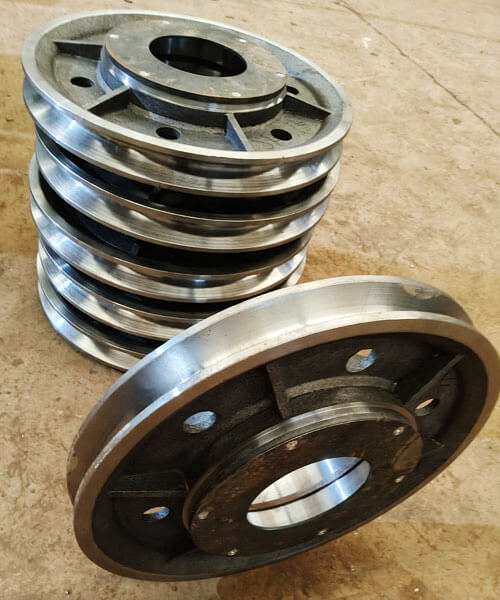
Краны і пад'ёмнае абсталяванне
Краны - адно з найбольш важных прымянення шківаў з літой сталі.
Шківы ў пад'ёмных сістэмах пастаянна перадаюць нагрузку ад драцянога троса на вал або падшыпнікавы вузел і могуць падвяргацца ўдарнай нагрузцы падчас пад'ёму, паніжэнне, паскарэнне, і спыняючыся.
Карыстальніцкія літыя сталёвыя шківы выкарыстоўваюцца ў:
- Маставыя краны
- Казлавыя краны
- Мабільныя краны
- Вежавыя краны
- Партовыя краны
- Кран-блокі і круковы вузлы
- Сістэмы лябёдкі і рычагу
Для прымянення кранаў, профіль пазы, залежнасць дыяметра шківа ад дыяметра вяроўкі, назаляць, і канструктыўная цэласнасць павінна адпавядаць пад'ёмнай сістэме.
Горнае абсталяванне
Горназдабыўныя машыны ствараюць асабліва жорсткія ўмовы для механічных кампанентаў з-за высокіх нагрузак, абразіўны пыл, ўздзеянне, бесперапынная праца, і складаныя ўмовы абслугоўвання.
Літыя сталёвыя шківы і шківы могуць выкарыстоўвацца ў пад'ёмным абсталяванні, rope-handling systems, канвееры, і іншую цяжкую тэхніку.
Пры ўжыванні з моцнымі ўдарамі і ізаляцыяй, выбар матэрыялу і цвёрдасць паверхні могуць стаць асабліва важнымі.
Будаўнічая і пагрузачна-разгрузачная тэхніка
Будаўнічая тэхніка часта ўключае сістэмы шківаў для ўздыму, размяшчэнне, tensioning, or redirecting wire rope.
Тыповыя прыкладанні ўключаюць:
- Construction hoists
- Сістэмы апрацоўкі матэрыялаў
- Winches
- Lifting attachments
- Кабелеправодныя сістэмы
- Спецыялізаванае пагрузачна-разгрузачнае абсталяванне
Адліўка на заказ асабліва карысная, калі стандартны шкіў не можа адпавядаць патрабаваным памерам або канфігурацыі мантажу.
Марское і афшорнае абсталяванне
У марскім і марскім асяроддзі механічная нагрузка спалучаецца з вільготнасцю, ўздзеянне салёнай вады, карозія, і абмежаваны доступ для абслугоўвання.
Карыстальніцкія літыя сталёвыя шківы могуць быць уключаны ў:
- Marine cranes
- Афшорнае пад'ёмнае абсталяванне
- Shipboard winches
- Mooring systems
- Deck machinery
- Кабельнае і канатнае абсталяванне
Для гэтых прыкладанняў, Матэрыял і сістэму абароны ад карозіі трэба выбіраць у адпаведнасці з рэальным марскім асяроддзем.
Нержавеючая літая сталь можа быць разгледжана, калі ўстойлівасць да карозіі з'яўляецца асноўным патрабаваннем.
Нафтагазавае абсталяванне
Нафтагазавае абсталяванне можа падвяргаць шківы і шківы высокай нагрузцы, вібрацыя, каразійныя атмасферы, і бесперапынныя працоўныя цыклы.
Карыстальніцкія літыя сталёвыя кампаненты могуць быць выкарыстаны для ўздыму, пад'ёмны, і спецыялізаванае пагрузачна-разгрузачнае абсталяванне.
Дзе прыкладанне крытычна важнае для бяспекі, спецыфікацыя матэрыялу, Патрабаванні НК, тэрмічная апрацоўка, і магчымасць адсочвання павінна быць вызначана загадзя.
Прамысловая тэхніка
Карыстальніцкія шківы таксама выкарыстоўваюцца ў прамысловым абсталяванні для:
- Пракладка кабеля
- Нацяжныя сістэмы
- Пад'ёмнікі
- Канвеерныя сістэмы
- Спецыялізаванае абсталяванне перадачы
- Аўтаматызаваныя машыны для перагрузкі
Асноўная перавага нестандартнай канструкцыі заключаецца ў тым, што шкіў можна распрацаваць вакол поўнага інтэрфейсу абсталявання, а не прымушаць абсталяванне размяшчаць стандартны шкіў.
8. Асноўныя перавагі шківаў з дакладнай літой сталі
Шківы з дакладнай літой сталі маюць некалькі пераваг перад альтэрнатывамі.
- Высокая трываласць і трываласць: Літая сталь можа вытрымліваць вялікія нагрузкі, ўздзеянне, і стомленасць лепш, чым чыгун або алюміній.
- Гнуткасць дызайну: Ліццё дапускае складаныя формы, інтэграваныя функцыі, і аптымізаванае размеркаванне матэрыялу.
- Блізкая сеткавая форма: Ліццё скарачае час апрацоўкі і адходы матэрыялу ў параўнанні з вырабам з пліты або прутка.
- Зварачнасць: Сталёвыя адліўкі можна зварваць і рамантаваць, у адрозненне ад чыгуну.
- Масіўльнасць: Адліўка эканамічная як для малых, так і для вялікіх серый, і для вельмі вялікіх шківаў, якія было б цяжка вырабіць.
- Нязменная якасць: Кантраляваны ліцейны працэс забяспечвае паўтаральныя ўласцівасці і памеры.
- Налада: Сплавы, цеплавыя працэдуры, і апрацоўку можна адаптаваць да прымянення.
- Эканамічнасць: Для многіх прыкладанняў, шківы з літой сталі прапануюць лепшае спалучэнне прадукцыйнасці і агульнай кошту.
9. Літы сталёвы шкіў супраць чыгунных шківаў
Літыя сталёвыя і чыгунныя шківы можна вырабляць метадам ліцця, але іх механічныя паводзіны, Ударная ўстойлівасць, грузападымальнасць, і тыповыя ўмовы абслугоўвання значна адрозніваюцца.
| Асноўная характарыстыка | Літы сталёвы шкіў | Чыгунны шкіў |
| Моц | Высокая трываласць на расцяжэнне і цякучасць; падыходзіць для моцна нагружаных кампанентаў | Як правіла, ніжэй, асабліва для шэрага чыгуну |
| Вынослівасць | Высокая трываласць і лепшая ўстойлівасць да ўдарных нагрузак | Больш нізкая трываласць; шэры чыгун адносна далікатны |
| Ударная ўстойлівасць | Выдатна падыходзіць для паўторных або раптоўных нагрузак | Абмежаваны ва ўмовах сур'ёзных удараў |
| Пластычнасць | Значная здольнасць да пластычнай дэфармацыі да разбурэння | Нізкі для шэрага чыгуну; моцна залежыць ад адзнакі |
| Прадукцыйнасць стомленасці | Як правіла, лепш для цыклічных і дынамічных нагрузак | Больш абмежаваны, асабліва там, дзе існуе канцэнтрацыя стрэсу |
| Насіць супраціў | Можна палепшыць шляхам выбару сплаву і тэрмічнай апрацоўкі | Добры ў некаторых гатунках чыгуну, асабліва пры стабільным слізгаценні або абразіўных умовах |
Апрацоўка |
Добры, але для больш цвёрдых сплаваў можа спатрэбіцца кіраваная апрацоўка з ЧПУ | У цэлым выдатна, асабліва для шэрага чыгуну |
| Магчымасць кастынгу | Падыходзіць для комплексу, інтэграваныя апорныя геаметрыі | Выдатная ліцейнасць і падыходзіць для складаных формаў |
| Тэрмічная апрацоўка | Можна нармалізаваць, адпачываў, загартаваны і гартаваны, або павярхоўная загартаваная ў залежнасці ад маркі | Варыянты тэрмічнай апрацоўкі моцна залежаць ад маркі жалеза і, як правіла, больш абмежаваныя для шэрага чыгуну |
| Цяжкая служба | Добра падыходзіць для кранаў, горная прамысловасць, пад'ёмнікі, і цяжкая тэхніка | Лепш падыходзіць для больш лёгкіх або больш стабільных умоў нагрузкі |
| Пералом Паводзіны | Больш устойлівы да перагрузак і ўдараў перад пераломам | Больш успрымальны да далікатнага разбурэння пры празмерных ударах |
| Кошт матэрыялу | Як правіла, вышэй | Як правіла, ніжэй |
| Лепшая перавага ядра | Моц, вынослівасць, і надзейнасць пры высокіх нагрузках | Эканамічная эфектыўнасць, лібельнасць, і апрацоўваемасць |
10. Чаму выбіраюць DEZE у якасці індывідуальнага вытворцы шківаў з літой сталі?
Гэтая тэхналогія забяспечвае Вытворчасць шківаў з літой сталі на заказ ад дакладнага ліцця да апрацоўкі з ЧПУ і канчатковай праверкі, што дазваляе распрацоўваць і вырабляць поўны кампанент у рамках інтэграванага вытворчага працэсу.
Наш вытворчы падыход пачынаецца з інжынернага агляду і выбару матэрыялаў, з наступным развіццём шаблону, выраб прэс-формаў, кантраляваная плаўка і заліванне сталі, solidification, тэрмічная апрацоўка, дакладная апрацоўка, і кантроль якасці.
У залежнасці ад працоўнай нагрузкі можна выбраць розныя сістэмы літой сталі, ўмовы ўздзеяння, тэмпература, насіць, і ўздзеянне карозіі.
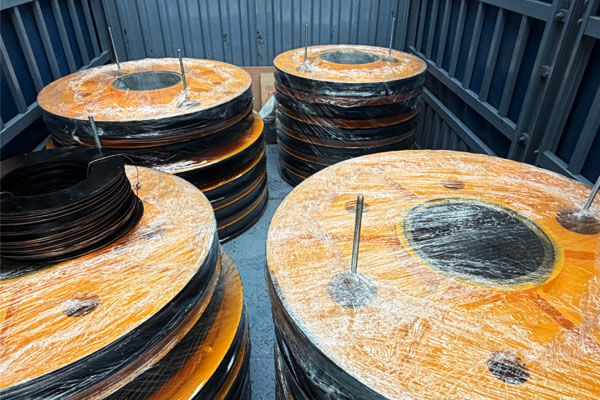
Дзе патрабуецца, вытворчы працэс можа ўключаць праверку цвёрдасці і адпаведны НК, уключаючы PT, Гол, UT, або RT, у адпаведнасці са спецыфікацыяй кампанента.
Мэта складаецца не проста ў пастаўцы неапрацаванага ліцця. Гэта забяспечыць гатовы шкіў на заказ з кантраляванымі ўласцівасцямі матэрыялу, дакладная функцыянальная геаметрыя, паслядоўная механічная апрацоўка, і прасочваецца дакументацыя якасці.
11. Conclusion
Карыстальніцкія літыя сталёвыя шківы - гэта распрацаваныя кампаненты для прымянення з грузападымальнасцю, Ударная ўстойлівасць, Насіць прадукцыйнасць, dimensional accuracy, і доўгатэрміновая надзейнасць важныя.
Іх праца залежыць ад сумарнага якасці матэрыялу, ліццё, тэрмічная апрацоўка, апрацоўванне, і інспекцыя.
Дакладнае ліццё забяспечвае эфектыўны шлях для вытворчасці складанай геаметрыі шківа з убудаванай структурай шківа і ступіцах, адначасова памяншаючы непатрэбную апрацоўку.
Наступная апрацоўка з ЧПУ ўсталёўвае крытычныя памеры канаўкі для вяроўкі, назаляць, шпонкавы паз, хаб, і мантажныя паверхні.
Затым тэрмічная апрацоўка можа забяспечыць неабходны баланс трываласці, цяжкасць, і трываласць, у той час як праверка пацвярджае цэласнасць адліўкі і дакладнасць памераў.
Для крана, горная прамысловасць, збудаванне, марская, афшоры, алей і газ, і прымяненне прамысловага абсталявання, правільны шкіў павінен быць выбраны ў адпаведнасці са спецыфікацыяй вяроўкі, стан загрузкі, аперацыйнае асяроддзе, і прыдатныя тэхнічныя патрабаванні.
Правільна распрацаваны шкіў з літой сталі - гэта не проста кола з канаўкай; гэта нясучы кампанент, чыя геаметрыя і стан матэрыялу непасрэдна ўплываюць на надзейнасць поўнай канатнай сістэмы.
FAQ
Чым адрозніваюцца сталёвыя і чыгунныя шківы?
Літая сталь мае больш высокую трываласць і глейкасць і зварваецца.
Чыгун танней і лягчэй паддаецца апрацоўцы, але ён больш далікатны і не лёгка зварваецца.
Што такое профіль канаўкі шківа?
Профіль канаўкі - гэта форма канала, у які ўкладваецца вяроўка або трос.
Ён павінен адпавядаць дыяметру вяроўкі і канструкцыі, каб забяспечыць належную пасадку, звесці да мінімуму знос, і прадухіліць сход з рэек.
Чаму тэрмаапрацоўка важная для шківаў з літой сталі?
Тэрмічная апрацоўка кантралюе трываласць, цяжкасць, вынослівасць, і рэшткавых напружанняў. Гэта гарантуе, што шкіў можа вытрымліваць эксплуатацыйныя нагрузкі без заўчаснага выхаду з ладу.
Як правяраецца якасць шківа?
Якасць правяраецца сертыфікацыяй матэрыялаў, мерная інспекцыя, неразбуральны кантроль (фарбавальнік пенетрант, магнітная часціца, ультрагукавы, рэнтгенаграфічны), праверка на цвёрдасць, і нагрузачнае тэставанне, дзе патрабуецца.
Ці можна адрамантаваць шківы з літой сталі?
Так. Сталёвыя адліўкі можна зварваць і рамантаваць, у адрозненне ад чыгуну. Рамонт павінны выконваць кваліфікаваныя зваршчыкі з выкарыстаннем зацверджаных працэдур.
Якая аздабленне паверхні патрабуецца для канаўкі шківа?
Неабходная аздабленне залежыць ад тыпу вяроўкі, Умовы працы, і спецыфікацыя дызайну.
Апрацаваная канаўка вакол RA 1,6-3,2 мкм можа быць прыдатным для некаторых прыкладанняў, але няма універсальнага значэння шурпатасці для кожнага шківа.
Чаму канцэнтрычнасць важная для шківа?
Свідравіна і канаўка для вяроўкі павінны захоўваць адпаведнае размяшчэнне. Празмерны эксцэнтрысітэт або біццё могуць выклікаць нераўнамернае кручэнне, няўстойлівае рух вяроўкі, вібрацыя, і нераўнамерная нагрузка.