1. መግቢያ
The equilibrium melting point of pure ቲታኒየም (የ) በ 1 ከባቢ አየር ነው። 1668.0 ° ሴ (≈ 1941.15 ኬ, 3034.4 °ኤፍ).
That single number is a crucial reference, but for engineering and production it is only the starting point: titanium exhibits an α→β allotropic transformation at ≈ 882 ° ሴ;
alloys and impurities produce solidus/liquidus ranges rather than a single point; and titanium’s extreme chemical reactivity at elevated temperatures forces manufacturers to melt and handle it in vacuum or inert environments.
This article explains the melting point in thermodynamic terms, shows how alloying and contamination alter melting/solidification behaviour, provides practical melting energy estimates and describes industrial melting technologies and process controls needed to produce clean, high-performance titanium and titanium-alloy products.
2. The physical melting point of pure titanium
| Quantity | ዋጋ |
| የማቅለጫ ነጥብ (pure Ti, 1 ኤቲኤም) | 1668.0 ° ሴ |
| የማቅለጫ ነጥብ (Kelvin) | 1941.15 ኬ (1668.0 + 273.15) |
| የማቅለጫ ነጥብ (ፋራሄት) | 3034.4 °ኤፍ (1668.0 × 9/5 + 32) |
| Allotropic transformation (α → β) | ~882 °C (≈ 1155 ኬ) — important solid-state change below melting |
3. Thermodynamics and kinetics of melting
- Thermodynamic definition: melting is the first-order phase transition at which Gibbs free energies of solid and liquid phases are equal.
For a pure element at fixed pressure this is a sharply defined temperature (የማቅለጫ ነጥብ). - Latent heat: energy is absorbed as latent heat of fusion to break crystalline order; temperature does not rise during the phase change until melting is complete.
- Kinetics and undercooling: during solidification the liquid can remain below the equilibrium melting (ፈሳሽ) temperature — ማቀዝቀዝ — which changes nucleation rates and microstructure (grain size, morphology).
በተግባር, the cooling rate, nucleation sites and alloy composition determine the solidification path and final microstructure. - Heterogeneous vs homogeneous nucleation: real systems solidify by heterogeneous nucleation (on impurities, mold walls, or inoculants), so process cleanliness and mold design influence the effective solidification behavior.
4. Allotropy and phase behavior relevant to melting
- ሀ ↔ β transformation: titanium has two crystal structures in the solid state: hexagonal close-packed (α-Ti) stable at low temperature and body-centred cubic (β-Ti) stable above the β-transus (~882 °C for pure Ti).
This allotropic change is far below the melting point but affects mechanical behavior and microstructural evolution during heating and cooling. - አንድምታዎች: the existence of α and β phases means many titanium alloys are designed to exploit α, α+β, or β phase fields for required strength, toughness and processing response.
The β transus controls forging/heat-treatment windows and influences how an alloy will behave as it approaches melting during processes such as welding or remelting.
5. How alloying, impurities and pressure affect melting/solidification
- ቅይጥ: most engineering titanium parts are alloys (ቲ-6 አል-4 ቪ, Ti-6Al-2Sn-4Zr-2Mo, ወዘተ.). These alloys show ጠንካራ → ፈሳሽ temperature intervals; some alloying additions raise or lower the liquidus and broaden the freezing range.
Broader freezing ranges increase susceptibility to shrinkage defects and make feeding more difficult during solidification. Always use alloy-specific solidus/liquidus data for process setpoints. - Interstitials & tramp elements: ኦክስጅን, nitrogen and hydrogen are not simple “melting point changers” but they strongly affect mechanical properties (oxygen and nitrogen raise strength but embrittle).
Trace contaminants (ፌ, አል, ቪ, ሲ, ወዘተ.) affect phase formation and melting behaviour. Small amounts of low-melting contaminants can create local melting anomalies. - ጫና: elevated pressure slightly raises the melting point (የ Clapeyron ግንኙነት). Industrial melting of titanium is done near atmospheric or under vacuum/inert gas;
applied pressures in solidification (ለምሳሌ., in pressure casting) do not significantly change the fundamental melting temperature but can influence defect formation.
6. Melting Ranges of Common Titanium Alloys
Below is a clean, engineering-focused table showing የተለመደው ማቅለጥ (ጠንካራ → ፈሳሽ) ranges for commonly used titanium alloys.
Values are approximate typical ranges used for process planning and alloy comparison — always verify with the alloy supplier’s certificate of analysis or with thermal analysis (DSC / cooling-curve) for the exact melt/processing setpoints of a particular batch.
| ቅይጥ (common name / ደረጃ) | የመለኪያ ክልል (° ሴ) | የመለኪያ ክልል (°ኤፍ) | የመለኪያ ክልል (ኬ) | Typical notes |
| Pure titanium (የ) | 1668.0 | 3034.4 | 1941.15 | Elemental reference (single-point melting). |
| ቲ-6 አል-4 ቪ (ደረጃ 5) | 1604 – 1660 | 2919.2 – 3020.0 | 1877.15 – 1933.15 | Most widely used α+β alloy; common solidus→liquidus used for processing. |
| ቲ-6 አል-4 ቪ ኤሊ (ደረጃ 23) | 1604 – 1660 | 2919.2 – 3020.0 | 1877.15 – 1933.15 | ELI variant with tighter control on interstitials; similar melting range. |
| ቲ-3አል-2.5 ቪ (ደረጃ 9) | 1590 – 1640 | 2894.0 – 2984.0 | 1863.15 – 1913.15 | α+β alloy with somewhat lower liquidus than Ti-6Al-4V. |
| Ti-5Al-2.5Sn (ደረጃ 6) | 1585 – 1600 | 2885.0 – 2912.0 | 1858.15 – 1873.15 | Near-α alloy; often cited with a narrow melting span. |
Ti-6Al-2Sn-4Zr-2Mo (Ti-6-2-4-2 / Ti-6242) |
1680 – 1705 | 3056.0 – 3101.0 | 1953.15 – 1978.15 | High-temperature α+β alloy used in aerospace; higher liquidus than Ti-6Al-4V. |
| Ti-6Al-2Sn-4Zr-6Mo (β-stabilized variant) | 1690 – 1720 | 3074.0 – 3128.0 | 1963.15 – 1993.15 | Strong β-stabilized chemistry — expect higher melting window. |
| Ti-15V-3Cr-3Al-3Sn (Ti-15-3) | 1575 – 1640 | 2867.0 – 2984.0 | 1848.15 – 1913.15 | β-titanium family — lower solidus in some compositions; used where high strength is needed. |
| Ti-10V-2Fe-3Al (Ti-10-2-3) | 1530 – 1600 | 2786.0 – 2912.0 | 1803.15 – 1873.15 | β-type alloy with relatively low solidus for certain compositions. |
| Ti-8Al-1Mo-1V (Ti-811) | 1580 – 1645 | 2876.0 – 2993.0 | 1853.15 – 1918.15 | α+β alloy used in structural applications; melting range can vary with chemistry. |
7. Industrial melting and remelting methods for titanium
Because titanium is chemically reactive at elevated temperatures, its melting and remelting require special technologies and atmospheres to avoid contamination and embrittlement.
Common industrial methods
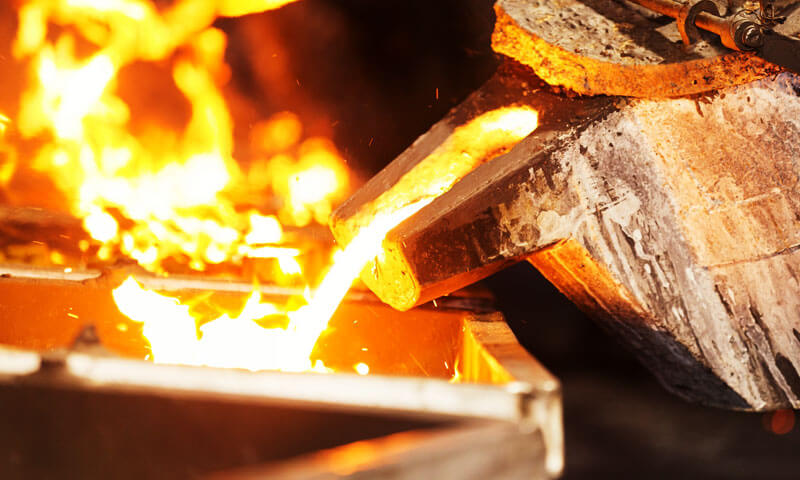
- ቫኪዩም ኦክኬሽን (የእኛ): consumable electrode remelting under vacuum; widely used to refine chemistry and remove inclusions in high-quality ingots.
- ኤሌክትሮ ሞገድ (ኢ.ቢ) ማቅለጥ: performed under high vacuum; offers extremely clean melts and is used for high-purity ingots and additive-manufacturing feedstock production.
- Plasma Arc Melting / Plasma Hearth: vacuum or controlled atmosphere plasma systems are used for alloy production and reclamation.
- Induction skull melting (ISM, skull melting): uses an induced current to melt the metal inside a water-cooled copper coil; a thin solid “skull” of metal forms and protects the melt from crucible contamination—useful for reactive metals including titanium.
- Cold hearth melting / consumable electrode EB or VAR for titanium sponge and scrap: allows removal of high-density inclusions and control of tramp elements.
- Powder production (gas-atomization) for AM: for powder metallurgy and additive manufacturing, remelting and gas atomization are performed in inert atmospheres to produce spherical, low-oxygen powders.
- ኢንቨስትመንት መውሰድ: Requires ceramic molds (resistant to 2000℃+) and molten titanium at 1700–1750℃. The high melting point increases mold cost and cycle time, limiting casting to small, ውስብስብ አካላት.
Why vacuum/inert atmospheres?
- Titanium reacts rapidly with oxygen, nitrogen and hydrogen at elevated temperatures; those reactions produce oxygen/nitrogen-stabilized phases (ተሰባሪ), መበሳጨት, and gross contamination.
Melting in vacuum or high-purity argon prevents these reactions and preserves mechanical properties.
8. Processing challenges and mitigation
Reactivity and contamination
- Oxidation and nitridation: at melting temperatures titanium forms thick, adherent oxides and nitrides; these compounds reduce ductility and increase inclusion count.
ቅነሳ: melt under vacuum/inert gas; use skull melting or protective fluxes in specialized processes. - Hydrogen uptake: causes porosity and embrittlement (hydride formation). ቅነሳ: dry charge materials, የቫኩም ማቅለጥ, and controlling furnace atmosphere.
- Tramp elements (ፌ, ኩ, አል, ወዘተ.): uncontrolled scrap can introduce elements that form brittle intermetallics or change melting range — use strict scrap control and analytical checks (ኦይስ).
Safety issues
- Molten titanium fires: molten titanium reacts violently with oxygen and can burn; water contact can produce explosive steam reactions.
Special training and strict procedures are required for handling, pouring and emergency response. - Dust explosions: titanium powder is pyrophoric; handling metal powders requires explosion-proof equipment, grounding, and specific PPE.
- Fume hazards: high-temperature processing can evolve hazardous fumes (oxide and alloy element vapors); use fume extraction and gas monitoring.
9. Measurement and quality-control of melting and solidification
- Thermal analysis (DSC/DTA): differential scanning calorimetry and thermal arrest analysis measure solidus and liquidus of alloys precisely and support control of melt and casting setpoints.
- Pyrometry & ቴርሞፖፕስ: use appropriate sensors; correct for emissivity and surface oxides when using pyrometers. Thermocouples must be protected (refractory sleeves) and calibrated.
- ኬሚካዊ ትንታኔ: ኦይስ (optical emission spectrometry) and LECO/O/N/H analyzers are essential to track oxygen, nitrogen and hydrogen content and overall chemistry.
- አጥፊ ያልሆነ ሙከራ: ኤክስሬይ, ultrasonic and metallography to check for inclusions, porosity and segregation.
ወሳኝ ለሆኑ አካላት, microstructure and mechanical testing follow standards (ASTM, ኤኤምኤስ, አይኤስኦ). - የምዝግብ ማስታወሻ ሂደት: record furnace vacuum levels, melt temperature profiles, power input and argon purity to maintain traceability and repeatability.
10. ከሌሎች ብረቶች እና ውህዶች ጋር የንፅፅር ትንተና
The data are representative industrial values suitable for technical comparison and process selection.
| ቁሳቁስ | Typical Melting Point / ክልል (° ሴ) | መቅለጥ ነጥብ / ክልል (°ኤፍ) | መቅለጥ ነጥብ / ክልል (ኬ) | Key Characteristics and Industrial Implications |
| Pure Titanium (የ) | 1668 | 3034 | 1941 | High melting point combined with low density; excellent strength-to-weight ratio; requires vacuum or inert atmosphere due to high reactivity at elevated temperatures. |
| ቲታኒየም ቅይጥ (ለምሳሌ., ቲ-6 አል-4 ቪ) | 1600–1660 | 2910–3020 | 1873–1933 | Slightly lower melting range than pure Ti; superior high-temperature strength and corrosion resistance; widely used in aerospace and medical fields. |
| የካርቦን ብረት | 1370-1540 | 2500-2800 | 1643-1813 | Lower melting point; good castability and weldability; heavier and less corrosion-resistant than titanium. |
| አይዝጌ ብረት (304 / 316) | 1375-140 | 2507–2642 | 1648–1723 | Moderate melting range; በጣም ጥሩ የዝገት መቋቋም; significantly higher density increases structural weight. |
አሉሚኒየም (ንፁህ) |
660 | 1220 | 933 | Very low melting point; excellent castability and thermal conductivity; unsuitable for high-temperature structural applications. |
| የአሉሚኒየም ቅይጥ (ለምሳሌ., AD12) | 560–610 | 1040–1130 | 833–883 | Narrow melting range ideal for die casting; low energy cost; limited high-temperature strength. |
| መዳብ | 1085 | 1985 | 1358 | High melting point among non-ferrous metals; excellent electrical and thermal conductivity; heavy and costly for large structures. |
| ኒኬል-ተኮር superiales | 1300-140 | 2370–2640 | 1573–1723 | Designed for extreme temperatures; superior creep and oxidation resistance; difficult and expensive to process. |
| ማግኒዥየም ቅይጥ | 595-650 | 1100-1200 | 868–923 | እጅግ በጣም ዝቅተኛ እፍረት; ዝቅተኛ የመለኪያ ነጥብ; flammability risks during melting require strict process control. |
11. Practical implications for design, processing and recycling
- ንድፍ: melting point places titanium in high-temperature structural applications, but design must account for costs and joining limitations (welding vs mechanical fastening).
- በማቀነባበር ላይ: መቀልበስ, መውሰድ, welding and additive manufacture all require controlled atmospheres and careful material control.
For cast parts, vacuum investment casting or centrifugal casting in inert atmosphere is used when needed. - እንደገና ጥቅም ላይ ማዋል: titanium scrap recycling is practical but requires segregation and reprocessing (የእኛ, ኢ.ቢ) to remove tramp elements and control oxygen/nitrogen levels.
12. ማጠቃለያ
The melting point of titanium (1668.0 ° ሴ (≈ 1941.15 ኬ, 3034.4 °ኤፍ) for pure titanium) is a fundamental property rooted in its atomic structure and strong metallic bonding, shaping its role as a high-performance engineering material.
ንጽህና, ንጥረ ነገሮችን ማሰማራት, and pressure modify its melting behavior, enabling the design of titanium alloys tailored to diverse applications—from biocompatible medical implants to high-temperature aerospace components.
While titanium’s high melting point poses processing challenges (requiring specialized melting and welding technologies), it also enables service in environments where lightweight metals (አሉሚኒየም, ማግኒዥየም) fail.
Accurate melting point measurement (via DSC, laser flash, or electrical resistance methods) and a clear understanding of influencing factors are critical for optimizing titanium processing, ensuring material integrity, and maximizing performance.
የሚጠየቁ ጥያቄዎች
Does alloying change titanium’s melting point significantly?
አዎ. Titanium alloys show solidus/liquidus ranges rather than a single melting point.
Some alloys melt slightly below or above the element depending on composition. Use alloy-specific data for processing.
Is titanium magnetic?
አይ. Pure titanium and the common titanium alloys are not ferromagnetic; they are weakly paramagnetic (very low positive magnetic susceptibility), so they are only negligibly attracted to a magnetic field.
Does titanium rust?
No — titanium does not “rust” in the iron-oxide sense. Titanium resists corrosion because it rapidly forms a thin, ጠንቃቃ, self-healing titanium-oxide (ቲኦ₂) passive film that protects the metal from further oxidation.
Why must titanium be melted in vacuum or inert gas?
Because molten titanium reacts vigorously with oxygen, nitrogen and hydrogen. Those reactions form brittle compounds and inclusions that degrade mechanical properties.
What melting methods are preferred for aerospace-grade titanium?
High-purity aerospace titanium is typically produced by የእኛ (vacuum arc remelting) ወይም ኢ.ቢ (የኤሌክትሮን ጨረር) መቀልበስ to control chemistry and inclusions.
For additive manufacturing feedstock, EB melting and gas atomization in controlled atmospheres are common.
How much energy does it take to melt titanium?
A rough theoretical estimate (ideal, no losses) ነው። ≈1.15 MJ per kg to heat 1 kg from 25 °C to liquid at 1668 ° ሴ (using cp ≈ 520 J·kg⁻¹·K⁻¹ and latent heat ≈ 297 kJ·kg⁻¹).
Real energy consumption is higher because of losses and equipment inefficiencies.